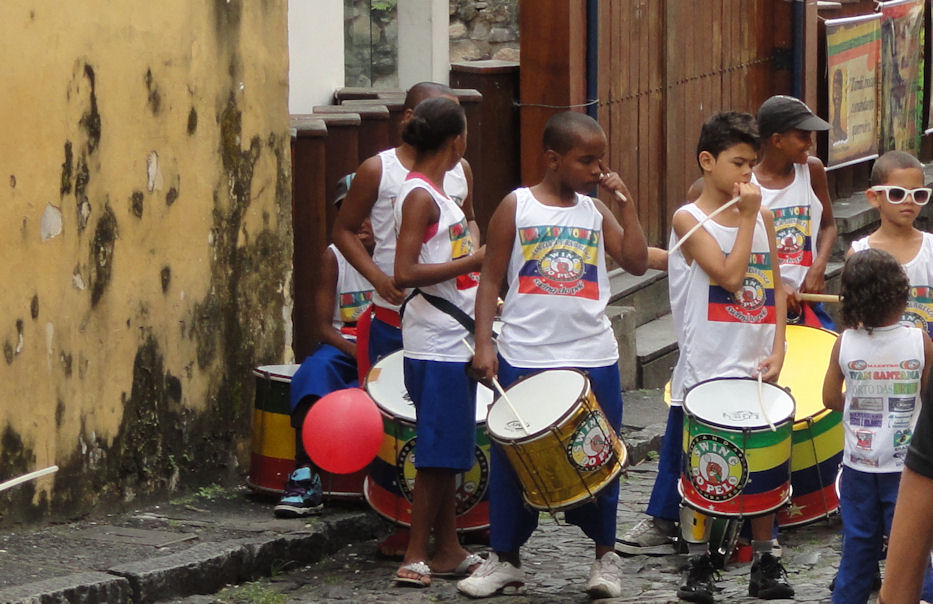
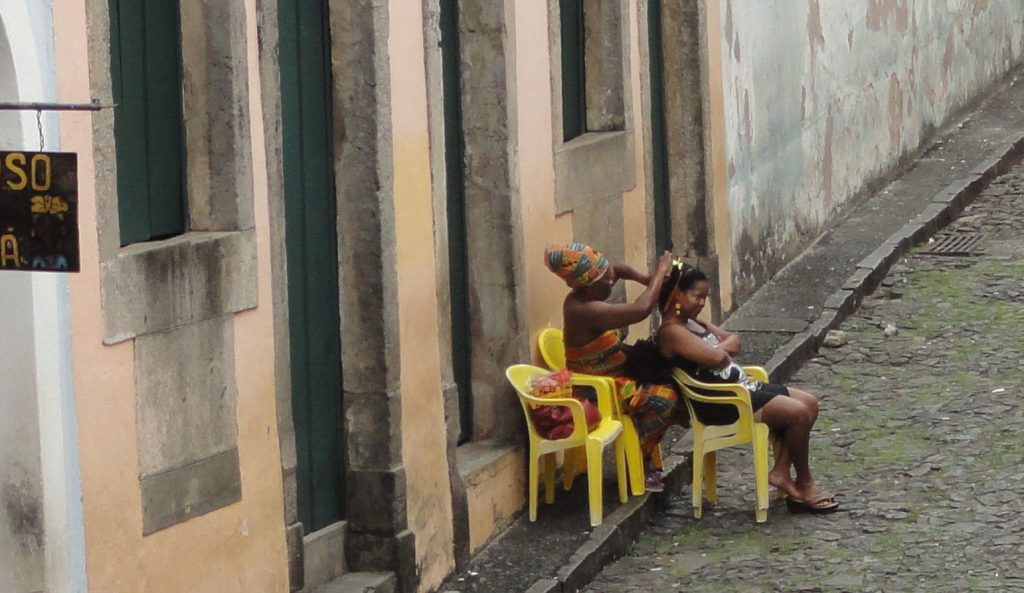
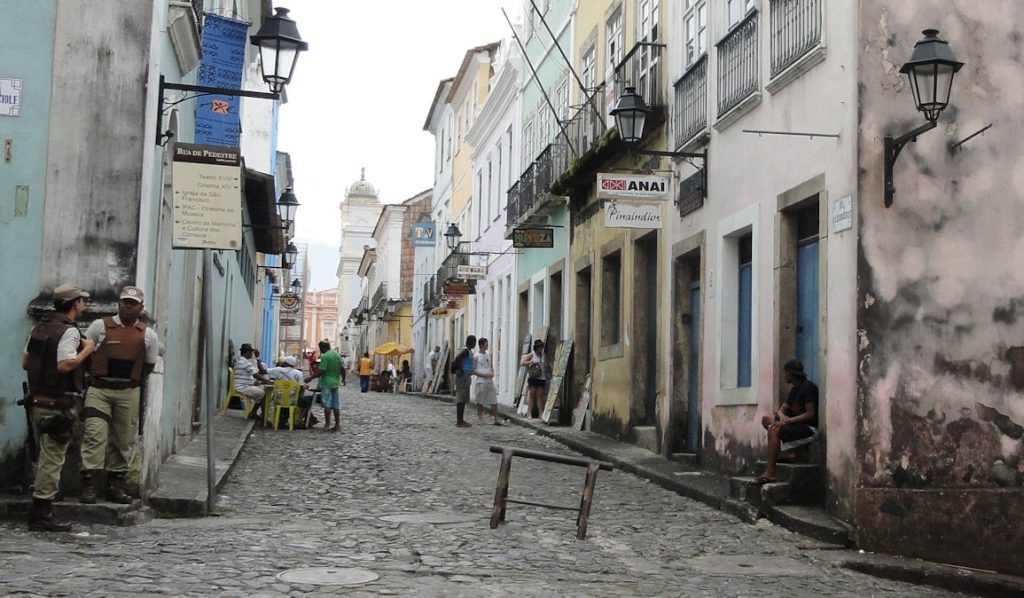
Old Salvador is an interesting place because of the interesting architecture and charming streets, but much more because of the interesting life on the streets, the people, in other words. Old Salvador comes with a soundtrack. There is the constant sound of drums and singing, as well as the usual human activity sounds you would expect on streets where the pedestrian still trumps the car. You get a feeling of community.
We were in this part of town to visit an African Brazilian organization called Olodum. Olodum is known mostly for its music, with strong percussion. In fact, Olodum members were responsible for some of the drumming and singing I heard. Some of these people were featured in a Paul Simon Album and Michael Jackson came to Salvador & Rio to record a music video “They Don’t Care About Us”. I understand that he did not to the moon walk. I suppose even for the King of Pop it would have been hard to do a smooth moon walk on the rough cobbled streets.
We are interested in Olodum more for its community outreach than for its music. We are hoping to broker a partnership between the BNC ACBEU and Olodum to teach English in the local Afro-Brazilian community. The community is interested in this because of the general utility of English, but also because of the specific demands of the World Cup, which will feature games in Salvador in 2014. With English, community members could more easily find good jobs related to foreign visitors. We see this as a good opportunity to help a group that has often been excluded and to make new friends, in the networking way I have written about on so many occasions.
We went to the other side of town to Senzala do Barro Preto with a similar aim. This is another Afro-Brazilian organization. They told me that they were inspired by the civil rights movement and you could see that in the pictures of leaders like Martin Luther King and Barack Obama. Leaders at the Centro are more interested in a partnership than in English teaching per se and it makes sense. They don’t want to just have a one-time infusion, but rather want to develop community members who can sustain the effort. It makes sense to “train the trainers”. It complicates logistics a bit, but we can probably figure it out. Things just work better when the community gets what it wants and is committed to working for the results.
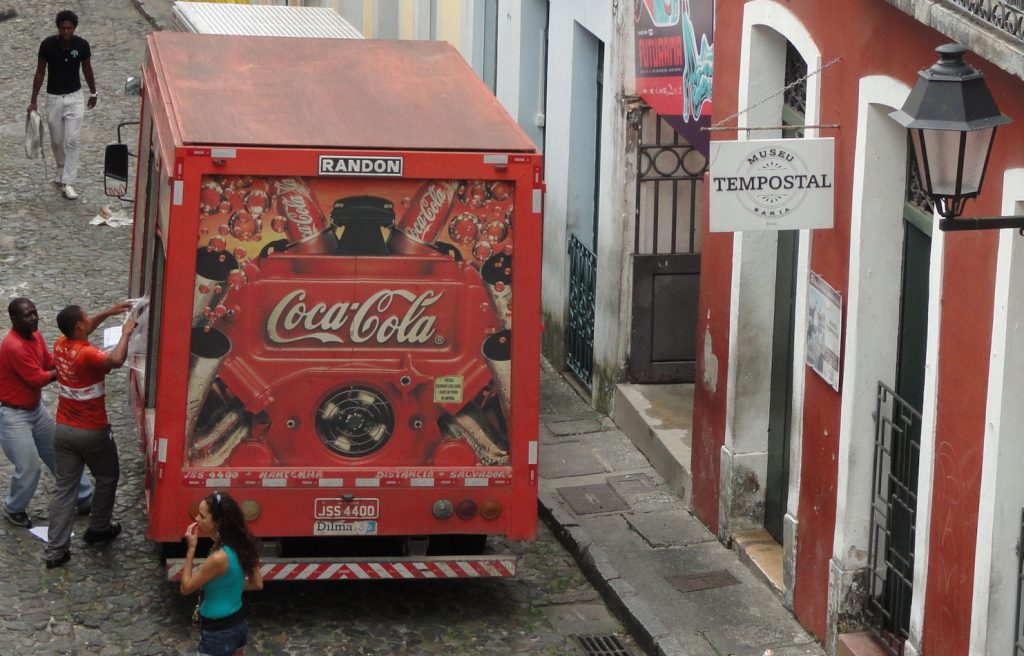
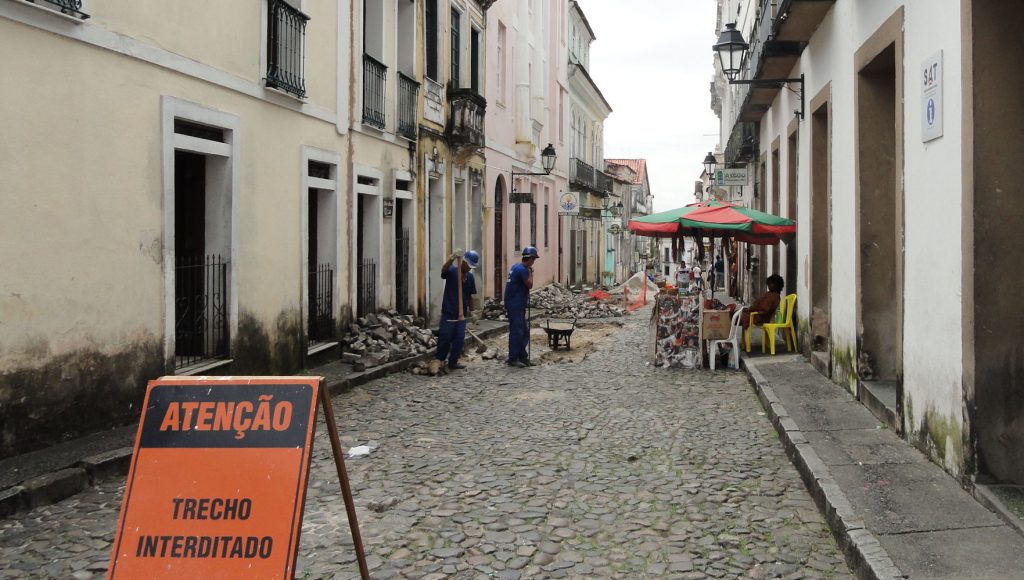
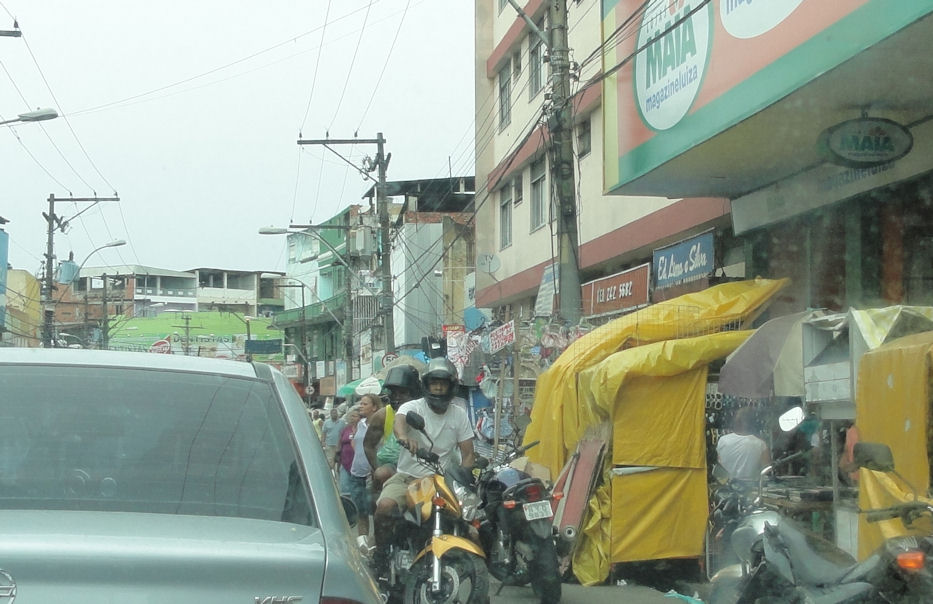
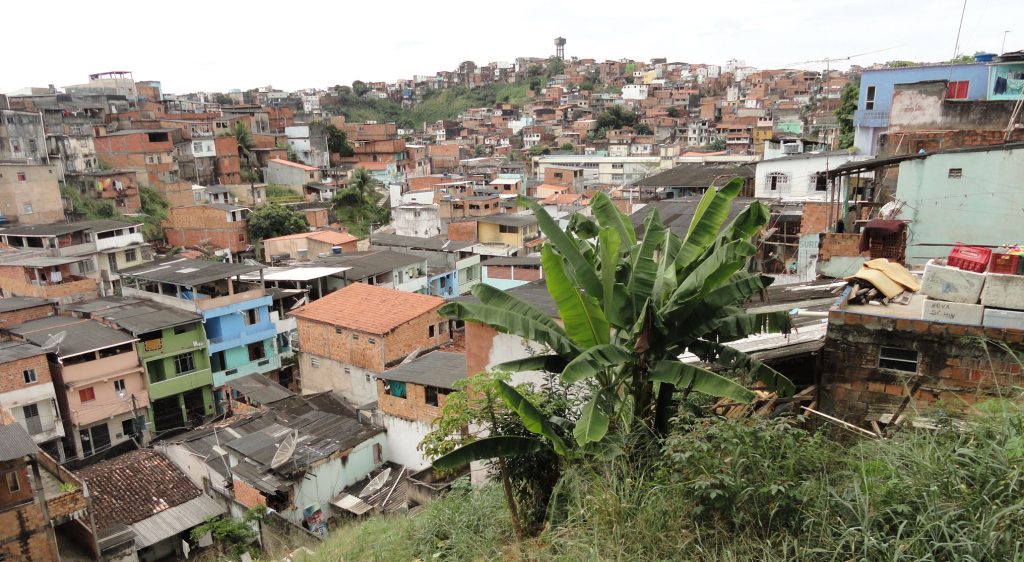
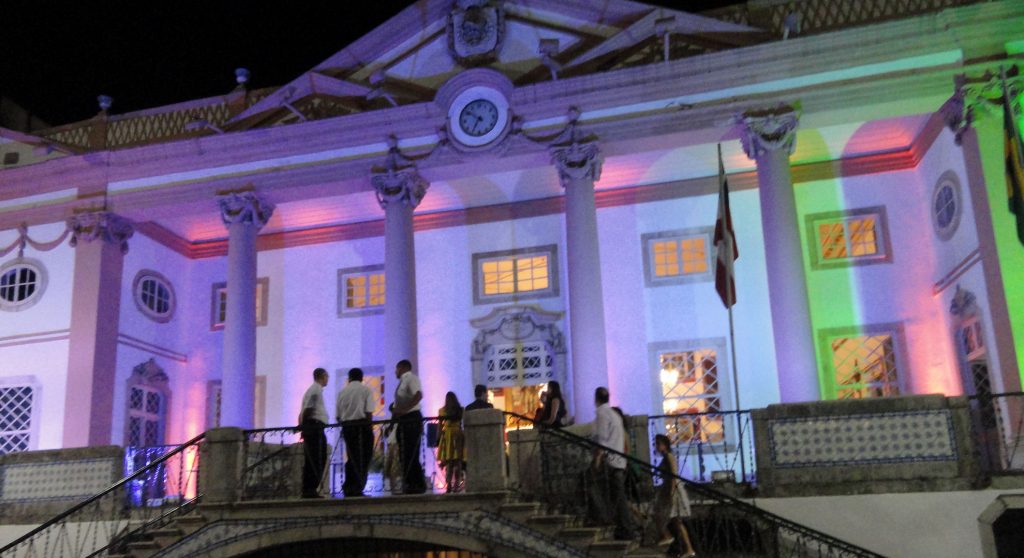
My pictures show various scenes from Old Salvador. They are fairly self explanatory. I took the Coca-Cola truck, since I don’t want to go anywhere where they don’t have Coca-Cola. I don’t think there really are many places like that in the world these days. The bottom pictures show a street in the other part of town and the other part of town. It is less charming but it is the place where lots more people live.
The old part of Salvador reminds me of Lisbon, which come as no surprise given the direction of colonization. The Portuguese landed here at the height of their empire. The Pope divided the world between the Portuguese and the Spanish in 1794, the Treaty of Tordesillas. It was interesting that they thought that the Pope had the right to broker such a treaty and give millions of people and undiscovered lands to two Iberian nations, but they took it seriously. The dividing line gave most of the Americas to Spain. Brazil was yet undiscovered, but the tip of what is now Brazil – now Salvador – juts out into the Portuguese zone. This technicality is one reason why Brazil speaks Portuguese today.
The Portuguese empire has always fascinated me. It seems like an oxymoron. Yet little Portugal used to be a big deal, as you can still see from the spread of their language and cultural traits from East Timor to the Azores. Portugal didn’t have the population or national heft to maintain an empire, but that didn’t stop them from doing it for more than 500 years.
They hugged the coasts in most places. Brazil was an exception to some extent. The Portuguese still hugged the coast, but their descendants & others pushed way into South America, which is why Brazil is so big today.
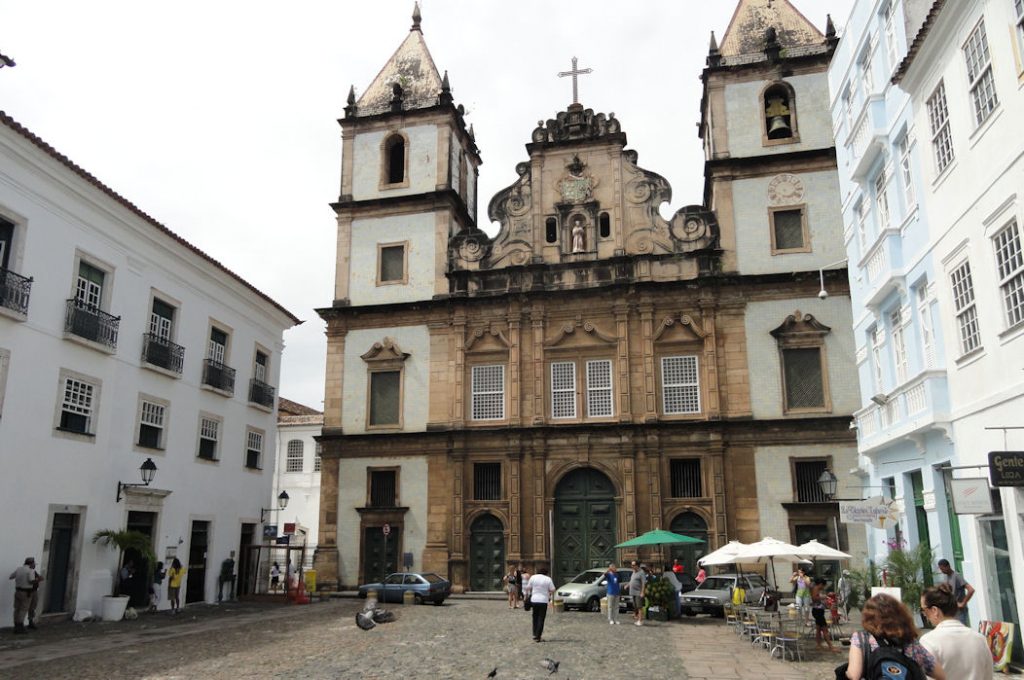
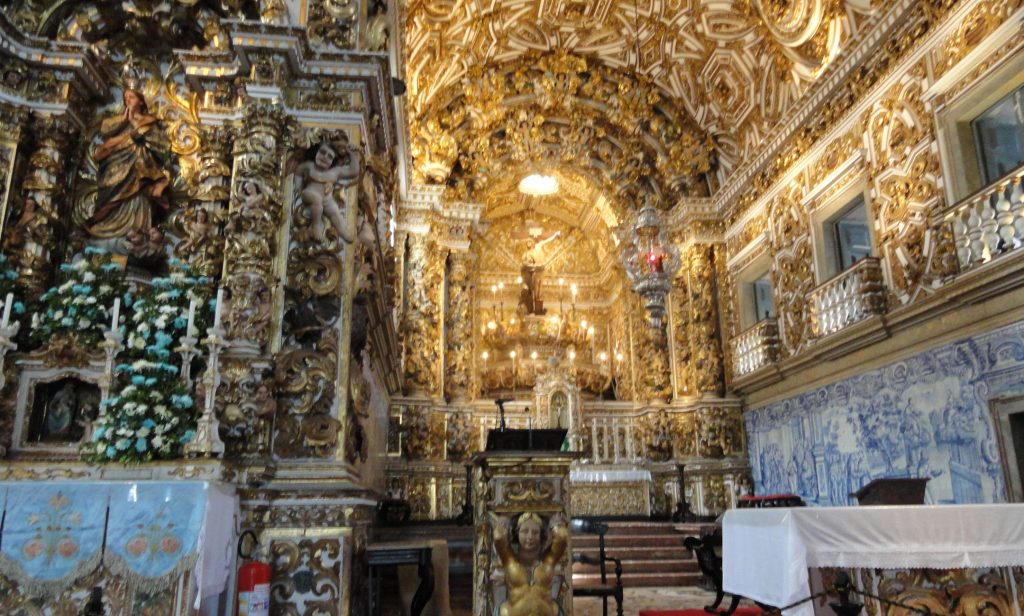
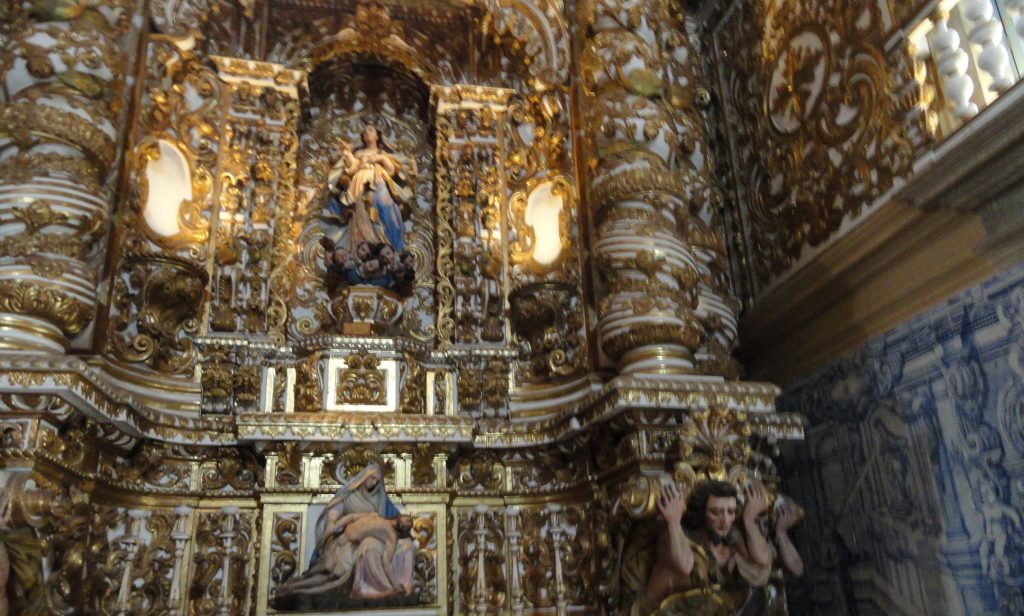
Salvador is an example of the old coastal empire. It was a rich place, as you can tell from the existing architecture, especially the opulent baroque church of São Francisco. We went to visit it just before one of our appointments and it was worth the trip. A little old guy called Paulo met us on the way in and gave us the fast tour. I forgot most of what he said, but it was worth having him at the time. He didn’t ask for any money, but we gave him some anyway and he didn’t even make a pretense of turning it down.
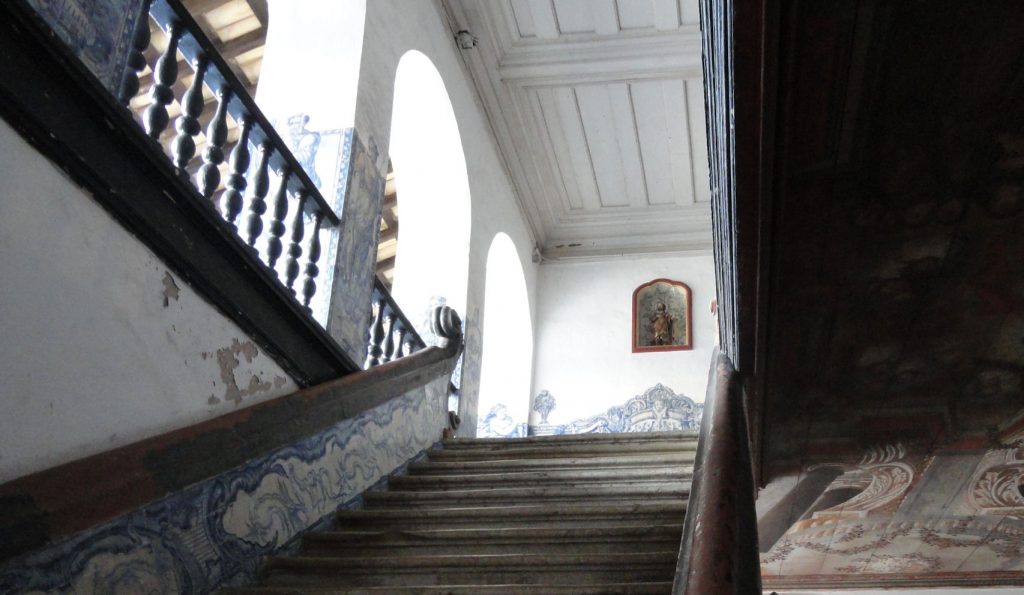
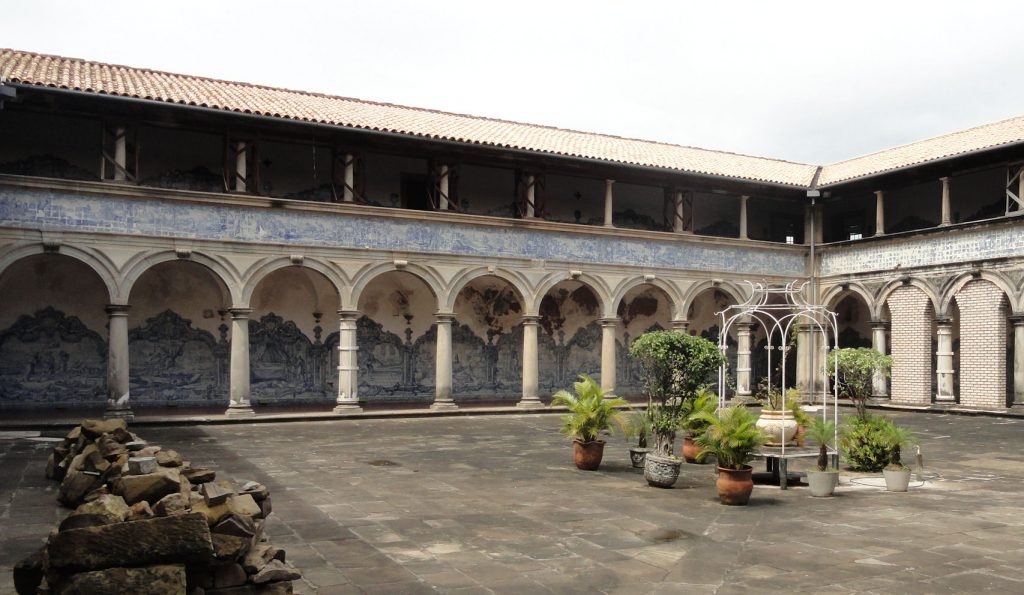
Most of what I remember is that the tiles are from Portugal and a great example of that sort of art. You can see in the pictures that Paulo was telling the truth. That gold encrusted vision you see in the picture is wood. He said it was pau-Brasil, for which the country was named. Pau-Brasil was the country’s first big export item, before the sugar cane plantations got started.
Salvador was Brazil’s first capital. It has a kind of charming decadence today and I think it probably s had a charming decadence from the day it was founded. There was not really anything like a new big building until relatively recently in history. Monumental buildings took generations to build and people used and occupied them as they were in the process of being competed. I know this is a small point, but I think it is important to explain some attitude differences in the past. We expect to start and finish things in a way they did not.
The economy came to depend on sugar cane, which the Portuguese introduced. Sugar was an extremely profitable crop, but growing it was labor intensive and the labor was hard and dangerous. The Portuguese grew it with slave labor imported from Africa. Portuguese colonization was different from the English colonization in North America. The English came in large numbers and often as families and most intended to stay in America. Fewer Portuguese came to Brazil and they often came as single men often with the intent of making money and going home. This had predictable demographic and economic consequences that you can still see today. Bahia is demographically very much like Africa and the people of Bahia have retained many cultural aspects of their African heritage. Please see the next post to find out more about that.
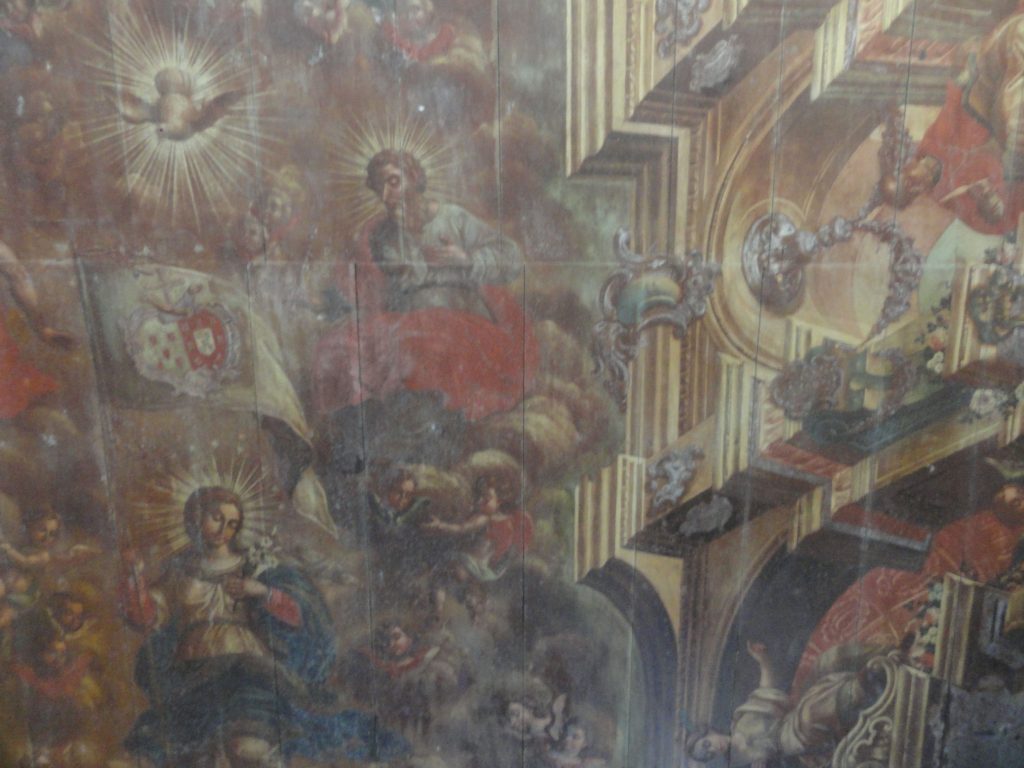
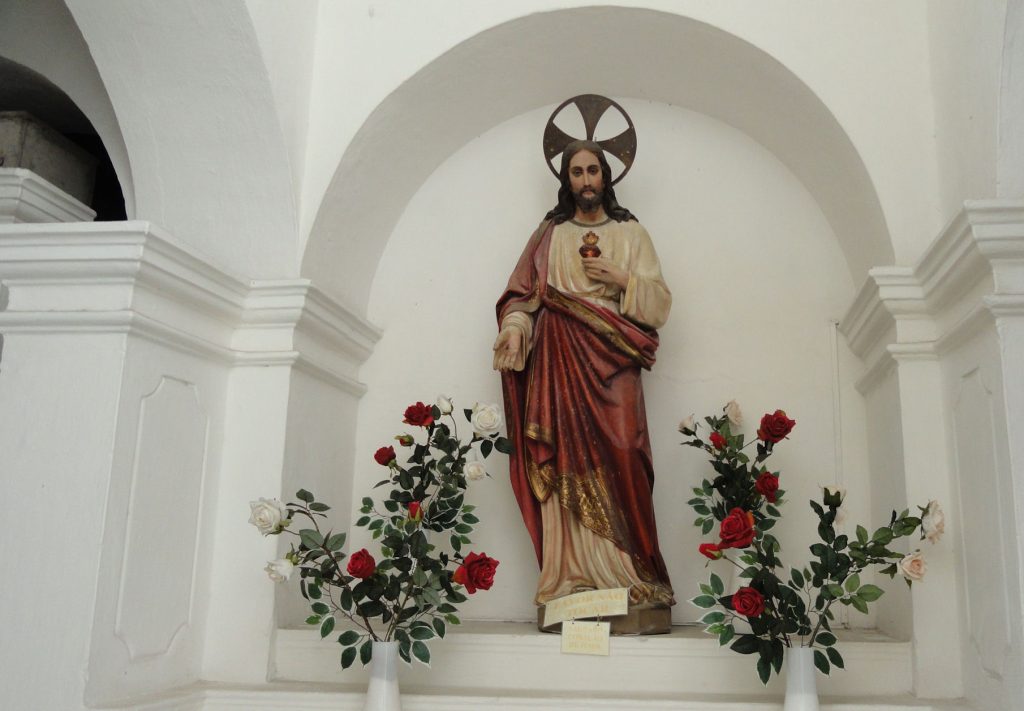
My pictures are all from the São Francisco Church in Salvador
Our BNC in Salvador, ACBEU, celebrated its seventieth anniversary. It was founded when much of the world was already at war and only months before the United States would be dragged too. The context is not coincidental. The founders understood the need for the two greatest nations of the Western Hemisphere to come together in the face of all of this rising sea of trouble. They wanted to make their contribution.
I say “our” BNC. The accuracy of the usage depends on what you mean by the word “our.” It is certainly “our” in the sense of U.S.-Brazil and it is our in the sense of the U.S. government representing the U.S. nation. We helped. But it is mostly theirs. It belongs to the people of Salvador, who over generations have built ACBEU to the institution it has become. The thing that impressed me most about ACBEU, what has impressed me about all the BNCs I have visited, is the depth of community involvement. There are people who have been involved with this BNC for two generations. The son of one of the founders spoke at the anniversary celebration and around the room were leading members of the Salvador community.
I talked to a guy about my age who runs a charity that helps a thousand poor kids with education, medical care and general direction. He proudly told me that he had been a student at ACBEU many years before and that it has helped shape his life. This is an example of a long term impact. The Chairman of ACBEU Board estimated that they have around 420,000 alumni, many like the man I mentioned above doing important work in Salvador.
ACBEU has around 6000 students this year. It is the usual BNC mix, with mostly young people but also adults and professional students. ACBEU supports an EducationUSA advising center; they have strong partnerships with local businesses and governments and the reach out to the community, giving poor kids scholarships and holding some classes in the poor neighborhoods. These are all great things that most BNCs do. An unusual aspect of ACBEU was its American student contingent.
ACBEU hosts around three-hundred Americans each year who come to learn or perfect their Portuguese. We talk a lot about two-way exchange, but it more often is Brazilians going to the U.S. Brazil is a great country and getting more important all the time. We need to develop a bigger group of Americans who understand this country, its language and customs. These students mostly come through linkages with American universities. American students want to come to Bahia and the cultural experience is great.
We also met one of our ELFs – English Language Fellows. This particular ELF, Jennifer, is housed at ACBEU. Among the things she does train high school English teachers, obviously another high-leverage activity since they will in turn train thousands of kids. We are trying to expand this program in Brazil to help satisfy the seemingly inexhaustible demand for English language. We currently have only two in the country: one in Recife and the one in Salvador that we met. But next year we should get four more funded by ECA and another one funded by the public affairs. In addition, the Secretary of Education in the state of Pernambuco wants five more ELFs and he says that he will pay for with his own funds. ELFs have always been hosted by local partners, but I don’t think this type of full cost-share has ever happened before and it is certainly the first time in Brazil that we have had that kind of partnership. Our English Language Officer in São Paulo is figuring out the details. You always know when somebody really wants want something when they put their time and/or money up.
ELFs are is a great way to reach young Brazilians, a high leverage activity, since we are helping them get what they want and we get a self-selecting group of highly motivated people, who are likely to be influential in the future.
I have marveled at how easy it is to work in Brazil. It is because of these programs implemented over many years that we can so easily do our business in this country. The polling data give us their ephemeral numbers of how many like us and how many don’t. Currently we are well-liked in Brazil, according to the polls. I read polls and I pay attention to them, but I understand their limits. People have opinions that they report and they have things that they do; these are often not closely related. I know that through good times and bad times, we have friends.
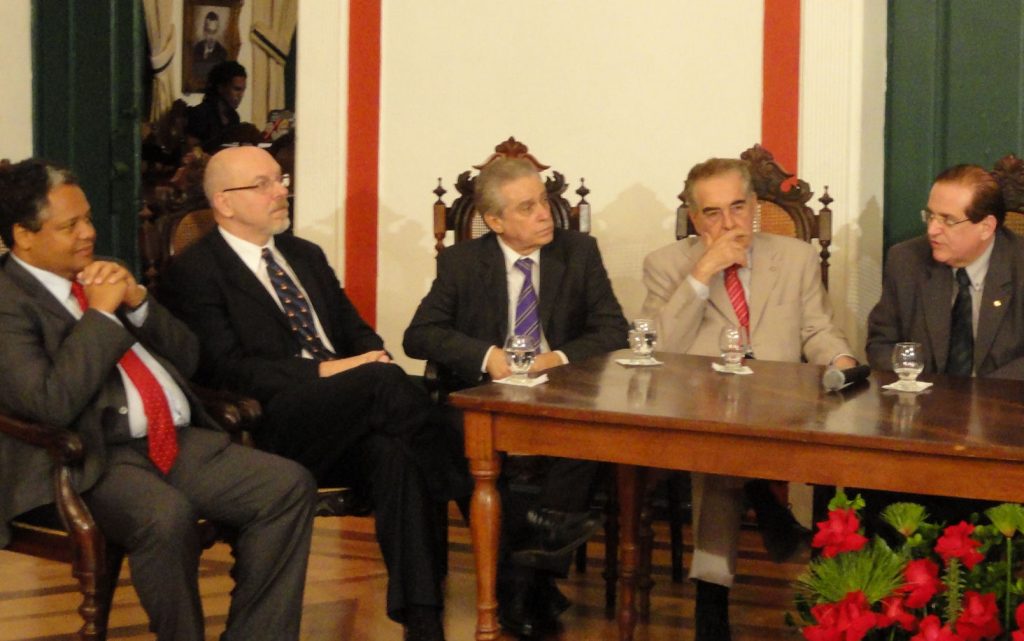
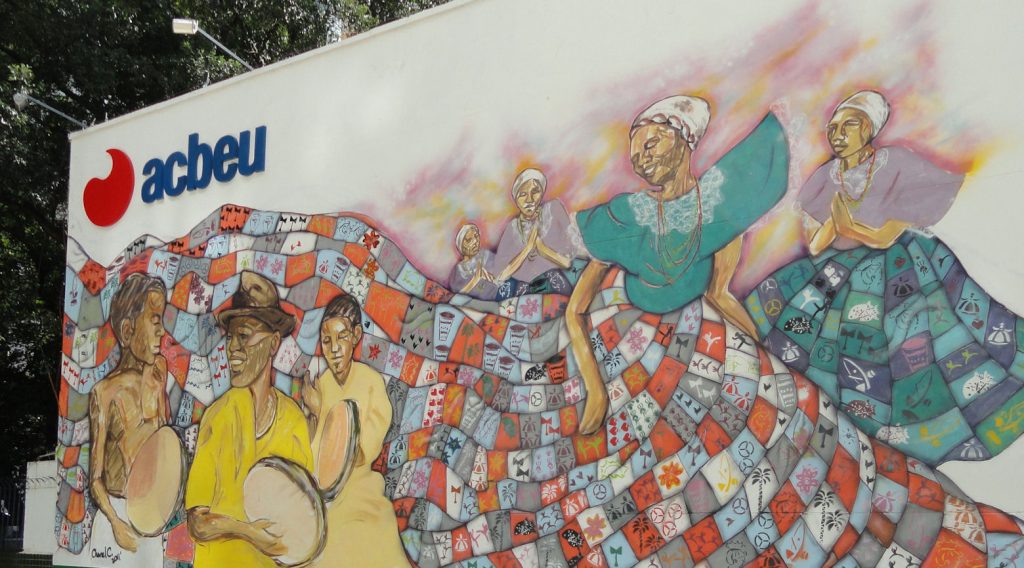
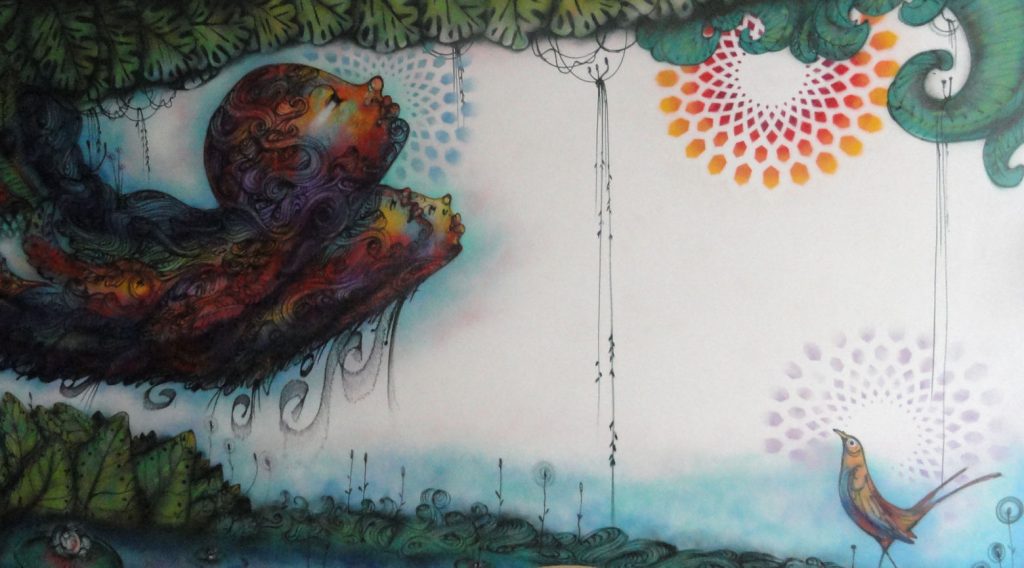
The top picture shows Associação Comercial Bahia. Below that is me at the commemoration trying to look good. The next two pictures show murals at ACBEU. They have an art gallery space. New artists can show their work there. There is no money charged, but the artists have to leave a work of art at ACBEU.
I watched “Remember the Titans” today. The story is a common one, retold since the time of Homer or Gilgamesh. Different people, maybe even enemies, come together to achieve a common goal and in the process of working toward the goal they become a team. They learn to respect each other by working together. Winning the championship is not the story; becoming a team is the real theme and long-lasting mutual respect is the long-term outcome.
A successful public diplomacy program is like that. We don’t win friends in the long run by always being right or by convincing people of the righteousness of our cause; we win friends by working together on a common cause. And the process of doing the task is often more useful than the final outcome. Creating a process IS the goal if your purpose is to make friends for the long run. The key to finding joy in this endeavor is to find a worthy common purpose that will absorb the energies of the participants and capture their imaginations. I mentioned our school principal exchange before. I didn’t know a thing about it a few months ago, but I love this program. It takes top-performing Brazilian public school principals and sends them to the U.S. where they work with American counterparts for three weeks. Then they come back to Brazil to report on their experiences to their Departments of Education and their colleagues. They hold their big conference in a different city each year. It will be in Recife this time on November 5.This year we will have representatives of twenty-four of the twenty-six Brazilian states. They usually do not come from the biggest cities in Brazil and they do not go to the biggest cities in the U.S. It is a heartland –to-heartland exchange as well as a heart-to-heart emotion. Next summer, after keeping in contact over the intervening months, the American principals will come to Brazil. I wrote a little about the principal exchange in an earlier post. This is a great process in and of itself and if we achieved the goal of bringing the principals together I would consider it a grand success. It puts Americans and Brazilians in a common quest to improve public education in our two countries. But it is even deeper than that. The Brazilians and the American institutions involved take the selection process very seriously. Dozens of Brazilian principals vie for each opening. Thousands of people are involved and I believe they are improved by it.
Our youth ambassador exchange is celebrating its tenth anniversary next year and it keeps on getting better. It started out when then U.S. Ambassador Donna Hrinak wanted to do something to reach a youth audience in the wake of the 9/11 attacks. Our PA section came up with the idea of sending twelve ordinary young people from public high schools to the U.S. It was a modest start and it is still not a program that reaches masses of people, but it has grown. Now we send thirty-five and work with 7500 students. And again the process is what touches most people.
This year we got around 7500 applicants, as I mentioned above. All speak English and are good students. They apply through sixty-four of our partner organizations throughout Brazil, all of Brazil including little towns in places like Acre or Rondonia, where we can rarely tread. This partnership is valuable. They are BNCs, education departments and schools, all of which are willing to devote many hours of their people’s time to the service of what they consider a worthy cause. Everybody is a volunteer and they do it for the love of learning and the future of their country. In the process we build friendships.
The applicants write essays about American topics – in English, which are judged by boards that include university professors, teachers and BNC officials. They narrow the field to 180 finalists. After that a board in Brasilia made up of our CAO, our lead Brazilian employee plus some other people from consulates in Brazil. Thirty-five get a scholarship to visit the U.S. This year, since it is the tenth anniversary, we want to send “plus ten” or forty-five. We are looking for corporate sponsors for this addition, which is another opportunity for partnership.
All the finalists get something. Those not chosen as youth ambassadors get a week of English immersion at one of Brazil’s great BNCs. I wrote about the last time here and here.
The lucky winners go to the U.S. During their first visit in 2002, Secretary of State Colin Powell took the time to meet with the group. He spent more than a half hour with them, which is a lot of time for a busy guy like him at that time. Subsequently, they have met other Secretaries of State plus people like Laura Bush and Michelle Obama. It is a class act.
We always get a lot of great press in Brazil, which magnifies the reach of an already great program. This year we believe we will get the winners announced on one of Brazil’s most popular TV variety programs. It will reach millions of Brazilians with the kind of excitement generated by American Idol. I am not at liberty to reveal details now, since we are still in negotiations, but I am reasonably certain that we will make a big noise o/a October 22. So this is a great program in terms of tangible PR results, as is the principal exchange. We get press and we get noticed. By I return to what I consider more important, the lasting relationships. We have friends all over Brazil who have worked with us on these programs and recall our common success. Long after the newspapers have composted and the television glamor has faded, these relationships abide.
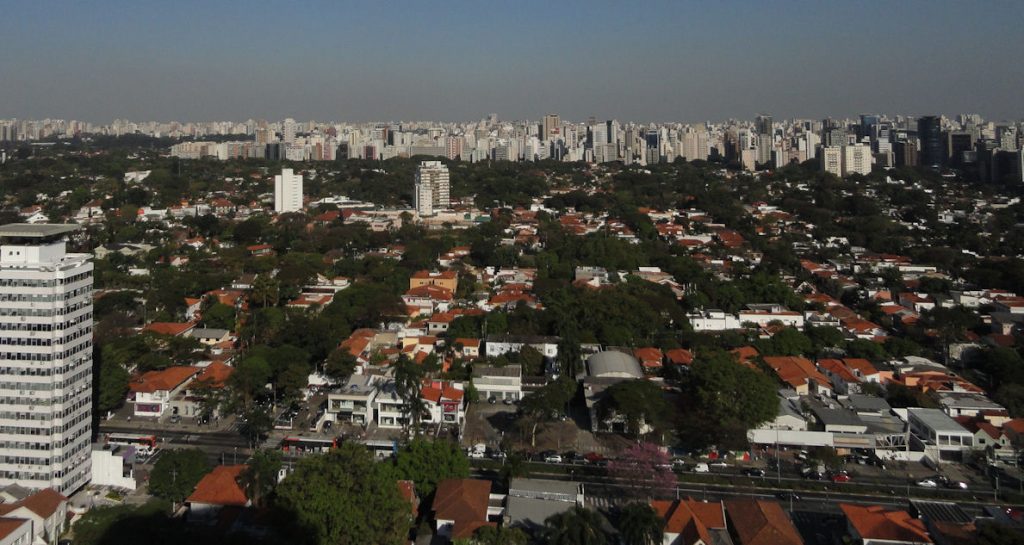
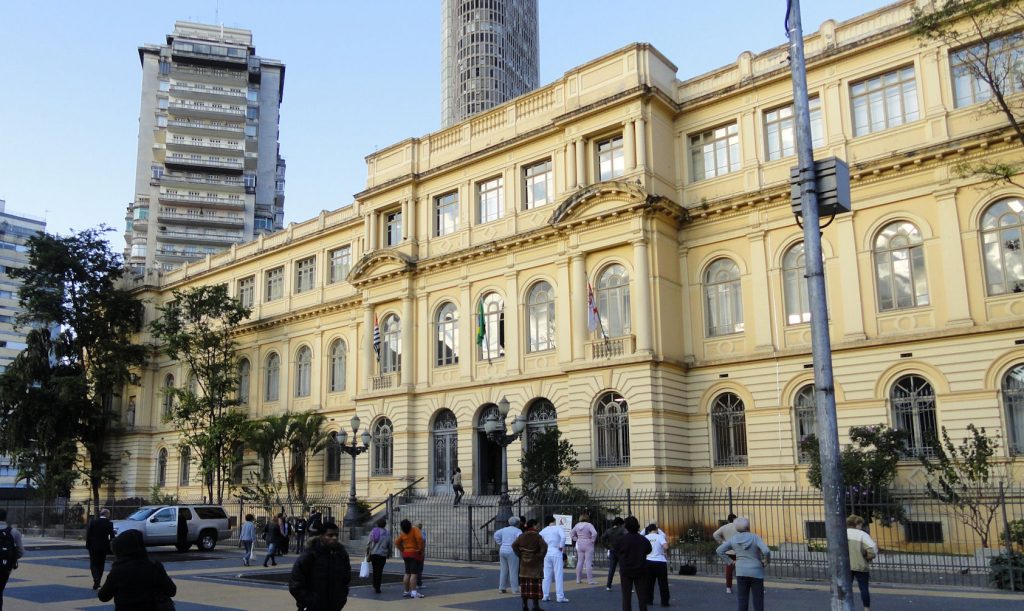
My pictures show the city of Sao Paulo from the offices of the Lemann Foundation and the SP State Ministry of Education.
Brazil is a big and diverse country that has changed remarkably in recent years. That fact is so obvious that it can be overlooked; it can hide in plain sight. History and tradition conspires against seeing the big picture. Rio is so attractive and São Paulo so dynamic that it is easy to think that Brazil revolves around this axis. Add Brasilia, and you could spend a lifetime in this Brazil w/o paying much attention to the rest. It is not only Brazil. I know another big and diverse country where some people don’t really notice much beyond the East Coast (i.e. New York and maybe DC) and the West Coast (i.e. LA and maybe a little around SF). But in both countries, much of the energy is outside these formerly central places.
My admittedly still limited experience with Brazil leads me to believe there is a strong parallel with the U.S. in what we can expect in future development. Demographer Joel Kotkin identifies such “cities of aspiration” in the American heartland as engines of growth and cultural expression in the next decades. I think the same thing goes for Brazil. Cities like Manaus, Cuiabá, Campo Grande or Tres Lagoas are Brazilian cities of aspiration, places where people go to get their piece of the country’s success. It is musica sertaneja replacing samba. It is new infrastructure opening up new places and new people enjoying social mobility. We cannot forget the old places, which are and will remain important, but we should also be in the new places.
I can think of lots of reasons to stay in the office. Office work creates its own gravity. It is hard to get out and if you are out of the office a lot some people think you are not working, but we are not really doing our jobs if we DON’T get out … a lot. If we didn’t need to get out among Brazilians we could just stay in the U.S. Most Brazilians are far away from us, since it is such a big country, it takes time to get to them but we can get to them. Some are close enough to drive, although that takes time too. Some of the areas and satellite cities around Brasilia are places of aspiration, so are some places in Rio and Sao Paulo. They are not all away from everything. They are not all far off in the countryside. My car will come soon, I hope. I can drive from Brasilia to Goiania in about three hours and from Goiania I can get to Uberlandia etc.
Anyway, I think that most of us agree about the need to get out. We can all identify the problem. We just have to do it, and not just me. It is an exciting time to be in Brazil, as I have said on many occasions. There is enough Brazil for everybody.
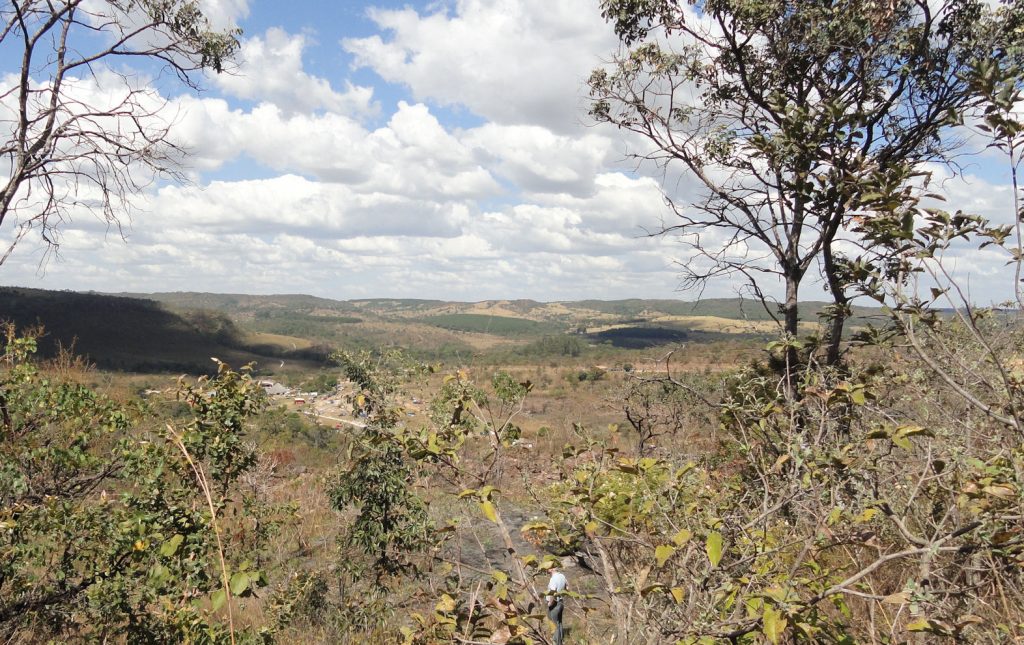
The picture is a landscape in Goias. There is lots of room.
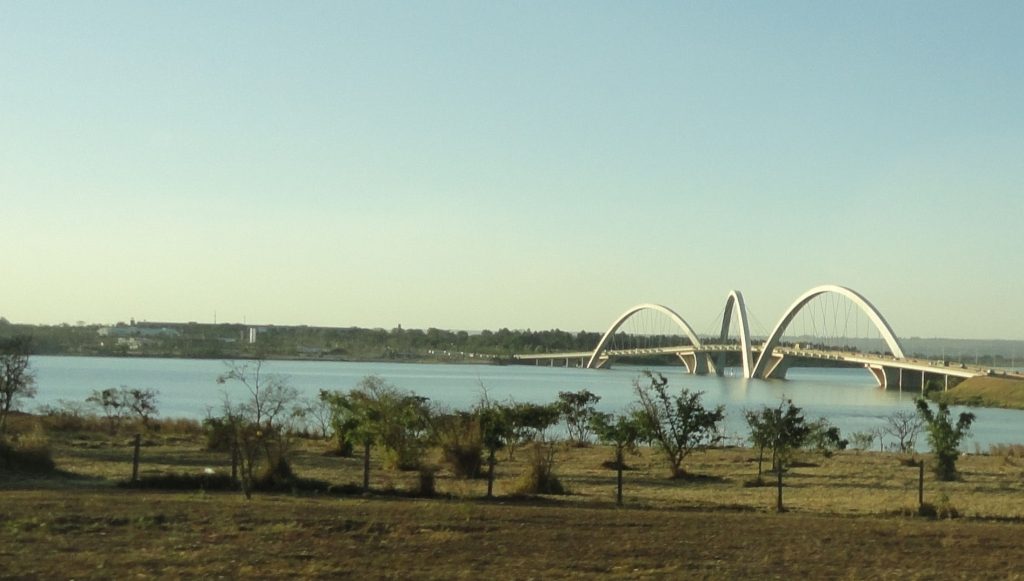
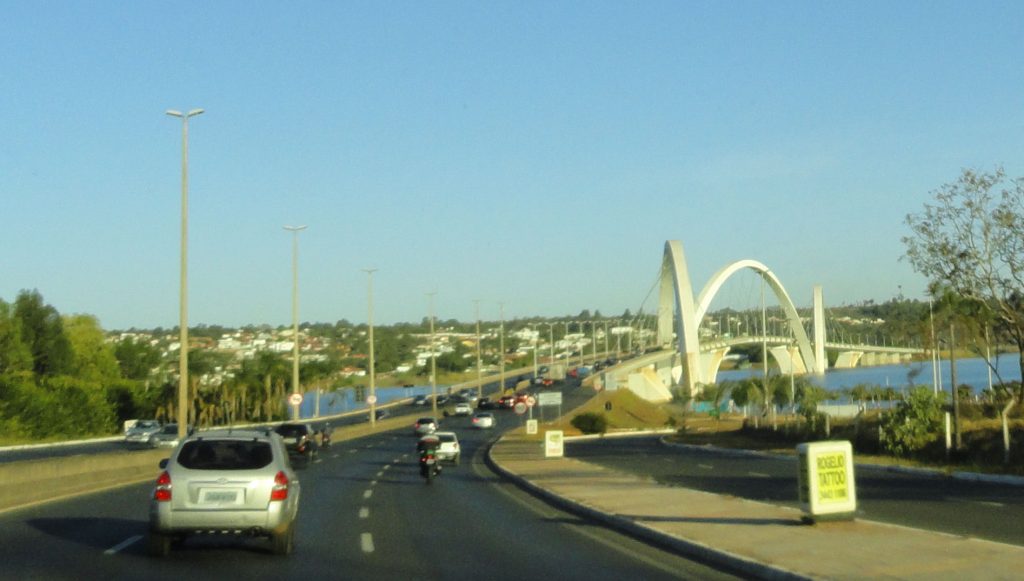
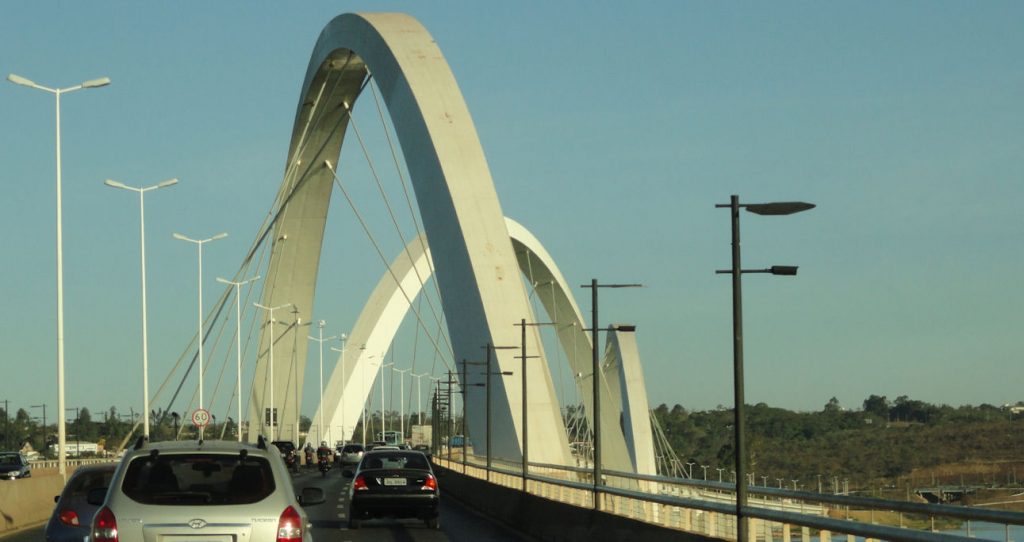
Among the many things in Brasilia named for Juscelino Kubitschek is the bridge in the pictures. It is a real work of art and looks good, as you can see in the pictures.
You notice from the grass that we are getting into the peak of the dry season. The air is as dry as Death Valley. and it won’t rain again until September. After that it will rain every day for the next couple of months. You can read more about the bridge at this link.
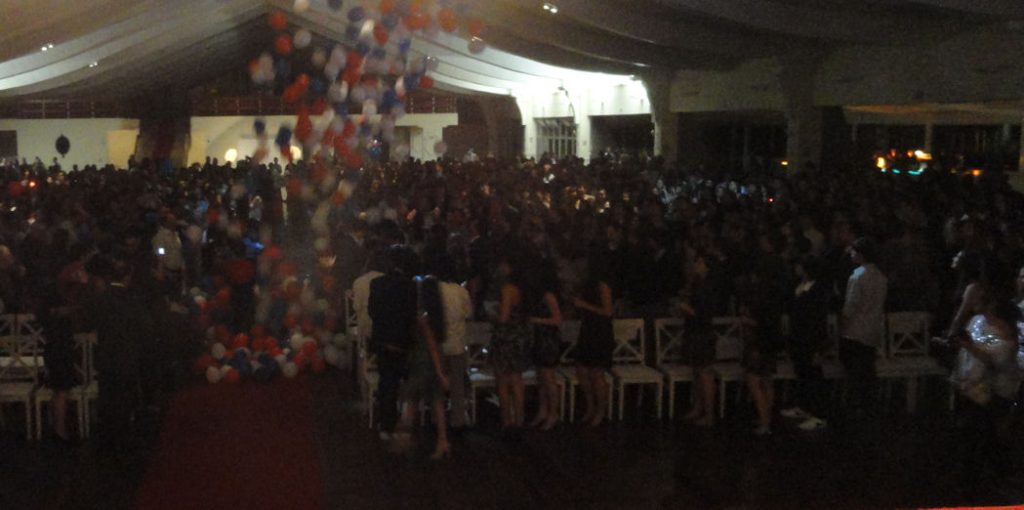
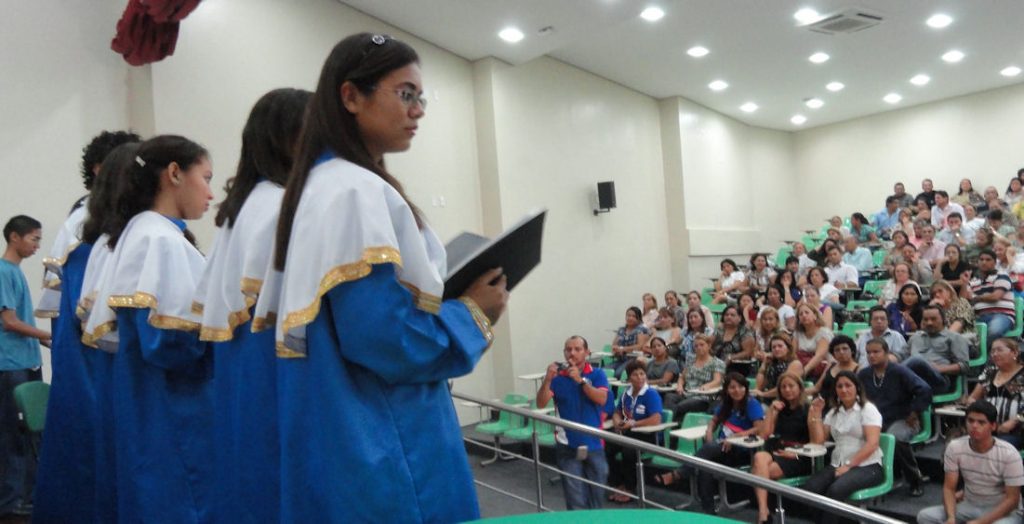
I recently had the honor of speaking and giving out some diplomas at a Casa Thomas Jefferson graduation ceremony. 536 students of various ages and programs got diplomas. The diplomas are symbols hard work, but do note confer any special privileges. Yet the students came for them and so did their families. Everybody was proud. It was the affirmation of a community that made the difference.
Rituals have a place in our lives that we often forget or neglect. My speech was not very interesting and nobody expected it to be. You don’t come to a ceremony like this for stirring oratory. I was playing my role, as were the others. The fact that we were doing it mattered, not the ostensible content. We marked the achievement and the transition of the students.
IMO, we have abandoned too many of our traditions and rituals. We like to think that we are too sophisticated and that we see through these “empty” gestures. There are indeed empty gestures, but many of the traditions that mark transitions or recognize achievement are not empty. They are full of meaning as structures that define our lives and hold our society together. When people neglect their roles, society starts to fray.
The Casa Thomas Jefferson students were admirable and they deserved the recognition that the ceremony gave them. Many of the adults work all day and study at night. They know that English is an important asset for their success. We Americans don’t appreciate how lucky we are that we learn the world language as our first. One author said that it is almost like being born already knowing algebra. Others understand the power of our native language and are willing to sacrifice to learn it.
I have a lot of respect for those who learn my language & I am glad that they do. I have had a lot of fun learning my Portuguese, Polish and Norwegian, but since I can’t learn all the languages of the world, I am delighted that so much of the world has decided to learn mine. And if I can celebrate their achievement and take part in their traditions, it sure makes me happy.
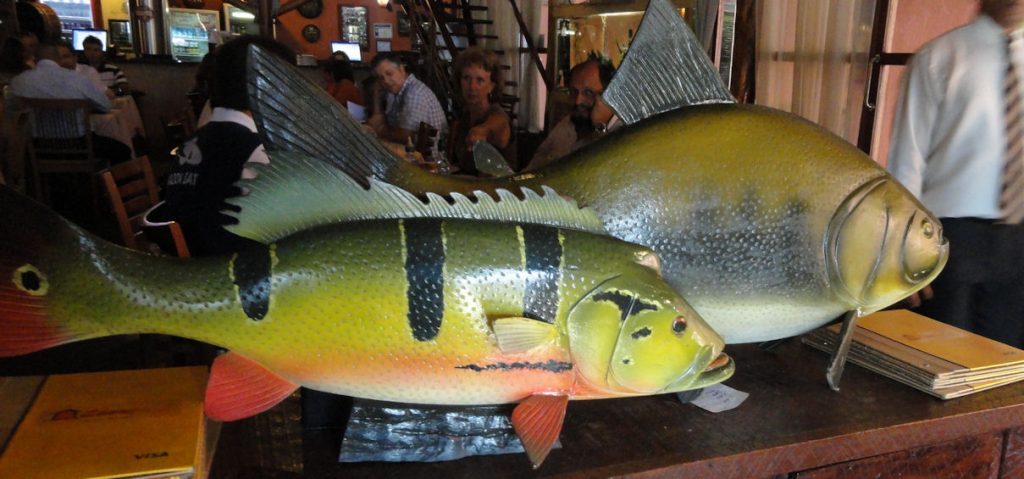
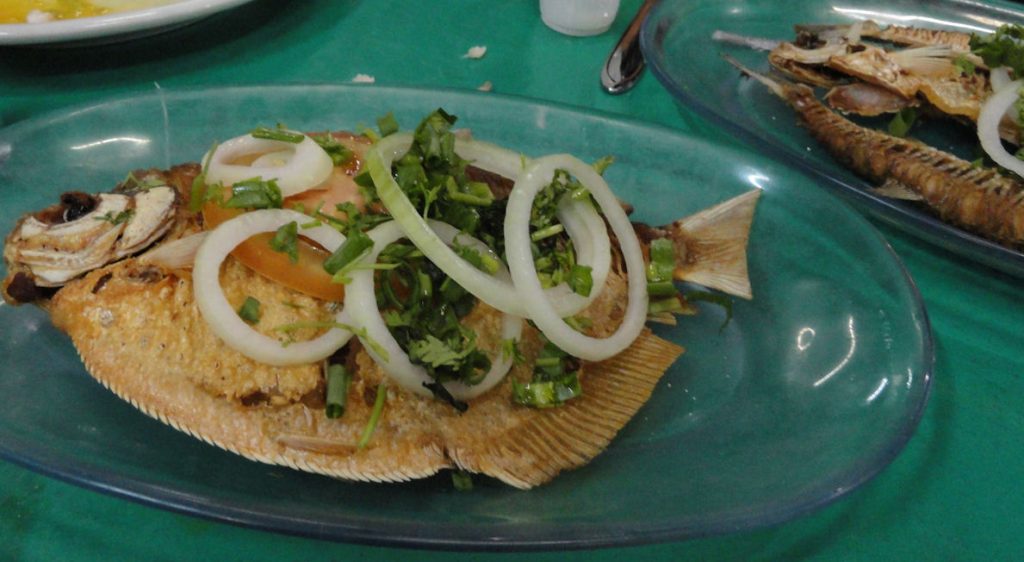
People in Manaus eat a lot of freshwater fish and various restaurants offer varieties of fish I have never heard of before. They had names like tambaqui & pirarucu; I cannot recall which were which. All that I know for sure is that I had at least five and maybe as many as eight different kinds of fish. They all had a kind of whitish meat and a mild taste. A lot depended on the way they were cooked and nothing had the kind of strong taste of cold water fish like salmon or trout.
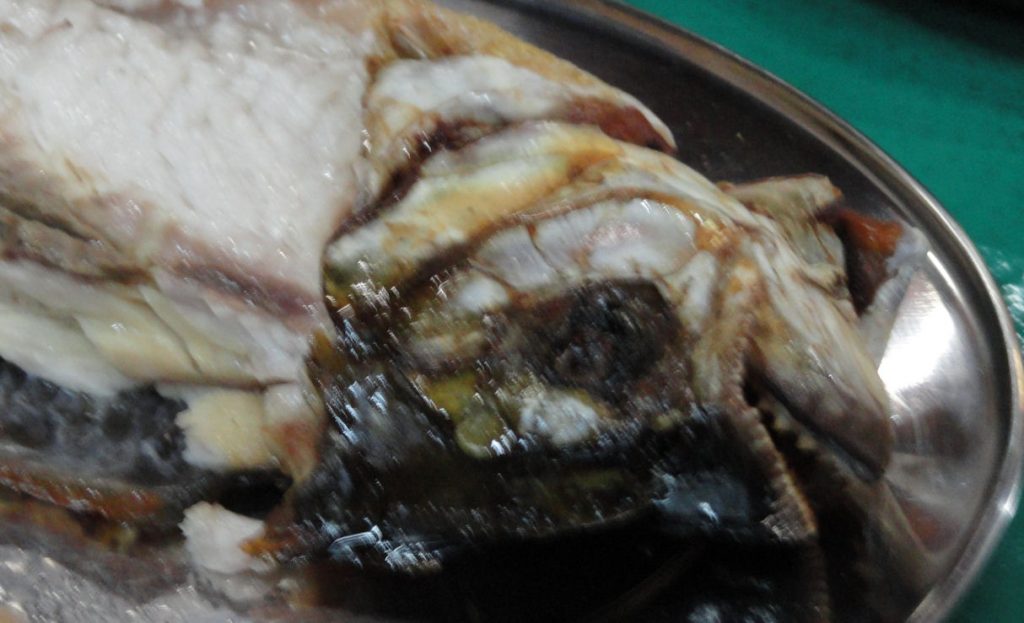
You can see from my pictures what servings look like. Everything tasted better than it looked. I think it was the tambaqui that I liked the best. I don’t know for sure, but in the models you see of the two fish, I think it is the bigger one. It is not served whole, like the others in the pictures.
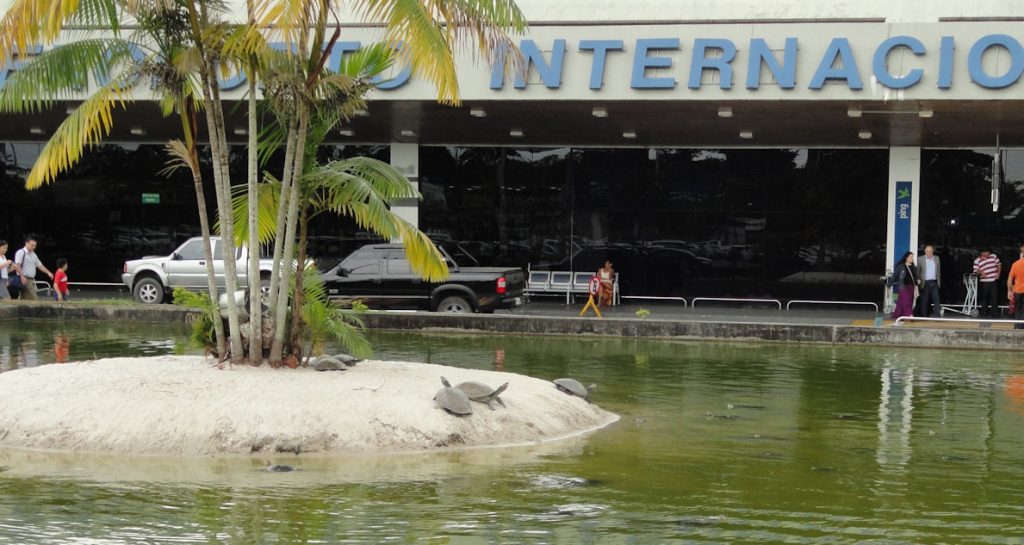
I just took the advice of the people I was with about what to eat and I was glad that I did. The food was very good and different than I usually eat. I eat salmon and trout, but otherwise my fish comes in squares with breading on it and they don’t stare back at me. Below is the airport & the turtle pond pond in front. Notice also the pickup trucks. Manaus has lots of pickup trucks.
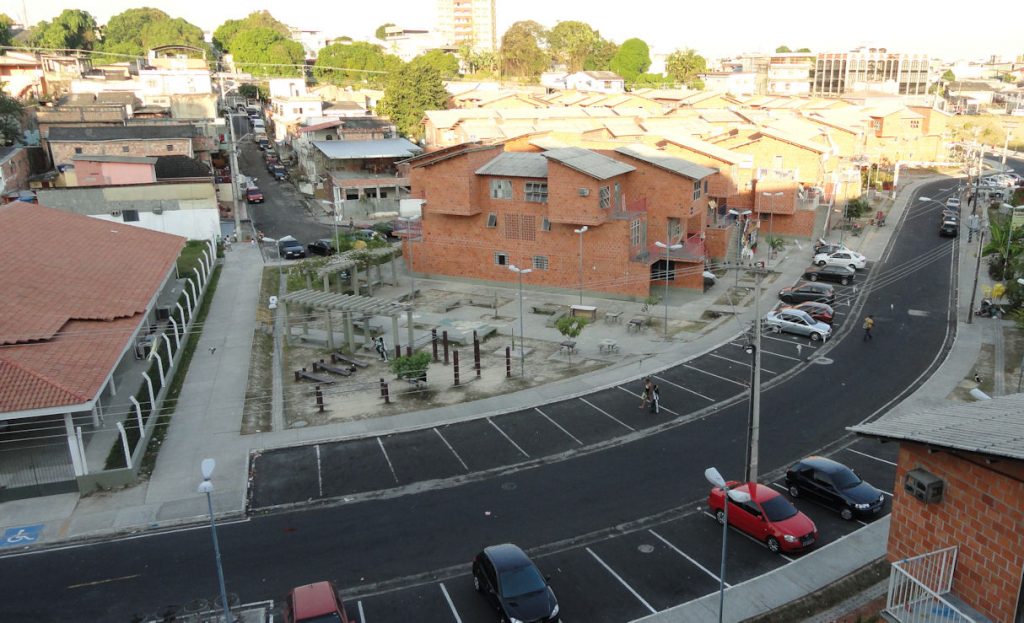
The picture you see above shows a successful outreach to a favela. It was not a big favela, but it was troublesome. I took the picture from the garage of our BNC in Manaus. The BNC folks told me that it used to be very dangerous being near the favela. People would climb up the wall, steal things or just vandalize property.
The BNC was happy when the city government decided to do some renewal. The street you see in the picture used to be an open stream, more of an open sewer. The water now passes under the road, which follows the old water course. The people get to stay in the simple but comfortable houses on condition of decent behavior and keeping their kids in school. There is evidently some provision for secure property rights, but the people I talked to didn’t know the details. Improving physical conditions followed by provisions that establish discipline and some kind of property rights or at least responsibility are the essential ingredients of stability. As we learned in the 1970s, just building houses for the poor does no good and may actually cause harm if it breaks down social bonds. Buildings are important components of communities but it is the human relationships that really count.
Speaking of relationships, the BNC also did its own outreach. They went down into the community, offering some scholarships but mostly just getting to know the people better. Today, they tell me that peace and harmony are more or less established in this particular corner of Brazil. It looks orderly and clean. Somebody is picking up the trash. That is a good sign.
In general, BTW, Manaus is a fairly clean city with significant numbers of trees along the streets. This complex doesn’t have many trees, but they seem to have made provision for parking.
Reaching youth audiences in a meaningful way is a perennial challenge for public diplomacy. We sometimes pander to them, trying to supply vacuous messages in a pathetic attempt to be cool. I don’t like this. We (USG) are not cool in the adolescent way and I don’t want us to be. But I think we already have nearly perfect vehicles for sustained contact with youth. We may not appreciate them because we have been using them for a long time but we have not been using them in the same old ways.
I wrote a note about our BNCs earlier here & here. So far, I have visited BNCs in Rio, Recife, São Paulo and Manaus and that has made me more certain than before that this is a great vehicle. We reach thousands of young people with almost no direct cost to the U.S. taxpayers. BNCs have also played parts in a couple other great programs, that I will describe below. It is the synergy that we are always seeking.
For example, one reason I went to Recife and Manaus last week was to follow up on participants in our youth ambassador program. Young Brazilians went to the U.S. a few months ago. Most of the winners were chosen with the help of the BNCs. The BNCs also did follow up programs with runners-up, as I described in an earlier post here & here. Now they are hosting Americans coming to Brazil as the counterpart of the program. It is a great experience for the young Americans, but it is even more important to the young Brazilians they meet. The program lets us reach all parts of Brazil. Each of the youth Ambassadors personally interacts with hundreds of Brazilians. Through social media and traditional media (they are interviewed in newspapers, radio and TV) they reach even more. One reason this is so effective is that they are in smaller centers too. An official American is a bigger deal in Manaus than in São Paulo and an even bigger deal in Rio Branco or Boa Vista.
In Manaus, I had planned to meet the four American youth Ambassadors who went there. So I invited them to a meeting. I had not counted on all their new Brazilian friends and former Brazilian youth Ambassadors. I ended up with twenty kids at Pizza Hut, excitedly talking about America with me and with each other. They want to know about … everything. They commented that they couldn’t believe that American diplomats could be so open and eat so much pizza. They had a image of us with three-piece suits. The Pizza Hut encounter changed their minds. I am not saying that twenty kids will change the world, or our image here, but, as I wrote above, they talk. It was touching that they worried about spending my money and wanted to chip in for the check. It cost about $R20 a person. We can afford that and it was money well spend. I think I will try to regularize these kinds of meetings with young people. I used to do it a lot in Poland and it worked well. Kids everywhere like pizza. Me too.
The other program I have been following around is the Brazil-U.S. Principal Exchange Program. This one takes the best principal from Brazil and sends them to work with schools in the U.S. It is followed by some of the best American principals who come to Brazil. Each group studies the work of the others and suggests exchanges of best practices. These educators go to places where Americans are less common, like Acre, Tocantins, Mato Grosso or Rondonia. They reach thousands personally and maybe millions through the media.
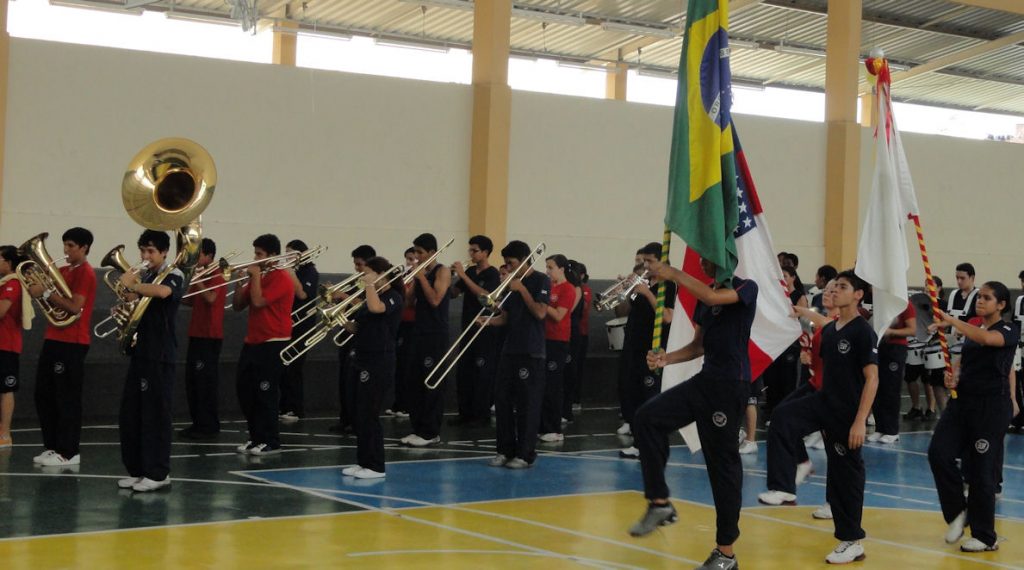
I spent the morning in Manaus with the principal that went to Amazonas & Acre. Her name was Sandra Boyles and she was a principal in the State of Georgia. She made her report to the State Secretary of Education in Amazonas at a big assembly of school leaders from throughout the state. They met us – literally – with a band and a choir.
I talked to the Secretary of Education Gedeão Timóteo Amorim during lunch that followed the program. I have rarely found anybody so satisfied with one of our programs. He said that he had spoken with the principals that went from Amazonas and that his staff had lots of ideas for following up. In fact, our current good situation is a partial follow up to an even to an earlier program. This guy was an IVP. He told me that he got many ideas about distance educations during his official visit to the United States. Amazonas is mostly rain forests and it has few roads. People have to travel hours by boat along the rivers or they have to fly. Amazonas today has one of the best organized distance learning systems in the world. And we helped; our program made a big difference. And the authorities in Amazonas recognize and appreciate it.
Our principal was treated like a rock star by the HS students and she told me that this had been her experience during his whole time in Acre and Amazonas. Students, teachers and administrators flocked around to have their picture taken with us or to offer their words of English. With the social media, they are sharing these pictures and sharing their experience. She told me that it had been like this during her whole trip. The other principals confirmed this with their own stories. I lost track of the number of times I heard some variation of “Americans are so much better than we thought from the news or movies” I heard from the kids.
I am certain that we will have had a lasting positive effect on Brazilian education and I think the exchanges of ideas will have a lasting positive impact on U.S. education. But strictly from the public diplomacy point of view, I don’t think we could have made a greater impact on youth audiences in any other way. These programs work.
As much as we want direct contact with the youth audiences – future decision-makers- which these programs give us, I still believe in the imperative of reaching current decision makers. This exchange program got us in close personal contact with decision-makers like principals, politicians and state secretaries of eduction who will decide what to do now. The principal I was working directly with in Amazonas has impact in the states of Amazonas and Acre. This program also sent principals to Alagoas, Ceará, Espirito Santo, Goiás, Mato Grosso, Mato Grosso do Sul, Minas Gerais, Paraná, Pernambuco, Rio de Janeiro, Rio Grande do Norte, Rondonia, Roraima, São Paulo, & Tocantins. Suffice to say that the got to places were our public diplomacy would not otherwise reach. They talked to people we would not otherwise meet and had experiences we will never have. Beyond that, there is a network that has been created. This year’s principals are benefiting from those that went before and so shall it be in the future. I repeat because it bears repeating that the American nation is greater than the American government. A program like this lets our public diplomacy leverage the power of the American nation.
I also repeat again – just about everything we do in public diplomacy is simple. Success depends on energy and persistence in the application of things almost all of us know to do. We have to get out of the offices and among the audiences, fewer meetings with each other and more meetings with audiences. And we have to leverage the efforts of others. We all know that. It is simple, but maybe not easy to do. My first weeks have included lots of travel and literally hundreds of meetings with Brazilians. This “boots on the ground” approach is also something that works. I hope I have the energy to keep it up and to keep up with the Brazilians.
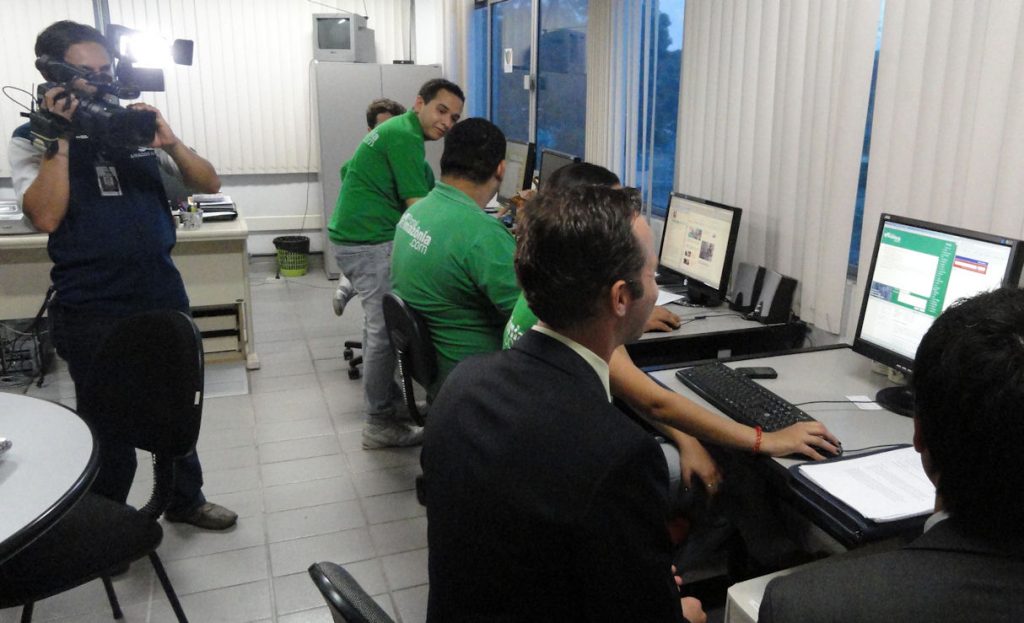
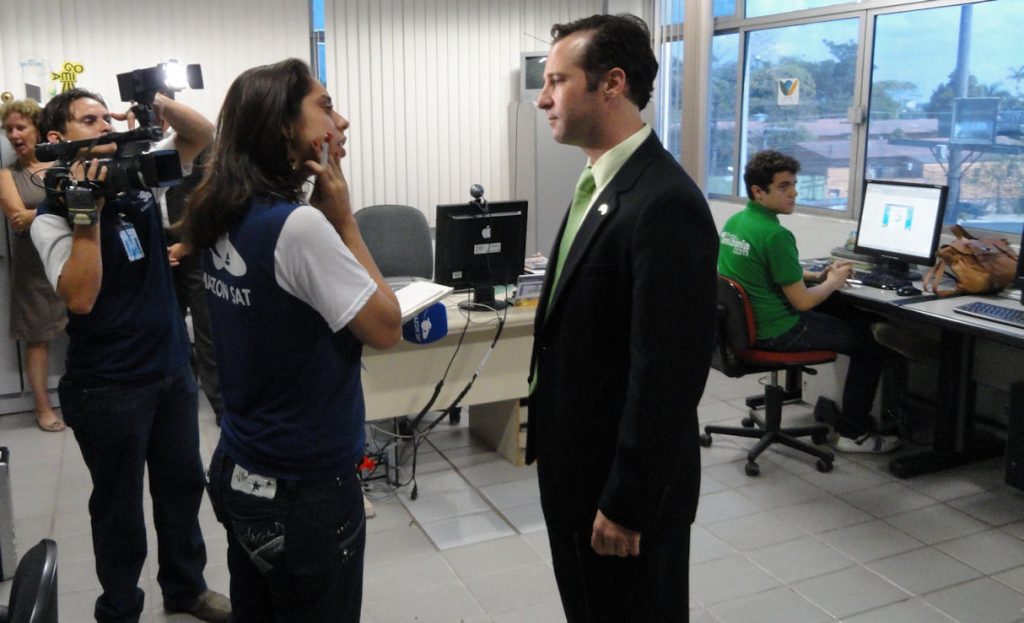
One more thing to add about our youth outreach. We are using the interaction of old and new media very well. During my stop at the TV Globo in Manaus, I ran into two of our vice-consuls, Dustin Salveson & David Fogelson doing TV and then online interviews about visas. Nothing is we do really more interesting to Brazilian audiences than visas. There are lots of myths and misconceptions. Almost all Brazilians now who seek visas get them. This is a change from years ago, but many people still believe the old system is still in place.
Beyond that, there is essentially no wait for student visas. I asked our vice-consuls to repeat that early and often. You have to repeat the same message over and over. It gets boring for you to do it, but we have to remember that most people are hearing it for the first time and even if they heard it before, they probably did not pay attention. Our vice-consuls did a great job. You can see the pictures of the “event”. This is a trifecta. We get television, live-online interview and a written record.
I believe that you have to understand before you can try to be understood, which is why I am doing so much contact work and travel in Brazil. I am learning a lot and my Portuguese is improving too. The more I see of what we are doing in Brazil, the more encouraged I become. Our colleagues of the past laid a great foundation and our colleagues now of doing a great job. Beyond that and most important, the Brazilians like and appreciate what we are doing. I have always been lucky with my posts, but this one seems to be beyond great fortune.