A Nation the Makes and Builds Things

Can Americans still make stuff? Do we have excellent companies that operate w/o a lot of debt, stick to their business and operate with a lean staff? Can we Americans reinvent ourselves again? I think so.

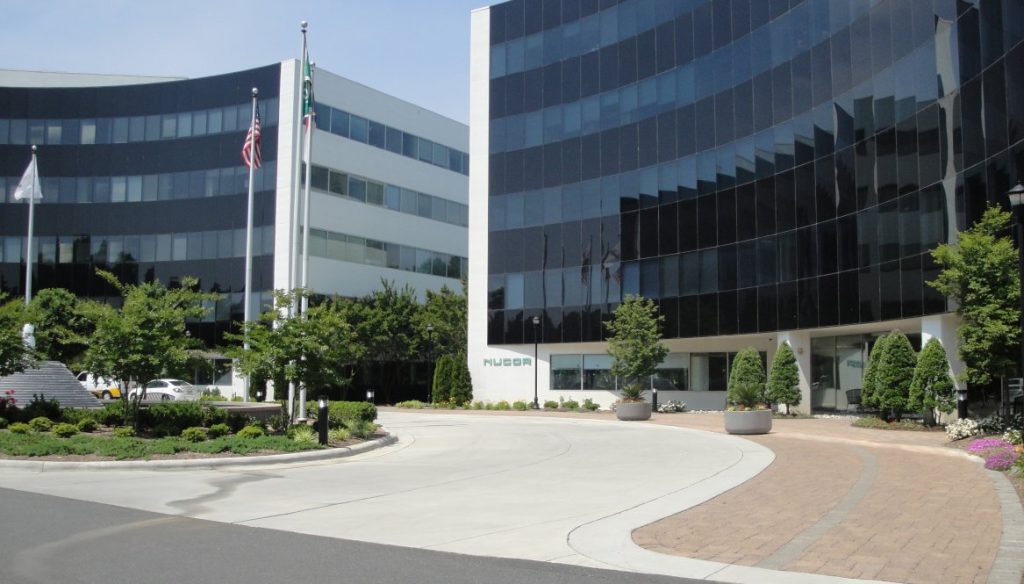
C&J attended the annual shareholders’ meeting of Nucor steel. We have owed a few shares of Nucor since the early 1990s, but this is the first time we have attended a shareholders’ meeting of any kind. Despite our lowly very small shareholder status (we own 200 shares out of the 315 million shares outstanding), everybody was friendly to us. The CEO spoke to us and seemed to remember our names. The chief financial officer took a few minutes to explain the Nucor philosophy.

I bought Nucor nearly twenty years ago because I liked the philosophy of the company. I read about Nucor and its famous CEO Ken Iverson in In Search of Excellence when I was in B-school, but it took me around six years to pay off my student loans and be able to invest in anything at all besides paying off loans. After all those years, it still seems to be an excellent firm. There are more than 20,000 employees, but the firm is run with a corporate staff of around seventy-five. Top executives do not get company cars, corporate jets, executive dining rooms or even executive parking places at the headquarters. Nucor is headquartered in Charlotte, a medium sized city and its operations are generally located in small towns and rural areas, where costs are lower and American work ethics strong.

Nucor was an American pioneer of electrical arc furnaces, which let it run smaller and less expensive mills called mini-mills. While the big steel was literally rusting away, Nucor’s mini-mills were making steel in America that could compete internationally. These mills can easily process and recycle scrap and steel is the most recycled material on earth. Nucor recycles a ton of scrap every two seconds.

The Harvard Business review rated Nucor CEO Daniel DiMicco and the management team as one of the best in the world, pointing out that the list of the best CEOs overlapped very little with the list of the most admired or the most highly paid.

The economic downturn has hurt Nucor too. The firm made a profit every year from 1966 through 2008, but lost money last year, although made money again in the fourth quarter. Nucor’s cost structure is highly variable and counter cyclical, i.e. the prices of scrap metal and energy tend to decline when the economy declines. This has helped Nucor stay profitable through hard times – until this last year, of course. Companies like Nucor show that Americans can still make big, heavy industrial things profitably. This is the example I have, but I know there are many others. As I wrote above, I first learned about Nucor when I read In Search of Excellence. That was back in 1983, when America was going through hard times as we are today. There was a crisis of confidence and many people thought that our best days were behind us. They were wrong. Americans know how to reinvent themselves. We did it before – many times – and we can do it again and we will do it again.

Buying Stocks

Please note that I am on the road w/o the cord to download pictures. I can update the blog, but I will have to add the pictures later, so stop back if you want to see the pictures that go with the trip.  

I drive down I-85 all the time on the way to the tree farms, but I never go south of South Hill, VA. As far as my personal experience goes, the world could just end ten miles south. I would have no way of telling. Well today I went a bit farther and I can report that it looks a lot the same.

We drove down to Charlotte, NC to attend the annual stockholders’ meeting of NUCOR Steel. I have never been to a stockholders’ meeting before, so I thought I would enjoy the experience. My shares are worth almost nothing in the great scheme of things, but they still have to let you in even if you own only one share.  

NUCOR is one of the first stocks I bought in the early 1990s and one of the few that I still own from that time.  It grows reasonably well and pays a regular dividend, but that is not why I bought it. I liked NUCOR because I read so much about it in the business books I used to love. NUCOR is a mini-mill steel producer.  They were profitable at times when other American steel giants were rusting away. The CEO at the time, a guy called Ken Iverson, was one of the saints of the B-School set.  He was smart and innovative. He ran his front office with only a staff of a couple dozen, lean and agile.

Investing in stock was a great education for me.  It is much more interesting to look at companies when you have a stake, no matter how small, in the outcomes.  I no longer invest in individual firms. I don’t know enough about it anymore and other interests (mostly forestry) have dulled my never particularly acute business acumen.  It is better for somebody like me to stick to indexing.  But I still keep a few of the original stocks, among them NUCOR, which I admit I keep more for tradition than investment, as long as they do acceptably well.  

My most productive firm has been Vale do Rio Dolce, a Brazilian company that mines ore and exports a lot of it to China, so it has done well over the last decade.  It is also just a great company. I bought it in 2001 and keeping an eye on it has given me useful insights into business in Brazil and international trade in commodities.  So sad that I have to get rid of it this year, since it is a big firm in Brazil and it could create the appearance of impropriety when I am down there working for the USG.    

On the other end, I have a firm called Dyadic. They make enzymes potentially used to create inexpensive cellulosic ethanol. That is how I got interested. Unfortunately, about a week after I bought it, somebody in a Chinese partner organization was found to have cooked the books. For a while it was dropped from the exchanges. When it came back, it was worth less than 10% of what I paid for it. Talk about bad timing.  I didn’t bother to sell it, mostly because it was not worth it. The broker commission would have accounted for a large percentage of the total proceeds.  Besides, I like to keep it around as a reminder against the sin of unwarranted pride.  Since then it has come back a little, but I don’t expect ever to break even on this investment. That is the one that made me understand that my confidence in investing had overtaken my competence. I had a reasonable understanding of the product and the markets, but the accounting thing is just beyond my ability.

When you add it all up, I probably have made as much money in the supermarket (buying things like spaghetti sauce on special) as I have in the stock market, but I have made a little and it was more interesting than just putting the money into the bank. I learned a few things along the way about how business works and I learned that the market is smarter than I am, hence the reliance on indexing. People who learn that lesson young are usually better off than those who learn it when they are older, or not at all.

I will write about how the NUCOR meeting goes tomorrow.

Growing the Best Trees

Below is my article for the next issue of “Virginia’s Forests”, the publication of the Virginia Forestry Association.  It draws on a blog post from a few months ago, so it might be familiar, but there are changes.  I am going past the farms on Sunday, so I may have some pictures to add.

Growing the Best Trees

I have been a like a proud parent with my forest land, taking pictures of my growing trees and the changing face of the land I own.  One of the tracts was clear-cut in 2003 and the next year replanted with genetically superior loblolly pine,  so the trees are now six years old.   I know that as a relatively new forest owner, I am just experiencing things that many readers have seen long before, but I still think it interesting to mention.

Differences show up

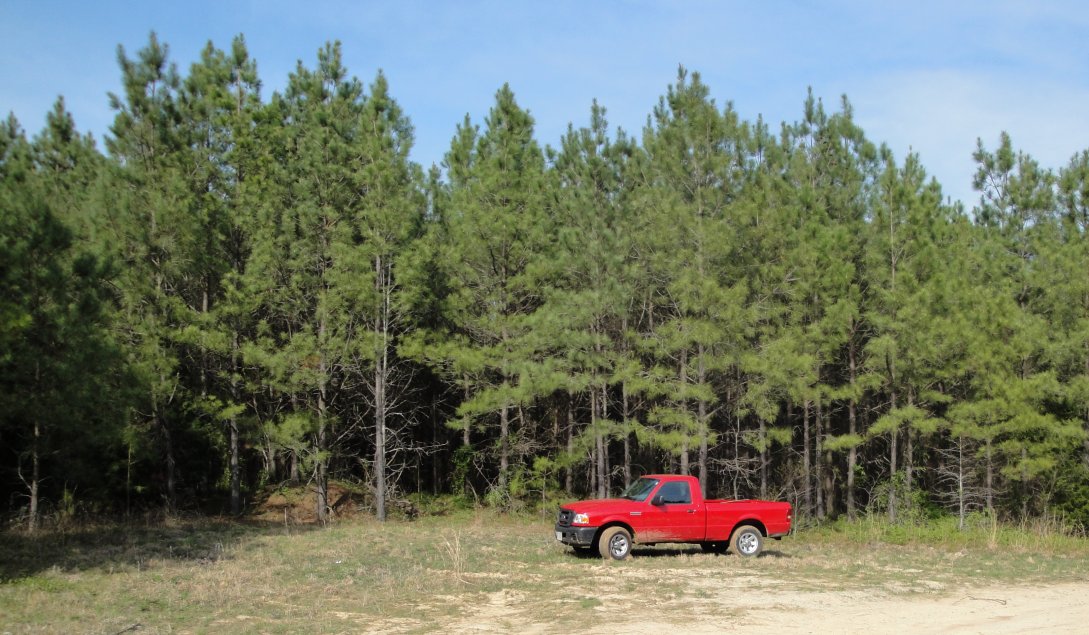
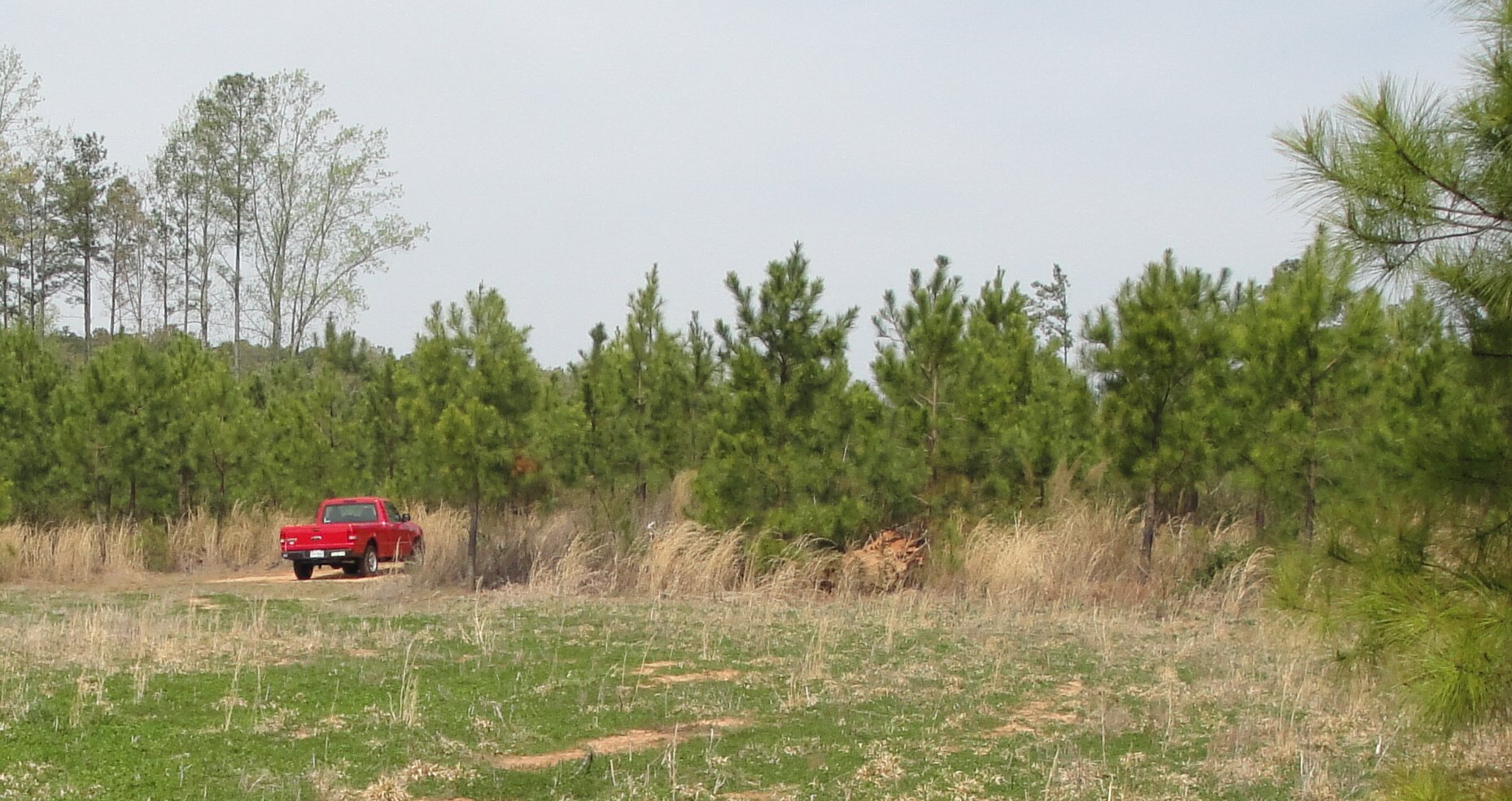
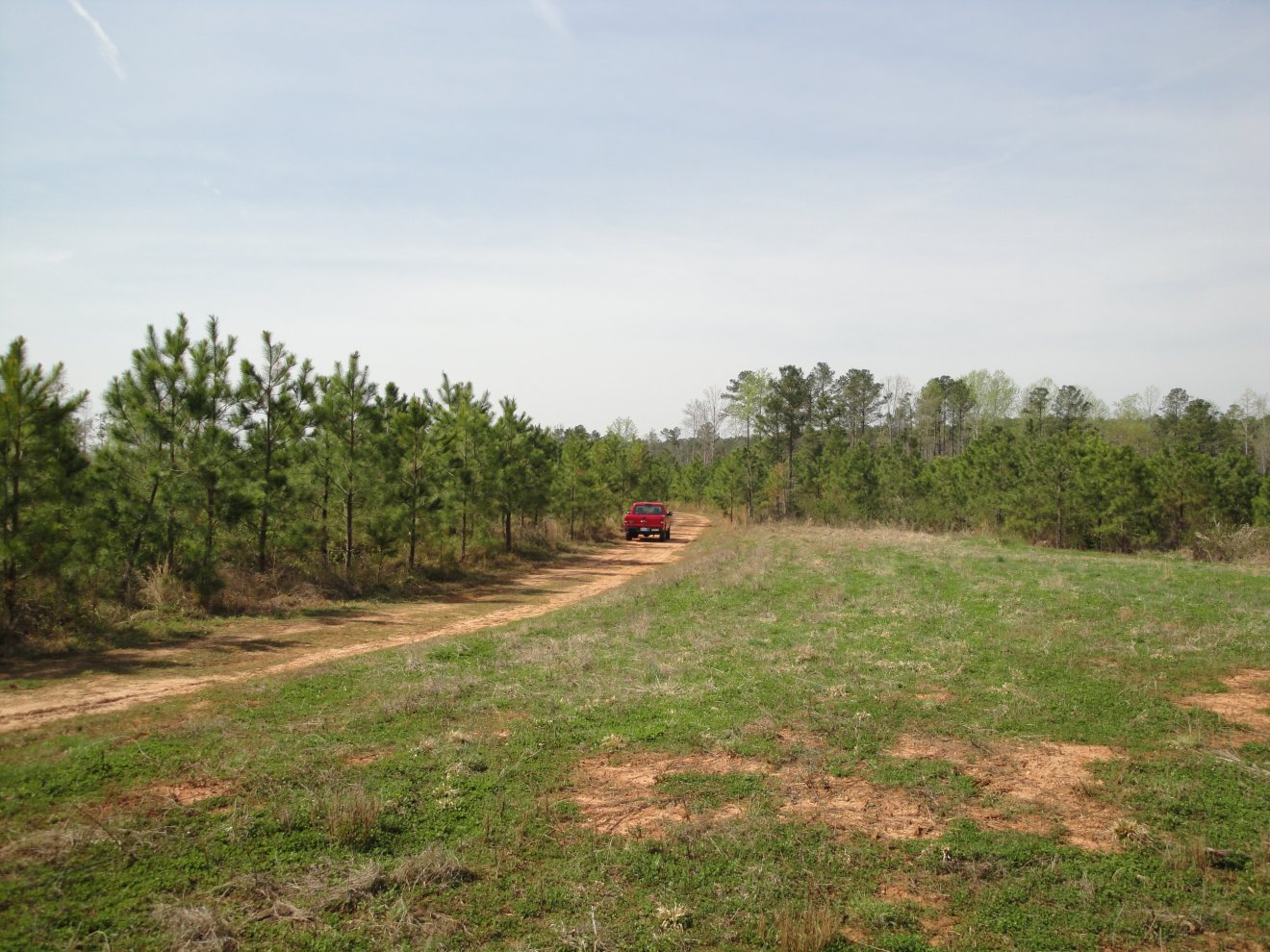
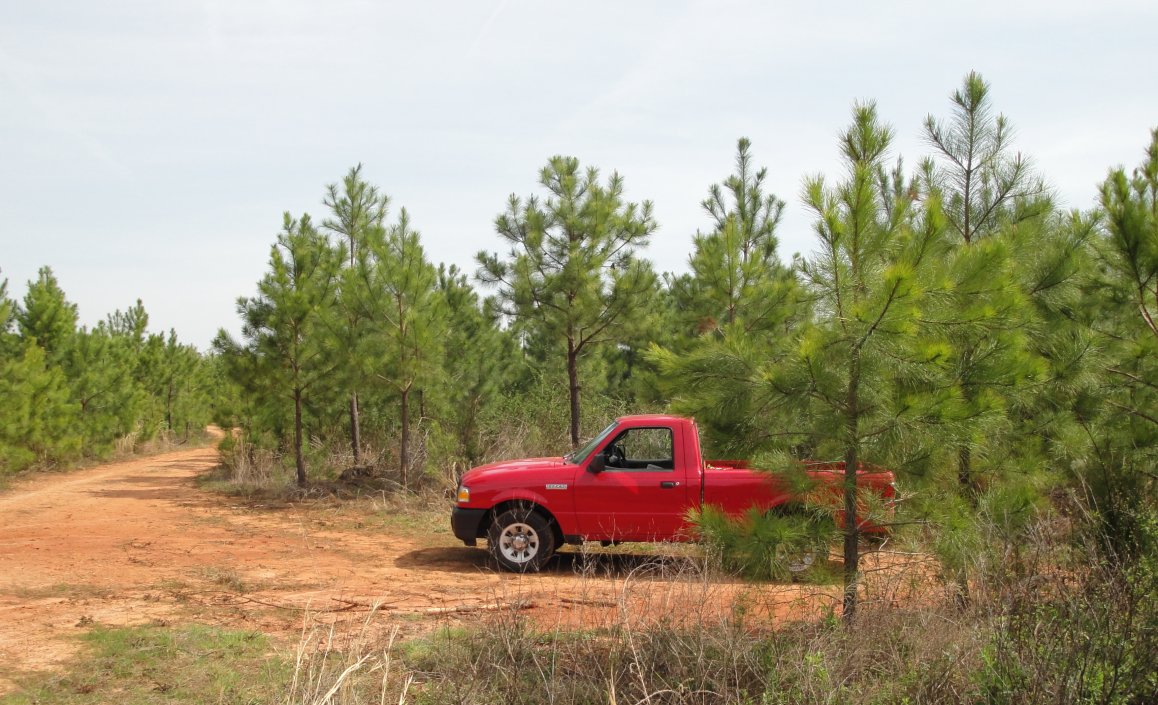
At first the biggest trees were not those planted ones.  The volunteers or the trees that had just been coming up when the stand was cut had a quicker start, and those were the pines I saw and captured in pictures in 2005.  But the equation has been changing. The “old” trees are still growing vigorously in many cases, but the “new” trees have now caught up and generally grown taller. There is one particular place where I have been parking my truck and using it for comparison in pictures each year, where I notice this especially.  A couple years ago, the old trees looked pretty big, but now the new trees are bigger.  The new ones are also shaped better, much less spreading branched and rounded. Beyond all that, the new trees responded much better to my application of biosolids fertilizers. If I can see (and have pictures to prove) this difference in five years, imagine what it will be like in twenty.

Genetic improvements have greatly changed forestry in the last fifty years. This is especially true for loblolly pines, the most commonly planted timber tree in the South, which are unusually adaptable. The “original” loblolly is a fast growing but often crooked and unattractive tree. Some of my volunteer trees show these characteristics.  Genetic improvement can be very simple. You just choose the trees with the best characteristics and try to plant more of them. We are now in the third generation of loblolly and the differences are remarkable.  

The new trees take thirty years to get as big as the original trees did in eighty.  They are also a lot straighter, more resistant to disease and have a better branching structure. You can achieve these goals in different ways. The easiest is the simple one I mentioned above:  Just gather the seeds from the best trees, grow them and repeat.    The trees pollinate themselves, so there is randomness in this process.  Another  method is to control pollination in order to ensure that the best fertilize the best. This is more labor intensive, since you have to put little bags on the trees to be sure that only the right pollen gets to the right flowers.  

Bring on the clones

The most recent method being deployed is cloning, although it is not really new.  Most gardeners have cloned plants.  You can clone a willow or a cottonwood just by shoving a stick into wet ground.  A grove of cottonwoods along a river may all be the same tree – genetically – as trees sprouted from roots or from sticks that lodged in the mud.  I once inadvertently cloned a cottonwood when I used a freshly cut cottonwood branch as a marking stick.  A couple days later it sprouted into a little tree. Pines are harder, but they can be cloned too.  Among the pines, loblolly is relatively easy because it can re-sprout from a cut when it is young. 

I  have to say that I am a bit uncomfortable with using clones. It is too much of a monoculture.  Without the subtle genetic variations, the whole stand may become easier prey for very adaptive bugs or disease, as has happened with some apple varieties.  On my land, I would prefer to go with a little more genetic variety, even if that means lower yields, but that is a judgment each tree farmer must make for him/herself.

Good genetics can move the whole curve higher, but variation remains and good genetics are most profitably deployed as other conditions improve.  As I mention above, the superior trees responded significantly better to my biosolid application.  Many of the costs associated with establishing and managing a stand of trees remain the same no matter what you plant.  If you are planning to expend a lot of energy and time on management, [“planning” is repeated in sentence] you are well advised to spend a little more for genetically superior trees. All trees will do better with better management, but the better trees will do better than the others. 

Improving conditions improve the better trees even more

In other words, the more you improve conditions and remove obstacles, the more results are determined by genetics and the greater the gap between the superior and the inferior trees.  It makes sense when you think in terms of potential.  It doesn’t make much difference if one tree has the genetic potential to grow 80 feet tall in twenty years while another can only grow 40, if limiting conditions prevent any of them from growing more than 30 feet tall.

So what are some of the limiting factors? The most obvious are climate, rainfall, soil and elevation.   These make a difference when choosing a site, but after that they are beyond our control.  We can control, spacing among the trees, thinning schedules, rotation timing, competition control and fertilization.

So I guess the trees you plan to plant or allow to grow on your land should depend on how much you are going to put into it.  If you plan to do not much of anything except cut them sometime in the future, it probably doesn’t pay to invest in superior trees. If no attention is paid to spacing, thinning, fertilization, etc., they won’t grow to their potential anyway and almost any old tree will do.  But the more you plan to do, the more you need to do it right.

I am just enjoying my land and trying to learn as much about forestry as I can, with a little help from my friends and fellow tree farmers.  And when I learn something, I try to pass it on too. That is what it means to be a tree farmer with your land in the American Tree Farm System.

Gassy Good News on Energy

The energy news is so good and so comprehensive that it is hard to believe. The federal Energy Information Administration reported last week that greenhouse gas emissions fell 7% last year—the largest- percentage and absolute decline ever. The U.S. carbon footprint has shrunk in three of the last four years. The bad news is that the recession caused some of last year’s decline. However, we managed a 1.3% decline in 2006, the only time this happened during a time of robust economic growth. But we can expect more good news. Our energy intensity (i.e. the amount of energy it takes to produce a unit of GDP) has been improving for many years. Last year it improved by 2%. (You probably have not heard about this improvement either, since it didn’t require new legislation to make it happen and much of the media cannot seem to perceive any positive developments that take place w/o government fiat. If the energy bill had passed, you would have heard a lot more, as they would be taking credit for this number.) And carbon intensity will drop even more. Abundant American natural gas supplies are going to help us reduce U.S. CO2 emissions and allow us to give people like Hugo, Mahmoud and Vladimir a good kick in the kiester, just when the international bad guys thought they would be able to set up a gas cartel similar to OPEC.

are subjects I like (so please excuse me if I go back to the same wells) and I am optimistic that we can solve our problems, or more precisely overtake them, since few problems are ever solved and when old problems go away new ones come. The pessimists keep on telling us we are about to hit the wall, but the innovators keep on finding ways around or through the troubles, often despite the experts.

The pessimistic “experts” can create serious problems, however. For example, back in the 1970s experts said we were running out of natural gas, so the Federal government banned new power plants run on gas, in order to save it for home heating etc. (President Reagan repealed the ban in 1987.) Three Mile Island, the disaster that killed nobody, managed almost to kill the nuclear industry. That is why we are behind on gas and nuclear power stations today. Instead of nearly zero carbon emission nuclear power and low carbon emission natural gas, various government agencies and environmental action groups pushed us into using more petroleum and coal. Go figure out the unintended consequences.

But this is supposed to be a happy occasion. Let’s not bicker and argue over who killed whose program. We have more options than we thought we did and let’s use them wisely.

Natural gas is the cleanest burning of the fossil fuels in terms of CO2 and ordinary pollution. You can understand this when you are cooking your food with gas on your unvented stove. What if your stove and oven ran on coal or oil?

Gas is also relatively clean to extract. A natural gas leak does not spread over the oceans and kill animals and plants. Miners don’t descend into dark pits to pull the stuff out, nor do they remove the tops of mountains in West Virginia to get at gas seams. The environmental danger with natural gas is relatively small. The biggest problem is that gas extraction using the latest techniques requires the use of water and there are some concerns that local water resources could be impacted. So far this has not happened on a large scale, but gas production should be properly regulated.

Maybe it was a divine joke to put most of the world’s exportable oil under unstable and sometimes plain nasty regimes. Or maybe it is just true that the concentration of a resource like oil, which requires little input and almost no actual work from the people under whose land it is found, is the problem. Easy and/or unearned concentrated wealth encourages klepocracies. Maybe the best thing about natural gas is that it is widely distributed and a lot of it is right here in America. While gas won’t put petro-tyrants like Ahmadinejad of Hugo Chavez out of business, it will – it already has – diluted their power.

So let’s get cooking with gas while we develop alternatives to fossil fuels. As long as I can remember, solar and wind alternatives have been “around five years” to viability. It has taken longer than we thought, but progress is being made. The largely unanticipated jump in natural gas reserves has bought us some time. We can meet our environmental goals, while kicking the despots, dictators and jihadist in the keister (as I mentioned above) and do all this w/o crippling our economy.

Gas is not a permanent solution. There are no permanent energy solutions. Our technology and innovations have saved us for another generation and we will live to fight the energy battle another day. By then we will be better equipped to win, but only if we continue to innovate now.

Appropriate Levels of Leadership

I make distinctions among the terms leadership, management and administration, but when I wrote to a respected colleague that government should lead but not manage, I couldn’t make explain it well enough to make the distinction clear to him. The distinctions are subtle and not universally accepted, but I think we have to make them and much unpleasantness results when we mixed them up. Lots of books and seminar graduate seminars have addressed this question, so I am not going to say that mine is the final word or that the concept is settled. One of the many websites I found had a good and simple explanation that leaders lead people and managers manage tasks. Let me add that administrators administrate the rules. I think another good distinction is that leaders tell you why, mangers tell you how and administrators implement it.

Of course there is significant overlap, but there are also decided tendencies among people. My track record, which now goes back more than a quarter century, shows that I am a better leader than I am a manager and I am a downright poor administrator because I tend not to follow rules carefully enough. (Administration means following rules, while leadership often means changing them) I learned this the hard way, but I did learn. I few years back I turned down a position that would have led to promotion because the job consisted largely of administering rules. I told my incredulous bosses that if they put me in that job, sooner or later I would screw it up with some sort of unwarranted “innovation.” You have to know your limitations. It is simply not true that everybody can learn to do everything and it is important to know what you can do … and what you can’t.

If you look at successful leaders, you often find that you are really dealing with a team. You have a leader who makes broad plans and statements and has valuable insights. And then you have a good manger working nearby who makes these things work. A good leader should never hire a deputy who is like him/her. They need to have complementary skills and temperament. Harmony comes from the differences. There is often a crisis of leadership if the manger moves into the leadership position. Excellent mangers may ostensibly have the skills and qualifications to be excellent leaders but lack the temperament or the vision. On the other hand, leaders w/o good management skills or backup can drift aimlessly from one big, good but unimplemented idea to another. Deploying a great talent in the wrong time or place is the stuff or tragedies, all the more poignant when it brings down someone who has been wildly successful before.

Different situations call for different types of leadership, management or administration combinations. Leadership is usually most necessary when there is difficult to predict change. The cliché phrase used to be “paradigm shift.” Somebody needs to lead the way out of the old way or into the new one. In the case of significant discontinuous change, there is no reliable experiential road map to go by. Somebody needs to make a new path. This is very exciting and often very creative but also dangerous and destructive. Leadership must be flexible and arrangements are ad-hoc. Most of us do not like to live in such interesting times, although we do like to read about them, watch them on TV and imagine how we would have done better than those who actually called the shots.

If conditions are stable and predictable, leadership is less important. In fact, you can often get by with administrators and bureaucracies. The word bureaucracy is often used pejoratively, but bureaucracies can be phenomenally robust and efficient. Bureaucracy is based on rules and if the situation is well known, stable and predictable, you can make rules that actually work. The working of a computer is like a bureaucracy. It makes a series of if-then decisions and quickly comes up with reasonable results. But one reason it works so well in the cyber context is that computers don’t have personalities and they don’t get bored. People tend not to like bureaucracies because they limit or eliminate creativity. You simply are not allowed to deviate from form AB5055 or make up your own unique interpretation. If you do, it can have repercussions throughout the system.

Most organizations have mixtures of types, with some core functions administered in bureaucratic ways, some discretion among mangers and some leadership that responds to changes and takes risks. Success depends on deploying each appropriately.

So what about government and society?

I am not being facetious when I say that I love government and think that it is so precious that it should be used sparingly. Stable government is the prerequisite of civilization and a reasonably efficient and honest (or at least transparently corrupt) government, one that can and does protect property rights, is the prerequisite for a market economy. That is why true market economies did not develop until the around 300 years ago, along with the democratic revolutions, and why there are still some places they don’t work. But as with medicine, hearty food or fine whiskey, some is good but too much is unhealthy or even poisonous.

The old, “A man’s gotta know his own limitations” saying goes for big organizations too.

Lots of people have tried to explain the failure of government planning or socialism by referencing its lack of congruence with human behavior (i.e. people are greedy; they like to keep what they earn etc). Those things are important, but I don’t think this is the big flaw. Until the democratic revolutions of a couple centuries ago, all societies were top down (the king, pope or emperor told you what to do and when to do it, even if poor communications allowed people to avoid them day-to-day) and all complex societies relied heavily on government rules. Most pre-modern governments tried to establish “fair” prices and many societies even enforced specific rules for how people of various classes and groups were allowed to dress. It is indeed the case that power tends to corrupt people who have it and that somebody always takes advantage of opportunities provided by big government, but EVEN IF everybody was honest, unselfish and smart, it still wouldn’t work.

The problem for planners has to do with change and information flows. You can manage risk, but uncertainty creates real challenges. Effective planning requires a reasonable ability to predict future developments.To do this, you need to have a fair idea of what is happening right now and the relationships among the parts of the system. Even with the help of super computers, it has been impossible for central planners to aggregate and understand even a day’s worth of economic or social data. We (humans) do not do complexity well. So if you want to system to work, you have do it with a division of labor and you have to allow significant autonomy of decision making to smaller and dispersed units and individual. These people have the information about their limited spheres. They also have the incentive to use it well. Their millions of decisions are aggregated through the market mechanism. This is a positive good thing anyway. It is called freedom, but let’s just stick to pragmatism for now. It works better than the alternatives in the long run.

Now how about a paradox? We often hear criticism that we don’t have a plan for how to deal with big things like global warming, natural disasters, economic change etc. When people say this, what they mean is that we don’t have a centralized government blessed plan. But that doesn’t mean we have no plan. Actually, what we have is a process of distributed decision making. I have a plan for those things that are important to me. I seek information about these things to improve my chances of being right. Everybody has a plan and the total planning is greater and better than if some really smart officials did one big plan for us all. Beyond that, the distributed decision making is more robust. It may never be 100% right, but it can quickly respond to changes. It doesn’t work all the time; It just works better most of the time.

Having a process to make decision is more important than having a specific plan. The example I used to use was kayaking down a rapidly flowing river. I cannot tell you exactly what I will do when I come to a particular patch of white water or rocks because I am not sure of the conditions. But I am reasonably certain that I will know what to do because I have a process to make those sorts of decisions.

To sum up, as I have said on other occasion, government has a crucial role in providing the legal and often the physical infrastructure that allows people to plan for their own lives and prosper. In times of crisis, government may grow and take on role that the people would generally do by themselves. But when the crisis is over, it should again shrink down to its appropriate tasks and size. This is what happened after World War II, when the enormous U.S. war machine, which had of necessity regimented the country to fight totalitarian dictatorships, reverted to peaceful and usually private leadership, management and administration.

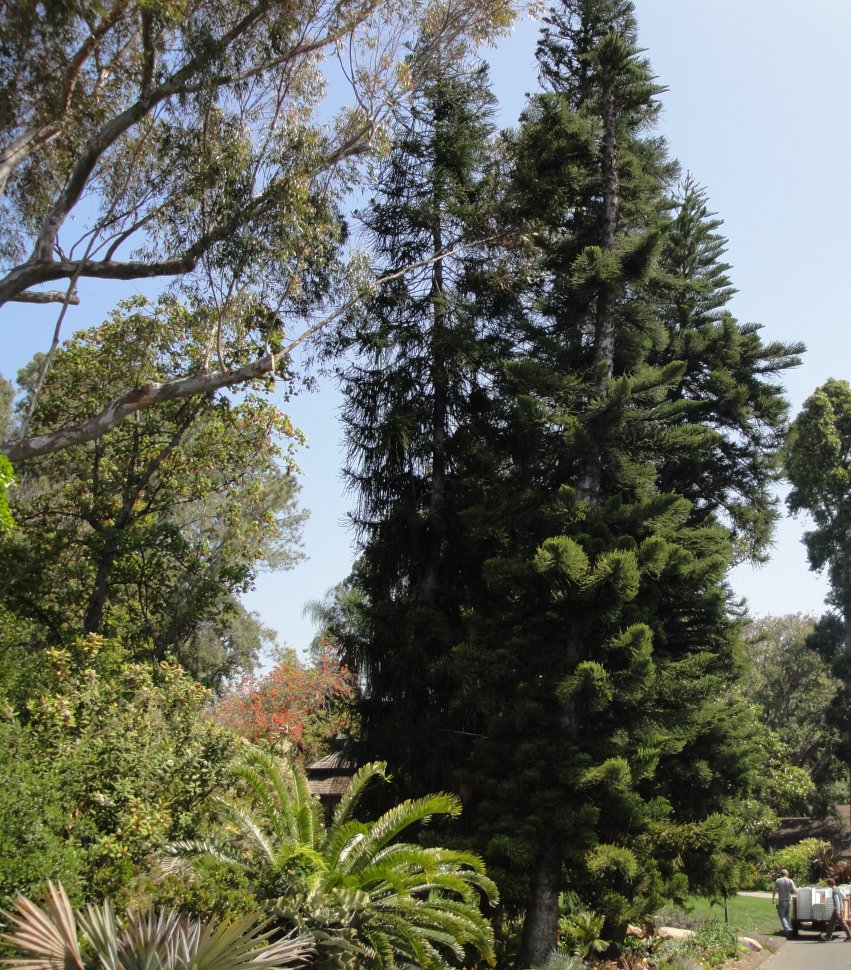
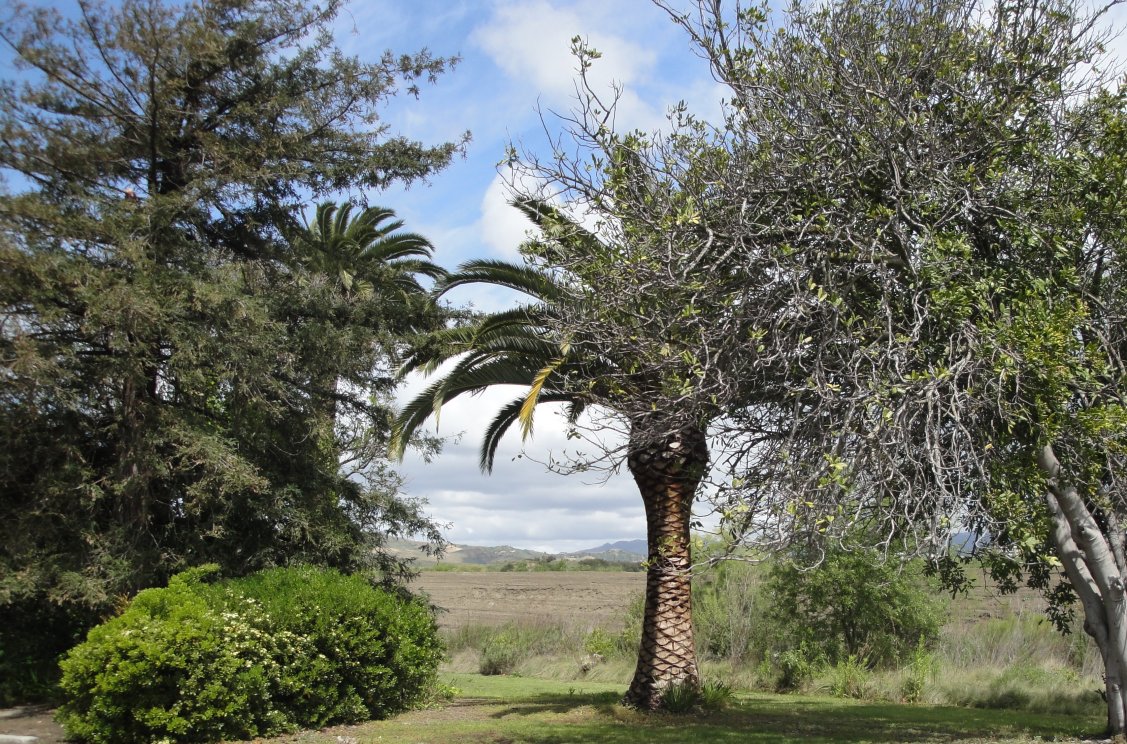
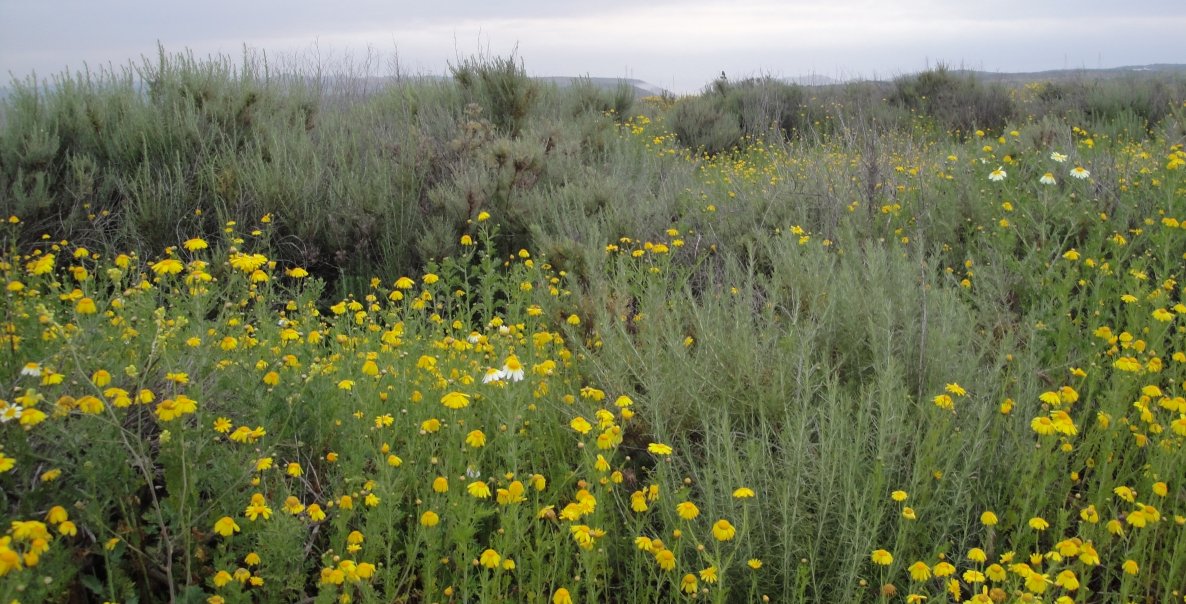
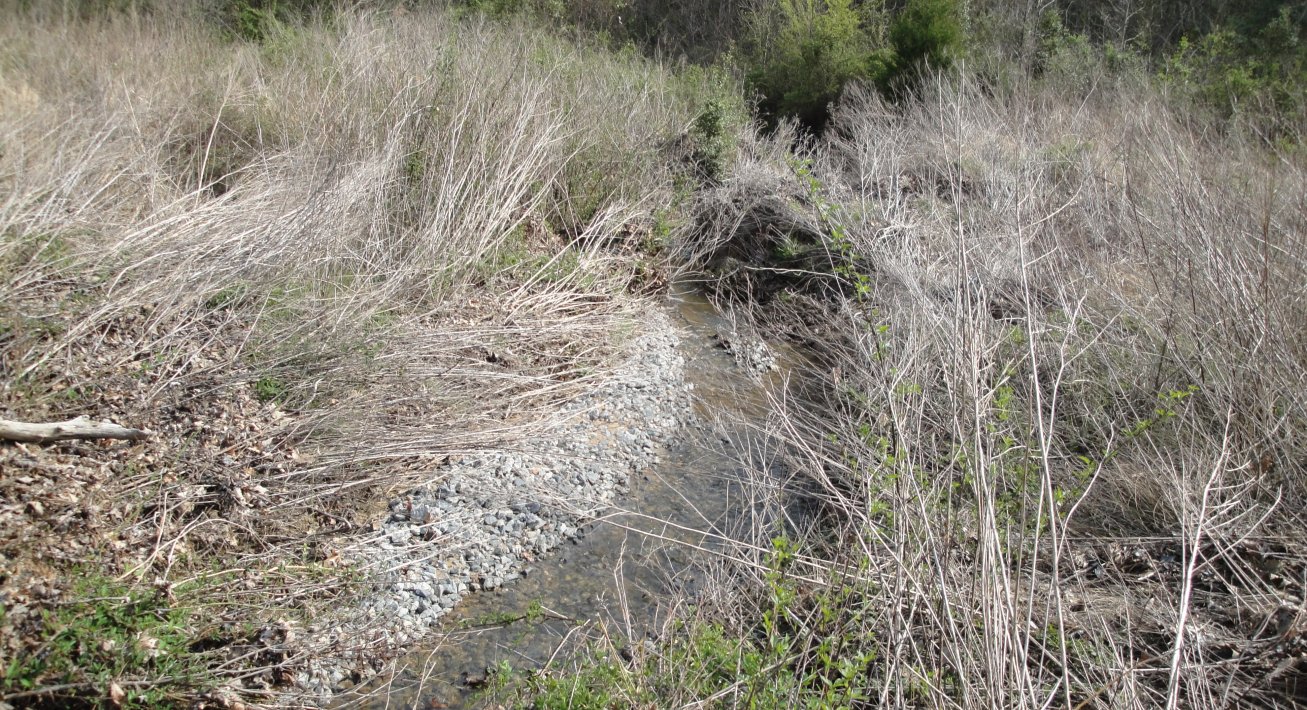
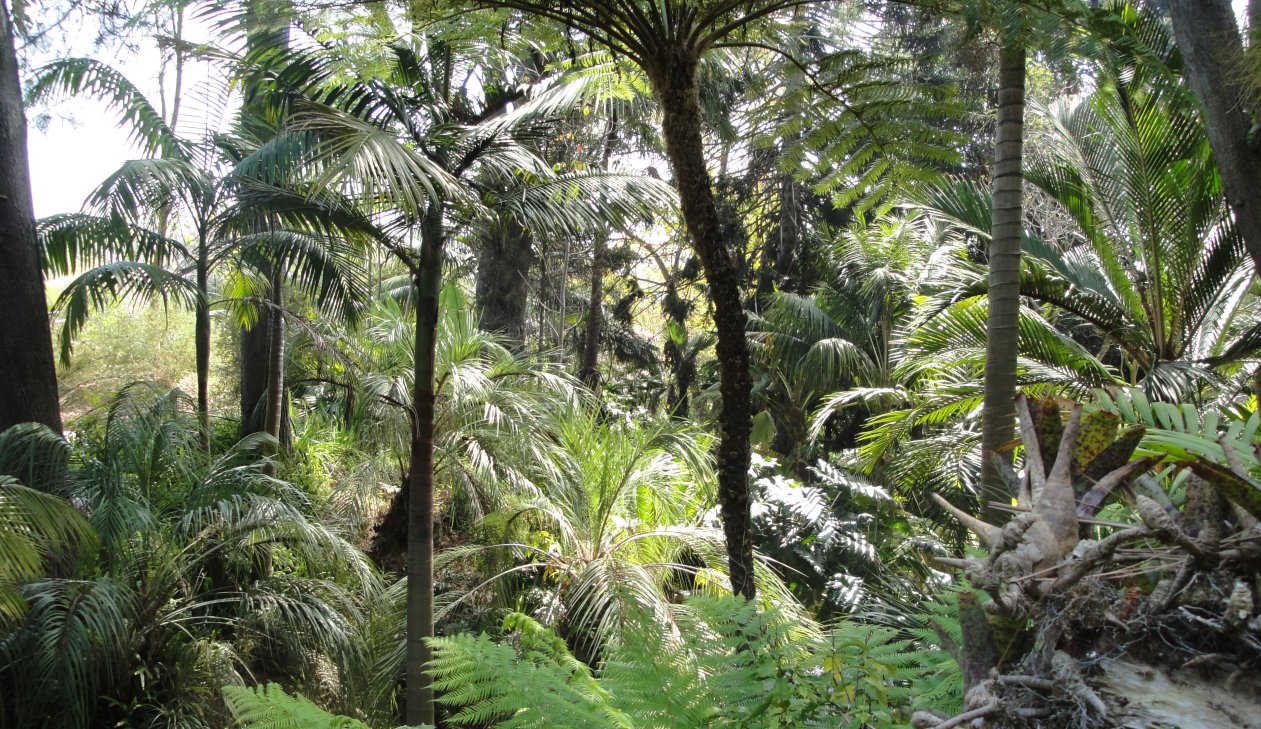
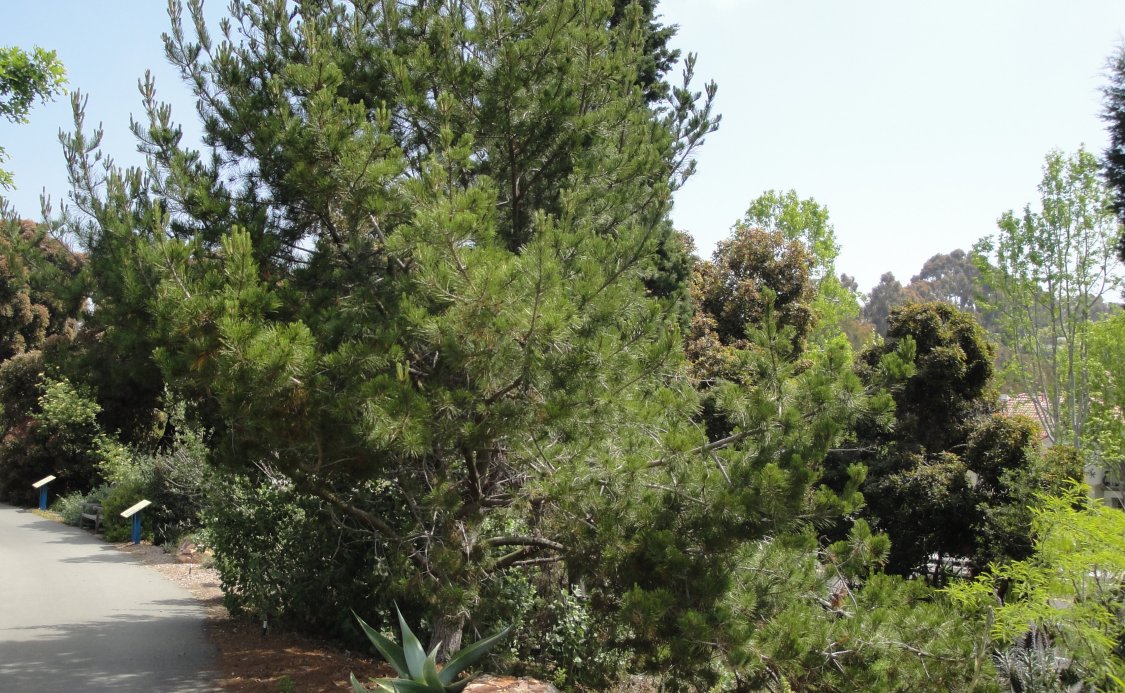
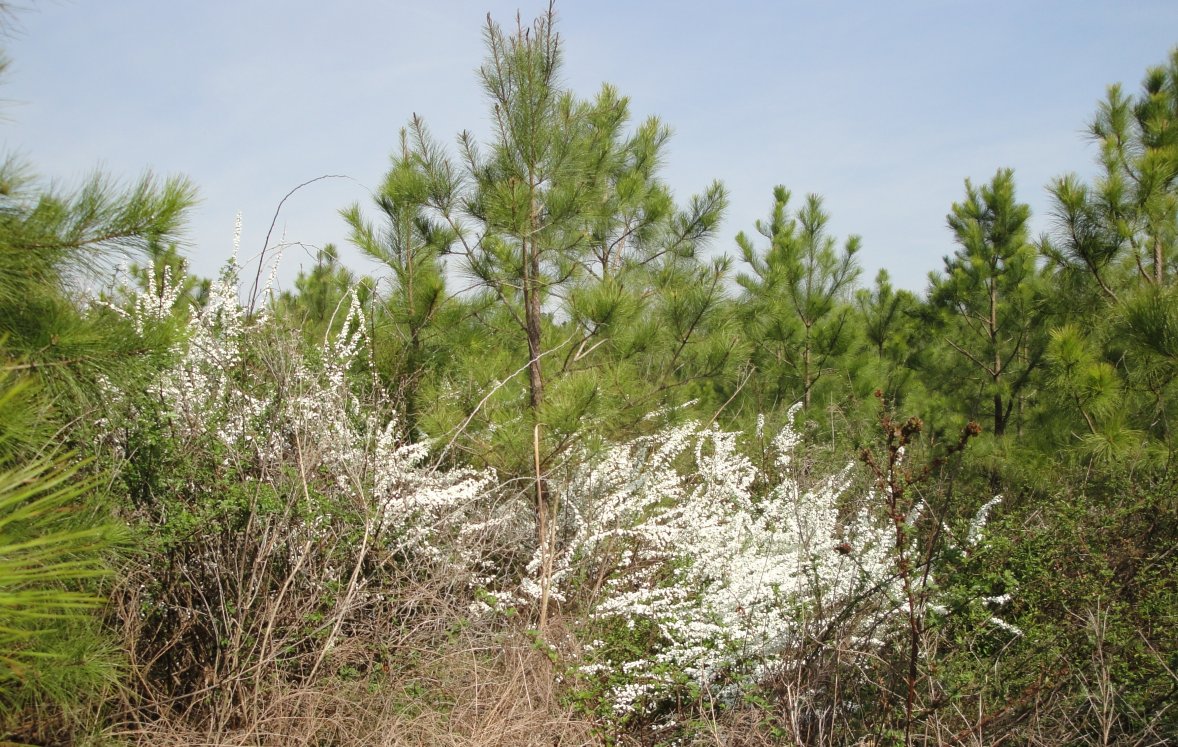
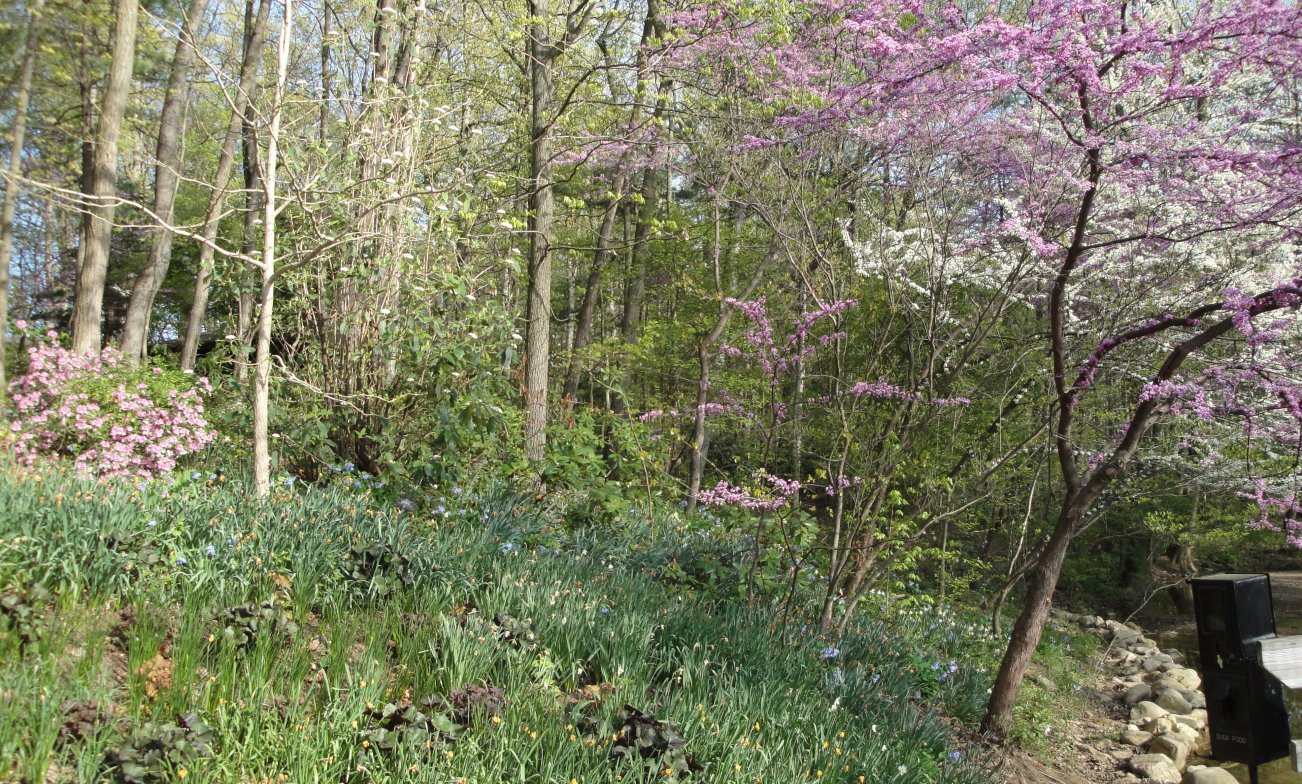
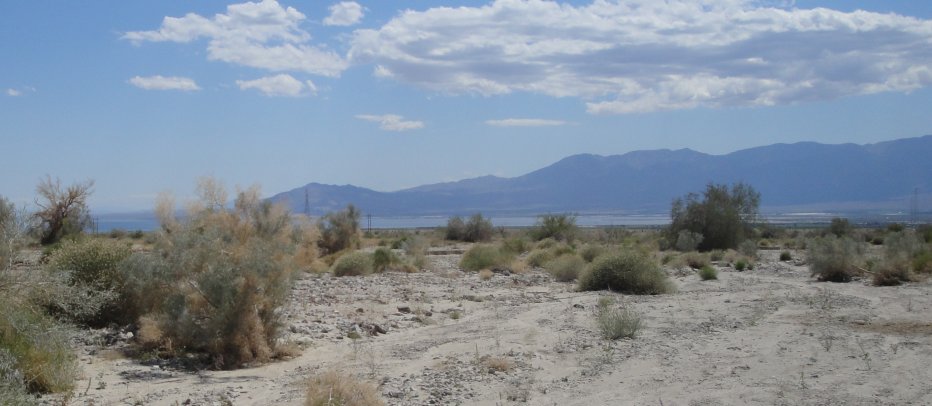
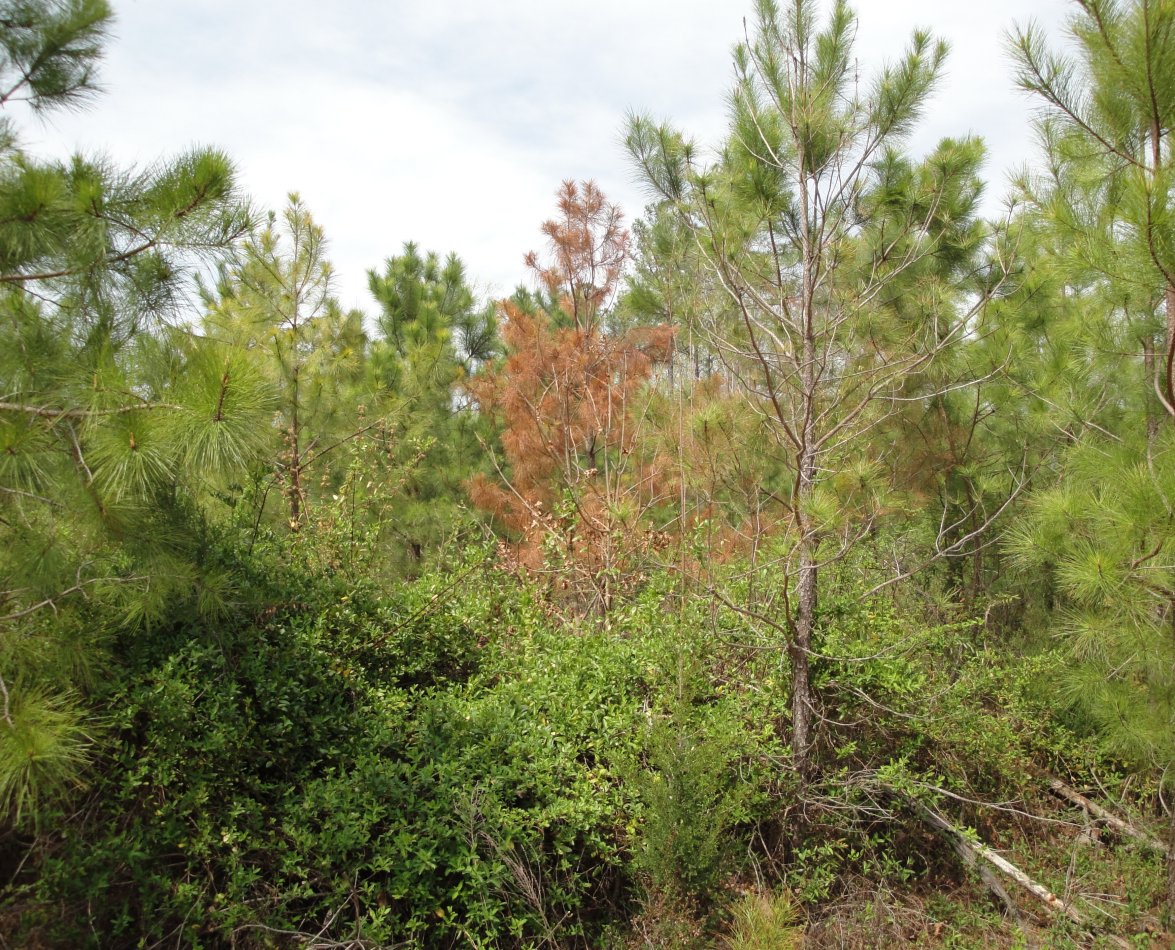
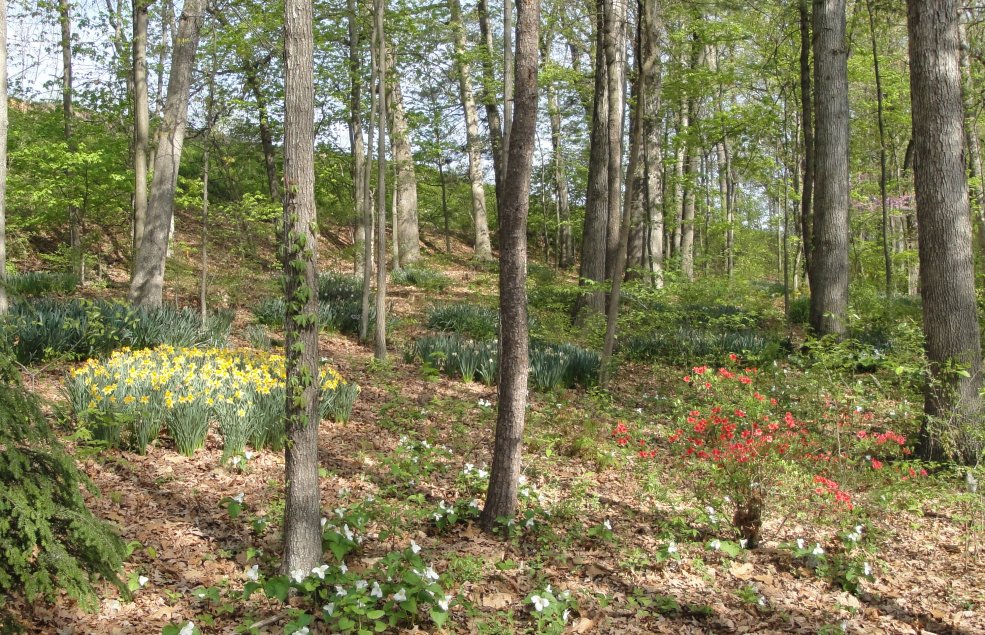
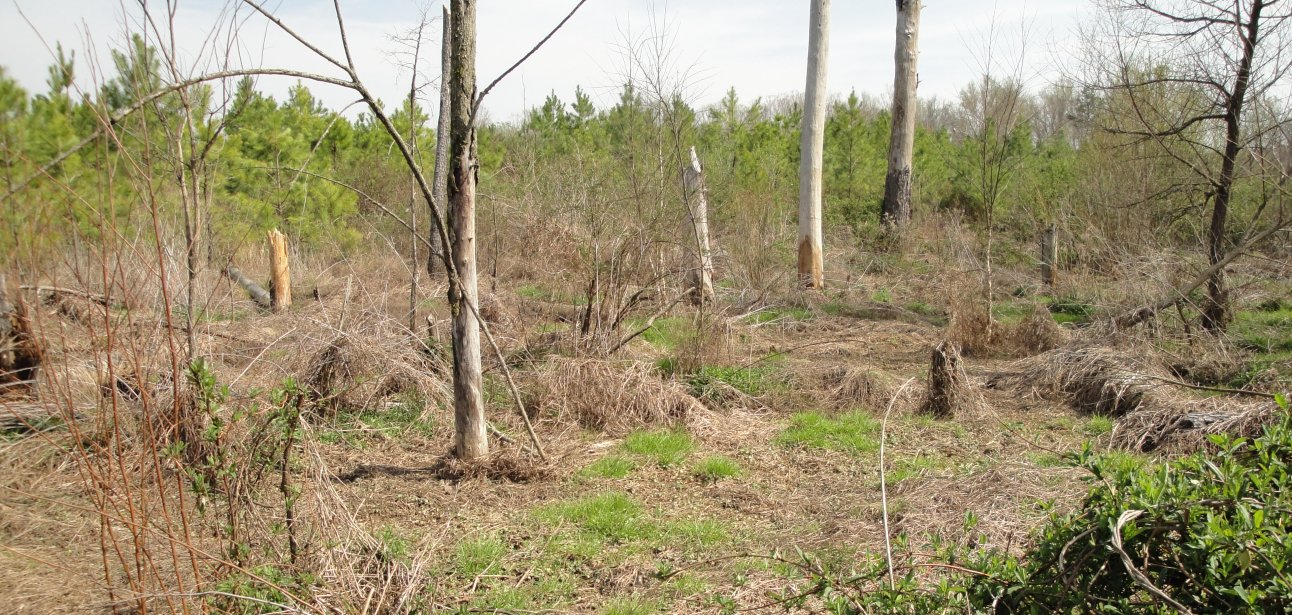
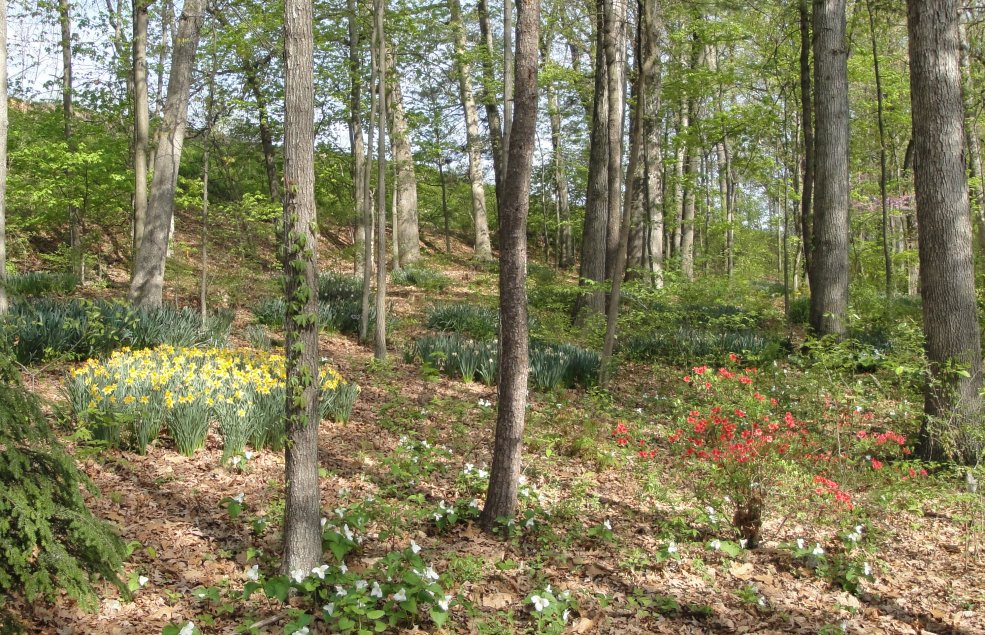
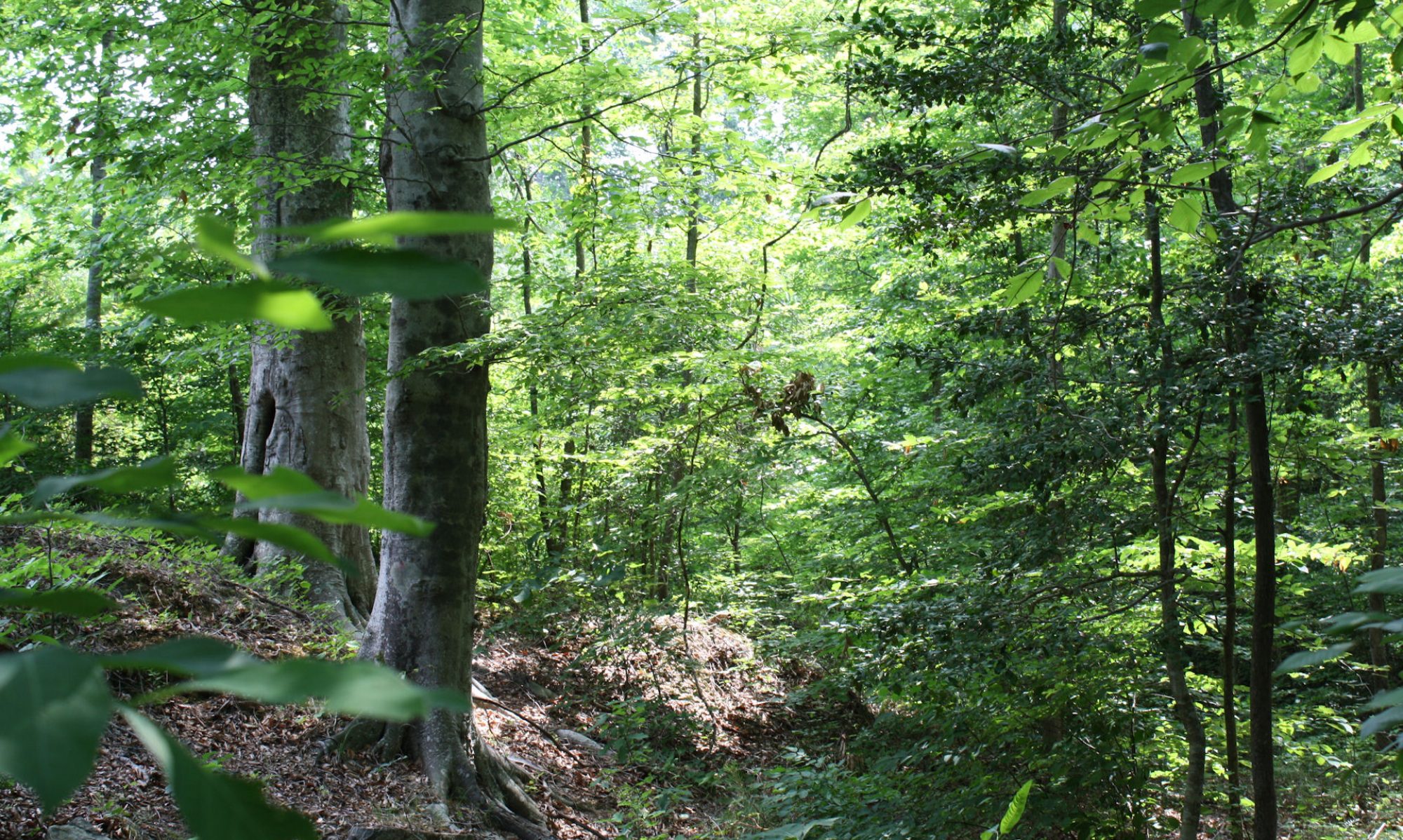
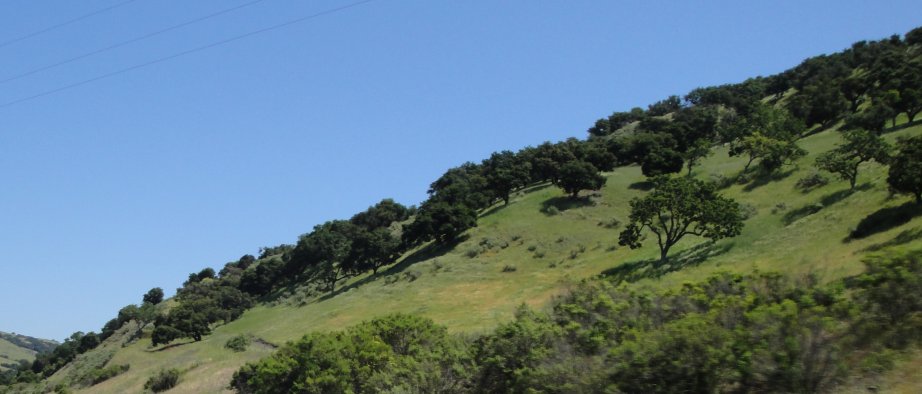
Those totalitarians had detailed plans. We have a decision making process in the interaction between smaller government, individuals and organizations knit together with the mechanism of aggregated choice. I like our system better. IMO, this is the more natural system. In a working ecology, various forces work themselves out in relation to each other w/o a plan, but with a process. You can see how it works in the picture above. Nobody planted any of those things, but they are sort of spaced out right anyway.
You Neanderthal

Calling somebody a Neanderthal is no longer just a hypothetical insult. Evidently our ancestors interbred with Neanderthals, or maybe put the other way, our ancestors interbred with Homo sapiens sapiens. But now that we know that 1-4% of SOME people’s, but not everybody’s come from the Neanderthal, won’t it become politically incorrect to disparage beetle browed cognitively challenged ice age hunter?

The Neanderthals were sorely oppressed by Homo sapiens sapiens (HSS), who evidently were not very inclusive of the Neanderthal. It was unlikely that good looking HSS men dated the stocky, troll-like Neanderthal girls, although some of them may have taken advantage of them sexually.

And why do the HSS think they are so smart anyway? Neanderthals did okay through the tough times of the ice age and as soon as the weather improves here come the HSS, with their fancy flakes spear points and articulate grunting (i.e. actual complex language). Maybe Neanderthals should have been more careful in protecting their southern border.

Trolls & ogres look suspiciously like Neanderthals. Isn’t it likely that they are based on Neanderthal racial stereotypes? Or maybe the Neanderthals were forced to live under bridges and that is how they got to be “trolls”. And what about those people who say “don’t feed the trolls?” Aren’t they really saying, “starve the Neanderthals?” Aren’t the dim-witted but dangerous bad guys in “The 13th Warrior” Neanderthals? In fact, it is hard to think of any common positive media portrayals of Neanderthals.

I am assuming that I have some of those Neanderthal genes. That probably explains why I have not been as successful as I think I should have been. And I am wondering if I should get some kind of restitution or affirmative action as a result of the ancient oppression. In the entire history of the world, not one openly Neanderthal individual has ever been a president, king or even a successful lawyer. Is that mere coincidence? Generations of science books have shown a “progression” of humans from the “lowest” to the “highest”. Neanderthals never get to be on top, despite the fact that Neanderthals had a larger average cranial capacity than modern humans. And what’s up with the German name “Neanderthal?” Neanderthals lived in the Neander valley long before Germans were invented.

The mainstream society has changed its view of Neanderthals but not enough. We should spare no expense to find out what the Neanderthals called themselves, so that we can show them the respect of calling them by that name. After eons of oppression, do they deserve anything less?

Pictures

This is a dump of pictures from April. Most did not make it onto the blog, but in case anybody wants to look at them. The titles make sense to me, but there are typos and misspellings, and I don’t guarantee that the titles make sense to anybody else. They all are creative commons, however, so if anybody wants to copy a picture to use on his/her own blogs, these pictures are available.

Springtime

We are back home in Virginia and we have evidently missed spring, at least late spring. It is now summer.  The leaves are all out. Today was hot & humid, mostly humid, at least compared to the cool weather we had when I was last here a couple of weeks ago. It will get more or less cooler again. May is a pleasant month; we usually don’t get that oppressive heat until late June. 

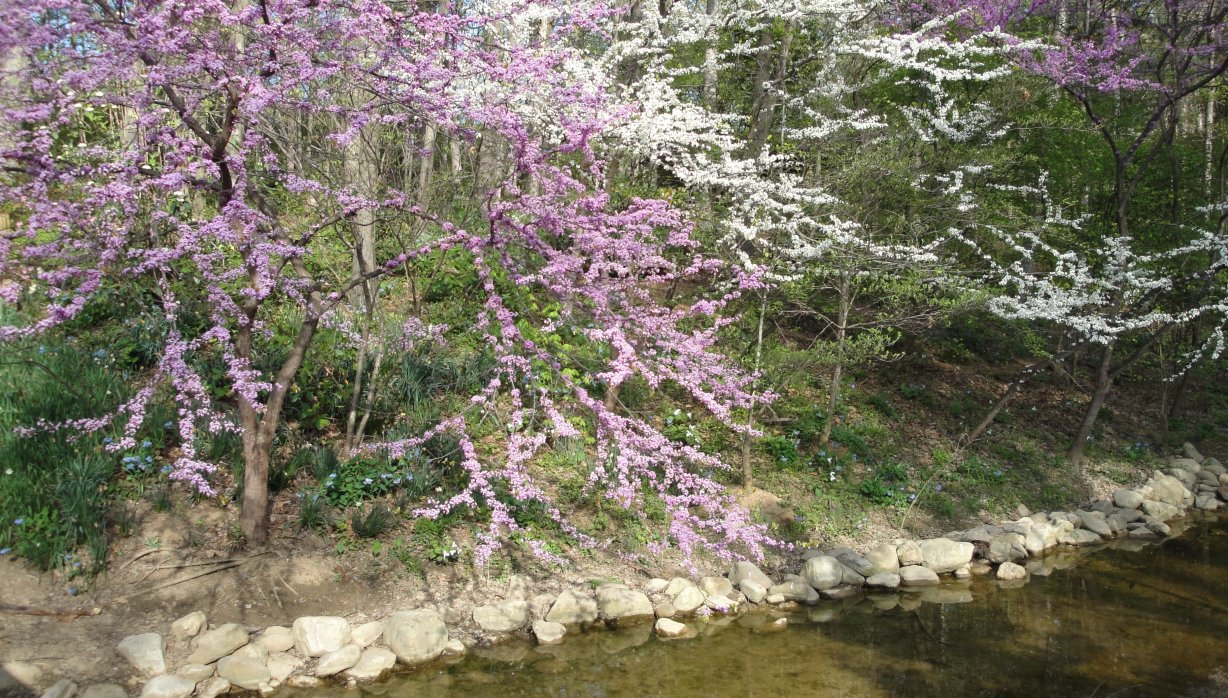
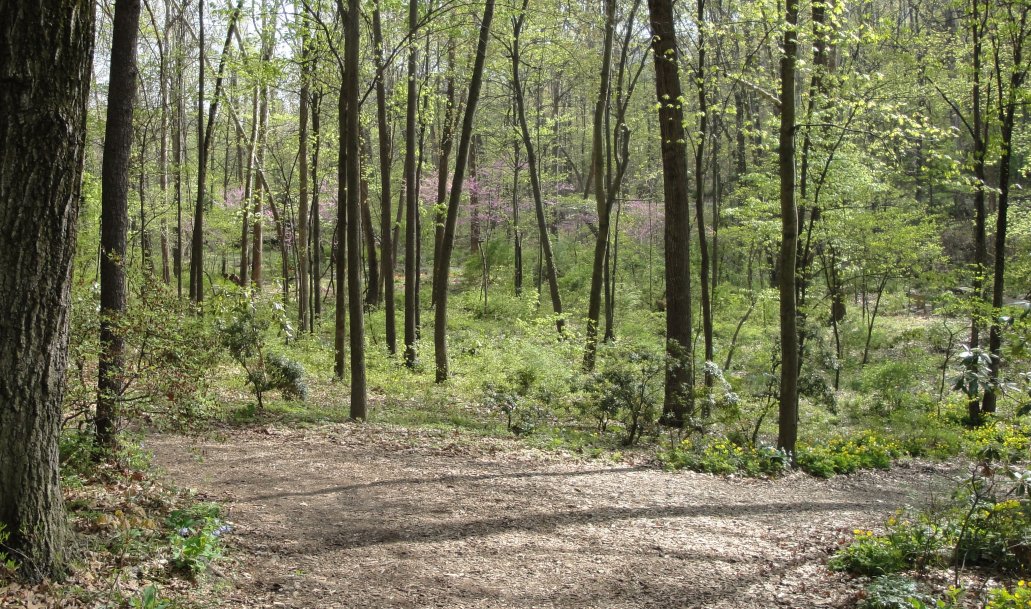
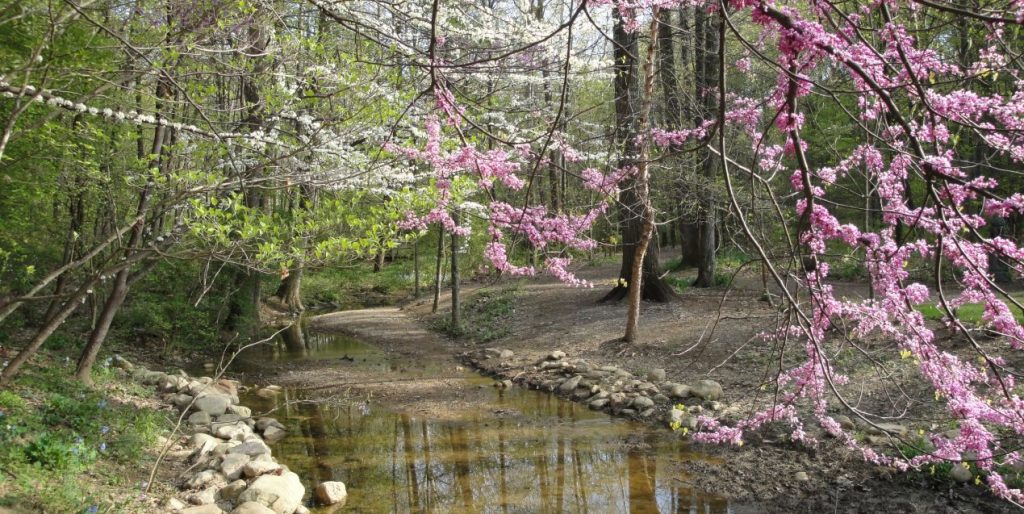
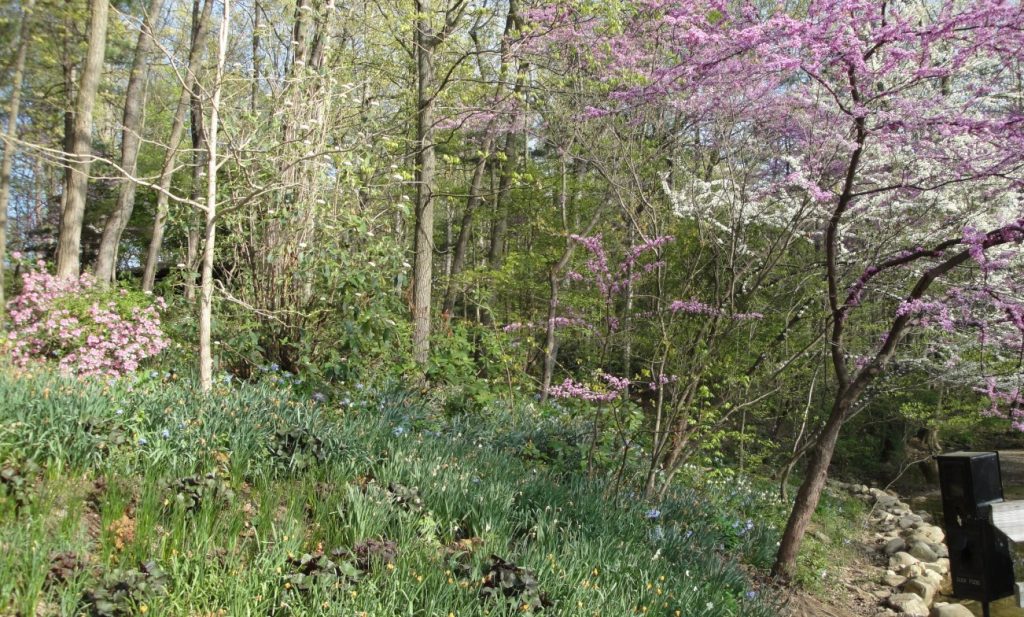
I went to see Alex just before I left for California. We went to the arboretum in Harrisonburg, but I never wrote a post or posted the pictures.  It was a pleasant spring day. I am posting the pictures today, but they are a couple weeks out of date.
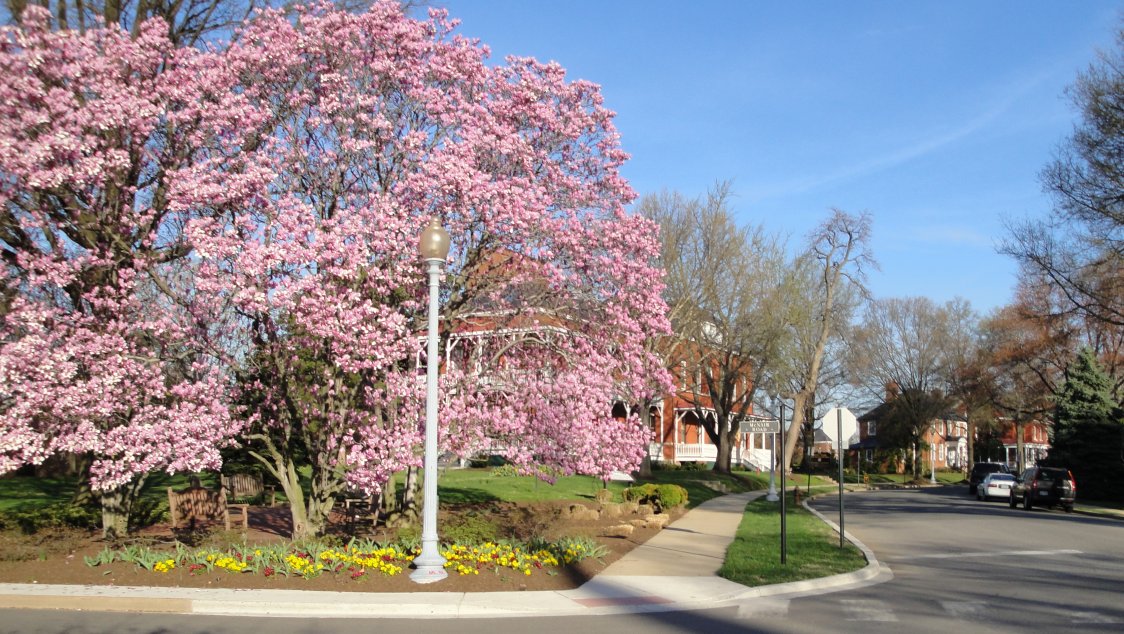
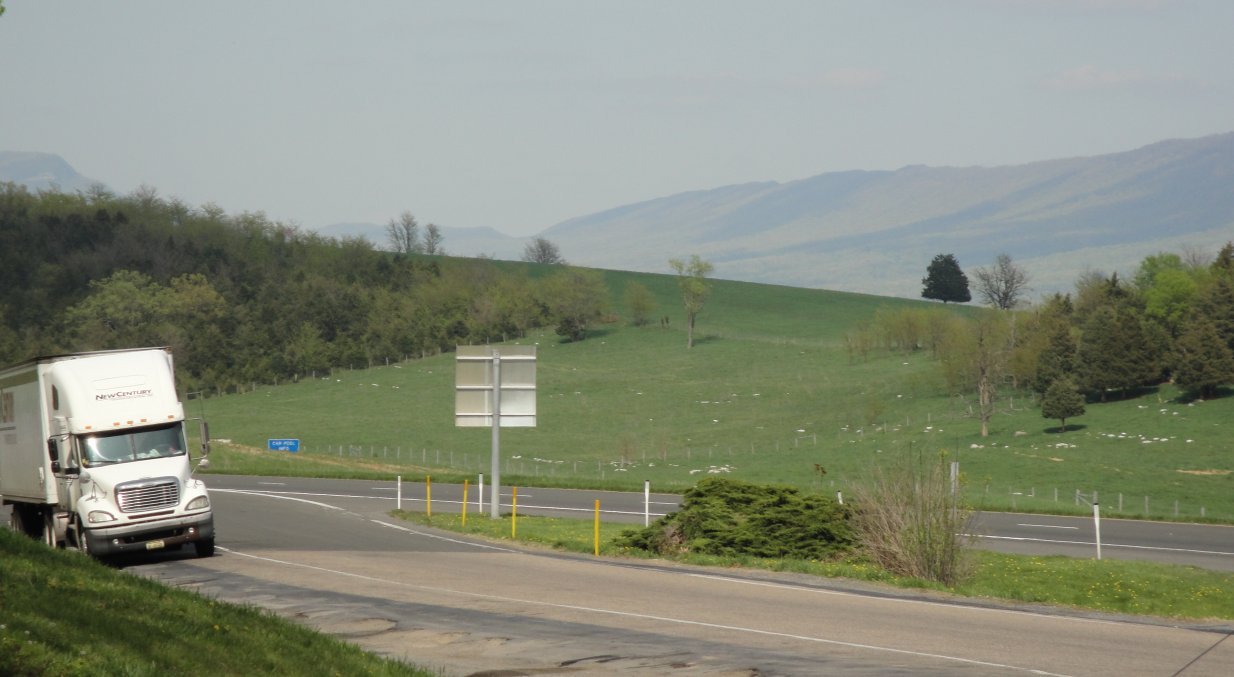
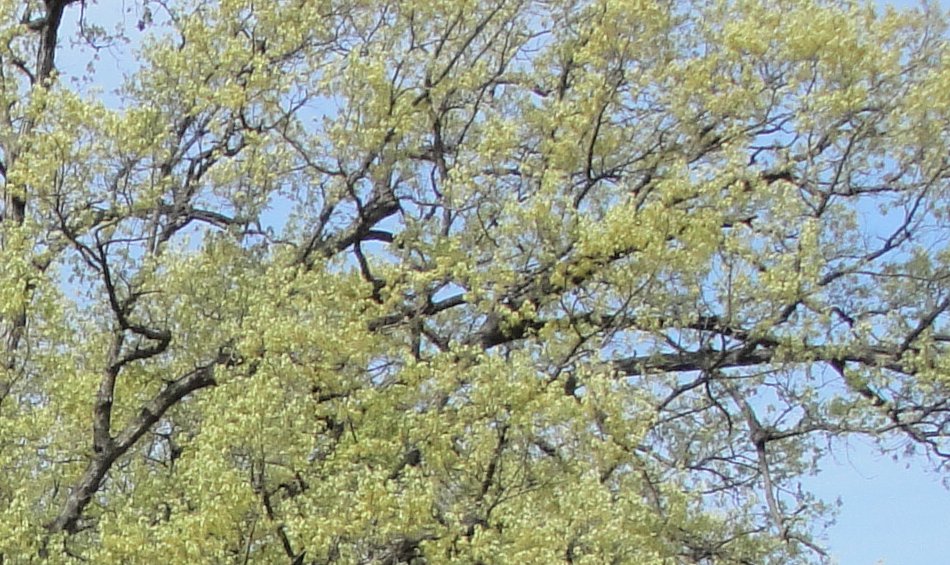
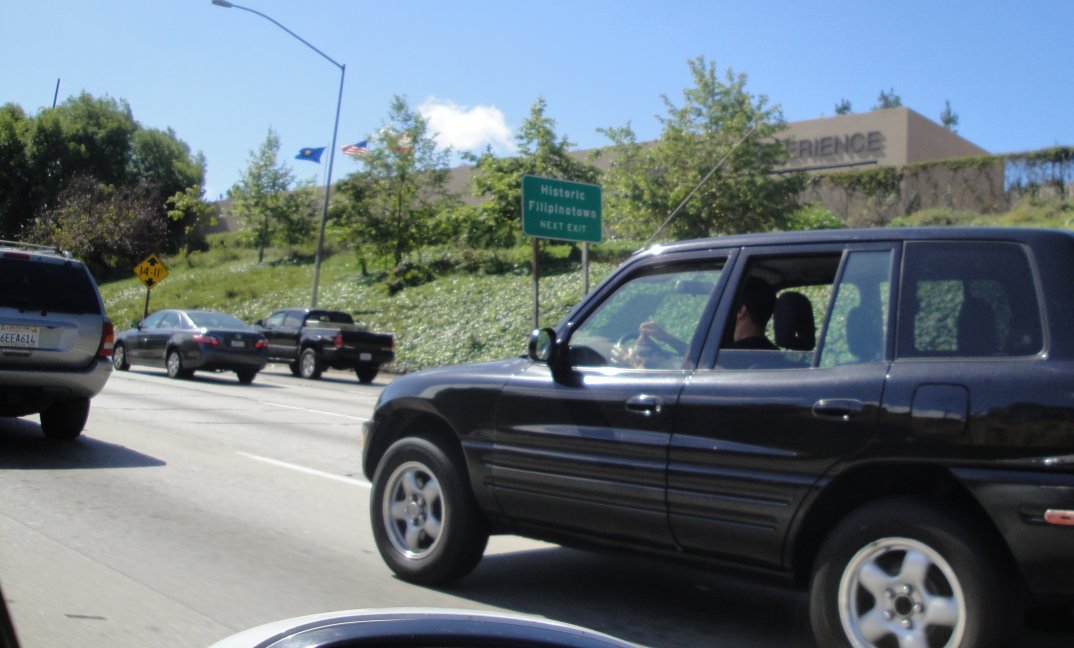
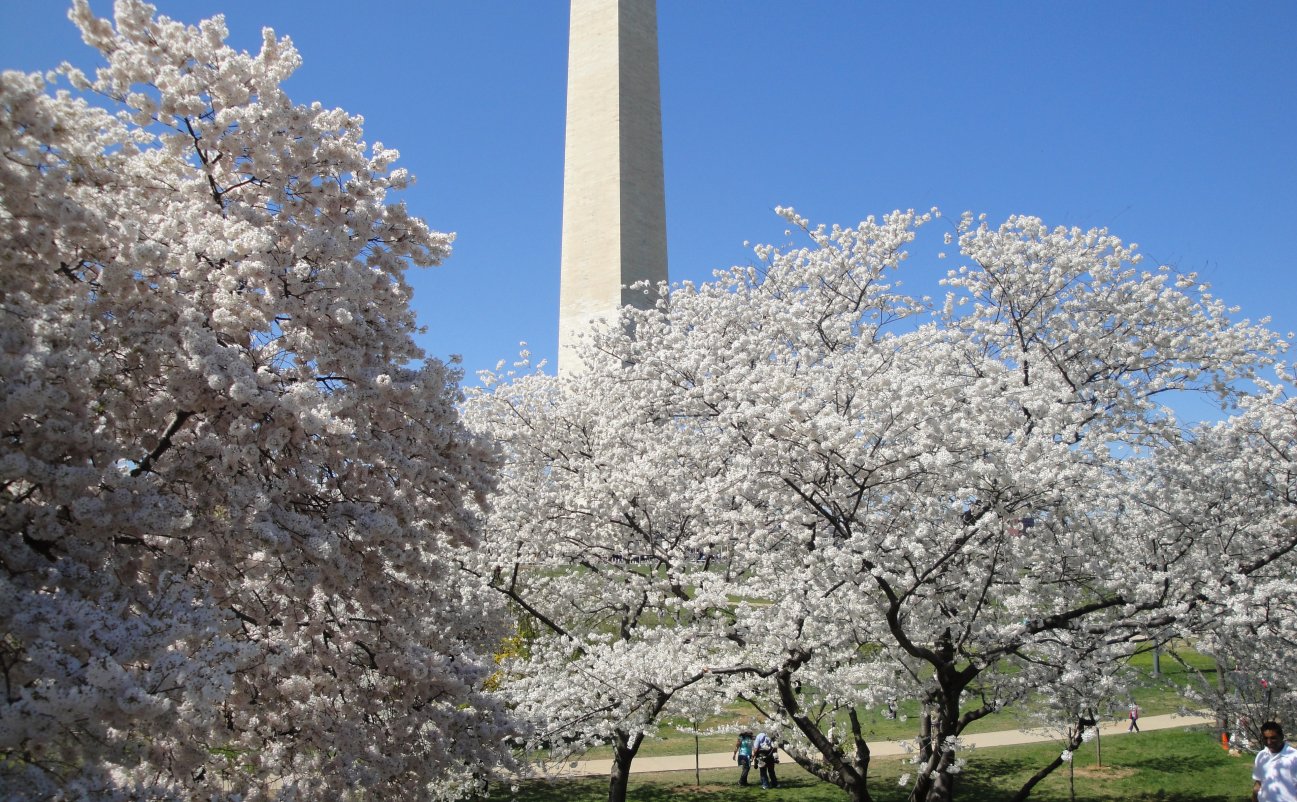
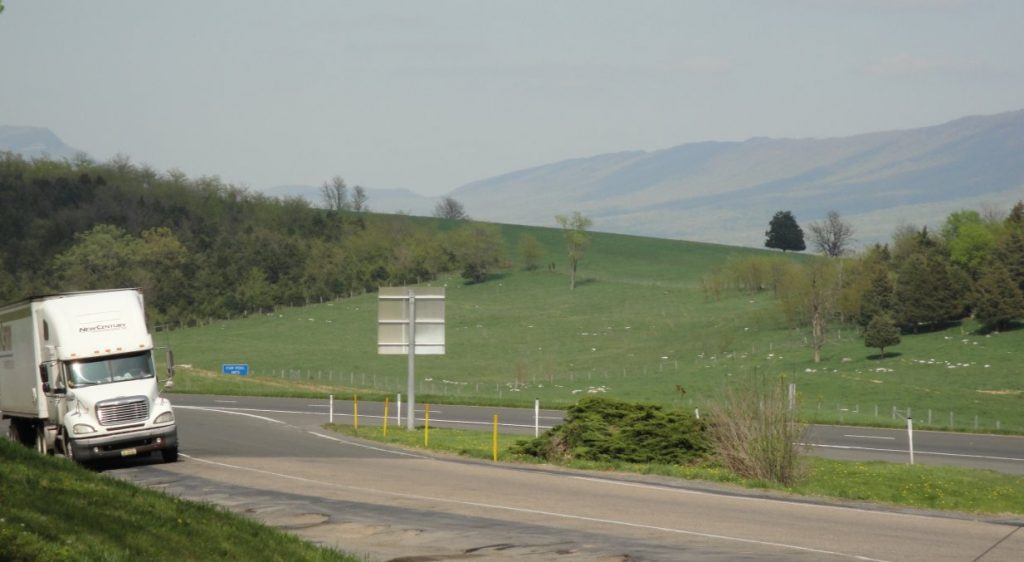
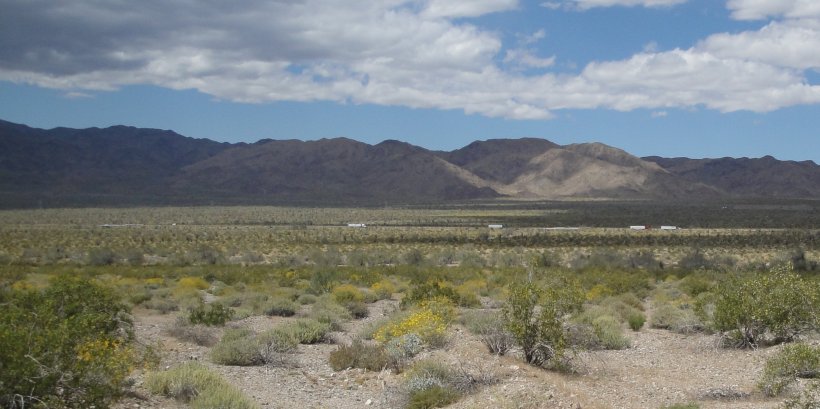
The Shenandoah is one of most pleasant places on earth in the springtime. The picture on top I-81 that passes through the valley. It is a busy truck route, that carries much of the goods along the East Coast. The trucks make it a hectic drive sometimes. They are bigger than the cars and they know it. The middle pictures are flowering trees in the arboretum.
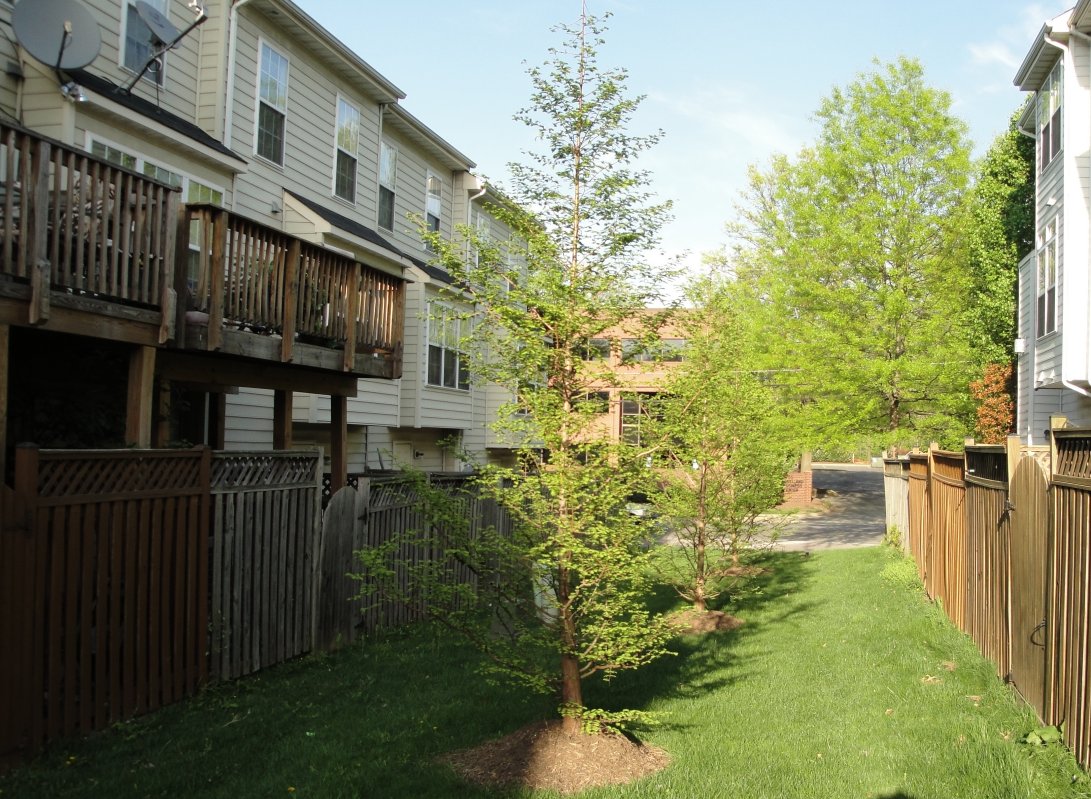
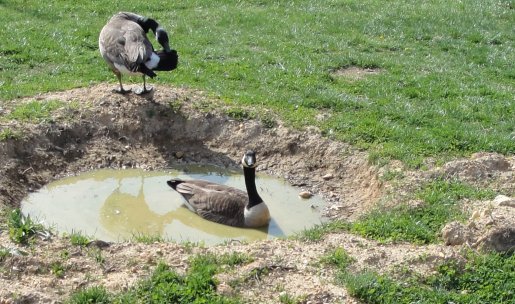
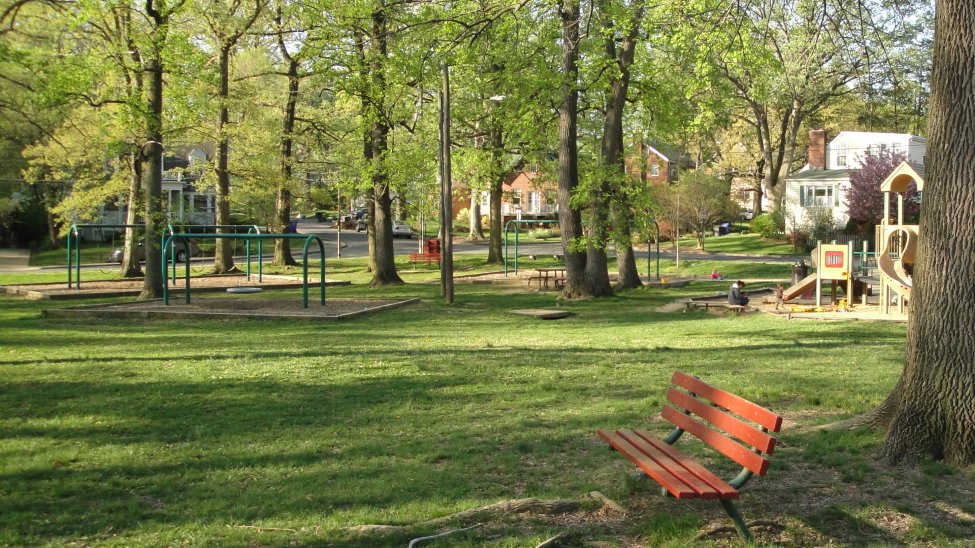
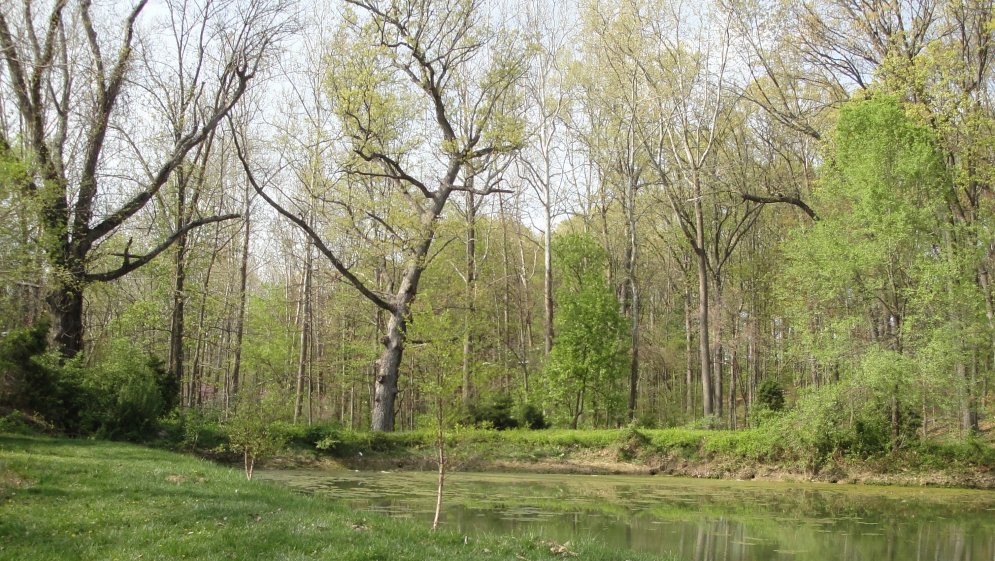
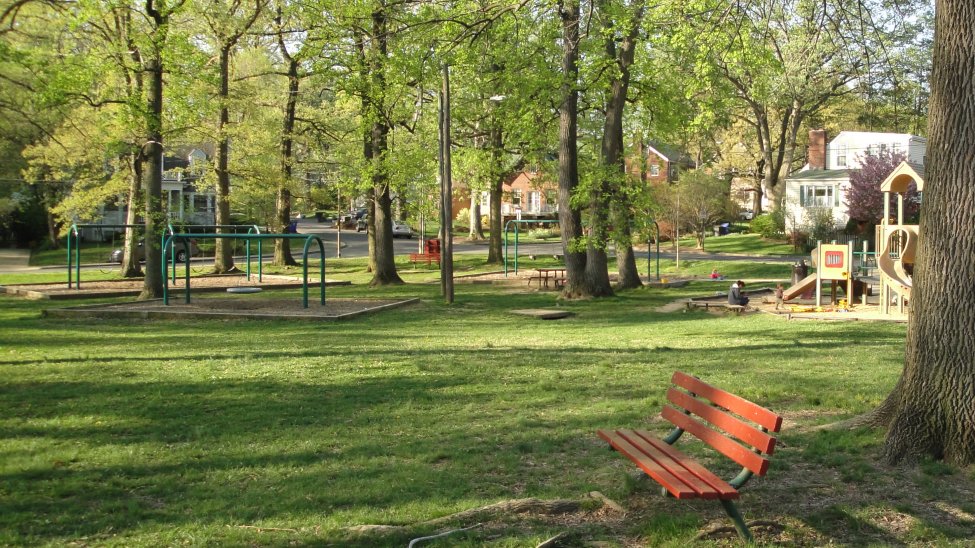
Above is the pond on the arboretum. Below is a pocket park in Arlington. It is near the place where we first lived when I joined the FS. It is just one block of green, enough to give kids a place to play and provide a nice space for the neighbors.

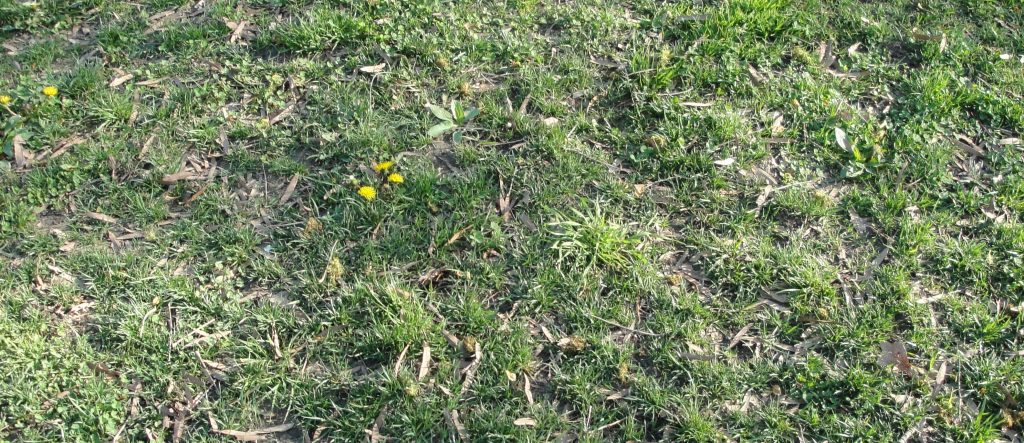
Below is the lawn in the park. It is a “real” lawn with clover and some weeds. I like this better than the chemical lawns so common around malls and new developments. The Chesapeake Bay is polluted with run off. They blame farms and farms do contribute, but at least they also produce something.  But it is just wrong when we use chemicals and fertilizers to create perfect lawns. This one is better all around.

Salton Sea & Wind Blasted Rocks

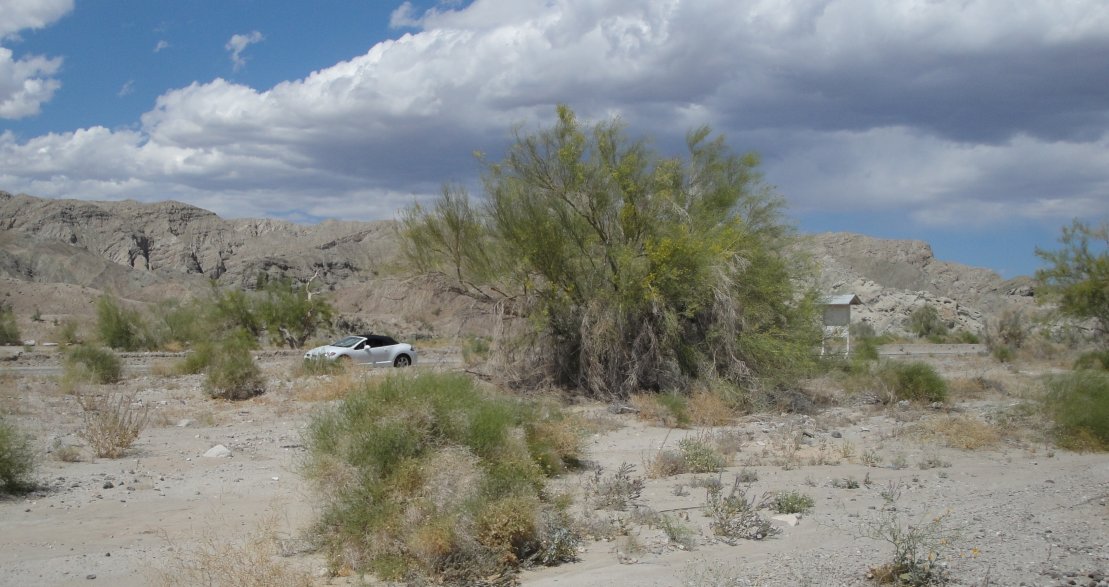
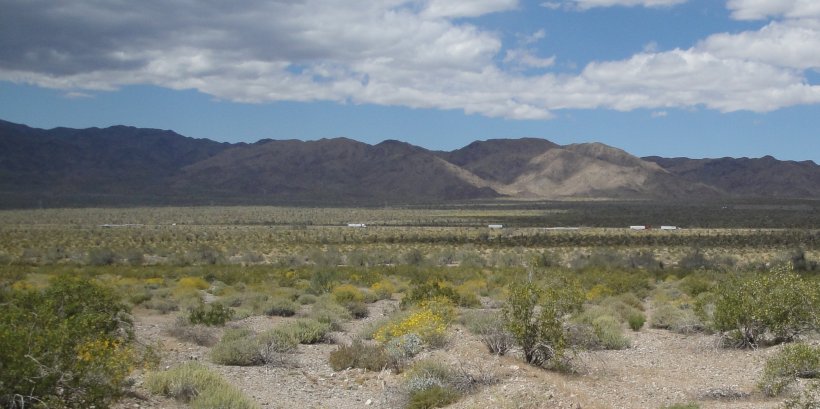
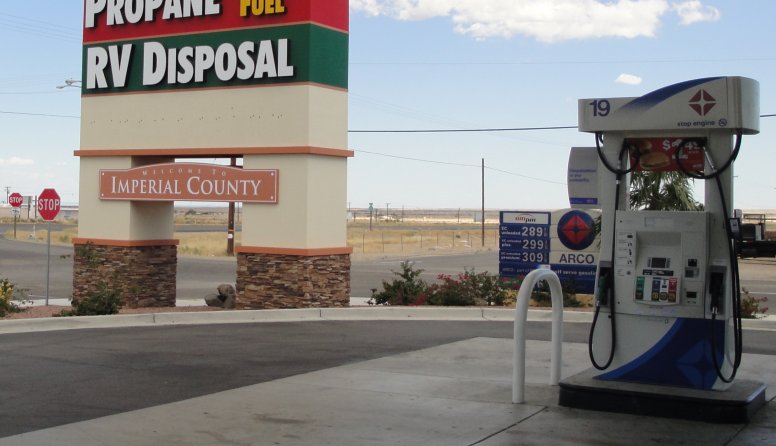
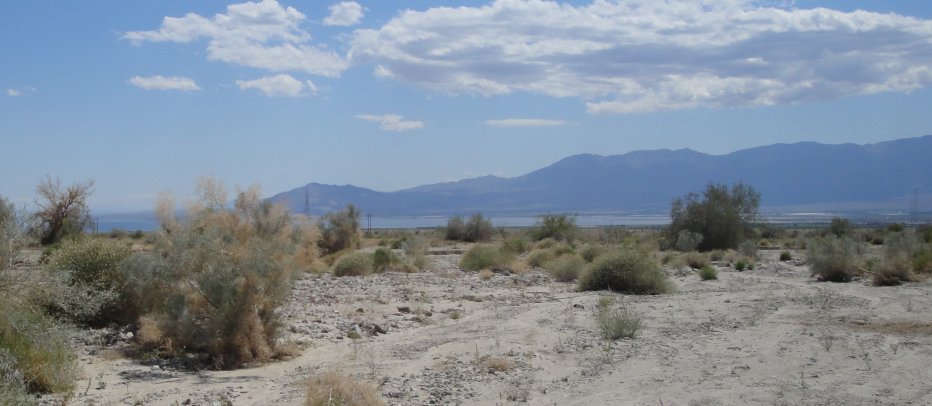
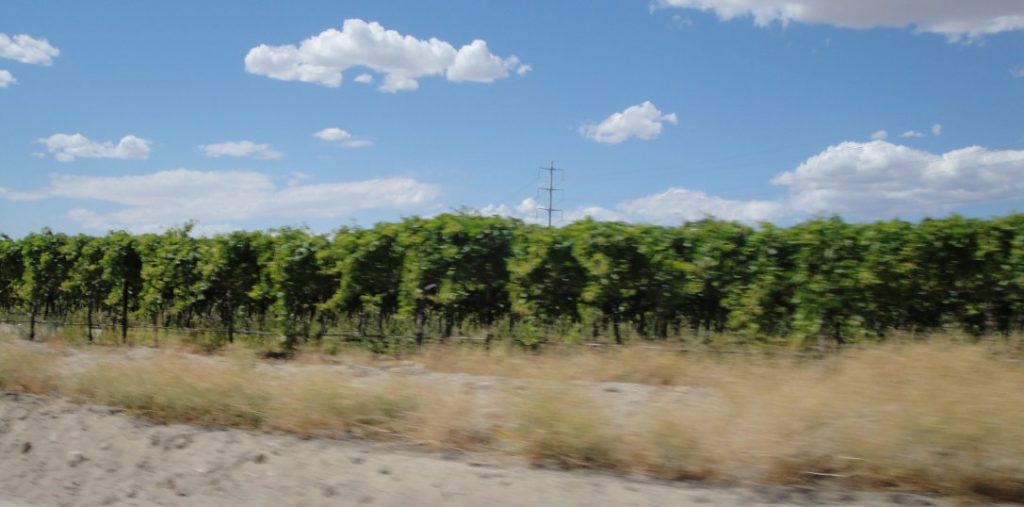
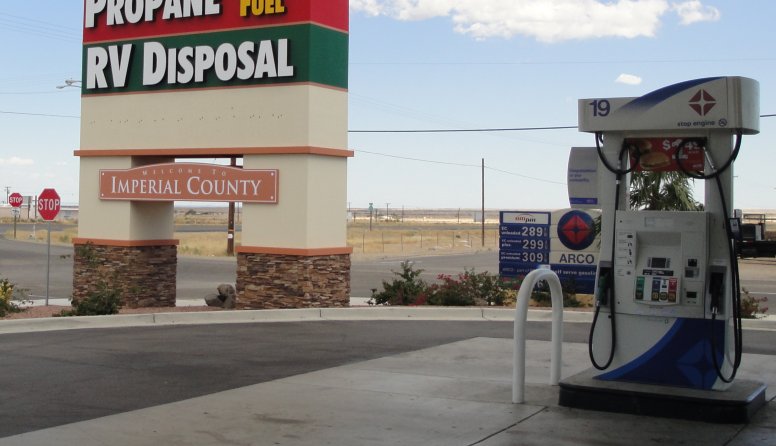
We left the Joshua Tree National Park and keep on going on a little road toward the Salton Sea. (Above is Interstate 10 in the distance.)  The area is below sea level and w/o irrigation it is a hot and desolate place.  With irrigation, it is a hot and productive place.  This is the Imperial Valley, one of the most bountiful agricultural areas in the world, where a lot of our lettuce, grapes, berries and broccoli come from.

The Salton Sea is a fascinating accident related to the irrigation. In 1904 the irrigation dikes broke and almost all the water from the flow of Colorado River poured into the below-sea-level desert depression for almost three years. The escaping water had created a vast fresh-water lake.  It is so big that you cannot see across it.  Had they not fixed the dike, the Colorado River probably might have simply changed course and eventually found its way to the Gulf of California by alternate means. (This, BTW, happened periodically with the Mississippi.   If not for human intervention, the Mississippi probably now be following the route of the Atchafalaya River, bypassing New Orleans.) Geologists say that the Salton Sea has been formed and dried up many times in the past w/o the intervention of man.  You can see the Salton Sea chronology at this link. 

At first it was great.  People put in fish and the bred fast in the warm and empty waters.  But the water in the Salton Sea didn’t stay fresh for long.  The salts and minerals from the lake bottom soon dissolved in the water and with no outlet to the ocean, it was in the same situation as the Dead Sea.  It is getting saltier and saltier.   Many of the fish are dying out.  The only ones still thriving are tilapia, which can survive almost anywhere if the water is warm enough and are now being used for cat food. 

The dying of the Salton Sea is a problem from several points of view. Migratory birds have become very fond of using the Salton Sea as a stopover.  If it becomes a dead sea, it cannot serve that purpose.  The State of California is trying to “save” the place, but it is hard to see what they could do, short of breaching the dikes again and sucking in the Colorado River.  It “benefits” from some irrigation discharge, but this is not water of the highest purity. The Salton Sea is essentially a big puddle, with no reliable sources of replenishment or discharge.  It is a very temporary lake and in a moment of geological time it will return to its former condition.
We almost got to Mexico on the last leg of the day’s journey. We caught I-8 in El Centro, California.  Not too far along the road, we were stopped at an immigration checkpoint. I didn’t know they had such things except at the border.

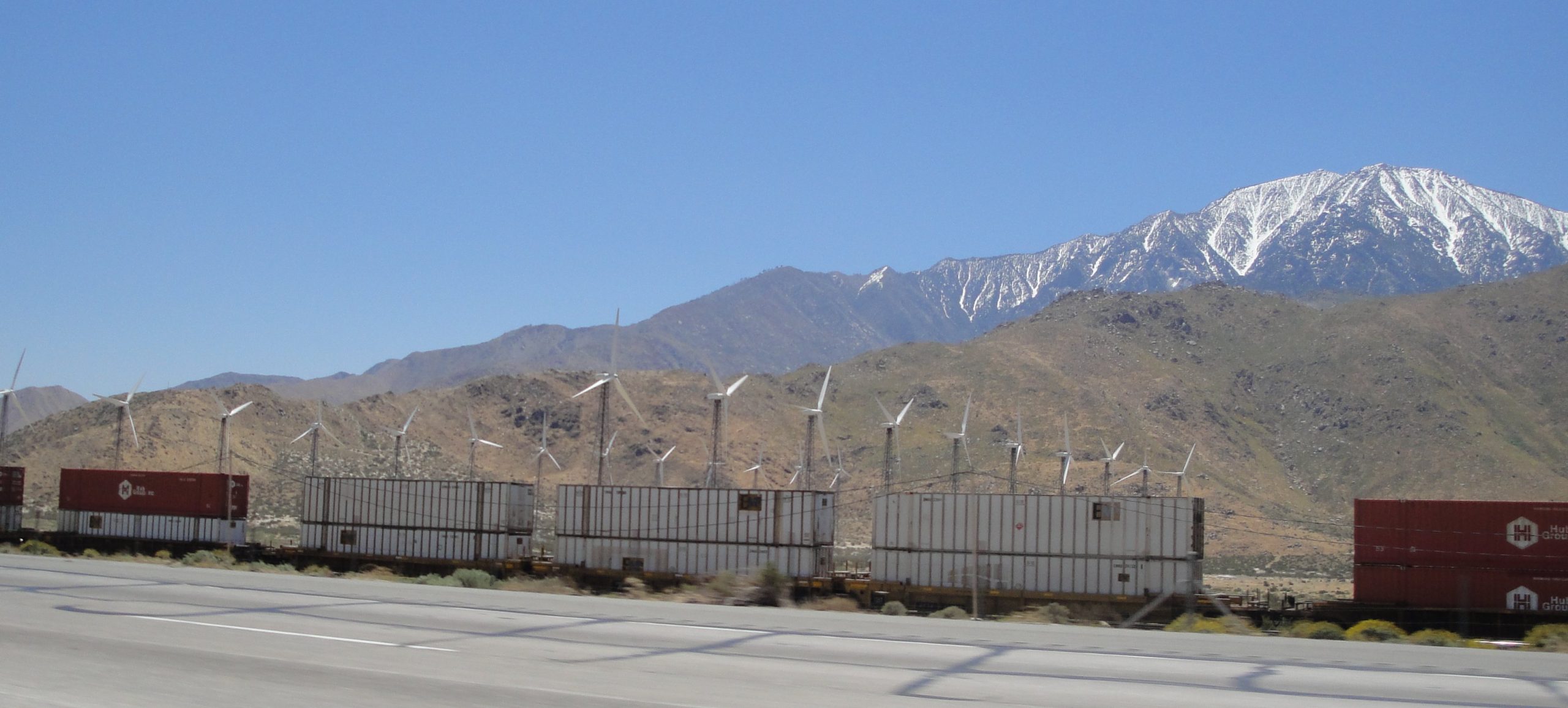
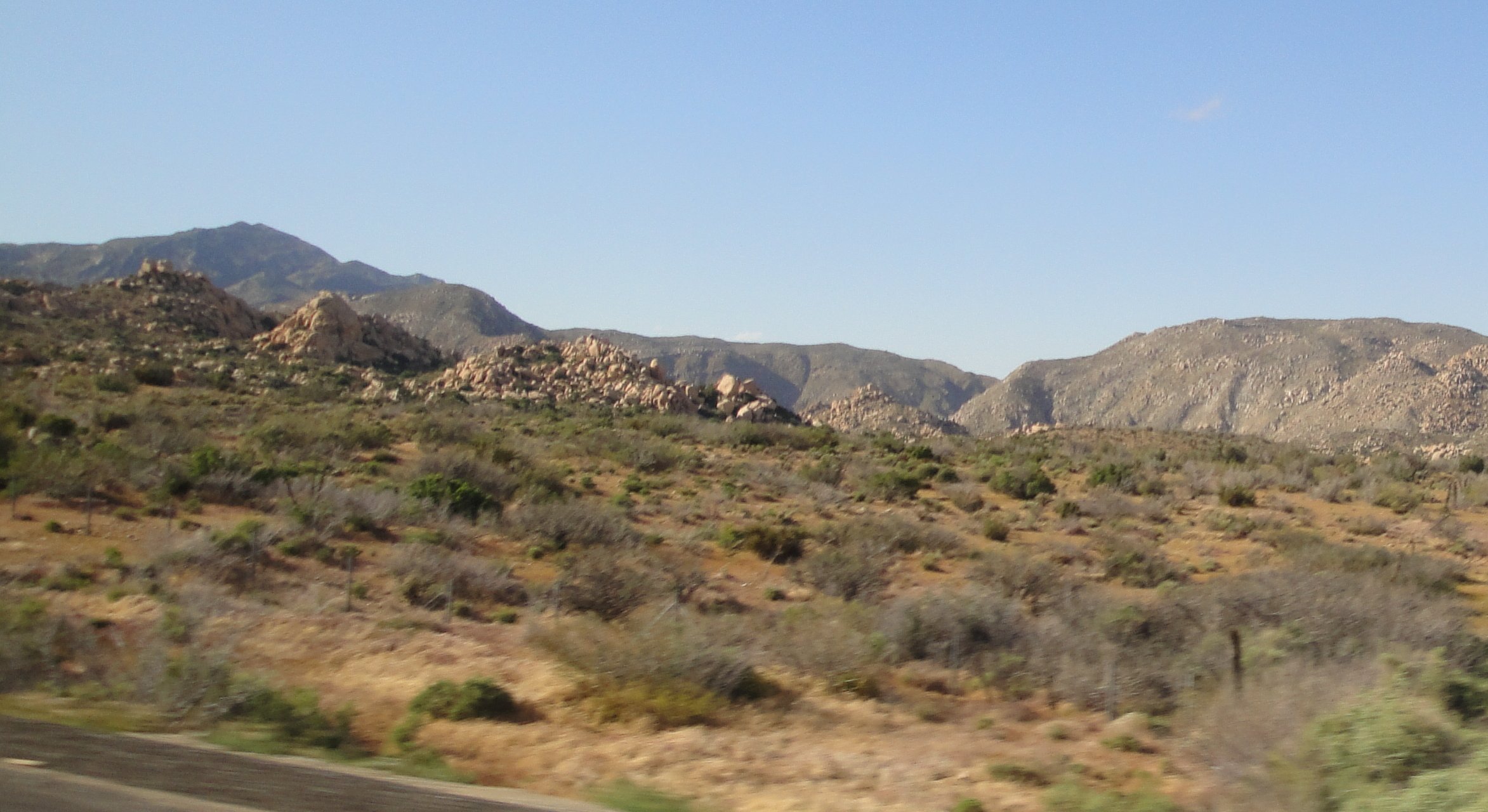
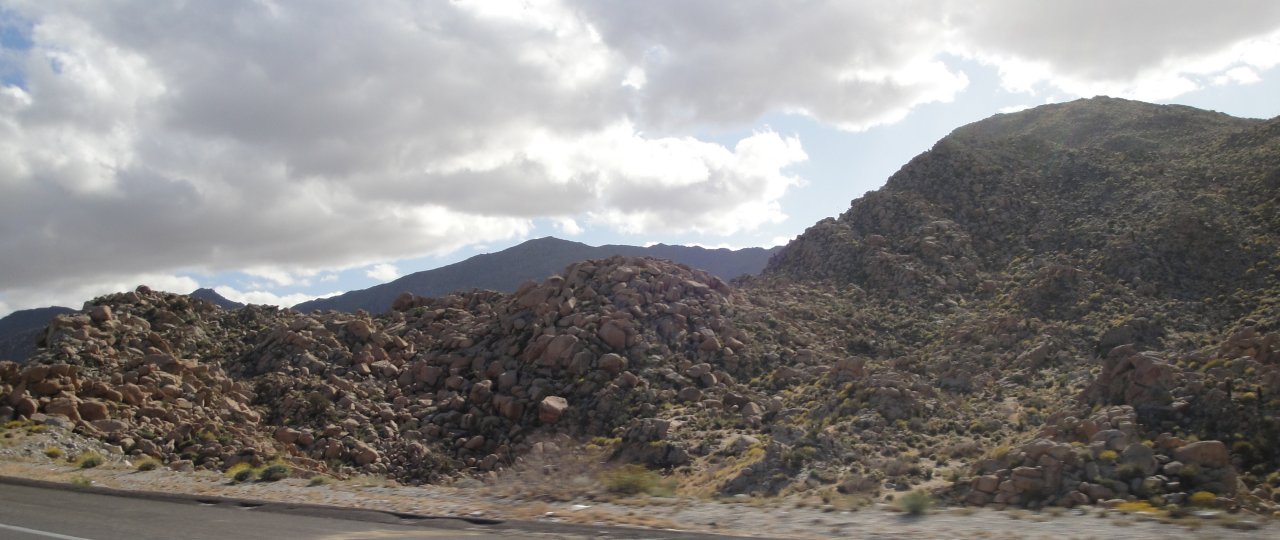
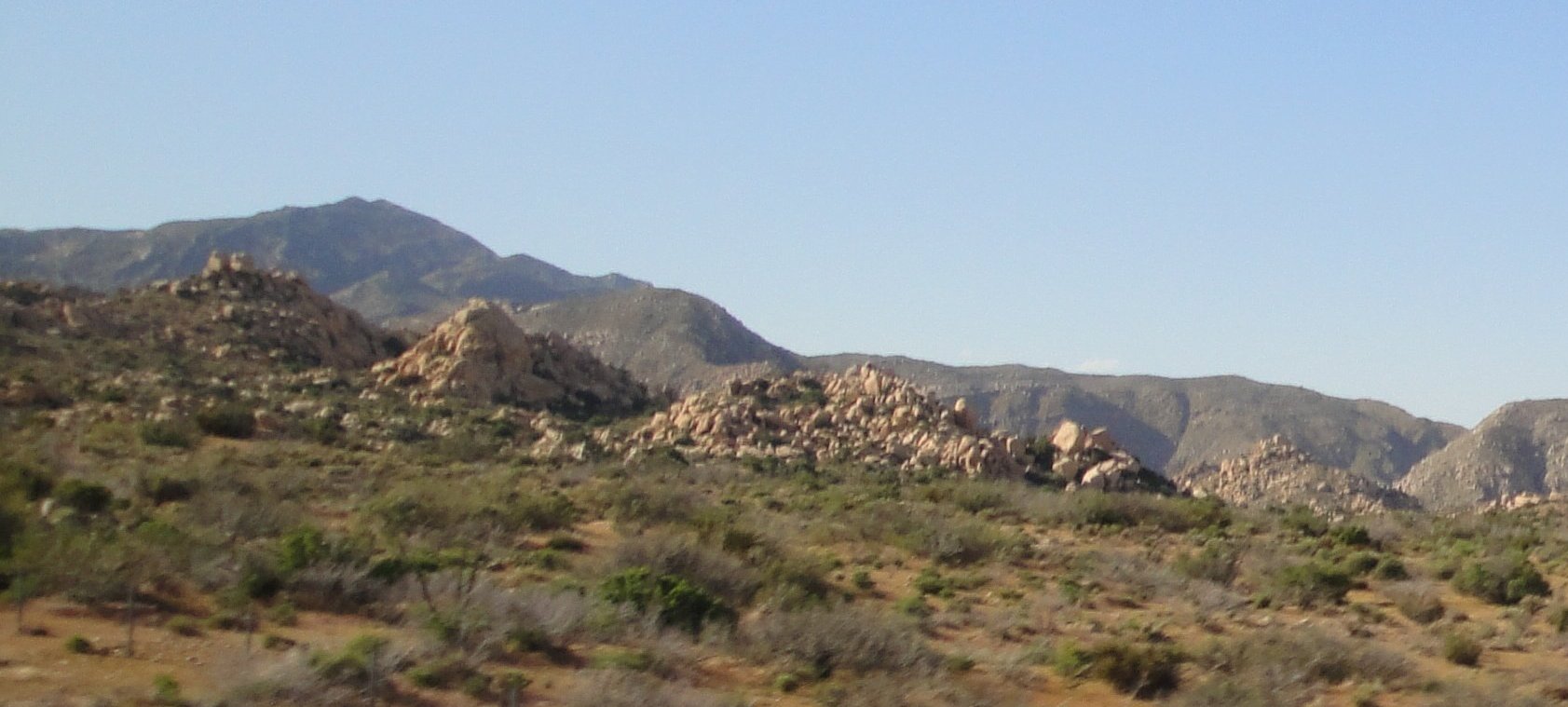
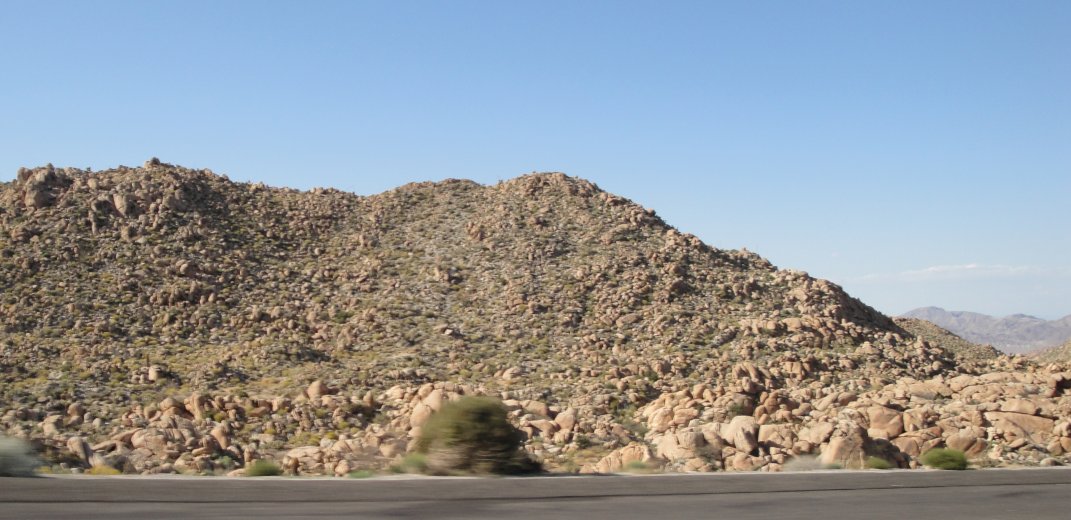
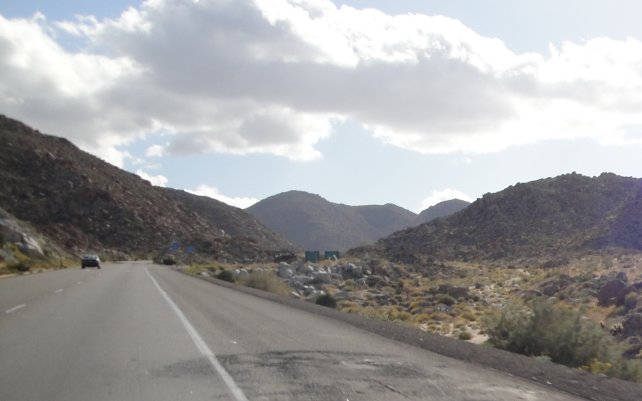
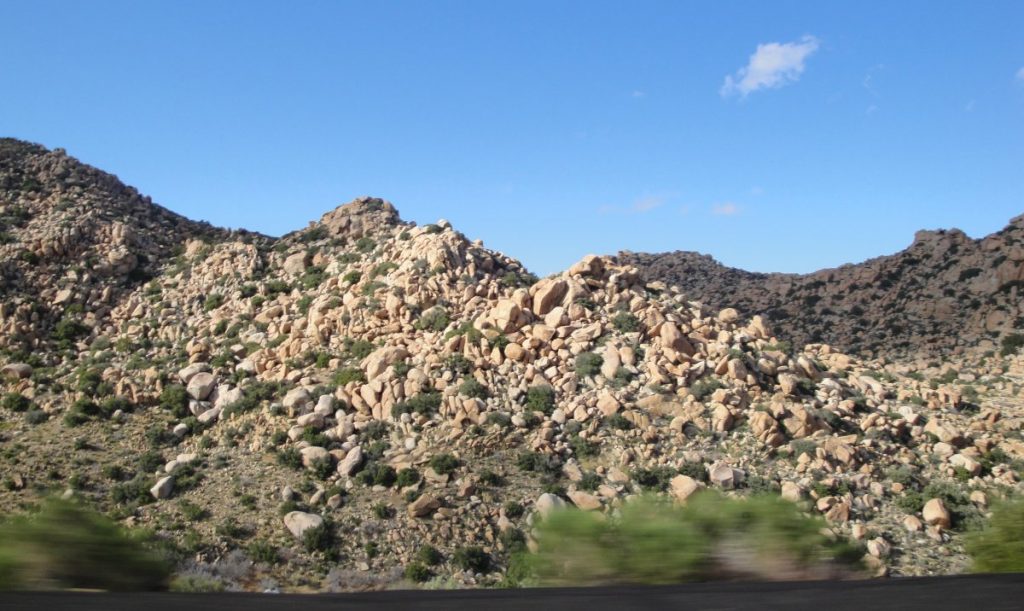
The road to San Diego is very interesting.  The first set of mountains look like a pile of stones.  If you didn’t know better and they weren’t so massive, you would think that humans dumped and piled these rocks.  It just doesn’t look natural. As I wrote earlier, the wind really blows out here.  They have signs on the roads warning about the high winds.  The winds sandblast the rocks, and everything else, and knock off the rough edges.

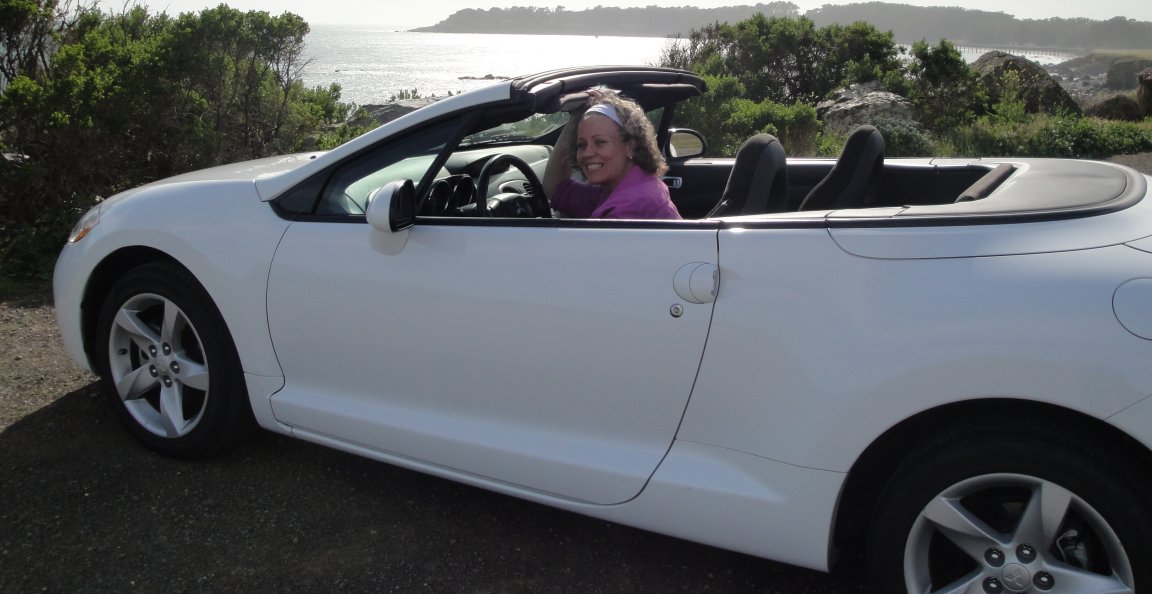
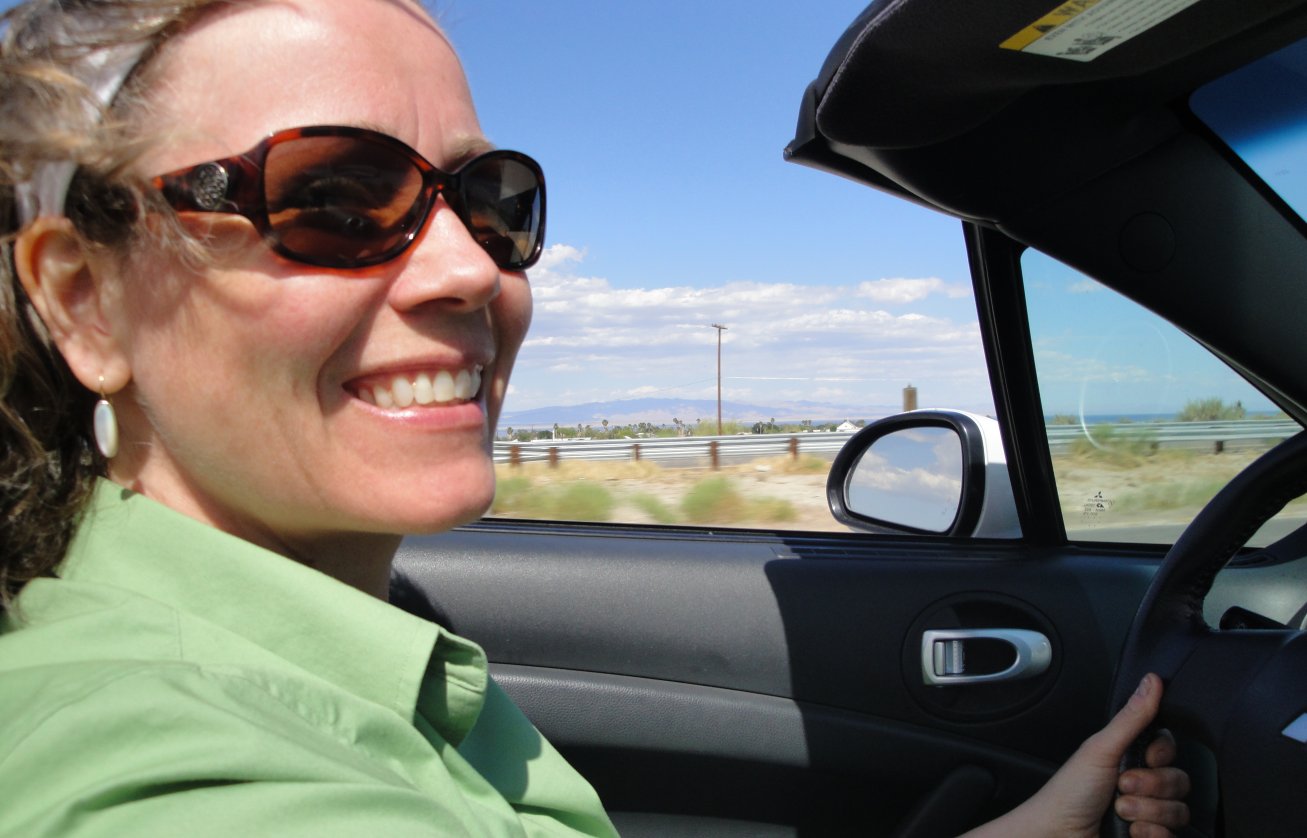
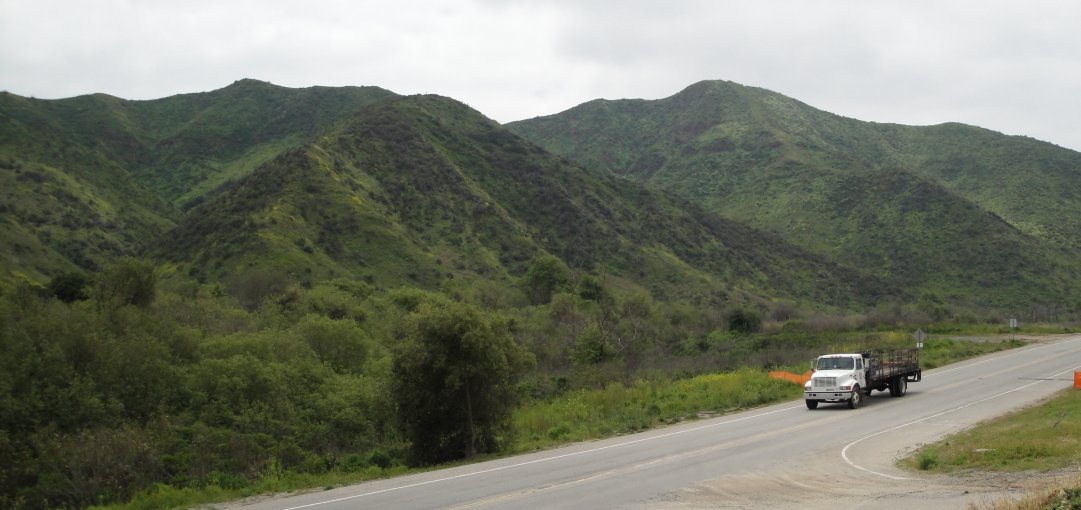
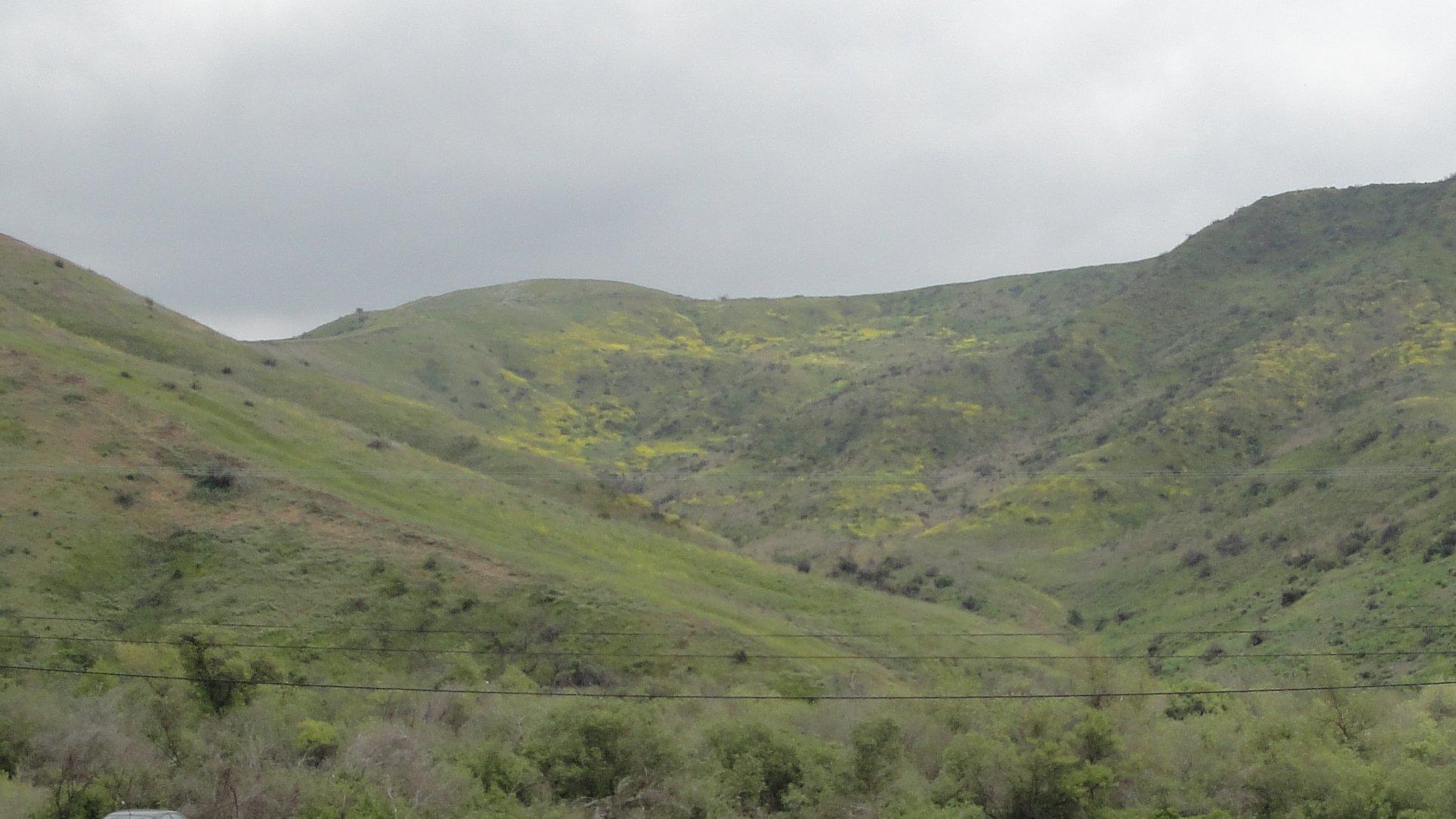
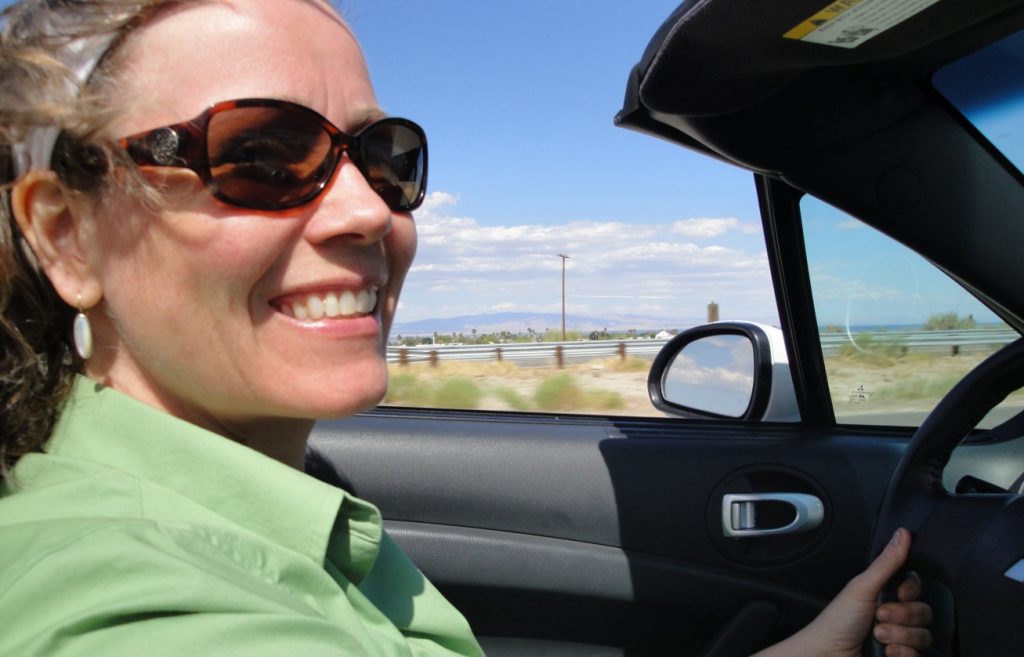
As we got farther west, the mountains became green and beautiful.  In other seasons the grass is probably brown, or golden as the Chamber of Commerce might describe it, but the green was really nice. Below is another picture of Chrissy.  Sorry to post so many, but she looks good and really liked the car.

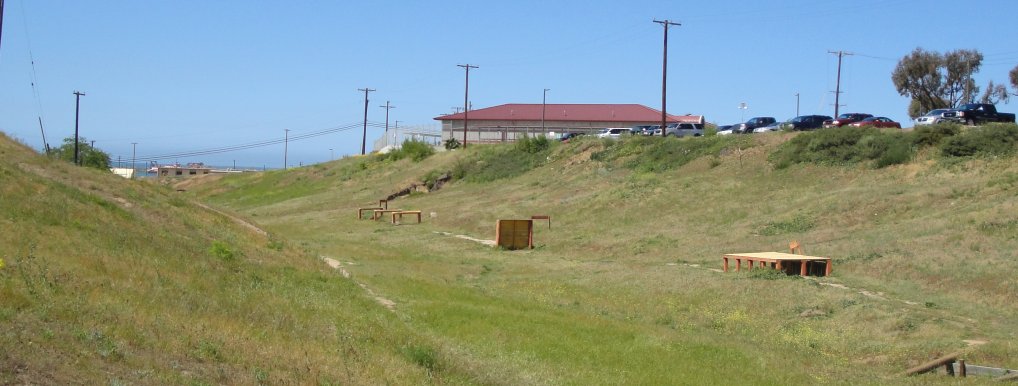
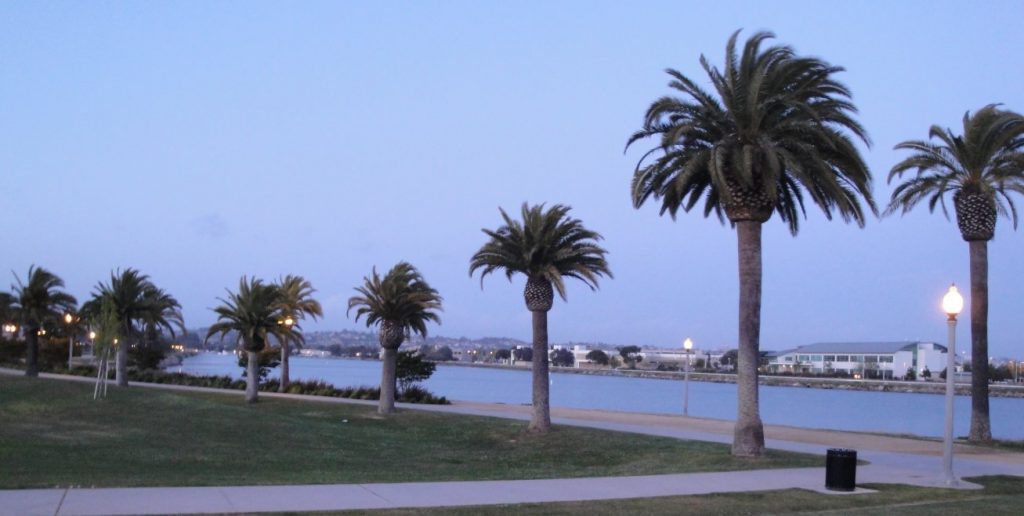
We ended up at the Courtyard Marriott at Liberty Station.This used to be a Naval Training base and now it has been redeveloped into hotels, shops and restaurants. It is very pleasant if a bit too neat, see below. Chrissy has already left for Washington. My flight is a little latter so I am writing this at the airport.It has been an interesting visit to California.

Joshua Trees & the High Deserts

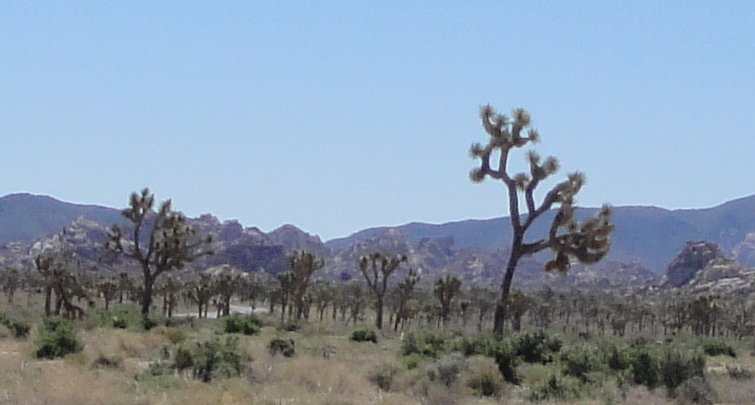
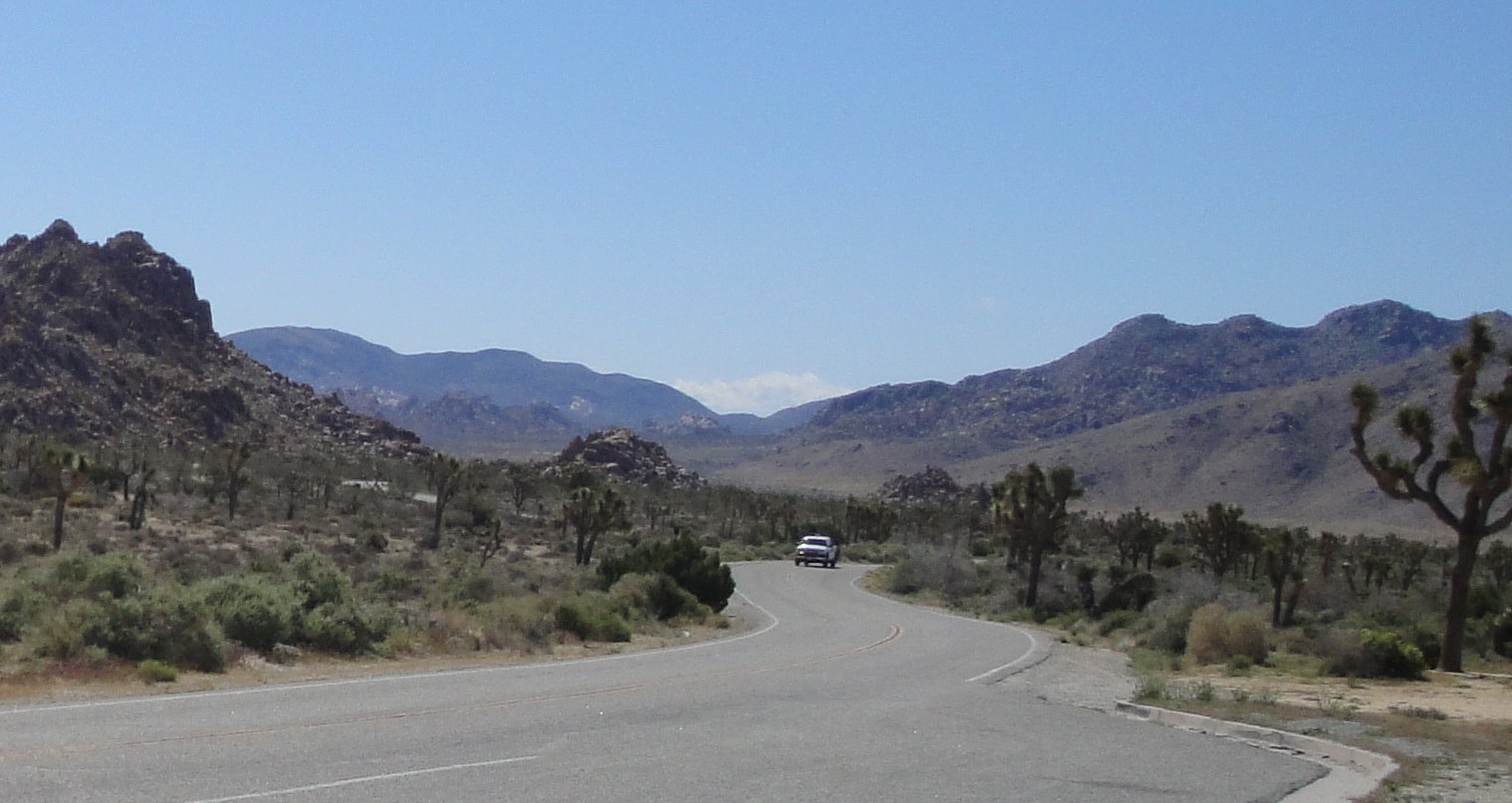
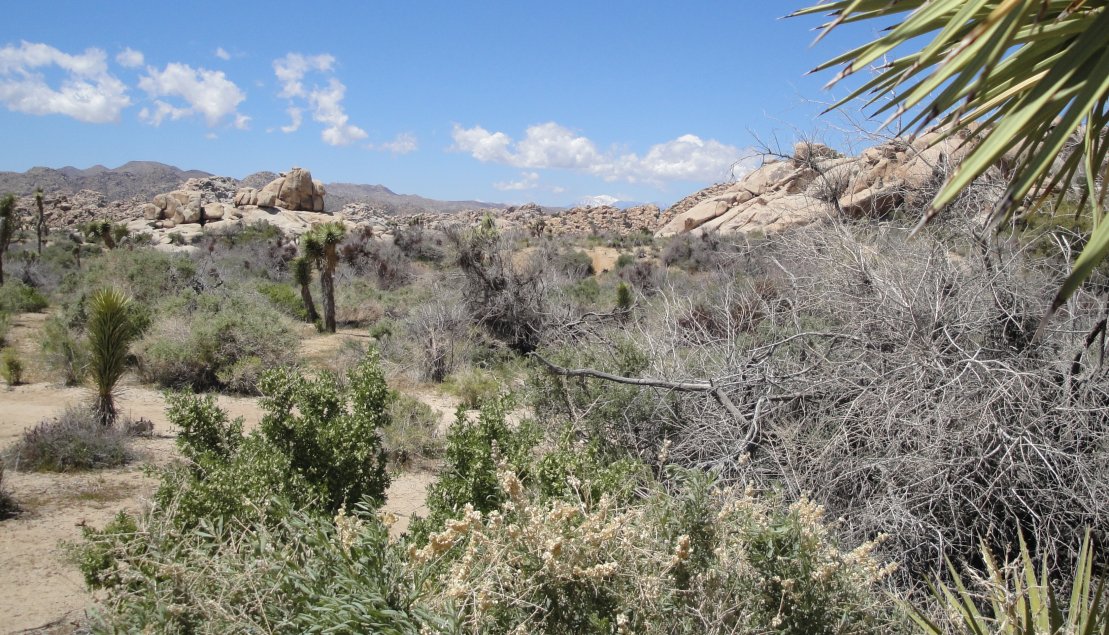
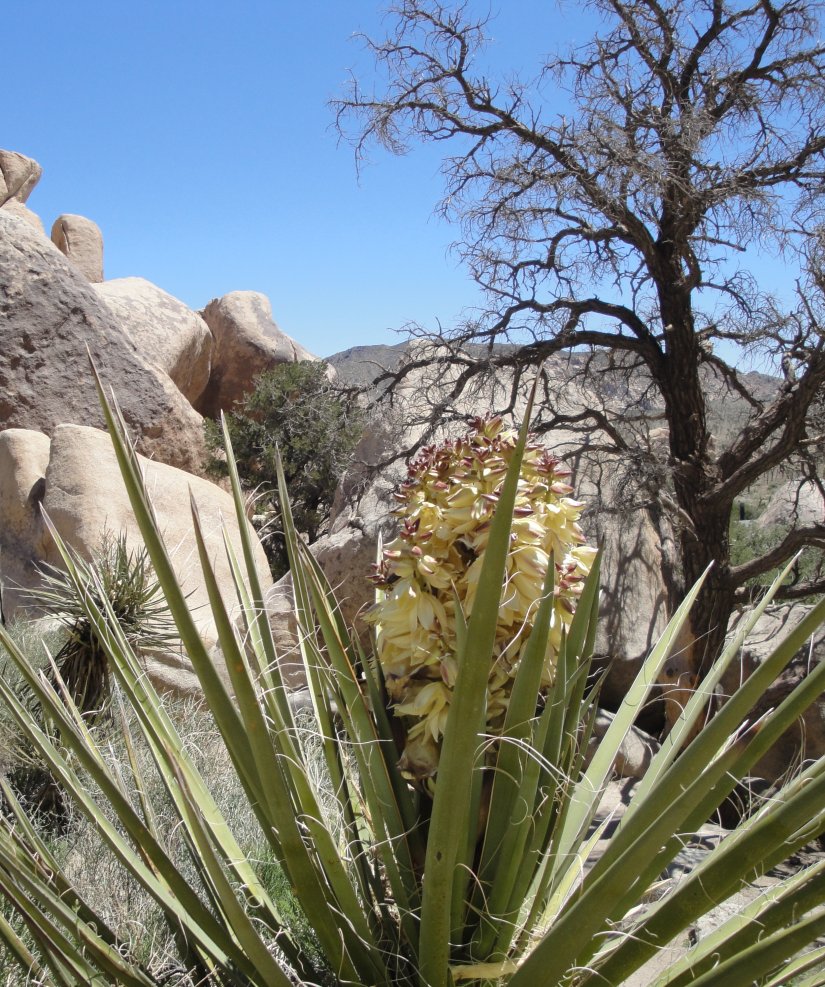
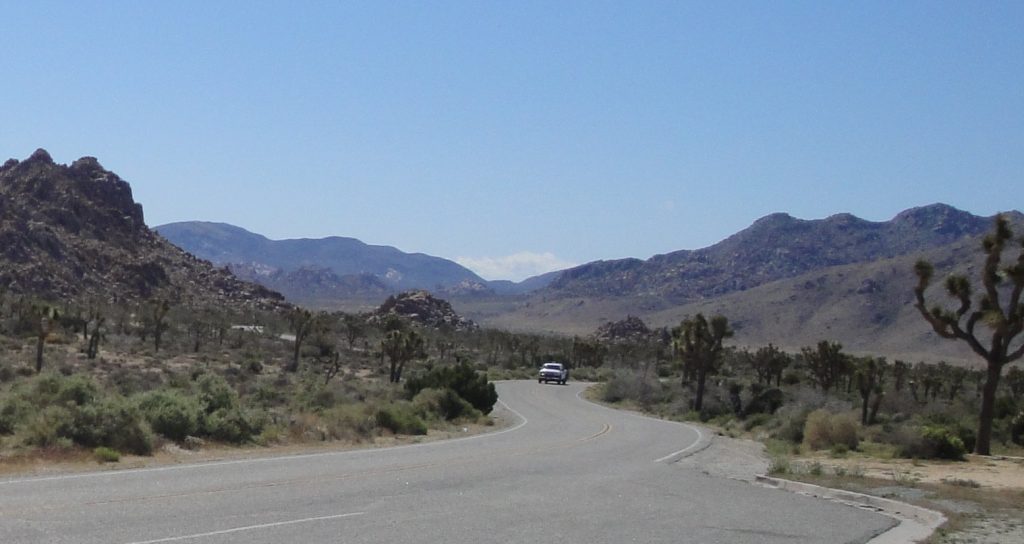
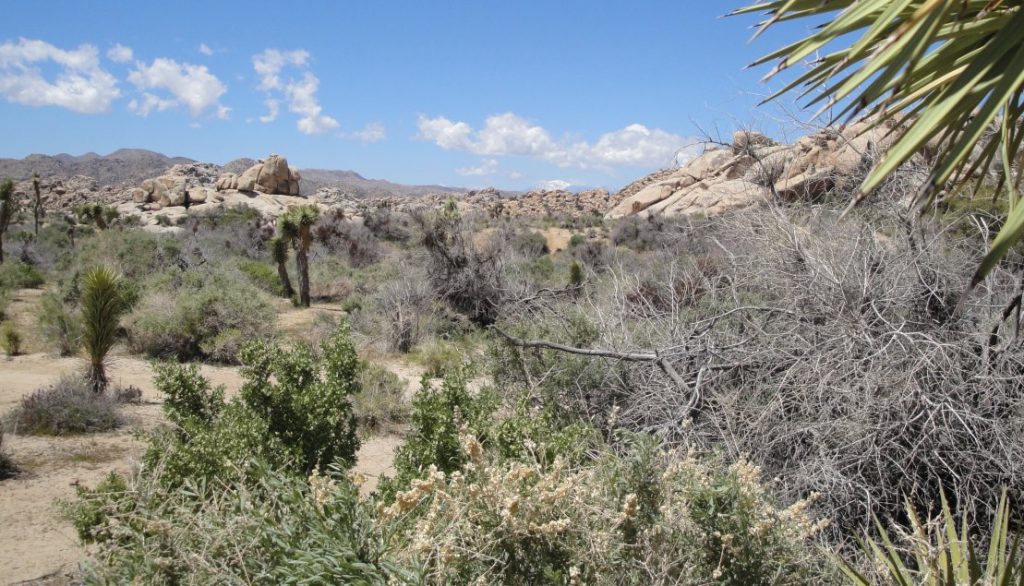
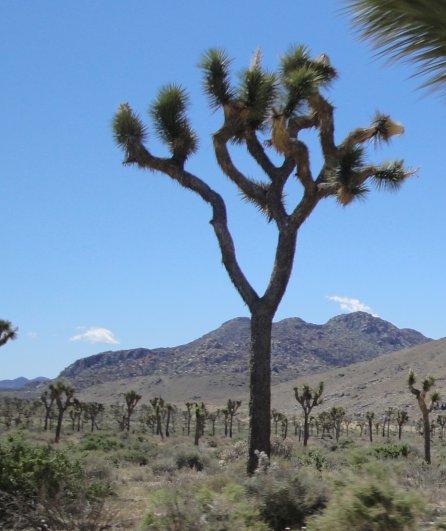
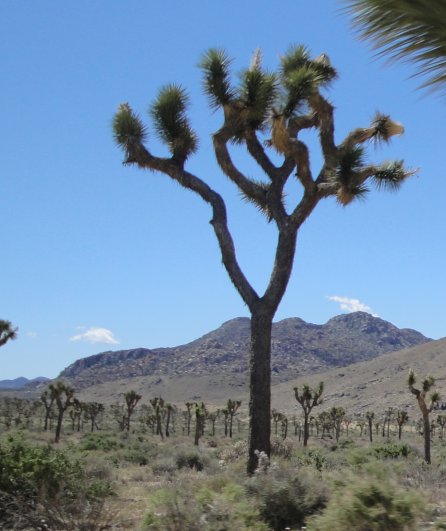
The only place Joshua trees grow is in parts of the Mojave Desert, on elevations from 2000-6000 feet, and their highest concentration is where they are protected in the Joshua Tree National Park. This is high desert and cooler than the Sonora Deserts lower down and farther south. You pass through the transition zone between these two biomes as you drive south across the park. From the north you cross a vast expanse of Joshua tree savanna.  

Joshua trees are a type of yucca. They don’t grow like ordinary trees, with rings marking each year’s growth, so it is hard to tell how old individuals are. They don’t get very tall. They look sort of like crazy people waving at you. This seems to confirm one of the stories about how they got their names. The story goes that early Mormon settlers thought the trees looked like Joshua welcoming them to the Promised Land.  They were also sometimes called desert oranges.  This story says that land sellers wanted to entice settlers to this barren land, so they not only implied that these were productive fruit trees, but even went around and tied some oranges to the trees near the roads. It evidently didn’t fool anybody.

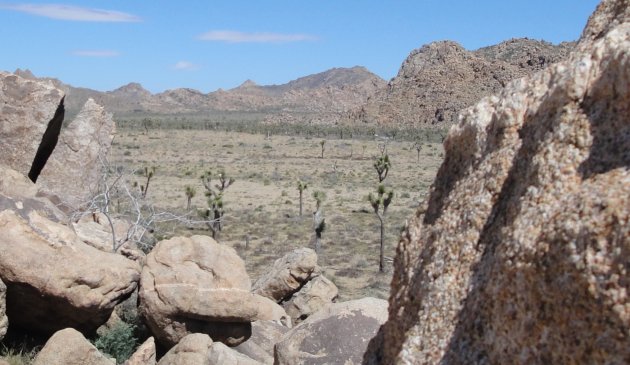
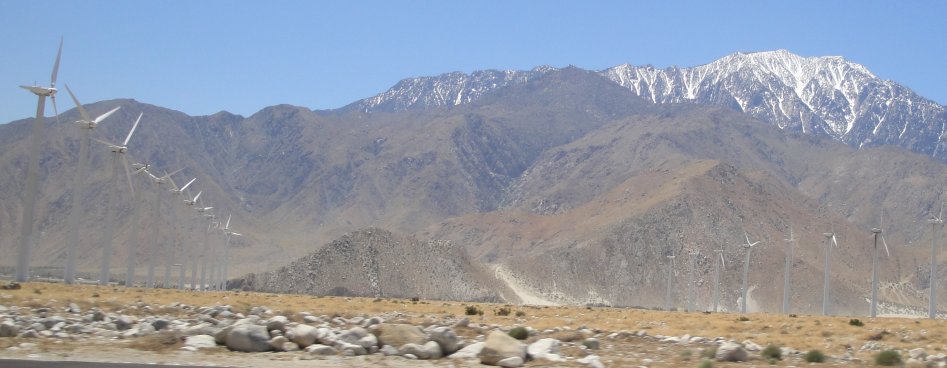
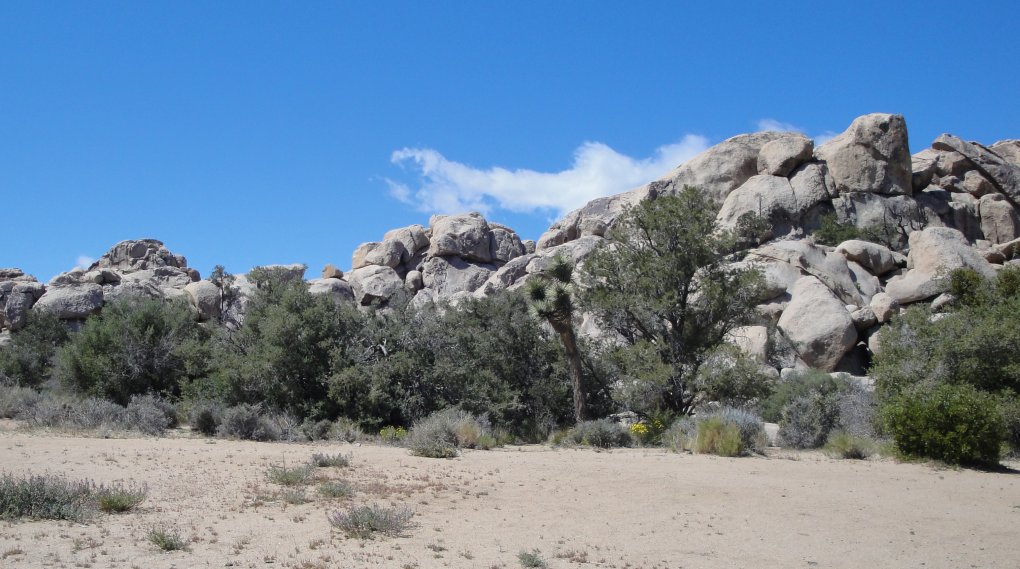
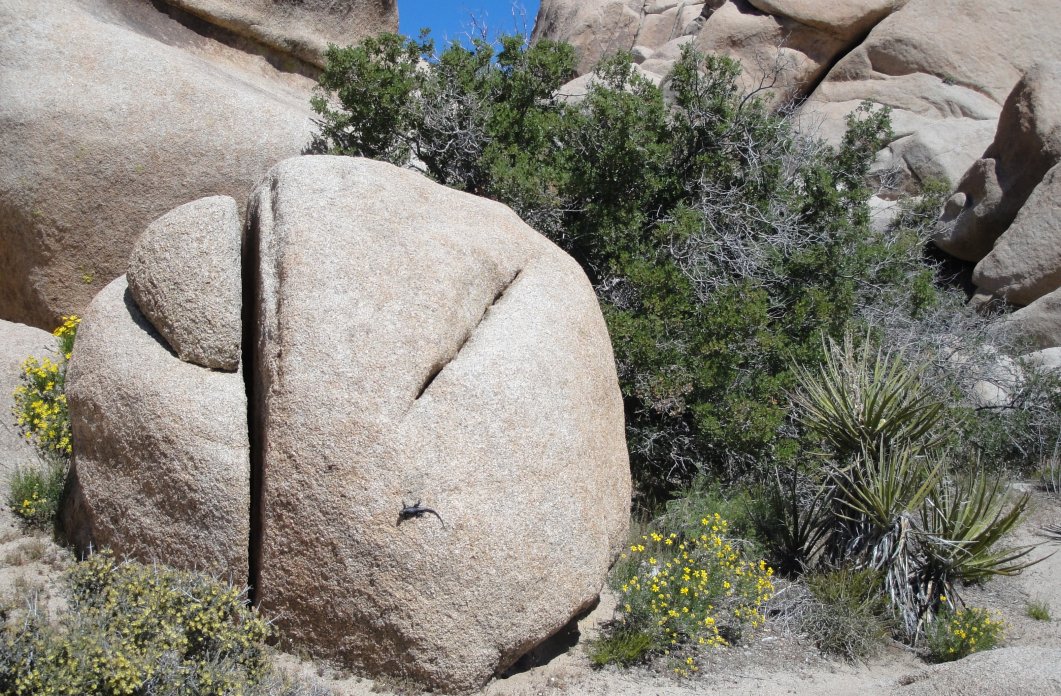
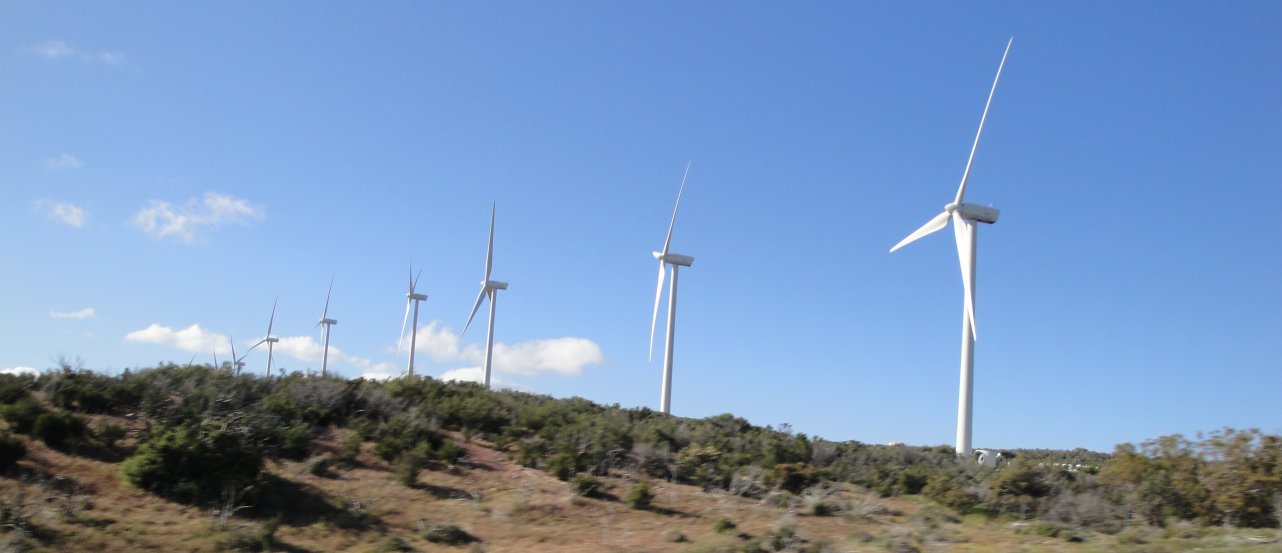
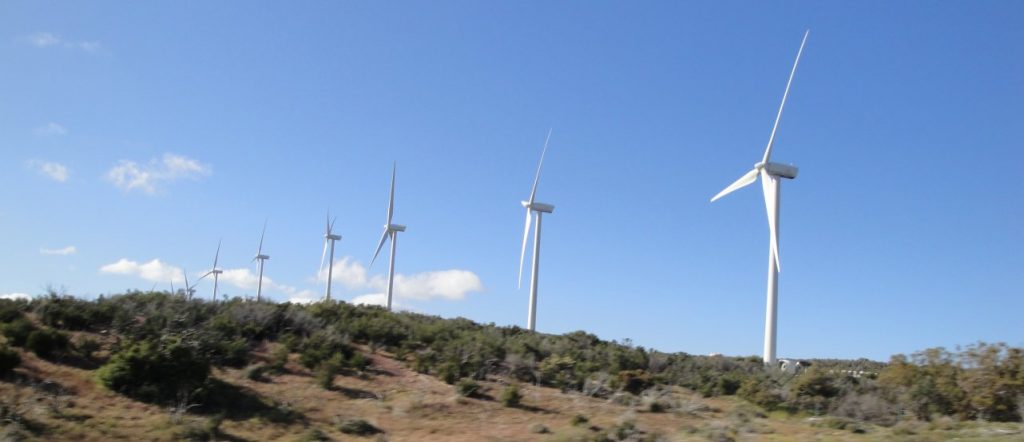
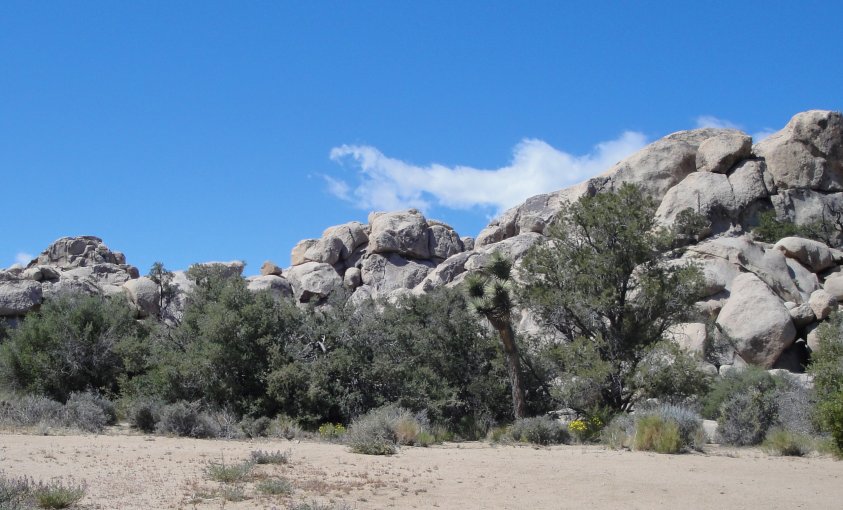
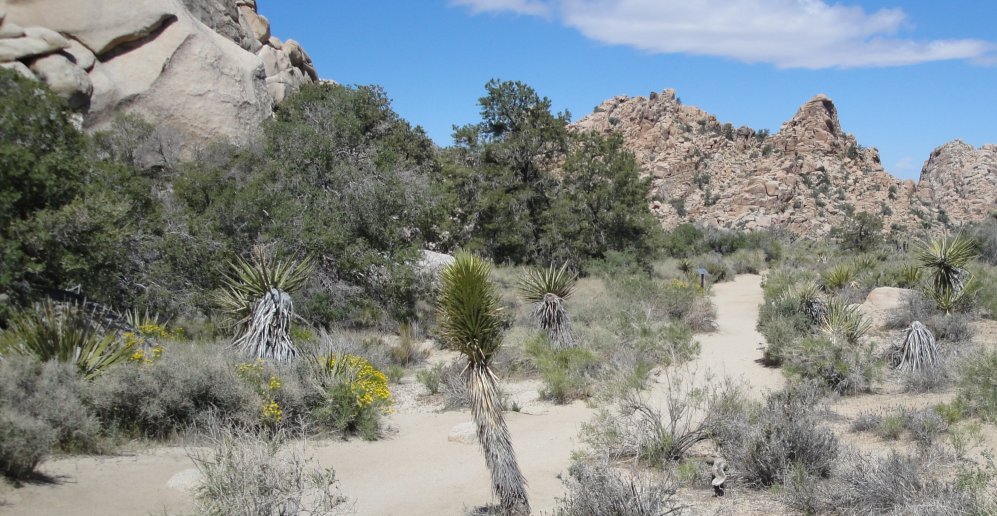
The landscape is beautiful in that harsh sort of way, a nice place to visit, but I wouldn’t want to live here. We were seeing it at its best time. Spring rains have made it greener than usual.  The day was very windy, which I understand is fairly common. That is why they have all those windmills nearby.  It also explains the sculptured roundness of the rock outcroppings: natural sandblasting smooths off the rough edges.  

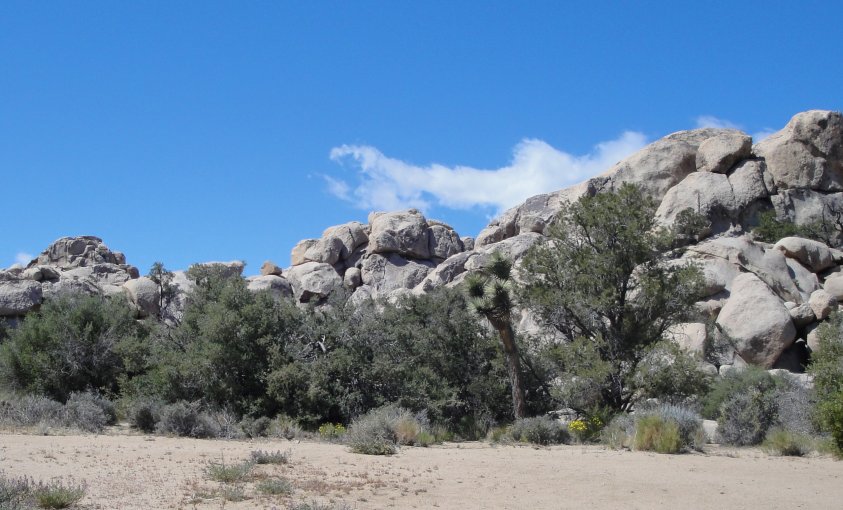
The Joshua trees dominate the open spaces, but in among the rock outcroppings you find pinion pine, California juniper and scrub oak. These communities are under some stress, however. The climate was wetter until the 1930s. The same hot and dry conditions that provoked the dust bowl affected the local climate. I couldn’t find out details about this, but evidently the previous relatively more verdant environment did not return. There are hot/dry and cool/moist cycles in climatic patterns and this could not have been anything new to the plant and animal communities. 

The difference may have been human development. Cattle grazing took out some of the natural cover and made it less resistant to the changes.  But the bigger problem seems to be invasive species, such as cheatgrass. These things deliver a double punch.   During wetter periods, they fill in below and among the pines and oak. In drier times, they die back, but don’t quickly decompose. This makes wildfires hotter and more destructive, which kills some of the trees that would have otherwise survived. When the area regenerates, these non-native grasses form a thick layer of turf that makes it harder for the pine and oak seedlings to get a roothold. This is not a very generous environment and there are not that many second chances.  

IMO, the native environment is better than what we will get if we let the invasive take over, but it will be sustainable only with a little human intervention and probably chemical warfare. BasF makes a good herbicide that can take out cheat-grass and its ilk, while leaving the oaks and pines intact.  This should probably be done periodically. I don’t know if it is. I would get more involved if I lived nearby.  This is certainly an environment worth saving. Doing nothing is not a good option.

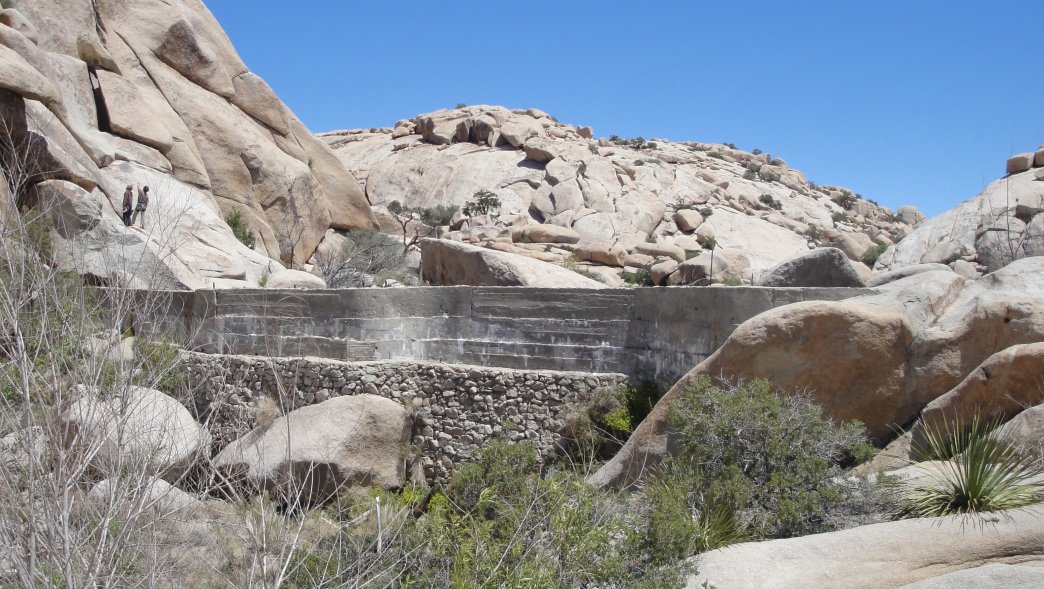
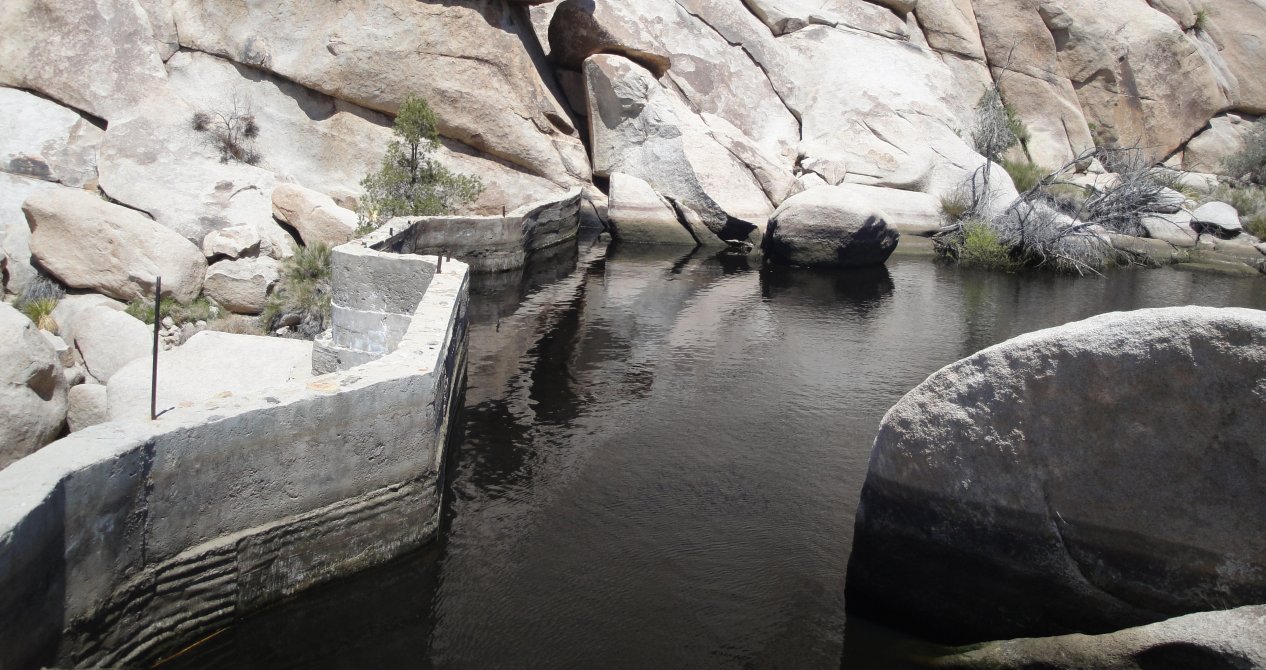
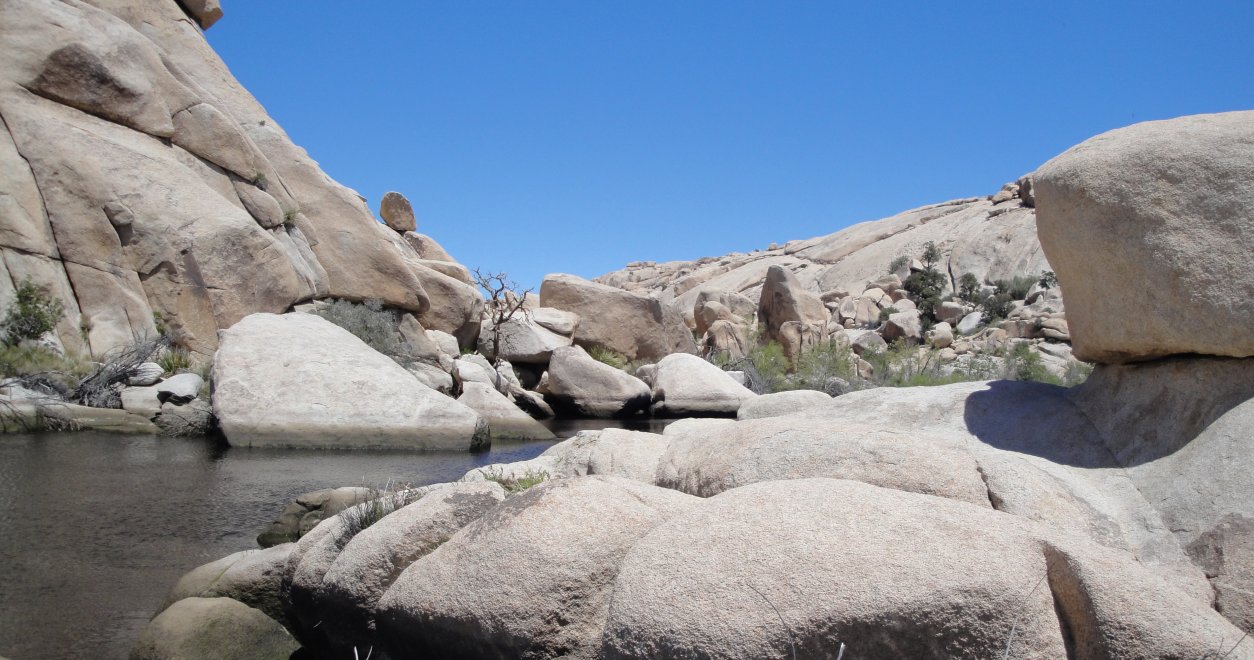
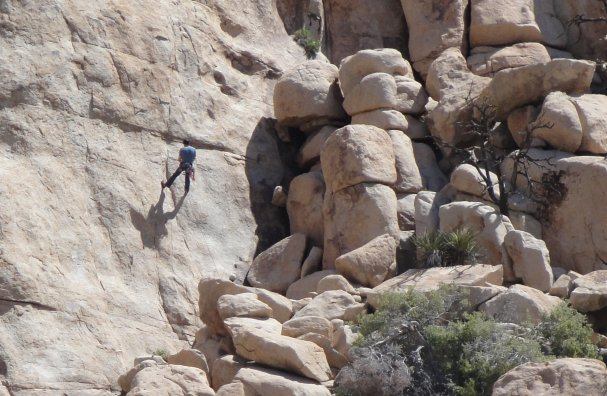
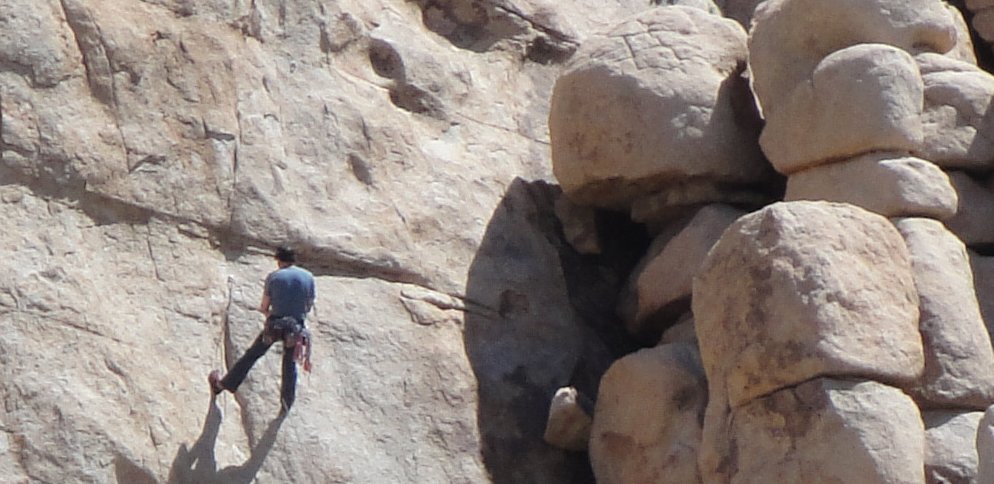
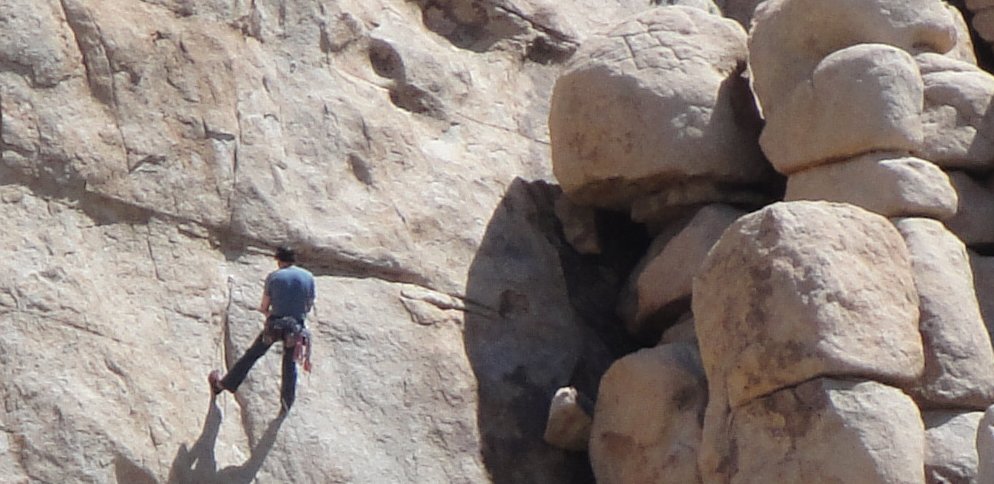
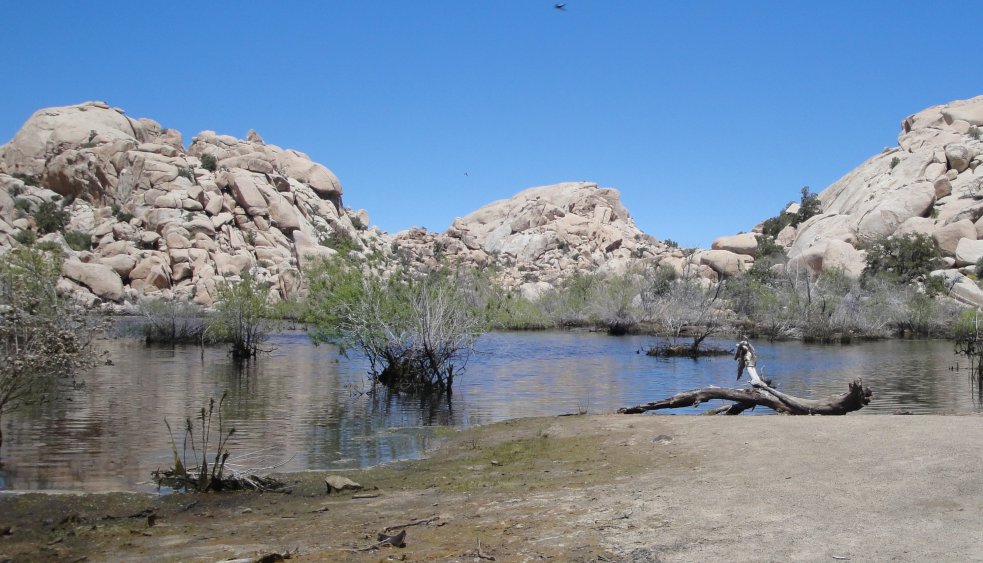
Above – Joshua Tree NP is a favorite for rock climbers. Below is a lake made by ranchers for cattle by building a dam at a runoff point.

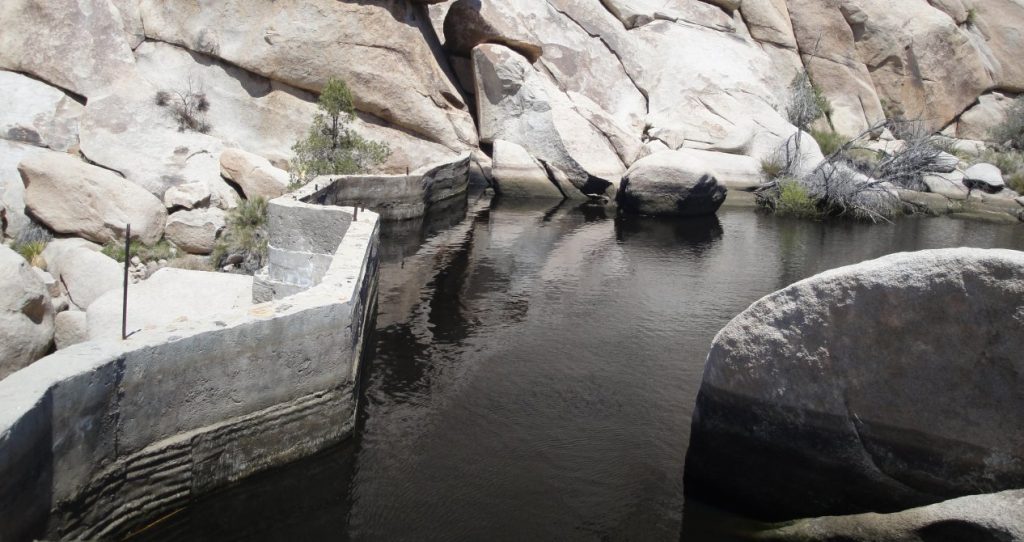
Below is the dam holding back the water. The little lake has become a major wildlife attraction, as one of the only steady water sources in this arid place.