Snow Days in 2011

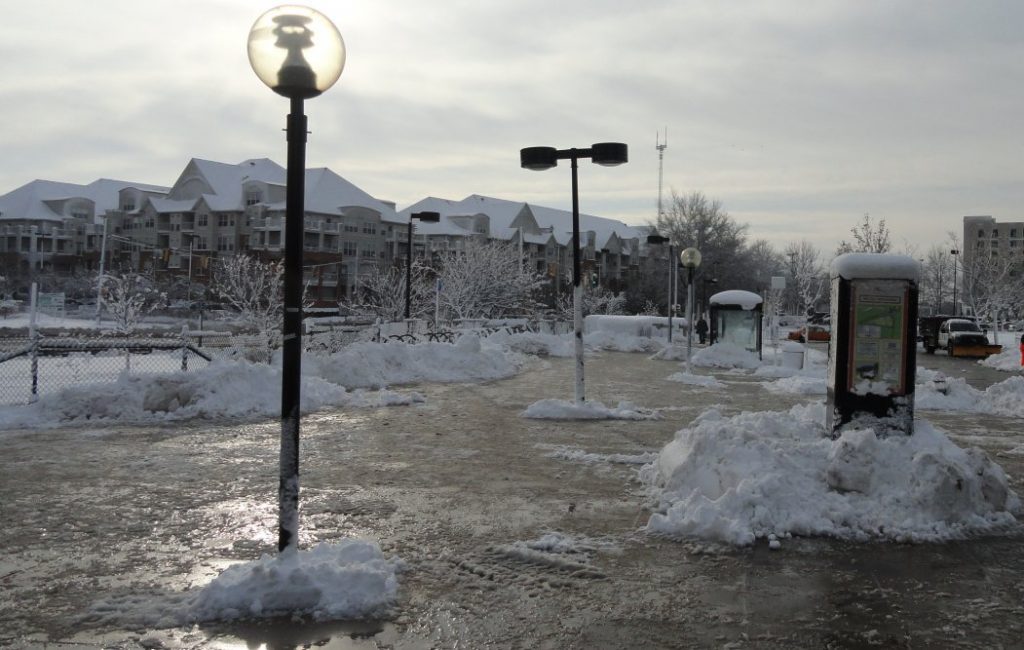
We got our first heavy snow, with emphasis on heavy – as in wet and dense. It created no trouble for me with the Metro, but today I heard lots of stories of woe about people stuck in traffic for hours. Some were stranded in town and had to go to hotels. The snow landed on us almost exactly at rush hour, which I suppose explains the problem.

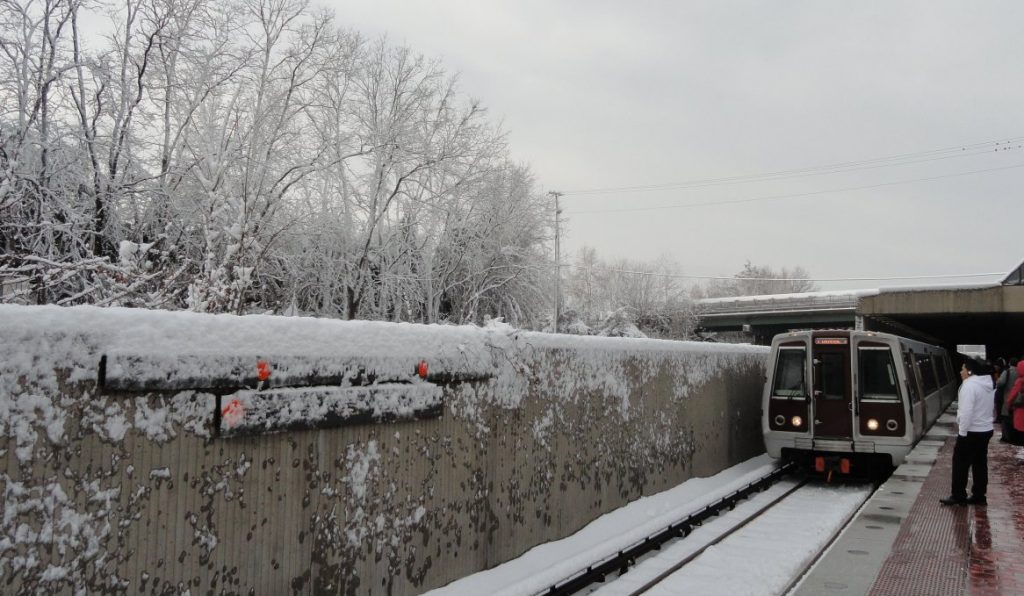
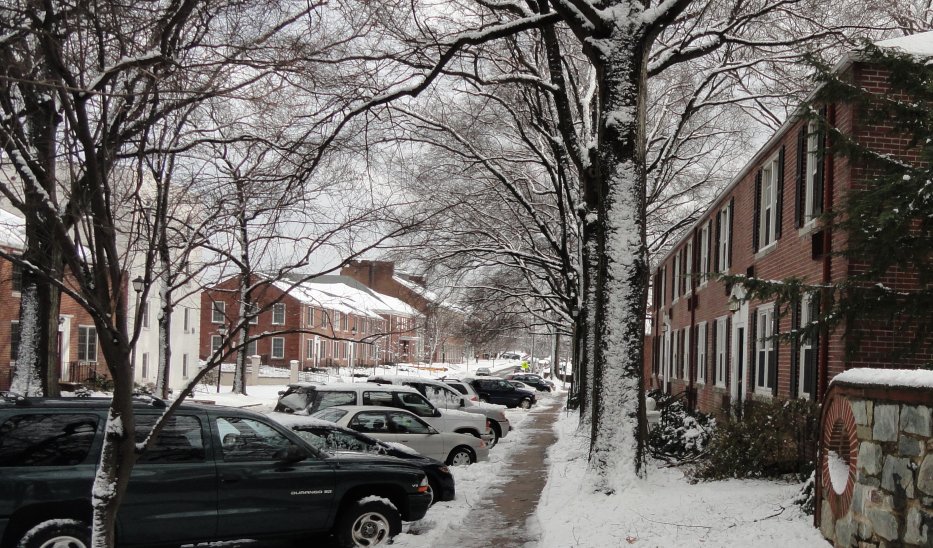
The government had a two hour delay this morning, but things were mostly clear and during the day a lot of it melted off.Above is the Metro arriving. Below is Thomas Street in Arlington

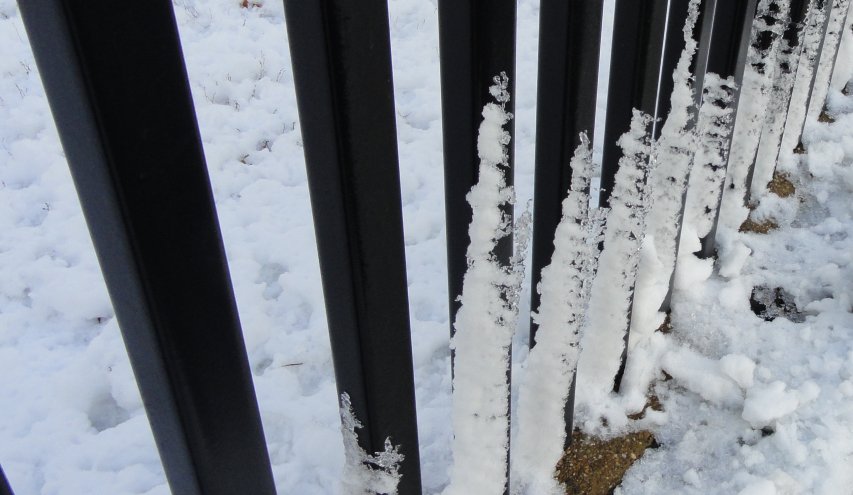
Below shows the remnants of snow on the FSI fence.

Right Choices

We have been watching Downton Abbey on Masterpiece Theater. I usually don’t watch those soap-opera type programs about rich folks, but this one I like.  I think it handles the class system in an interesting way, a way that is not so common today.

Our usual handling of the social arrangements of any earlier time is to project our own values back onto them and criticize.  Most modern treatments pick villains and heroes.  The villains are the people in charge and they are villains because they are actively oppressing the plucky poor or the non-conformists, who are the heroes, of course.  It is an analysis along one dimension and allows both the viewers and the writers to lazily slouch into the familiar and well-worn rut.  

I am not old enough to recall events of 1912, but from what I read in history and literature of the period, I am fairly certain that it was not that simple. Downton Abbey gives us a more complete tapestry.  People live in the class system. Some like it more than others, but they live in a web of privileges and responsibilities. The servants feel pride in what they do and don’t want to lose their work.  People behave with grace and good manners. Robert Crawley, Earl of Grantham, is the boss of the estate, but he is as much a servant of the estate as its master.  This is what I like about the character. He takes very seriously the responsibility of maintaining the estate, sees himself as a steward of the place, not its owner.  He would understand the saying that he didn’t inherit the place from his ancestors as much as hold it in trust for future generations. The estate is “entailed” which means that it cannot be divided and must be passed along intact to a male heir. This creates a problem, since the Earl has only daughters. His heir is a cousin, Matthew Crawley. He is brought to the estate, but is unenthusiastic about inheriting and taking on the responsibilities.  By the third episode, which is that last one I saw, he is starting to appreciate his responsibilities. Meanwhile there are a lot of other things going on among the personalities.  Of course, there is the old dowager who defends class privilege. She is an old battleax but not completely unlikable.  There is a rivalry developing with the Cousin Matthew’s mother. The rich girls are sometimes nasty. There are a couple of malcontents among the staff, but they are not portrayed in a heroic light. The coolest guy is the Irish chauffeur, who claims he is a socialist but not a revolutionary, but so far he has a small part.  Anyway, I look forward to the next episodes.

Re another story of class and responsibility, last week I went to see “the King’s Speech.” It is easy to find reviews about it, so I don’t need to summarize it. I recommend you read about it and go to see it. It is about King George VI, who had a stutter. A king has to make speeches and so he went to an eccentric speech therapist to help him overcome his problem. He had to make the most important speech of his life to rally the British Empire during World War II. What I liked about this movie was how it emphasized work, duty and earned success.  

Earned success. Some people would scoff at that. He was king and inherited his position. This is true. But I think it has to do with playing the proper role, as I mentioned above re Robert Crawley. He played the hand that he was dealt. The key is how well – or poorly – he played it.

I am no believer in the class system and I firmly believe that individuals should earn what they get. People today have many more choices about the roles they will play in society, but I do recognize the need and honor to play well whatever roles you end up getting.

One of the people in my life who I most respected was our Bogdan, our driver in Krakow. He didn’t have a lot of education & he did a job that many would consider low-level. But Bogdan had natural dignity & integrity. He took great pride in doing what he did. After we got to know each other, he used to give me advice about people and places. In his 25+years driving around southern Poland talking to my predecessors, meeting people and often sitting near meetings, he had learned a lot of things that were practically useful. I remember one university dean telling me that he had been visited by five U.S. consuls over the course of his career, but always that same driver. Most importantly, Bogdan told me the truth. He told me when my Polish was good, and when it wasn’t, told me when I needed to improve my mood or my attitude.

So is it better to have more or fewer choices? Like everything else in life, it depends; it is not all of one thing or the other. Maybe in the past we had too few choices and too little emphasis individual options. But today, IMO, we talk way too much about rights and not enough about duty. You cannot sustain one w/o the other. I liked the old Stoic idea that contentment depends on identifying and doing the right thing. This may not be the fun thing or the most expedient one, but in the long run it will bring the greatest happiness. My favorite metaphor is forestry. I can make a lot of choices, but all of them are constrained by environmental conditions and subject to random chance. There is no single correct choice, but some choices are much better than others & some choices are just plain wrong. Success depends on making good choices and following through with them, but even the best choices do not guarantee perfect results. That’s life.

Maybe happiness means finding the place you best belong, liking what you do there -being good at it -and knowing that all your choices are both free and constrained. 

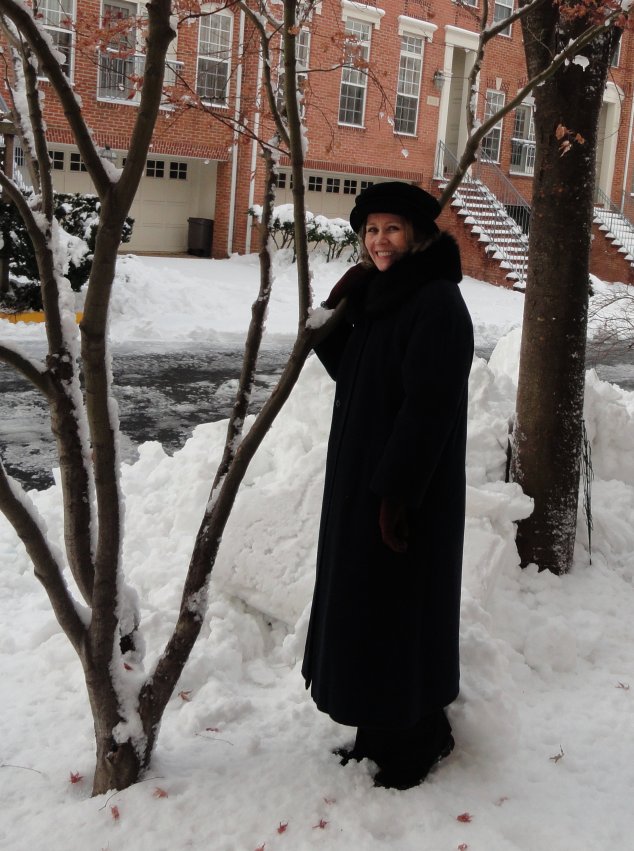
The picture up top is Chrissy. It is not related to the story, but she looks good.

January Forestry Visit

Let me finish off my pictures from my forest visit. I went to both the tree farms. Let me caveat that this is the least attractive time of the year to visit, but also the most revealing because all the summer vegetation is gone and the stalks are as far down as they will ever be. I saw some ice-storm-wind damage at the CP tract. I didn’t take any pictures. I think that most of the trees will recover. Few are broken; a few are bent or leaning. The water is all running very clean. The boys and I laid some rip-rap last year and that succeeded in stopping erosion on the first little stream.

More about forestry is at this link

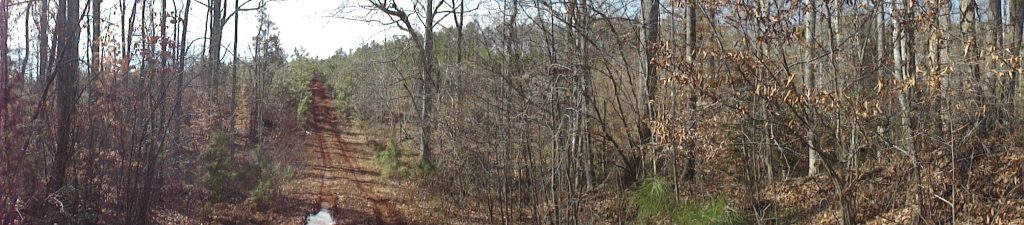
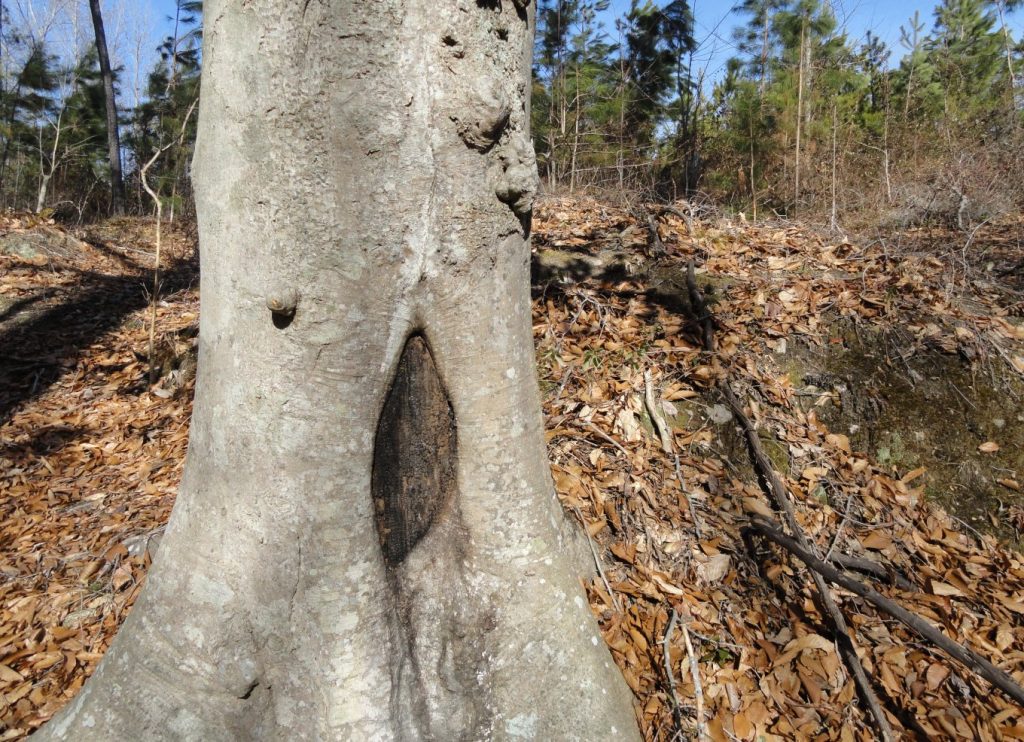
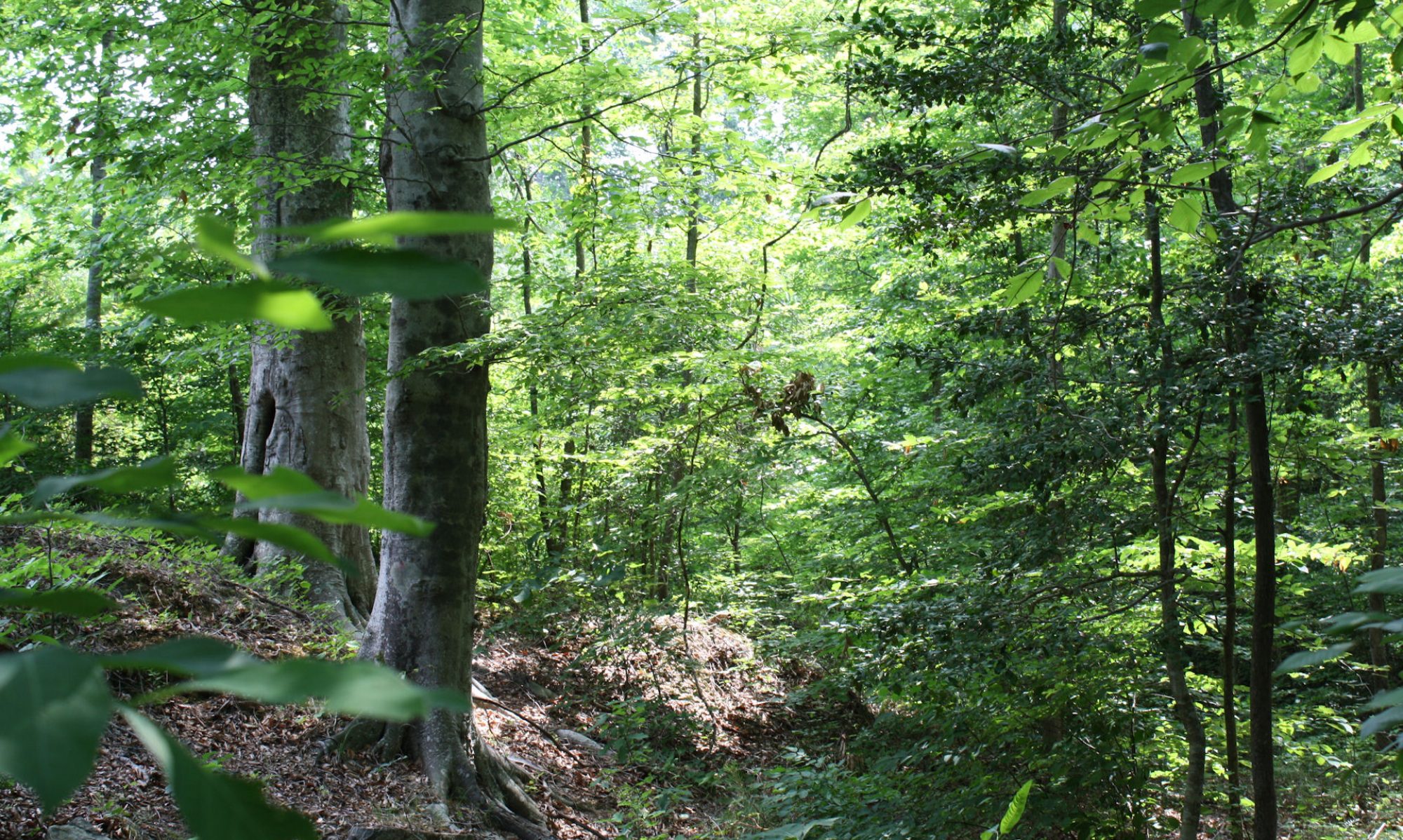
I like the stream management zones because they have big trees. They are mixed woods, with lots of big beech trees, as well as all sorts of oaks and tulip trees. There is lots of holly in the understory. Above is a picture of the SMZ where the road crosses taken with my new panoramic camera feature. Below is another beech showing the scares of a fire many years ago. Beech have thin bark, so it must not have been too hot a fir. The SMZs are moist, so maybe the fire couldn’t take hold.This tree is at the edge of the SMZ, so what I have not figured out is why the fire scar is facing TOWARD the moister ground and water of the SMZ.

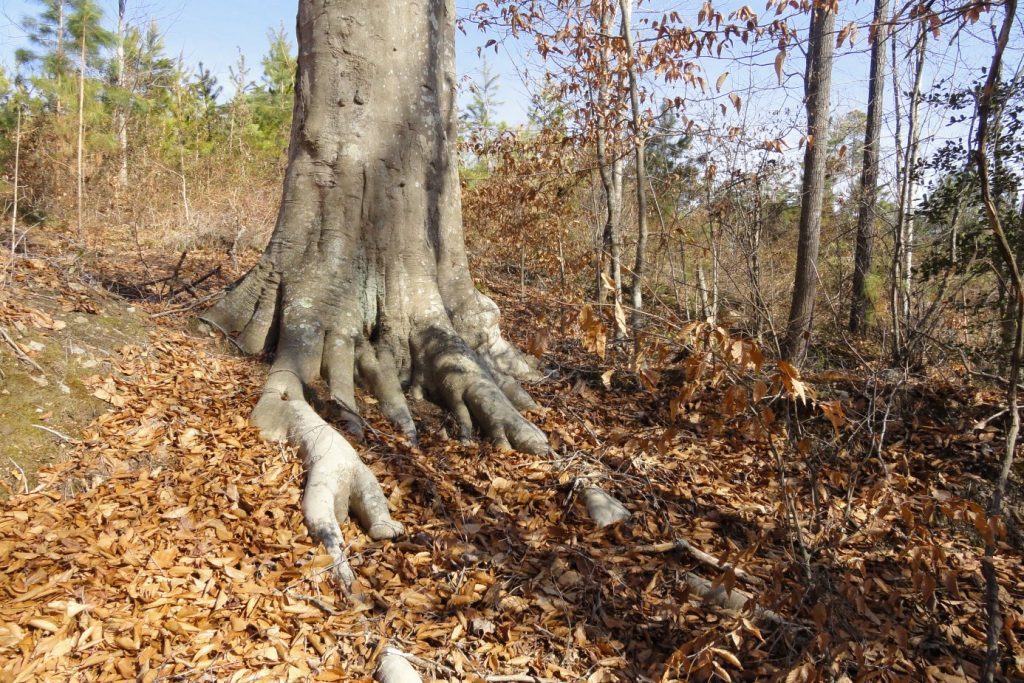
Below shows the roots of another beech reaching down the hill at the SMZ.  It doesn’t have any significance. I just thought it was an interesting picture.  That tree is only a few yards from the fire scare tree, but it I couldn’t find any evidence that one burned. Maybe it all healed over. Eventually, the evidence gets covered. The rough bark probably hides some of that. As a city boy, I notice something else strange about my beech trees.  They don’t have initials carved into them. Beech bark is very soft and in any urban park they are covered with marks from generations of kids.

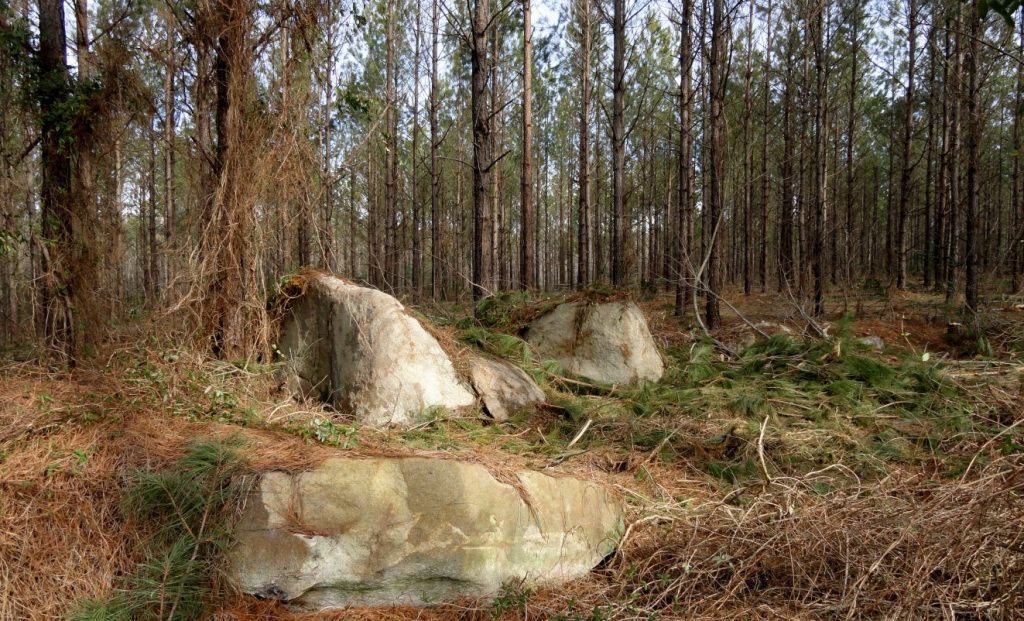
Below are rocks on the Freeman tract. We are not far from the Vulcan Quarry and I have a lot of boulders on this property. The rocks are attractive.  They demonstrate again the truth that value depends on location. I see boulders over at the garden center that cost hundreds of dollars.  My problem is that I cannot move these things with any reasonable amount of effort. 

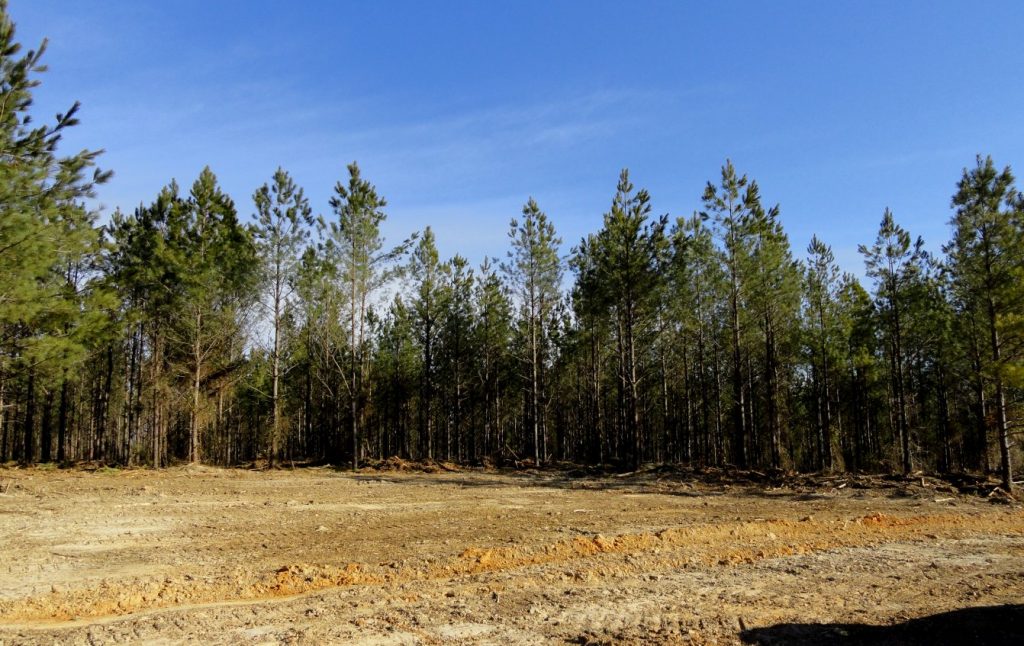
The bottom picture is one of the loading decks used for the recent harvest. They did a good job of protecting the soil.  It is hard to see, but it is not packed down. This spring, the vegetation will grow profusely, creating great forest edge and bobwhite quail habitat. I will take another picture in June. It will be very different.

Maids no more

Brazil is changing rapidly, as old habits and institution disappear or are altered beyond recognition.  One of the mainstays of Brazilian “middle class” life has been cheap domestic help. It was not only the very rich who had maids, gardeners and other sorts of helpers around the house.  People with incomes similar to those of an American family of around or just a little above our median income could afford household help.  The reason for this was abundant cheap labor resulting from a fairly deep chasm between what we would recognize as middle class and what we would see as real poverty.

Most Brazilians have become better off in the last twenty years.  Although the income distribution per se has not changed much (the rich got richer too and Brazil is still an unequal place), the general increase in wealth has disproportionately helped the poorer Brazilians.  Relative wealth matters, but absolute wealth matters more when you are trying to climb out of poverty.   A rich person whose income doubles might be able to buy a nicer car of a bigger refrigerator, but he already owns those things and the additional utility he gets from a better model may be small or even trivial.   The poor person, however, who for the first time gets into the income bracket that he can afford his first car or his first refrigerator feels a quantum leap in his lifestyle.  In the last couple decades, perhaps 50 million Brazilians have climbed past the threshold where they can afford the basic comfort level.

There are also generally better opportunities and people are better able to take advantage of them, as well as few people to do the work.  These three factors interplay.  A big source of domestic help and unskilled labor in general had been the rural areas, especially in the chronically poor regions of the Northeast. Nordestinos , often living on marginally productive small farms, took buses to the cities in the richer South or Southeast whenever life became unbearable or a drought hit the region. Both these things happened with monotonous regularity, but the high birthrates seems to ensure an unbroken supply of very poor people seeking a better return on their hard work. 

People used to talk about the two Brazils. One scholar characterized the country as “Belindia”, i.e. part was rich as Belgium and the other as poor as India, but there was no border between them and the richer cities of other parts of the country. It would be as if the poorer parts of Mexico or India were part of the United States. This was not strictly a geographic phenomenon. The rich and the poor in Brazil often live very close together, but there was a definite geographical aspect too. 

The Northeast is still poor, parts are developing rapidly, actually drawing in labor from other places .  If you bought a Ford Fiesta last year, it was probably made near Salvador, Bahia, part of what used to be an abysmally poor region.   There are lots of people ready, willing and able to work if there is a chance to do it. At the same time, population growth is slowing even among the poorest Brazilians.  Demographic inertia will carry the population higher, but the drivers have stopped.  Among those smaller numbers, illiteracy has dropped, meaning that people can take advantages of more of the available opportunities.   Domestic help doesn’t really need to read.  Most other jobs do. Illiterate or semi-literate people are stuck in the jobs that are going nowhere but the kitchen or the garden.  

It is a healthy sign that it is getting harder to get good domestic help.  Live-in maids are not very productive for the society as a whole.  But their sudden disappearance has created some problems.   A world with full-time maids does not invest much in labor saving devices.  Most American homes, even those of the “poor” have appliances such as dishwashers, microwave ovens and efficient washing machines and driers.  Americans with lawns own power lawnmowers.  People have power tools  and most Americans are accustomed to using them.  There is also something we often overlook.  

Things in the U.S. are simple to use and keep in good repair.   Our shirts don’t require ironing.  Our floors are naturally shinny and don’t need to be waxed much or at all.  Frozen food sections are full of fairly good tasting products that can be zapped in the microwave and ready in minutes. In short, an average American home comes equipped with machines and features that take the place of full-time household help.   Brazilian houses are not like this.  My house in Brasília, which is obviously built for a person richer than I am, did not come equipped with a dishwasher.  I don’t think you can even find a newer house at or above the median price that doesn’t have a dishwasher.

There is a sudden boom in household appliances.  Dishwashers, driers, microwaves etc are selling very well.  I have not actually studied this, but I bet there is also a trend toward simpler construction, more prefab and easier to maintain features.

A recent article re this subject (in Portuguese) is here.

I also noticed more ads about cleaning services.  It looks like the future here will be more like the present in the U.S., with most of the maid’s work done by labor saving devices and people who can afford it hiring cleaning services once a week or for special occasions.   

A related phenomenon is illegal immigration.  As Brazil’s economy grows and Brazilians no longer want to do the dirty jobs, others are being drawn in to take them.  It is funny to see Brazilian attitudes toward illegal immigrants coming to resemble ours in the U.S.  The news has recently featured stories about Haitians.  They come on a roundabout route  through Peru.

A Great Forestry Job

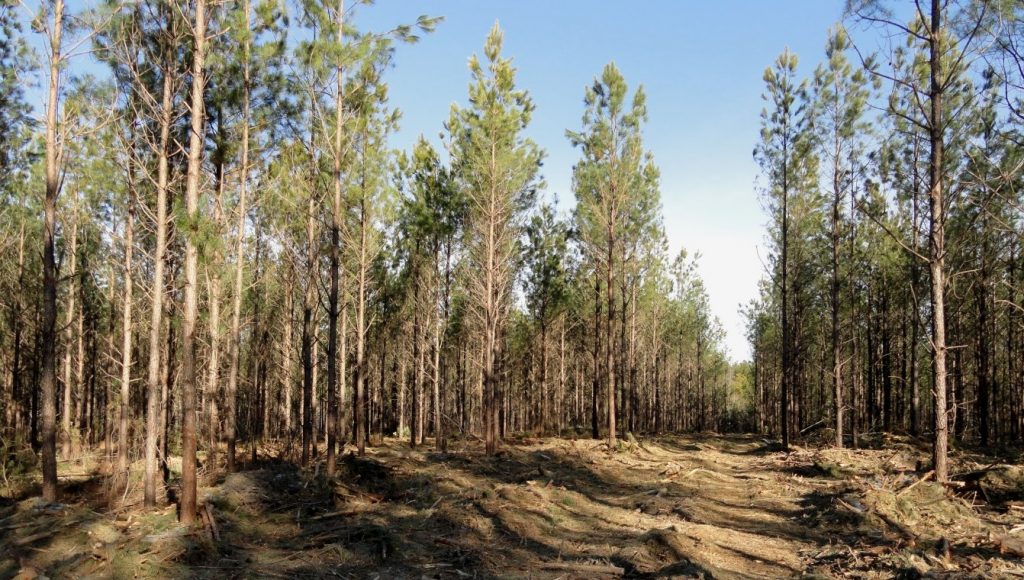
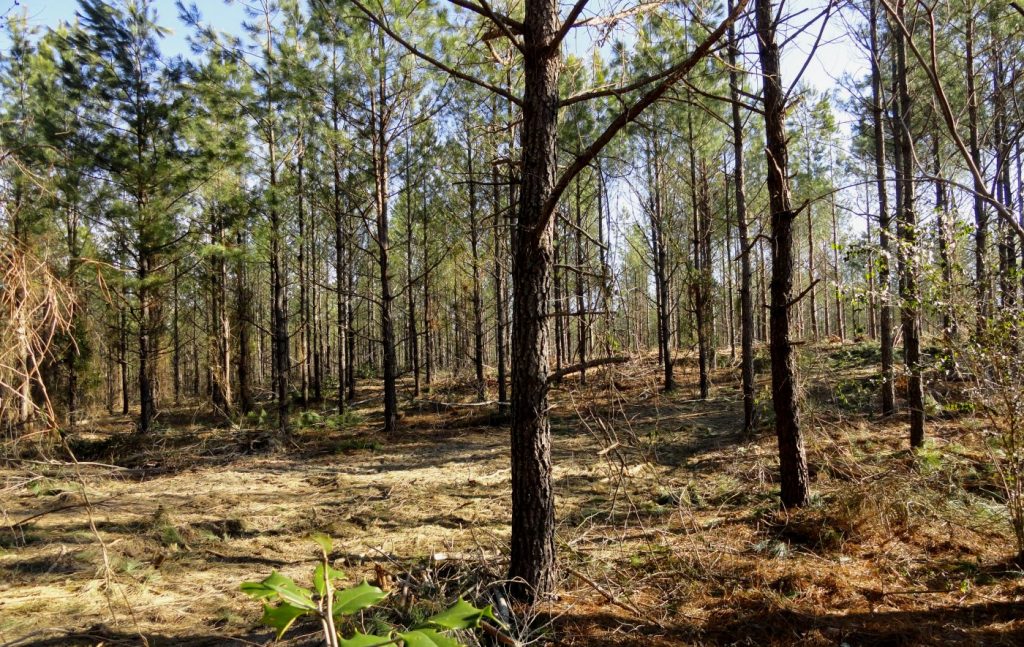
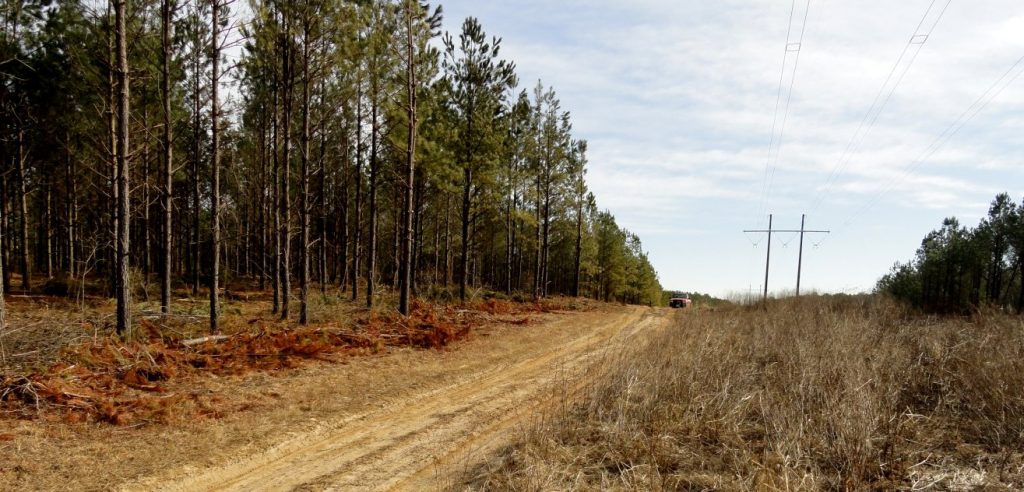
I visited the farm to check on the thinning. You can see the plan at this link. Frank Meyer and Gasburg Timber did a great job. If this sounds like an endorsement, it is. You can see Gasburg loggers in action (on a different tract) at the links here and here. You can see for yourself from the pictures.  They left healthy trees w/o signs of damage from the machines or activities.  You won’t be able to see how they took care of the soils at the loading decks and used the slash to cushion the weight of the machines in the stands of trees. The picture above shows the “lightly thinned” trees, leaving a basal area of 100. Below is the stand from the front gate.

below is a heavier thinning, down to 80 basal area. A little more than half the total trees were removed. With the 100 BA it is a little less than half. I like the park-like appearance. It reminds me of the ponderosa pine out west. And for the first time I was able to walk through the woods in relative comfort. But this is humid loblolly Virginia, not dry SW ponderosa pine forests. The openness won’t last. When the sun hits the ground, the brush will grow thick. By June, there will be chest high green and probably prickly. Good for the wildlife (the quail will love the overgrown corridors); hard on the guy (i.e. me) walking through. 

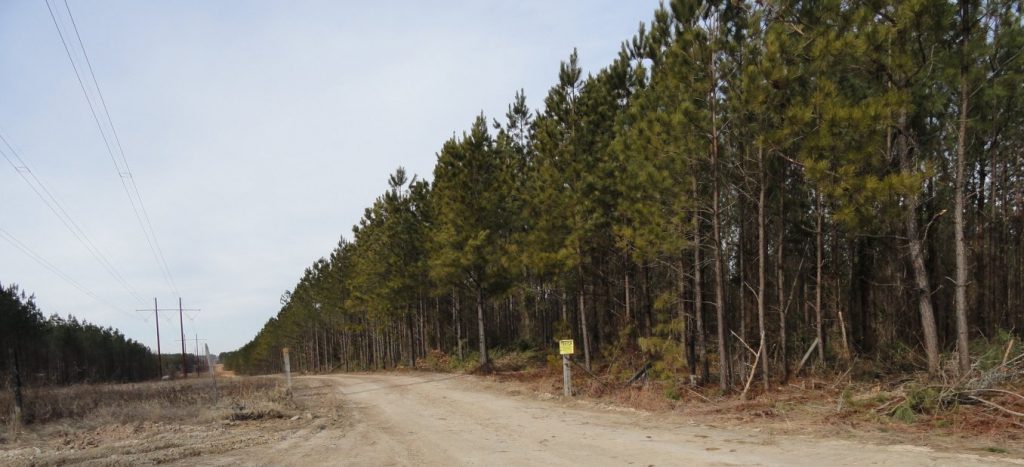
Below is the 80 BA from the road. You can see my truck on the top of the hill, for comparison.  These trees were planted in 1996, so they have been there for 14 years and are 15 years old. 

The thinning will allow the trees to grow a lot faster. They were just about reaching the point where they would compete too much with each other for light, water and nutrients. Now there will be enough of everything. The decaying slash will provide nutrients for the next couple years. After that, when the canopy closes again, I will do a burn of the undergrowth and then apply biosolids. Everything in the appropriate time. Feed the trees when they need it and can use it best. There would not be much use doing those things now. I would be afraid to burn with all that slash and if we apply biosolids before the trees can shade out out the brush, biosolids will just make it grow that much faster. I have nothing against brush, but I am not in the brush business.

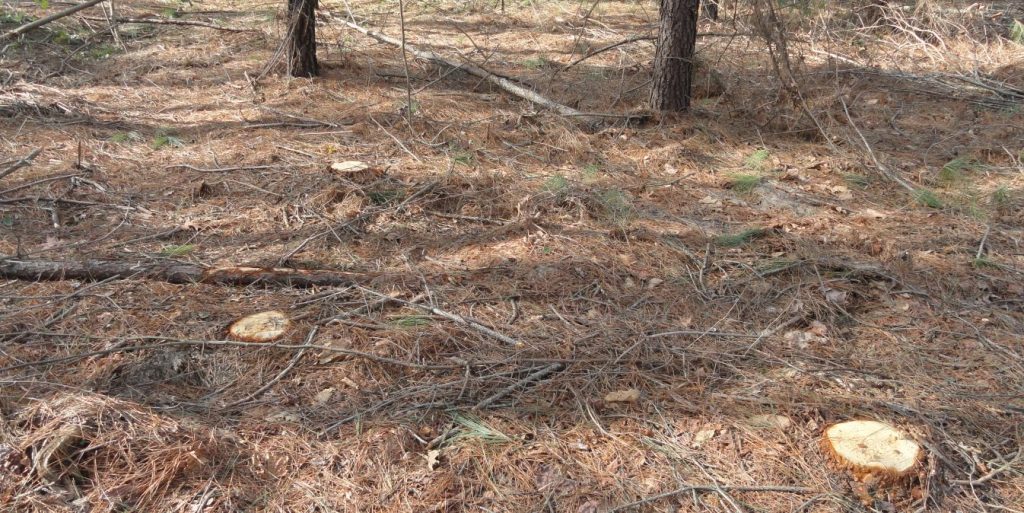
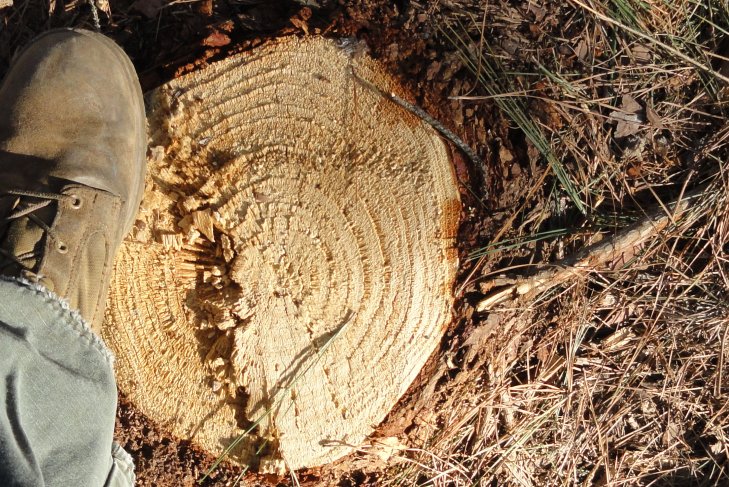
Below shows the stumps from the thinning. Below that shows one of the stumps with my foot for comparison. Notice from the rings that the tree grew consistently fast, but this was probably the last year it would do that before the competition set in. All the trees would grow slower and within a few more years, some of them die, doing no good for anybody and creating both fire hazards and an invitation to pests, like southern pine beetles. 

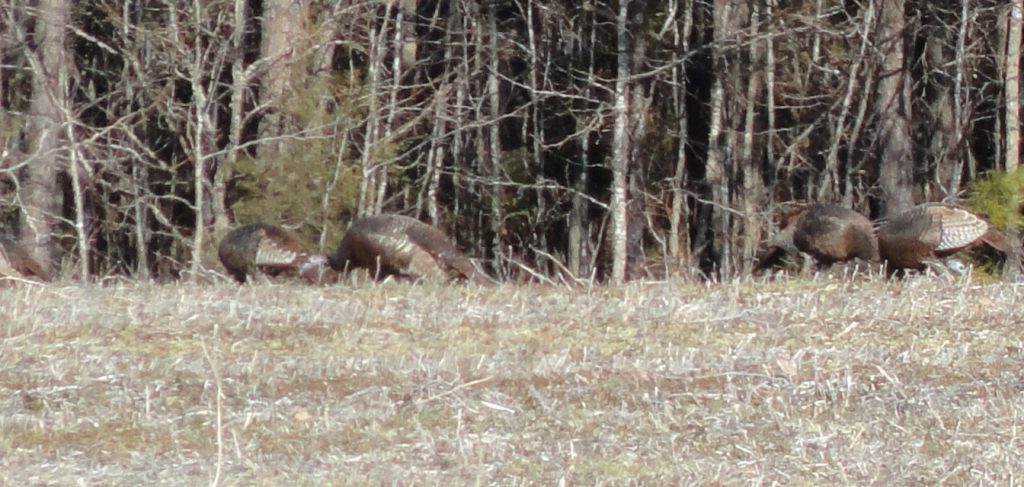
It is hard to tell, because they are well camouflaged, but below are wild turkeys. I couldn’t get a great picture because they fly off when they see you. I don’t have the patience or skill to do active good wildlife photography. I like to take pictures of trees. They don’t spook or move. Turkeys have good color vision. I was wearing my red coat, so they could see me a long way away. There were at least ten of them.

I went to the other forest too and have some pictures and comments from that one. I will write some more tomorrow.  

New Classics

Who would have thought it? A new edition of Polybius in Loeb Classics. The first edition came out in 1922.  According to the preface of the new edition, the translator, a WR Paton, died in 1921 before really finishing the work, but the editors figured it was good enough, so they went to print. It was good enough until 1964, when the editors decided to contract another guy to polish it up. Unfortunately, work did not proceed really quickly.  In the 1970s the demand for classics was not what it used to be and the project was put on hold. For reasons not explained, in 1993, the fortunes of Loeb improved and work resumed. It was finished in 2009, so now we have the pleasure of a revised edition of Polybius.

Loeb Classics feature the classical language original, in the case Greek, on the left page with the English translation on the other page. That matters not so much to me anymore. I cannot read any of the Greek.  I bought the book more for nostalgia than for actual reading. Polybius was the first Greek author that I studied in depth, when I had the seminar in Polybius at the University of Wisconsin.  

I couldn’t afford my own copy (Loeb Classics were expensive) so I used the library, where it was on permanent reserve at the Greek & Latin reading room. Yes, we had such a place. It was down in the basement at Memorial Library. You would never go down there or find the place by accident. There was the musty smell of old paper. I remember there was a giant Greek-English dictionary on a pedestal table in the middle of the room. We always called it a lexicon instead of dictionary. I am not sure if there is a difference. I spent many hours down there, I was often there alone and the place was quiet. Quiet as a tomb seemed to fit. The wall of the nearby bathroom had erudite graffiti.

A couple years ago I tried to go down there again to see if the Greek & Latin reading room was still there, but they wouldn’t let me in. The guard – yes they had a guard – told me that outsiders couldn’t just go into the library, since I had no current connection to the university. Evidently weirdos were hanging around and I couldn’t convince them that the desire to see the Greek & Roman reading room wasn’t something that a weirdo would do. I understand the need for security, but I liked the idea that libraries could be open.

Polybius was a good author for a not-so-talented classics scholar. His Greek is relatively easy to read, since he wrote in simple declarative sentences. Reading Polybius was a kind of a double payoff. He wrote in Greek but he wrote about the rise of Rome. As I said, I won’t be reading the Greek at all, nor do I intend to read even too much of the English.  Buying the book fulfills and old desire.

I read the introduction and the Polybius’ own comments on the importance of history. It reminded me of the old days (both my own and the much older ones Polybius wrote about.)  He says “…the surest and indeed the only method of learning how to bear bravely the vicissitudes of fortune is the recall the calamities of others.”  It sounds a little like a schadenfreude advice, but I think that is an artifact of the phrasing and maybe the translation.   Maybe a better paraphrase could be “when we look back at the experience of other times and places, our problems don’t seem so tough.”

Ice Storms & Walking

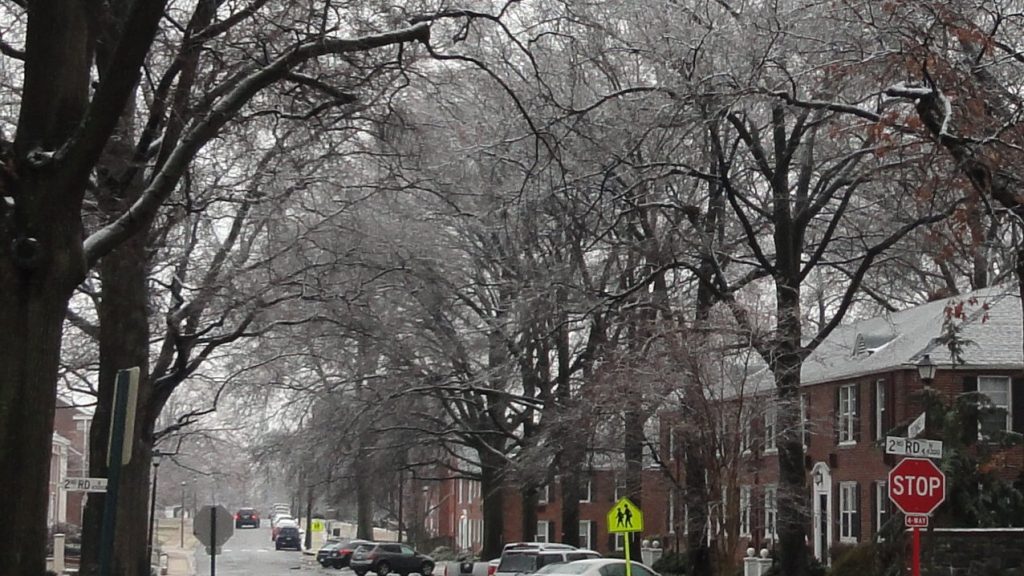
I have not written much, since my language training is absorbing much of my intellectual energy and making my life predictable. All I do is walk from the Metro to FSI.  We had a little variety with an ice storm a couple days ago. It made walking harder, but produced a few good pictures.

It takes around 25 minutes to walk from the Metro to FSI, door to door. The walk there and back every day, plus other places I have to do give me time to listen to my I-pod and I have some good audio books, so it is not all Portuguese language. I am just finishing “the Pity of War” by Niall Ferguson about World War I.  My next one is “the Atlantic” by Simon Winchester. He is a great writer and I look forward to this new book. But language does occupy most of my thinking.

I think I am reaching a plateau. I understand most of what I hear and read, but i still make silly mistakes when I speak. It gets harder to make progress as you make progress. It is the old story of the more you know, the greater your recognition of the big area you don’t know. The best I heard it described was that it was like a light bulb. The more powerful bulb creates more light, but also touches a bigger perimeter of darkness. I don’t know what else to do, literally. I am doing all the things I think I should and acting on faith now that it will work. Of course, I will come up against the limits of my abilities. It is unpleasant to think that there are limits, but there are limits. I just hope mine is fairly high in this case.

There is so much language to learn and then so much to learn about Brazil. I can only really scratch the surface.  I go back and forth from the appreciating the exhilaration of the challenge  and talking joy in the new understanding to feeling crushed by the weight of what I can never do.  At this time in the training, the doubt predominates. I have been here before, so, fortunately, I know how it will work. This time it is better than during similar periods in other training, actually. I don’t have any real worries about not passing the tests in good form. I recall when I was half way through Polish training I really wondered if I had somehow damaged by brain, since I didn’t feel I was learning enough.  It was the cold winter of doubt. That passed; his will too.

There are so many more language learning resources today. Internet brings us all the sounds and sights of Brazil in real time. But the more you have … it is that old light bulb thing again.

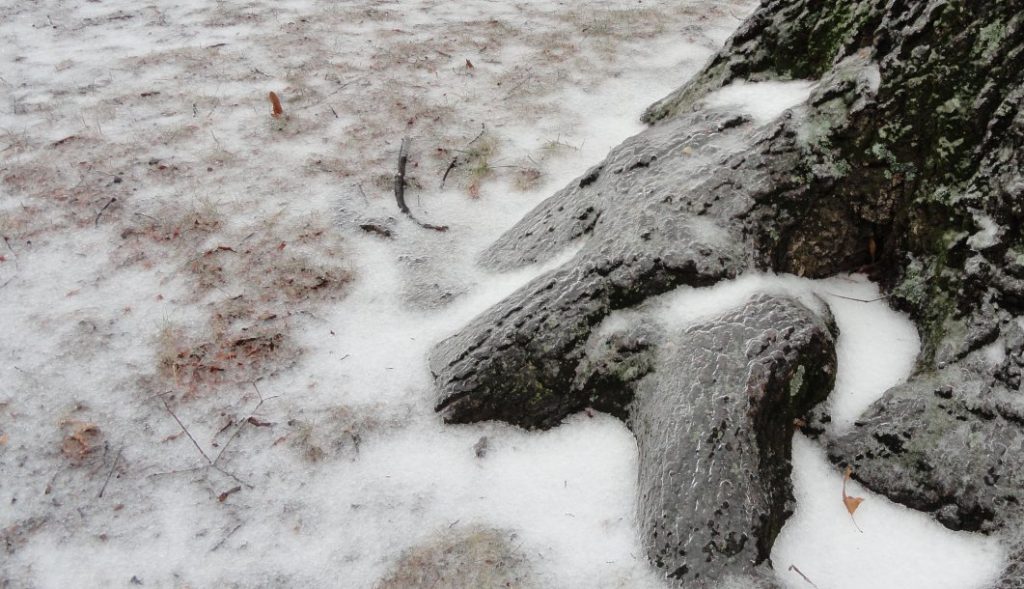
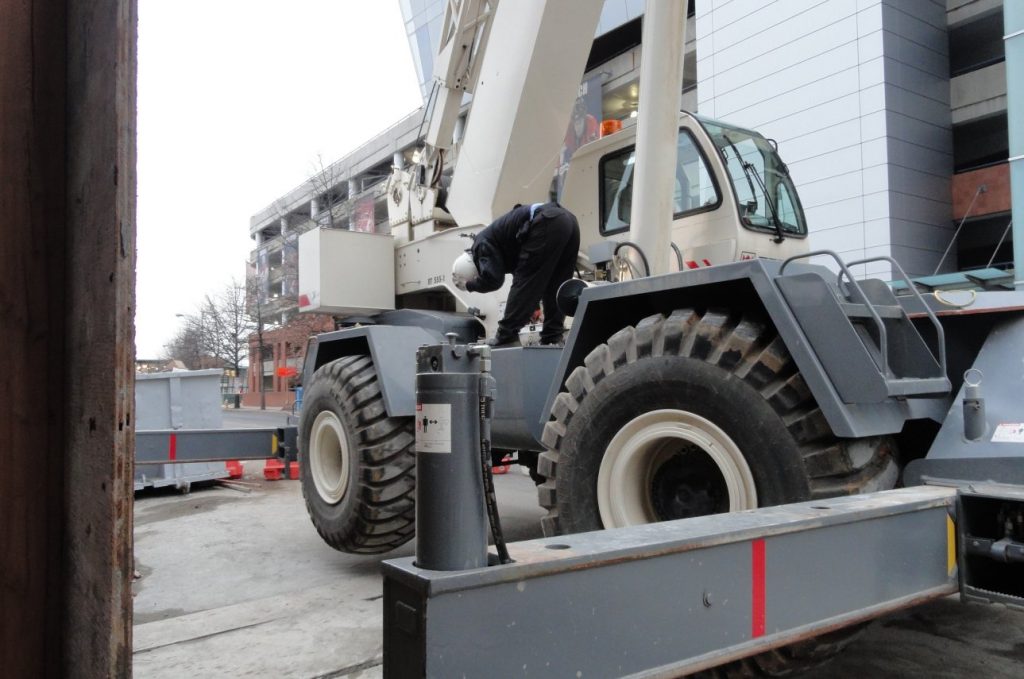
The top two pictures show the ice we had a couple days ago. The bottom picture is a crane. There is lots of construction.  The crane is braced, which makes it look like it is flying.  

Mud Slides & Popular Politics

It takes a brave man – and one with a secure job – to tell the truth in the face of great “natural” tragedy.  I saw that today on “Bom Dia Brasil”, where commentator Alexandre Garcia talked about the recent mudslides in Brazil that killed hundreds of people and left many thousands homeless.

The cause is easy to identify. People build dense settlements on steep hillsides, destroying trees and natural cover. This results not only in their own houses being destroyed by mudslides, but also can affect those down the hill who didn’t do anything wrong.

Garcia points out that Brazilian politicians love to make rules, but are less enthusiastic about enforcing them.  (This is not limited to Brazil, BTW. We have mudslides in our country true for some of the same reasons.) It is already illegal to build houses on most of the affected hillsides. But the poor, and sometimes the not-so-poor, invade the green zones and nobody has the political will, or maybe the actual force, needed to stop them. Local politicians, and sometimes even those at the Federal level, play the victim card and pander to voters. It seems unjust to not allow the poor people to have a place to live. There is also little support to solve the problem among the more established parts of the population, who are happy to have the poor living somewhere else.

And each time the predictable “natural” disaster happens, everybody can show solidarity and stick together to overcome the trouble.  Politicians can take credit for “solving” problems everybody should have avoided. Garcia says that the Governor of the State of Rio de Janeiro, Sérgio Cabral, knows what everybody knows:  populism helped kill people. (Sérgio Cabral sabe o que todos sabemos:o populismo ajudou a matar.) But what can you do about it?In the mountains of the Serra Gaucha in the southern state of Rio Grande do Sul, there are very nice towns such as Gramado & Canela. They are built in the mountains and are surrounded by steep slopes. But they rarely experience these sorts of problems because the slopes are covered with trees and vegetation that protect the soils.  As Garcia pointed out, this is also part of Brazil. Above is based on what Garcia said. Don’t blame him for the rest, which is my extrapolation.

Finding space for people to live in growing cities is always a challenge, but you have to recognize real options and constraints.  It doesn’t matter if the people and the politicians want to build houses on steep hillsides.  They cannot do it and expect not to suffer dire & deadly consequences.  

In other words, expanding in steep and unstable places is not an option and cannot be made an option by anything government can do.  Some places need to be protected, not to achieve some abstract aesthetic perfection, but because the immutable laws of physics and ecology forbid some kinds of development. It will rain. Mud will slide. If your house is in a place where the dirt moves, you will slide with it. If you remove the vegetation, even more mud will slide and destroy houses and vegetation that would not otherwise be affected. In other words, if you build houses on an unstable slope, you are responsible for significant property damage and maybe for murder.

The government’s role here is more difficult. It has to go against the manifest “will of the people” and constantly suffer criticism. Those enforcing the rules will be characterized as heartless, mean and cruel. Inevitably, a few people will occupy part of the preserved area.  How hard will it be to evict these people, who seem to have no other option?  How much can “a few” little people hurt the big hill? And how can it be fair not to allow more if you allow some?  You see the problem.

Preserving land in steep places is a never-ending challenge and not always as simple as just leaving things alone (although that can be far from simple, as I mentioned above). I read about the forests and meadows in Switzerland.  That very pretty and effective environment has been carefully managed by the human inhabitants for centuries and many lessons were learned. Sometimes they cut too many trees, but sometimes they didn’t cut enough.  In 1876 they made a law to prevent deforestation. Today forest may be becoming too thick. A dynamic balance is what we need. I wrote a little about the dilemma at this link.

An ecosystem is a living thing in the state of constant change. What works today might not work tomorrow w/o modification. The Swiss established forests on slopes where nature would not have put them, since frequent avalanches knocked them down. Once established, however, the trees helped prevent further avalanches and became mostly self-sustaining. I say mostly, because there is sometimes a disturbance that kills the trees locally. If they were not quickly reestablished and a meadow formed on the steep slope, snow would slide quickly down that area, destroying forests below, expanding the treeless area until you had again the unfavorable “natural” conditions.

The Swiss learned how to manage their mountains through centuries of hard experience and no doubt sometimes paid terrible prices for their education. The people in Gramado have evidently also come to equilibrium with their mountains. Gramado looks a lot like Switzerland, since its Italian and German immigrants brought their building styles. Maybe they also brought some of their forest management skills.  

In any case, the sooner others can learn the better. Many disasters can be avoided. Then maybe we won’t need the heroism we saw in the wake of the recent tragedies.

PS – I have some experience in mud sliding on a smaller scale. I have seen that the ground is always moving near my creeks. It doesn’t hurt anything and it is interesting to watch the changing conditions. It doesn’t hurt because it is just moving dirt from one natural place to another. During a big rain last year, it looks like the water rose at least five feet above the usual water surface and deposited mud many meters away from the creek. The water soaked in and the mud deposits will help fertilize the woods. If you had houses there, however, they would have been severely damaged. Even worse, they would have prevented the natural process.  There are some places that are not suitable for some uses.
Useful Comparisons

I like to look at maps, but maps can be deceptive. They might lead us to believe that countries that cover a big area are more important. You can also be deceived by prominence in the news. An interactive map from the Economist puts in some perspective. Giant Russia has a GDP the size of Texas and oil rich Saudi Arabia is no richer than Massachusetts.

Your perspective changes when you look at the map that compares population. Saudi Arabia has a Texas sized population, even if it doesn’t manage Texas style prosperity. Cameroon has a population as big as New York’s. New York’s GDP partner is Australia.

Countries like Sweden and Finland would fit in well as states in both terms of population and GDP. Sweden has a GDP about the size of North Carolina with a similar sized population. Finland has a GDP about the size of Wisconsin’s and a population like Minnesota. Finland, Wisconsin & Minnesota all feature clean cities, cold weather, northern forests & lots of lakes, so maybe that is appropriate.

International comparisons are always rough and the United States is especially problematic because of its unusual size, population, prosperity & diversity. The only “country” that really can be compared to the U.S. on all counts is the EU. We are often fond of the cherry picking comparisons that seem to prove a point. In fact, as we can see from the map, that the unit of comparison might often be more at the state level. I remember an interesting comparison. The GDP per capita in Germany is about the same as in Arkansas.

The Doctor Lied-Kids Died

Kids used to die from diseases that are now preventable. Many of these diseases, such as measles & whopping cough were almost eradicated until a dishonest doctor published an article in the once reputable medical journal “The Lancet” blaming vaccines for autism. Crooked lawyers and opportunistic politicians jumped on the bandwagon. Measles is now endemic in England. California recently suffered a whooping cough outbreak that made 7,800 people sick & killed 10 babies.

This is a story with real heroes and villains. The obvious villain is “doctor” Andrew Wakefield and other researchers who used bogus data to reach dubious conclusions. Also villains are lawyers who quickly sued firms. Useful idiots are the parents who wanted to blame someone and maybe profit from their children’s suffering. I am not sure where all the celebrities and politicians belong. They may not actually be villains, but they are worse than useful idiots.

The problem is that this kind of thing happens all the time. Remember when Merrill Streep, in one of her best passionate acting voices, testified before Congress about Alar? Celebries look so good and seem so earnest that you might almost think they knew what they were talking about. Many people laid off their healthy apples for weeks or months. By the time the truth comes out, or by the time it is actually proven beyond the shadow of a doubt that even crooked lawyers cannot spin, the damage is done. It is especially fun for them to go after big firms, something like what is going on with Toyota, BTW, right now.

And one of the biggest threats to human health and safety is the ignorant attacks on the sciences of biotechnology and nanotechnology, but those are all subjects for other posts.

I had all my kids vaccinated against everything they might get. I made sure they got their meningitis shots before going away to school. I get my flu shot every year. I grew up just after polio was conquered. I remember people not much older than I was telling about the horrors. I got my immunization to chicken pox, measles and the mumps the old fashioned way, by getting the disease. I survived, but it is not a harmless thing.

You have to be pretty dumb to avoid vaccinations unless you have a specific medical reason – a real one, not one you got from the Internet. But those who avoid vaccinations are worse just dummies. They harm others. Not everybody can get vaccinated. People with compromised immune systems cannot, for example, but they are extremely susceptible to sickness. The chicken pox that just bothers you and me might kill them. They depend on all of us to NOT to be the carriers of the germs. If you bring measles or mumps etc among them, you might be killing some of these people.

Just be smart and take the jab. If you won’t do it for yourself, do it for others. And if you won’t do it for others, go live someplace by yourself. You may both avoid the contagious diseases and avoid passing them to others.

References are here & here and especially here.