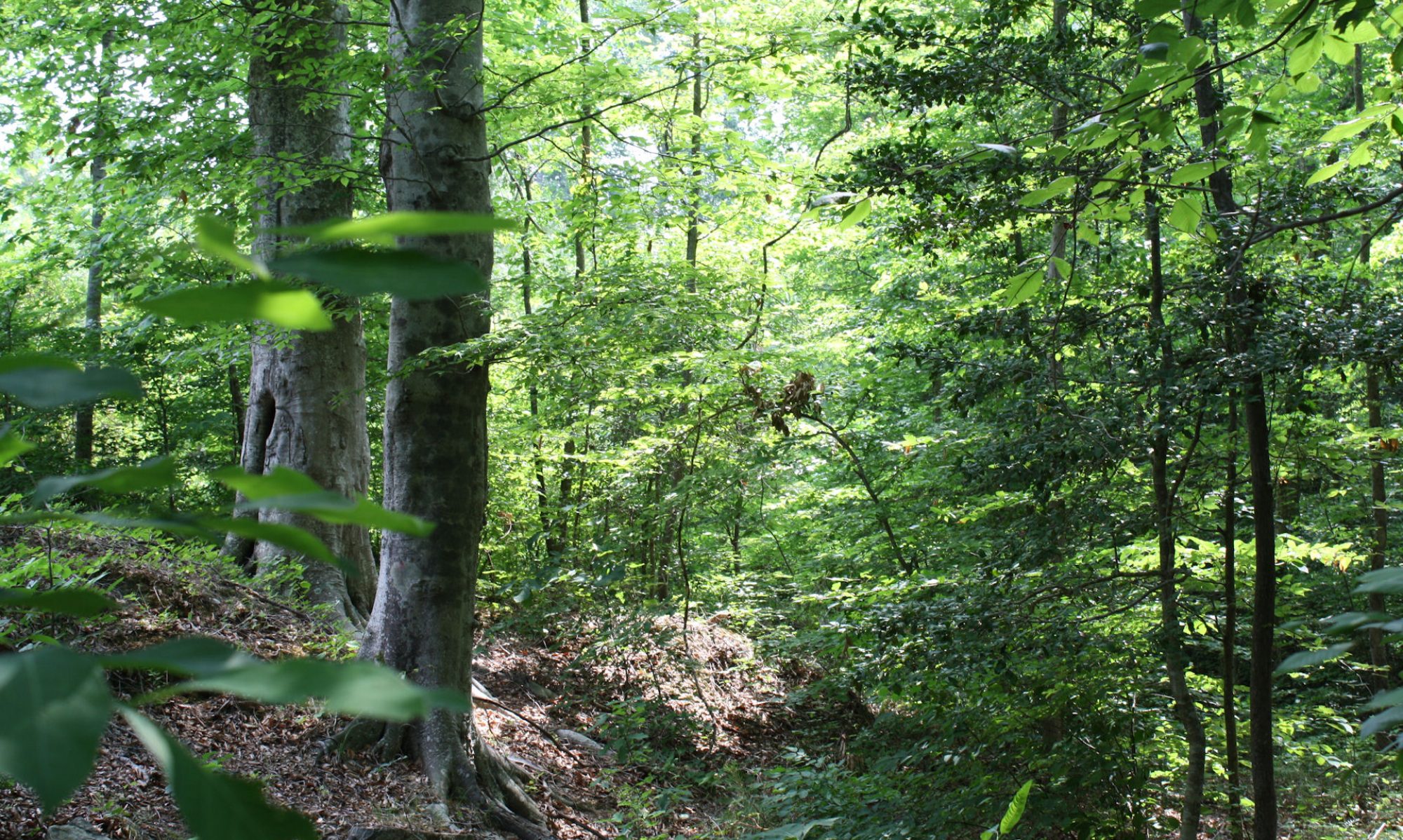
Went down to Piney Grove in Sussex County on a Nature Conservancy tour. They are restoring 3200 acres in Sussex County and looking to do even more. I visited once before but it is always fun to look at forests, always fun to hear about managing them and this time Chrissy came along.
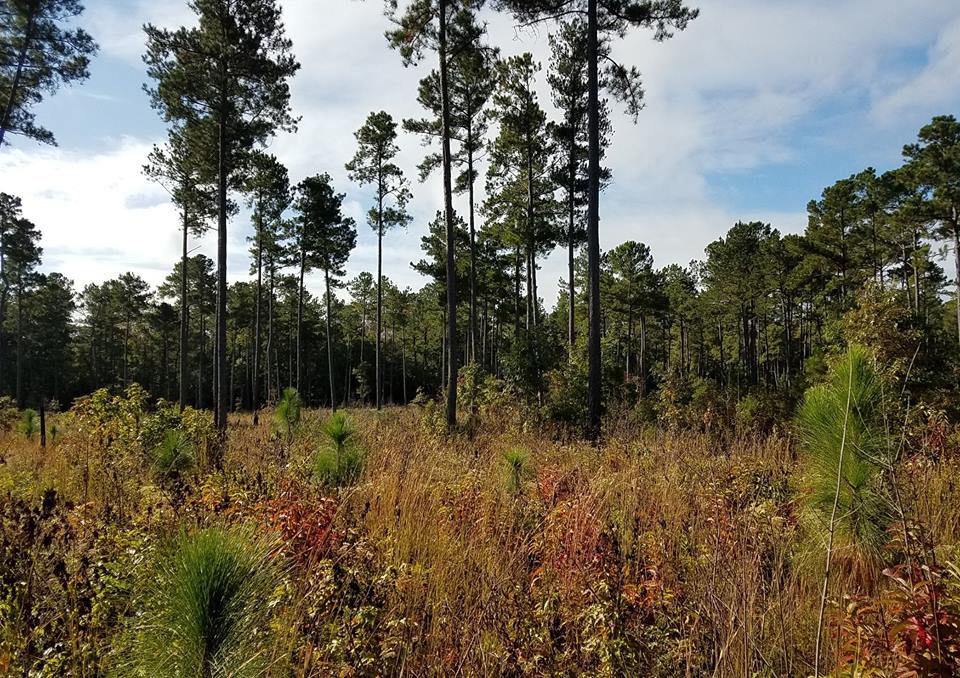
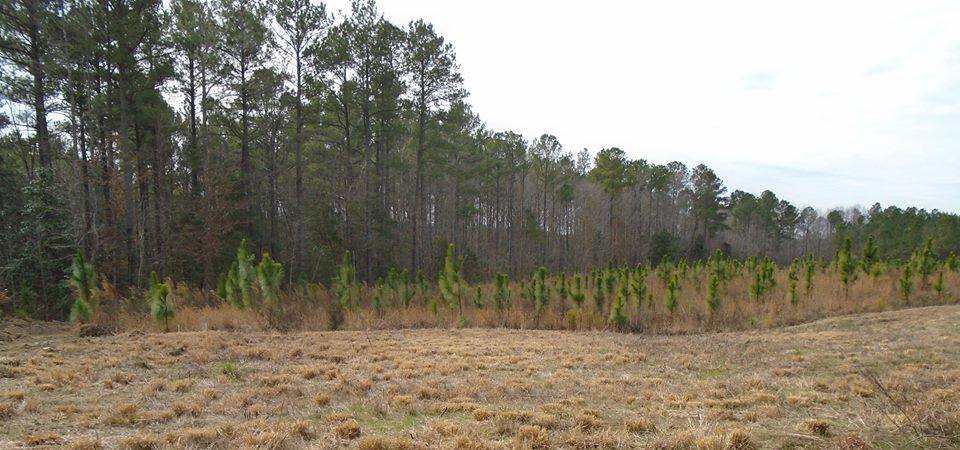
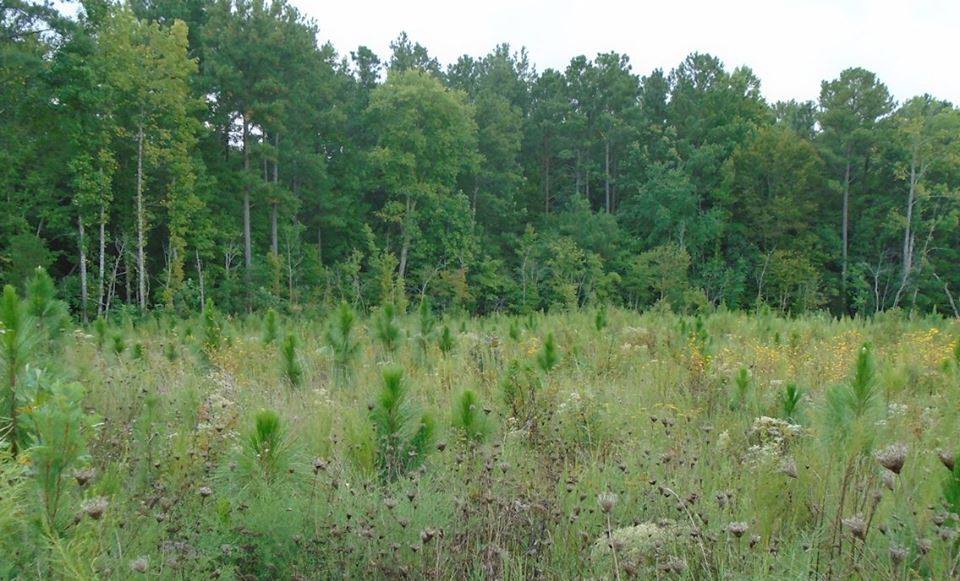
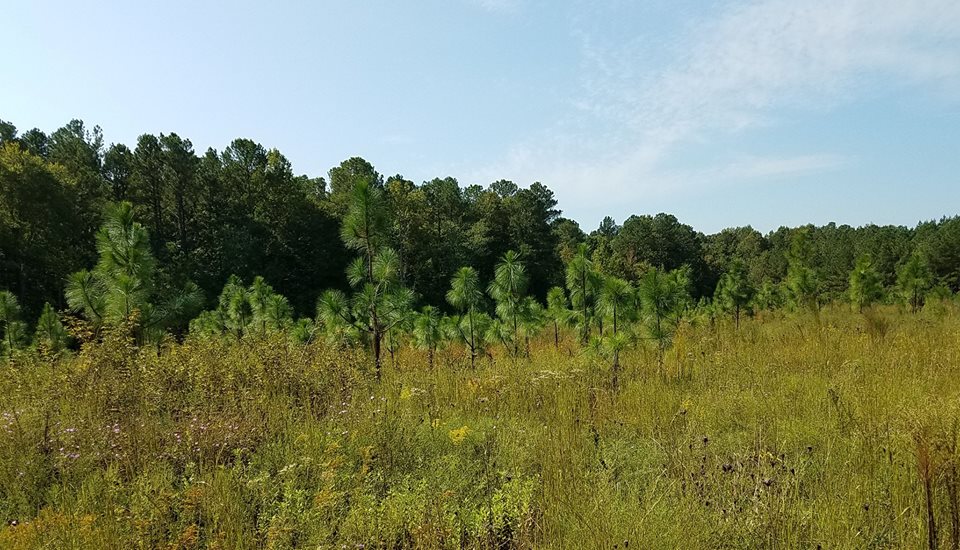
The goal is to recreate a longleaf pine savanna and protect the endangered red cockaded woodpecker. This takes time, maybe 50-70 years or more. In the meantime, they are using lobolly that were already on the land. A loblolly savanna shares can be a substitute, but not quite as good.
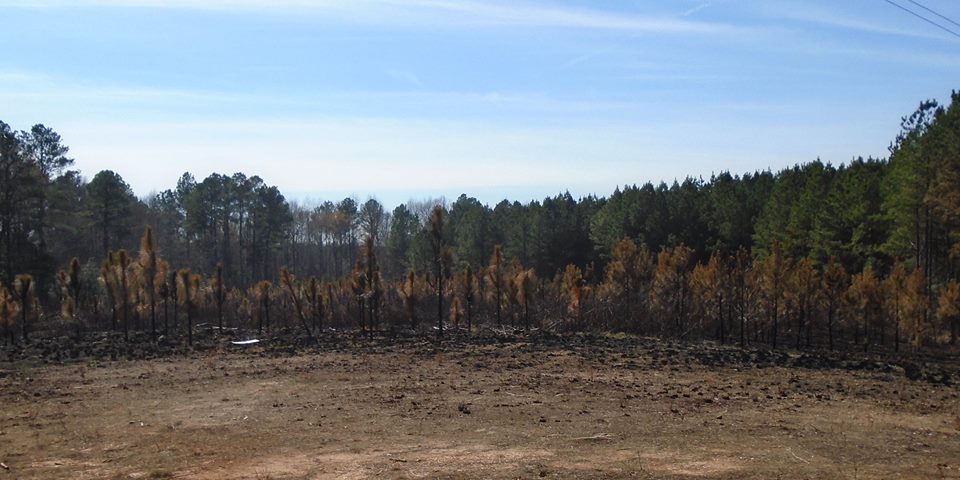
Longleaf pine ecosystems, as I have written many times, is one of the most diverse in North America. They once covered 93 million acres in the southern USA. They were reduced to only 3 millions acres and literally only 200 trees in Virginia. The key to longleaf restoration is fire and TNC is applying this to its property on Piney Grove.
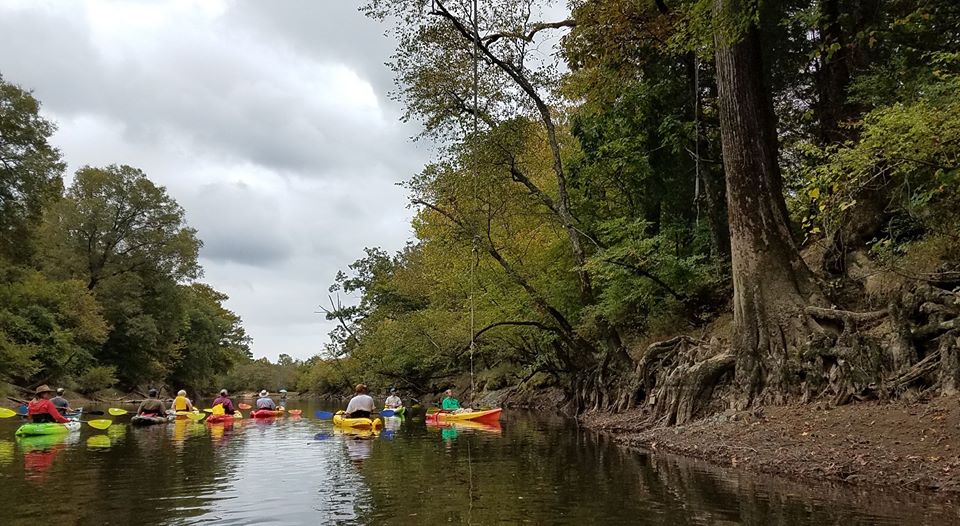
After touring Piney Grove and learning about the pines and the various flowers and grasses the under story, we went kayaking on the Nottoway River with TNC guys explaining the local environment. This river is clean and healthy, since it most of the watershed is in fields and forests. The water was shallow, but enough to float.
There are lots of big cypress trees near the shore. Their roots form protection for the shorelines. Natural levies line the banks and a little inland from are flood plain forests. It is a beautiful riparian ecosystem.
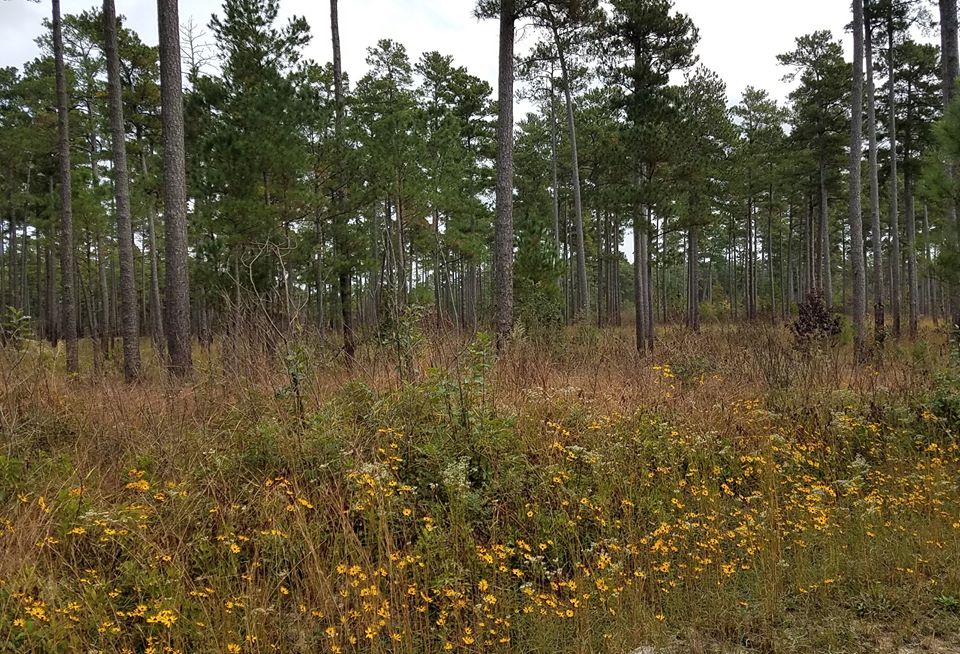
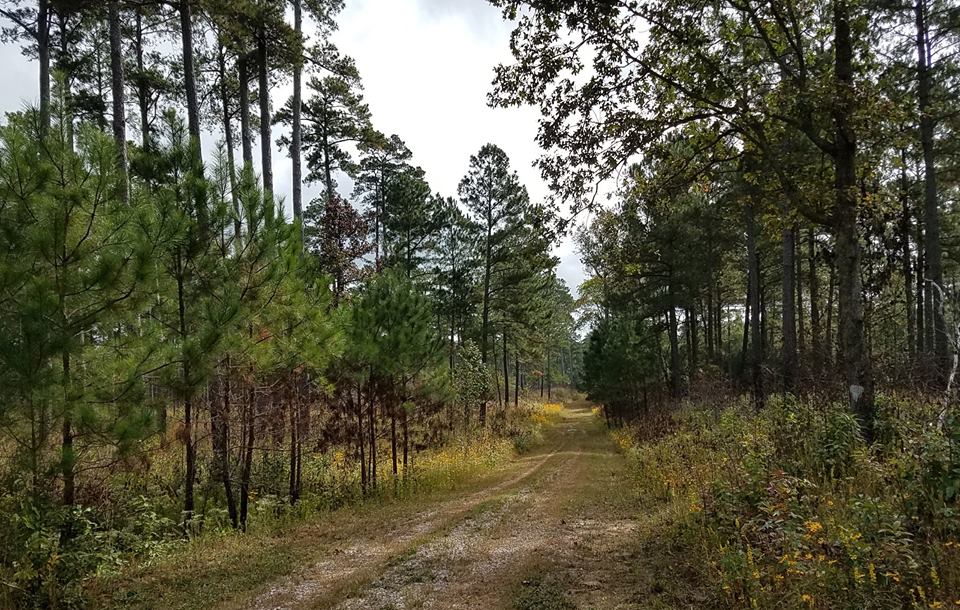
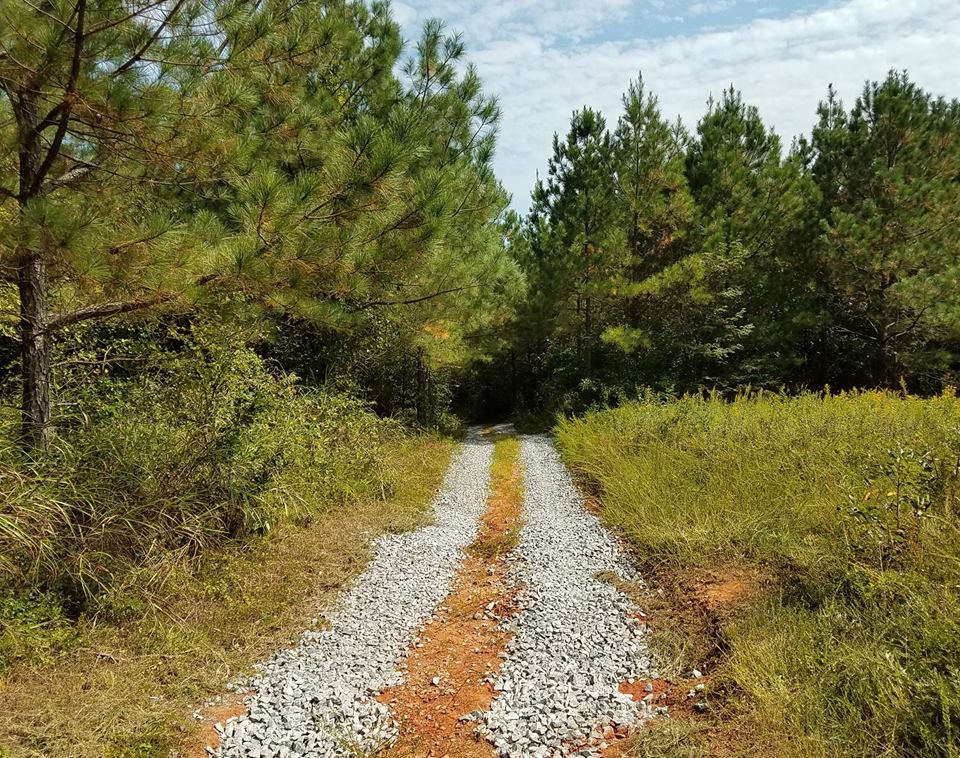
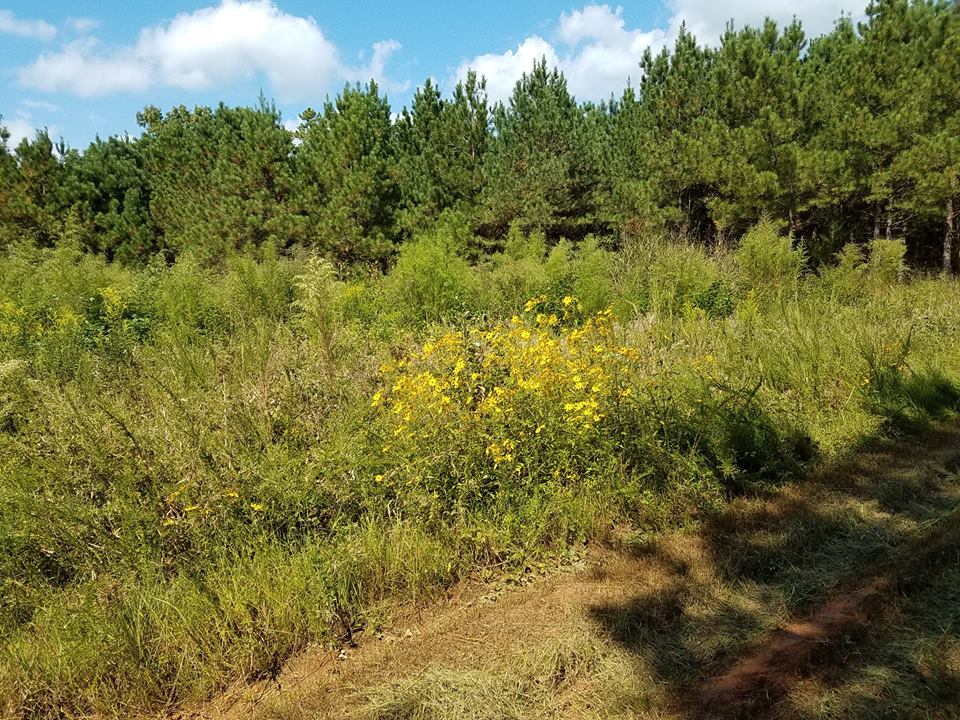
My picture show the kayaking on the Nottoway. Next is the pine savanna. You can see the current generation of loblolly and the – we hope – new generation of longleaf. After that are narrow leaf sunflower in bloom and finally the road through Piney Grove.
Espen came along to this year’s forestry lobbying event. We went to see staffers involved in forestry or environment for the offices of Senators Warner & Kaine, and those of Representatives Connolly, Wittman, Goodlatte & Griffith.
We emphasized the urgent need to fix the way we fight wildfires and the important opportunity to use more wood in new ways through the Timber Innovation Act. I feel passionate about both these things. I know that we cannot avoid fires, but we can often choose place and times when they will be beneficial and not so dire. In the last year, I have become an evangelist for new uses of mass timber. I am eager to advocate for both these things. We also talked about tax policies. I let my colleagues do the talking. These are important issue too, but they are not among my key issues.
We were lucky enough to speak with Rep Connolly himself. Connolly is my Representative. We got to know him when he was Providence District seat on the Fairfax County Board. Chrissy met him a couple times when she was president of the Providence Park HOA. I always liked him and have voted for him. We talked a little about his support for the Mosaic District and the Gerald Connolly Trail, which we enjoy. There are no tree farms in Fairfax County, so we could not talk directly about that.
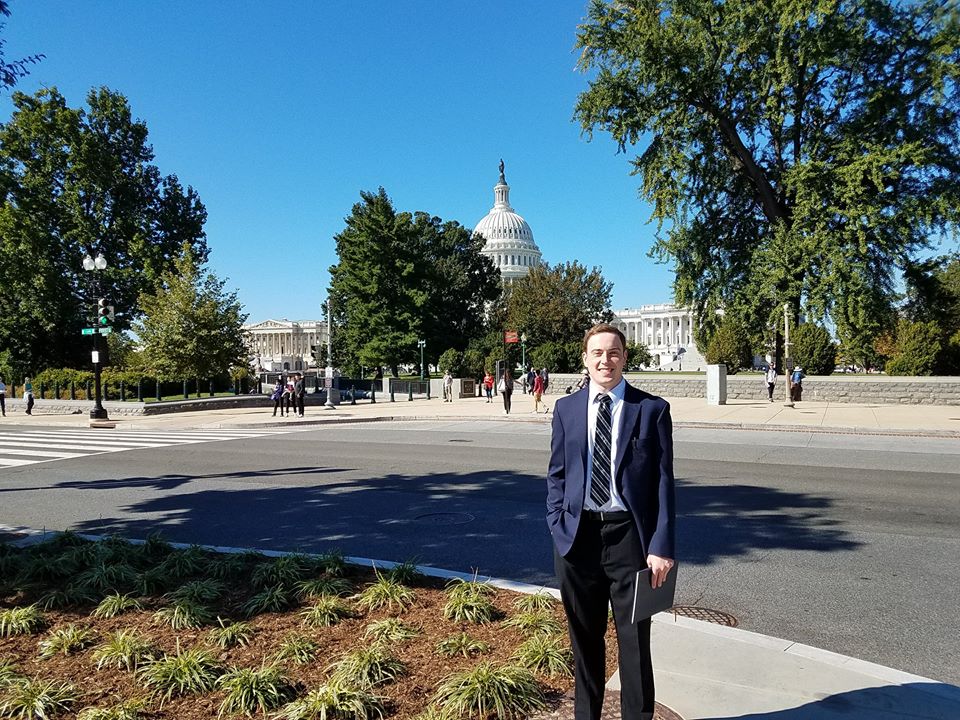
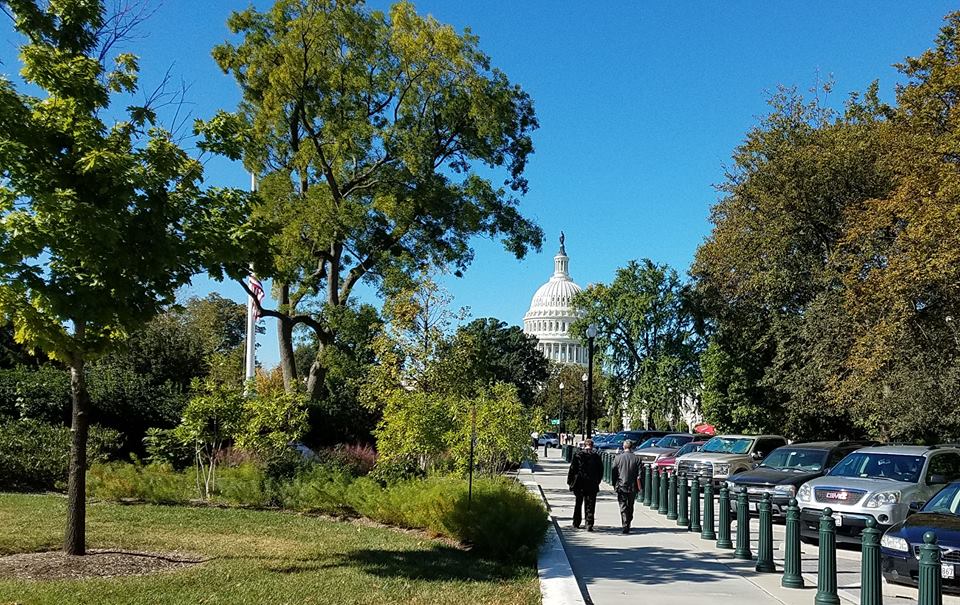
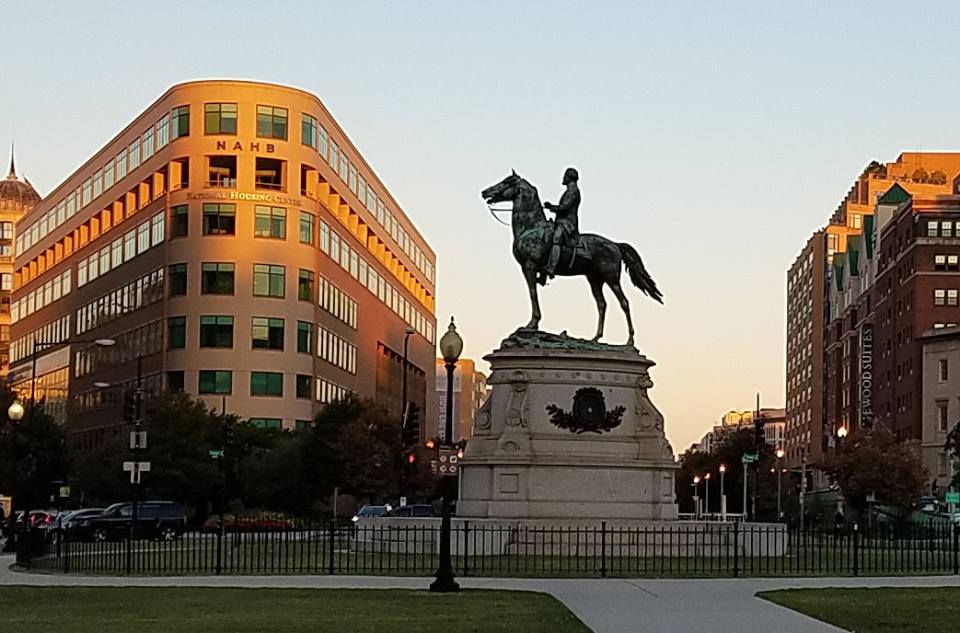
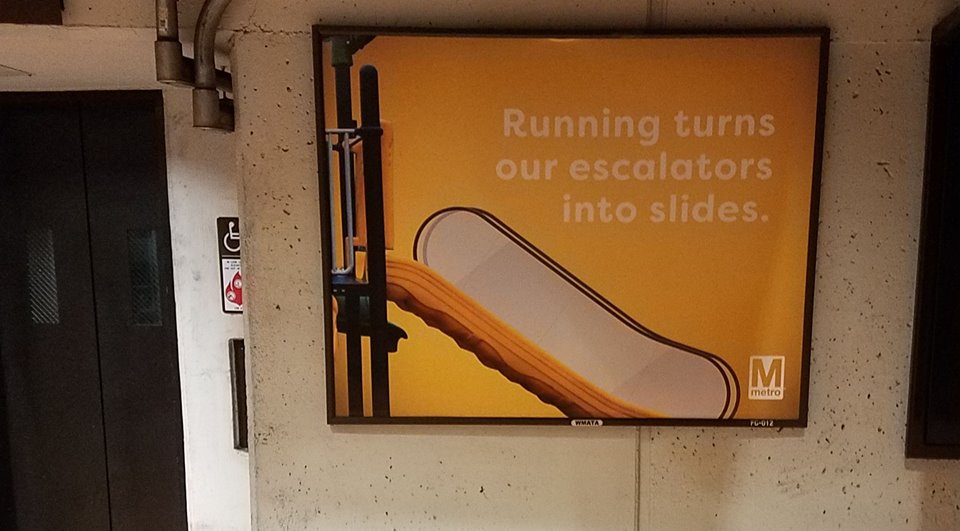
My pictures show similar views of the Capitol, the first with Espen. It was a nice, crisp day and the Capitol looked particularly beautiful today. The second last picture is General George Henry Thomas. He was a Virginian who chose to fight for the Union. Last is a sign on the Metro. I am not sure the prospect of turning an escalator into a slide would discourage young men.
The road out of Vernal, Utah is marked with signs telling you the type of rock you are passing and the type of fossils found there. It is a very beautiful place in general.
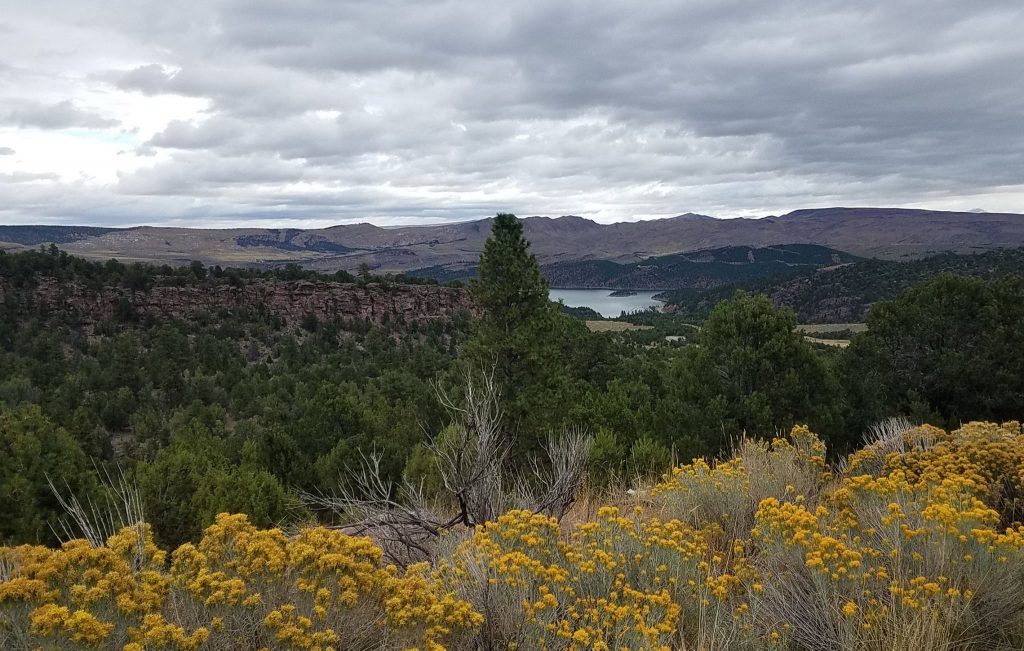
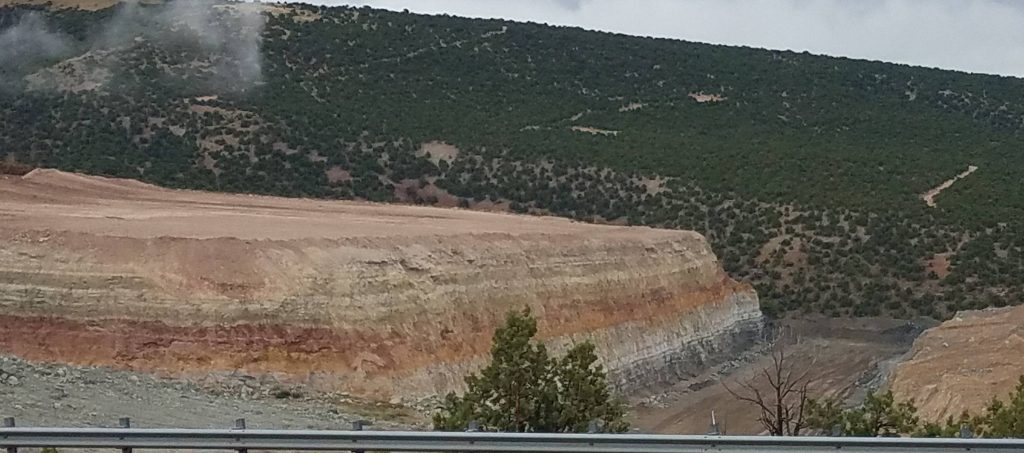
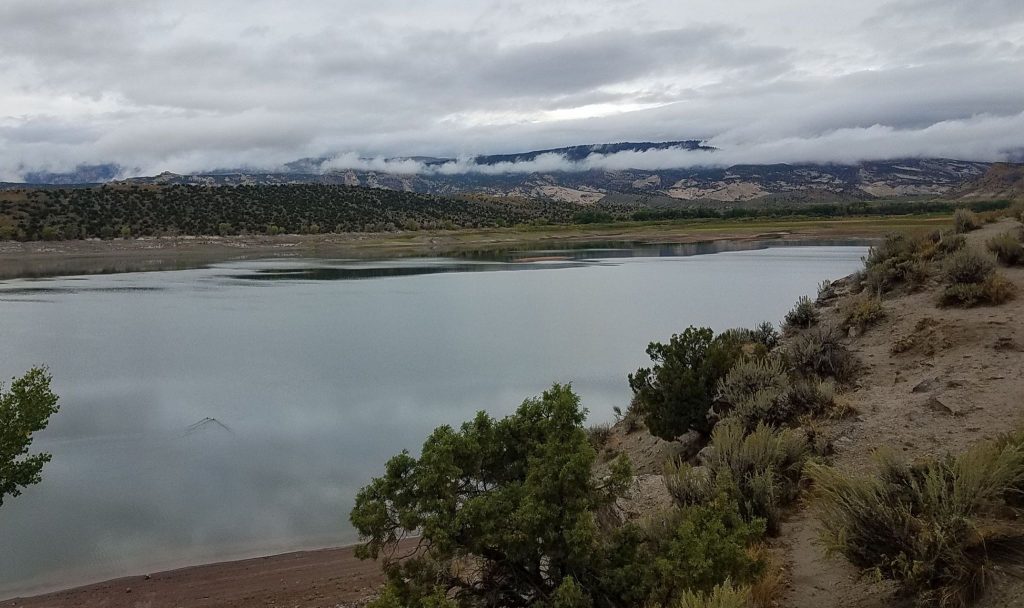
As you go up the hill, you come on Steinaker Reservoir in the first picture. Next is a phosphate mine owned by a firm called Simplot. You can see the truck working in the second picture. The vastness of the landscape makes the very large truck look like a Tonka Toy, but the wheels are taller than I am. Next shows some of the quarrying.
When you get over the hill, you come to the Flaming Gorge Dam, completed in 1964. It impounds the Green River, part of the Colorado River system.
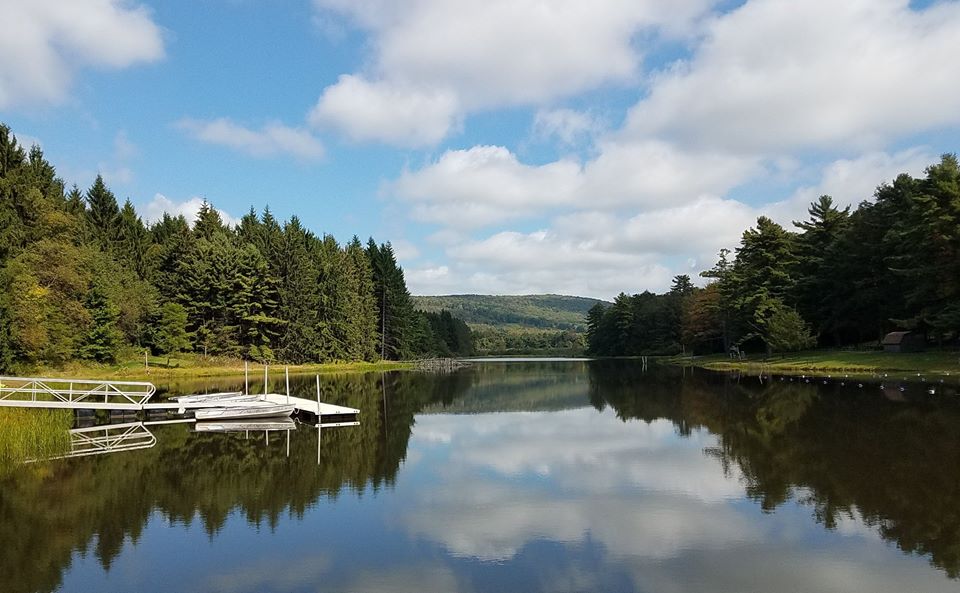
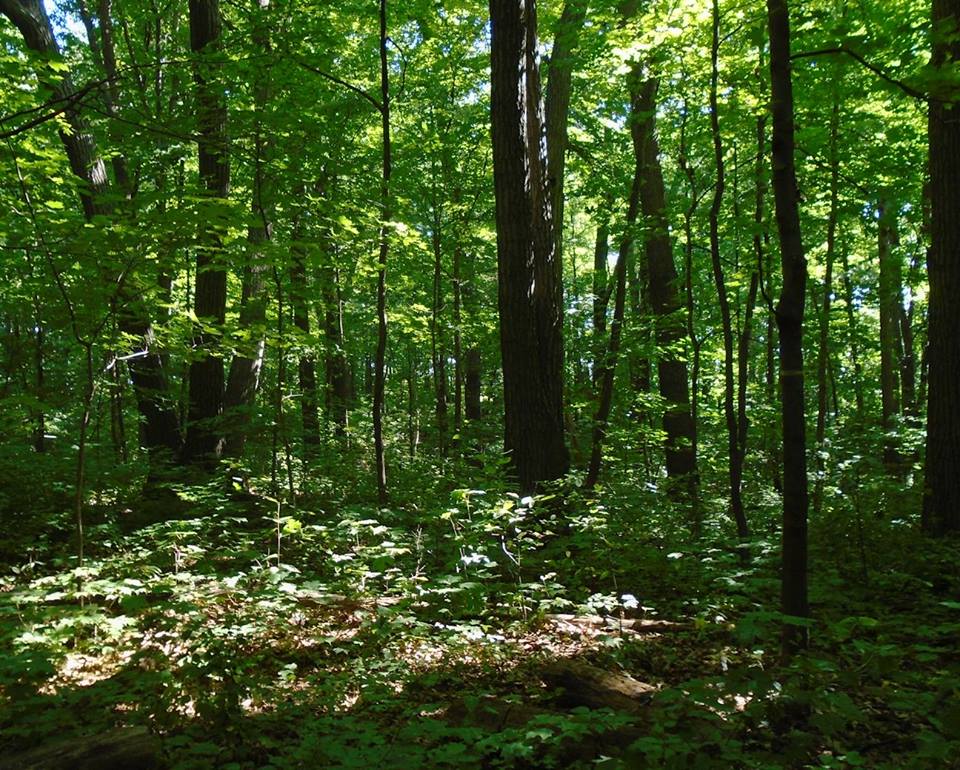
Just before I got home from my western trip, I took a short side trip to New Germany State Park in Garrett County, Maryland. The park was built by the CCC during the 1930s, after the government acquired land that previous owners figured out was better suited to trees than farming.
You get the impression that you are much farther north, since the CCC boys planted spruces. Hemlocks and white pine were already common in the area.
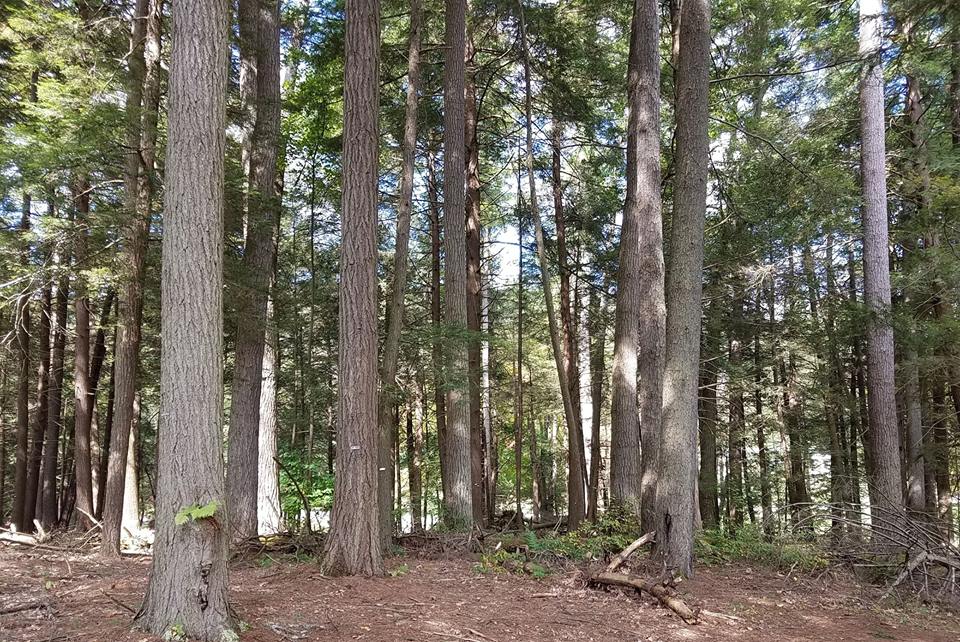
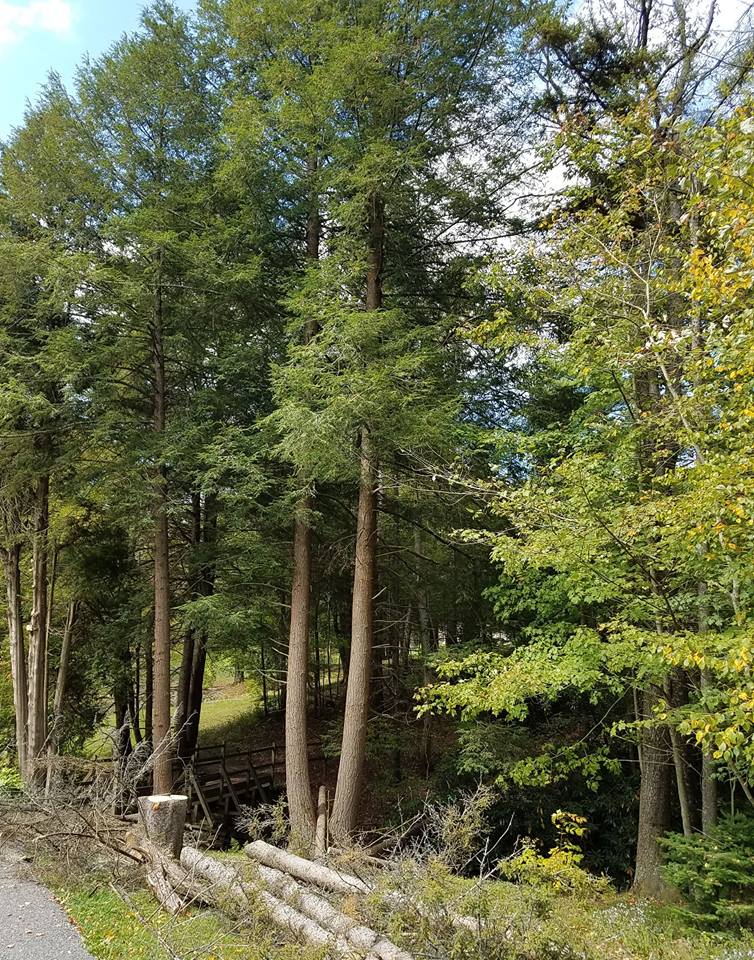
I was a little surprised but pleased to see a mature hemlock forest. I learned to appreciate hemlocks when I was at Stevens Point, Wisconsin, but they are threatened, especially in the south. Thirty years ago, there was a beautiful hemlock grove at Old Rag Mountain in Virginia, but the hemlock woolly adelgid made short work of it. It is so completely gone that you would think it never existed. I looked for news of the hemlock in New Germany Park on Google. I found one article from 2012, saying how volunteers were inoculating the trees. Hope it continues to work.
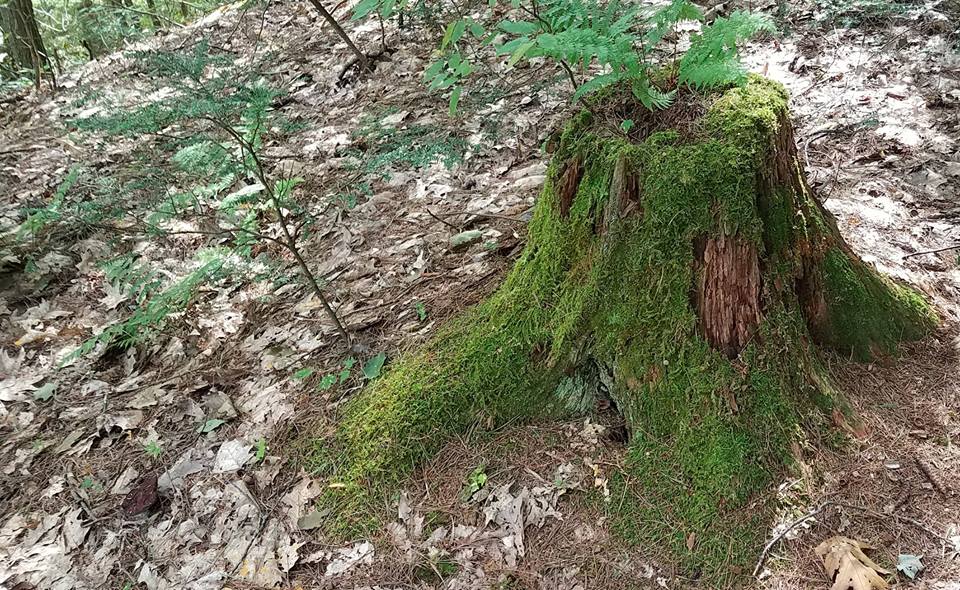
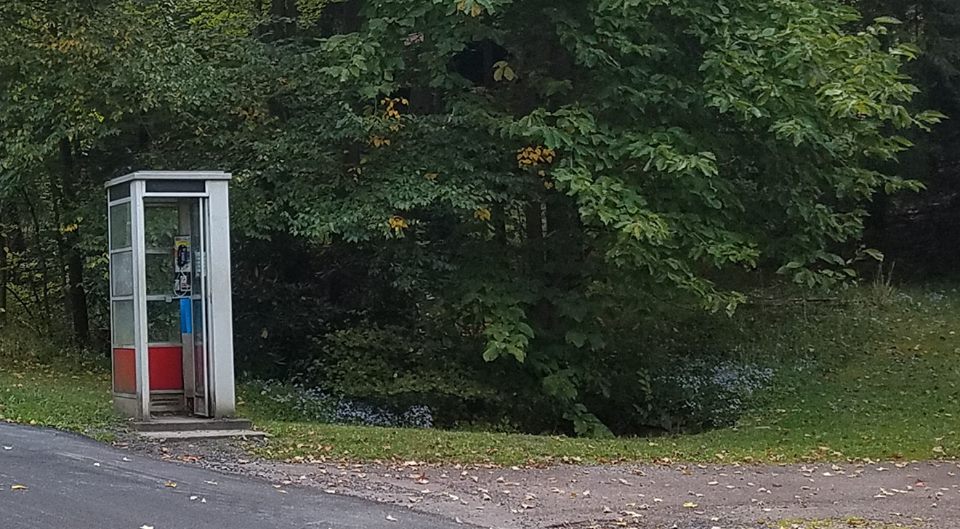
My pictures show the CCC lake, the hemlock forest and something you rarely see these days, a phone booth.
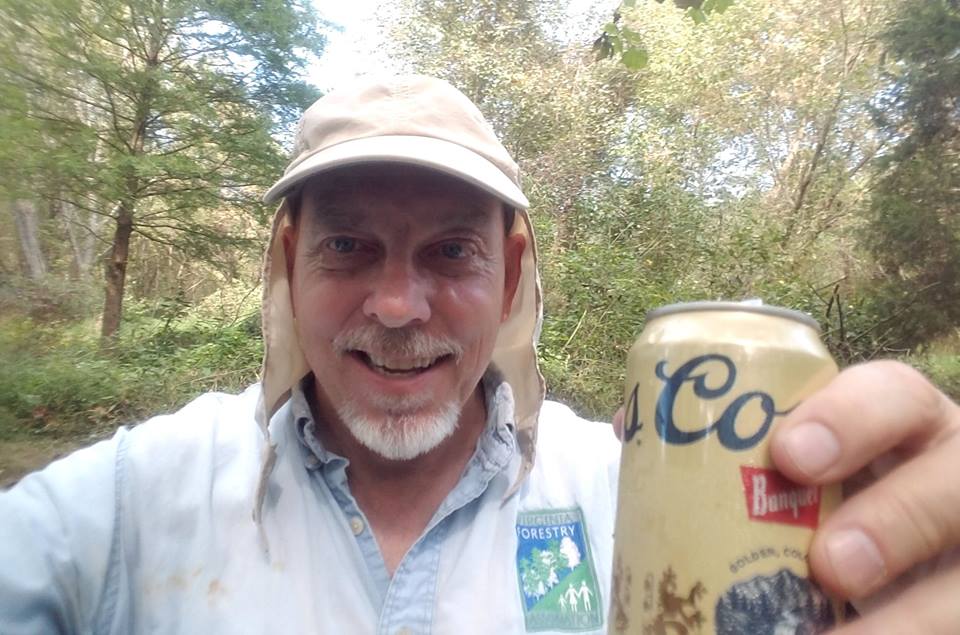
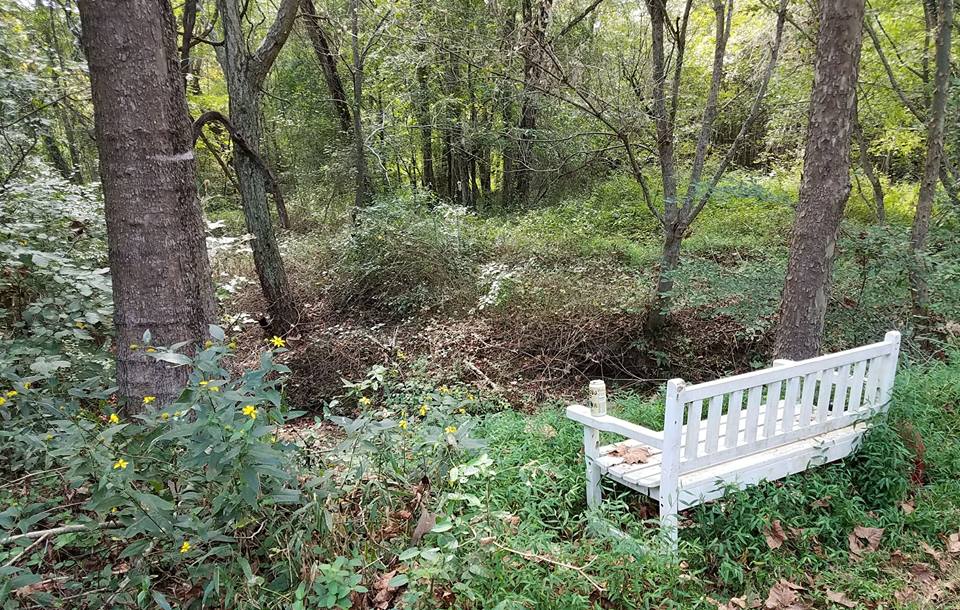
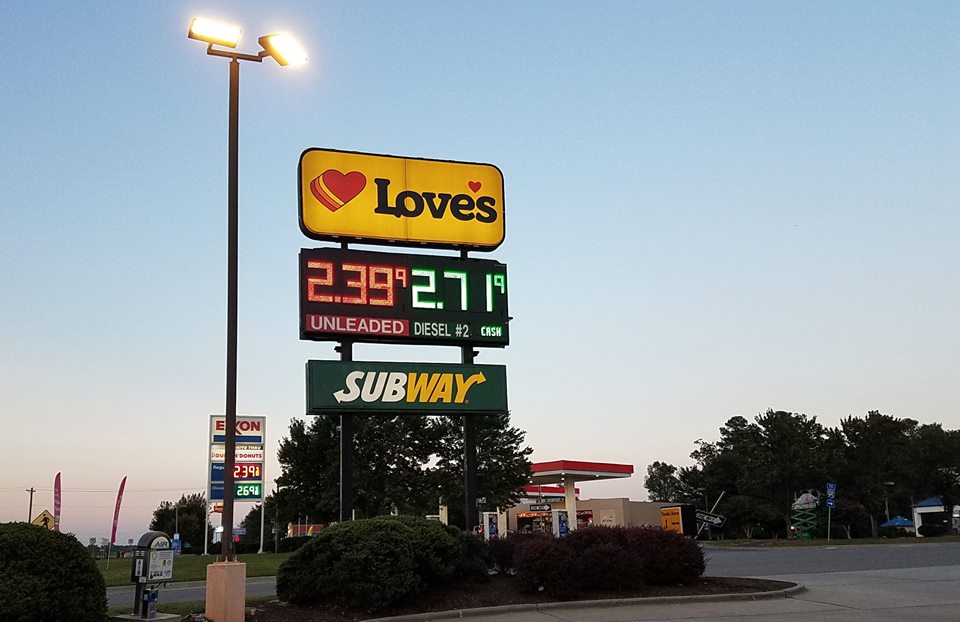
Here is my daily beer drinking picture tree farming style. The hat is dopey looking, but the fringe keeps the bugs off. I brought down a bench where I can sit and have lunch, as you can see in the second photo. I have my usual Love’s picture. The price of driving has gone up. Penultimate photo, we got some rocks for the parts of the road that are persistently muddy. Hope it works. Last is one of the plots we will convert to pollinator habitat. It already has lots of what is needed.
I would like to say that I was having the beer after a morning of hard work, but I was doing mostly in anticipation of working.
I went down to the farms mostly to talk the the NRCS folks. They are giving me cost share to establish pollinator habitat and do some prescribed burning. I did do some of the usual vine cutting. The good things about that on a hot day is that you work mostly in the shade of the forests.
It was hot today, the hottest day so far in September. That is a bit ironic, given that it is almost officially fall.
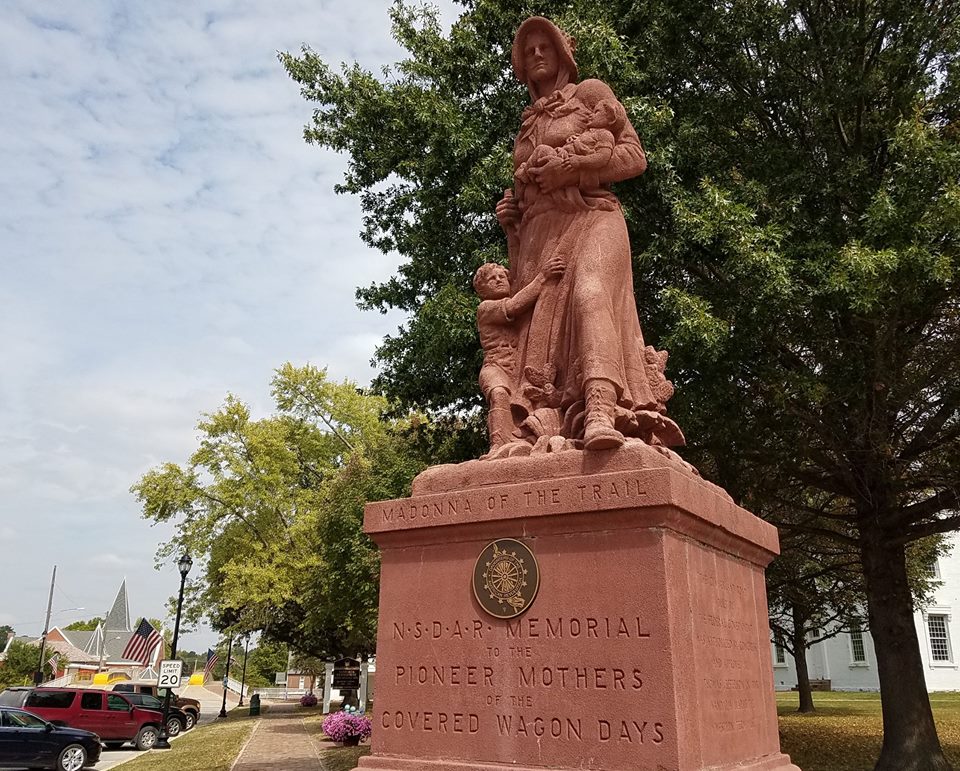
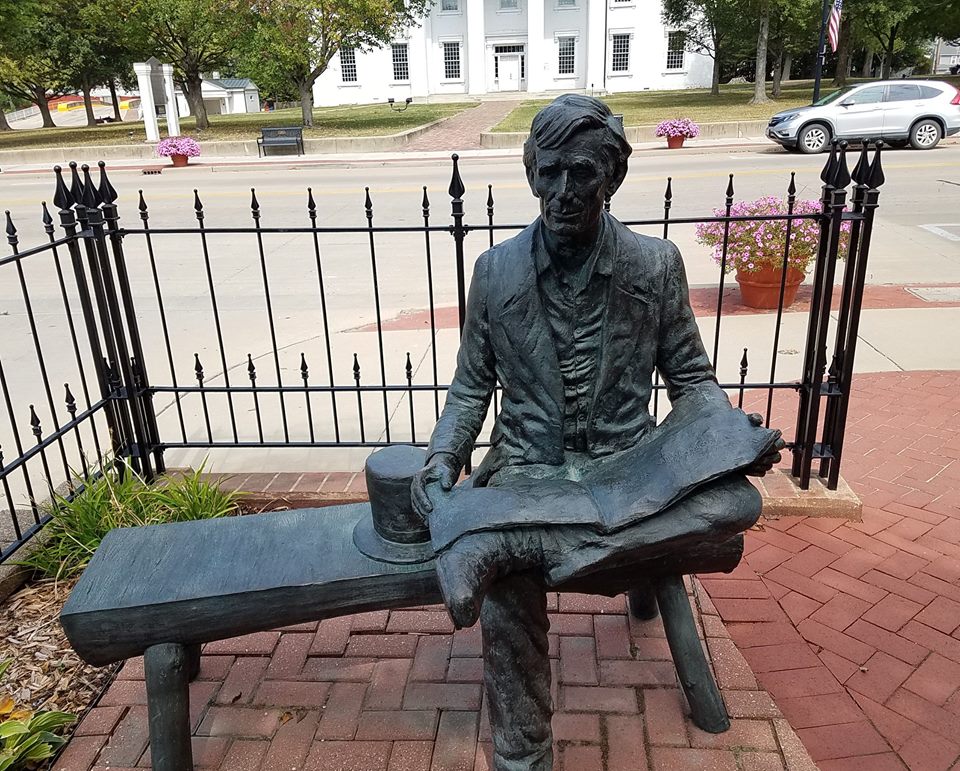
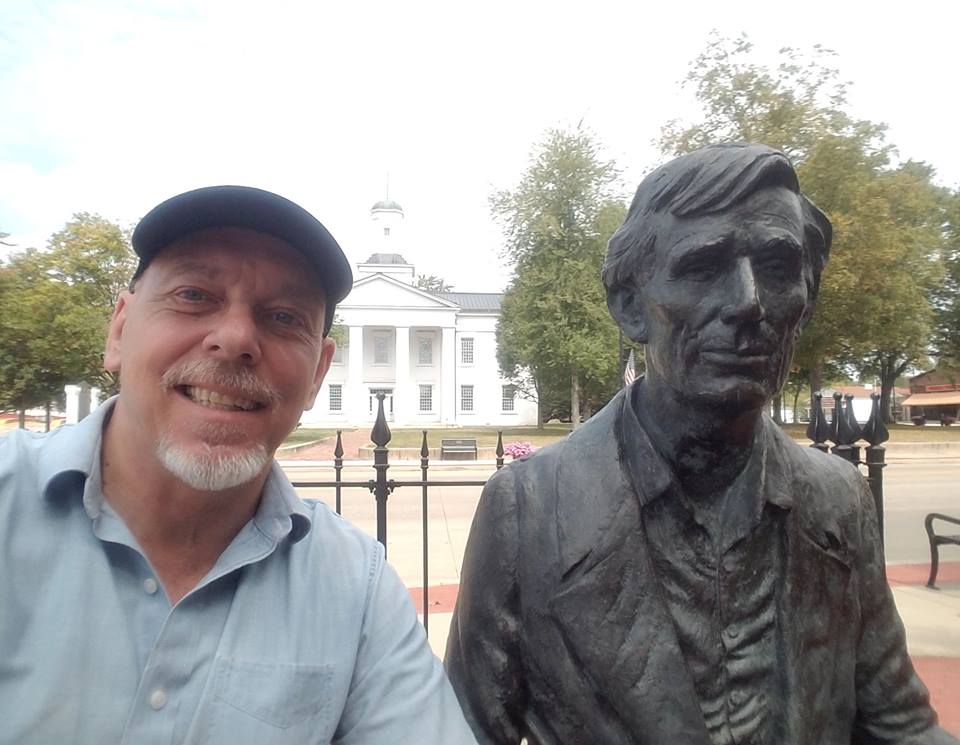
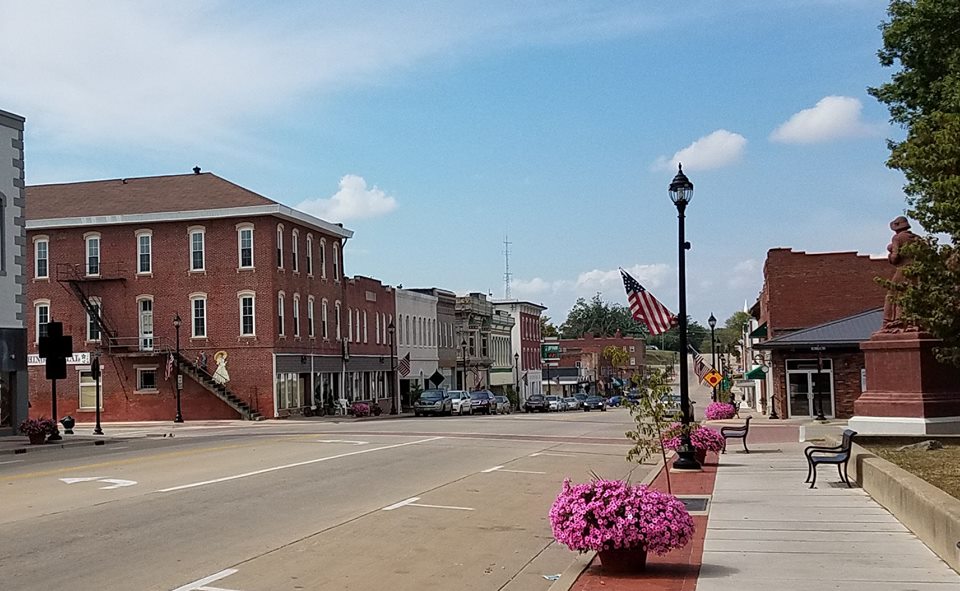
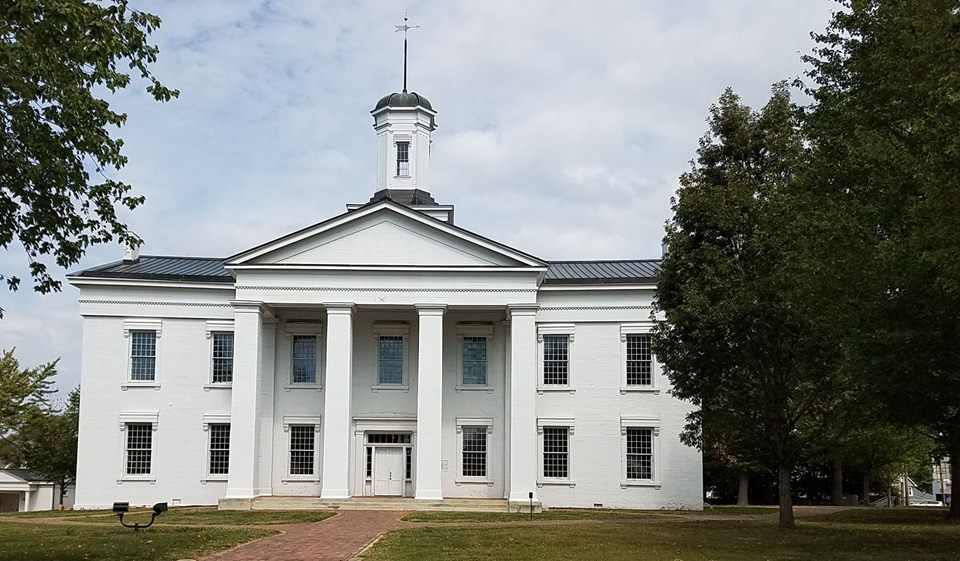
The National Road The National Road was authorized by Congress and signed into legislation by Thomas Jefferson in 1806. It started in Cumberland, Maryland and ended in Vandalia in what became the State of Illinois. It was the first piece of big public infrastructure that facilitated the settlement of western Maryland, Ohio, Indiana and Illinois – the first “West.” Vandalia was the first capital of Illinois and the place where young Abe Lincoln got his start. I went to see young Abe and the terminus of the National Road. Life was tough for the pioneers. Imagine carrying everything you own in a wagon and establishing yourself in a wilderness. It was primitive. It is amazing that they could build our great country.
The first picture is the monument to pioneer women. It stands at the end of the National Road. Next is Abe and then Abe and me. My friend Steve Holgate used to do Lincoln one-man-shows, so he should appreciate that young Abe kind of looks like him. Next picture is the busy US 40. US 40 more or less follows the route of the National Road. It is now superseded by Interstate 70. Last is the old State Capitol.
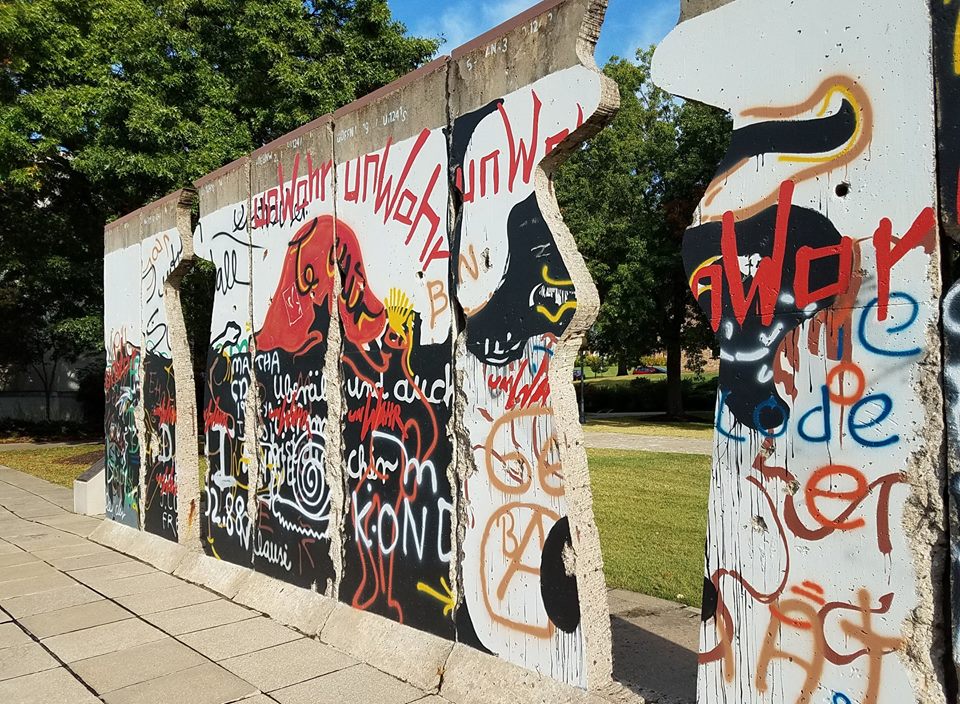
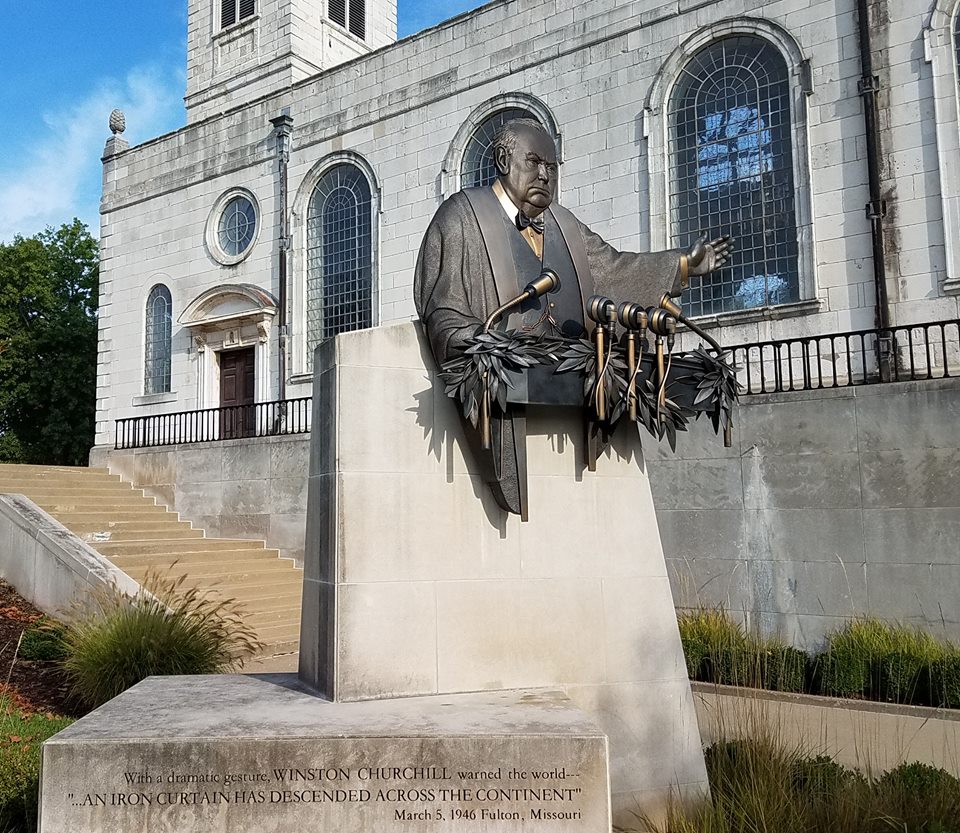
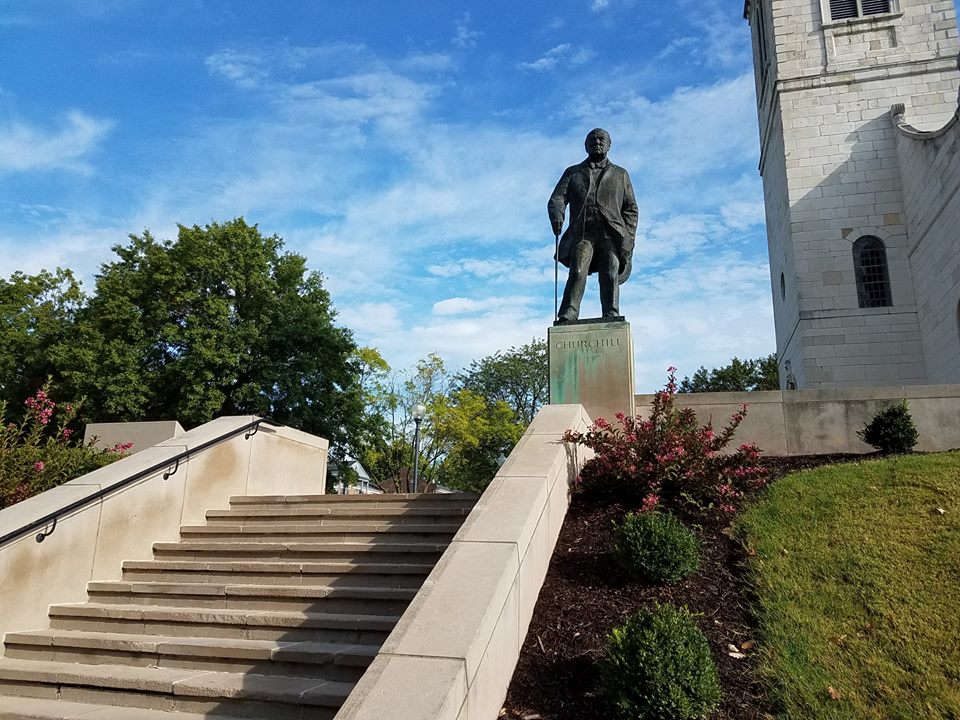
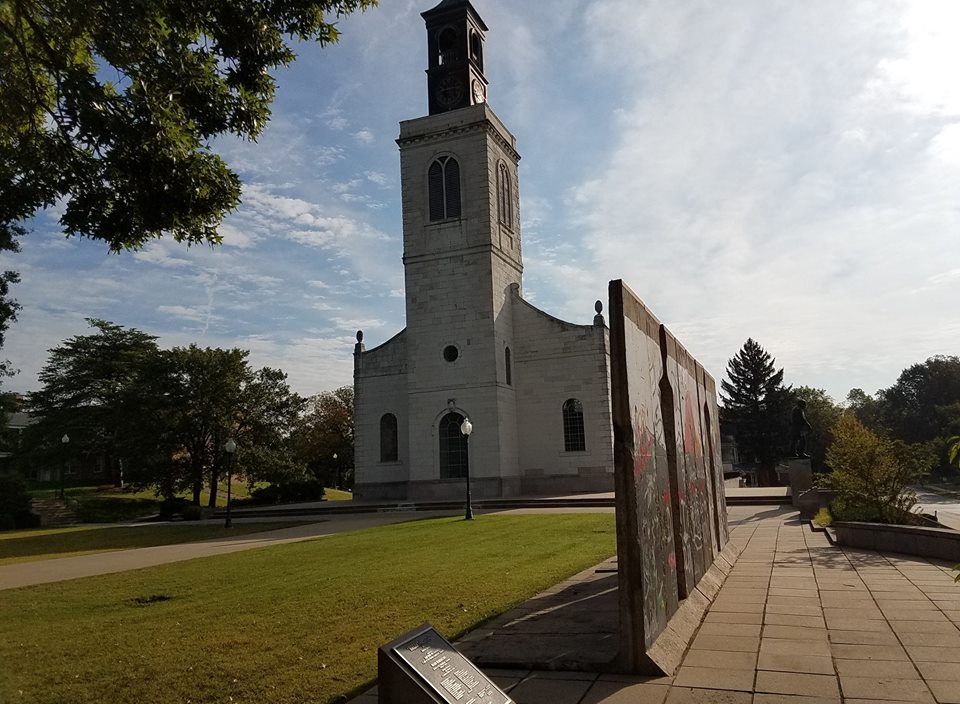
The Iron Curtain “From Stettin in the Baltic to Trieste in the Adriatic an “iron curtain” has descended across the continent. Behind that line lie all the capitals of the ancient states of Central and Eastern Europe. Warsaw, Berlin, Prague, Vienna, Budapest, Belgrade, Bucharest and Sofia; all these famous cities and the populations around them lie in what I must call the Soviet sphere, and all are subject, in one form or another, not only to Soviet influence but to a very high and in some cases increasing measure of control from Moscow.” This is what Winston Churchill said in a speech in Fulton, Mo on March 5, 1946. It was a recognition of the Cold War. Some people, many people, thought that our wartime friendship with the Soviet Union could continue, but our goals and values were fundamentally incompatible. I stopped at Fulton to see the place where the speech was delivered. It sort of completes my middle America history visits, since I went to see Eisenhower and Truman This part of history has always been fascinating for me. Fighting world communism was one of the reasons I joined the FS. For the trip back home, I got a new audio book, The Cold War: A World History by a couple Norwegians, Julian Elfer and Odd Arne Westad. It is a different perspective.
The authors go way back to pre-WWI times and characterize Russia under the Czar as a hierarchical anti-capitalist country, while the USA was where the market developed most. After WWI, several flavors of anti-capitalistic/anti-democratic regimes developed, including the Soviets, Nazis, along with various other sorts of fascists and authoritarians. Fascists and communists shared hatred for free market democracy, but they also hated each other, since each wanted to impose its own sort of totalitarianism. This is as far as I got.
Anyway, we vanquished the Nazis in 1945 and the communists in 1989, but these bad ideas have ways of resurfacing. Eternal vigilance is the price of liberty. My pictures are from the Churchill memorial. The first is a piece of the Berlin Wall. We sort of got used to it, but consider how truly evil it is to kill people who want to leave your country. Reagan was right to call it an evil empire.
The Wright Brother
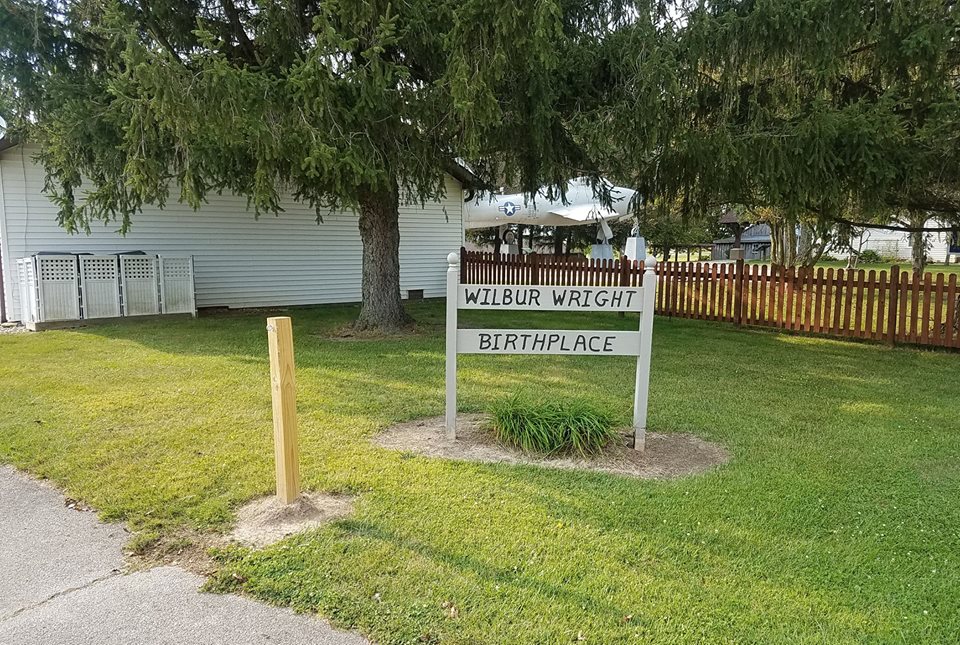
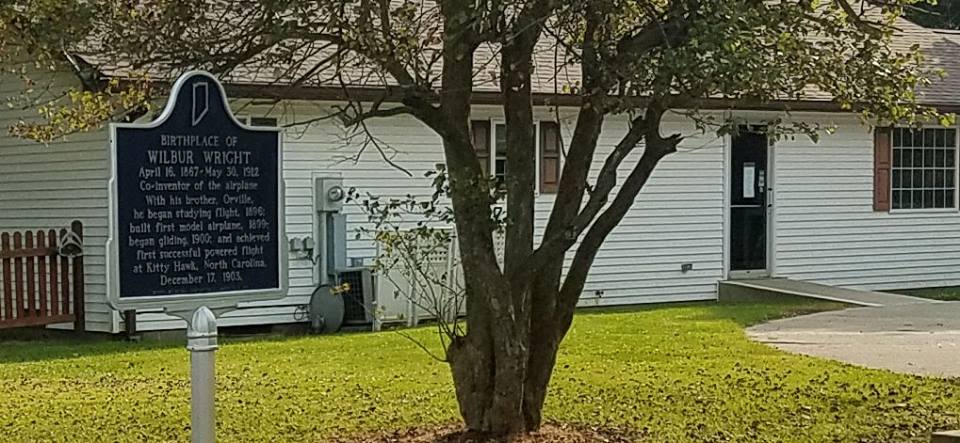
In the worth seeing but not worth going to see department, I went to see the birthplace of Wilbur Wright. You have to drive around seven miles from I-70 along a pleasant country road fittingly called “Wilbur Wright Road” that connects with “Wilbur Wright Circle.” Chrissy suggested that if his parents had anticipated having such an illustrious son they would have investing in a more appropriate house.
There is a good book on the Wright Brothers by David McCullough (the same guy who wrote bios of John Adams and Harry Truman). The early the last decades of the 19th century and the first ones of the 20th were a dynamic time in American history. Airplanes, automobiles and lots of other things were being invented and perfected. My Brazilian friends don’t credit the Wright brothers with the invention of the airplane. They credit their own Alberto Santos-Dumont, who they also say gave us the wrist watch. The Wright brothers flew in 1903. Santos-Dumont flew in 1906, but Brazilians argue that Santos-Dumont’s machine took off on its own power. Suffice it to say that they were all pioneers of aviation.
I didn’t take a picture, since I thought it might be rude, but there were lots of signs opposing a proposed wind farm in the area. I think it would be appropriate to have big propeller-like structures, but the locals disagree
This is my submission for this issue of “Virginia Forest.” They will edit and improve it, but this is the general thrust. This issue concerns invasive species.
What is native? Our bacon and eggs breakfast comes to us thanks to “invasive species.” Pigs, cows, chickens, honeybees, wheat, and apples (Johnny Appleseed was a wholesale purveyor of invasive species) all came from somewhere else and displaced natives. The problem with invasives comes when they disrupt long-established relationships in ways we find harmful. Our tree farms are full of invasive species, wanted and unwanted. Maybe we plant clover to protect soil after a harvest. That same clover is invasive in other circumstances. We fight invasive species like kudzu, multiflora rose and ailanthus, but recall that they came with the enthusiastic support of experts and often through government programs.
We need to develop a more nuanced view of invasive and native. Native is not always better or even really native. Much of the loblolly that we plant in Virginia, for example, comes from genetic stock “native” farther south, modified by select breeding and scarcely resembling the multi-branched, twisted natives of times past. Human activity has changed the game. Virginia’s environment today is far different from 1607. Natives exquisitely adapted to old Virginia may be less appropriate in the future.
This does not imply that we should be unconcerned about invasive species. Their proliferation is the single biggest threat to our forests. Global commerce is increasingly bringing species long-separated into intimate contact, sometimes with catastrophic results. We must be vigilant against the introduction of pests, but know that nasties like longhorn beetles, emerald ash borers, Formosan termites and wooly adelgids will continue to slip through. The rate of natural adaptation is too slow to cope with the rapid introduction of exotic species and altered environments. Humans will need to step in to move some species to new “native” range and work with breeding, even genetic modifications, to protect important species from threats unknown in their earlier evolution. A good example is an American chestnut resistant to the blight that killed whole forests early in the 20th Century; we can restore the tree in its former glory with minimal modification, rather than wait thousands of years for natural selection to produce something else.
Let’s talk options. “Natural and native” is not an option except in isolated areas maintained – ironically – by extraordinary human intervention. “Letting nature take its course” will result in a mess of invasive species in unsustainable and often harmful relationships. Conversely, overactive human management will quickly demonstrate the limits of our wisdom. Recall the kudzu and multiflora rose are with us today because of somebody’s big ideas. There is no single plan. The best choice is what good land managers do: work with natural processes but recognize that the very nature of our work changes them. It’s an iterative, adaptive learning process with a goal of dynamic sustainability that strives not to avoid change but to make it reasonably predictable and benign – simple to say; hard to do. It requires patience, persistence and humility. Details are unknowable in advance, since information is discovered only through experience and often has only local or temporary applicability. It is more a process than a plan, one that relies the intelligence, imagination and innovation of landowners, firms, researchers and government agencies, knowing that none of them will have the answer, but that the many answers will sustain our beloved Virginia ecosystems. Some will not be native.
I love nature but I am beginning to dislike the concept “natural,” applied as it often is to mean excluding humans or human influence, first because it is not possible, since humans influence all aspects of the world, and second because it is often undesirable. Another concept I am starting to dislike is “native.” We hear these two words too often and often together. People talk about protecting a native and natural landscape. What does that even mean?
Many of the landscapes we find most pleasant and sustainable are significantly human-influenced. This does not mean planned in minute detail or interfere all the time. When successful, it is more like a partnership with nature, where humans introduce sustainable factors that change and improve on the natural state.
As for native, we often hear the argument that native plants and animals are more precisely adapted to the local environment.This is often but not always true, but there is an additional factor of environmental change. The environment in North America where many species developed is no longer here. Conditions are different requiring different responses. The native may no longer be the most appropriate for the new conditions. This is especially true of a world affected by climate change. Being a native is just not as important as it used to be, and even in the old days it was a bit of an artifice.
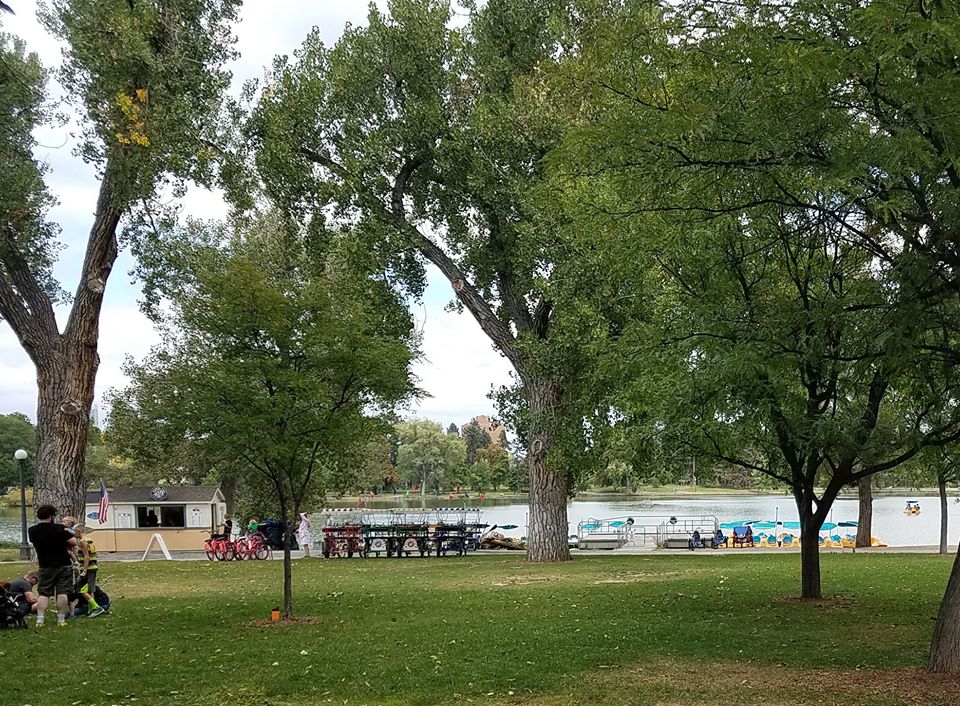
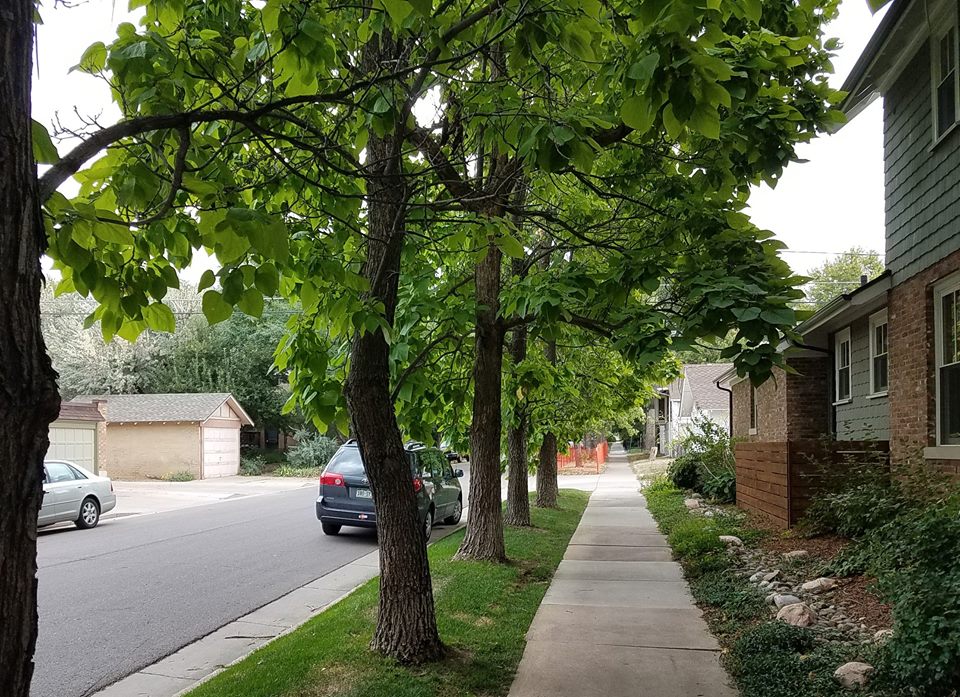
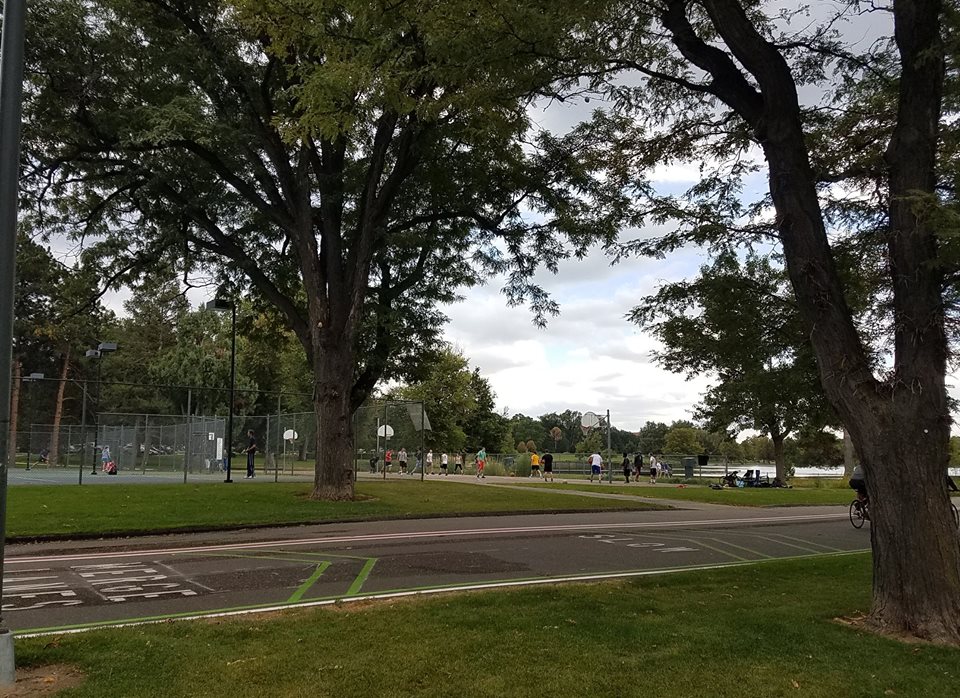
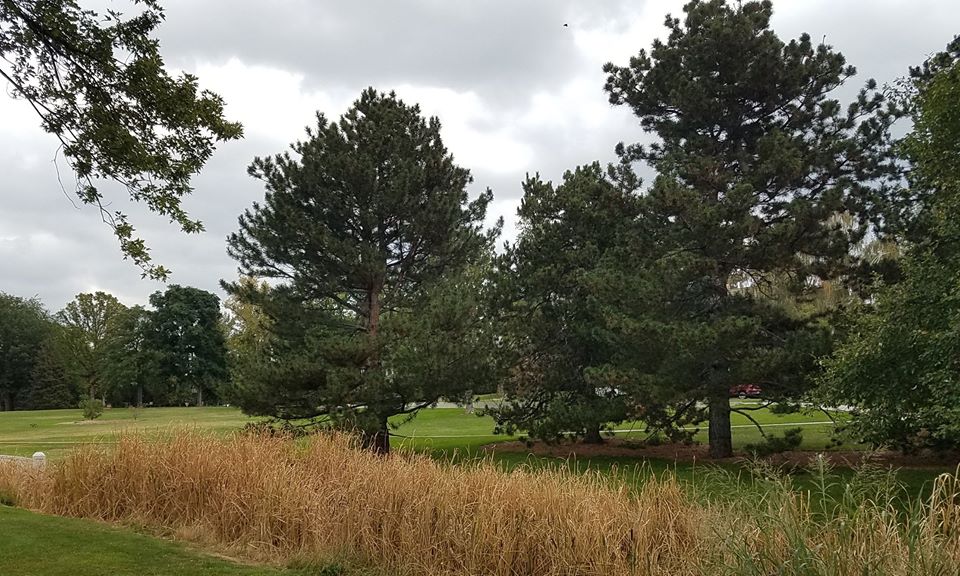
I thought about this walking around Denver’s Washington Park. It is a very pleasant place, full of trees, grass and water. It is also completely unnatural and not native. Absent human intervention, Denver is a prairie. Look at the various pictures. Can you pick out “native” trees? You cannot see many. Almost none of the trees growing so robustly now are native to this spot. We can stretch the definition to include some nearby trees, but consider the catalpa in picture # 3. Catalpa (Catalpa speciosa) are planted all over North American and Europe. They are native to North America, but not to Colorado. They are native only in a small area around the confluence of the Mississippi and Missouri Rivers. What about the honey locust (Gleditsia triacanthos.) These trees hail from the southern and Midwestern USA, but not from Colorado. I took a picture of some Austrian pines (Pinus nigra). They also grow very well in Colorado but they come from Europe.
A question: is an Austrian pine more of a native tree in Colorado or less than a catalpa? The correct answer is that neither of them is native, but I suspect that many people would rate the catalpa as “more” native because it comes from a place closer and continuous to Colorado. But might not the Austrian pine have greater claim to native status, since its pine relatives are native to the state? Does it matter? Both grow well here.
Of course, we do not welcome all newcomers. The emerald ash borer and the Asian longhorn beetle are horrible, as are zebra mussels, kudzu and woolly adelgid. I would happily welcome their extinction in North America. Of course that also goes for some natives. I don’t think anybody misses the now extinct Rocky Mountain Locust.
Anyway, the terms natural and native are at best imprecise and often not even desirable, and they have been accorded too much respect recently. Our goal should be sustainable using principals and seeking understanding of nature. Native may often be the most appropriate, but there is nothing magical or special about it just because it happened to be here first or from someplace nearby. As for natural, if you define that as not affected by humans, there has not been a natural landscape in North America for around 12,000 years, but we can use principles of nature to make our environment more sustainable.
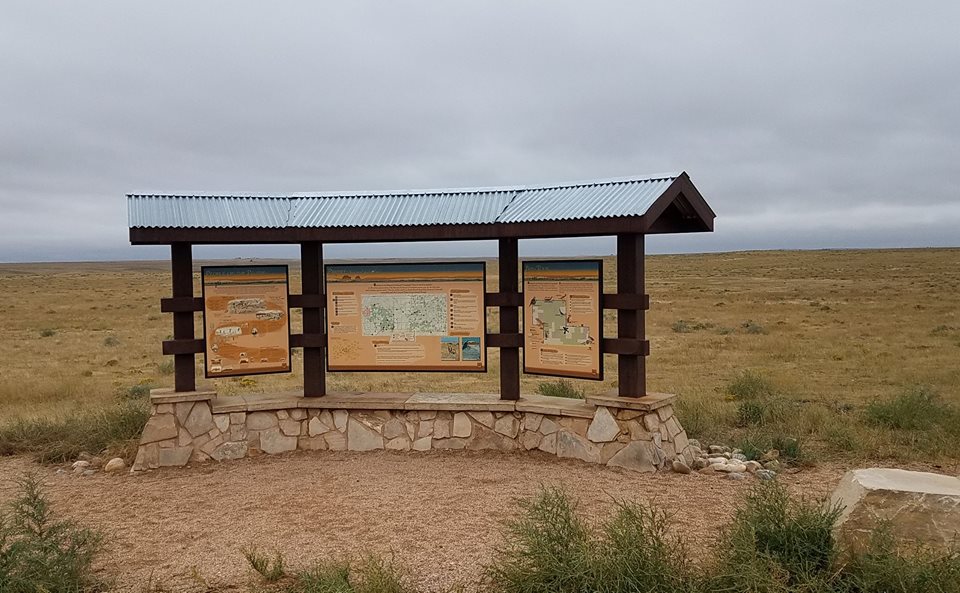
My first picture is the pond in Washington Park. It was part of the design of a German landscape architect. It is beautiful, pleasant and good for wildlife, but not natural. Well, the big cottonwood in the middle of the picture might have grown naturally on that spot, if there was some water present, but it is unlikely to have grown so big. Next are a row of non-native catalpa trees. Pretty. After that is one of the biggest honey locust I have ever seen, again not from around here. Picture # 4 shows some Austrian pines. They come from a long ways away, but are doing just fine. Last is a picture from Pawnee National Grassland. It is sort of what this part of Denver would be like absent human interference. Humans messing with stuff is not always a bad thing and natives are not always best.
We stopped off at the Pawnee National Grassland. There is no doubt a lot to see if you know where to look. I do not, unfortunately.
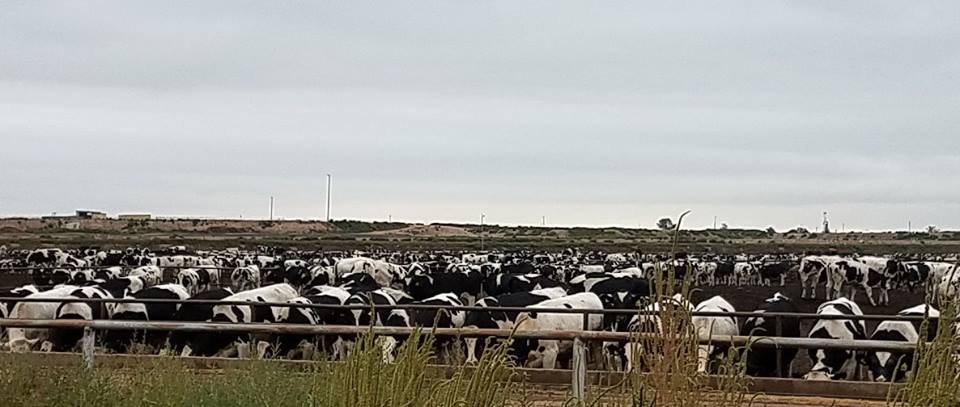
The area just east of Denver is very intensely used by cattle operations. I have never seen anything like it in Virginia or Wisconsin. The smell was not pleasant, but I expect you get used to it.
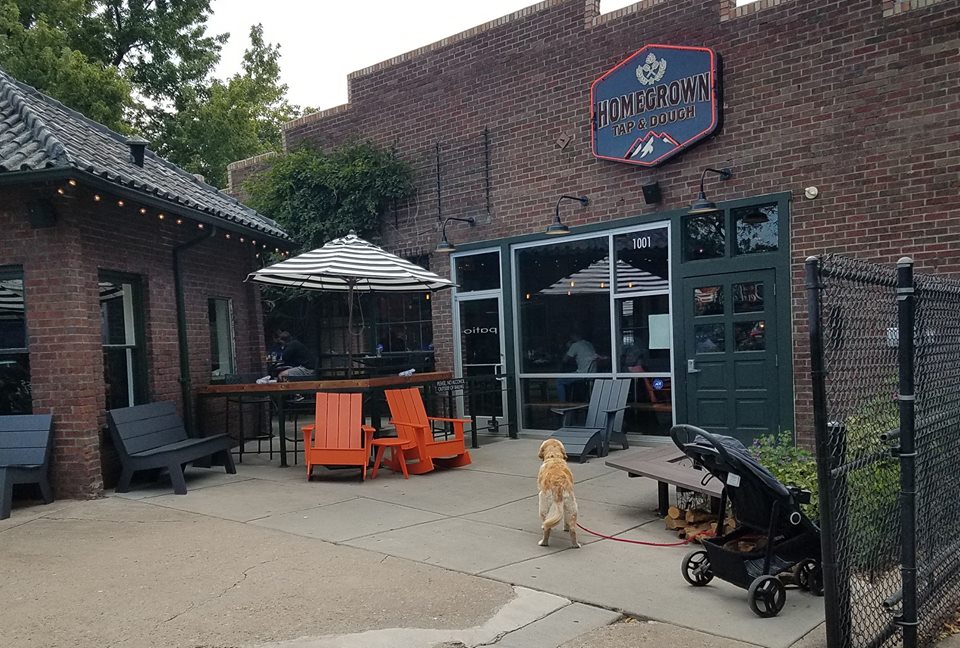
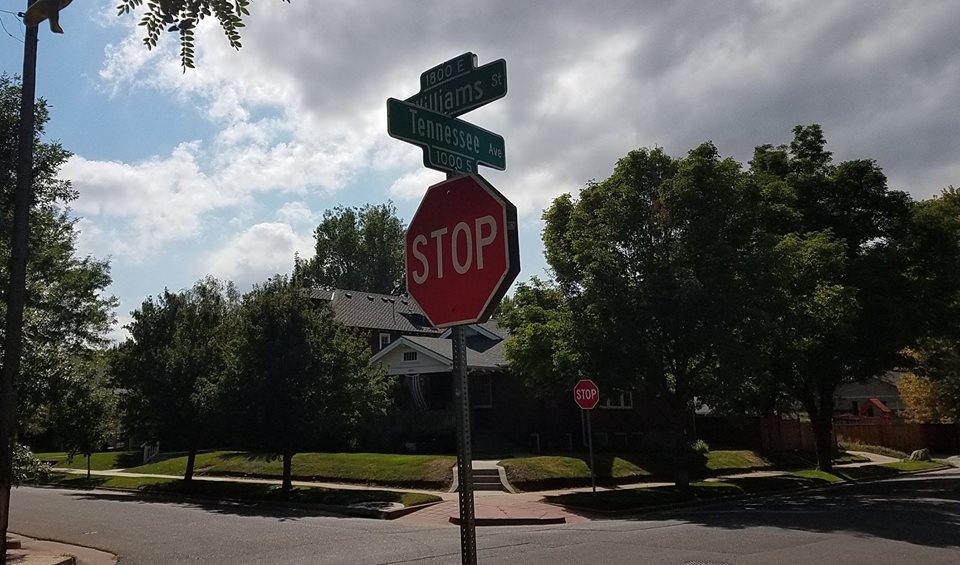
Had a nice beer and pizza at “Tap & Dough” in a nice Denver neighborhood near Washington Park. Nearby is the the intersection of Tennessee Williams.
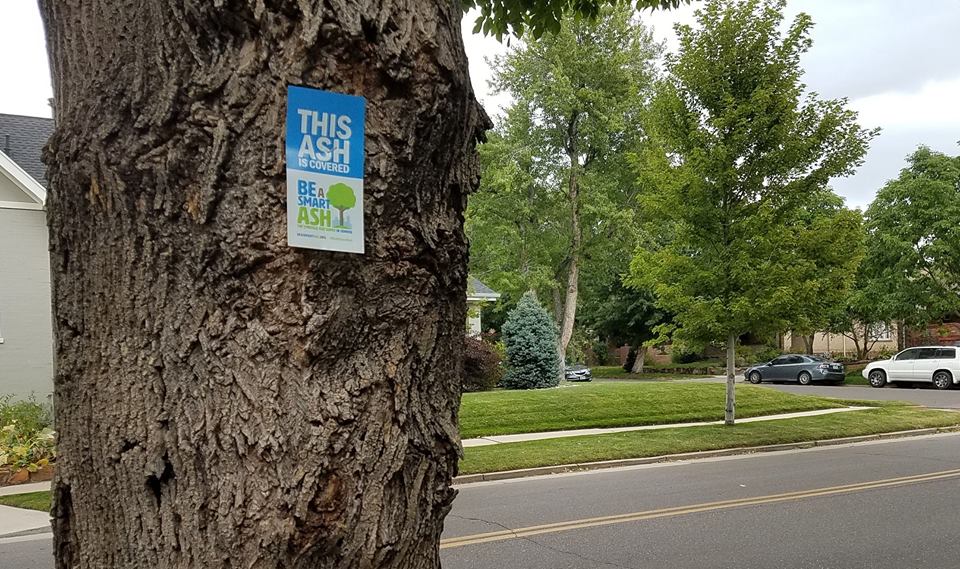
It looks like ash trees are the most common sort of street tree in Denver, which makes the emerald ash borer especially bad news. You can protect the ash trees but it is expensive. Some in Denver are taking steps to protect their trees.