Las Vegas

Just a little out of sequence here, since we are back in Washington.

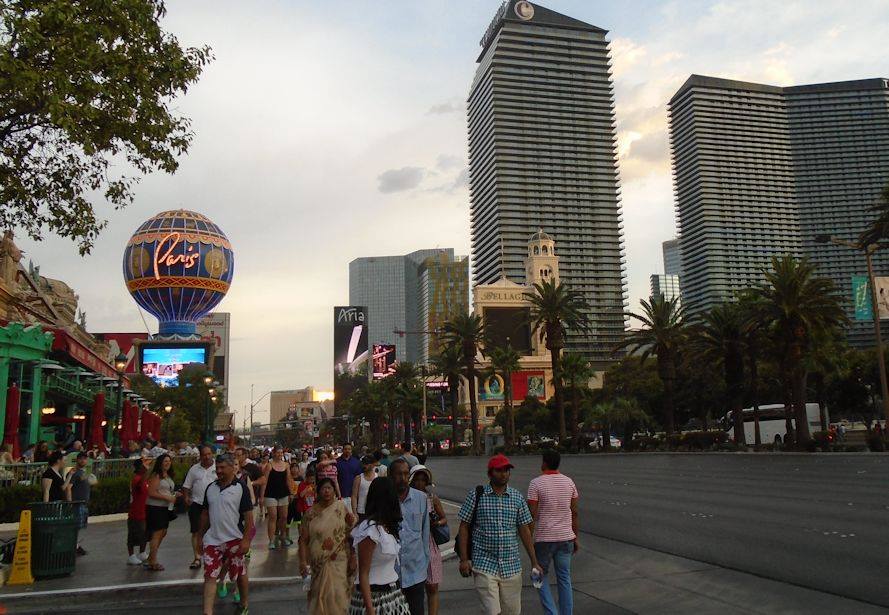
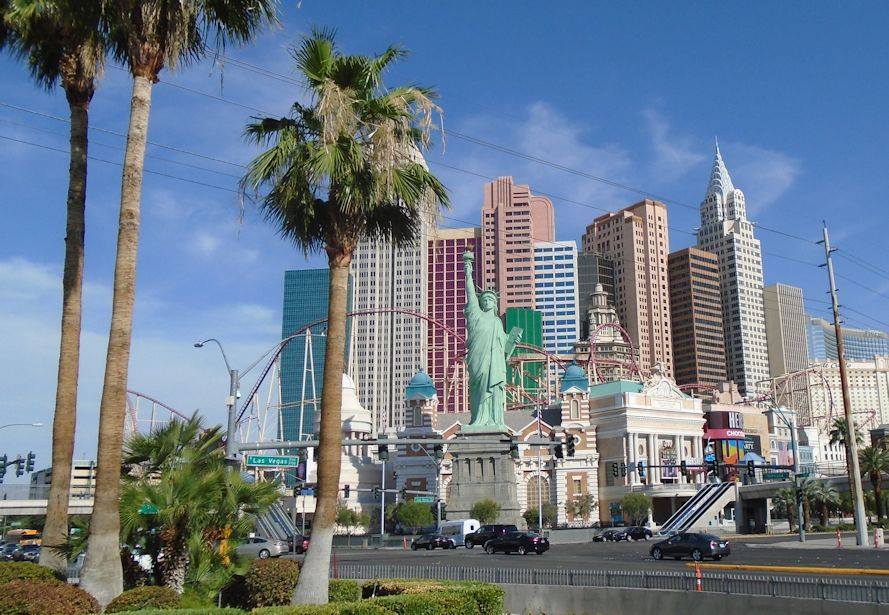
I took the Las Vegas Monorail to the end of the line, which is the MGM Grand, and walked back along the strip. Since I started at about 8:30, it was hot but not too hot.

Las Vegas has ersatz versions of almost everything. There is Paris, New York, Venice, among others. I passed a store that just sold M&Ms and M&M products and a Coca-Cola store. Neither was open at the time I passed. Good things too. The M&Ms would have melted in the bag. I did get a Coke Zero at the nearby vending machine and managed to drink it before it assumed hot air temperature. You have to stay hydrated in the hot, dry weather.

I can understand why some people like to live in Las Vegas and even more like to visit. It is built to entertain. I liked to visit, but I would not want to live here.
One of my favorite commercials is the Dos XX, with “the most interesting man in the world” I am not a big fan of Dos XX, but I am sometimes moved to buy a bottle just by the advert’s influence. I saw a poster parodying the “what happens in Vegas stays in Vegas” slogan. It has the most interesting man with the caption, “What happens in Vegas is reported directly to him.”
Transition zone at Zion 1

I just love to look at relationships in living ecosystems. Zion is a great place to study them, because the canyons provide micro climates and the whole thing sits on the ecological transition zone between the Mojave Desert and Colorado Plateau. Some of the rocks “weep” as water from above filters down. They keep the otherwise dry area perpetually moist.

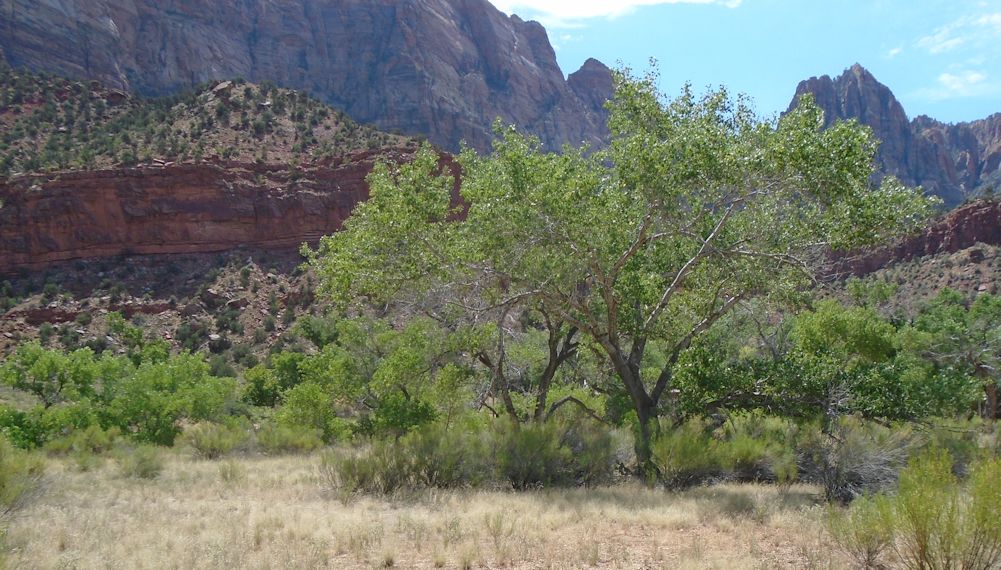
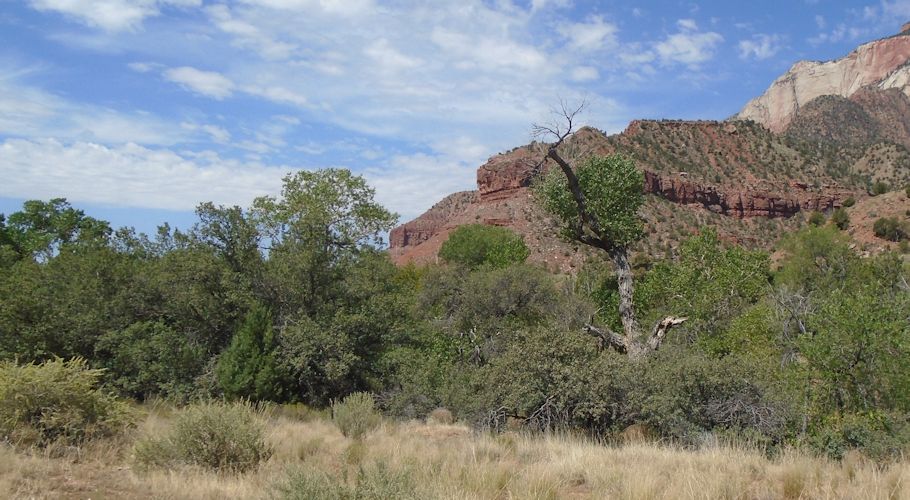
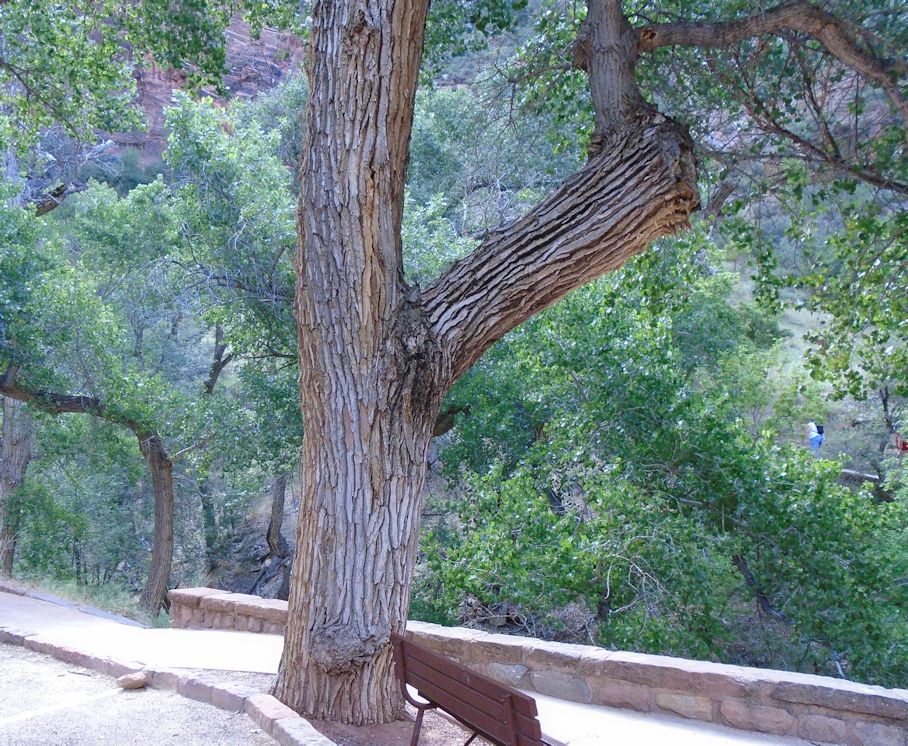
Cottonwood ecosystems are among my favorites. Cottonwoods are just tough and resilient. They sink their roots into the moist river bank soil and grow up into the deserts. Cottonwoods do not live long, by tree standards. If you plant one for your newborn child, there is a good chance the kid will outlive the tree. They grow easily from cuttings, and many spring from sticks that just get stuck in the mud and set down roots. Subsequently, they often spread by vegetative means, i.e. not seed. This means that the trees in a grove may be genetically identical and about the same age. That is why they sometimes all die about the same time.

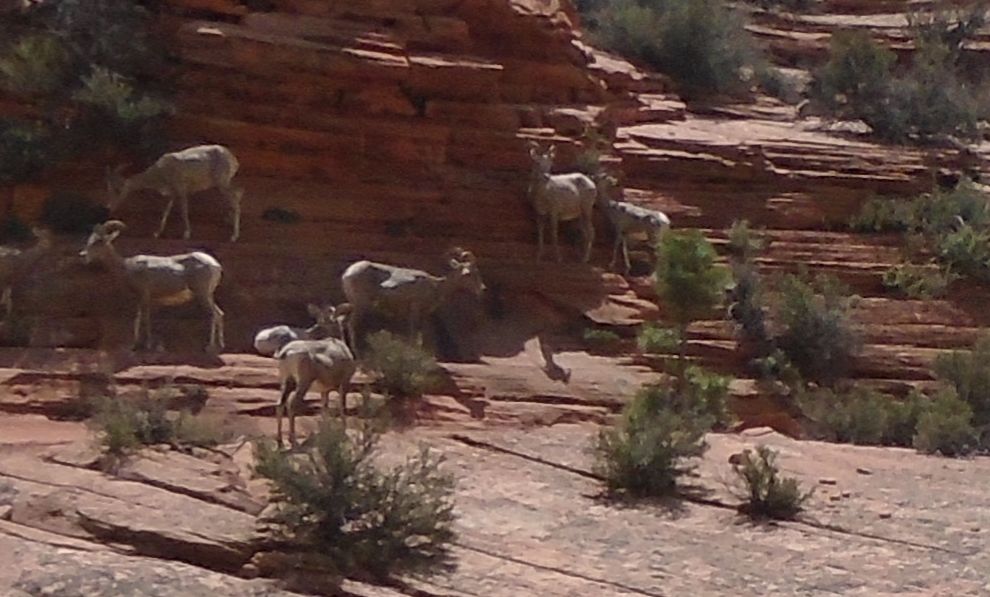
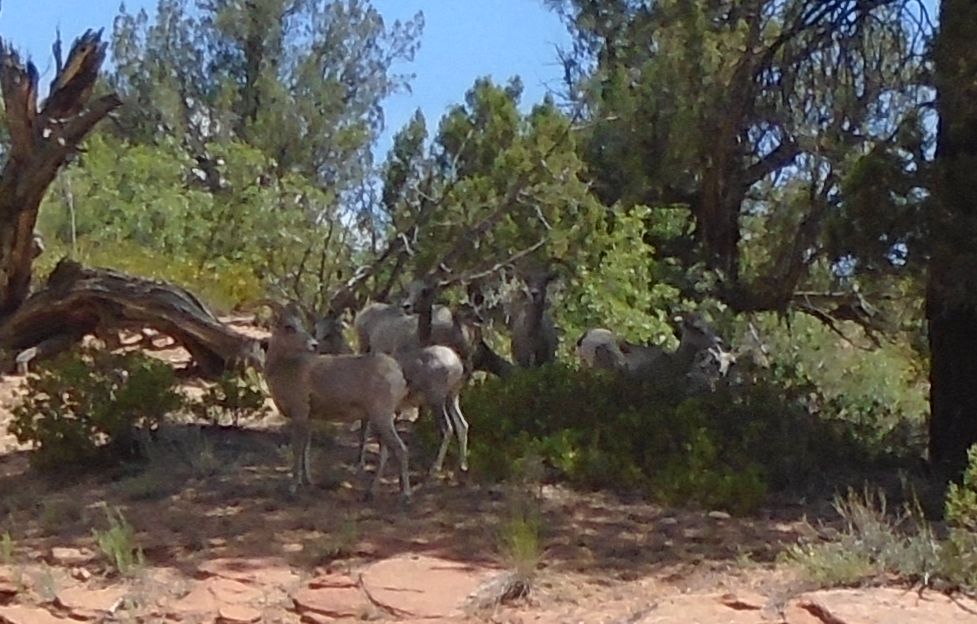
My pictures show cottonwoods at various places in Zion. The sign says that they are Fremont cottonwoods. I really cannot identify cottonwood sub-species, so I take their word for it. Notice the ecological importance of the cottonwood. In the top picture, the protection provides shelter for other plants. In my other picture you see how cottonwoods are sometimes half dead, but they just do not die off. I also included a picture of some mountain goats. I do not know enough about them to write a whole post, but I wanted to include them.

Fire in the forests

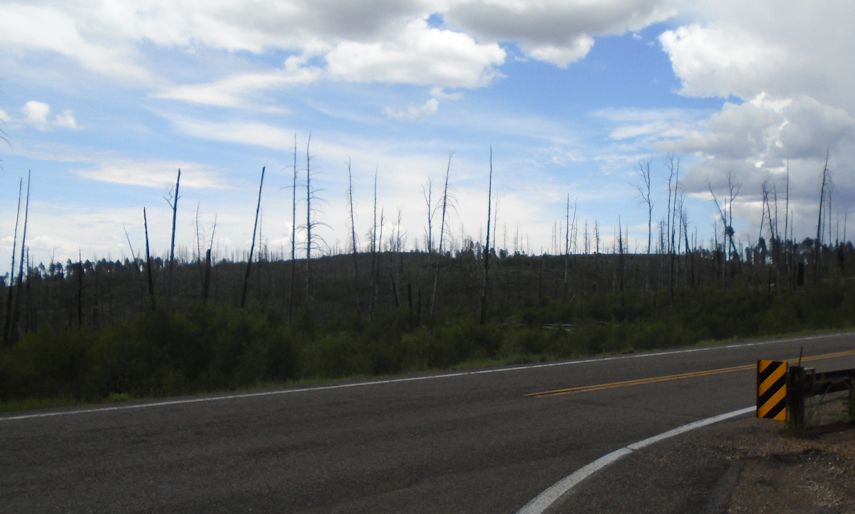
You cannot exclude fire from the forests, but you can manage it. We tried for decades to put out fires. It seemed a good idea at the time, but it changed the ecology of the forest, making it susceptible to larger and more disastrous fires. Fire is a natural part of the pine ecosystems. Only about 2% of the fires WERE intense enough to kill ponderosa pine. Recently, however, they have been hotter, due to the earlier fire repression regimes that allowed a lot of fuel build up. The forest service is now managing WITH fire rather than against it, but it may take decades to restore the forests to the stable & sustainable systems they were.

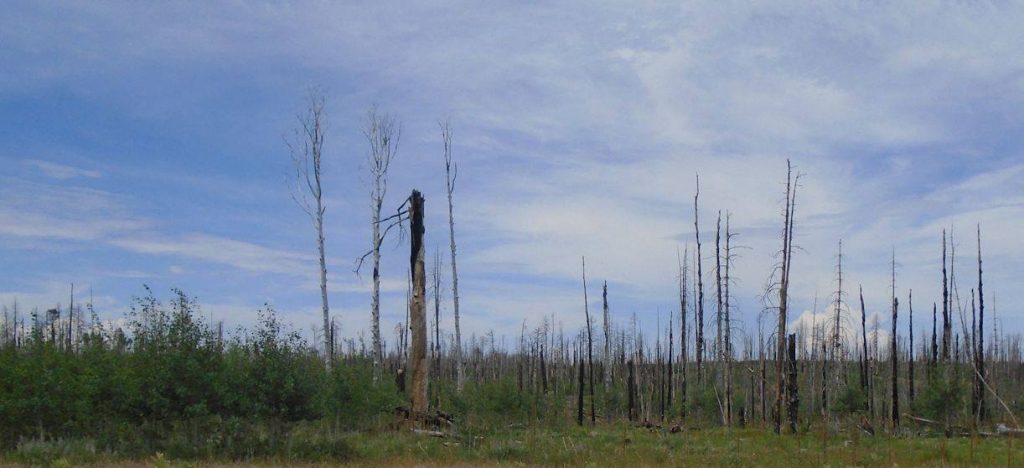
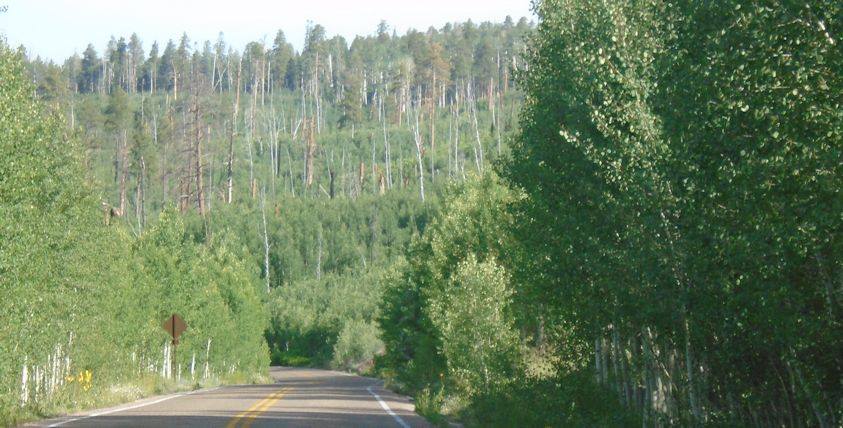
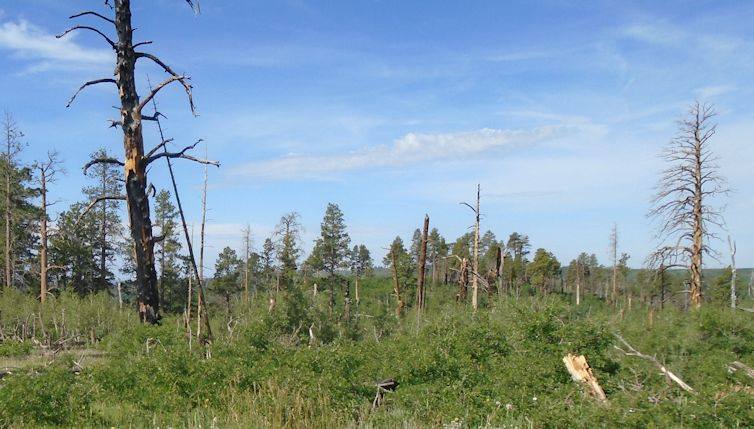
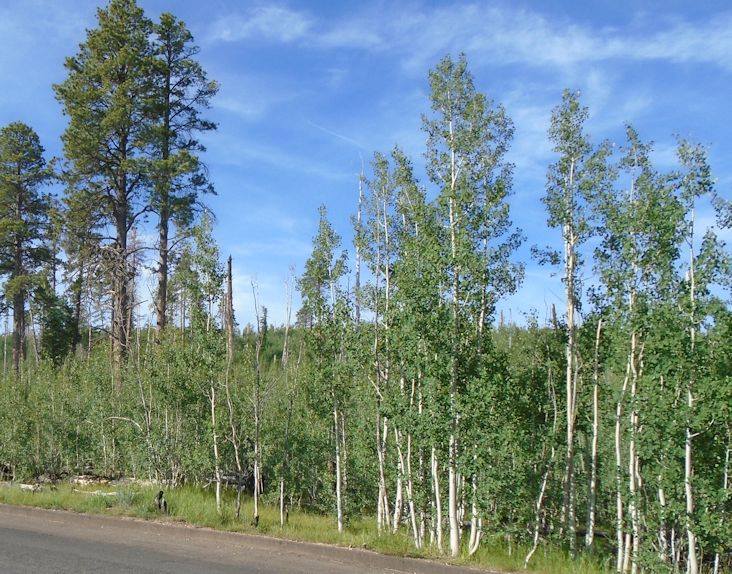
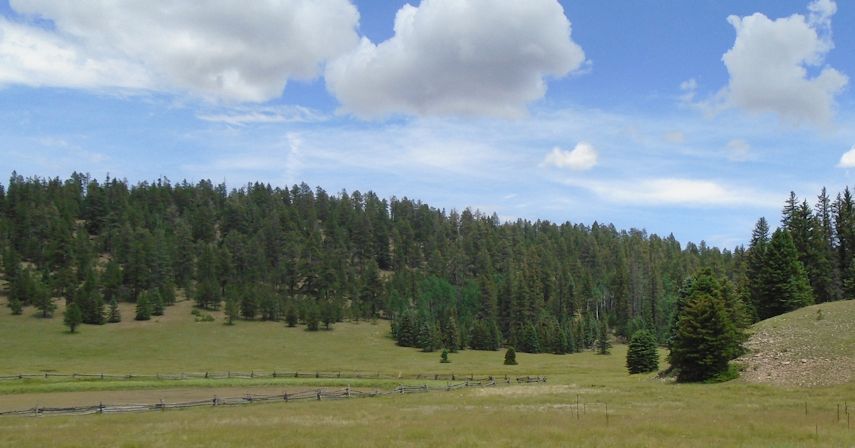
My pictures show the results of a big fire in 2000. Notice the aspens in the foreground. They need full sun to grow. Soon after a big fire, they sprout up. often from extensive root system. A patch of of trees is often the SAME tree. In the relative shelter of the aspens, gradually the pines take over again. The aspen ecosystem is short term. A pine ecosystem can persist for centuries.

North of the Grand Canyon, it is cool enough in some places to support firs, spruces and the Canadian regime plants. These are perhaps more fragile ecosystems. They are relics of the much colder times during the last ice age around 10,000 years ago. They persist, but if they are destroyed they are often replaced by species more adapted to the now warmer and drier conditions. BTW – I am talking about warmer and drier BEFORE the climate change we now expect. Presumably the challenge will get harder.

At home in the Grand Canyon

The Grand Canyon feels like home and it has since the first time I visited. I had a View Master when I was a kid and not very many many reels. Among them were a couple on the Grand Canyon. I looked at them a lot and so everything here seemed familiar from the start. This is my second visit to the North Rim. The North Rim is 8000 feet, about 1000 feet higher than the South Rim. It is cooler on this this side gets more rain, so there are more forests. I will write a note about that later.

Pictures, however, cannot do it justice. It is just one of the most strikingly beautiful places on earth and very interesting in multiple dimensions. Start with the actual multiple dimension of the rocks.

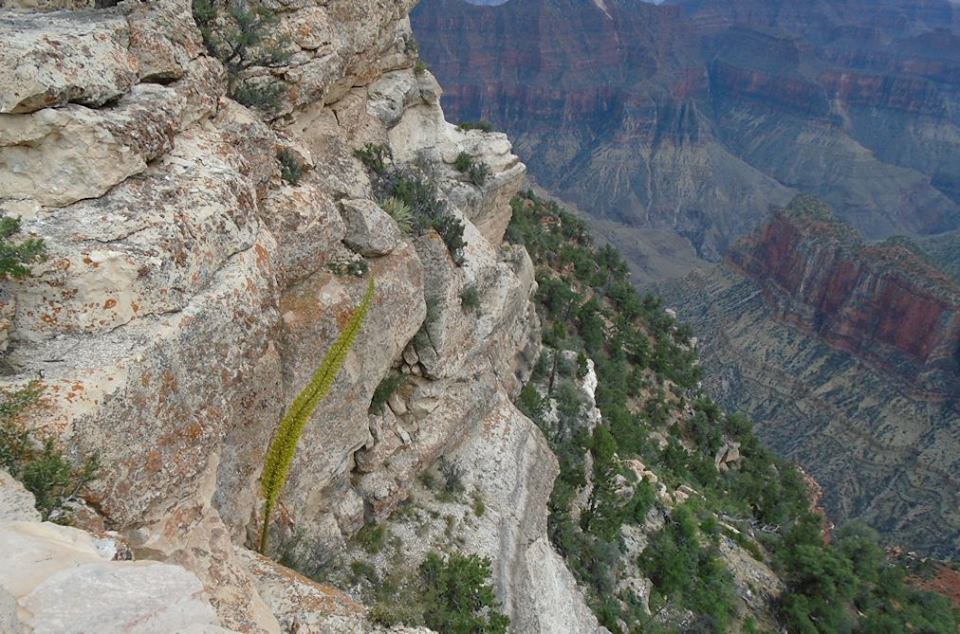
The Colorado River eroded through rocks that show millions of years of earth history. You can see it in the bands of different rock. The Colorado Plateau was once under the ocean. You can see that in limestone. It was a desert. You can see sandstone. It was a swamp, a forest and most other things and the evidence is in the rocks.

A couple of interesting facts. Most of the earth’s surface is made up of igneous rock, but much of the land surface is covered by sedimentary rock, so we think it is more common. The most common type of sedimentary rock is shale, which is essentially compressed & transformed mud, but the one we see the most is sandstone, since it stands out in cliffs and buttes. Sandstone, as the name implies, is compressed & transformed sand, but there is often shale underneath or holding it together. Limestone makes up around 10% of sedimentary rocks. It is made from the skeletons and shells of sea creatures and coral. That is why there are often fossils. And one more little fact. You do not find dinosaur fossils at Grand Canyon. I mentioned the layers. Evidently the Mesozoic layer was soft and washed away. There are lots of dinosaur fossils at the Vermillion Cliffs, which you can see from the Grand Canyon when the air is clear.

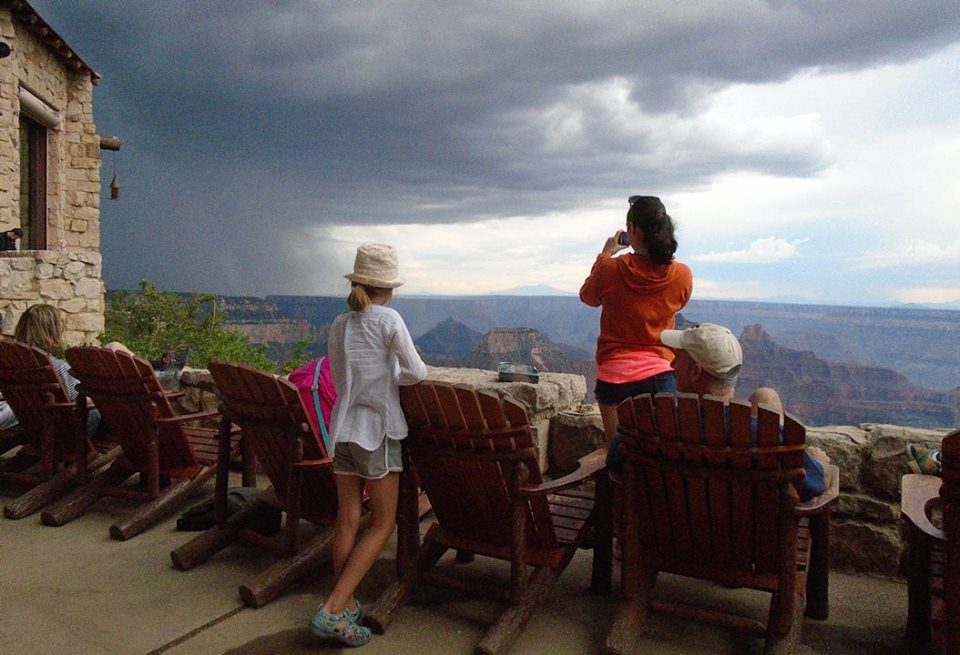
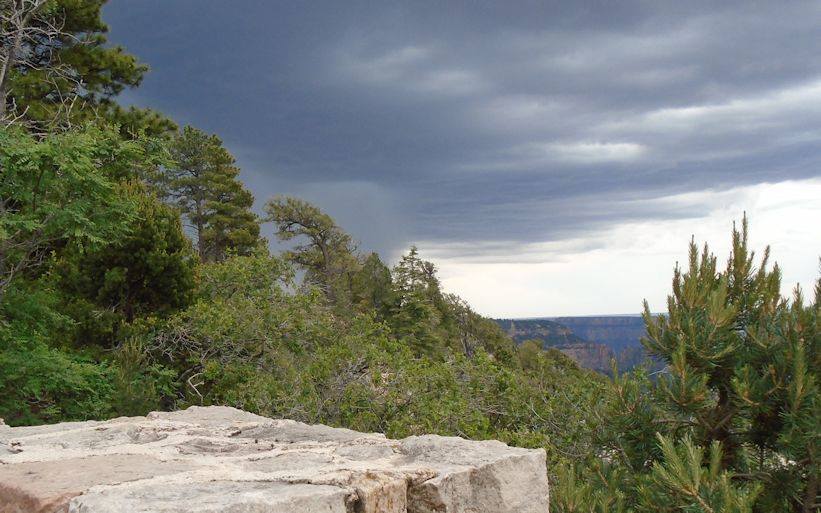
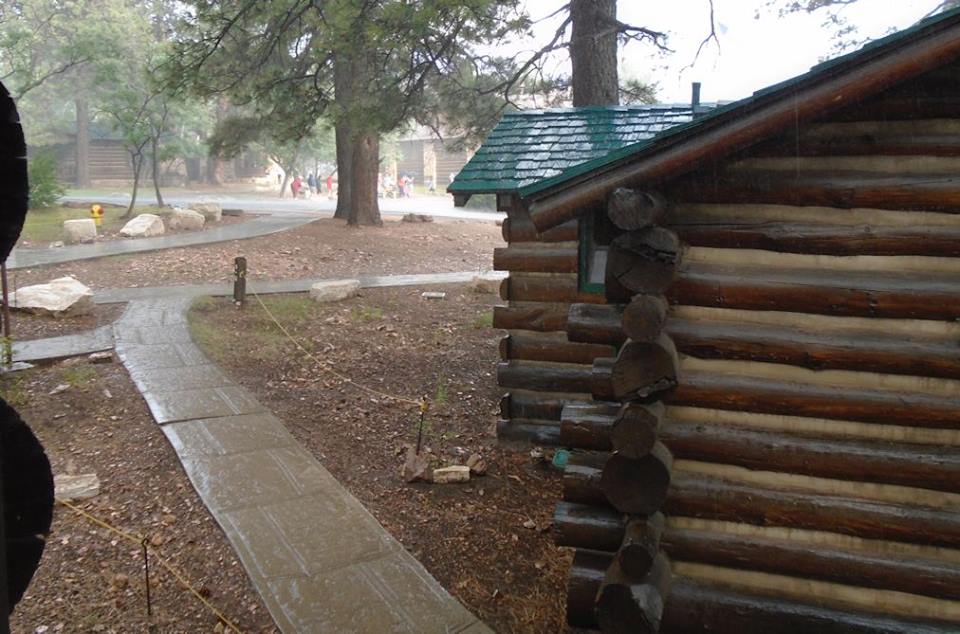
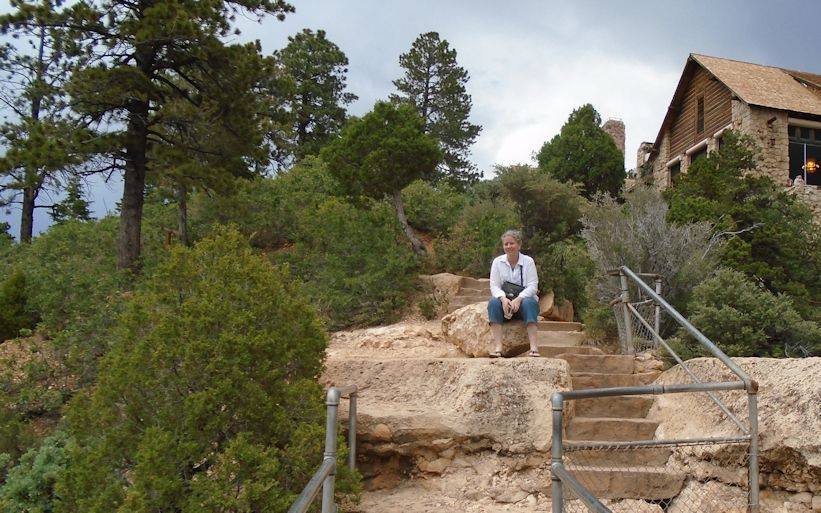
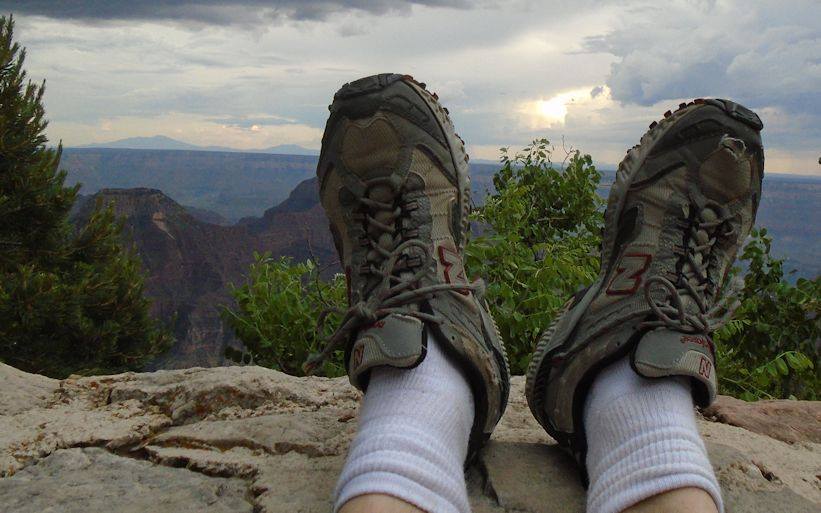
Above are a few pictures. The top you see that most of the good picture places are taken by others. There were strong thunderstorms at the Canyon. On the way up it rained so hard we had to drive very slowly and considered stopping as sheets of water rolled down the roads. From the Canyon rim, you could see the storms and lightning at various points. Everybody was trying to get a picture when the lightning struck.

A drive along the Grand Canyon

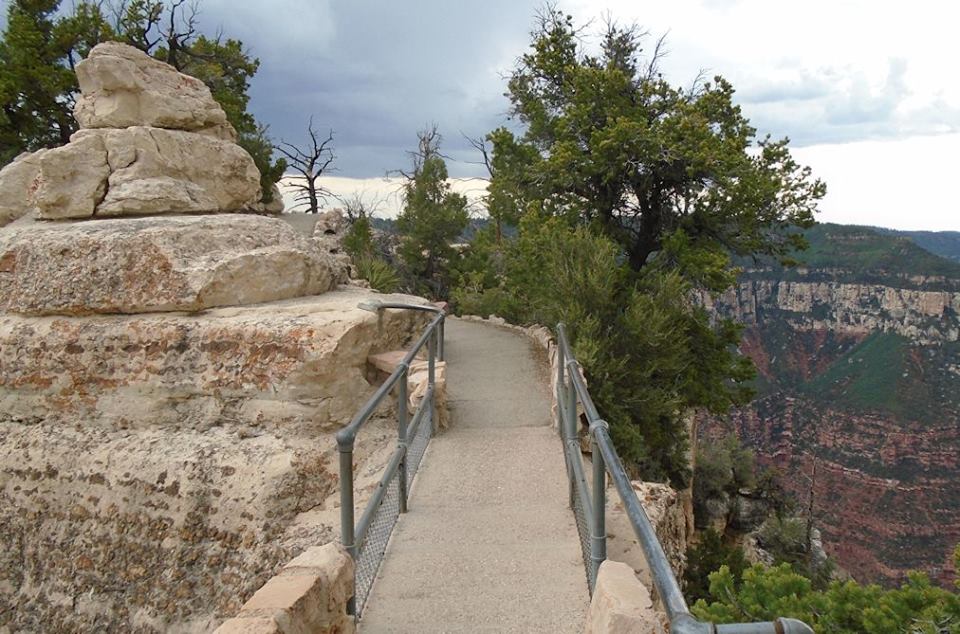
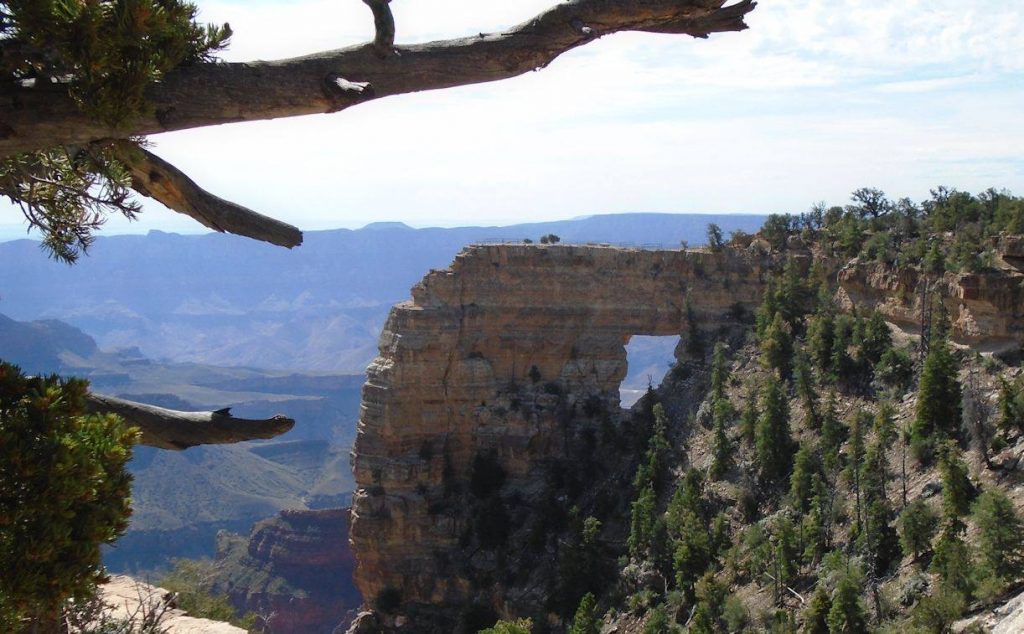
Cape Royale protrudes into the Canyon. Although it is still fairly high altitude, it is warmer and drier than the surrounding plateau. Here the ponderosa forest gives way to something more like the upper Sonora ecosystem. It features the pinyon pines, juniper and more desert-like brush.
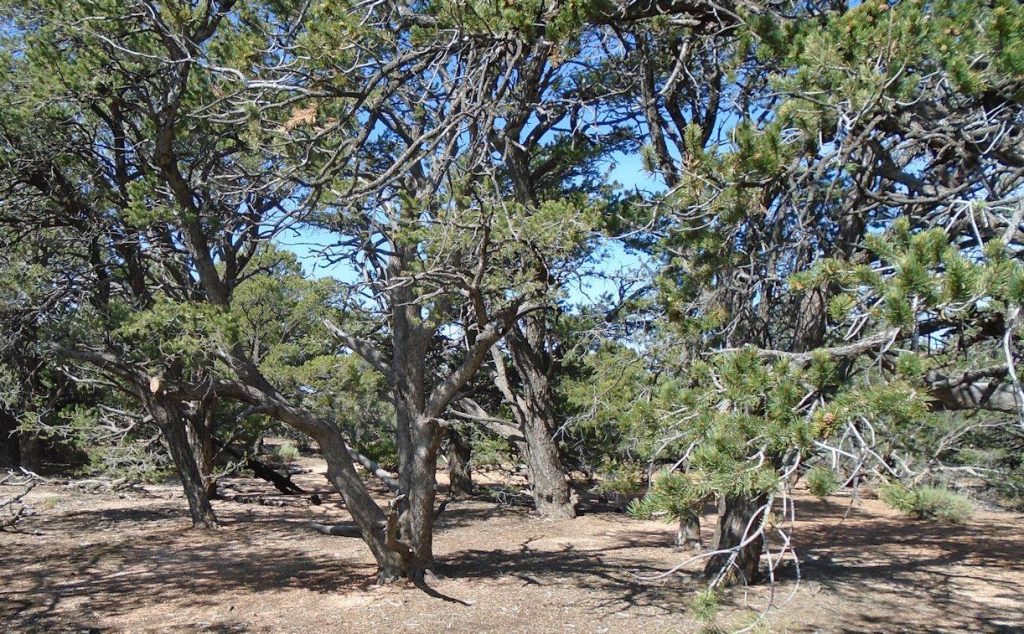
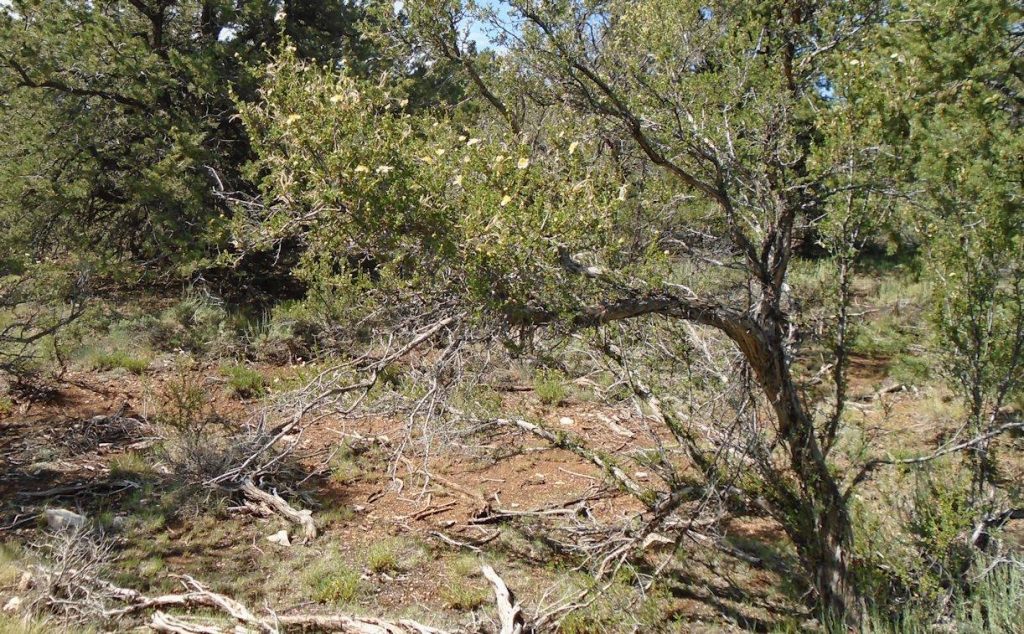
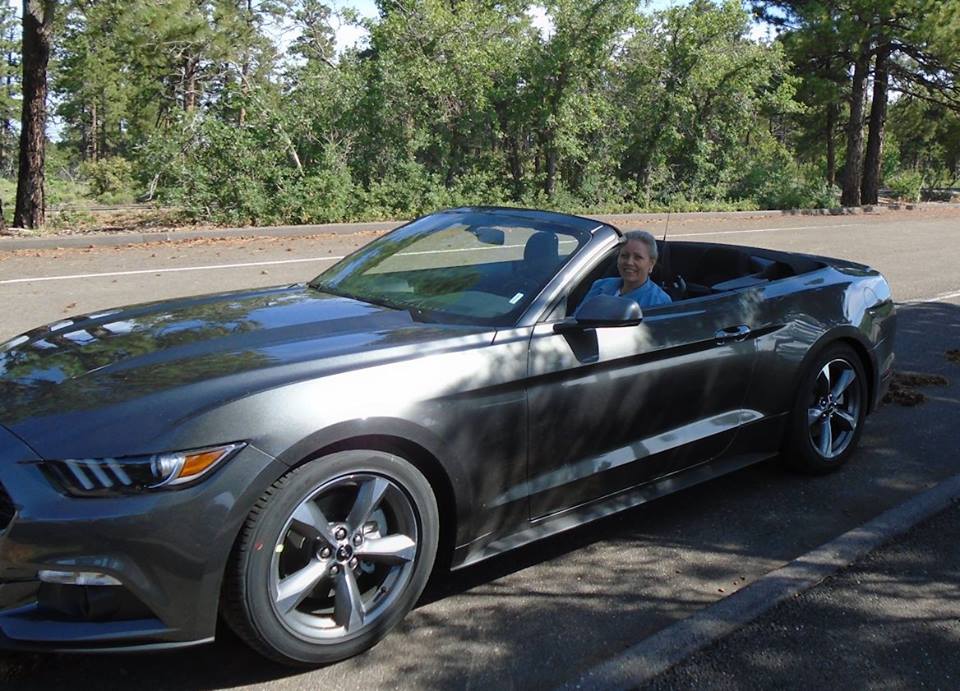
One of the nicest things was the cliffrose, shown below. They are not attractive to look at, but they have a wonderful scent. Mixed with the juniper and the pinyon pine, it is just wonderful to walk. You could enjoy it with your eyes closed, which might, however, be a bad idea in this particular place. Notice the very interesting, but very steep natural bridge nearby. The other picture is Chrissy in “her” car. She loved that thing.
Hoover Dam

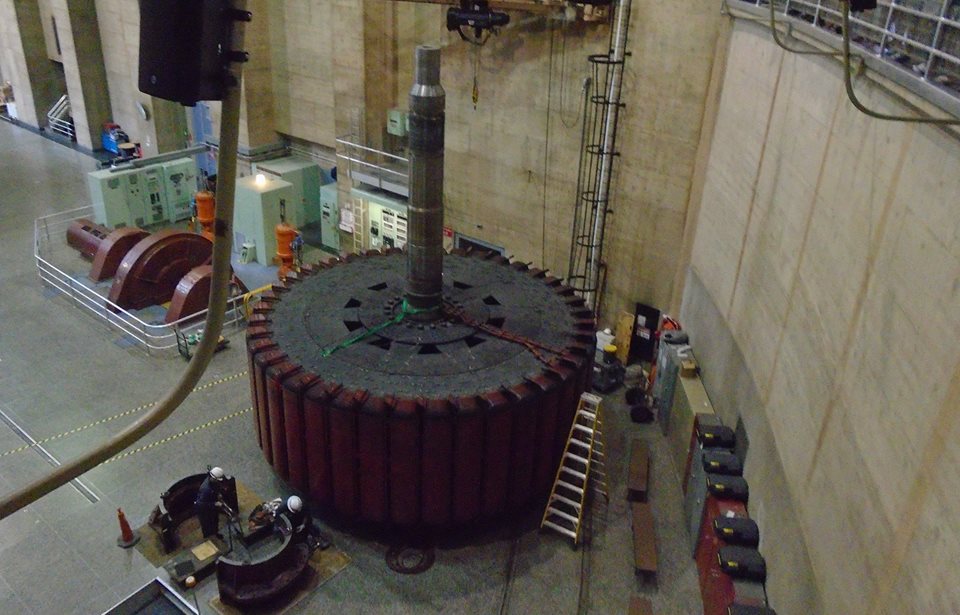
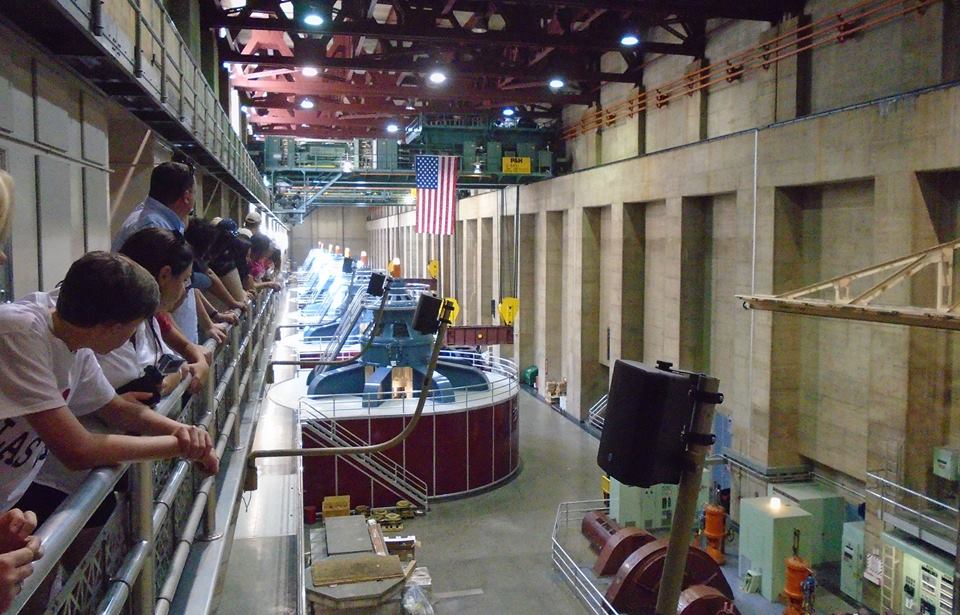
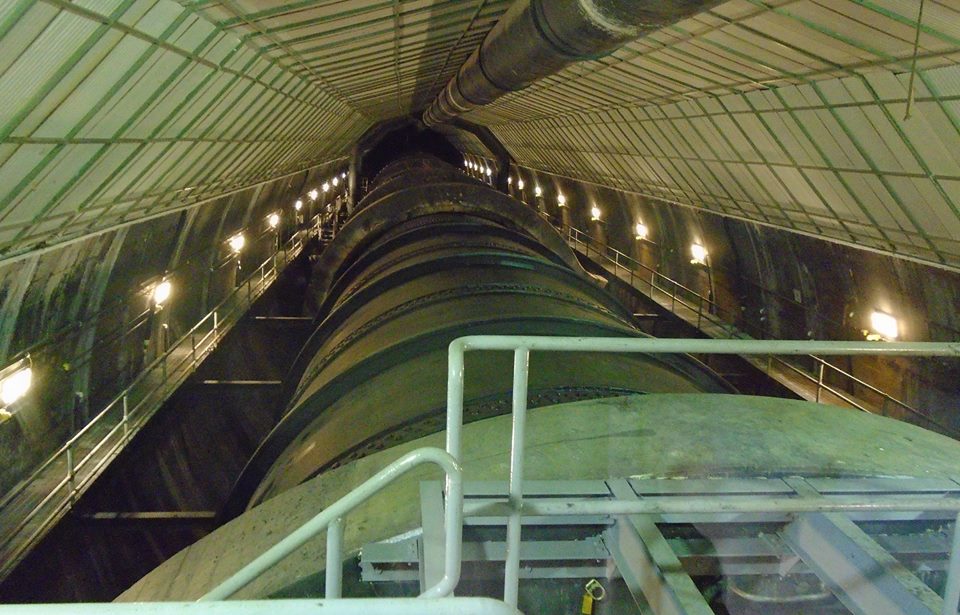
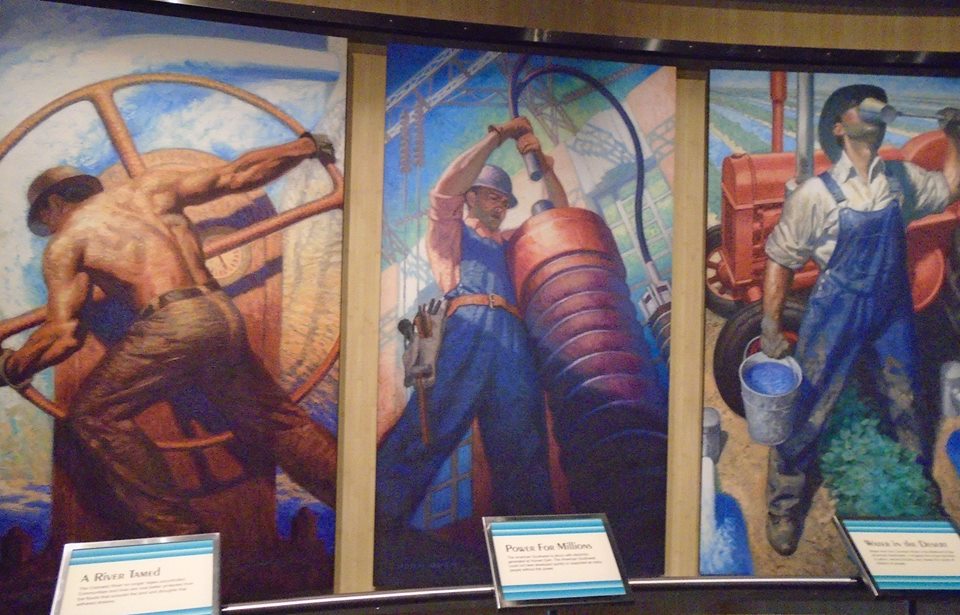
Hoover Dam was built mostly to control floods and provide water for industry and agriculture in the Southwest. But it also provides clean electrical power and the dam has paid for itself and its continued maintenance from the sale of electricity. Below are pictures from the power plant.

National parks

National Parks are such a great American legacy. They protect natural resources and are open to all. Most are in areas away from cities, however, so they do not get as many visitors as you might think. When visiting the parks, I am always struck by how many foreign tourist are there. They seem to appreciate our parks more than we do, or maybe they just stay at the lodges more often, while Americans drive it for the day. I don’t know.


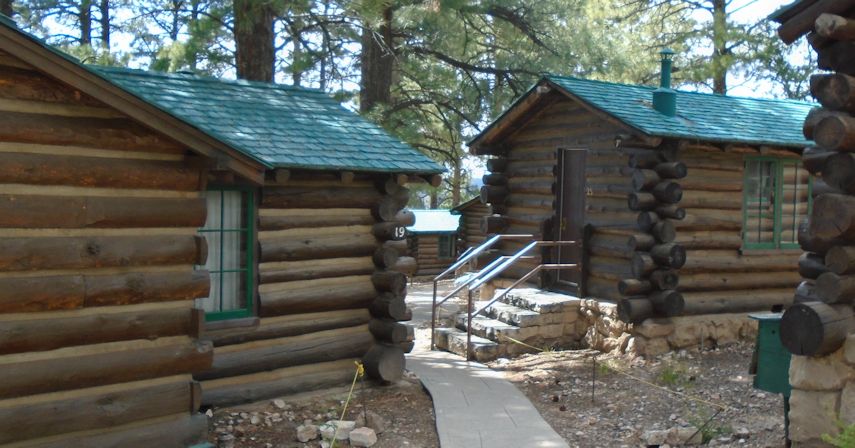
Much of the infrastructure, the cabins and lodges, is old and the trails are often not perfectly maintained. I like this. It hearkens back to an earlier time, when we were a little tougher and less demanding, when you could go into nature w/o taking all sorts of high tech tools. There was no wi-fi at Grand Canyon and no TV in the cabins. The cabins are comfortable and clean, but simple. Simple is usually better in lifestyle.

I worry about the state of nature. As we become a more urban society, our encounters with nature become more shallow and episodic, maybe more cartoonish. Simple is not usually better in understanding. Nature is complex. It takes a long time to appreciate its nuances and ever changing aspects. You literally need the time and attention span to watch things grow and change.
 

Colorado plateau

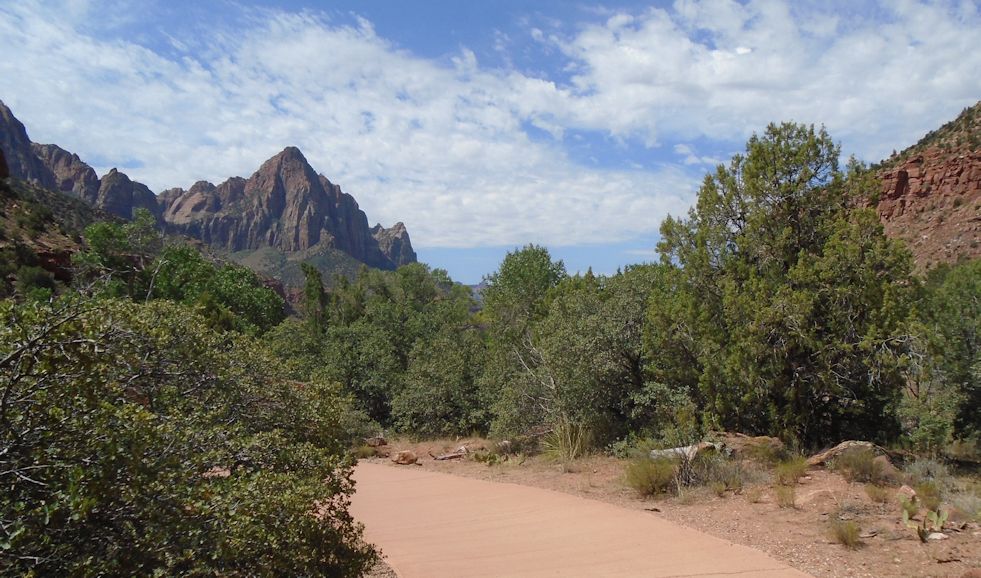
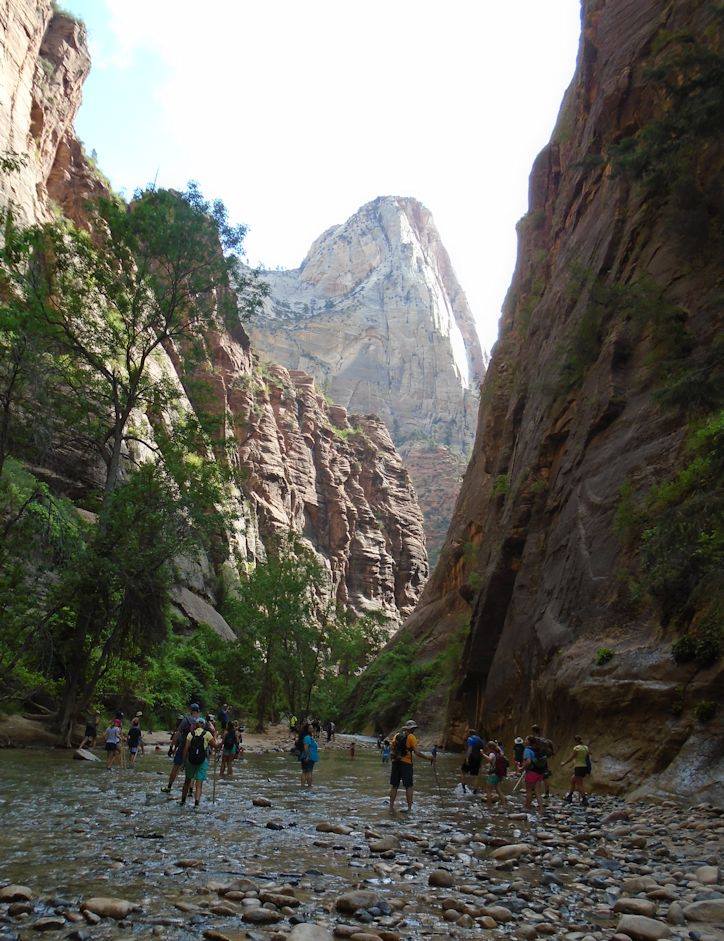
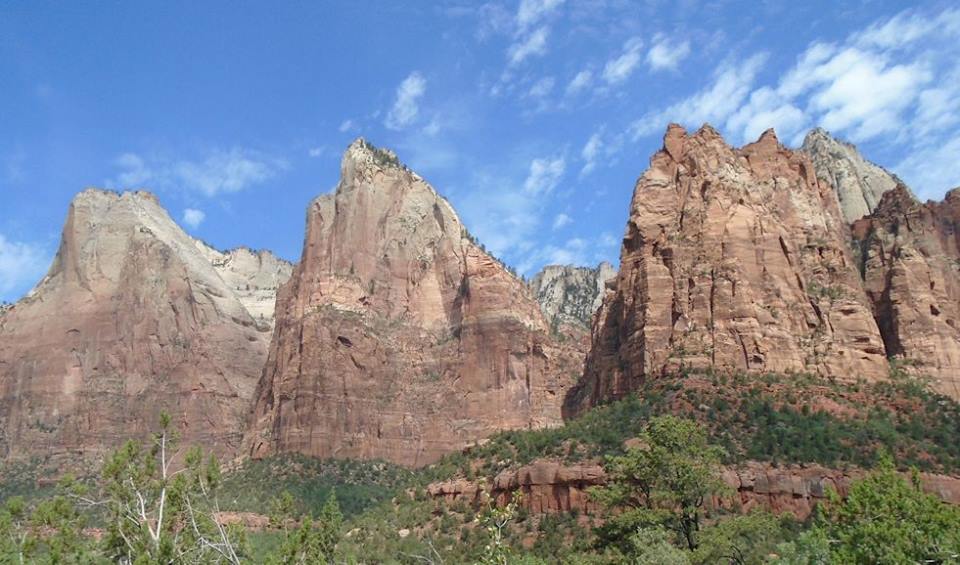
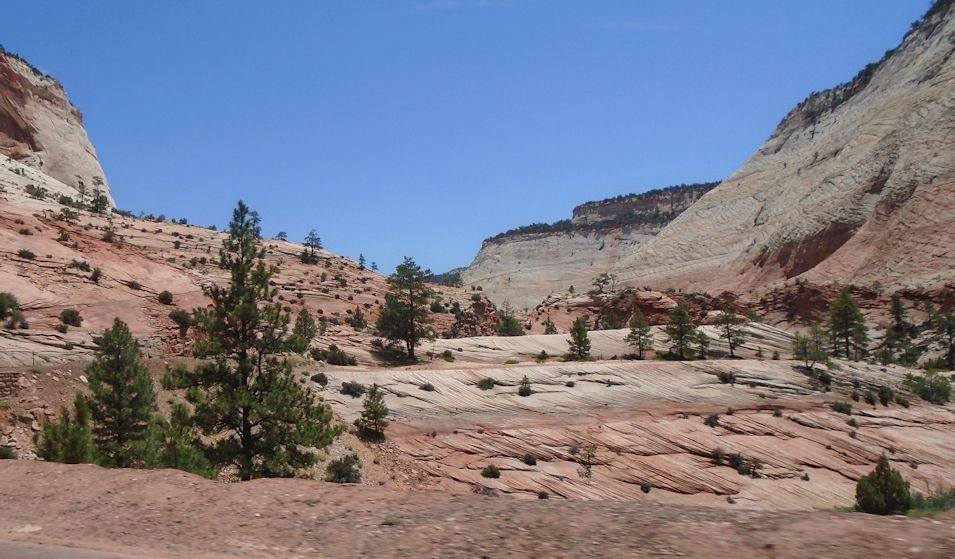
Zion is near the edge of the Colorado Plateau, significantly cooler than the Mojave climate below. We had a nice day, about 80 degrees, low humidity. Zion has beautiful rock formations carved by the Virgin River.

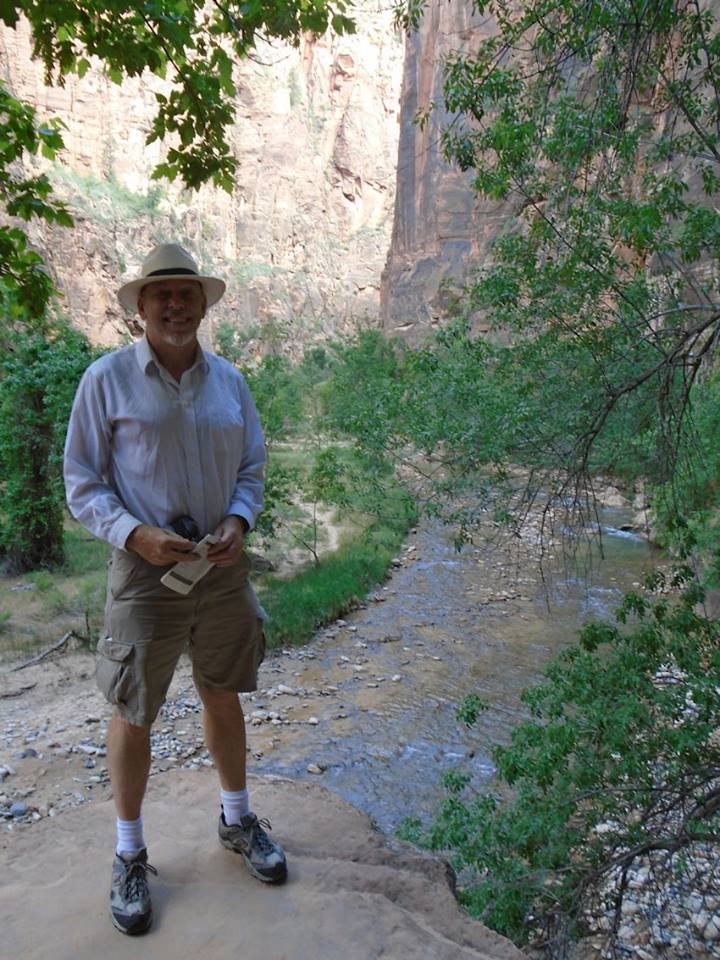
The first picture is me at the Virgin River. Next are the peaks of the Patriarchs – Abraham, Issac & Jacob. After that is the valley and that last picture shows the amazing rocks.

Ecology of the transition zone at Zion


Another part of the ecology of the transition zone and the Colorado plateau are dwarfish oaks. I think these are Gamble oaks. They are not full size trees, but they form thickets. Like the cottonwoods, they more often reproduce vegatatively (roots), rather than from seed (acorns). Fairly frequent fires burn them down to the nub and they come back in thickets. They tend to be unpopular with ranchers because the thickets are nearly impenetrable.
My other pictures show one of the “weeping” rock overhangs and the path down canyon.


The joy of not owning

You are better off NOT owning things you do not use very often or things you might want for special purposes. For our trip in Las Vegas, Zion and Grand Canyon, we rented a convertible. This is of little use in most places, but it was great yesterday and today. We drove around with the top down. You can see so much more, smell the air and feel the wind.