New forestry frontier

My latest contribution to “Virginia Forests” Magazine. This issue concentrates on urban forestry. They will no doubt edit and improve it, but the draft is what I wanted to say.
The new forestry frontier
The American Tree Farm System had a rural upbringing with people living on the land, experiencing nature first-hand, often and intimately. Today about 80% of Americans live in urban areas.

These are not necessarily places bereft of nature. You can find big trees and inspiring natural landscapes within urban boundaries. They are managed, protected and often pampered by local authorities, and this is precisely the challenge of urban forestry. People’s relationships to nature are shaped by interactions. In an urban area, people often interact with nature episodically and as spectators. Their activities are limited; stay on the path, don’t touch, leave nothing and take nothing. People are guests, passive. They leave decisions to professionals.

Tree farming is participatory. Tree farmers are responsible for the ground they stand on and they feel it. They put things onto the land and take them off, make decision about what will happen years after they are gone. The great conservationist Aldo Leopold wrote about this in when describing his land ethic in Sand County Almanac. “A conservationist,” he wrote “is one who is humbly aware that with each stroke [of an axe] he is writing his signature on the face of the land.”

Eight out of ten Americans live in cities. This is a cause of concern but not despair.
Leaders in urban centers are developing more sophisticated understanding of nature in the context of a human-built environment. They are coming to appreciate the value of so-called green infrastructure for both the bottom line and also for their more elusive but indispensable contributions to the human spirit.

We live within a system of constraints, natural and societal, and a world of opportunities. The ingredients are fixed; genius lives in the right mix. The essence of sustainability is prospering within constraints. Profit is the price of survival. We must “sell” the economic value of green infrastructure and we can. Working with nature can often save millions of dollars, as governments and private firms are coming to appreciate. The more we understand, the better it gets.

There need be no long term-conflict between conservation and economic utility. It is an art and a source of human happiness to find the elegant solution that sustains and progresses both. This is a role for urban forestry. We could imagine trees being harvested sustainably and helping educate people about the constancy of change and the requirement to get involved. Good green infrastructure principles can be (and increasingly are) applied to things like control of invasive species, urban wildlife and the prosaic but crucial storm water diversion. Forests connect these things.

The missing piece is education, not only in school but in the living and experiential sense. Being involved in nature’s complexity, being a conservationist in Leopold’s definition, protecting nature while calming and ennobling the human spirit.

An ethical relationship to our environment requires love of our land and gratefulness for our part in its changing face, as well as a recognition of its economic value and value beyond economics. We can find a trail-head in classrooms and books but come to a fully-developed relationship only with boots-on-the-ground participation in natural processes over significant time. Tree farming has been capstone education for those lucky enough to do it, but this is not the only path on this pilgrimage. Mindful involvement in world around us is the key. It may be easier to see on tree farms, but nature exists everywhere, also in cities. Since that is where the people are, cities are where human-nature relationships will develop and prosper and cities are where conservationists also need to be.

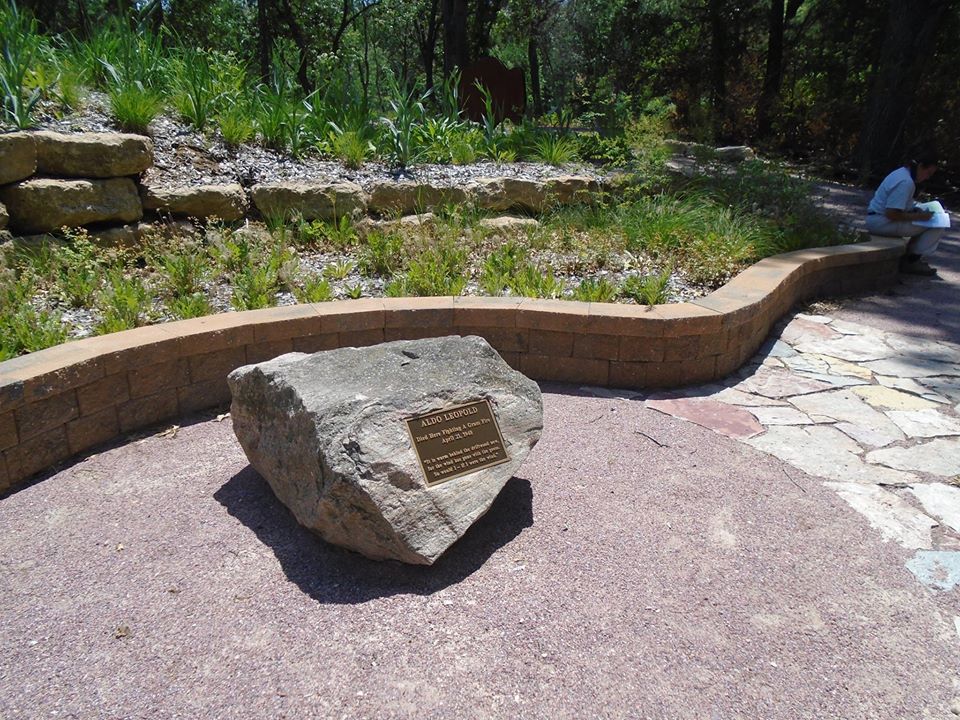
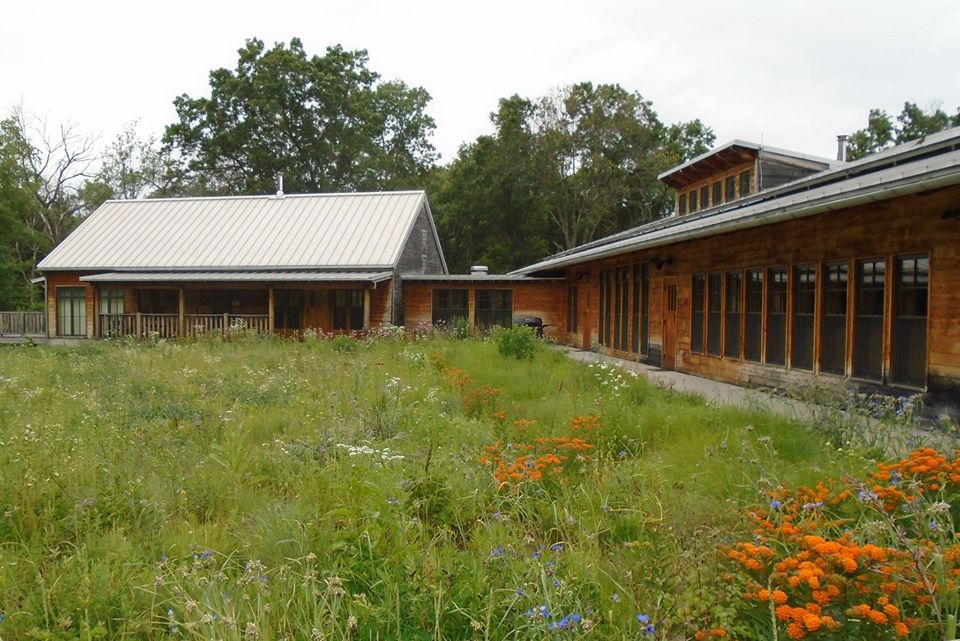
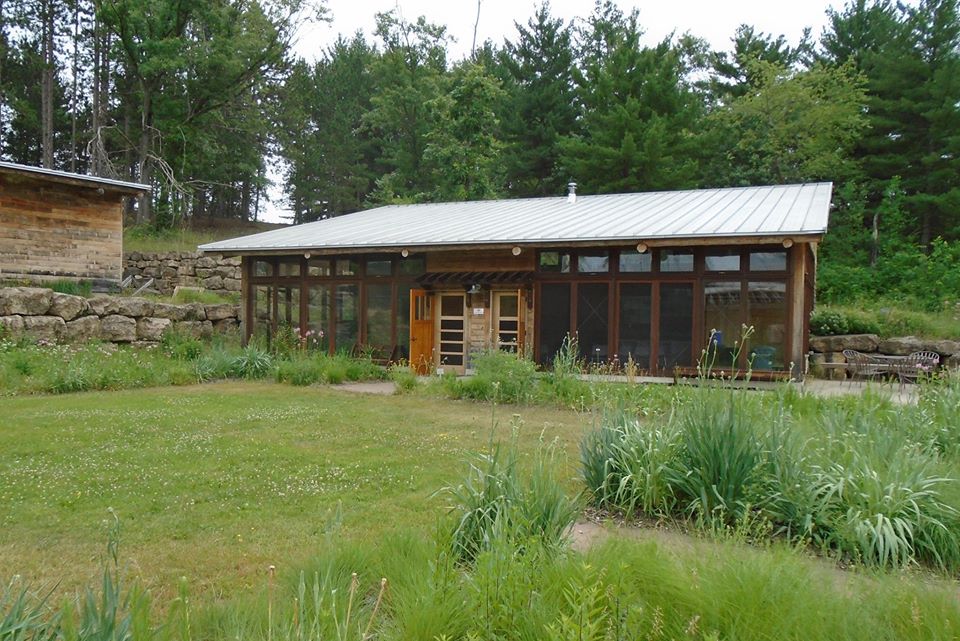
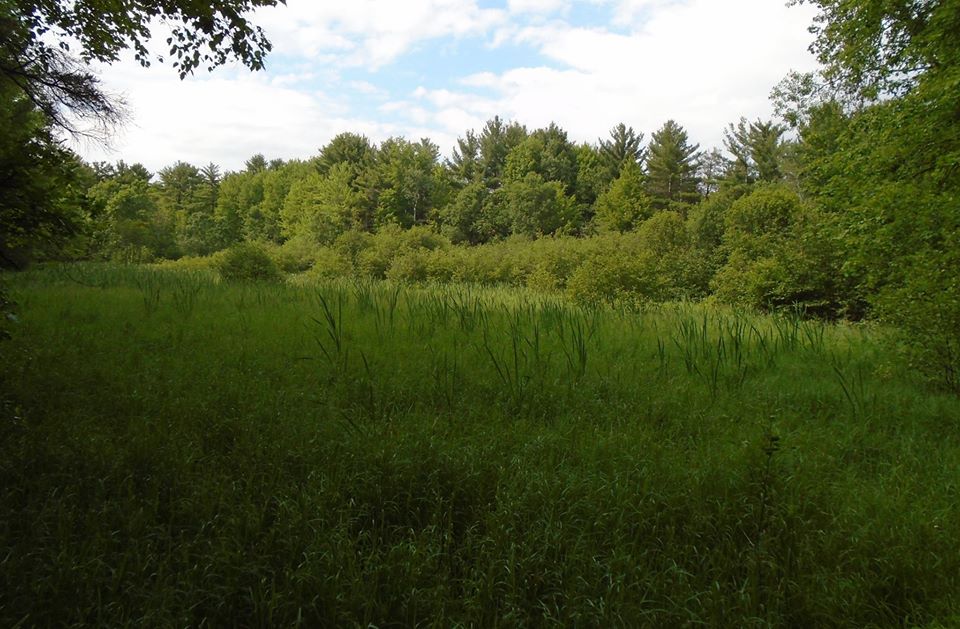
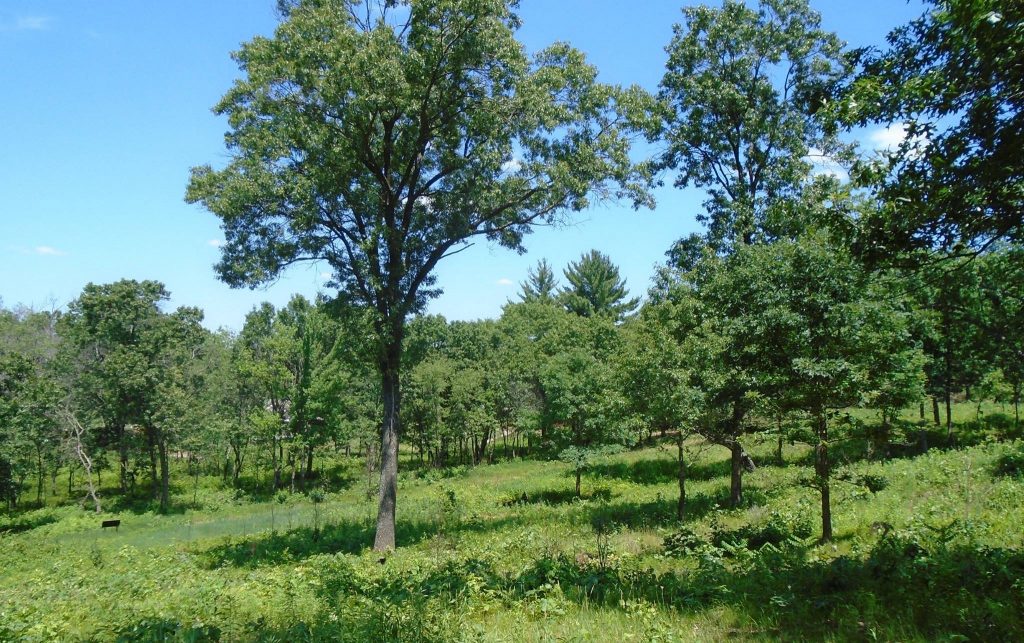
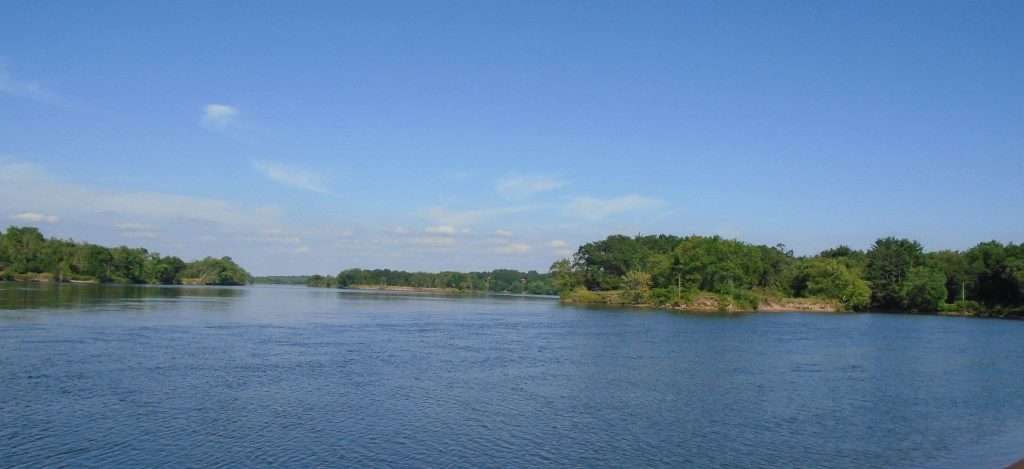
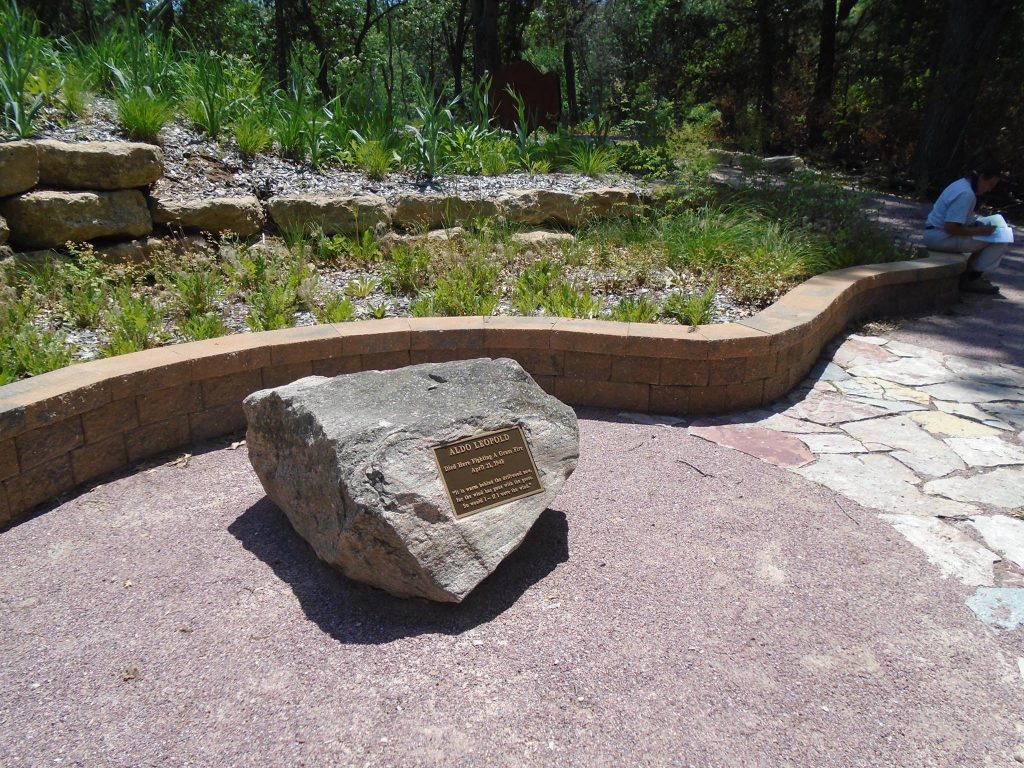
My pictures are from the Aldo Leopold Foundation. The first one is Leopold’s shack. You can see it in the middle if you look very closely. He planted the trees. They have grown very big. Next is one of the oak savannas maintained by periodic fire. Picture #3 is the Wisconsin River from Leopold’s farm and finally is the memorial where Aldo Leopold died fighting a fire. Fire can be a useful friend or a deadly enemy, but it cannot be ignored or excluded. He died of a heat attack, not as the result of the fire.
Save

Aldo Leopold Foundation

I attended a program at the Aldo Leopold Foundation in Baraboo. We discussed conservation and how to communicate it with a more general public. The sessions are based on Leopold’s thinking and also his methods. He believed in learning actively. Observe – participate – reflect – observe … repeat.

 I like it. It fits in well with my mindful boots-on-the-ground philosophy. You have to go to the places, experience them. You gain knowledge through practical experience, and it is always contingent on what happened before. That is why you need to absorb the context. However, while experience is mandatory, learning is optional, which is where the reflection and thinking comes in.

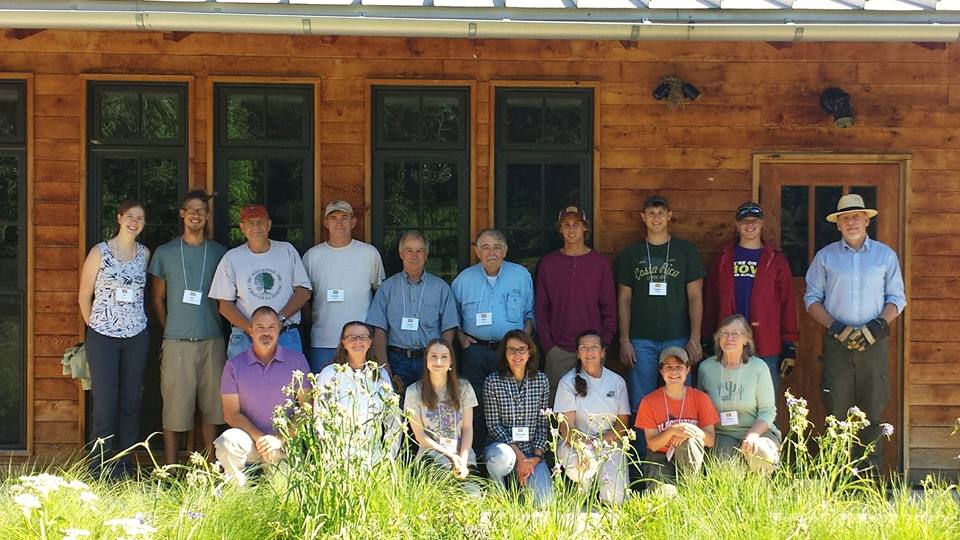
Anyway, the picture is our group photo. It was taken just before our work pulling invasive plants out of the prairie to get some of that hands-on experience. That is why some of us have gloves. Right after we finished the field work, we discussed Leopold’s essay “Axe in Hand” where he talks about making choices in conservation and understanding how we are affecting the land. The work helped with understanding and internalizing the essay.

I am in Baraboo at a two-day seminar at the Aldo Leopold Foundation. Leopold is the founder of an important stream of conservation, although I am not sure he would have taken credit for it.

Leopold’s “land ethic” is both simple and profound. We all live in the natural world and should be mindful of the choices we are making, both actions and inaction. Things we do that tend to improve the biotic communities on the land are good and those that harm them are bad.

The profound and ostensibly paradoxical part is that Leopold wrote that you cannot write a land ethic in a book. A land ethic has to be written on the land. You leave your signature on the land you manage and you learn from the land you are walking on. You learn from being involved. It is a melding of thinking and doing.

Observe – participate – reflect – observe … It is circular and endless, but even when I write it in this order it is misleading, since they overlap and merge in the practice.

The other point that Leopold made about the land ethic applies to most sorts of practical philosophy. It is dynamic. The process is constant; the conclusions are mutable depending on the interactions and the circumstances. I am thinking about this and I don’t suppose I can explain it in writing. But I think I understand some of it from my interaction with environments all over and from working on my own land.

I have owned my forest land for more than ten years now. I have seen many changes on the land and changes in how I view land, my own and others. I appreciate Leopold’s thinking on this more than I did, more than a could have, before I had the responsibility on my own property.

Anyway, Leopold summed up ethics by explaining that acting ethically meant that you did the right thing even when nobody is looking, even when doing the wrong thing is perfectly legal and maybe acceptable to others. Of course, he did not originate this thought, and never claimed it was original. But it is good to recall and reiterate.

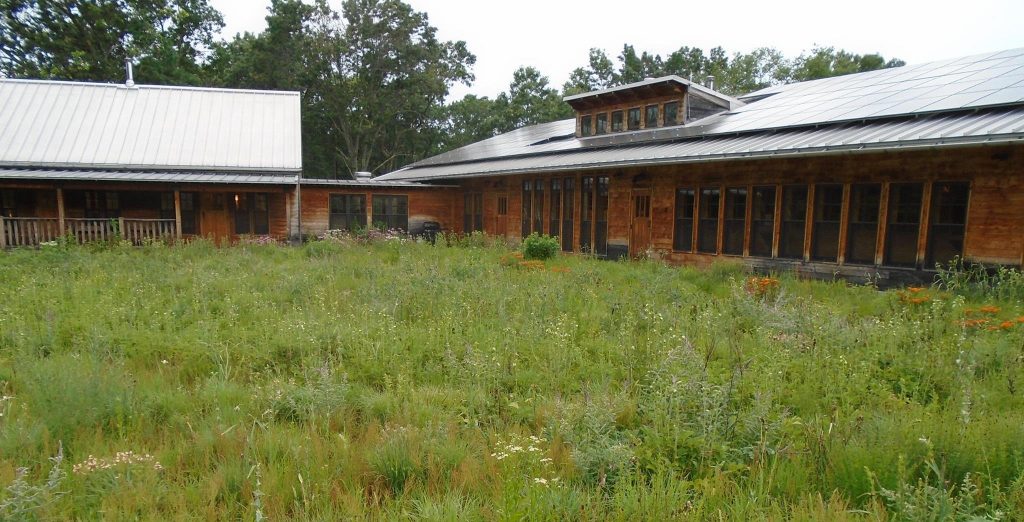
My first two pictures are the Leopold Foundation buildings. Much of the wood is from trees Leopold planted. The buildings are designed to use lots of natural light and take advantage of the site for climate control. The third picture is a sedge meadow in Stevens Point. This is a wetland dominated by grass and forbs, generally w/o trees. Standing water is present only episodically, but the soils are generally saturated.

Save
Save

Aldo Leopold June 2016

Continuing with the Aldo Leopold conference, I was making notes on the speakers and thinking not only about what they were saying but also on some tangents. The main talks yesterday were about watersheds and how it makes more sense to avoid pollution upstream than to clean it up down. Of course we talked about fertilizers and herbicides washing into streams and ordinary sediment remains a big challenge.

We talk about externalities, i.e. results that one persons or organization imposes on others. Smoke from a factory is an externality. The owner keeps the profit partly at the expense of others (i.e. smoke), and we most often think of externalities as costs. But there are also external benefits. A forest owner, for example, creates positive externalities, like better quality water, air, wildlife habitat, that benefit the wider community at his expense. These benefits are rarely appreciated until they are threatened.

Economists dislike externalities because they are hard to measure and tend not to fit into models very well. In less dense systems we can often ignore them as factors. But they are coming more into focus as we live closer.

Consider a case study of smoke, not from factories but from prescribed burning. Prescribed burning creates many benefits for the wider community in that it protects resources, provides wildlife habitat and helps prevent wildfires. But the smoke and potential danger are what people see and feel more immediately. The benefits far outweigh the costs, but the benefits are slow acting and almost invisible, while the costs are in your face.

I am not generally in favor of the idea of quantifying ecological services very precisely, since that reduces nature to just another commodity, but we do need to think more about it in general. If we want to continue to enjoy the ecological services land provides, we do need to create decent incentives to keep them. Some people’s first response – and too often last – is to make laws and regulate. There is a place for this, but regulation tends to stop BOTH negative responses and positive ones. We need the stick, but also the carrot.
Farmers do not want to apply more fertilizer than they need, since it costs money and time, and no land owner wants erosion to wash his dirt down the river, but sometimes they do not know or cannot afford better methods. The carrot is education and cost shares. Just as we have right to complain about externalities that bother us – make polluters pay – we have a proactive duty to help facilitate and pay for those that benefit us.

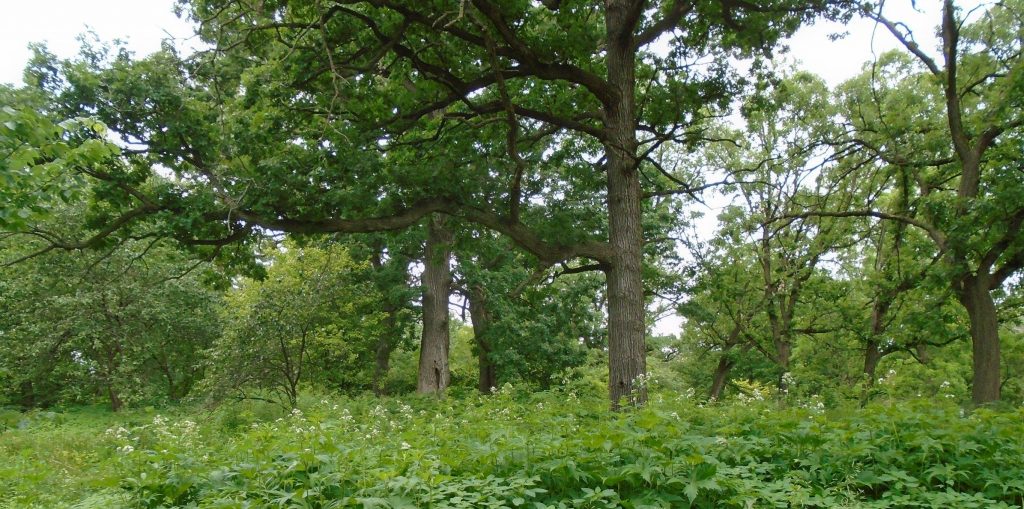
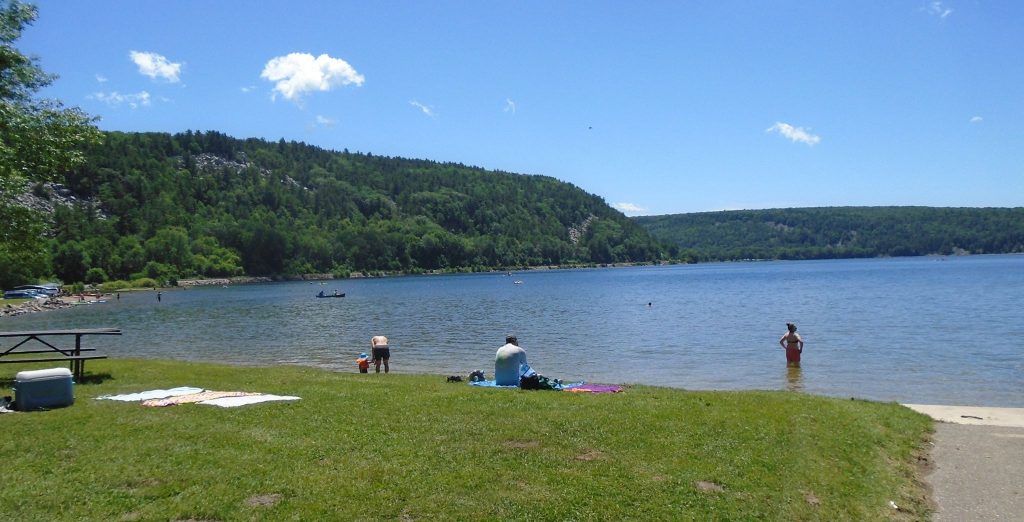
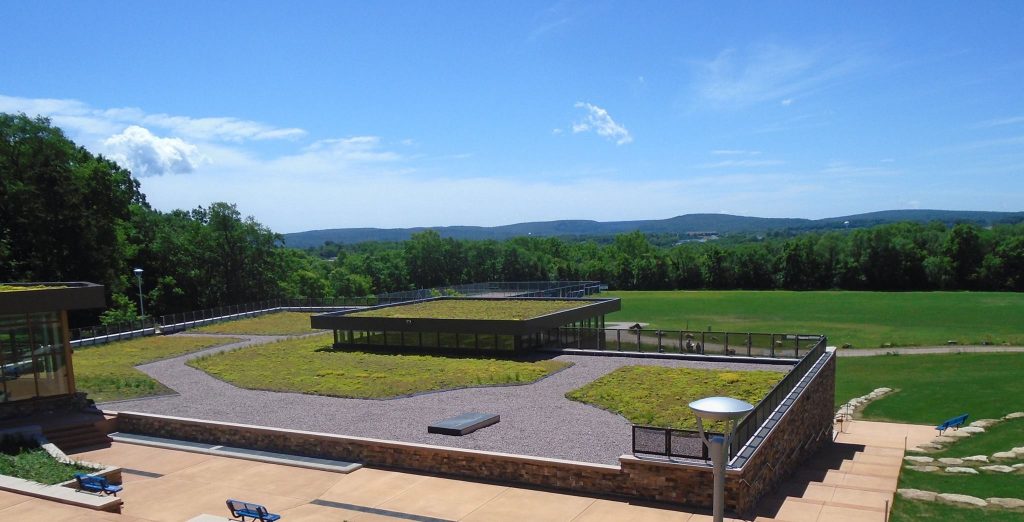
My photos show the Aldo Leopold Center near Baraboo, a view from the cafeteria at UW Sauk County, where the conference was held (notice the green roof) and Devil’s Lake nearby. The last photo is left over from my Madison visit. It shows from nice old bur oaks. They need to burn under them, as I learned talking to folks at the Arboretum and they have plans to do it, but it is close to houses and the neighbors are unenthusiastic about the smoke. These are the externalities I am talking about. Everybody likes the natural beauty and they came for that, but the natural process needed to keep it is less pleasant.

North Point changing woods

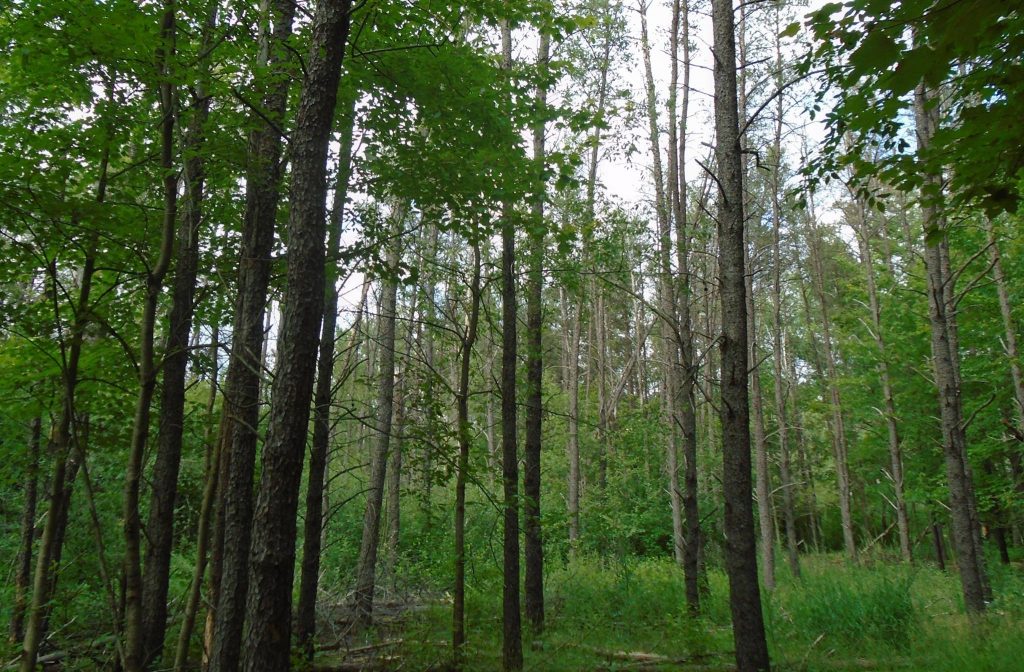
A few more forest pictures. When I first explored these woods 40 years ago, there were lots of little jack pines. Most are gone now. They grow after fires. In fact, the cones don’t even open up unless exposed to heat. They were very common in years past, but are becoming less and less so absent fires. They do not live very long, easily blow down in the wind, are not very attractive trees, nor a very good timber source, but they play the important role after fire.
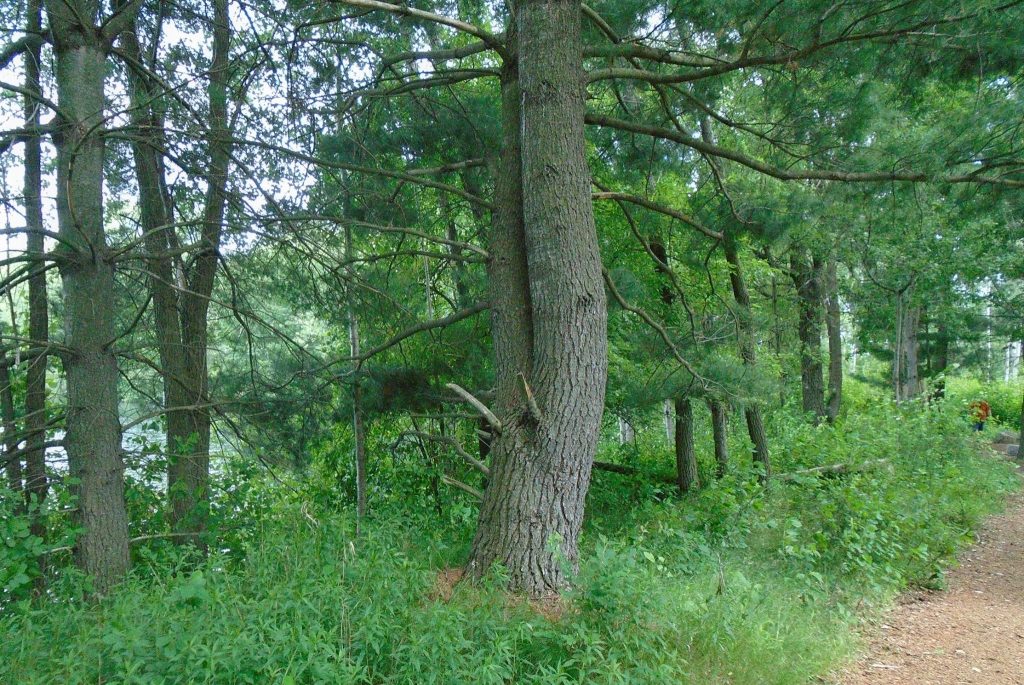
The woods north of UWSP was open when many of the trees grew, as you can tell by my second picture. A white pine would never have that form if it grew in a tighter woods.

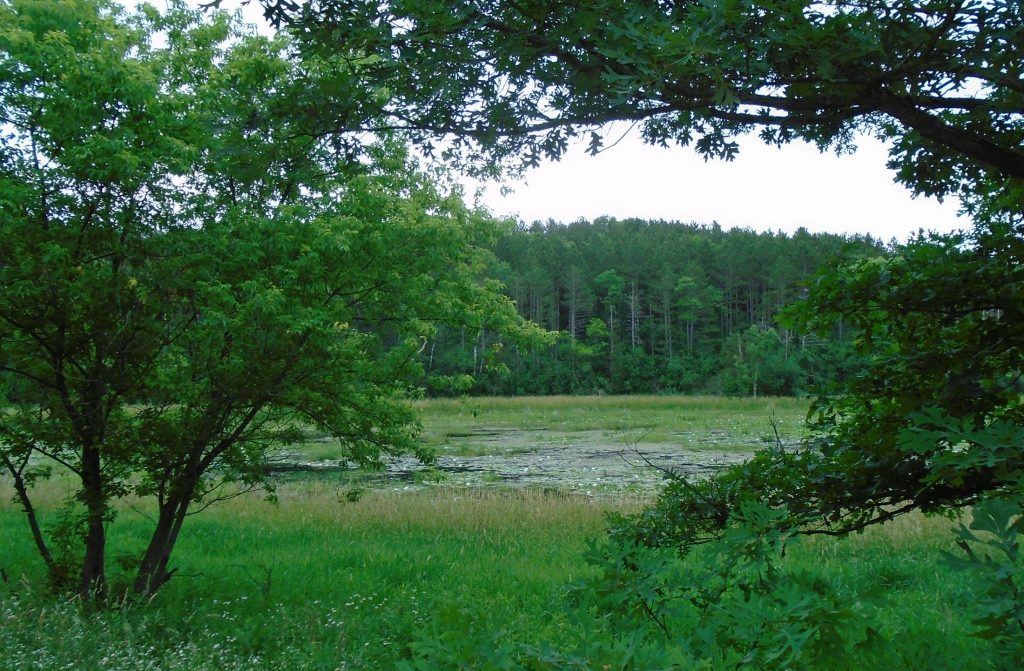
Picture #3 is a kettle pond near Eagle Wisconsin. As I explained yesterday, a kettle comes from when a chunk of ice left over from the ice age melts and leaves a kettle shaped hole. It is a nice wetland. They fill up over time. Lakes of all sorts are ephemeral features on the landscape. They are silting up and filling in from the moment they are formed. That is why there are so many little lakes where the glaciers recently (in geological time) made them. In the south, lakes tend to be flowages from rivers or ox bows.

Picture #4 just shows a bent tree, bent by another falling. In time branches will grow up and if it survives long it will be a very interesting thing to see.

Save

Point Special Beer

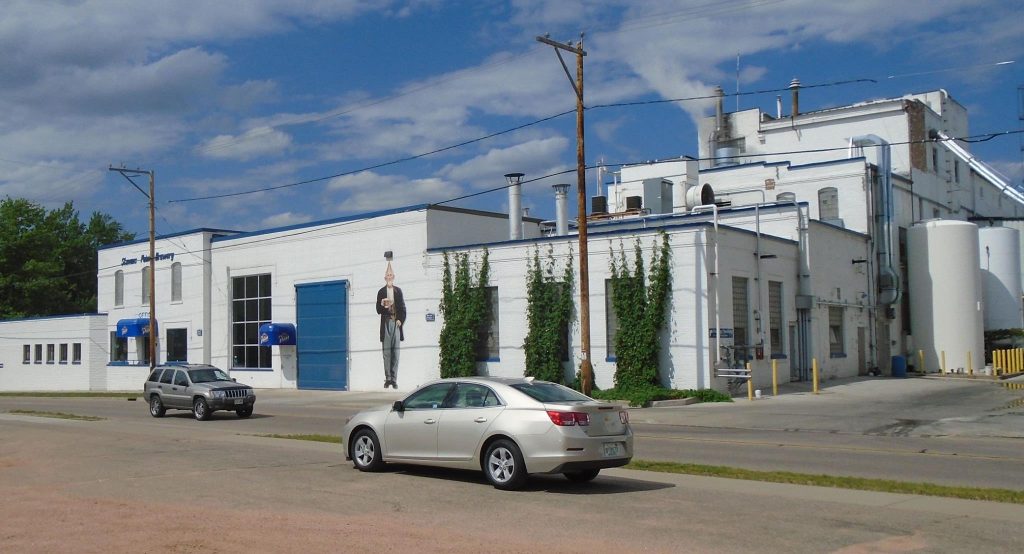
Point Special Beer was not my favorite when I was actually in Stevens Point, but today it is a tradition to get some. I went to the Point brewery to get some Point Beer. They are now classified as a craft brewery. I bought a case of Point Special (the blue bullet) and one of the craft beer variety pack.

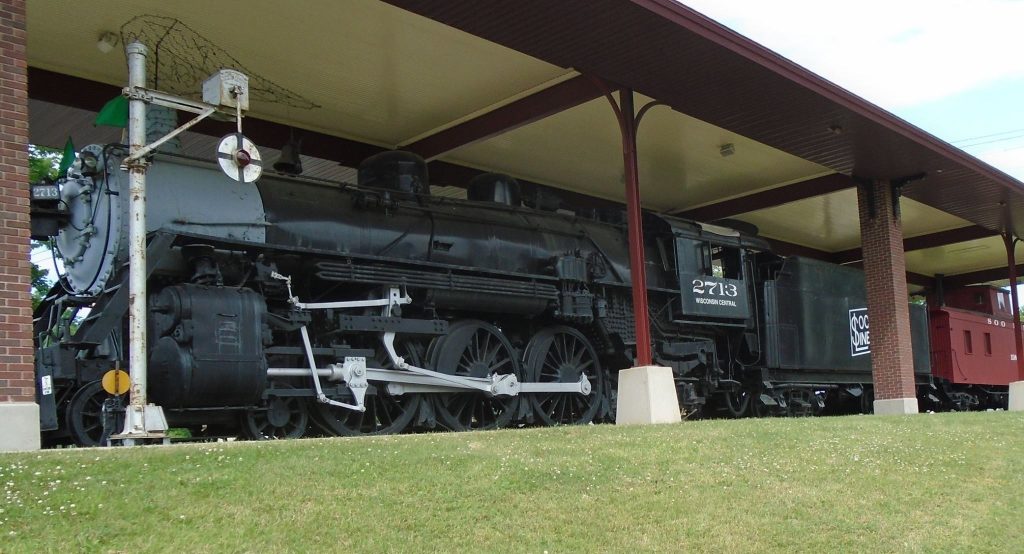
You can see the picture of the brewery. The steam engine in nearby, unrelated but interesting.
Save

University of Wisconsin – Stevens Point

I got my undergraduate degree from UWSP in 1977, a long time ago. It has not changed that much, physically. Some of the buildings and all of the trees are bigger. The buildings expanded mostly sideways, a few new wings. They completely shut off one of the main streets. As I said, the trees are bigger. I arrived at UWSP at the tail end of the big Wisconsin university building boom. The buildings were new and many of the trees just planted.

Some of the views are nearly identical to what I saw so many years ago. I don’t suppose that should be too surprising. Buildings are supposed to last more than a few decades.

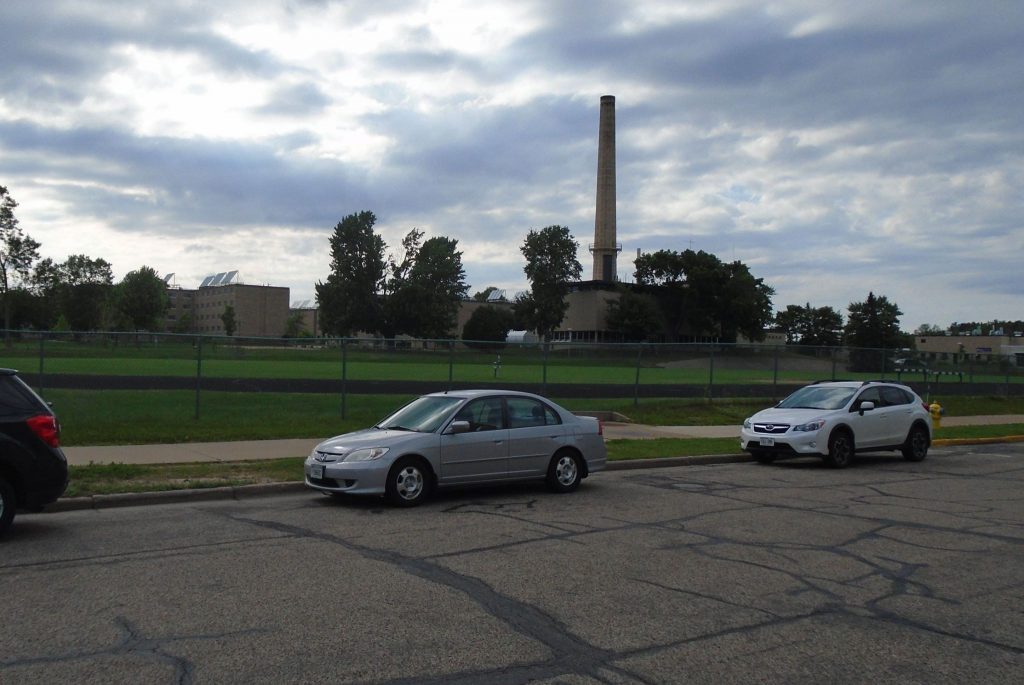
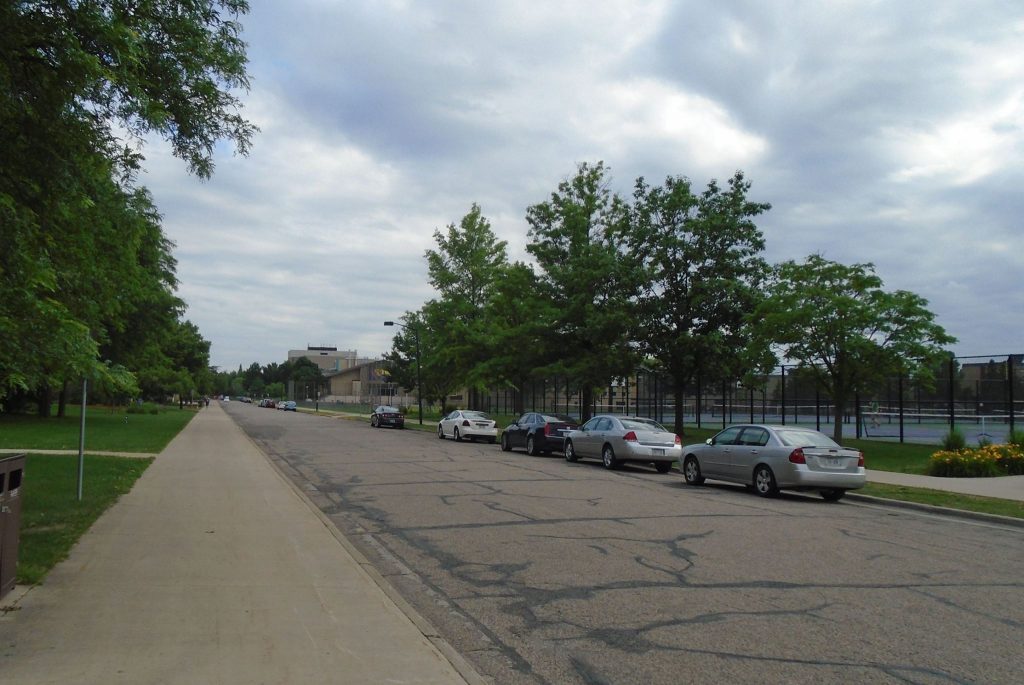
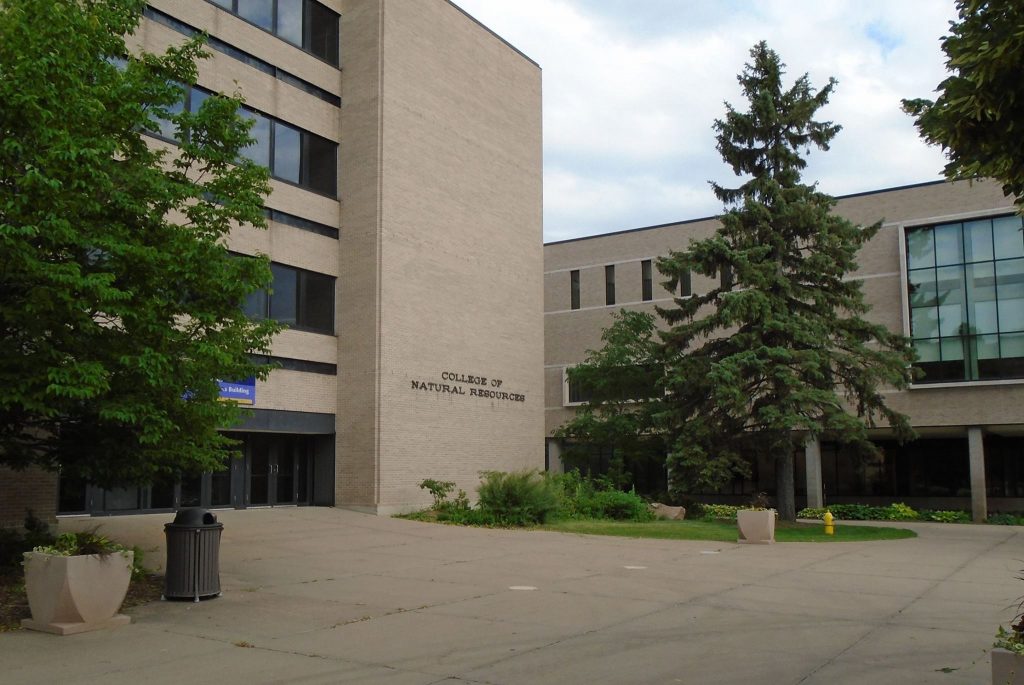
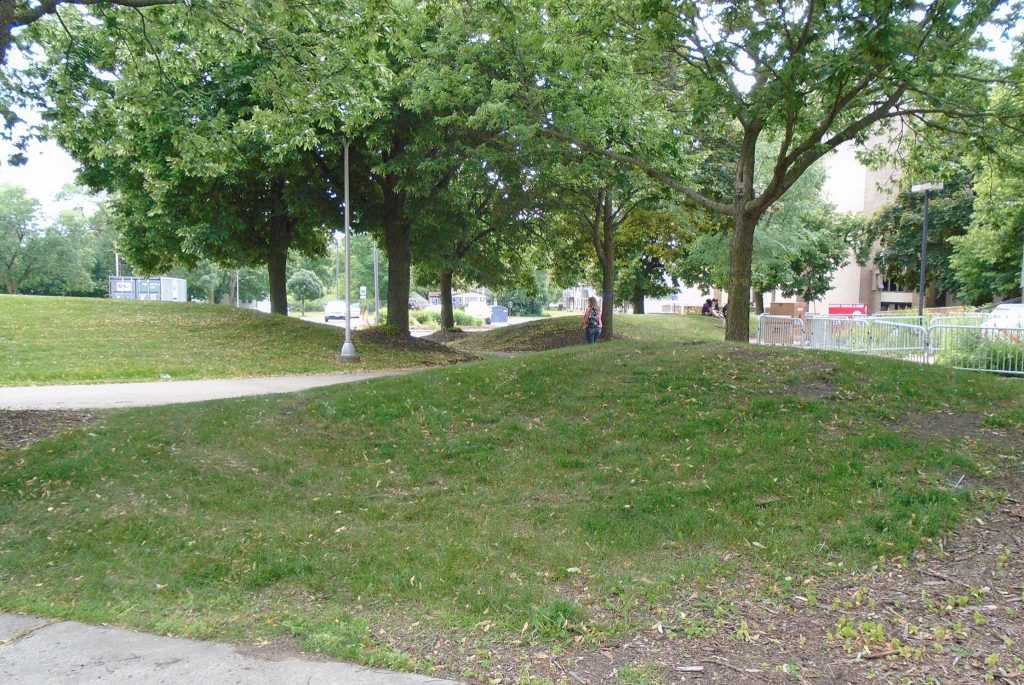
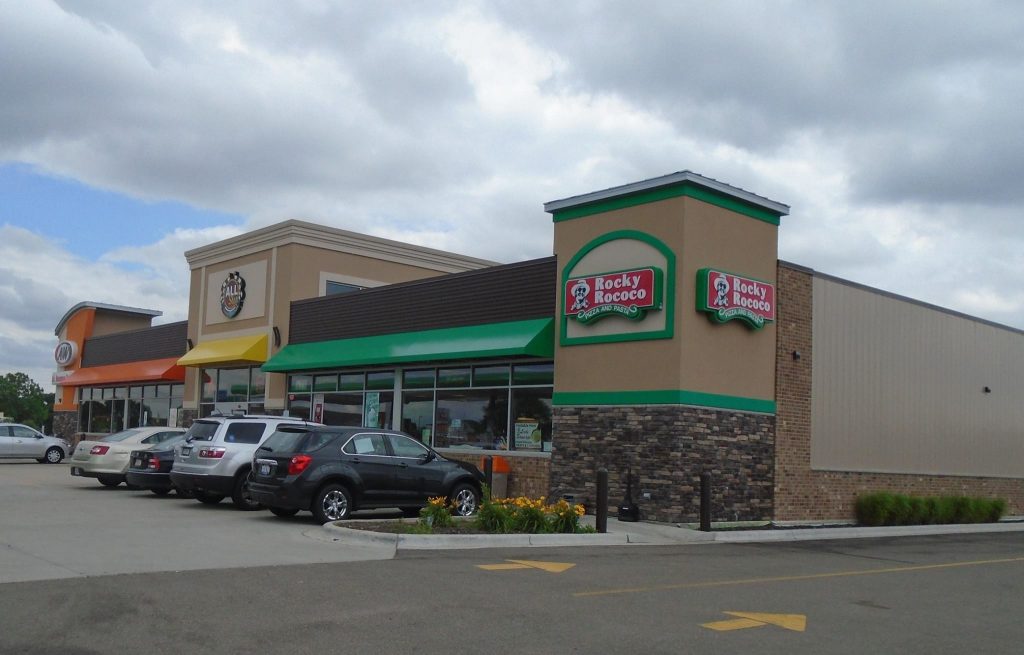
Picture #1 is exactly the same view I used to have when I stepped out of my dorm. The difference is that back in those days they burned coal in that power plant, so there was smoke. Next is the view down the street. It is a lot longer walk, or seems that way, in the very cold winter. Picture #3 is the College of Natural Resources, UWSP’s specialty. Picture #4 shows a good example of “choice architecture.” They had trouble keeping kids from cutting through the grass and making paths. Simple solution is to make little mounds. Cutting across is no longer as attractive. My last picture is the gas station with Rocky Rocco’s and A&W. I wanted to go to each of them and found them together. So I got my slice of pizza with root beer.

Save

Birches and aspens

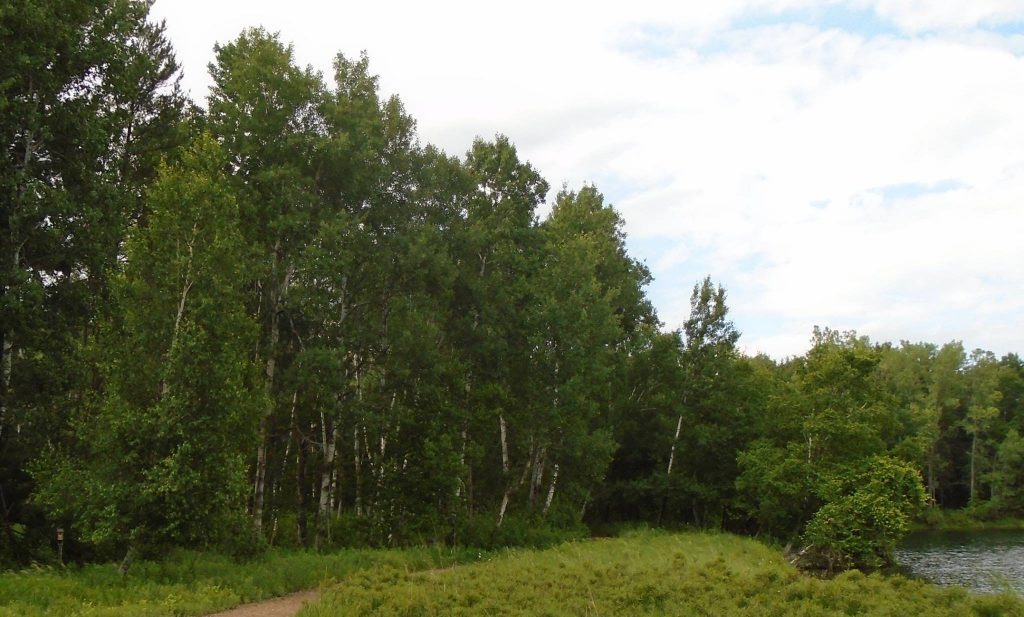
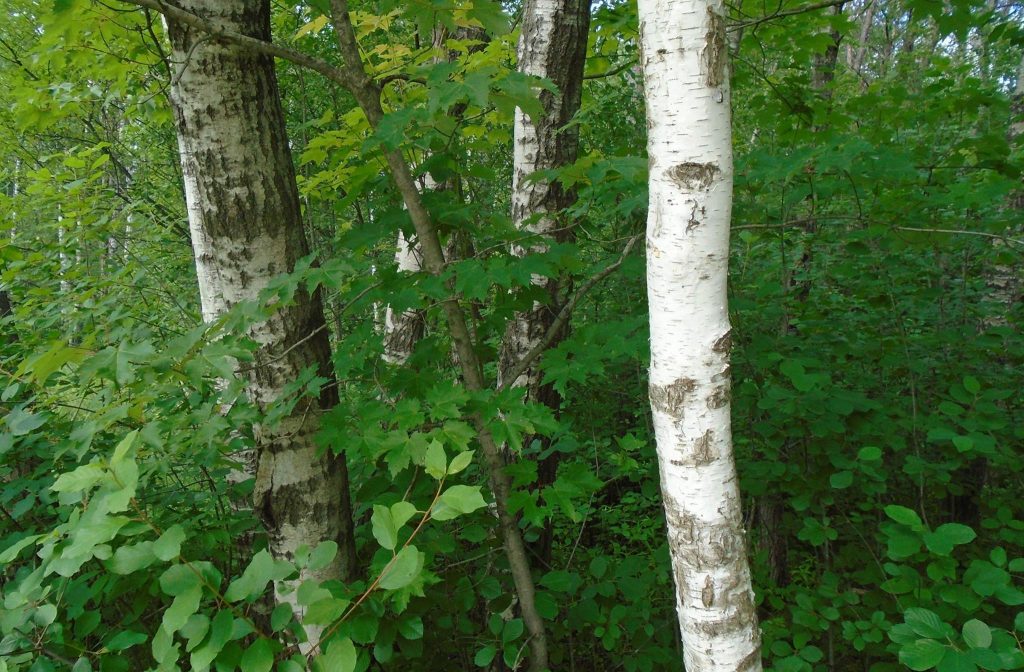
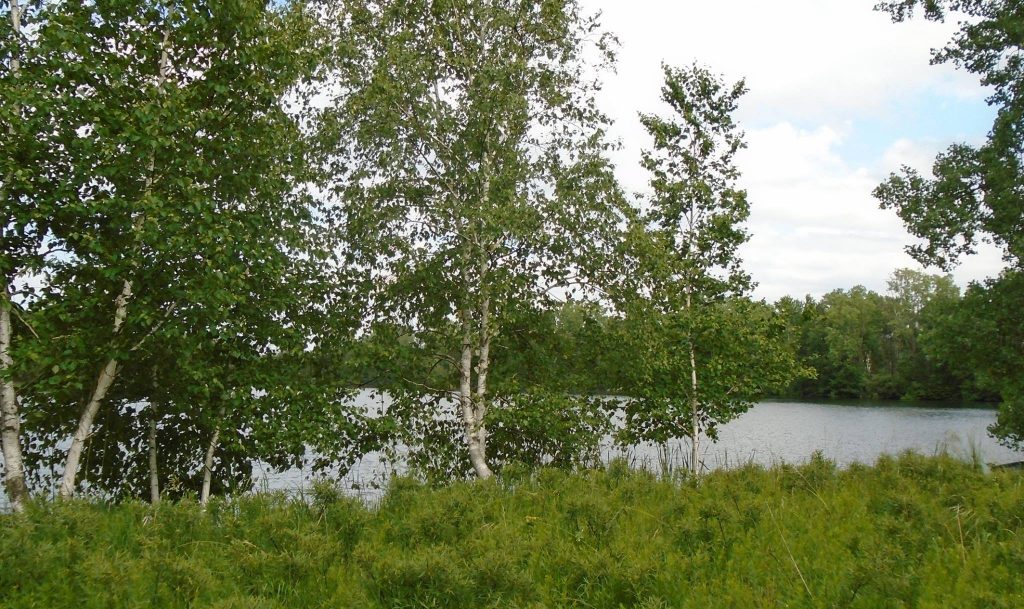
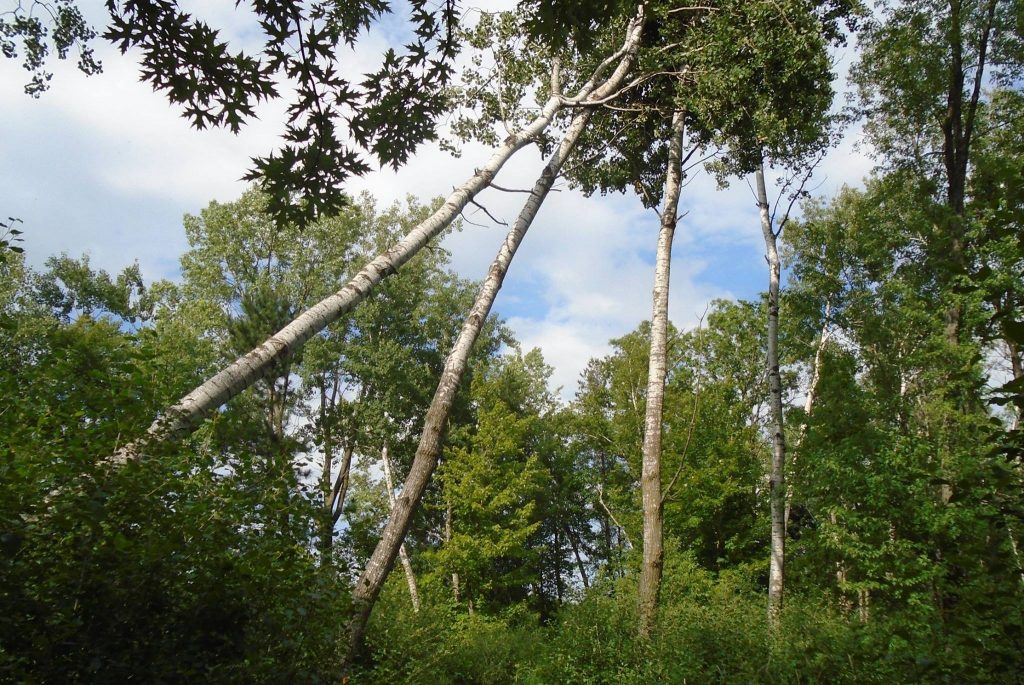
Having fun with ecology. I was explaining the difference between aspens and birches. They really are not very similar except they both have whitish bark. The aspen bark does not peal; birch does. Birch are also much more often multiple stems. Aspen tend to go straight up. Aspen leafs shimmer in the wind; birch not so much.

You can see the difference in the pictures. Picture #1 shows both. The birch is the whiter one. Picture #2 is a typical birch and #3 typical aspens. The last pictures shows some aspens. They do not typically lay down like that, but you can get a good look at the usual shape.
Save

Old World Wisconsin

Old World Wisconsin is an open air museum that shows daily life in Wisconsin immigrant communities in the 19th Century. The buildings were moved from various parts of Wisconsin and reassembled on site. There are reenactments who explain how things were done on the farm or in the forge.

Life was often very hard. Even the well-off had very little space. They worked hard all day and everybody was what we would call “food insecure” almost all the time. But they built America with all that hard work and sacrifice and hard as life was in America, it was better than what they left.

We often think of immigrants as urban. We can picture the neighborhoods of Italians, Irish or Chinese. In the 19th Century, however, most Americans lived on the land and most immigrants went directly to farms. Nature provided the discipline and the assimilation. They brought with them skills that improved life and productivity and despite their apparent isolation became integral parts of the American system. Americans were a practical people. They asked if the newcomers could do something useful. They new people usually could.

Wisconsin was really a land of immigrants in the 19th Century. The majority of the population was German at some points. (Wisconsin is the only state to have had a majority of one foreign nationality.) Other prominent nationalities included Norwegians, Swedes, Finns & Poles. They are represented at Old World Wisconsin.

Consider “assimilation”. To most people that means that the newcomers become like the host nationality. This happens, but it is not a one-way operation. The immigrants from the Old World created a new world Wisconsin, with its own particular culture.

Germans, for example, brought with them their belief in education and rule of law. Crime rates dropped and education improved when Germans moved in. They brought kindergarten (as the name implies) and the American university system was to a large extent build on German models, especially the land-grant universities. Of course, beer, brats and pretzels are among their prominent contributions.

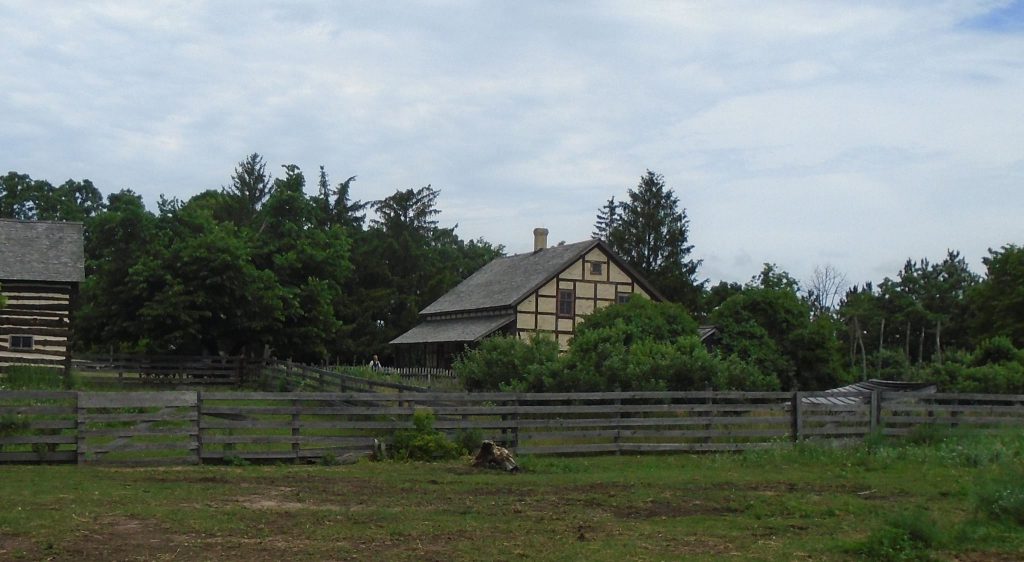
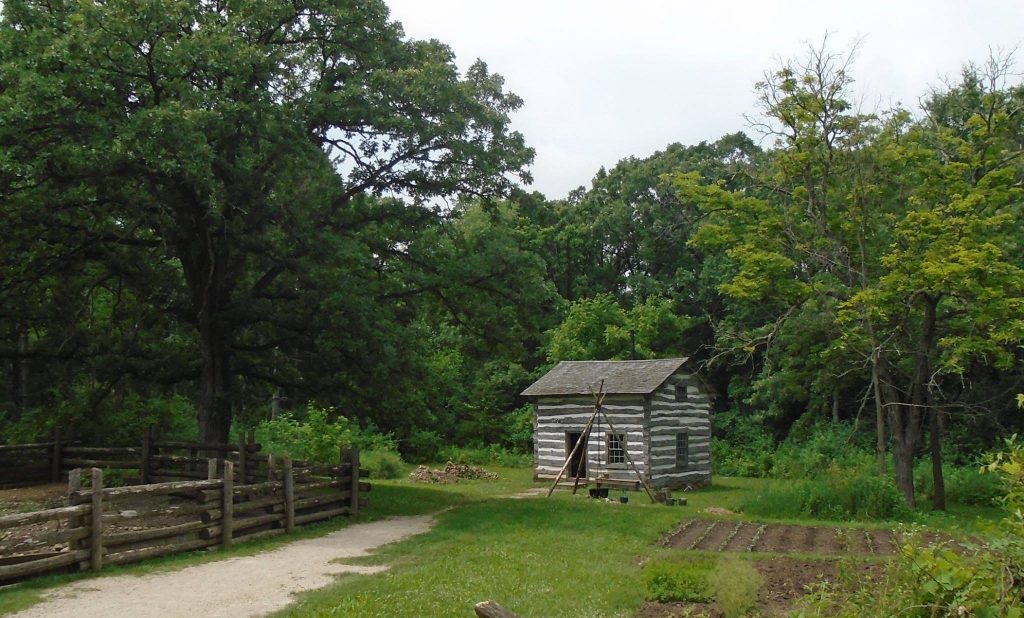
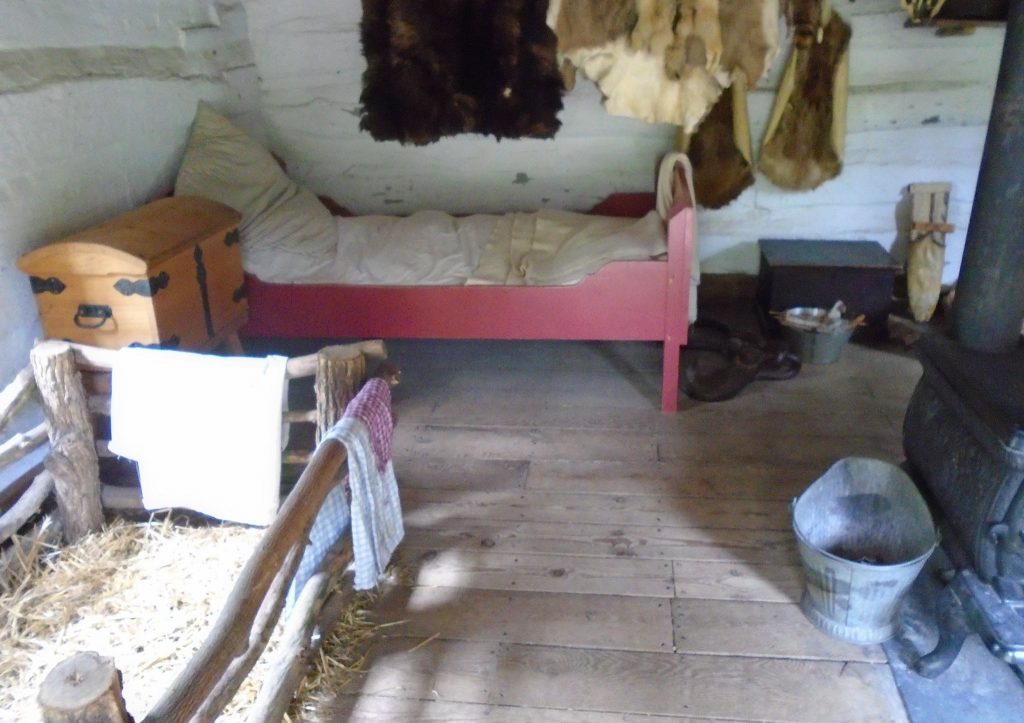
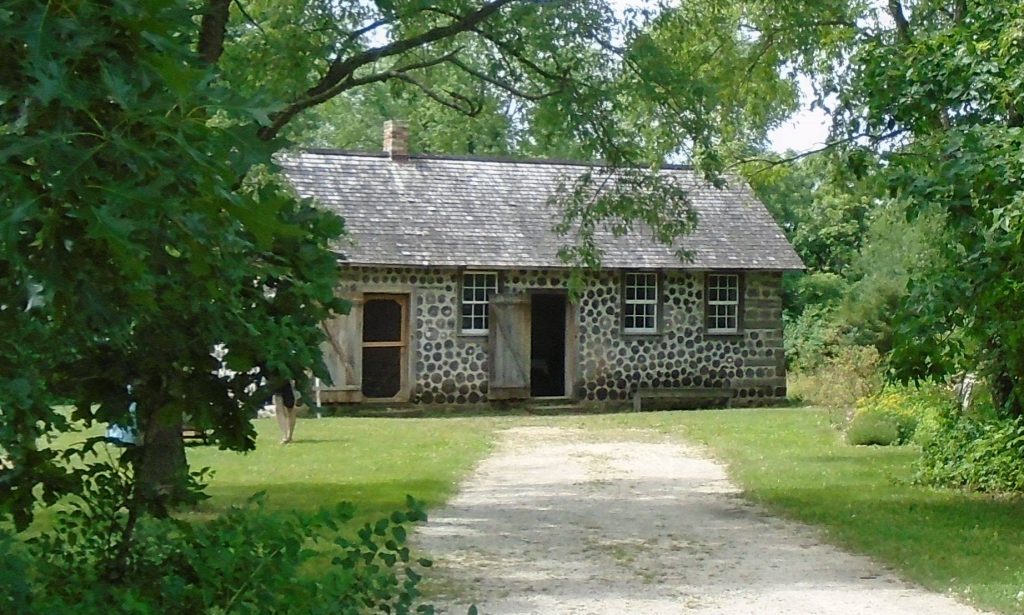
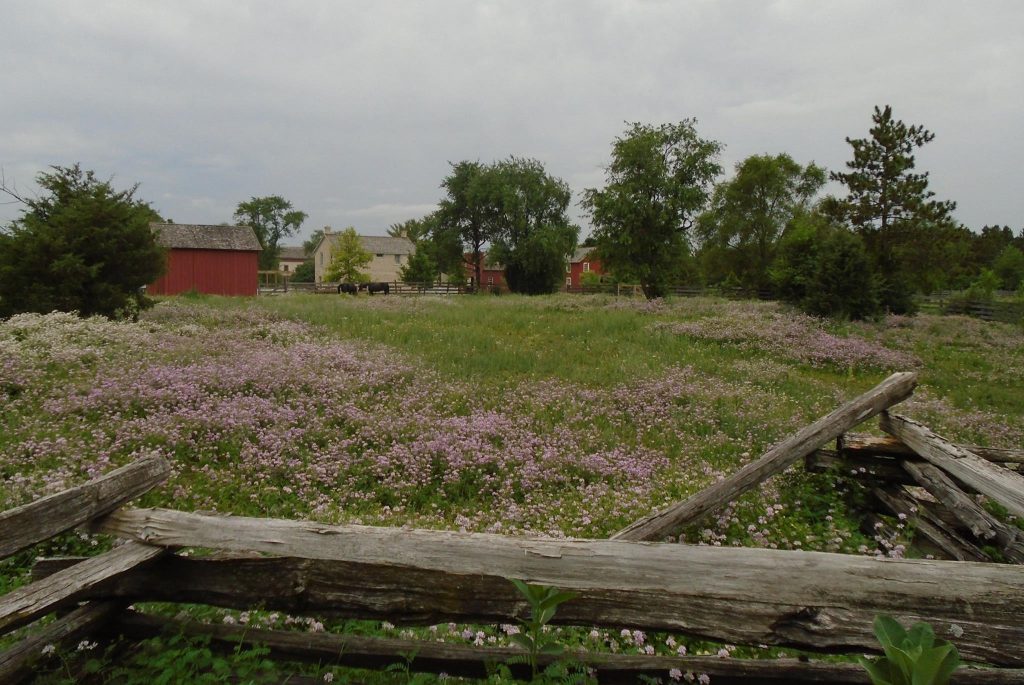
My first picture is one of the German farms. Next is the Norwegian cabin outside and inn. They raised three kids in that little space, three kids and one pig each year, notice the pen. They spent a lot of time outside. Picture #4 is a Polish cottage. It is not build in a Polish stye. It is made of short logs put in sideways and cemented together. It used a lot of wood but was easy to construct. Last picture shows one of the fields. They have animals. You really could not have a living museum w/o farm animals.

They have craftsmen and farm animals at Old World Wisconsin. The blacksmith explained how they made tools and horseshoes. They kept the shop a little dark so that they could see the color of the hot metal to assess the temperature. He uses coking coal, which is hotter and makes less smoke. It does not conduct heat and you can touch the coal next to the fire w/o burning yourself.

The guy in the German section explained how they built houses. They did not use nails for the main construction. Instead they made pegs (as you can see in the photo) and fit the parts together. They started the construction in the woods, picking out the right trees. Home Depot had not yet opened.
 

Bay View trees

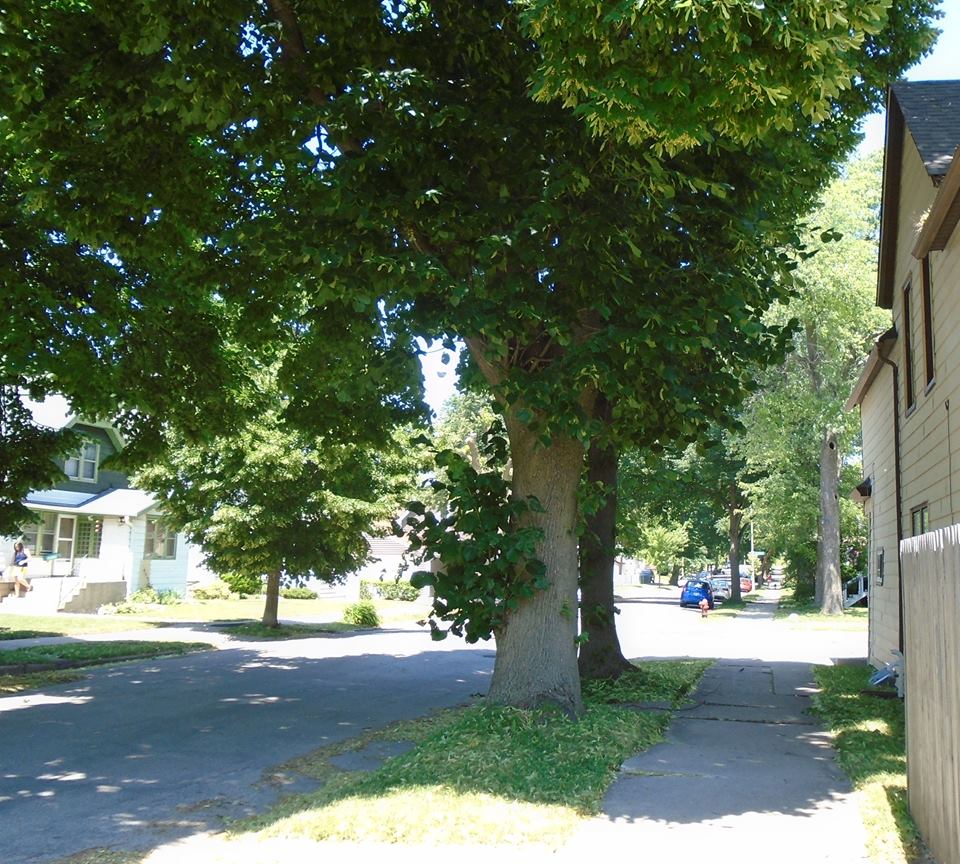
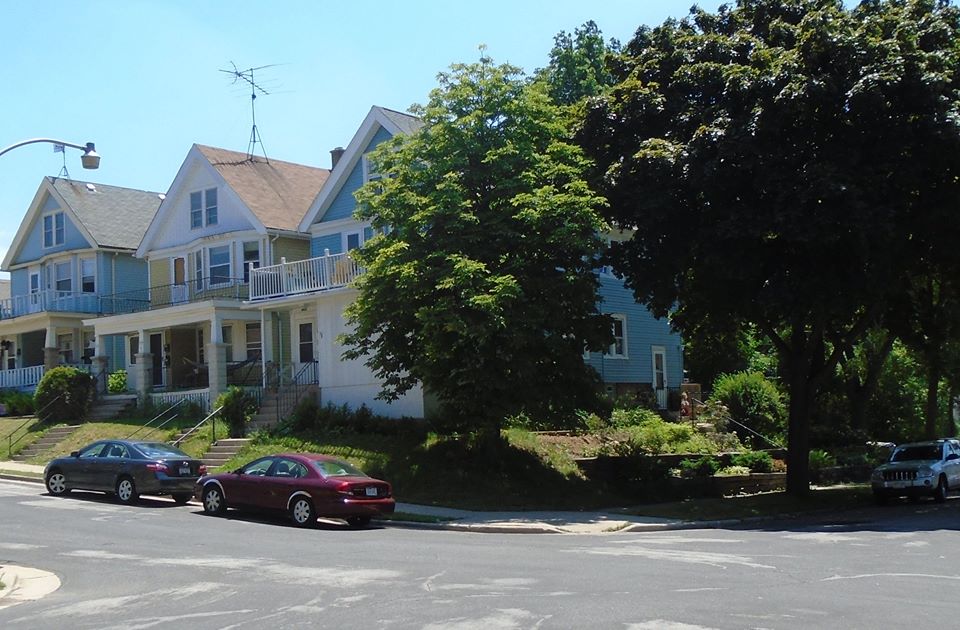
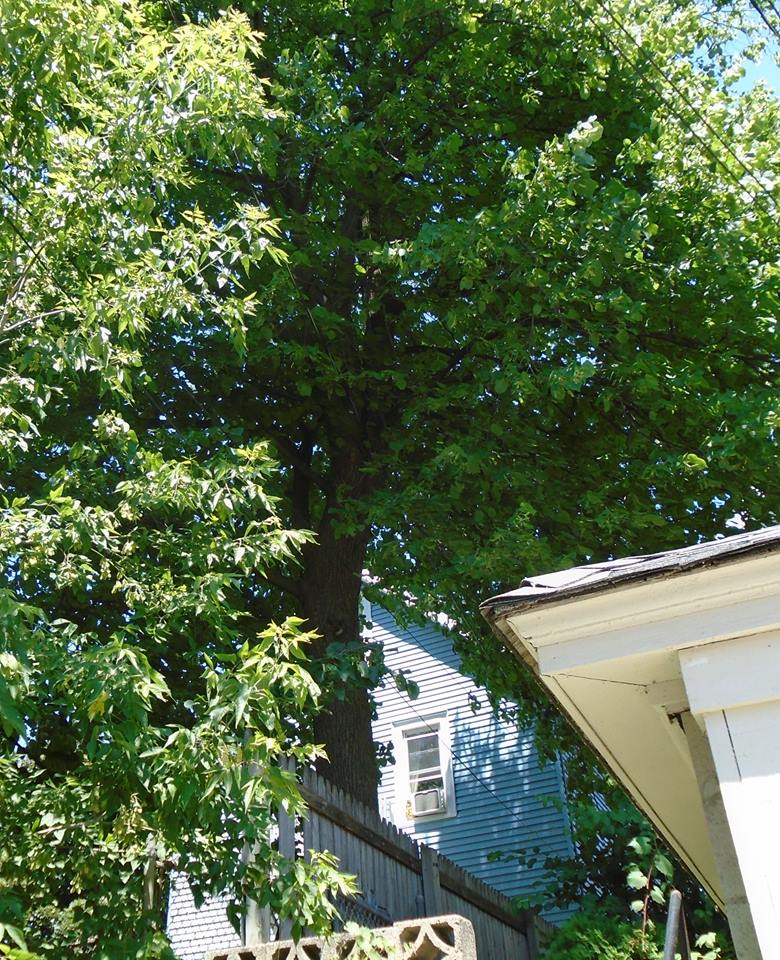
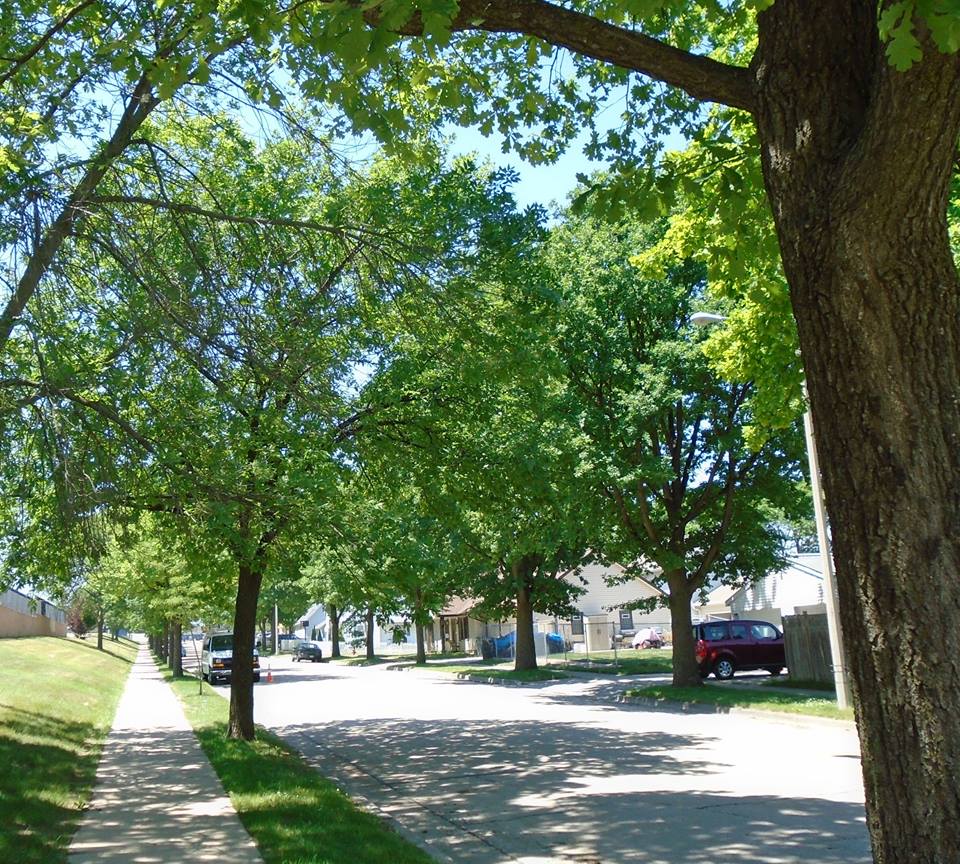
Then we have trees around the old neighborhood, personal friends. The first picture shows linden trees. They were planted when I was in Junior HS, so they have been there about 45 years. The bigger one was planted second. Kids broke the smaller one off and they replace it. But the smaller one grew back from the roots. Interestingly, it never quite caught up.

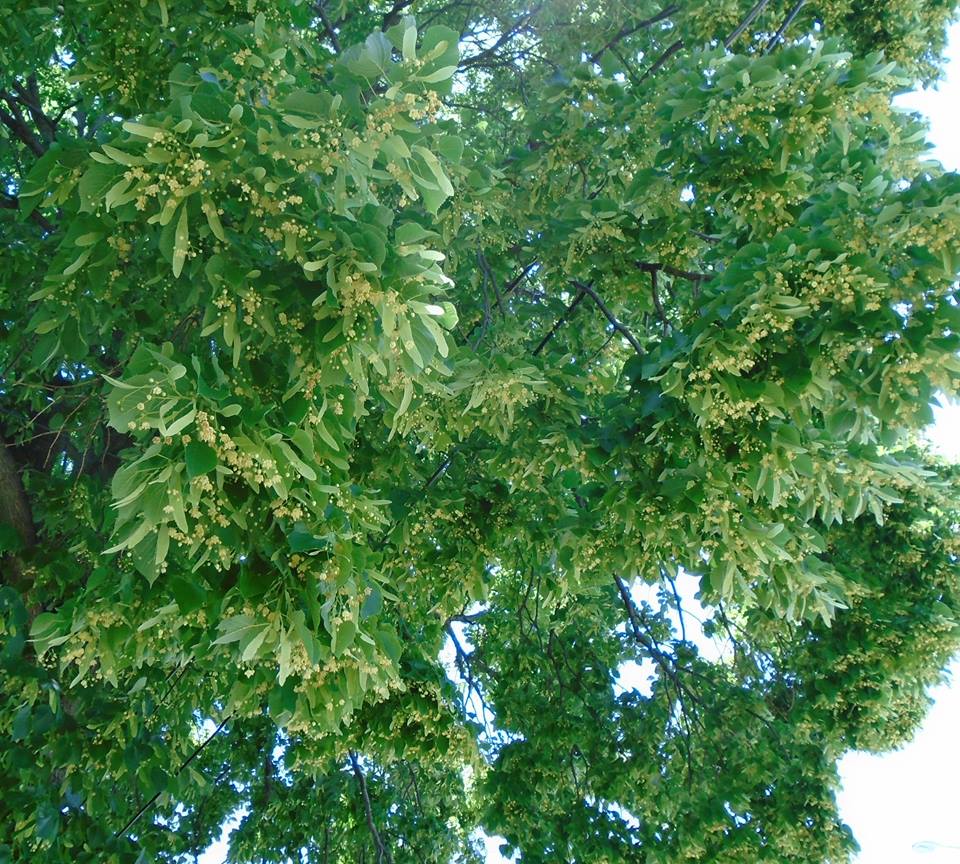
Linden trees have a wonderful smell and they are flowering now, as you can see in my second picture. Lindens are European trees. They flower a little later in Europe. In Poland, they call them “Lipa” and July, the month when they flower, is called lipiec after them. Berlin’s great street is called Unter den Linden, under the linden for the trees that line it.

The American variety of this tree is called a basswood, It is taller than the linden and its flowers are less prominent, but its leaves are bigger. Otherwise, they look alike. It is like the Norway and sugar maple relationship. It is hard to see the picture, but in #3 you see the basswood tree I planted in 1972. It had only two leaves. I had to put a basket over it on hot days to keep it from wilting, but it has subsequently done okay.

Finally, is our old house. I planted the horse chestnut in front in 1966 from a chestnut I gathered from tree on the next block. That is evidently about as big as it will get. I had a few more, but the old man mowed them down. He didn’t like anything that blocked his mower. This one was spared because it used to be near a big, prickly bush, no longer extant.

Milwaukee in the park

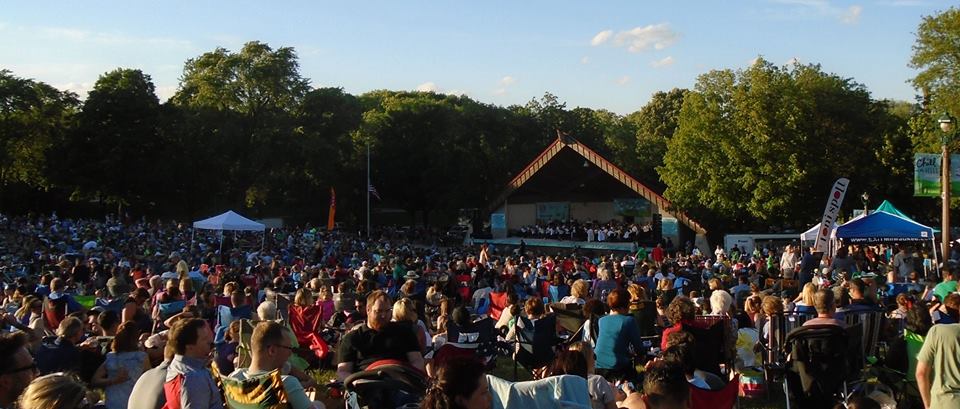
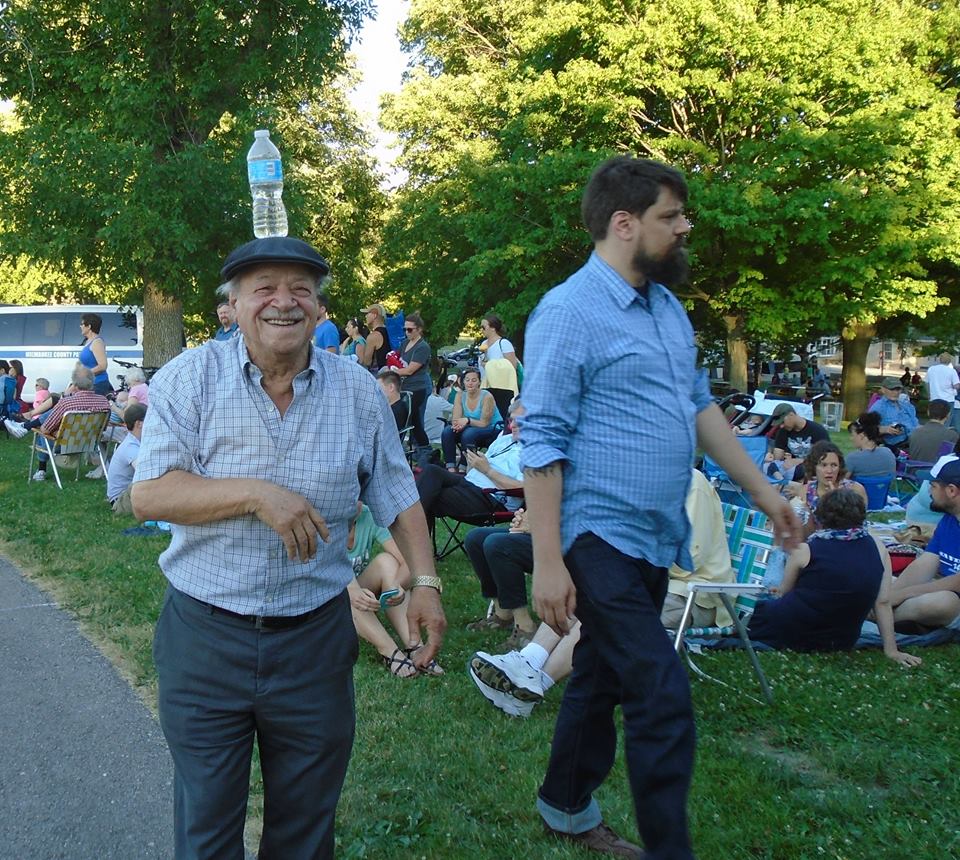
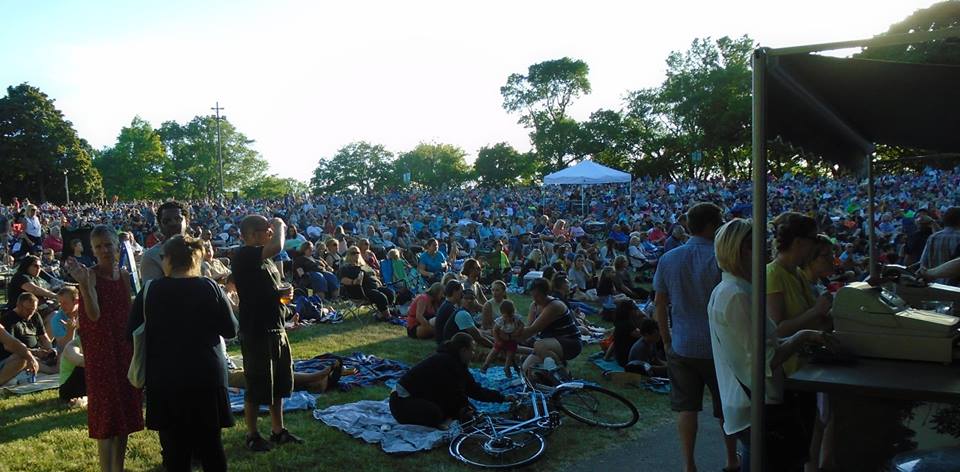
Milwaukee has lots of good things. Among them are beer, brats and parks. We went to a Chill on the Hill concert by the Milwaukee Symphony Orchestra at Humboldt Park. They now have a beer garden in the park and there were lots of places to get food. You had to pay for the beer and the food, but the park and the music were free. As I wrote up top, Milwaukee has lots of good things. Sometimes great weather is not among them, but it was today. The temperature was just perfect with low humidity and a wind brisk enough to confuse the mosquitoes.

There is a long tradition of these sorts of concerts. I used to go to them as a kid. They also have plays and other programs. We went to lots of plays by local high schools. These sorts of events are signs of civic virtue. They are put on by the community and people working in voluntary association with local authorities. The large crowds are well behaved and include individuals of all ages, families and pets.

A big crowd showed up, as you can see from the photos. Many were too far away to hear the music, but were having a good time nevertheless. It was just a nice, friendly and pleasant crowd enjoying the end of a wonderful day in Milwaukee.