Favorite pine landscapes

Also on Facebook
I had planned to aggressively thin 80 acres of 1996 loblolly and under plant with longleaf, but the talks I listened to today were not encouraging. The main problem seems to be that loblolly are prolific seed producers and in what essentially remains a loblolly forest, the longleaf cannot compete. I have managed to keep my five acres of longleaf reasonably clear of loblolly by whacking literally hundreds of loblolly, but I will be unable to do that on 80 acres. It is hard enough to keep up with the five.

Another of the talks was about using herbicides to help establish longleaf. Herbicides have evolved and now some can be used very precisely to affect only particular plants. When you cannot burn regularly, herbicides can provide a serviceable alternative.

You need be careful, however. The beauty of the longleaf ecology is in the TOTAL system, not only the trees. It is important to maintain and enhance the herbaceous plants, grasses, wildflowers and forbs. There is a little trade-off. The ecosystem approach will produce slightly less wood, so profit margins are a bit lower. Beyond that, it takes more work and greater care to ensure diversity. It is easier just to knock out everything except the trees but that is just not right. I alluded to that in my earlier post about raking pine straw. If you are going to manage a forest, you want to manage a forest in all its diversity and not just a bunch of sticks and needles.

The diverse forest also supports lots of wildlife, game and non-game species.

It has become fashionable to discuss “ecological services.” This puts an estimate of the dollar value of an ecosystem. For example. a forest protects soil and water resources and provides recreation. All these things would cost money to duplicate. In the case of water, those costs would be very high indeed. I use the “ecological services” argument and consider it valid. But it is not the end. In the final analysis, there is no final analysis. A diverse, sustainable and thriving ecology is an end in itself. It has its own value and it not merely a means of creating value in other things.

The thing I love about forests is their complexity. I know that I can never understand more than only a little and that my brief moment of stewardship is the proverbial dust in the wind. I appreciate it precisely because it is complex and impossible to control in detail.
My trees will still be there, I hope at least, long after I am gone. And the ecological system that they nurture will be there long after they are gone. It is really very wonderful and goes well beyond the ecological services it supplies today and tomorrow.

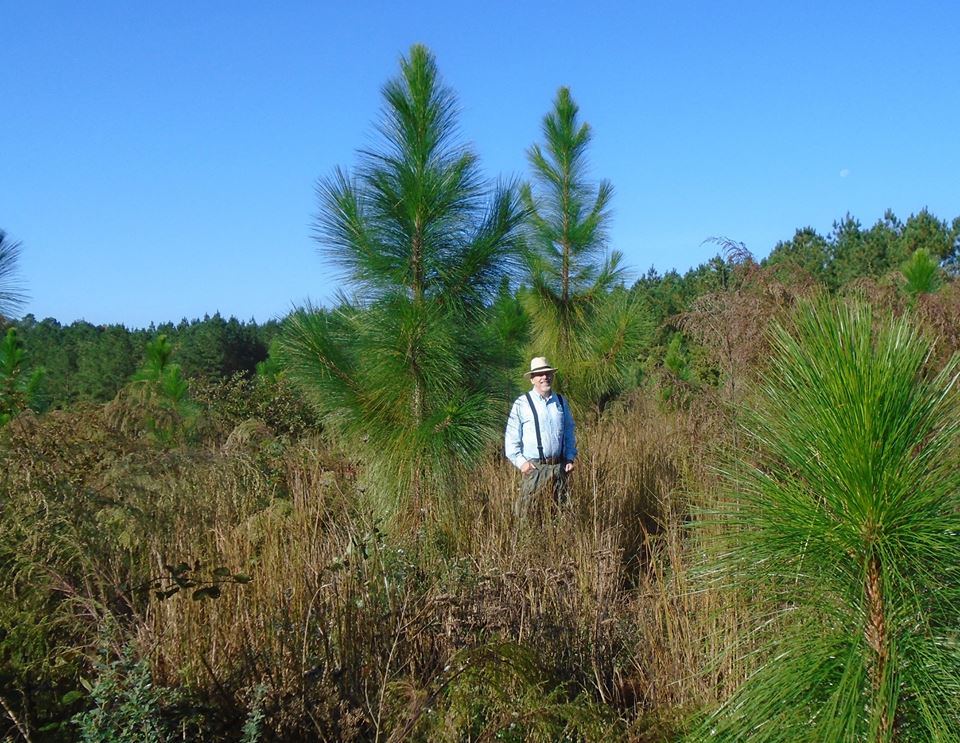
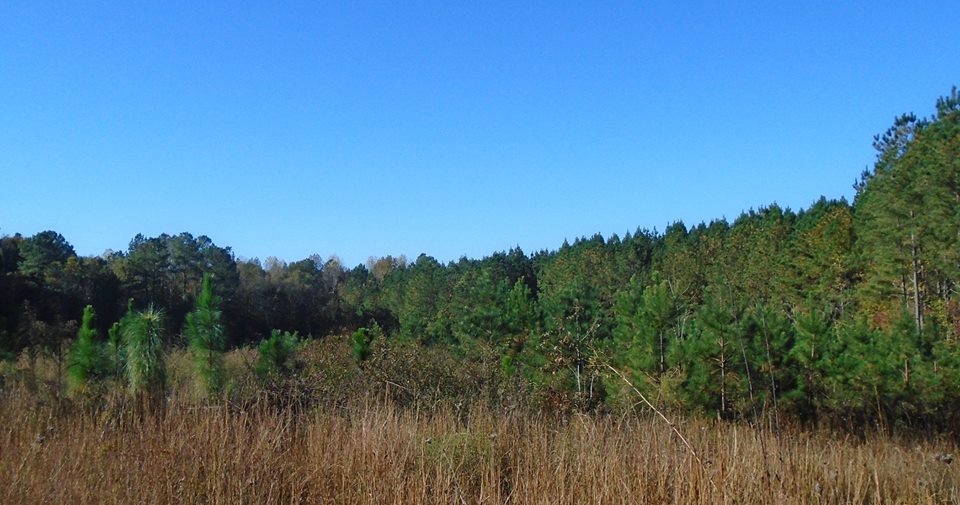
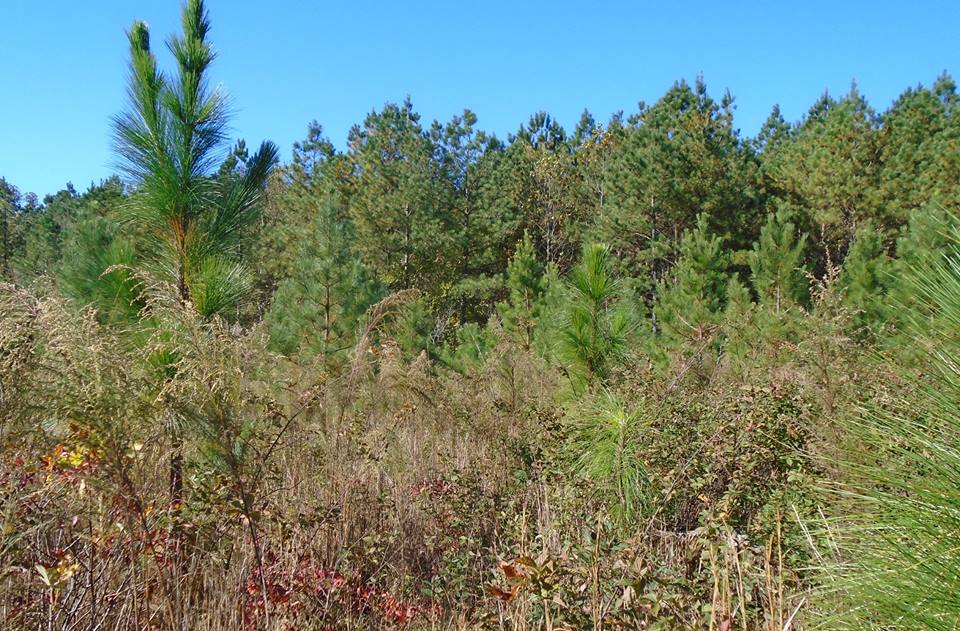
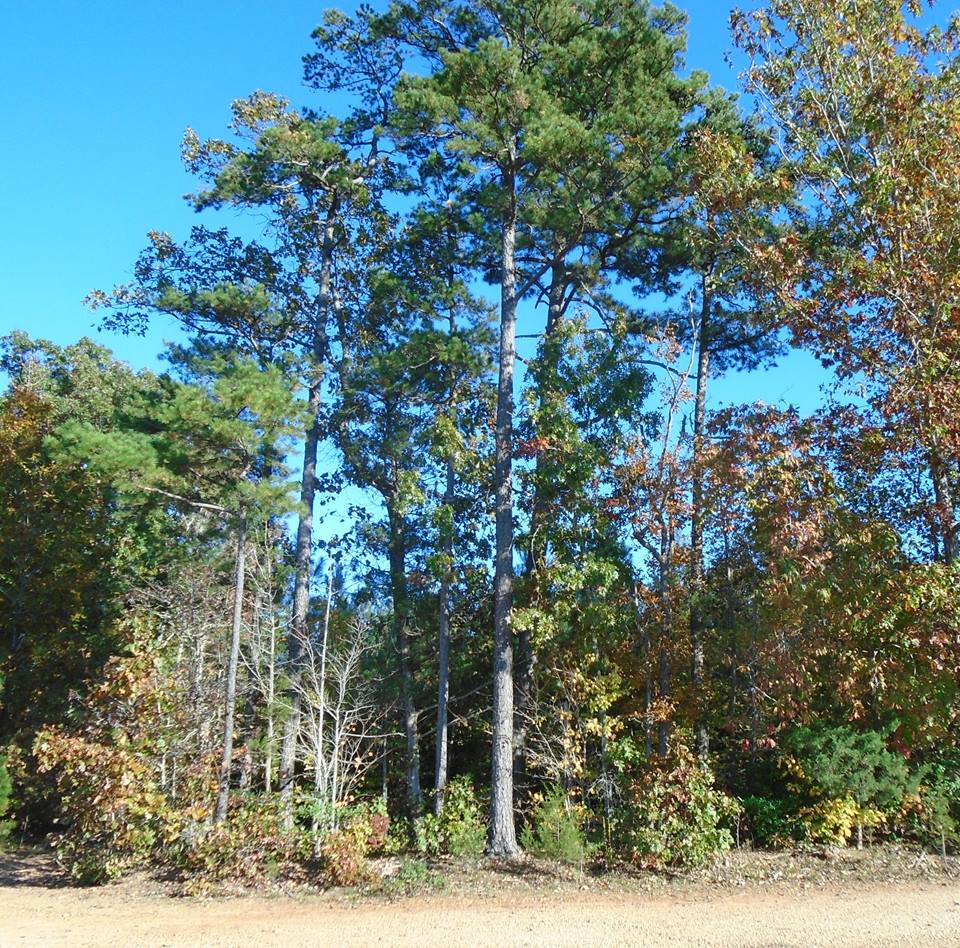
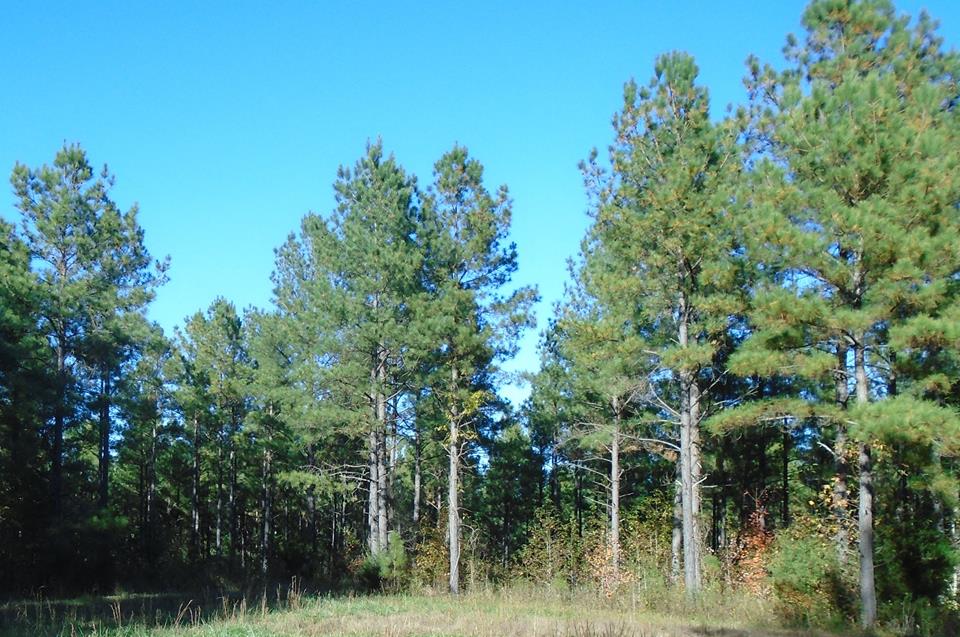
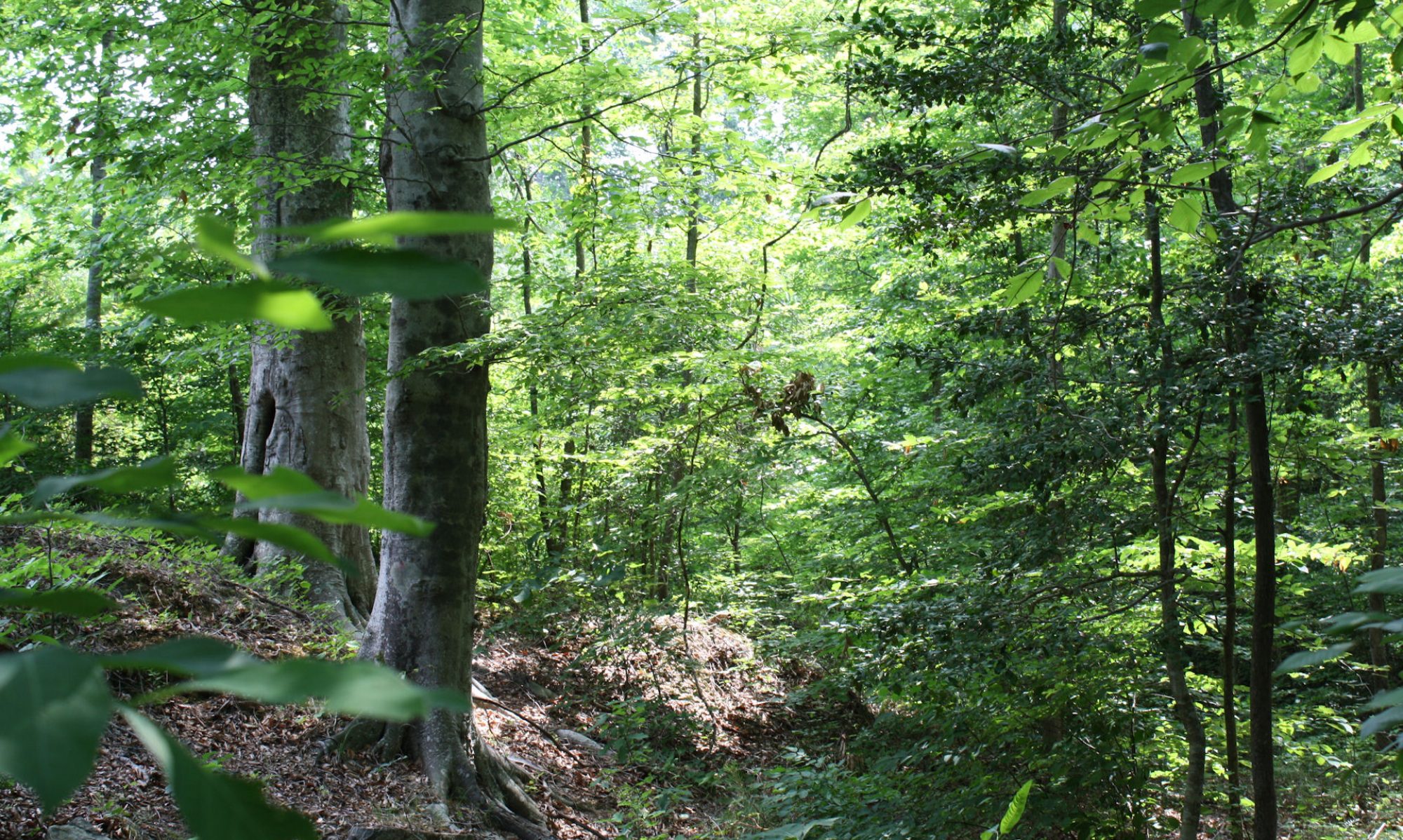
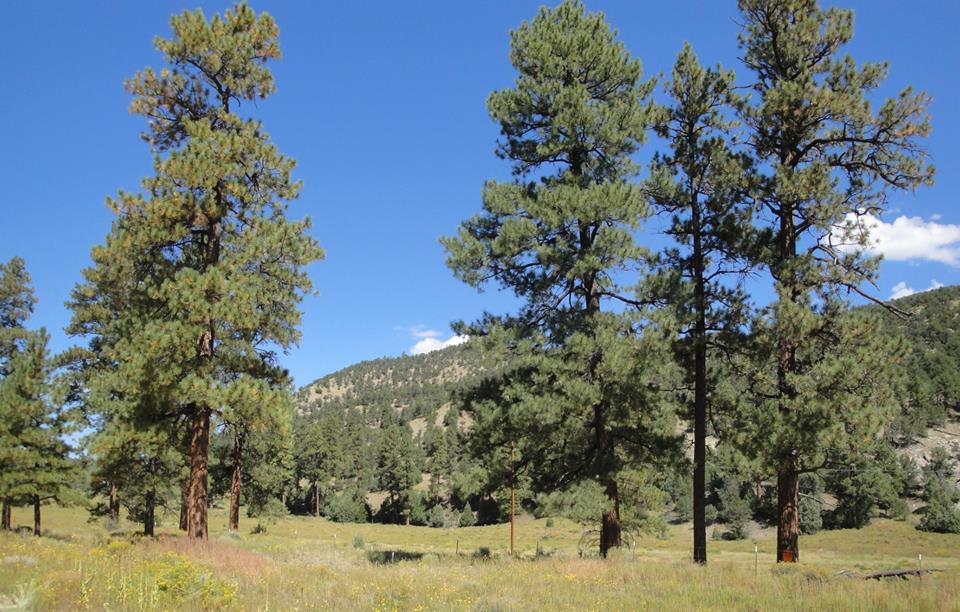
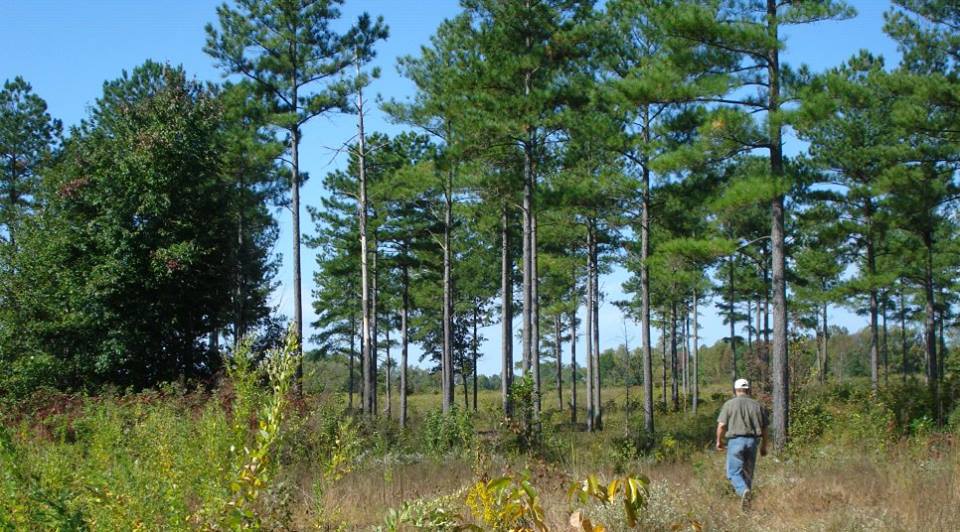
My first picture is an old one that I have used before. I took it in 2009. It shows the kind of open woods attractive to lots of wildlife and specifically bobwhite quail. Next are ponderosa pines I saw in New Mexico and finally pines in the Sand Hills in Carolina. You can see the kind of thing I am looking encourage. Pine savannas are very pleasant and productive ecology.
Virginia longleaf

Also in Facebook https://www.facebook.com/john.matel/posts/10211094185892165
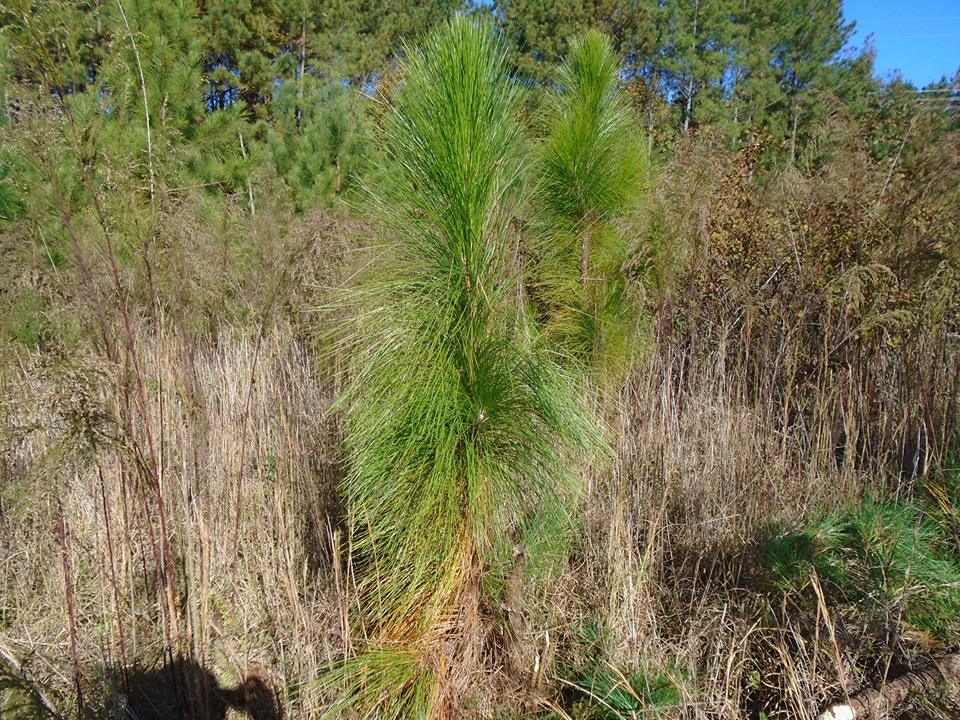
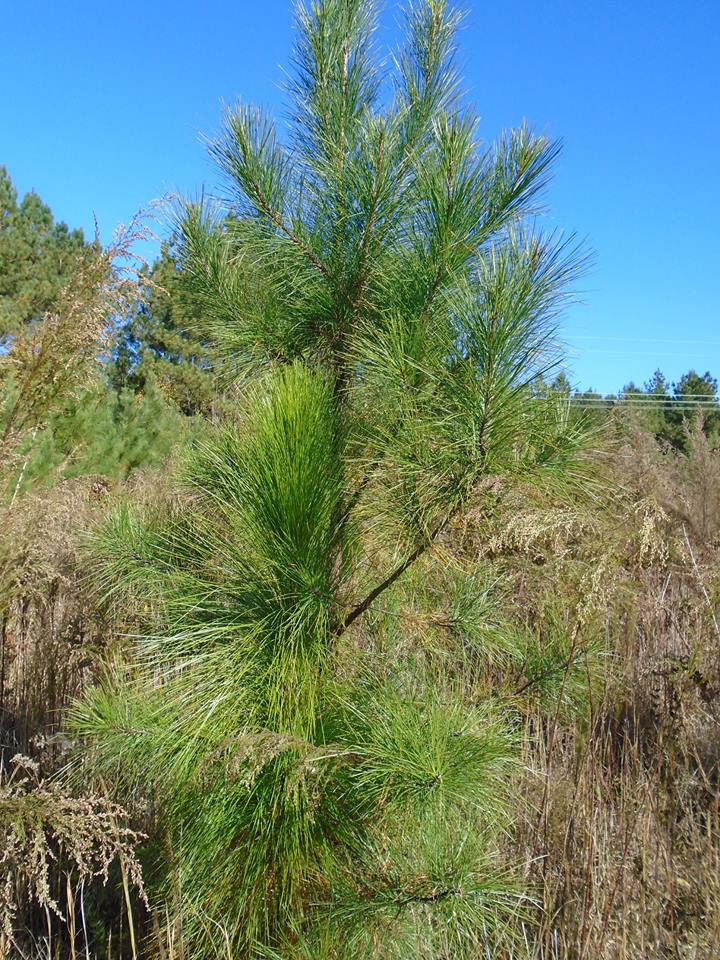
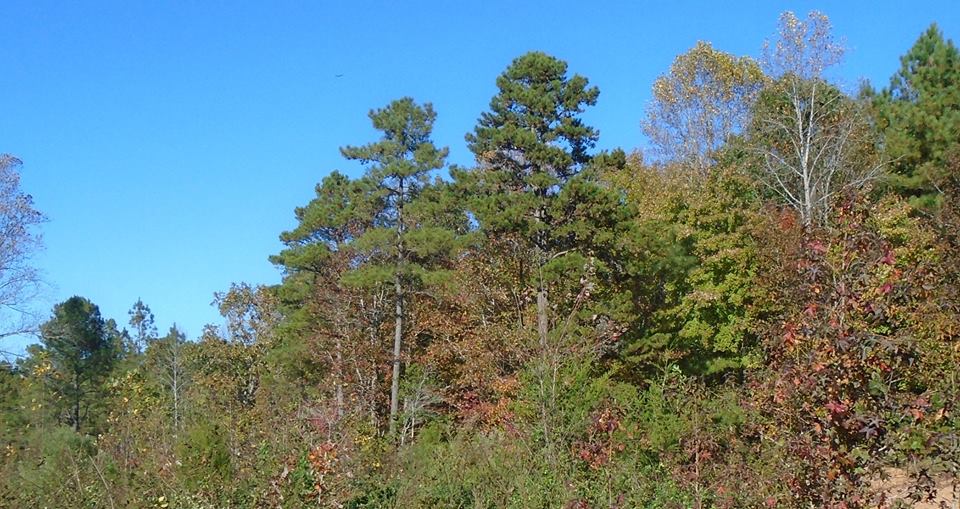
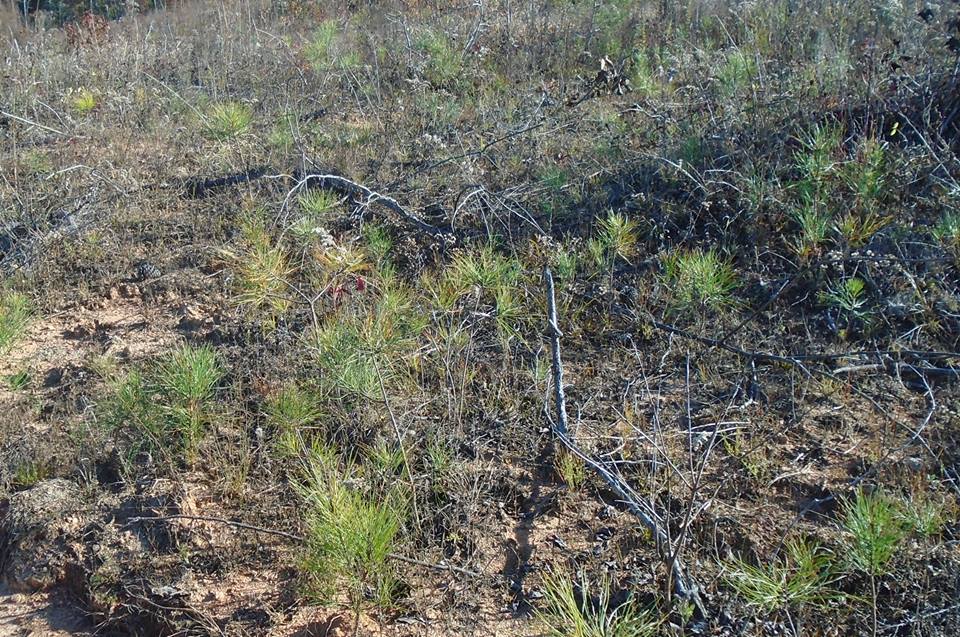
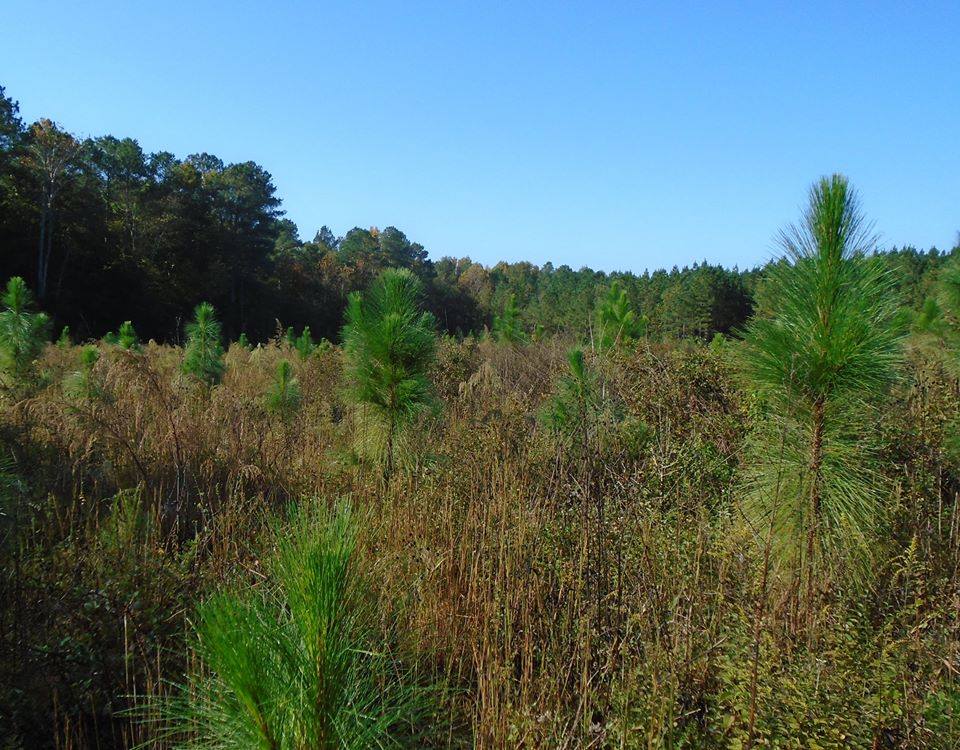
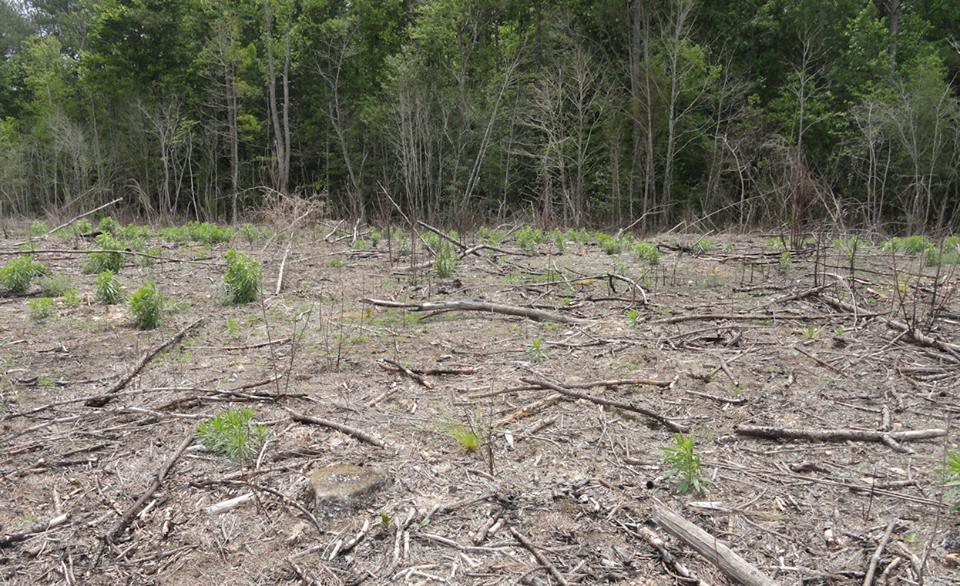
Looking through some old photos, I found the one on top from spring 2012. You can see the little longleaf pines. Most of the bigger green clumps are not trees, just other plants. The second photos is a close-up of one of the pines. The last two photos are familiar, since I posted them a couple weeks ago. They show the same places last month. So they have been in the ground a little more than four years, but five growing seasons.

Longleaf have not been common in Brunswick County for many years, so our trees are sort of a test. My trees are northern variety, but not Virginia native longleaf. It would be nice to have “real” Virginia trees, but being “native” is overrated. The environment is similar on both sides of the border. USDA hardiness zone 7b encompasses Southside Virginia and North Carolina more or less to the Neuse River. Trees grown from seed sourced from that part of NC are indistinguishable from Virginia natives. Anyway, if they grow well the next generation will be Virginia native.

Routine forestry

Went down to the farms on the way back from Georgia. I spend a few morning hours hacking down anything in the longleaf patch that was not longleaf. I was reminded of the Aldo Leopold essay, “With Axe in hand,” where he wrote about the need to take responsibility for what is on your land. A conservationist is the one who thinks about what he is doing.

I do not use an axe, as a matter of fact. I have a kind of machete called “woodman’s friend,” but it does the same work. I have to cut down the loblolly and the hardwoods to let the longleaf become established and it is a value choice. My photos show a particular instance. It looks like a single tree at first, but a close looks shows a loblolly growing inches from a longleaf. Generally, I love the loblolly, but in this case I had to cut it down. You can see the choice int the first and second photo.

My third photo shows the official dividing line at the end of the longleaf natural range. As I wrote in previous note, since nobody has done it yet, I am declaring that my property is the edge. You can see it clearly in the last two photos. One one side is clearly longleaf and the other side not, so it must be true.

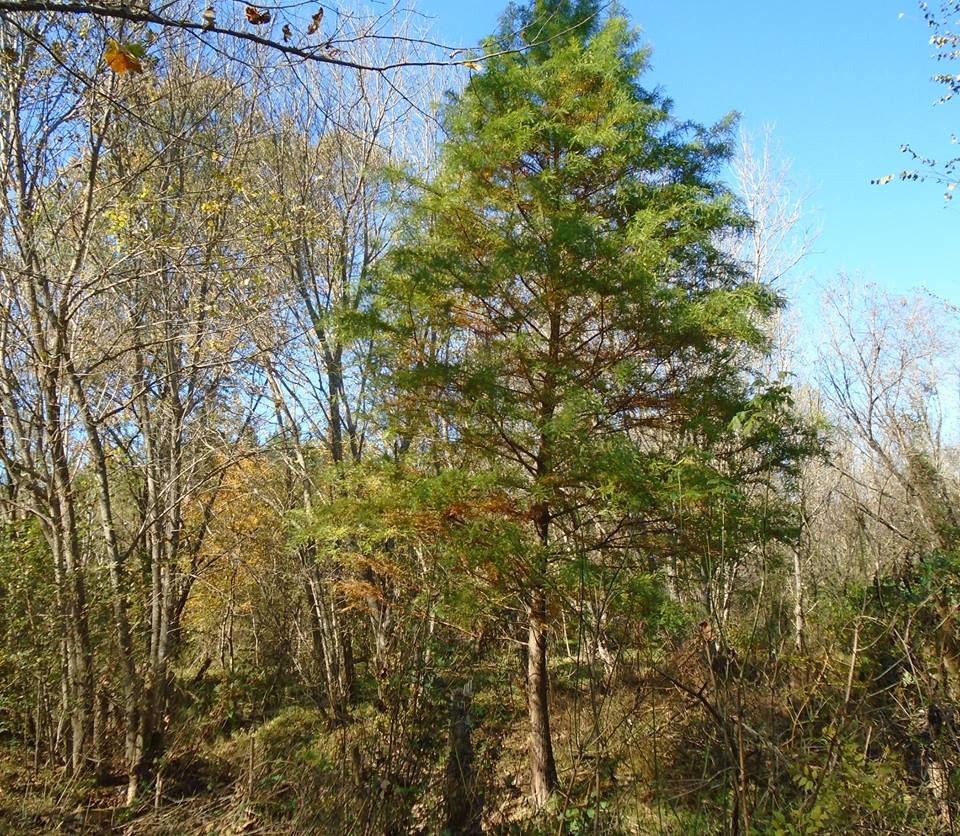
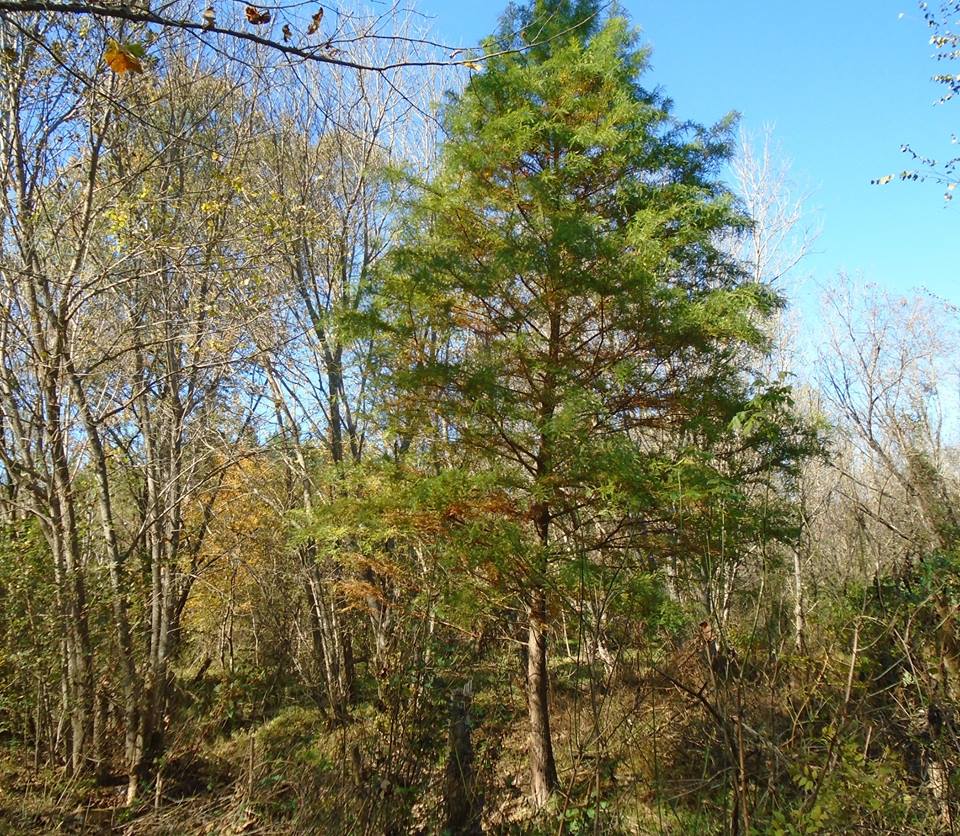
My last photo is a bald cypress I planted ten years ago. This tree is well outside its natural range, maybe the edge of the new range.


Inspected the place we clear cut last year. It is now fall, so I can see what is coming under. We planted 21,000 seedlings in March and April, almost 500 per acre. It looks like there will be a lot more. The lobolly have seeded in. The reason we planted, as opposed to natural regeneration, is that I think that the new seedlings will be genetically faster and better. I guess this will be a good test case. Presumably, I will be able to tell in five years.

My first photo shows the lobolly that have grown in the last few months. Next shows how much they have filled in in the landing zone. Picture #3 is some of the older loblolly, maybe the seed sources. The last two photos are shortleaf pine. These are also beautiful trees. They grow slower than lobolly and in many ways behave more like a hardwood species. They are the most widespread of all southern pine species, but are always associated and never dominant.

Driving back from Georgia

Last post of today. I drove from Georgia to Virginia yesterday. It was a pleasant drive along I-95, not too much traffic. I could use cruise control most of the time. Gas is cheaper in South Carolina. North Carolina is about twenty cents higher than Virginia.
You can make it all the way across North Carolina on a half tank of gas. A good strategy is to fill up in Virginia on the way down and in South Carolina on the way back.

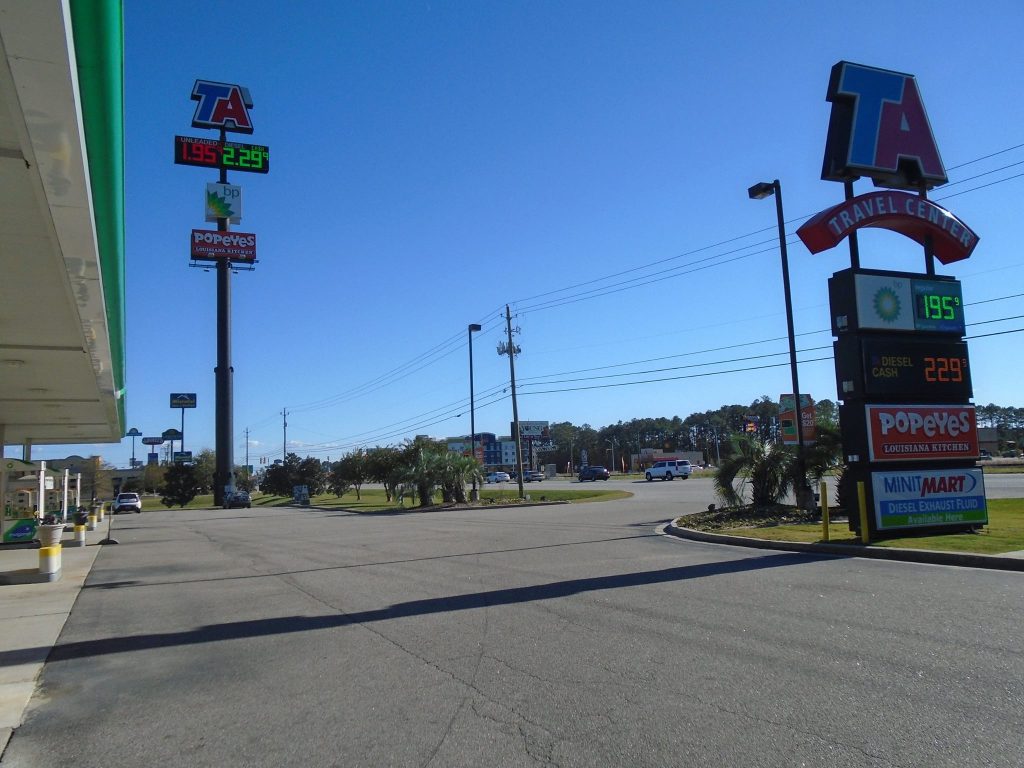
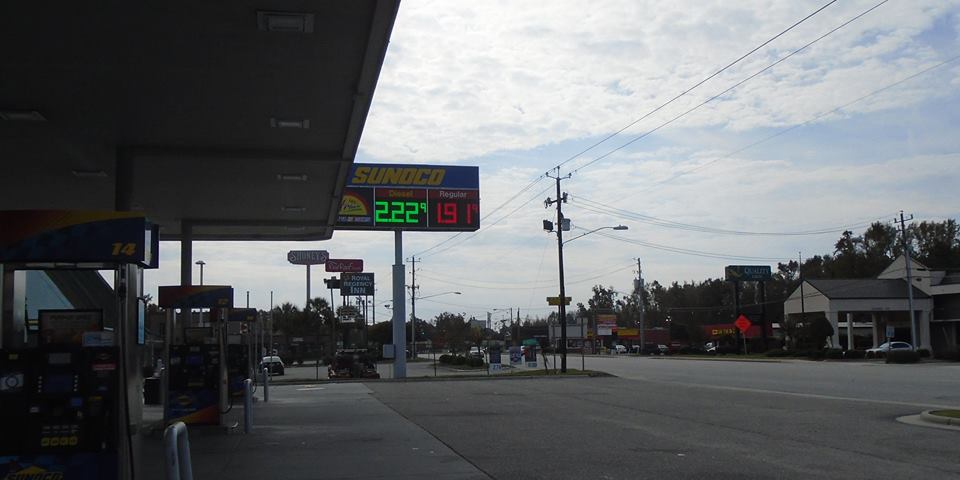
My photo is the gas station I used in South Carolina. I actually stopped off at Pilot, but there were lines at all the pumps. A hundred yards father was TA with no lines and the same price for gas. I drove those extra few yards.
Save

Longleaf art

Artist webpage
William Bartram
Artist Phillip Juras delivered the lunchtime talk, explaining how an artist can portray reality in a way photos cannot. Well, not reality in the sense of exact reproduction but in the perceptions of the changing nature. He gave an example of fire in the woods. A photo of a fire often shows a strange kind of leaping flame. When we watch it in real life, we see the continuity. An artist can capture what we see in our mind’s eye.

An artist can also paint things that were, might have been or might be. Juras studies photos and journals to get an idea of what the landscapes may have looked like. He relied, for example, on the journals of naturalist William Bartram, who traveled through the southern colonies from 1773-7. (Other stuff was going on around that time, but I guess it didn’t much affect him.) The landscapes he described are generally unavailable today, but an artist can recreate the feeling, or at least an approximation.

Putting fire in the woods

Facebook page
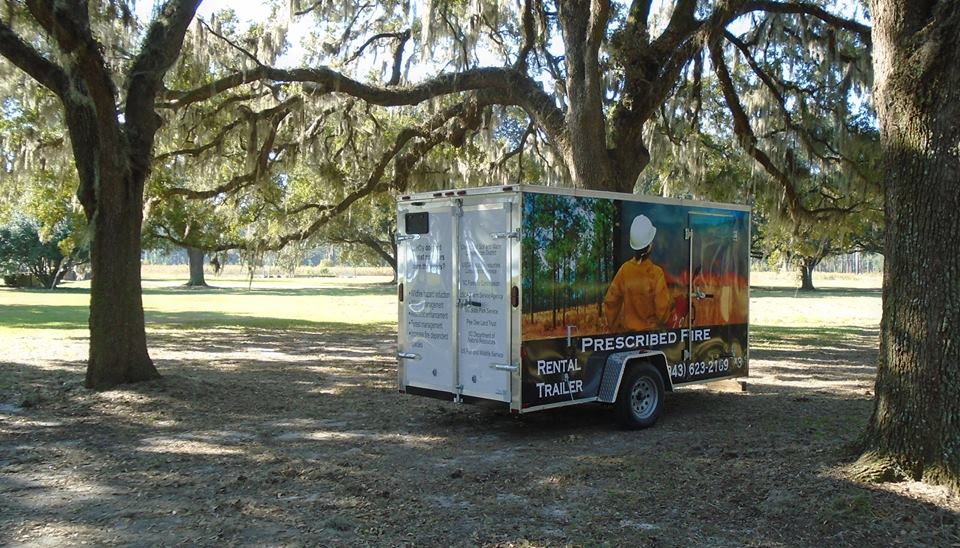
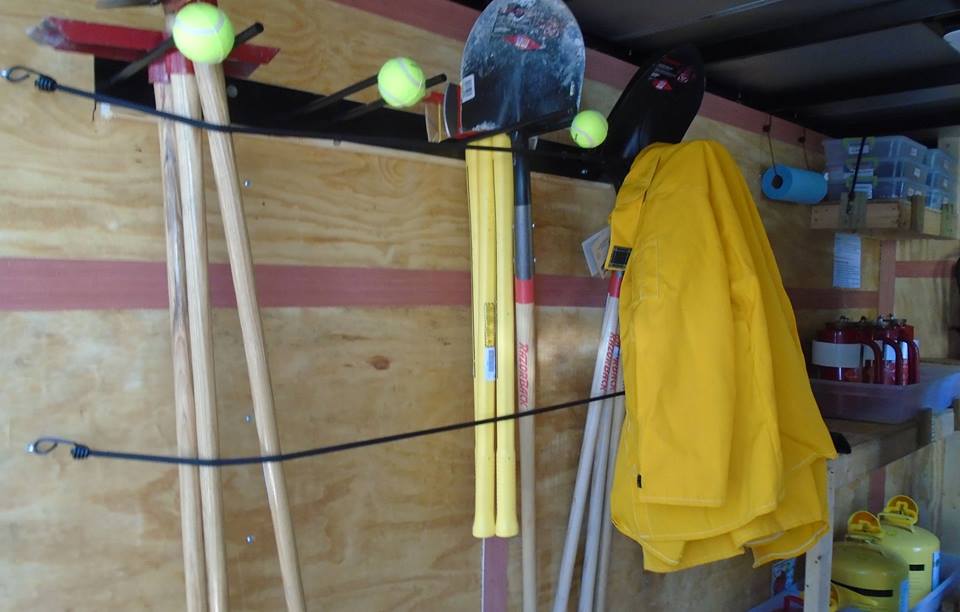
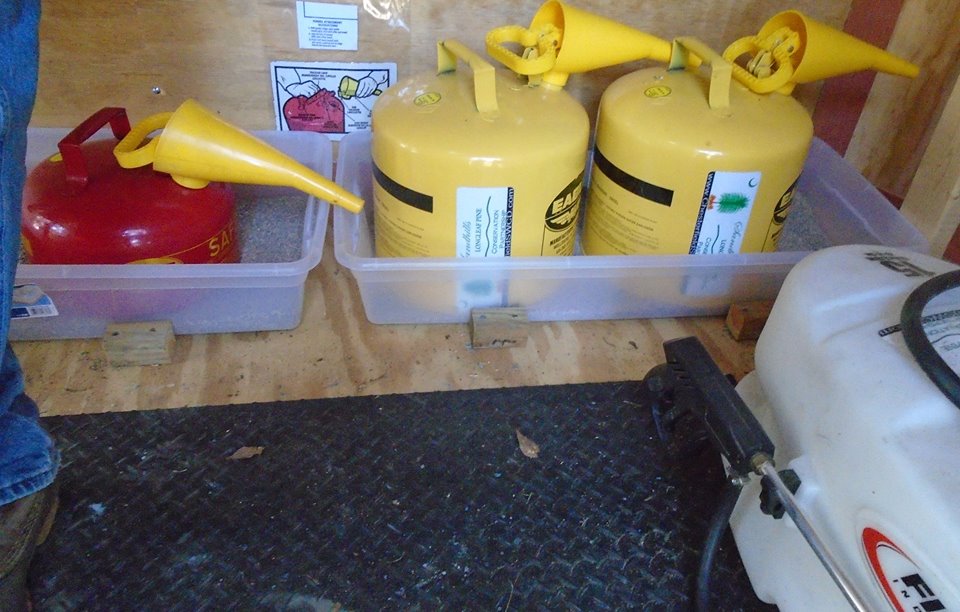
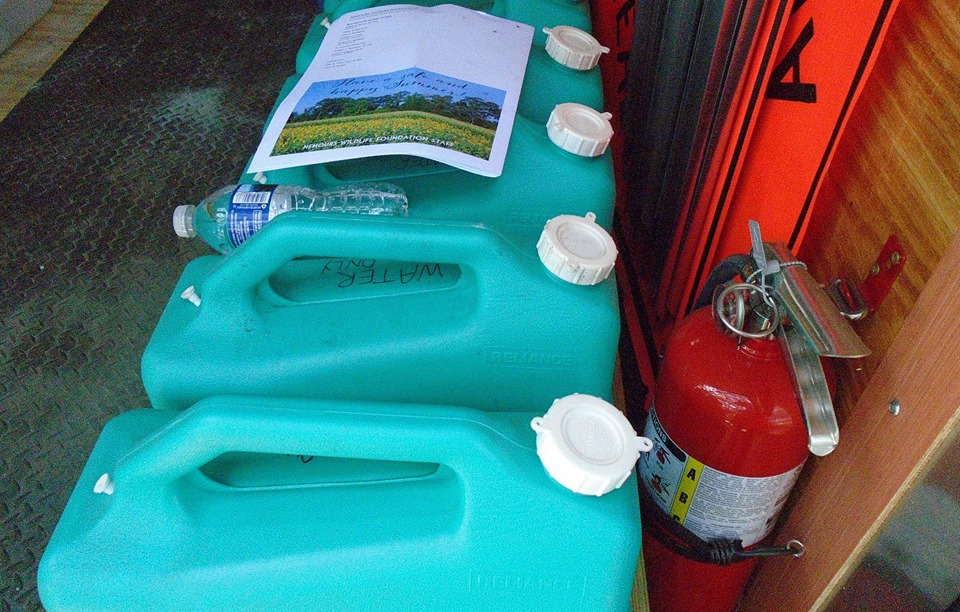
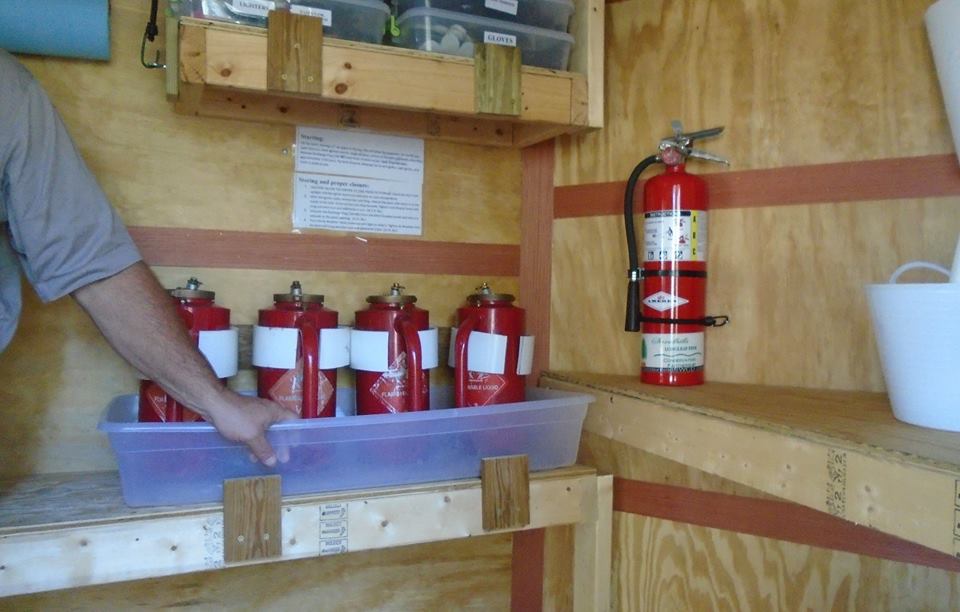
Putting fire into pine woods is important to maintain the ecological balance among the fire dependent species, but lots of landowners are afraid to use it and/or lack the tools. So the SC authorities have created a rolling supply room. It has the things you need to conduct a prescribed fire. Non-professionals can rent it for only $50 a day.

An interesting adaptation is to us cat litter in the containers that might have flammable materials. It absorbs leaks as it would cat pee.
Save

Nemours plantation

Facebook post
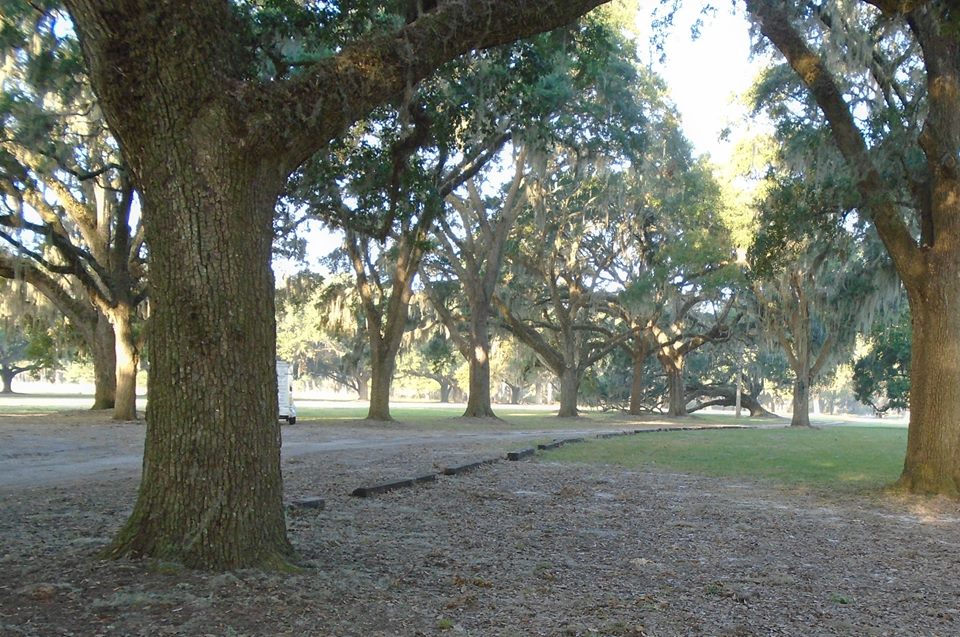
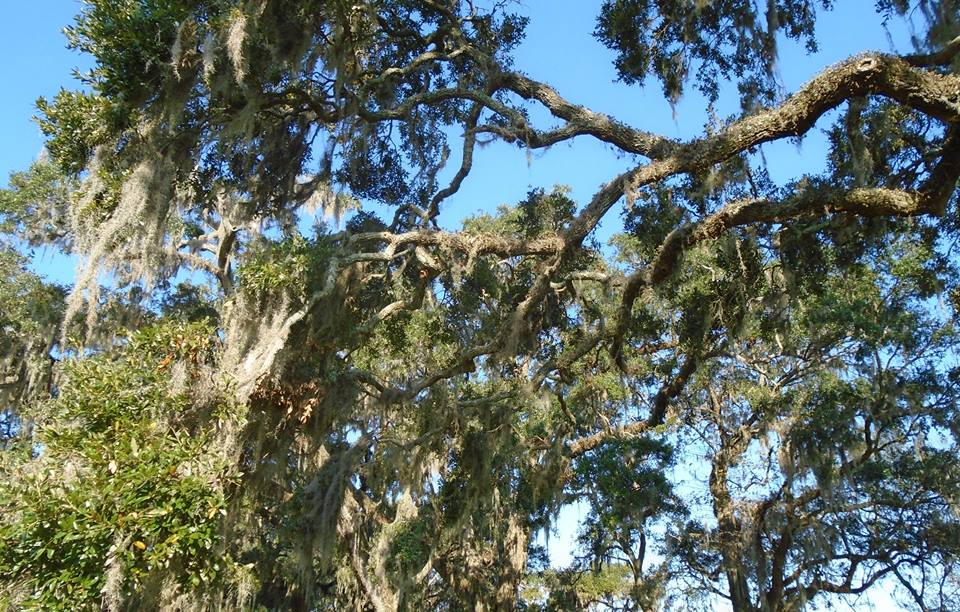
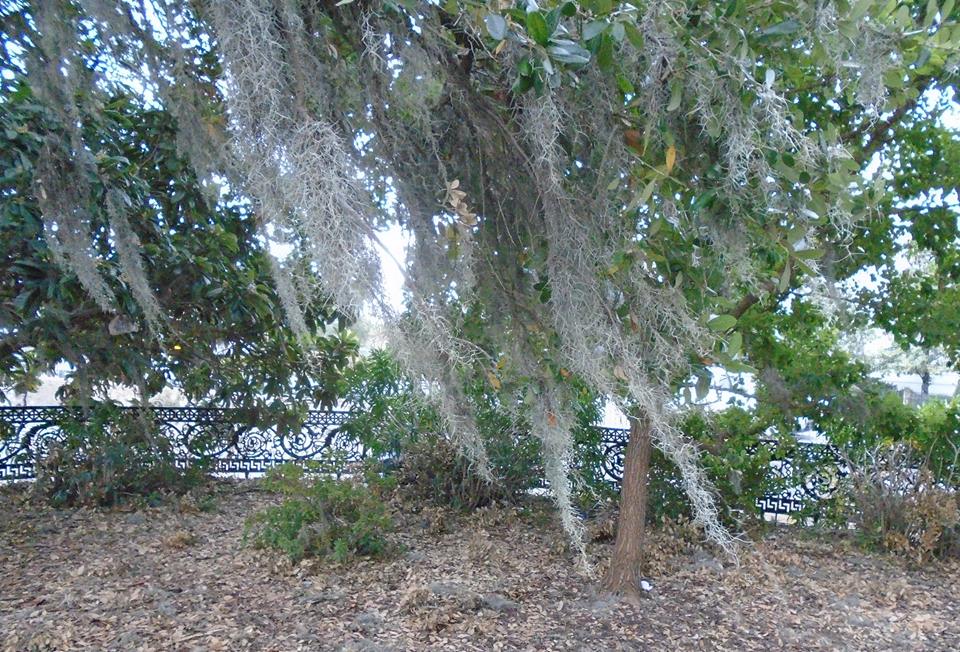
My last photos of the day. There are live oaks and Spanish moss from the Nemours plantation. The last photo is a tuft of little blue-stem grass, a warm season grass common in southern pine savannas, well … common in lots of places around North America.


Save

The Nemours Plantation 1

Facebook link

The Nemours Plantation was part of the rice growing complex in the ACE basin, called that after the three rivers – Ashepoo, Combahee and Edisto – that make up one of the largest undeveloped estuaries along the Atlantic Coast. Rice production became unprofitable in the late 19th Century and much of the population left. Rich industrialists from the north bought up lots of the land for hunting preserves, among them the Duponts, who bought what became Nemours. Much of the rest reverted to forests.

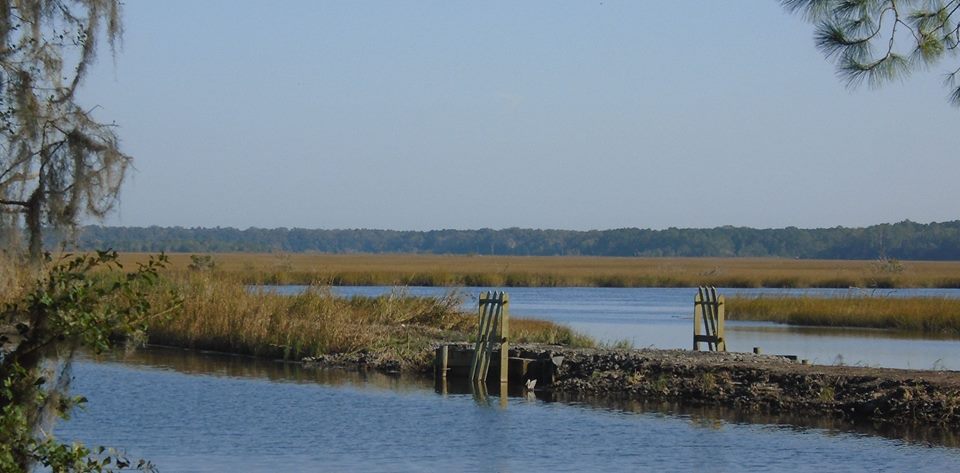
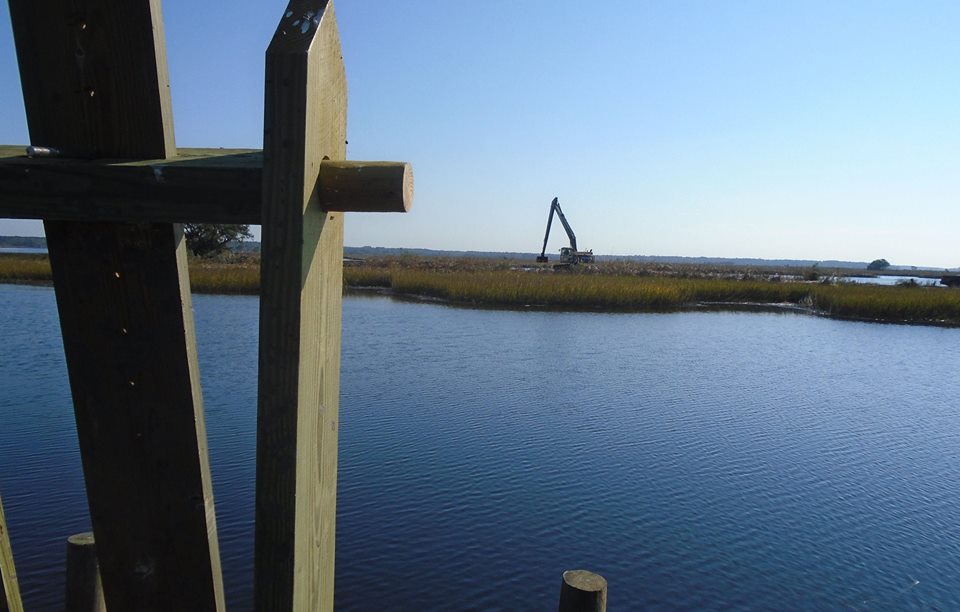
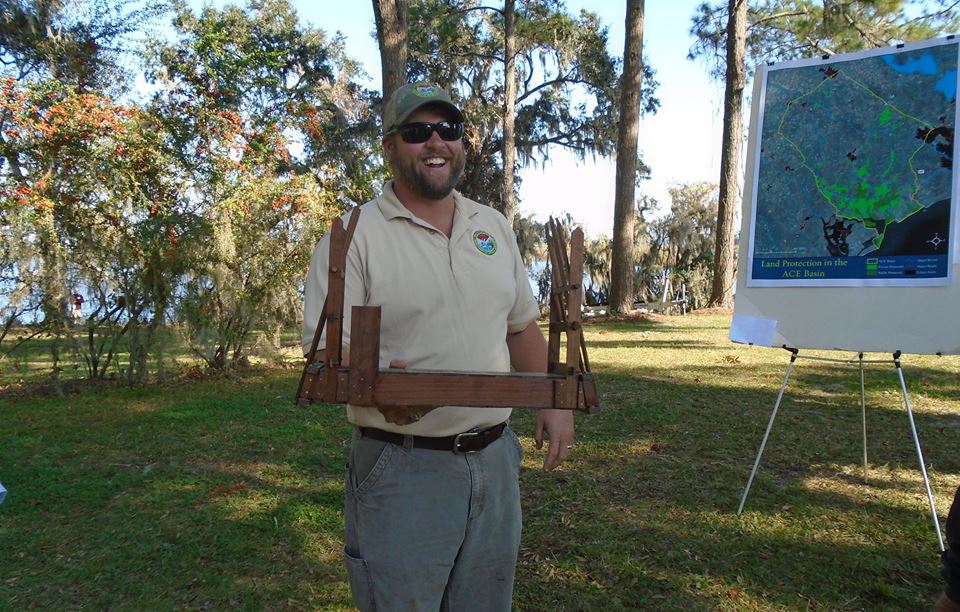
The rice growers had impounded the waters by building dikes with contraptions that allowed water to come in at high tide and then prevented it draining at low tide. Although the rivers were tidal, the water if fresh. High tide merely caused the river water to back up. My pictures show the devices used to hold the water. You can see how it works in the model. Workers open the gate when the tide is coming in and the receding tide seals it. The design was Dutch, people who had a lot of experience with dikes.

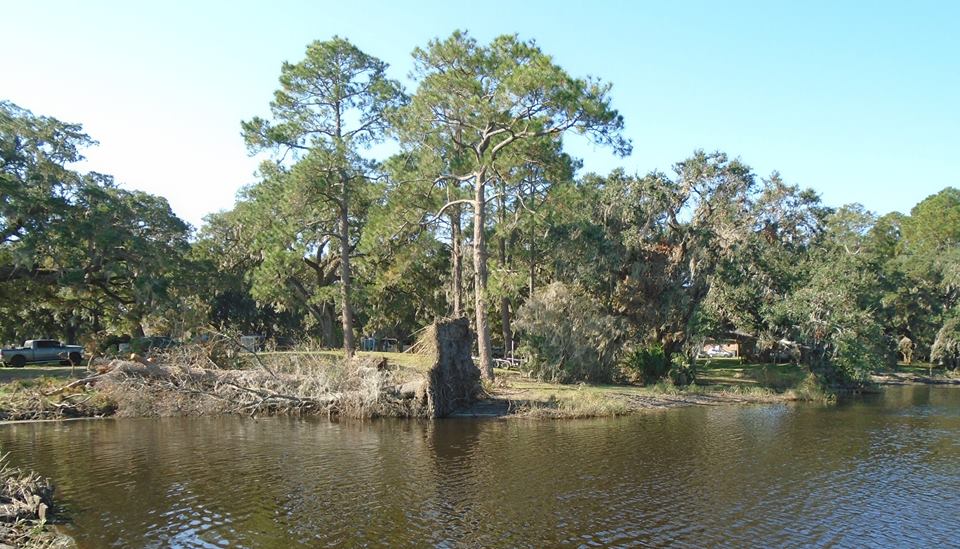
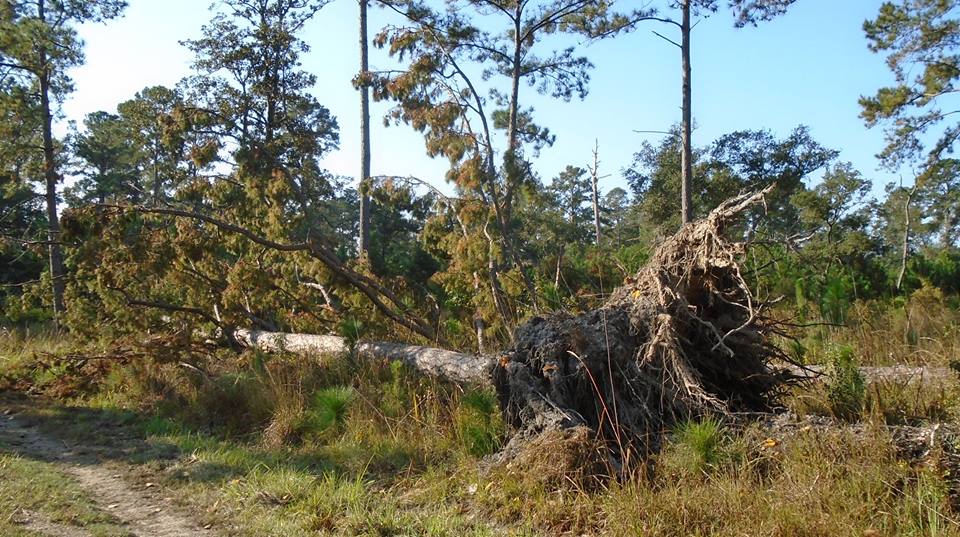
When the hunting estates were formed, they converted the rice impediments to plants to feed migratory birds. They still are doing that job. Recent heavy rain and wind of Hurricane Matthew breached many of the dykes. One of my photos shows repairs underway. You can also see the gates and a model that shows how it works. The other two photos show downed trees. You can tell if a forest has not been cut for a long time by, among other things, the humps and holes caused by roots pulling up the dirt. A cleared and plowed field smooths out these things.

Drones

Facebook link

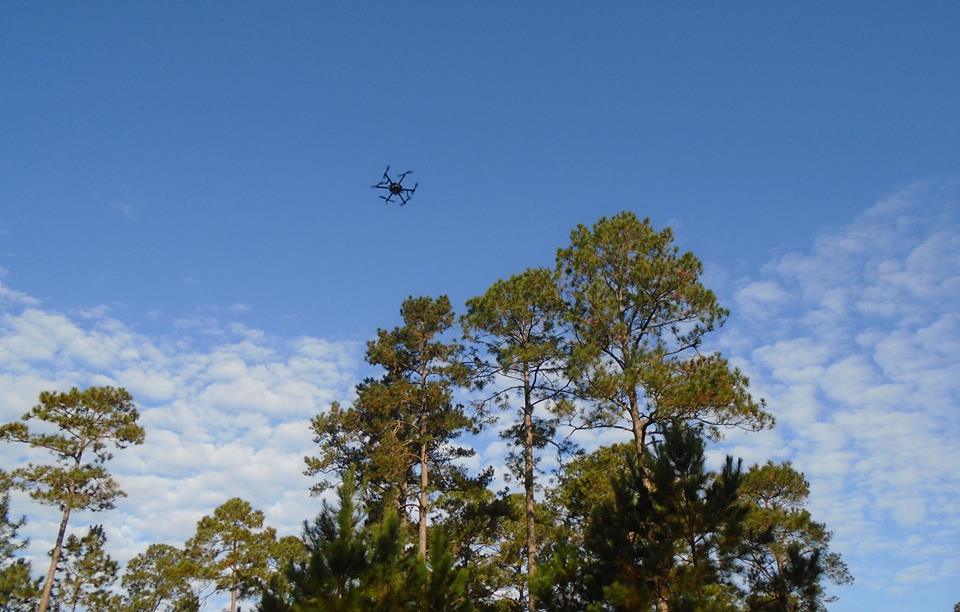
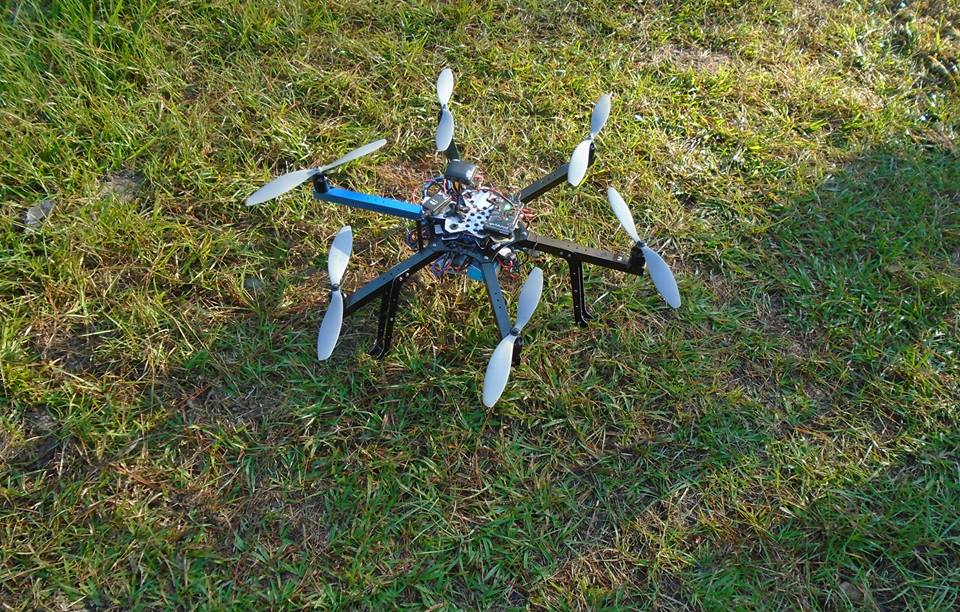
Drones will change how we do forestry, or at least how we see (literally) our forests. We saw a demonstration of a drone today. It was smaller than I thought (they do come in bigger sizes) and quieter. It sounded like a bunch of bees when it was close; you could not hear much at all when it got higher up.

I will wait a little while before getting one. I figure the prices will come down as technology improves. As I get older, it will be useful way to keep up with the land. If I also get one of those little all wheel drive vehicles, I will have it made.

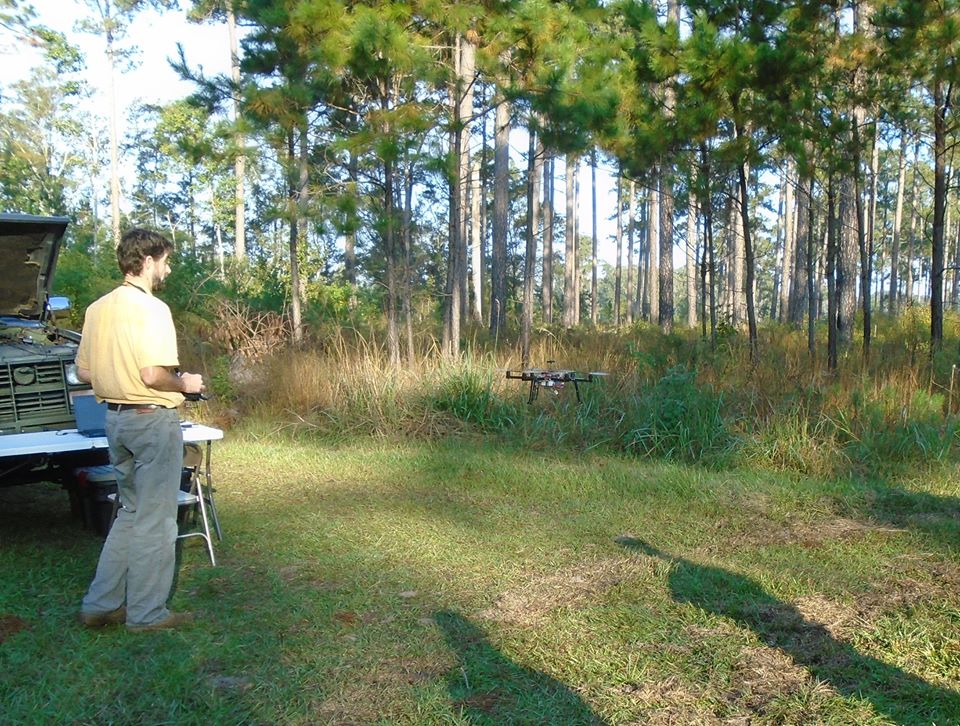
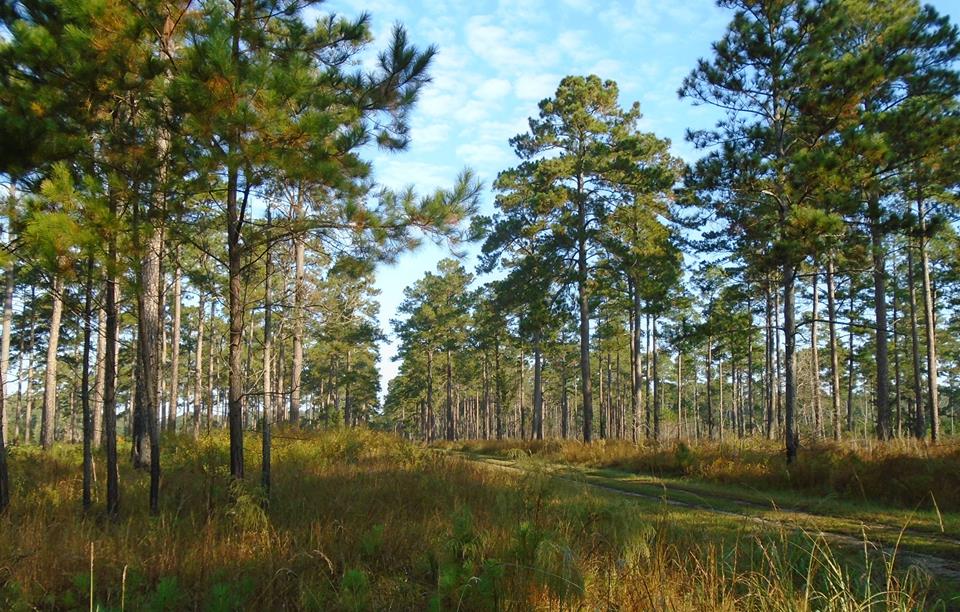
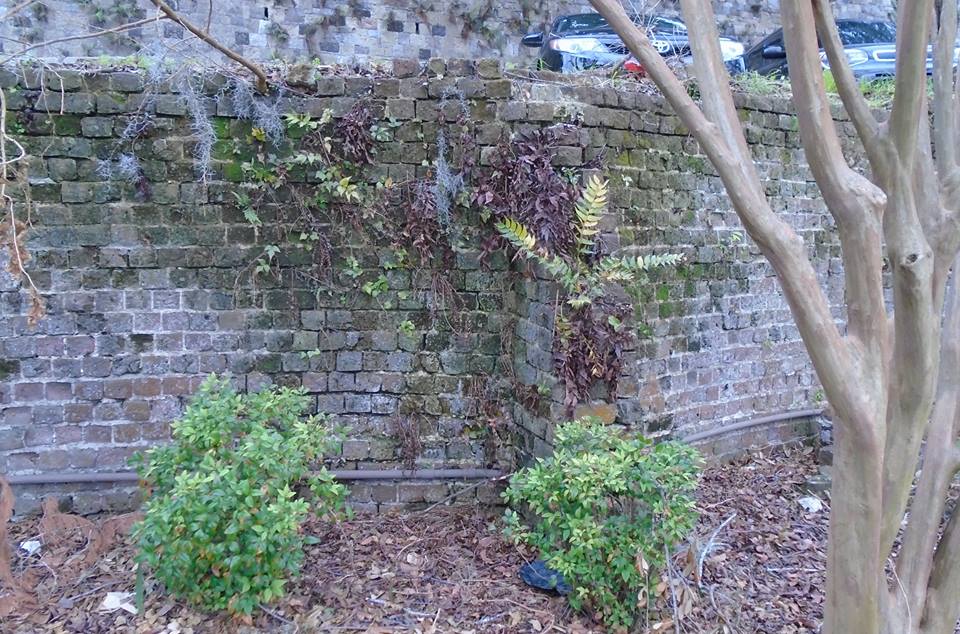
The first three pictures show the drone. The last one is a pine savanna. It is mostly loblolly and not longleaf, but has many of the same characteristics. They created it from a thickly planted plantation and now maintain it with fire and herbicides.

Longleaf conference in Georgia

Note from 2019 – On this trip I developed an aneurysm in back of my knee. It was a serious problem.  In Georgia, it was hard for me to walk.  I only later learned what it was. The doctor said that I could have surgery or try to exercise through it. I chose the latter, but worried that I would never recover, might even die from that artery disease. So far, I have mostly overcome the problem. Mostly.

I saw less of Savannah than I could have/should have because it was so hard to walk.  I regret.


Driving across the Carolinas

Crossed into South Carolina. Gas is about twenty cents cheaper just south of the border. I got to the station ahead of news of the pipeline accident in Alabama. I expect gas prices to spike up.
I know there is lots of sympathy for those opposing the pipeline in Dakota. I can understand. But as long as we use fuel, we have to move it. Pipelines are usually the most efficient way to do it. We see the dire consequences of a pipeline being disrupted. If they were not built in the first place, these higher prices would just be normal. Meanwhile, fuel would still move, but by road and rail, adding cost, danger and ecological damage.

It would be great if there was really a unicorn option.

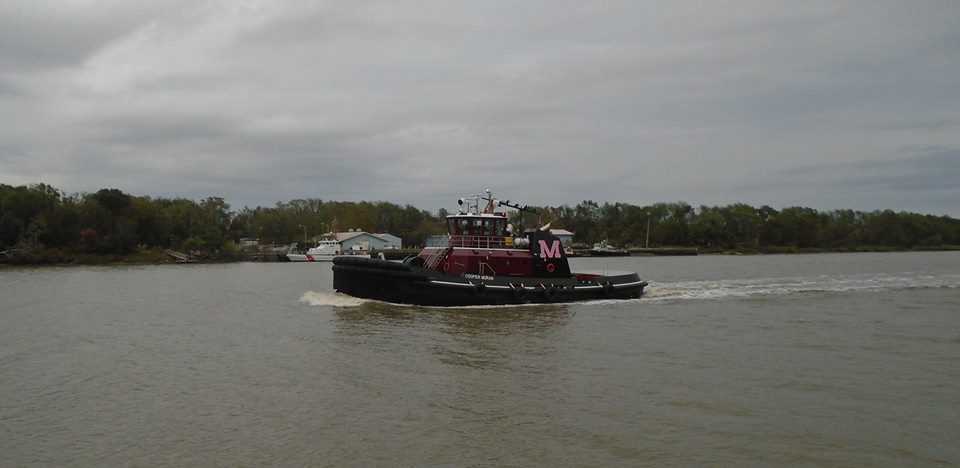
Speaking of transport … my other photos are from the Savannah River in front of my hotel. Containerized cargo changed the way we move goods and that innovation is largely responsible for this stage of globalization.

The call it Intermodal freight transport. Those containers can be easily loaded, unloaded and transferred to trucks or trains with less effort, loss, waste or threat. Our world underwent a significant revolution in the 1970s and 1980s and we didn’t really notice.
Most real change is like that. It creeps up on little cat’s feet, silently, until we notice it suddenly and think it just happened all at once.

Savannah Georgia
Have not yet seen too much of Savannah, but what I have seen is interesting. This is where they filmed “Forrest Gump” and the Gump bench is a minor tourist attraction. I will walk up and see it.
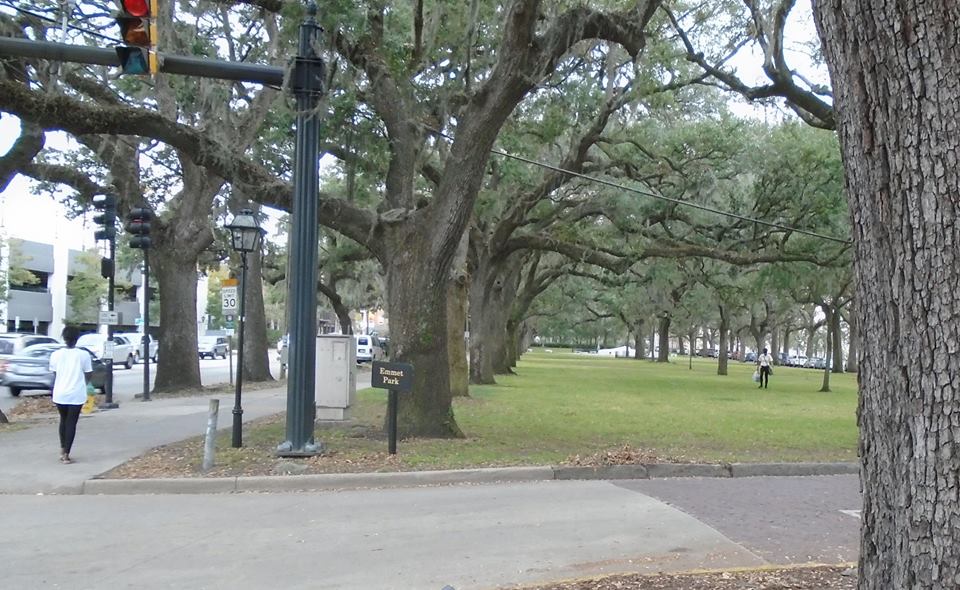
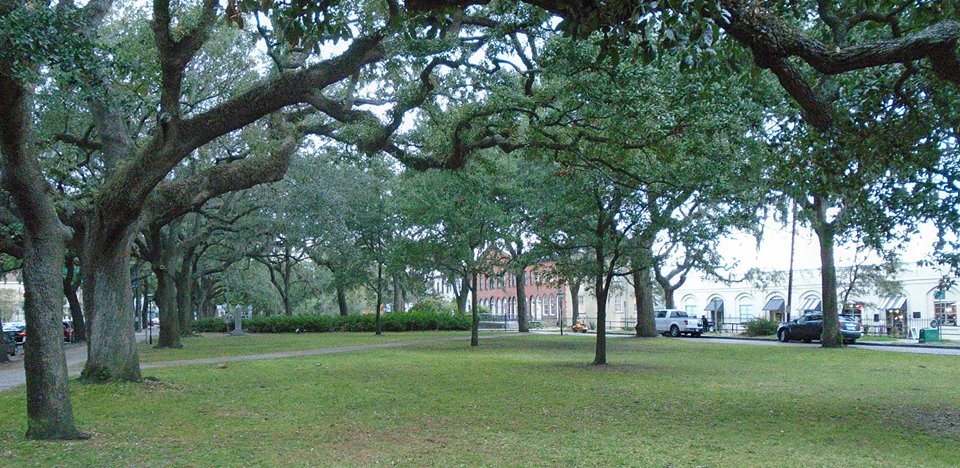
In the meantime, I have been close to the hotel admiring the live oak and the Spanish moss. Of course, Spanish moss is neither moss nor from Spain. It is a flowing plant that absorbs what it needs from the air. That is why it requires climates that are generally warm and usually humid. Savannah is like that. The Spanish moss rarely hurts the tree that host it, unless it grows in such perfusion that it shades out the leaves.

Poetry
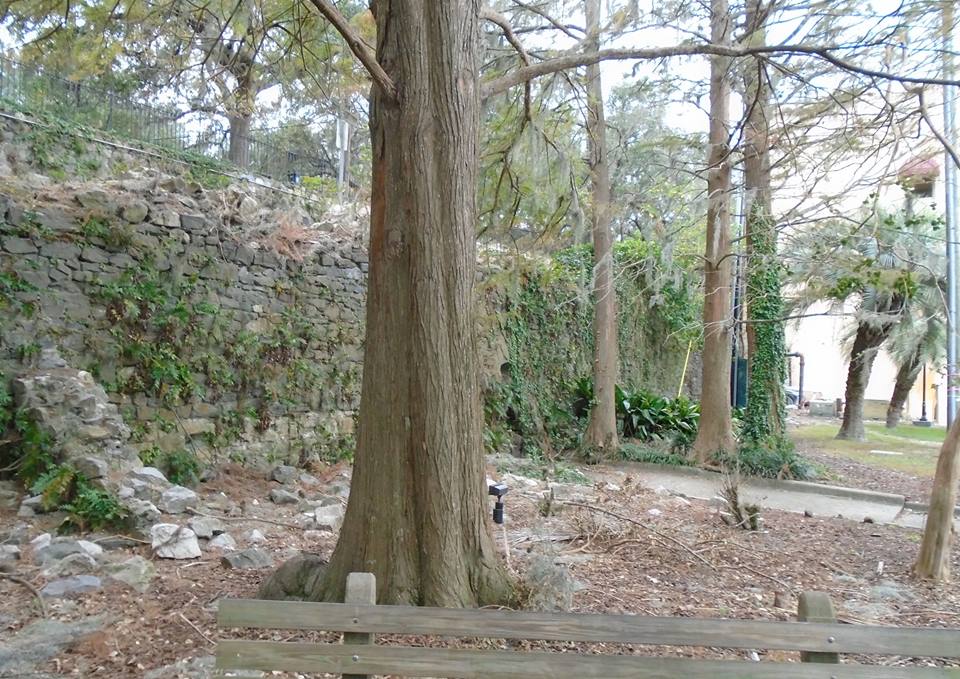
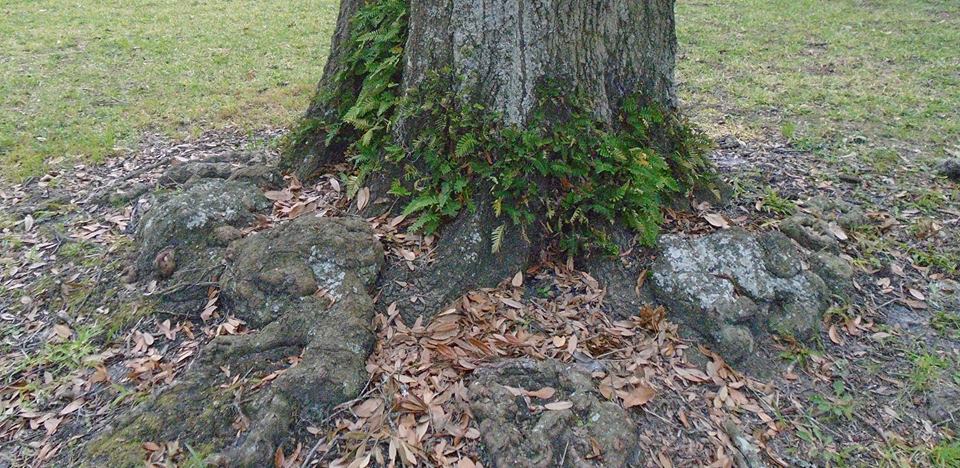
Last post for today. We used to have to memorize lines of poetry. It seemed a waste of time and it was, from some points of view. There are no poems that I can really recite w/o lots of mistakes. But I do recall the general lines of many. One such is “Flower in a crannied wall” by Alfred Lord Tennyson. The lines I vaguely recalled from Miss Ryan’s 12th grade English class at Bay View HS came bouncing back when I looked at a wall with ferns and flowers growing out of the cracks and crannies. The other photos show a bald cypress grove and ferns growing in and on the roots of a live oak. Below is Tennyson’s poem.

FLOWER in the crannied wall,
I pluck you out of the crannies,
I hold you here, root and all, in my hand,
Little flower—but if I could understand
What you are, root and all, and all in all,
I should know what God and man is.