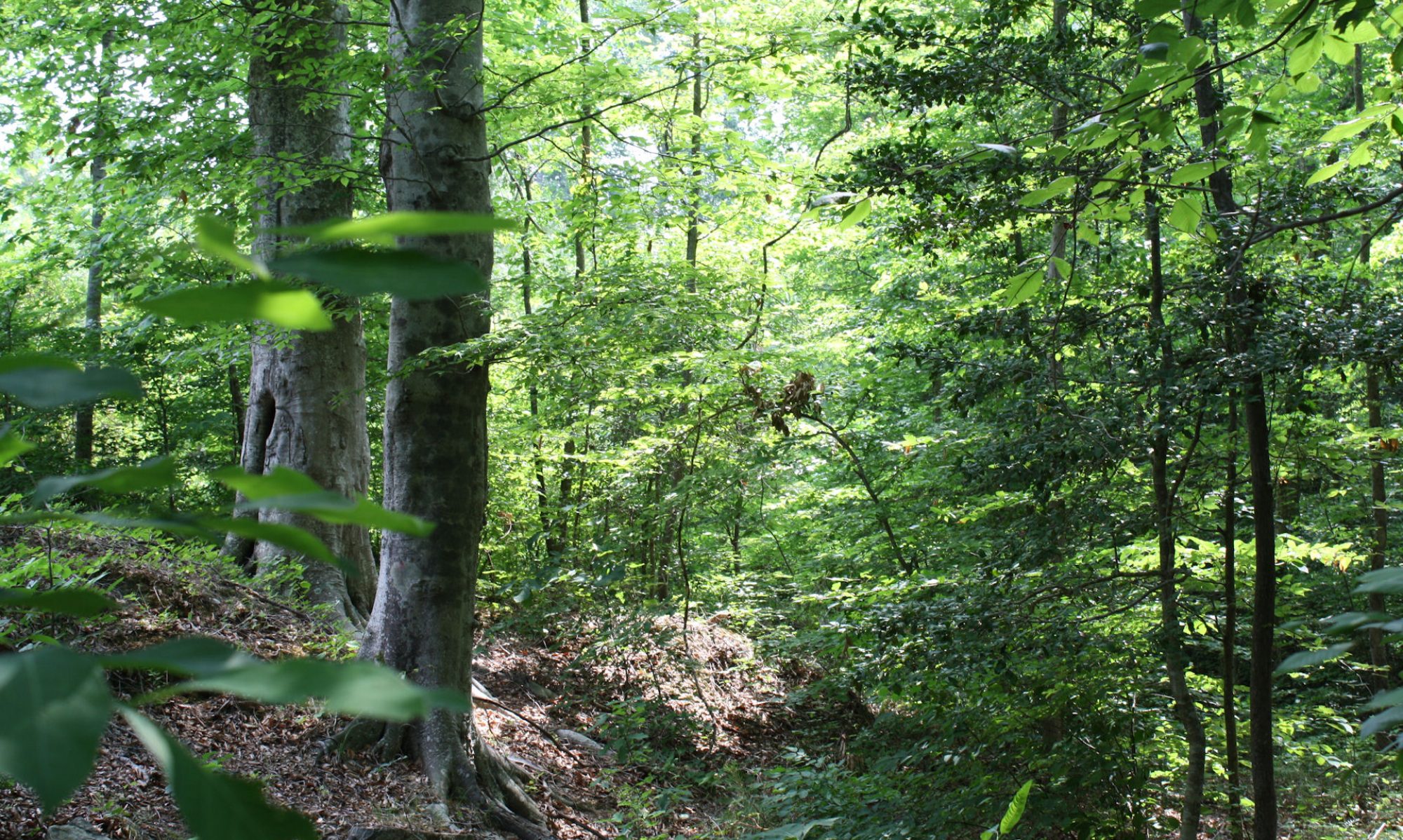
Marking Boundaries, Managing Wildlife

Below – boundary trees are often the biggest trees.
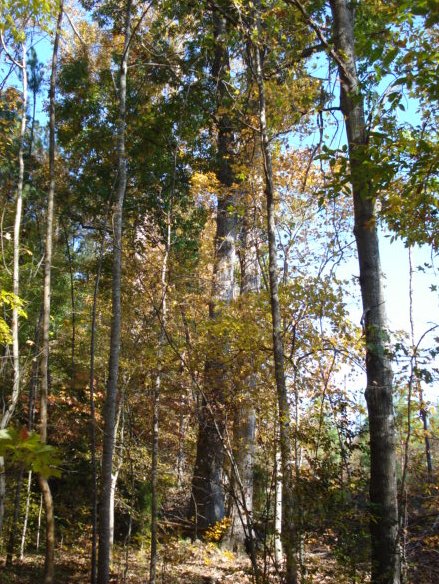
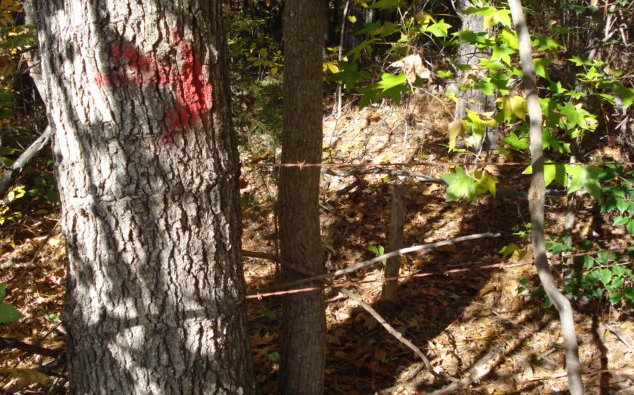
I don’t really do much useful around the farms, but I enjoy being there and I have assigned myself tasks.   One of my repeating tasks is marking boundaries.    I squirt new paint on the markers each year.  It was a challenge the first time just to find them.   Most of the markers are on old trees.  Boundary trees tend to be the biggest ones because neither side can cut them down.  Beyond that, surveyors tended to choose long-lived species such as white oaks.   The most interesting markers are old signs.   My property was owned by Union Camp and there are metal signs telling people that.   In some cases the trees have grown almost completely around the signs.    On two sides I have the remains of a barb wire fence.  In the old days the fence divided two pastures.  It is very old and the trees have grown around the wires in many places.   The wires are mostly down, but they still provide a straight line to follow.  The southern boundary is Genito Creek … or it WAS the creek.   In 1962 the creek changed course and cut a new channel through my property.    The line is now the old creek bed.  There are no clear markers there.  The eastern border is also moved.  It used to be the road, but around 1970 they moved the road, so now I have around 100 yards on the far side of the road too.  This strands a couple acres, but I am glad to have both sides.   Nobody can build anything I don’t like along my road.   The plat map has precise longitude and latitude that these days you can find with GPS.   In fact, you can find everything with GPS.    I like the precision but I enjoy the exploration more.   

Below – The tree swallowed the barb wire fence.
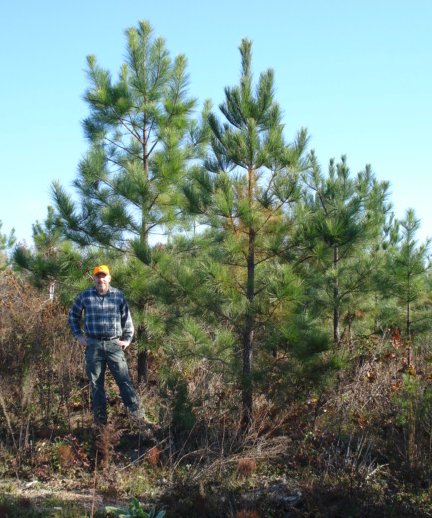
Below My trees are growing very well and I expect that the thinning and biosolids will make them grow even better.   The property was clear cut in 2003 and replanted the next spring.   The site index is good.
I met the guys from the Reedy Creek Hunt club.  They seem a nice bunch of guys.   They told me that my new property has been in forest since as long as anybody can remember.   They knew a lot about the local forestry business  and I was glad to share their expertise.  
There is no shortage of deer in the area.   In fact, deer have become pests, destroying crops and becoming road hazards.   The hunters shoot as many as they can, but it doesn’t make a dent on the herd.  They speculated, however, that the deer may be a nuisance also because they have to search for food farther from the forests.   We agreed that the club would plant some food plots on the eight acres below the power lines that cross my new property.    High protein diet would not necessarily increase the size of the herd, but it might keep them closer to home and make the herd healthier.  That is the theory, at least. 

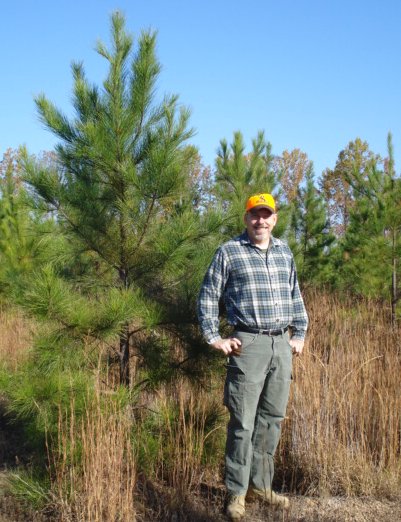
Above & below are some of our healthy trees. I am 6’1”, so you can see the comparison with the trees.  I didn’t know trees grew that fast.  Back in 2005 when I first got the place, none of them were even knee high.

Some still hunt individually, especially those who hunt with bows or black powder but hunting in this part of Virginia is a usually a communal affair.   They send dogs into the woods to drive out the deer.  Theoretically they coordinate to get the deer.   Evidently many still get away.   They move fast and the guys assured me that it is a lot harder than it sounds.  

We talked about the various other sorts of animals the live around Brunswick County.   I was not happy to learn that bears are becoming common again.   I have not seen any bear tracks yet on my land.  Good.  I prefer to avoid encounters with any animals that can do me serious harm.  As few as ten years ago there weren’t any in Virginia except in the mountains and in the areas of the Great Dismal Swamp.   I heard from a different source that a guy near Brodnax killed a bear last year, a big bear … with a bow and arrow.  I am not sure I would shoot at a bear with a bow.   A near miss would just make him mad and you might not get a second shot.  Hunting for bear is still restricted to bow and black powder.    Of course there is the usual menagerie of animals, such as beaver, turkey, bobcats and recently coyotes.   I understand that beavers have been trying to dam up one of the streams on the new property.    You just can’t get away from them.    They are kind of cute but they breed like rodents, I suppose because they are.
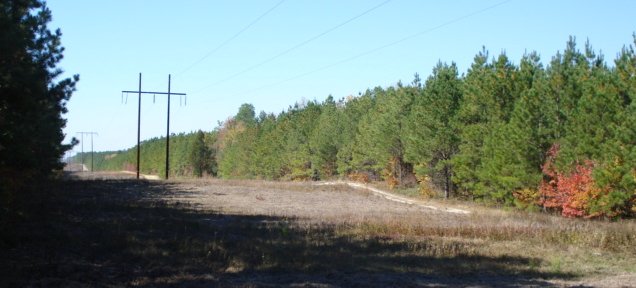
Above is the place where the club plans to plant some food plots.
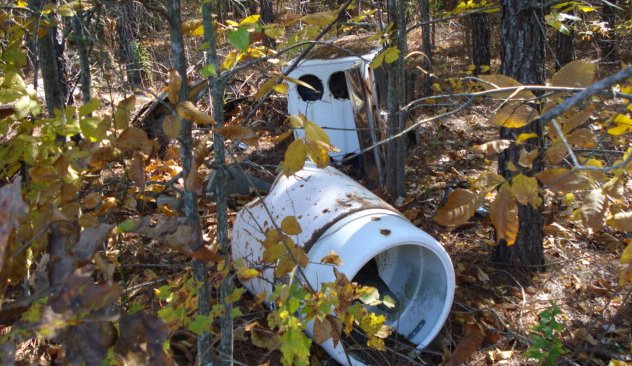
Above – my new property came with appliances.  The hunt club guys tell me that they have been there a long time.   It is a Sears Kenmore washer and range.   Despite years of exposure to the elements, they are in decent condition.  I guess Sears built to last.
SAT, College Admissions, Achievement & Fairness

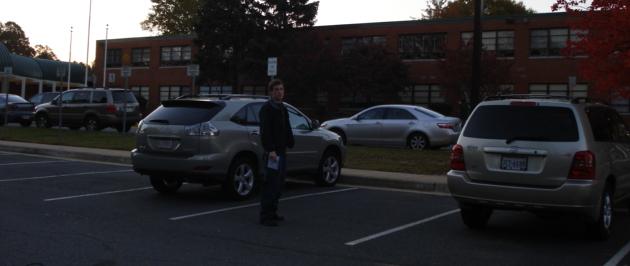
Below – I drove Espen over to Falls Church HS to take his SAT test.   Sorry for the dim.  It was just before sunrise.

The SAT test is an annual ritual for HS seniors.   College admissions have gotten harder and more complicated over the years.  Some families are hiring consultants to get them through the experience and many kids take various SAT course to improve their scored.  I have very little confidence that the process has gotten better for its new intricacy.  In our quest to make everything fair & equal (often mutually exclusive goals), we have mostly made it capricious. 

Standardized tests were designed more than fifty years ago in to create fairness and give poor but smart kids a chance to compete with the sons and daughters of the rich and well connected.  They worked.  That is one reason I like them. In interests of full disclosure, these sorts of tests revealed my hidden talents and abilities and helped me jump the socio-economic divide.   W/o the Foreign Service written test, I never could have gotten a job like the one I have.   The rich and privileged can help their kids by massaging their resumes and using their contact networks.    Working class kids don’t even know they are playing that game until they have already lost.  Standardized tests are less subject to manipulation.  They level the playing field.

I am convinced that many educators and politicians dislike standardized test because they actually do work to differentiate fairly among applicants, and fair doesn’t mean equal – something they really don’t want.   Standardized tests are also difficult to influence politically and they stubbornly fail to produce politically correct results.    No test is perfect and opponents attack from that angle.   They abuse the reasonable argument that we should not overemphasize one measure and try to devalue to whole judgment process.   They point to the exceptions that prove the rule. 

We should use multiple criteria, but let’s not pretend there are no valid criteria or that some criteria are not better than others.   If a kid has high grades and high test scores, he/she is almost certain to have the ability to do well in college.   If a kid has bad grades and bad test scores, he will certainly be challenged in school.   That does not mean he/she cannot eventually excel at school.  It just means it will be a stretch and the odds are long.  It definitely does not mean he/she will not be a success in life.   Success in school and success in life are not the same.   It is possible to be an educated fool and not everybody finds his best self at university.  But among those who are college-bound, the kids we should find most interesting and give more consideration are those who have poor grades and high test scores or the reverse.  This is where the testing has value. 

I object to the “whole person” concept in college admissions.   It is in fact a way for admissions to introduce bias into to process.   The combination of grades and test scores provide the necessary useful information.   When dealing with eighteen-year-old applicants, with virtually no work history, additional information will not provide valid basis for decision.  There are some exceptions, but they would be rare.    The only case I can think of off-hand is when a kid has a unique talent that shines through an otherwise mediocre record. 

IMO the rejection – proponents would say the broadening – of criteria is just a way to cheat.   The rich and privileged are unhappy that objective criteria weaken their influence, so they make a tacit alliance with “the underprivileged.”    That helps account for the statistical anomaly that elite universities have lots of rich kids and a good representation of poor kids but not so many middle-working class kids, relative to their representation in the actual population.    These are the ones who would provide the real completion to the privileged.

At my first post in Porto Alegre I met a woman who hated me.   She was the American wife of an expatriate banker.   I couldn’t figure out how I had provoked such a strong reaction in someone I hardly knew.  Finally, I asked her.  It turned out that she didn’t like me, or my colleague the Consul, because of what we were.    Both of us were from working-class backgrounds and both of us had gotten ahead through the standardized Foreign Service test.   As it turned out, her brother wanted to be a diplomat.  He had taken the test on several occasions, but was unable to pass.  

She explained to me that her ancestors had come to America on the boat right after the Mayflower and that her family had been leaders and diplomats ever since.   It was only in the most recent generation that they were pushed out of their ancient redoubts by upstarts like me and those darned standardized tests that breached the walls.    People like me, she said, didn’t really deserve or appreciate the exalted jobs we had.   I am not saying her argument was completely w/o merit.  I am sure her brother came with all those social graces that I had painful and imperfectly to learn. He knew what jacket to wear and what fork to use, but we were smarter, or at least had a better memory for tests.    It depends on what traits you value most.  The “whole person” approach to recruitment would have preferred him.

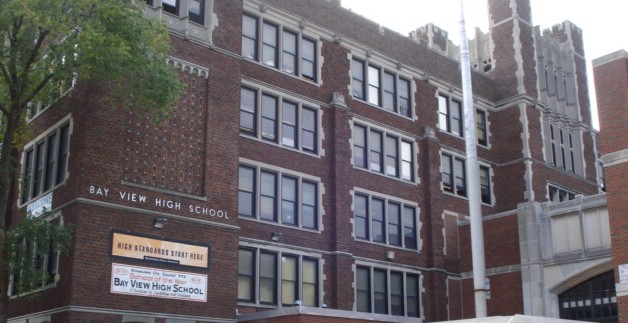
Above is Bay View HS where I went to school in Milwaukee.  I got a good education there, but as far as I recall nobody ever mentioned FS as a career option.   I think if someone had asked me if I was interested in a career at State Department, I would have asked “State department of what?  Roads? Parks?”  BTW – the school was badly damaged by another “fairness” social engineering – bussing.  That was one of the dumbest ideas ever, unless the goal was to destroy neigborhood schools, but that is another story.

Halloween

I think that it is cute when little kids come around in costumes and it is a community building ritual when we give them treats.   Most of the kids this year visiting my house were Asians with a mix of East and South Asians.   Our neighborhood is in constant ethnic transition.  A couple years ago there were a lot more Hispanic kids.   Not many of the kids ringing my doorbell look like mine.   Those neighborhoods are a little farther out into the single family home suburbs.    Our town-house complex has very few kids in general.  Most of the kids we see around here come from the garden-apartment complex next door.   It is evidently a first-stop for ambitious immigrants, who seem to move out to homes as soon as they can, hence the transition.  That was the experience with the friends my kids knew from there when they were smaller. 

When college kids celebrate Halloween it is usually a fun party.   I remember the big parties on State Street in Madison, Wisconsin.   The one that made the biggest impression on my memory was a guy who dressed up like a man taking a shower.   He carried with him the whole apparatus, the shower and model of a bathtub.   It was hard for him to move through the crowds.

However,  this holiday has become way too big in the last couple decades.  It is, after all, a kids’ holiday, unless you really believe in it, in which case it is a vestige of dark-age superstition.   

When people well-past college age take Halloween too seriously it is a little pathetic, but I heard on the radio that the slightly past prime crowd is where the growth comes in the sales for costumes.  People who evidently have too much money and no kids through whom they can have the vicarious Halloween fun are the biggest holiday revelers.   It is maybe not that there are so many participants but they spend bigger bucks on costumes, sometimes hundreds of dollars to dress up for one night like ghosts, goblins etc, according to news reports.  A fool and his money are soon parted.   With the economic downturn I suppose many of these guys will be dressing up like bums next year.

How We Almost Killed Public Diplomacy

We speak with awe or scorn about spin. But ask yourself this. If spin is so effective, how come you and (almost everybody else) can see it? There is much more to public affairs than information or even persuasion. Public affairs is relationships. Relationships are what we stupidly threw away during the 1990s. We fell into a type of historical amnesia during the 1990s. It we chased a dream, a chimera. The fall of communism made most people in the west think that we had finished – and won – a hard race. Now we could rest. All those soldiers could come home. It was the dawning of the Age of Aquarius, just a little late.   Harmony and understanding would certainly follow.

I need to digress. Americans have always been interested in public opinion. Our Declaration of Independence talks about a decent respect for the opinions of mankind, but we learned the importance of information policy in the modern sense in the time before WWII. The Nazis were good at persuasion. (Many of the anti-free market, anti-Americanism and anti-Semitic themes are still used today.) In the 1930s, they were making significant public affairs gains in Latin America by exploiting latent anti-Americanism and taking advantage of ethnic loyalties and spreading money around. (Hugo Chavez is following the precedent.) Many 1930s era public buildings in Latin America originally had plaques expressing gratitude to the 3rd Reich because they paid for the construction.The U.S. responded with its own public diplomacy. On the ground, that meant establishing libraries and bi-national centers that taught English and carried American culture, encouraging exchanges and making cartoons. Yes. Look at the Disney Classic the  Three Caballeros. Donald Duck was the most popular American south of the border.

During the war, we made more movies and worked hard to win the war of ideas. I will not go into details. Suffice to say, we won.  It certainly didn’t hurt that allied forces occupied Germany & Japan, however.   Winning hearts and minds often follows the practical victory, not precedes it. The golden age of public diplomacy came during the Cold War. Radio Free Europe and Radio Liberty were effective alternative media for those countries trapped behind the Iron Curtain. The government also created the United States Information Agency (USIA) to carry out a broad range of information programs. Republican and Democratic Administrations supported this. USIA’s most famous director was Edward R. Murrow. Murrow knew the power of radio and television, but he also understood the need for relationships. He said that we can beam information hundreds of miles, but to get the message across we needed to get that last three feet and that took personal contact.

The Reagan era represented the last bright flash for U.S. public diplomacy. Reagan understood the need and various programs were well funded. Reagan himself was a great spokesman. His policies were initially unpopular. The ultimate success of his policies is partially a tribute to the power of public affairs. Reagan called on the Soviets to tear down the Berlin Wall and it resonated.
The struggle against communism culminated with the fall of Wall in 1989. Soon the benighted communist regimes were gone like the snows of last winter. And we drew the wrong lesson. Many people thought it just happened, that history had ended and the world would now be a generally safe place. Our problems were how to fairly divide the prosperity. We cut our defense budget and spent the “peace dividend.” Life seemed good.

We also cut public affairs. The will to cut went beyond the desire to save money. Some people considered this a moral decision. What right did the U.S. have to try to influence others? Did we think we were so good that we could tell others what to think?From 1993-1999, the USIA hired almost no public diplomats and attrition reduced their numbers by around half by the end of the decade.   Morale was terrible, promotions rare.   The USIA director was ineffective. Overseas posts were closed. Budgets were cut. Libraries disappeared. The equipment of American centers decayed. (BTW – a similar process was at work in our intelligence community with similar consequences.) The 1999 Department of State/USIA Anschluss indicated the attitude toward independent public affairs.

When 9/11 happened, we saw that the world was not as safe as we thought. We tried to fire up the public affairs machine, but we found that we no longer had enough wing tips on the ground overseas and a decade of neglect had allowed our network of contacts to atrophy. I do not want to overstate the case, but just do the math. You can only do less with more for so long.   When you lose half your strength, you probably cannot do as much heavy lifting.

Rebuilding American diplomatic capacity began soon after 9/11. Colin Powell spearheaded a diplomatic readiness initiative to help compensate for the damage done during the 1990s Results are starting to show but rebuilding networks will take a while longer.   U.S. diplomacy has a very peculiar age structure because of the nineties neglect. There are many new employees (>10  years experience) and many old employees (20 > years experience), but not many in the middle.  This will be a challenge in the next five years, as much of the experience will go out the door through retirements. (Career diplomats can retire after 20 years.) It will be a good time to look for a job in the Foreign Service, but our government will be paying for mistakes of the 1990s for the next ten years. You cannot turn these things on and off like a lightbulb. Think of public affairs like a forest. Things take time.  The trees you plant today determine the forest years from now and you cannot expect to walk in the shade of your trees you didn’t plant 15 years ago.

Unhappy Camper in WVA (Seminar Day 7)

Explanations of pictures are below.  Mixing the captions in the text was too confusing.

I am not very happy with this offsite part of the leadership seminar.   IMO this week has been not about leadership as much as about negotiation 101 or inclusiveness 102.   These are very good things in and of themselves, but much of what has been presented is the kind of things I have heard in my self-improvement and management tapes I listened to in my car years ago.  And they are things we all have practiced for 20+ years.   The review is okay, but we don’t need too much of it.

On the plus side, I am learning a lot from my colleagues and have benefited by sharing their experiences.  But I have to say that my high hopes for the seminar itself have not been met. 

We learned a lot of management techniques, but as I mentioned above they were usually ones I had learned before.  I would like the course to be more about leadership.   Leaders are what we are supposed to be.  We were told that we were supposed to transition from management to leadership.  I think the best way to learn about leadership would be by using experience of our State colleagues and case study method using examples from successful, and unsuccessful, leadership from history.    

I would also like more State Department specific information.   Surely we could do that.  Maybe we will get that next week back at FSI.  We have some good speakers on the schedule. Here in WVA we are assembling puzzles and practicing techniques of mediation or empathic listening.  I don’t find much use in practicing these techniques w/o context or value content.   It is great to be open, but I think we have to be more judgmental.  Leadership means making judgments & choices and setting priorities.   It is not merely employing Dale Carnegie techniques to win friends and influence people.    We need to persuade and change minds, not just take opinion polls.  Sometimes – often – the needful choices will be unpopular.  We need to talk more about that aspect of leadership.  


Don’t get me wrong.   My experience with participatory leadership has been good.  I believe in it and truly practice it.  Working with others and having them support me has been the key to my success.   Lord knows I could never have done anything by myself.  But sometimes the buck stops with the person in charge and it is our job to take the responsibility when it falls to us, not spread it out as far as possible. 

I have the opportunity to walk around during lunch breaks and listen to a Roman history course on my I-Pod.  You can learn from history and I enjoy examples of leadership – good and bad – and the consequences.  It is interesting when you study history and look at leaders to see that it is very rare for a leader to be well thought of and/or remain in power for a long time.  It says something about the episodic nature of leadership opportunities.  Solon left town after he made his laws.  Themistocles was exiled soon after the victory over the Persians.   In more modern times, Churchill was tossed out of office after WWII and Harry Truman left office with an abysmally low approval rating.   Of course these are much bigger deals than our small leadership challenges, but I think we little guys can learn a lot by looking at the big challenges, choices and their consequences. 

We had modules on coaching.   I think it is a good idea to coach employees and I recognize that I do it very often.  But the coaching we learned about in class was (my complaint again) very non-confrontational and value free.   I remember reading a biography of Vince Lombardi.   I think it was called “When Pride Still Mattered.”  Vince Lombardi was a pretty good coach, but I never got the impression he engaged in much of this touchy-feely stuff we are learning.    The Lombardi quote I recall is “The difference between a successful person and others is not a lack of strength, not a lack of knowledge, but rather a lack of will.”  I didn’t hear anything like that in our coaching session.

Anyway, I ranted a little about these sorts of things in class, just like I am ranting a little here.  I am not sure the instructors liked me very much by the end of the day and I don’t think it did any good.   Once again I get to be the skunk at the barbeque.   I don’t like to do it, but I guess I don’t mind either.

About the Pictures

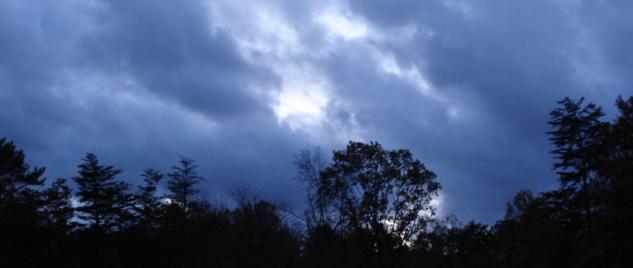
1 – clouds over the conference site.

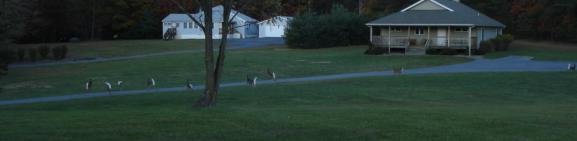
2 – You can see that there is no shortage of whitetail deer.    I saw nine at this one time.   That is the most I have ever seen.  Deer numbers have risen significantly in recent years all over the eastern U.S. 

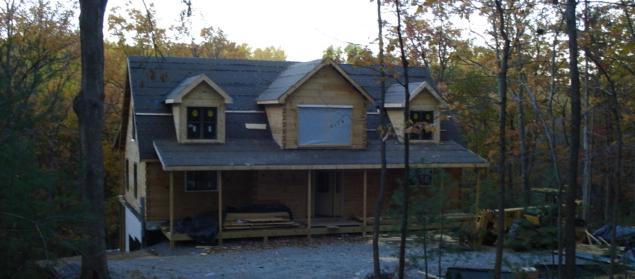
3 – I don’t think “the Woods” community is doing very well.  I saw dozens of for sale signs.   This part of West Virginia was especially hard hit by the housing downturn because high gas prices made commuting out here to/from the population centers around Washington very expensive.   But that affects mostly the older, cheaper cabins build in the 1980s.   While they are up for sale w/o lots of offers, people are building new and improved cabins, presumably with the intention of using them. 

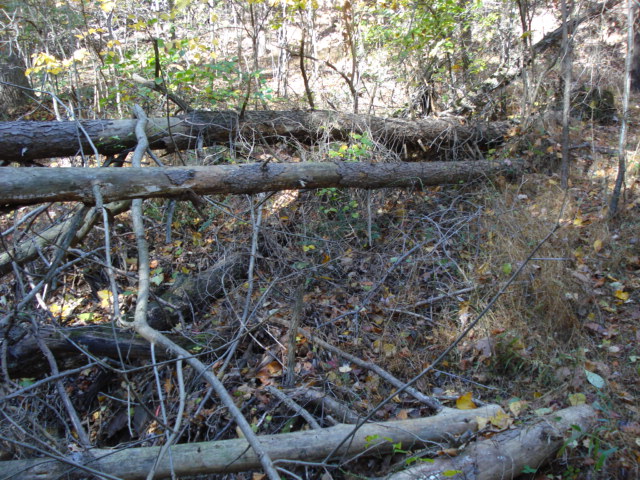
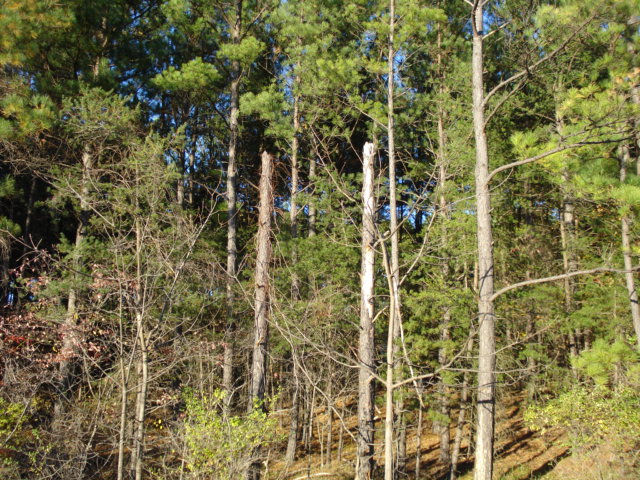
4 & 5 – These two are forestry pictures.  What you see in the first one are wind throws of Virginia pine.   The Virginia pine is easily pushed over.   They are transition trees and not long-lasting.   I did, however, count the stump rings of a Virginia pine that was at least 47 years old.  The ones standing nearby with similar stem sizes were about as big as a twenty year old loblolly in Brunswick.    The second picture shows loblolly.  I don’t know how old these are.   They don’t grow very fast around here.  The soil is not good and this is the northern edge of the loblolly range.   This stand is no longer under real management, as you can see by the dead heads.

Leadership & Vision (Seminar Day 6)

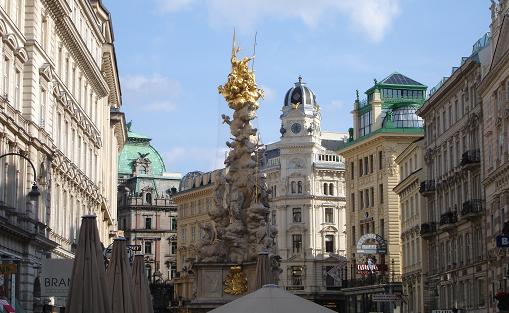
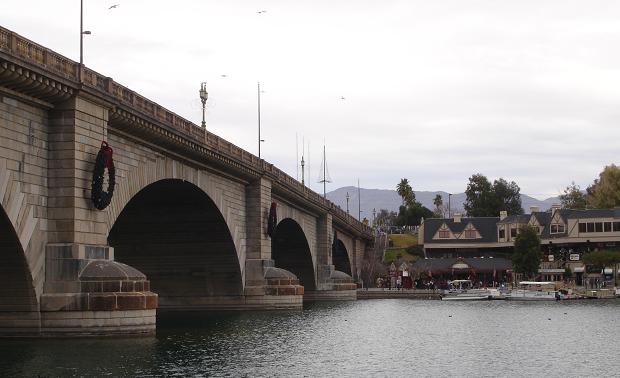
Below – still no pictures from today, so I used some old ones.  The first is Vienna from my 2006 visit there and the second is London Bridge, moved some years ago to Lake Havasu, Arizona from 2005.

Our leadership seminar continued along the lines of process, not content.   We learn that we should have vision and that we should be collaborative with others.    I am not sure that is always the best idea.  IMO the most important thing about a vision is that it be right and that is not always what most people see clearly. Good leaders can often see that better than most others.  That is one of the traits of good leadership.  I don’t think you can assess leadership properly if you accept that it could be content neutral.    We have to judge by where leadership is leading and how it is working.  I am learning more from my colleagues than from the course.  This is the way it often works.  One of my colleagues gave the example of the “Music Man.”  The guy in the movie (Robert Preston) has vision, but in order to get buy in from the satisfied citizens of River City he has to create an artificial problem that only he can solve.    Con-men can create compelling visions.  In fact that is one of their peculiar talents.  Many “leaders” paint an inaccurately depressing picture of current events so that they can create support for their proposed solutions.   Honest decision makers know that it is very important accurately to assess where you are before you decide where you want to go.   The saying is “describe before you prescribe.” 

If you can make a bad vision popular with scam tactics (as in the “Music Man,”) it is also true that good leadership and vision may be unpopular.  Even the best plans don’t sell themselves and you may not get “buy in” from majorities or even large numbers of people despite the fact that the end result may be good or necessary.  Change is usually perceived as risky and often painful.   It may make people openly hostile, but that is why we need leadership.    Leadership means setting priorities and making the tough choices.  Leadership is not required if conditions are stable and decisions are trivial or within routine norms;  that is just administration.   You cannot be a leader by merely following the long-stated preferences and routine procedures of the groups you ostensibly lead and you cannot lead from behind.   My criticism of the leadership course is that the instructors seem uncomfortable with the harder, less popular and maybe the tough parts of leadership. 

I agree with the emphasis of the instructors of putting people first and trying to get cooperation, but that good bias can be taken too far.   As one of my colleagues pointed out, leadership must sometimes put the mission before particular people.    People are willing to sacrifice for a good cause and sometimes they have to do that.   I don’t think we talked enough about those situations and we don’t talk enough about the sometimes scary and lonely decisions leaders must make.

All the people of the past who we consider great leaders took decisions that were deeply unpopular at the time.    It is only with the fullness of time that we have come around to seeing the wisdom of their choices.   As someone who is interested in history, I wish we had more historical examples in the course.   Our course is being held not far from Antietam that back in September 1862 saw the bloodiest single day in American history.   That is a classic case study in the results of poor and timid decisions contrasted with bold ones.    McClellan had twice as many men as Lee and he had captured Lee’s battle plan, yet he still managed to produce only an inconclusive stalemate.  I think it would be useful to consider that George McClellan was very popular with both his troops and the public.   His decisions were broadly popular and particularly wrong.   On the other hand, Lincoln’s decisions almost cost him the election in 1864 AND that was considering votes only with the half of the country that had not taken up arms against his leadership (a fairly good measure of disagreement).    An opinion poll that included the whole country certainly would have given him a very low approval rating.

One highlight of the day was when three of my colleagues formed a panel to discuss transformational diplomacy.    They had been talking about it in a side discussion and shared it because it was of general interest.   (Such things excite us.  I guess we are indeed a pack of nerds.)  Most of us agreed that the ideas behind transformational diplomacy were good, but our class was divided about the efficacy of the program.  Some of the places that got resources had trouble absorbing them and the places that lost them suffered painful cuts.   It would have been better to ask for additional resources rather than just move priorities.   We all agreed that places like India, Brazil & China deserved more resources and diplomatic attention, but it was not a good idea to take them away from places like Germany, Spain or France, which are still very important places that matter to us even if they are pleasant, peaceful and familiar. 

One of my colleagues speculated about how the events around the Iraq war might have unfolded differently if we had sufficient diplomatic infrastructure on the ground in Germany & France to carry out strong public relations and diplomatic programs.   This was BEFORE the diplomatic transformation, but we had already lost a lot to the cuts of the 1990s and the movement of resources to the new states of the former Soviet Union.    You can only do so much with less.   We opened and staffed post in places like Kazakhstan, Latvia, Armenia and Azerbaijan w/o a bump up in resources.   I am convinced that we had significant problems with public diplomacy after 9/11 because our public diplomacy infrastructure was so decimated in the 1990s and spread too thin.   I wrote re that in an earlier post and won’t repeat it here.  Anyway, it was an interesting discussion.   

My colleagues made some comments worth writing down.   One said that vision means a leap beyond where you are – a leap of faith because it usually represents discontinuous change, not very catchy, but true.  The best line of the day was, “if you ask for infinity, you can easily settle for half of infinity.” 

Crucibles of Leadership & Telecommuting (Leadership Seminar Day 5)

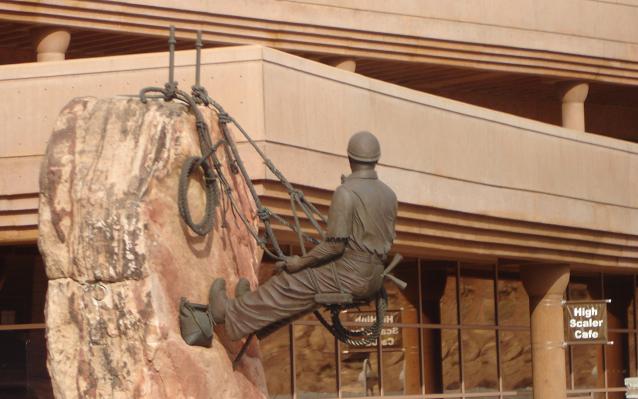
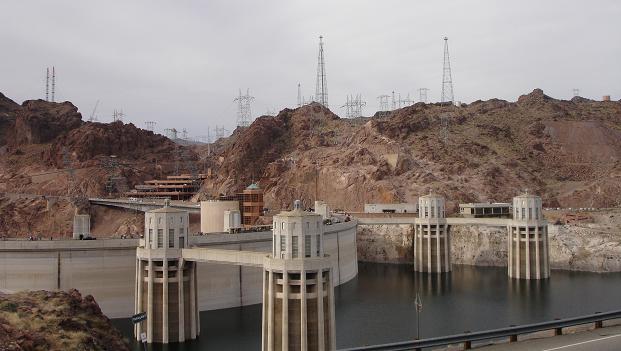
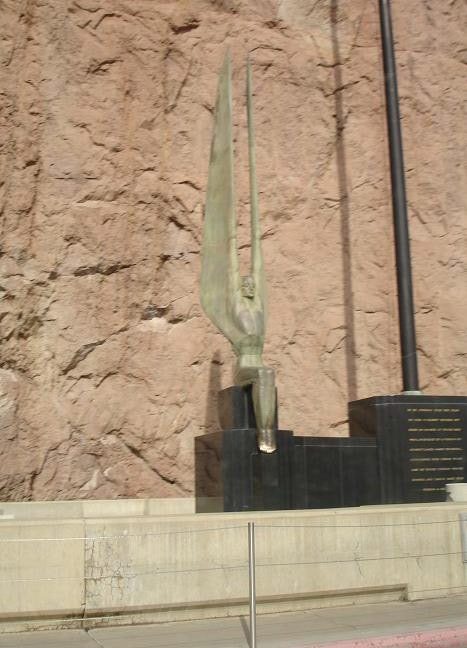
The pictures are from a trip we made a couple years ago to Hoover Dam on the Colorado River.  I don’t have any good pictures from today and I like to have pictures with my posts.  The Hoover Dam was a heroic project.  I thought it was an appropriate example of planning and leadership. 

I don’t agree that leadership is something that can be learned equally well by anybody.   Anybody can learn many of the leadership techniques and become better leaders, but I think a lot has to do with talents, temperament and personality tendencies.  Some people can get better faster and move farther than others.   An analogy would be Michael Jordan compared to me.   I can play basketball and I could get better with practice, but I would be unable to get up to the professional level much less play like Michael Jordan.   Of course, if he never saw a basketball before we played our first game of one-on-one maybe I could win, but I suspect it would be only a one time victory.  

Of course, I have to modify my idea by saying that there are different types of leadership appropriate to different types of situations.    I think this is the place where this seminar adds the most value.  It has helped me think about leadership in different contexts.  There are some situations where I think I would be a good leaders; others where I am less appropriate and some where I don’t want to lead at all.  

Our morning session was devoted to discussing crucibles of leadership, hard situations that tested character.    The question that occurred to me was whether hardship tests, builds or merely reveals character.     As with most things, it is probably a combination.   Great leaders require great tests.  We forget about those that fail outright, so we have a bias toward believing that hardships build character, when they are in fact both a filter and a builder. 

Most members of the class shared examples of their “crucibles”, times when they had to look deep into their characters and draw resources they didn’t think they had.    I was impressed by my colleagues.   One of the things I find most beneficial about these sorts of meeting is that it renews my confidence in my colleagues.  None of us revealed a case where we failed and/or chose the less responsible or moral course.   I didn’t either.  It was too embarrassing, but we learn a lot more when we fail than when we succeed.    The key to the crucible is not the events themselves, but what happens after.  Suffering w/o learning is just suffering.   It is not uplifting.

I thought about my own failures and lack of courage in some of the crucibles I didn’t share with my colleagues.   That I still remember them and have thought about them indicates (I think) that I learned something from them.    I am not going to talk about them here either, however.    

We also talked a little re efficiency at work.   At State we often put in too much “face time.”  Maybe it could be more efficient to be at work less.  I remember my telecommuters.   I think that my response to telecommuting was a minor crucible of leadership for me.    I learned a lot from it.   

Below is something I wrote and widely distributed  in August 2007 re telecommuting.   I think it is still true today and I look forward to going back to IIP and seeing how things are working.    I did not edit or update it.

Telework Best Practices 

IIP/S is in the lead in managing and implementing telework.  We allow the maximum of two days per week for telework.  As I have been managing a staff that includes teleworkers for almost a year, I would like to share some observations.   These might seem simple or obvious, but some of their management implications are profound.   Teleworking is an important tool in any good management toolbox.

IIP/S work is well suited to teleworking
Much of IIP/S programming work involves communication with overseas posts, outside speakers and diverse sections of the Department and other USG organizations.  In all these cases, the best (sometimes the only) medium of communication is electronic.   Face-to-face interaction is required only for internal periodic meetings. 

Teleworkers are productive
Soon after I started to direct IIP/S, I surveyed the productivity in my new section.  What I found was that productivity, as measured by the number of programs done per person per year was higher among teleworkers and absenteeism was lower.   I think that is because the ability to avoid a commute is helpful to people with responsibilities outside the ordinary workday and allows them to be flexible.  For example, a parent who needs to take a child to the doctor perhaps can do it in two hours and take only two hours of SL.  A non-teleworker might need to take off a whole 8 hour day to accomplish the same.  I have found that teleworkers are also more flexible.  This is especially important to IIP/S, since we are likely to have programs in process in time zones around the world.  The sun never sets on IIP/S activities.

Telework is good for quick responses
In my experience, I can get a quicker and more complete answer from my staff when they are teleworking.   Teleworkers have fewer distractions and can take the time to consider a surprise request.  They can quickly access data and are, by definition, near their computers all the time.   Quick online data retrieval allows them essentially the same access as they would have sitting in the office.

Telework improves morale
Even among those who do not telework, having the option is important.  Allowing telework indicates that management trusts the employee to work outside physical supervision and that the employee is valued for his/her contribution, not mere presence. 

Teleworking creates a more robust work organization
As I learned during the snow and ice storms this year, teleworking makes us largely immune to capriciousness of nature.   Our teleworkers can continue to work unvexed by the frightful weather that throws physical commuters into the ditch.   If SA 44 had to close down for any reason, IIP/S could continue its functions almost without interruption.   We not only have the installed capacity to work remotely, we also have developed the management structures, habits and culture to make it work.

The environment benefits
This is a larger issue that makes a difference to me.  Although it does not directly impact our organization, it is important that State is in the teleworking game as local members of congress have mandates that government offices encourage teleworking.  Teleworking  takes people off the roads for at least a few days.   It eliminates the need for miles of commuting, lessening pollution and traffic congestion.  Next time you are stuck on 495, consider that telecommuting might mitigate this. 

Downsides of teleworking
Managing an operation with significant numbers of teleworkers requires a higher level of management skill.  Managers need to consider schedules of work and when teams can best be assembled and be able to motivate a workforce they sometimes cannot see (and it is sometimes less fun to “boss” over an online connection).  Mangers also have a higher responsibility to monitor teleworking to prevent abuse.   The downsides are easily manageable, IMO, while the benefits to morale, productivity and the environment more than make up for them.

Final thoughts on teleworking
In conclusion, I would say that teleworking in IIP/S’s first year of operation has been a great success.   We have found that allowing the maximum of two telework days per week has worked out wonderfully.  IIP/S office director and divisions chiefs closely monitor telework schedules to ensure that each office is “manned” during regular working hours and all IIP/S staff must work on Tuesdays, which is our face-to-face meeting day.   Telework clearly does not function well in all situations, but based on our success, I would recommend that others expand their use of telework when possible.  It is good for morale, good for productivity, family friendly and environmentally beneficial.  It is worth the effort.

Crap-Shoot (Leadership Seminar Day 4)

It doesn’t mean that you just give up but sometimes you have taken the data as far as you can go and you just don’t know.   In those cases the best idea is probably to use probability and random chance.   I felt foolish saying this at our leadership seminar and I know that advocating a throw of the dice  amounts to apostasy among most decision makers, but it makes sense when the information available provides no reason to come down on either side.

I have thought about randomness in decisions for some time and did some reading on the subject.   I even made up an Amazon list of titles that I read.  My position is easily caricatured.    I know that.  What comes to mind is monkeys throwing darts or sequential games of rock-paper-scissors to decide really important issues.   But think about it for a more than a minute.  If you really have no basis for a particular choice, using randomness is the most efficient way to get past the dilemma and the only way to guard against systemic unconscious bias.    Why pretend to have more wisdom than you have?

Our leadership seminar produced a good example.  We broke into four groups each with the goal of choosing a fictional DCM for a fictional country.   We were given a situational analysis and brief bio/descriptions of five candidates.    The exercise was meant to let us practice negotiation and communication but the results were interesting for a different reason.     All of us are reasonably intelligent and successful people.  We all actually have participated on similar selection committees in real life.   We took the exercise seriously and spent forty-five minutes each discussing the issue.   There were five candidates and four groups of us trying to decide.   Despite all our expertise and experience, none of the groups chose the same winner.   Beyond that, the one candidate that my groups eliminated first as the lowest performer was the top candidate for one of our colleagues’ groups.   Who was right?  Who knows?   I don’t want to read too much into this lesson, but the results of all our serious deliberations were no better than random chance and could have been produced by a random process in seconds.   So what can we do?          

Using randomness to break a tie or resolve a situation with no firm direction from the data is not the same as being disorganized or relying on chance in all situations.    Having a diverse portfolio of skills, stocks etc. is a way of acknowledging randomness.  If you were dealing with certainty, you would just put all your eggs in the one BEST basket.    A smart decision maker sets up his/her affairs to take advantage of probabilities.    You diversify because of randomness.  We all know that any hard decision is made in a climate of uncertainty and randomness will affect us in unpredictable ways.    Underneath all the planning, analysis and carefully crunched numbers lurks a random wildness we just cannot figure in.  The recent financial meltdown is a good example.  

I have my own example and a suggestion.    Good universities have more qualified applicants than places in their classes.    A qualified person is one who can do the work.   You don’t want mere qualification; you want to get the best qualified, but how can you do that?   You can assess their academic records and test scores to determine basic qualifications.   Many schools spend lots of money and time trying to go beyond that to find out the total person.   This is something they really cannot do.   There is not enough information available on the eighteen year old applicants to assess the total person.  Most kids this age have not finished developing into the “whole person” they will soon become and none of them have had enough time to create the kind of track record you would need to make an informed choice.   I advocate a threshold requirement to determine whether or not the application could do the work.   After that, I think we should go with random chance.   It is not a wonderful solution, but it is the best we can do.   Random chance has the auxiliary benefit being unbiased.    It doesn’t and cannot discriminate on the basis of race, gender, creed, color or national origin.

Most students apply to several universities.   It is a crap-shoot for them anyway.  If we did it my way, at least they could be assured that they were playing with honest dice.

It takes courage to admit what you don’t know and even more courage to recognize that there are some decisions that you cannot make as well as random chance.   But if you know your limitations, you can extend your abilities.

Offsite in West Virginia

We are at “the Woods” near Hedgesville in West Virginia for our offsite.  I have mixed feelings re offsites.  On the one hand, you get to be away from the office and can concentrate on the work/learning at hand.  On the other hand, most people have Blackberries so they don’t really get away.  Anyway, I am here, so I will take advantage as I can.

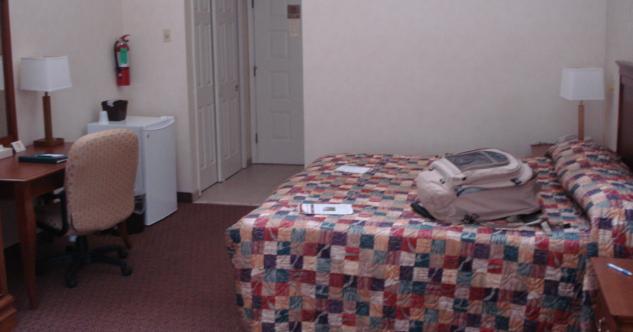
The Woods is one of those communities that has a mix of condos/hotel it rents out, amenities such as pools and golf courses and then some residences.    The community is 1980s vintage.  You can see the picture of my room above. 

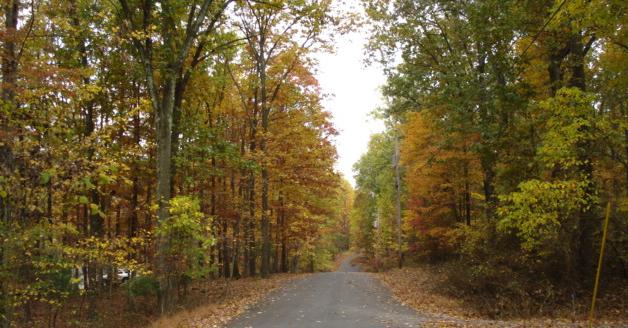
I went for a short walk before supper.    The land is covered with mixed forests.  My picture doesn’t properly show it, but you can tell that these forests have been “high graded” for many years.  High grading is sometimes misleadingly called selective cutting.   It involves cutting the bigger trees out of the forest while leaving the rest.   This sounds like a good idea, but there are problems.   The biggest trees may not be the oldest trees, but they are usually the best.   You are removing the fastest growing and healthiest trees.  It is a type of negative selection.   Many of the small trees are old.  They are just stunted or runts which will never attain a good size.  There are many possible reasons or combinations of reasons for this.   Most trees will not grow to their potential size if they are too long deprived of sun and nutrients when they are young even after the larger trees are removed.   In other words, if they miss the chance, they cannot make it up.   There is also significant genetic variation.  Beyond that, some soils do not support the growth of some trees and some just won’t get big no matter what.    In any case, high grading results in an unhealthy and stunted forest.   You can tell if the trees are young or just small by the bark.  Young trees have relatively smooth bark.   The bark on older trees is furrowed.   

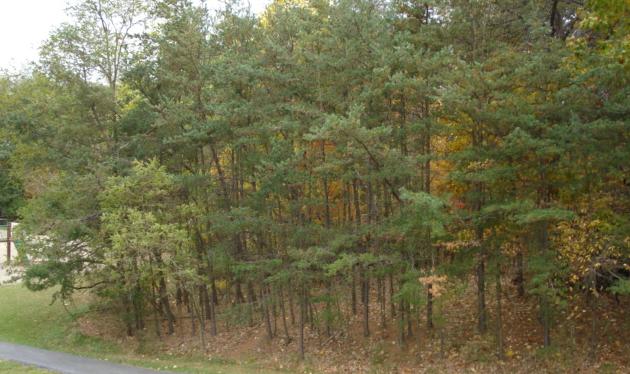
Also common in these forests is Virginia pine.   Virginia pine is a kind of permanent brush species with poor growing habits and shallow roots.   They tend to blow down in storms and even when they don’t, they never get very good.   They more or less occupy the niche held by the jack pines in the Lake States and look a lot like them.   Above is a thicket of them.

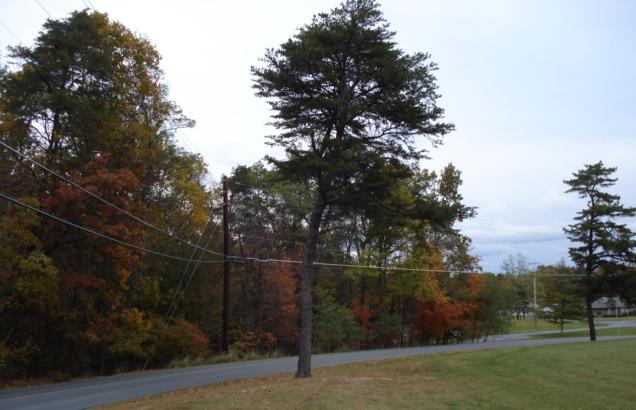
Above is a Virginia pine that grew in the open.  They rarely get that big and even with all the sun it needs, it still doesn’t look good.  They are almost incapable of growing straight and clean.

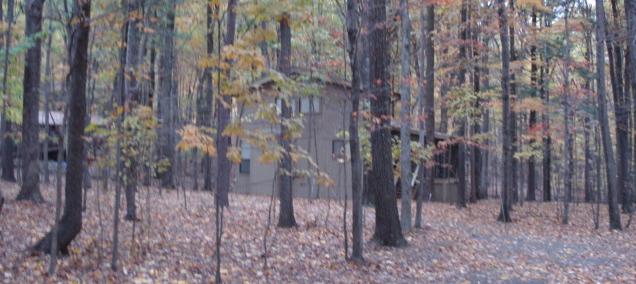
Above is one of the private houses in the Woods on a one acre lot.   It is for sale.   The brochure outside the house says that they are asking $199,000 fully furnished with what they say is quality furnishings.

Kill Animals & Cut Trees to Protect Nature

Continuing my thoughts from the Greenpeace posting below, when I tell people about my forest, they often praise me for protecting nature. Their enthusiasm cools when I explain that I am indeed protecting nature by killing some animals and cutting some trees. You just cannot rely on nature to take care of itself anymore. Preservation is not desirable everywhere if you want to protect nature.

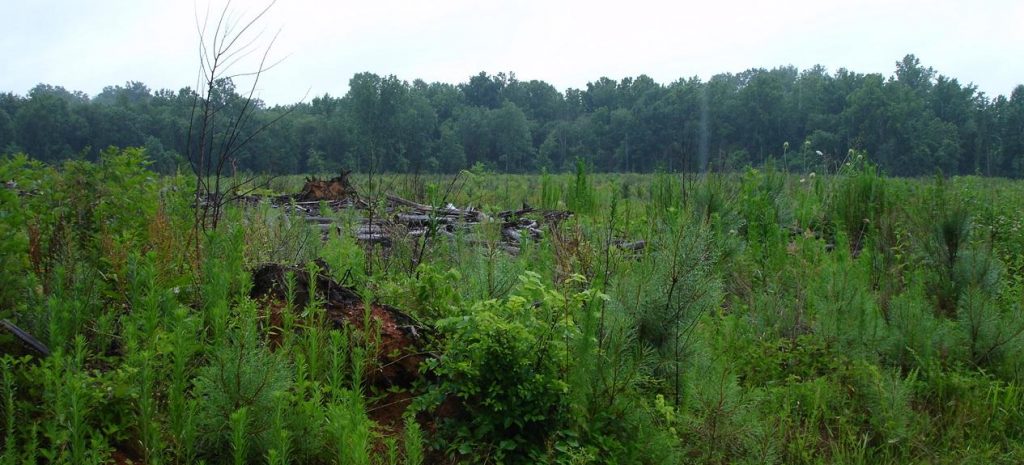
Below – the clearcut on my forest land two years later.   The weeds and debris were higher than the trees and sometimes I worried whether of not I actually had a forest at all or just a weed patch.

Humans live in this world and have forever altered it. What if all humans disappeared tomorrow? What would nature “return” to? Where my trees grow, I think it would eventually be a fight between invasive paradise trees and kudzu vines. I don’t know if the wild boar would move in and tear up all the roots, but I figure that we probably would soon get many of those introduced bugs that kill beech, oak and ash trees. Eventually some sort of new balance would result. Would the paradise tree/kudzu ecosystem be superior to the pine, oak, beech & poplar and sweet gum I maintain?

Humans are not leaving this world any time soon, so my scenario above is just imaginary. Managing the land is even more important in the world we really live in.

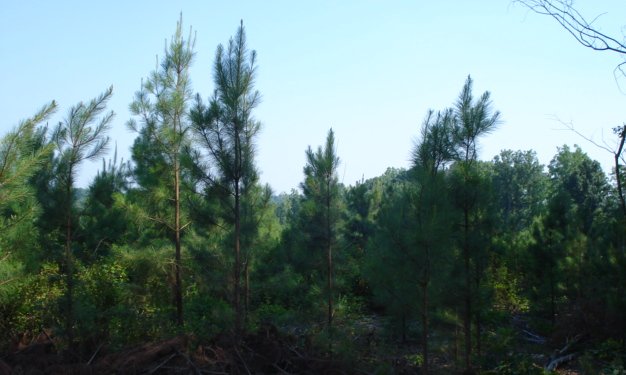
Below – the clearcut on my land five years later

Humans must and will use resources taken from the earth. We can do that for a long time if we manage it right. A wise analysis indicates that some places should be preserved. We should not cut down all the redwoods, nor should we make the Grand Canyon into a gravel pit. But in order to be able to preserve some things, we need to use others wisely.

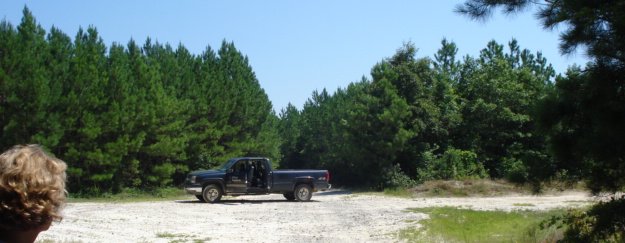
My land is beautiful rolling green piedmont cut into three parts by clear running streams. It is jumping with wildlife. Beavers sometimes have built little ponds. I love my land and feel responsible for it, but I am under no illusions that THIS particular land needs to be preserved untouched.  It is special only to me.  This was one of the early parts of our country to be colonized by English settlers.  For a couple centuries what is now my land was growing crops such as corn, cotton and tobacco, which depleted the soil.  About a century ago, the owners just gave up trying to grow ordinary crops and let it go.  Soon loblolly pines covered the land. Those pines were harvested in the 1930s.  They grew back and were harvested again in 1959, replanted with trees trees selected for their genetic qualities.  These were harvested in 2003 and replanted with really superior trees, some of which are now around twelve feet high. (We never cut about 30 acres of mixed hardwood near the streams to preserve water quality.)

Below is a clearcut thirteen years later.  This is on our new tree farm that we got this summer.

This land has produced wood for hundreds of homes and will produce wood for thousands more. Every stick of wood harvested from this land means we do not have to cut an old forest somewhere else. To make the trees grow faster, we apply biosolids (processed sewerage). This is where it goes when you flush the toilet. It has to go somewhere. You can dump it or bury it where it will be pollution or you can apply it to fields or forest land where it will be fertilizer for the next generation of trees.

It would be immoral for me to take this land out of production, to preserve it. My higher duty is to conserve and protect it. Conservation is harder work than preservation.

Consider the animals that live on the land. There is no shortage of deer, beaver or wild turkeys.  I have seen signs of coyotes and bobcats.  I am glad that the local hunters shoot and trap some of them.  Each hunter gets deer during each season, gun, bow, black powder.  They eat the meat and use the hides, and this pays the property taxes. They cannot seem to shoot enough deer or trap enough beaver to put a dent in their populations.

Using the current methods, I believe the land will continue to produce wood, wildlife, clean air and clear water almost forever. The land LOOKS unattractive for about three years after a clear cut, although the deer love it and it is a time of great abundance for raptors such as hawks and eagles. After three years the mix of brush and Christmas tree like forest is once again beautiful.

So remember, if you want to preserve special places, you need to use some others and if you want to protect nature, you need to cut some trees, spread some sewage and kill some animals.

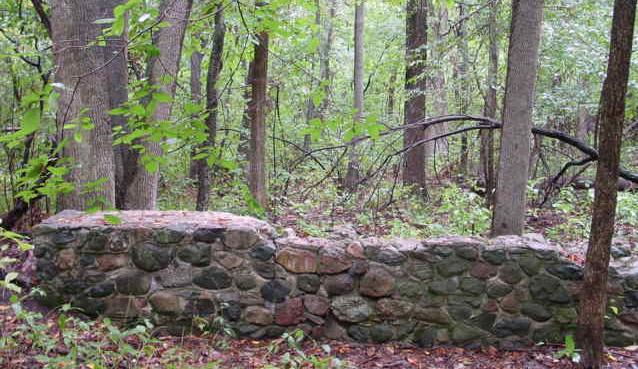
Above is a wall in the middle of a woods in Wisconsin near the Milwaukee Airport.  Nature returned.  You would not know it had ever been gone until you come up on the wall that indicates settled agriculture in the past. Some people would call this a virgin forest, but they would be wrong.  You see a lot of that in New England.   I visited Robert Frost’s farm and remembered his poem “Mending Wall.”  I have included it below.  These days, however, there is no need to mend wall.  It is the same forest on both sides.  And the walls are mostly down.

Mending Wall

Something there is that doesn’t love a wall,
That sends the frozen-ground-swell under it,
And spills the upper boulders in the sun,
And makes gaps even two can pass abreast.
The work of hunters is another thing:
I have come after them and made repair
Where they have left not one stone on a stone,
But they would have the rabbit out of hiding,
To please the yelping dogs. The gaps I mean,
No one has seen them made or heard them made,
But at spring mending-time we find them there.
I let my neighbor know beyond the hill;
And on a day we meet to walk the line
And set the wall between us once again.
We keep the wall between us as we go.
To each the boulders that have fallen to each.
And some are loaves and some so nearly balls
We have to use a spell to make them balance:
‘Stay where you are until our backs are turned!’
We wear our fingers rough with handling them.
Oh, just another kind of out-door game,
One on a side. It comes to little more:
There where it is we do not need the wall:
He is all pine and I am apple orchard.
My apple trees will never get across
And eat the cones under his pines, I tell him.
He only says, ‘Good fences make good neighbors’.
Spring is the mischief in me, and I wonder
If I could put a notion in his head:
‘Why do they make good neighbors? Isn’t it
Where there are cows?
But here there are no cows.
Before I built a wall I’d ask to know
What I was walling in or walling out,
And to whom I was like to give offence.
Something there is that doesn’t love a wall,
That wants it down.’ I could say ‘Elves’ to him,
But it’s not elves exactly, and I’d rather
He said it for himself. I see him there
Bringing a stone grasped firmly by the top
In each hand, like an old-stone savage armed.
He moves in darkness as it seems to me~
Not of woods only and the shade of trees.
He will not go behind his father’s saying,
And he likes having thought of it so well
He says again, “Good fences make good neighbors.”