Working Hard/Hardly Working

I admit that I have a pretty sweet deal.  I like most of the things I do at work.  In fact, I would pay to go to many of the meetings and conferences they pay me to attend.  I am not saying it is all great, but the good things far outweigh the negatives.   I think about my job a lot, but that is hard to place in the “work” category, since if I didn’t have this job I would probably be studying many of the same things re new media, persuasion and knowledge management. 
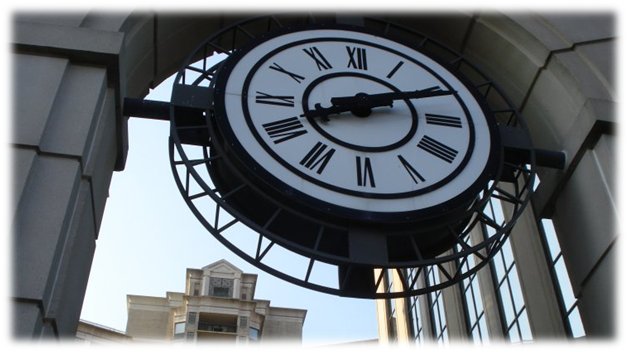
I purport to put in long hours. I rarely get home before 7 or 8 pm, which means that I spend around 10 hours at work, but what is work?  And I can usually carve out time during the day for exercise etc.  I have only recently come to terms with this.  I used to feel guilty and lazy.  I couldn’t understand how I could be doing okay w/o working very hard. But after almost than twenty-five years of decent progress, I had to rethink this. Something seemed to be working.

Most people think or at least say that they are busy.   Much of this is self inflicted work.   Every day I see people doing things that need not be done or doing things in such a way that they actually create more work for themselves and others.   But the biggest reason people think they are busy is that they are fooling themselves. 

WSJ had an article about that, giving some scientific backing to my observation.   When people are asked how much they work, they invariably come up with significant higher hours than when they follow it closely with a diary.   Some of this comes from the definition of work, as I mentioned above.   I read the WSJ, Economist and many other such publications.  I could not do my job if I didn’t keep up with the latest news and innovations.  But what % of that can I call work?  Most our high estimates of work hours comes from giving ourselves the benefit of the doubt. We might think that we usually work ten hour days and count the times when we work less as unusual exceptions.    But maybe there are more “exceptional” than “normal” days.

We have to remember that “normal” doesn’t mean typical or average.   It means the way something would be under good conditions.   A normal man would be healthy, not overweight and not deformed in any significant way.  This is not a typical or average man.   (BTW – an “average” man has less than two legs.  Think about it.  Nobody has more than two legs and some people have less, so the average is less than two.  Statistics can be interesting.)  IN that respect a normal day might be one where you worked through the day w/o important interruptions arriving and leaving on time.  There are not many normal days.

In respect to work, you have to consider both typical and normal. My first job in the FS was as public affairs officer in Porto Alegre. I was ambitious and worked hard, but I was distressed when I talked to colleagues who seemed a lot smarter and harder working.   My results were usually better than typical, but never up to what I considered normal. Life was too easy and I was sure I was just not doing something everybody else was doing.  I worried about this through my next posts, until I figured out that most people just think they are busier than they are and all the talk about constant work is just people talking. Pointing this out to people does not make me universally popular and I have to qualify the statement.  There are some times when you are truly busy, but most of the time not. Beyond that, if you are consistently working more than nine hours a day, and I am not talking about just being there but really working, you are burning out.  It is like trying to sprint through a Marathon. The results matter and sometimes LESS “work” will produce better results. 

I am not making a plea for indolence but I am very suspicious of people who claim to work 70 hour weeks all the time. I think there is a lot of useless energy spent and probably a lot less time on task than they say and probably than they think.

There is some virtue in doing less, especially if you find the points of maximum leverage and then use them. It is often better to clear obstacles than to push harder.   All good leaders should be a little lazy, create the proper conditions for the success of others and then get out of the way.   People need to be free to innovate and do things their way.  Constant hectoring will just give you a sore throat, make everybody less productive and create a lot of work for everybody.

Anyway, I put my time in at work and try to earn my salary, but I know that sometimes it is best to do less but do the right thing.

This story is tangential but it applies.  This guy has a clogged pipe. He called the plumber who says that he can fix the problem, but it will cost fifty dollars.  The guy agrees.   The plumber takes out a little hammer, walks to a place along the pipes and taps it a couple of times.    Everything is fixed.   The guy is outraged.  “Fifty dollars,” he says, “for a few taps?  I want an itemized bill.”   The plumber writes out a receipt.   “Tapping the pipe – $.05.  Knowing how and where to tap – $49.95.”
Another Day’s Useless Energy Spent

IMO at least half the time people spend working is wasted.   Of the remaining half, about a quarter is actually counterproductive and only the remaining three eighth is usefully employed.    This is not scientific and it varies from time to time and person to person.  But this accounts for how people can be busy all the time and yet produce so little.

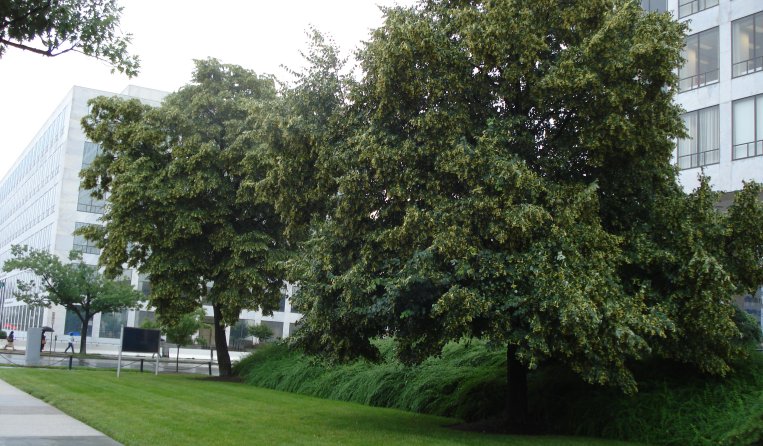
This fact came to me when I was walking up my street and saw the pruning job on the tree across from my house.    This tree needed to be pruned.    There was a crack in one of the big side branches.  But as a casual glance at this picture shows, much of the pruning effort was wasted and some actually is damage.   You can see this clearly in something like this tree, but you know this is happening all the time in other walks of life.

The tree will recover and after some years it will look good again.    People will say that the effort was worth it.    But it won’t be true.   It will have recovered from damage done.    Just because the damage is not permanent doesn’t mean it was a good thing.  It is too easy to take credit for something that would have happened naturally, even sometimes for things that would have happened naturally sooner if somebody had not messed with it.

I had an argument with a computer technician a few years back.  He “fixed” my computer and it was slower.   He patiently explained to me that I just didn’t understand the usefulness of his efforts.  Maybe he was right.   But I told him that my philosophy was simple.   If it made it easier and better to use my computer, it was good.  If it made it harder or worse to use my computer, it was bad.  If it did neither of these things, it was a waste of time.    I don’t think this guy really knew what he was doing and tried to hide his incompetence behind a wall of ostensible effort.   It happens a lot.

How much of our daily work could we just not do w/o any negative outcome?   We should just stop doing it.  How much is actually creating more useless work for ourselves and others?   There is a line in the ancient Book of the Tao, “In the pursuit of success, something is added every day; in the practice of Tao every day something is dropped.”  Sometimes it makes more sense to do less or maybe do nothing.    

It is hard to do that in today’s world where we can often not measure outputs or outcomes and so we give credit to inputs or what looks like activity.  But look again at the two trees. I prune the one on the left, but I only prune what I can do with my hand tools and I don’t do much. I look at it for a long time and then I cut as little as I think I can.  I also cut early.  I got the lower limbs when I could still do it with a hand trimmer. Total inputs are low because I am lazy.  Isn’t lazy sometimes better? 

Folk Life

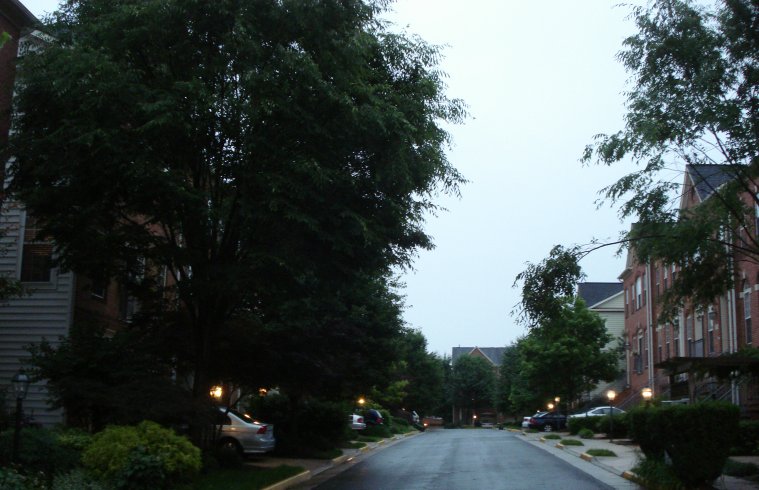
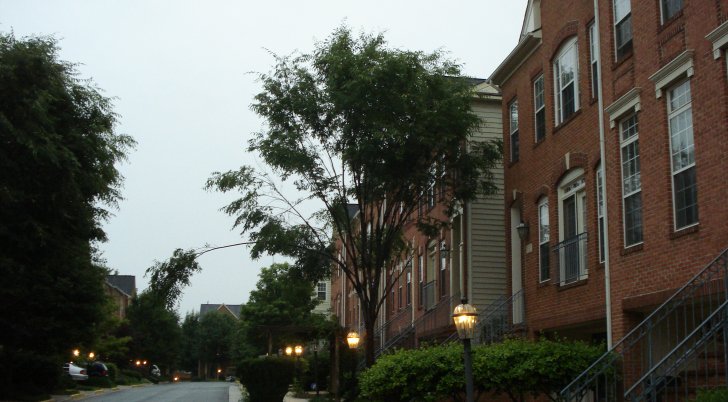
We have had torrential rains in the past month.   It makes the grass grow and everything green but it is a little gloomy.

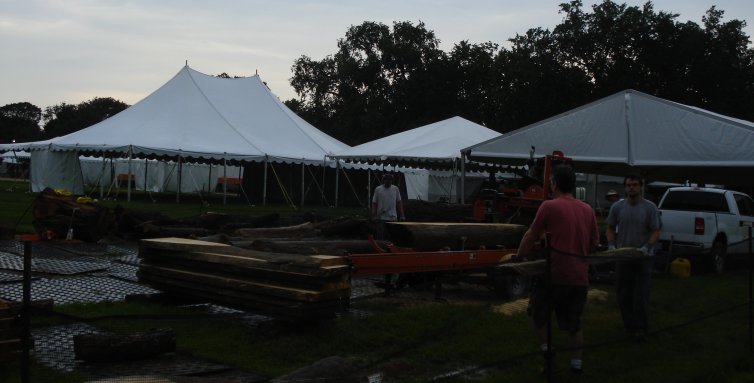
I passed these guys at work with a portable saw mill in front of the Smithsonian.    The tree was damaged in storms.  They cut it down but instead of taking it away, they piled the logs in the middle of the lawn.   Now I see why.   They told me that they will use the boards to make benches for the Smithsonian Folk Life Festival later this month. 

This year’s festival is going to feature South American music and Wales.   They have lots of good festivals on the Mall and later in the summer they hold a farmer’s market near the Dept of Agriculture. 

President’s Speech & New Media

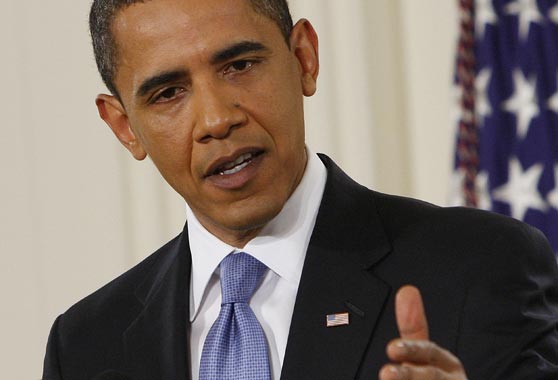
The State Department is a unique organization with unique needs.   It is tempting to emulate success management and media techniques of successful private firms (what would Google do?).   We can and have learned much from them, but the USG is the only organization with the worldwide presence, reach and responsibilities.   Who and what we are and the fact that we represent the United States of America enhances our opportunities and constrains them.     We saw this at work in the Cairo speech PD effort.

All forms of traditional media carried President Obama’s Cairo speech and we in PD can no more take ownership for that than a rooster can claim credit for the sunrise.  My organization – IIP – added an interactive twist of the new media with tools such as SMS messages to reach mobile users, IIP’s multimedia interactive platform,   CO.NX, interactive blogs, live chats and platforms such as Facebook and Twitter.   The Digital Outreach Team communicated with the blogosphere in Urdu, Persian and Arabic.  We posted also contextual information and the speech translated into Arabic, Bahasa-Indonesian, Chinese, Dari, French, Hebrew, Hindi, Malay, Pashtu, Persian, Punjabi, Russian, Spanish, Turkish and Urdu.  In addition to serving overseas posts, America.Gov also carried the speech in English and the languages mentioned above for readers worldwide.

I believe that this was the first time this robust mix of new media technologies in so many languages was applied for an event worldwide.   Tell me if I am wrong. But I feel a bit like a guy who has just won the lottery.   It makes me feel great, but don’t think that we can count on that particular strategy to produce similarly happy results regularly far into the future.  Not every event will be a important as this one and the test of our online communities will be seeing how they do with less exciting things.

Lindens Again

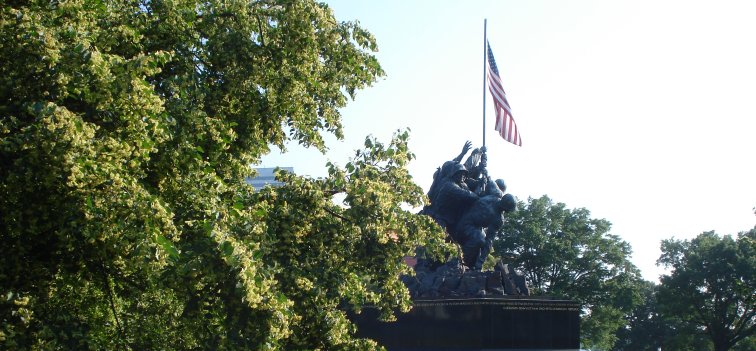
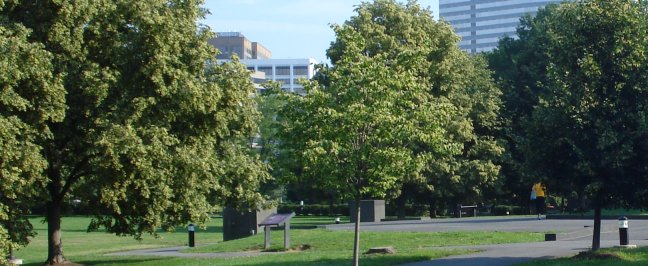
There is a grove of fragrant lindens around the Iwo Jima Marine Memorial. I passed them on my way to work this morning, so I stopped and got a few pictures.  

Sweet Smell of Memory

This is the season for the smell of linden. It is a pleasant but elusive fragrance. The strange thing is that if you get really close to the blooms, you cannot smell them.  The fragrance overwhelms the senses in such concentrations.  That means that you can only catch a whiff on the breeze. It is a very Central European smell.   I remember it from my first visit to Germany.   The lindens are so prominent and pungent in Poland that they named their seventh month (our July) lipiec, which comes from their name for linden. 

In Northern Virginia we have a variety of introduced European lindens.   Fashion affects trees too and you could probably date neighborhoods by the mix of trees.  Many of the lindens we see today were planted twenty or thirty years ago.  Since then, zelkovas, pears and various kinds of cultivars I don’t even recognize have been more in style.  

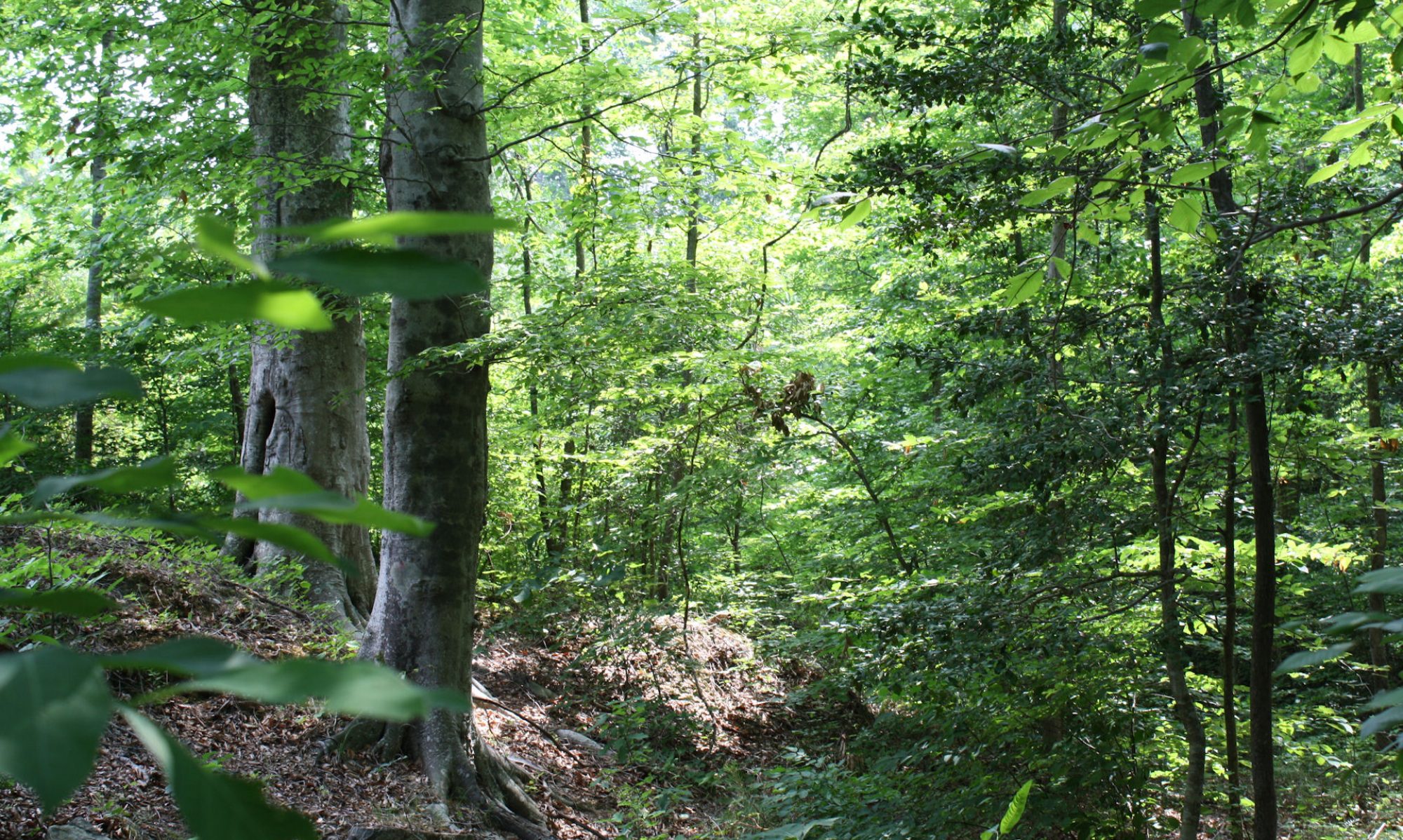
The American versions of lindens are basswoods.   They are taller than their European cousins but the flowers are less conspicuous and the scent is there but a little less apparent.   Basswoods don’t grow around here naturally; at least I have never seen one.   We are just past the edge of their range.  They are more common farther north and throughout the Midwest and they are very familiar in southern Wisconsin, where they tend to team up with sugar maples and – near lake Michigan but not inland – beech trees to form climax forests any place where the soil is deep enough.

Bees are fond of basswood flowers, which bloom in June and July. There is even a specific kind of honey made from basswood nectar.

Smell is persistent in memory and the linen smell brings back so many for me.  I remember the lindens were blooming when I went to Minneapolis for my MBA in June 1983 and even today the smell brings back those memories.  I bet I could do statistics better under a linden tree. There were a couple big basswood trees on the road from Chrissy’s family farm in Holmen and that image pops back too at the smell of the lindens.   But the most interesting memory connection comes from my visit to Germany in 1979.  When I smell the lindens, sometimes I can taste the beer.   Sense memory is complex. Evidently the sense of smell is tied closely to the emotional memory in the amygdala.  I am sure somebody has done scientific studies that explain it but I don’t feel like looking it up.

Someday I will plant a garden with lindens, lilacs, marigolds, hawthorn, honeysuckle, lavender & jasmine.  Those produce the nicest smells.

The President’s Speech

My colleagues and I have been working hard to get the President’s speech in Cairo out on new media.   We are breaking new ground.  No private firm is as worldwide as the U.S. State Department.   It is exciting.  I don’t often write so directly about my work, but I think this time it might be appropriate, since even the NYT noticed us.  This is what I have been doing all day. 

 Interacting with President Obama“Be among the first to get highlights of U.S. President Obama’s June 4 speech in Cairo and tell us what you think.   Go to  http://www.america.gov/sms.html  and be part of the action.”  That is the tweetable text telling mobile users worldwide how they can be part of President Obama’s historic speech in Cairo. 

President Obama’s June 4 speech will certainly be carried on traditional media all over the world and the U.S. State Department will add an interactive twist, using new media tools such as SMS messages to reach mobile users as well as interactive blogs, live chats and platforms such as Facebook and Twitter.   This is in addition to outreach efforts by a digital outreach team, communicating with the blogosphere in Urdu, Persian and Arabic and translations and more traditional webpage posting of the speech in Arabic, Bahasa-Indonesian, Chinese, Dari, French, Hebrew, Hindi, Malay, Pashtu, Persian, Punjabi, Russian, Spanish, Turkish and Urdu.

Those interested in interacting can participate in several formats.   They can comment on blogs at (http://blogs.america.gov), join a social network (http://www.america.gov/communities/social-networks.html), chat and watch a live webcast (http://www.america.gov/multimedia/askamerica.html) or comment via mobile using the Clickatell system. 

Interest so far is significant.    The chat room, for example, already had more than a thousand participants signed up, some of them lurking inside a couple days in advance.  The mobile/Clickatell experience will represent the first time a President has been fully interactive on a mobile platform from an international location.  The new media allows a greater connection with people.  I think we got it right this time.  Gotta be here tomorrow at 5:30.  Tomorrow will tell.

The Intelligence of Crows – Odds & Ends from May 2009

Animals that Thrive with People

My observation has been that crows are the smartest birds.    This link is an interesting talk about crows and how fast they learn and adapt. 

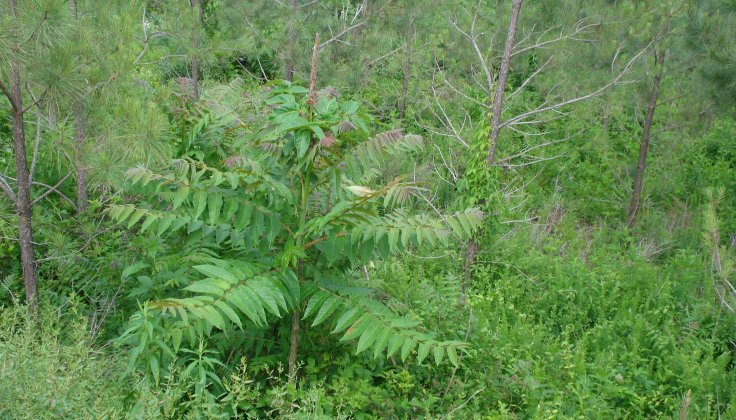
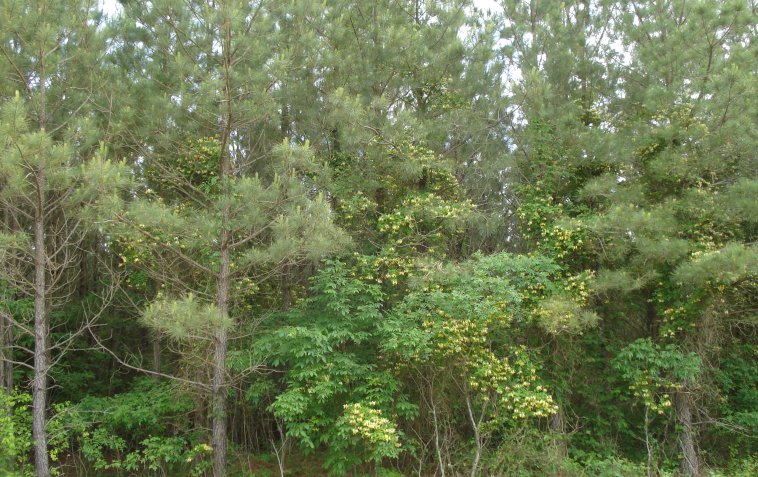
Crows get along well because of people.  They like to live near where people live.  We try to get rid of them, but can’t.    They proliferate.  The same goes for seagulls, coyotes, geese, deer, pigeons and lots of others.   We also have the invasive plant species such as multiflora rose, dandelions, paradise trees and Japanese honeysuckle. 

Below is Japanese honeysuckle growing up my pine trees.  Above is paradise tree.  We have been battling them since we got the farm. 

Plastic Poles

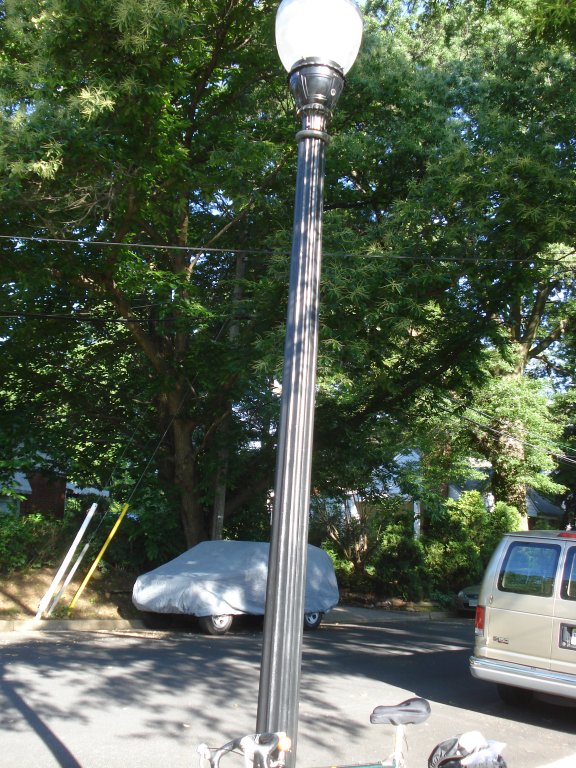
I noticed that the light post was made of plastic.   You cannot tell until you get close.  They used to be concrete or metal.  I suppose plastic has advantages.   It doesn’t rust; it is easily molded and is light weight, so it is easy to move and work with.    I vaguely object to the use of plastic, although I really cannot think of too many good reasons. Maybe they are made of recycled garbage bags and coke bottles. 

 Big Trees

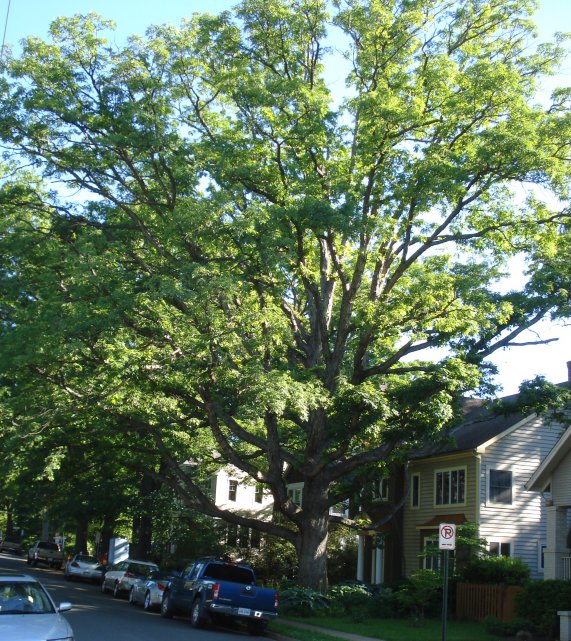
I just like the nice big oak tree.  You can tell it has grown out in the open.   They planted oak trees in Arlington in fifty or sixty years ago.  It was a good, forward looking policy.

John Ford

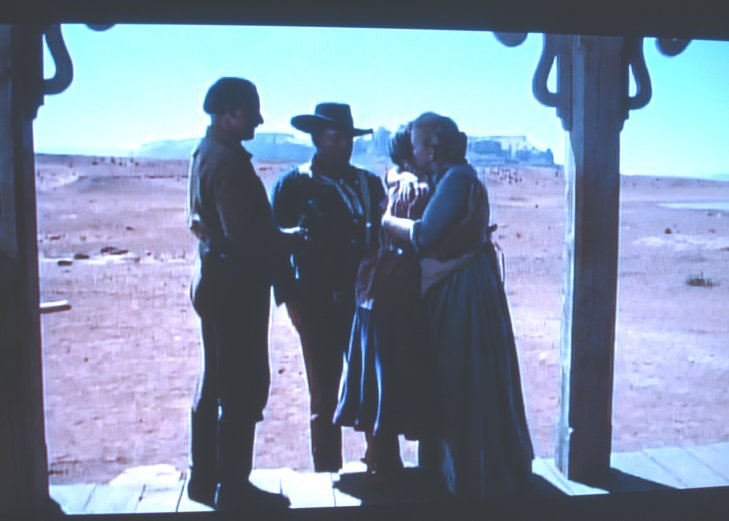
TCM is having a John Ford film festival.   I am very fond of John Ford films.     They can be corny but also inspiring.   I like the use of traditional music and the way he paints scenes. 

My favorite John Ford movies are “The Searchers,”  “She Wore a Yellow Ribbon” & “The Man Who Shot Liberty Valance.”  One of the things I like about his movies is perhaps what some others find tiresome.  He goes with similar themes and the same teams of actors.   John Wayne, Ward Bond, Maureen O’Hara, Ben Johnson as well as a passel of others whose faces I recognize but names I don’t know.   It feels like meeting with old friends.    He also films in iconic places, such as Monument Valley.  

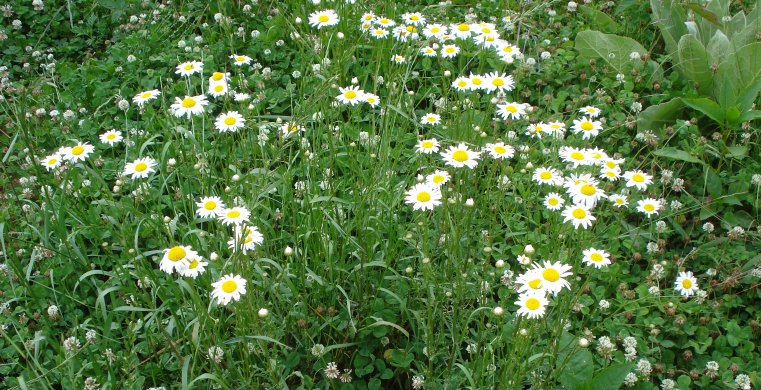
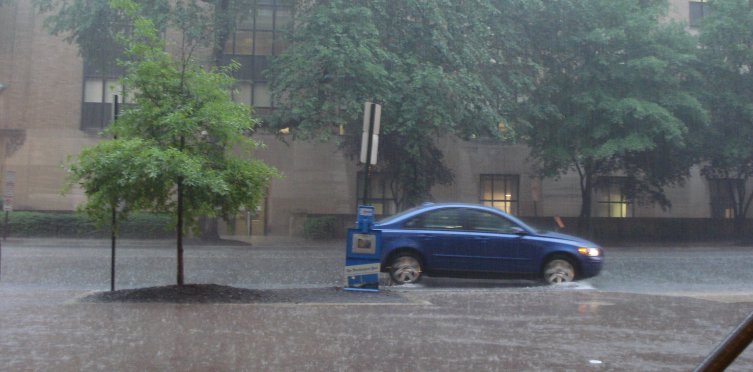
Above are some daisies on the farm.  Below is a heavy rain storm outside my work.

Truth & Contexts

Public affairs professionals rightly advise people in crisis to be open, honest and transparent.   While honesty is the best policy most of the time, it seems that the dishonesty and dissembling works too. 

I read a couple of articles recently that made me think about that.   The first one was about a German police officer who shot a student protestor in the 1960s.   The protestor was called the left wing’s first martyr and the story and famous photo that went with it was one of the sparks that set off the massive student protests and  the terror movement that swept Europe during the late 1960s and 1970s.   It turns out the cop was working for the East German communists.   His action may have been provocation.  Okay, it comes out, but it doesn’t change forty years of history.  The bad guys got what they wanted.  Another article talked about the Russians sanitizing the communist era.  It may become a crime to equate Stalin with Hitler.   I wrote my own article about Katyn a couple days ago.  What is truth?We like to think the truth comes out, but sometimes it doesn’t or when it does it has lost its context or just doesn’t matter anymore.   Once a story line is set, subsequent revelations might have little effect.  The world has always been full of all sorts of horrible regimes and people.   Many have diligently stonewalled on the historic record or manipulated it.   Think of that horrible murder Che Guevara.   People still wear his image on T-shirts.  Historians know about his sadistic ways, but his image was protected long enough that now the general public no longer cares.   The Soviet and the Chinese communists killed tens of millions of their own citizens.   They denied it and made investigations difficult.   Much of the detail is lost forever.  Once again, historians know about mass terrors, but it often ignored in the general consciousness.    

We in the West take the opposite tact.   We sometimes seem to reveal in the revelation of our faults.  Sure, we should hold ourselves to the very highest standard and you cannot learn from mistakes if you don’t identify them, but doing this w/o context can lead to the wrong conclusions and let some real bad guys off the hook.   In geometry it takes two points to define a line.  You need context.   

Most of life’s achievements are graded on the curve because nothing can be properly defined except in relation to other things.   We do not serve the cause of truth when we loudly confess and even exaggerate our own mistakes, while implicitly or sometimes explicitly allowing others to downplay or obscure theirs. Turn that around and consider what it would be like if we only bragged about our own achievements while denying the opportunity to others.  We suffer from a massive availability bias, in that we overemphasize information that is nearby or easily obtained and overlook that which is hard to find or actively hidden.   The commitment to truth requires that we seek it in ourselves and also demand truth from others.  We should always ask the “compared to what?” question.    In our personal life it is bad manners to put others on the spot or catch them in a lie, but in the public sphere the pursuit of truth requires occasional truculence.

Roman Restoration

When one of my computers crashed a couple years ago, I thought I lost a whole set of pictures from trips to Istanbul and Rome, as well as a good many Warsaw photos.    Well … I did back them up on a disk, which I came across today.   I have been having a good time looking through the slide show. 

When I thought I lost the pictures, I tried to write up the lost memory.   The text is below, but now I have included some of the formerly lost pictures.

Roman Forum

We lost the computer memory that included my pictures of the trip Alex and I took to Rome in February 2002.  I enjoyed looking at them from time to time.  I had a really good time with Alex that time.  He was interested in learning and enthusiastic about Rome. 

Maybe a picture is worth a thousand words and I can write that much about it.

The flight down was not bad except that we sat next to a woman who seemed to have a cold.  We did not get sick, but it was unpleasant to sit next to her.  Coming down into the airport, the thing you notice is umbrella pines.  I was hoping to see a little of Rome, but the airport is far away.

It was hard to find our way around from the Rome airport.  We finally got our bearing and took the train to Rome.  I remember the train was very comfortable.  We went past a lot of rural slums.  Lots of gypsies lived along the tracks.   They had little trailer villages surrounded by garbage.   I was surprised how warm and kind of desert like it was.  It was a little like S. California or maybe even some of the less arid parts of Arizona.

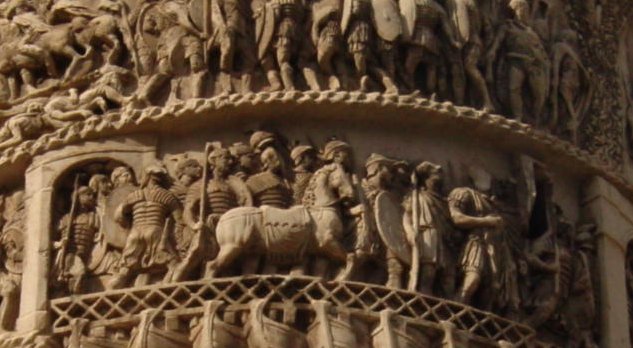
German barbarian on Arch of Constantine

Our hotel was out of town.  We took the train and then a taxi.  It was a Holiday Inn Express and it had a free shuttle to the subway.  Next door was a big supermarket, which was good to have for coke and snacks. 

On the first night, we walked to this commercial area where there were shops and restaurants.  It was very lively and the weather was warm, very different from February in Poland. Restaurants were not open in the early evening.  Italians don’t eat until late.  As I recall, we had to eat at a Chinese place, since that was all that was open.

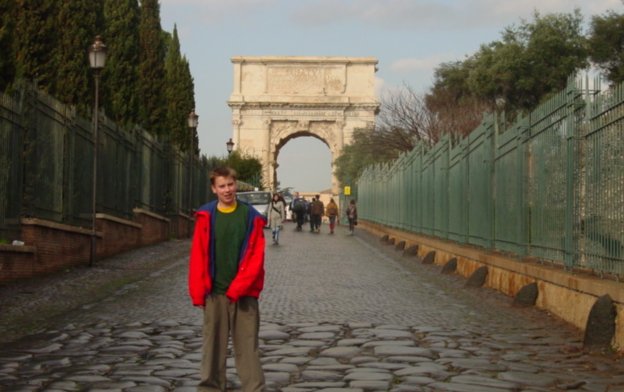
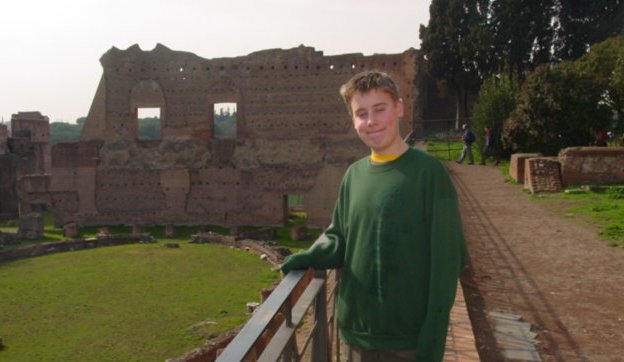
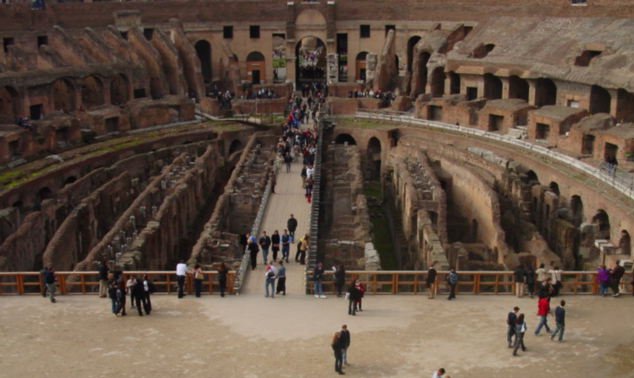
We got up early the next day and caught the subway into town.  It was dreary and gray. The subway was depressing and crowded.  It seems like the start of a bad day.  It wasn’t.  As we came out of the subway station, the sun came out with that fresh look after a rain and we saw the Coliseum, behind was the Forum. It was a magic moment.  Alex was excited.  I had pictures of him at the Coliseum and in various places in the Forum.   He is skinny and wearing my red coat. It is too big for him.

That day we also went to the Circus Maximus and the Palatine and Capitoline Hill.  The Palatine is where the emperors had their homes.  Now it is park like around ruins.  We walked a lot that day. 

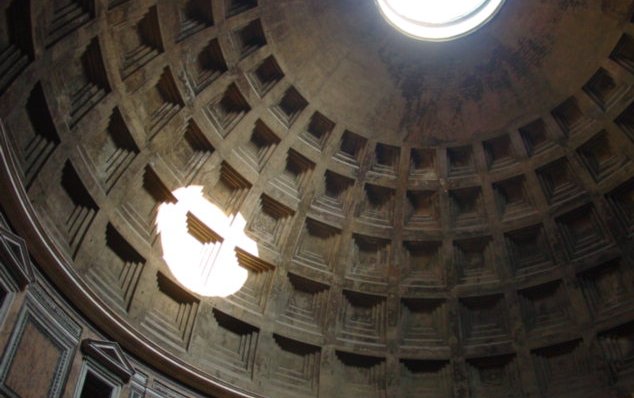
The next day we went along the Adrian wall and downtown.  The most interesting was the Pantheon.  I had a picture of the sunlight coming in though the hole in the top of the roof.  We also saw Hadrian’s column.  There was a nice picture of Alex in front of it.   The Tiber is a small river, but it is nice nearby.  Lots of sycamore trees.

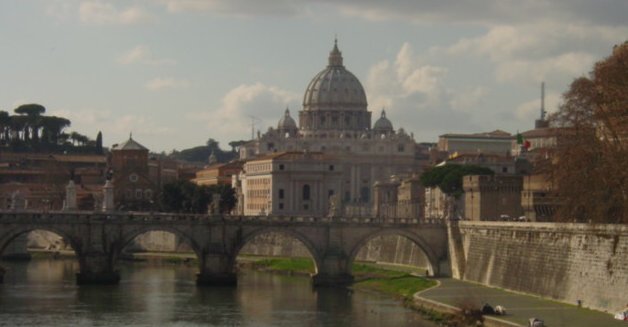
We walked all along and came to the Vatican.  It is very clean and neat.  There are lots of things to see.  The Vatican museum has many of those famous works of art that you always see in books.  We also saw the Sistine Chapel.  There were big crowds.  We went to St. Peters.  I had various pictures.  It is an impressive place.   It rained hard that day.  My Goretex did okay.  Poor Alex was soaked worse, but he didn’t complain. 

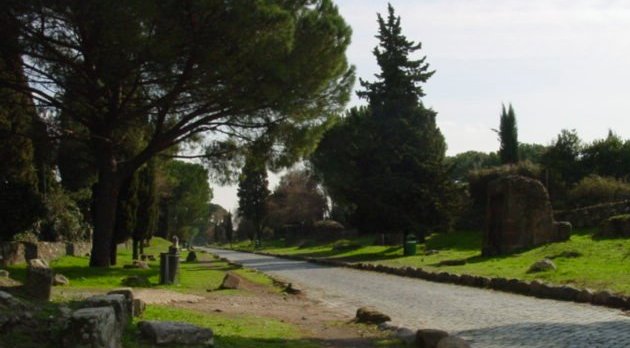
The next day we went to outskirts of town.  Very nice gardens.  We also went to the Via Appia.  It is very pretty with interesting ruins all along.  This was the major highway to and from Rome and the the road where Jesus met St Peter as he was fleeing Rome during Nero’s pogrom.  Peter asks Jesus Quo Vadis (where are you going).  Jesus said he was going to Rome to be with his people. Peter went back to Rome where he was martyred by being crucified upside down.  A large part of the Roman road is a park available only to foot traffic.  Unfortunately, it is truly scary getting there on foot. The road is narrow and cars zoom along.  It scared the crap out of us.  Never again should we do something like that.  But once you get out of town, it is quiet and quaint.  One thing I like about Euro cities is that they end.  In the U.S. you would have endless suburbs.

We caught a bus back to town.  That was our last day in Rome.  I really don’t recall much about catching the train back to the airport.  I remember passing the Gypsy village again.

I am sad to lose the pictures of Alex in Rome.  It was one of the happy times of my life and I hope of his.  

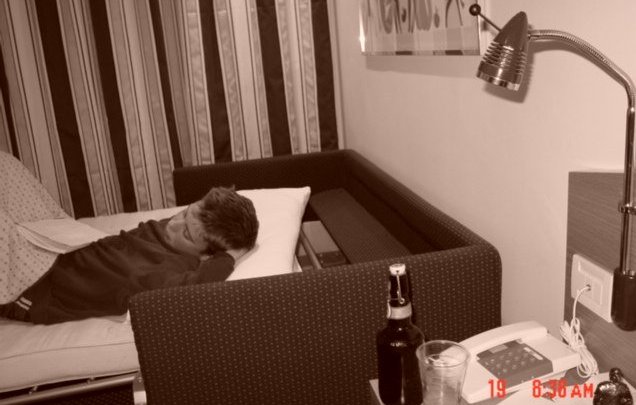
Oh yeah.  We shared a room.  That boy can snore.  I had to stuff rags into my ears to be able to sleep.