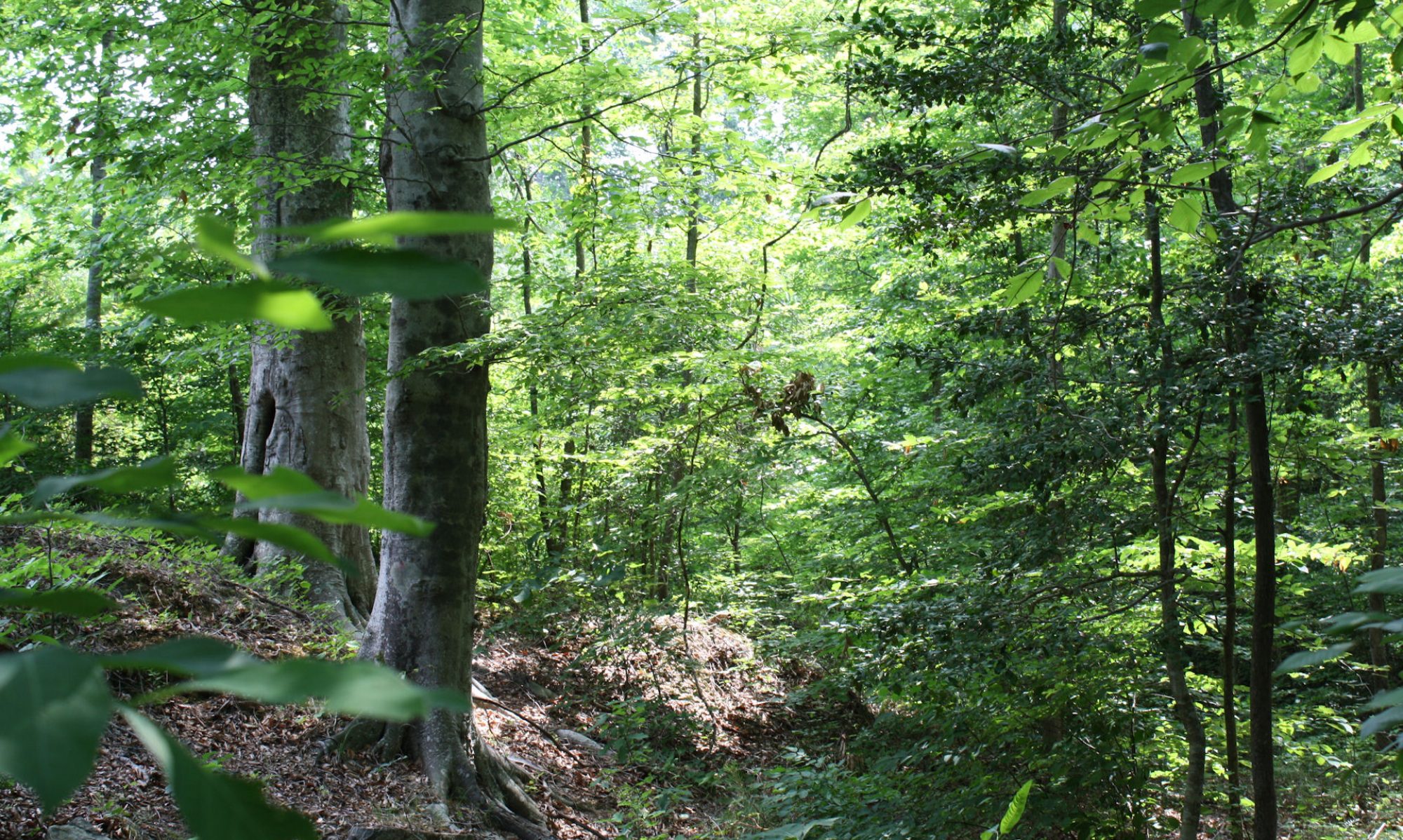
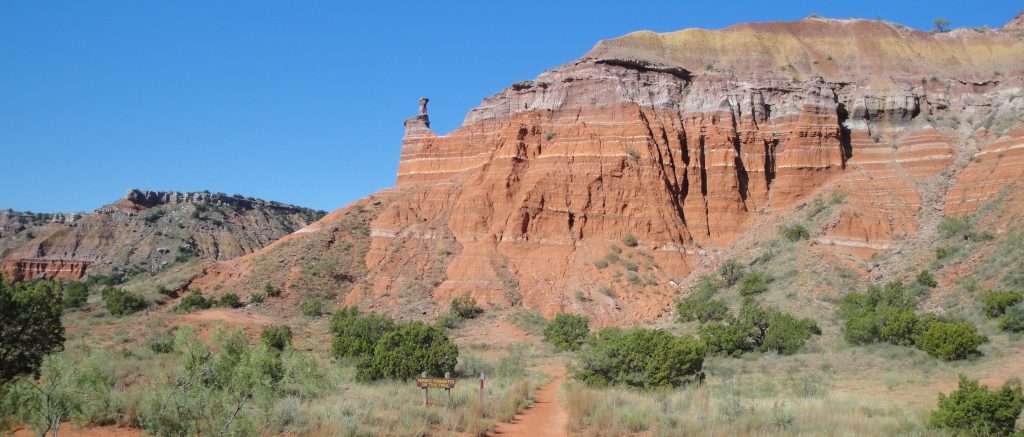
The Second Biggest Canyon in America

Palo Duro Canyon was sort of on my way, so I went a little out of the way to look at it.  I only spent a couple of hours there, since I needed to get to a hotel and prepare a PowerPoint presentation for my talk at Arizona State University on Thursday.  I still owe some work to the State Department, even here.
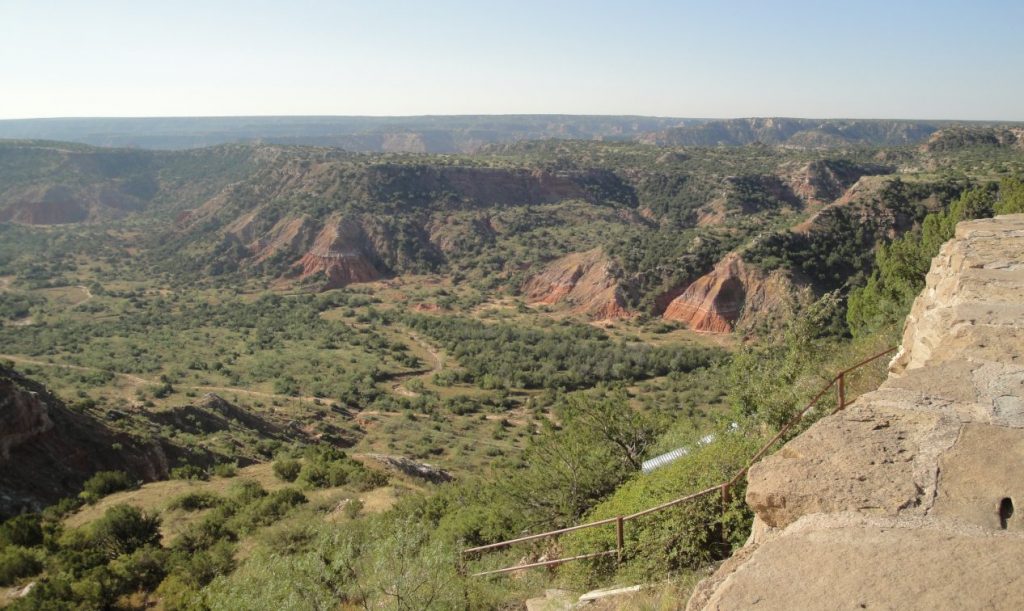
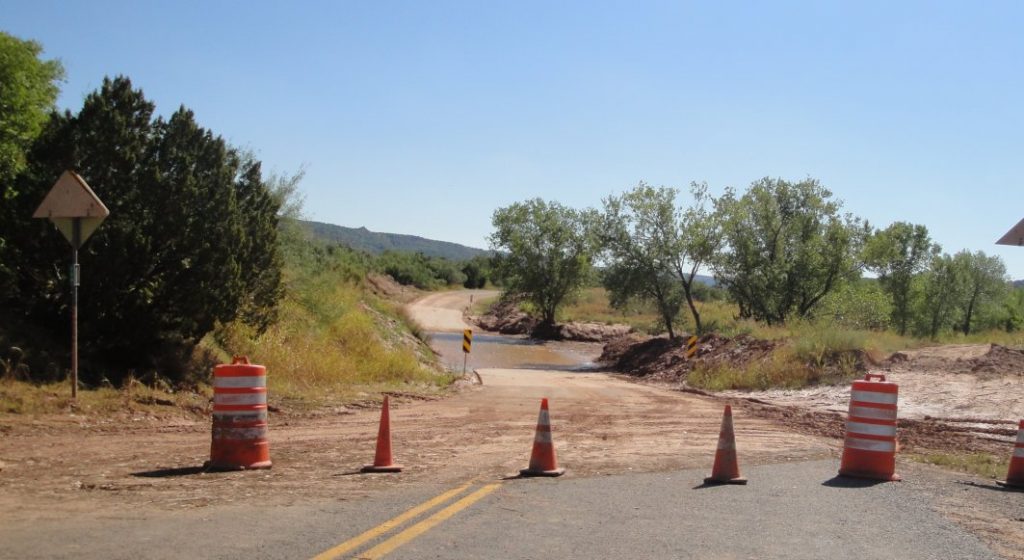
I did manage about an hour’s trail walk. The ground is hard and baked red, but the vistas were surprisingly green.   I could tell from the still fresh mud around the waterways that they had a fair amount of rain this season. In fact, the road was closed in one place because of the water, as you can see below.
Palo Duro used to be home to the Comanche.   They used to herd buffalo into the box canyons to make it easier to slaughter them.   Later Charlie Goodnight, who I wrote about in the previous post, used the canyon in similar ways to herd cattle.   Today it is a Texas State Park. 
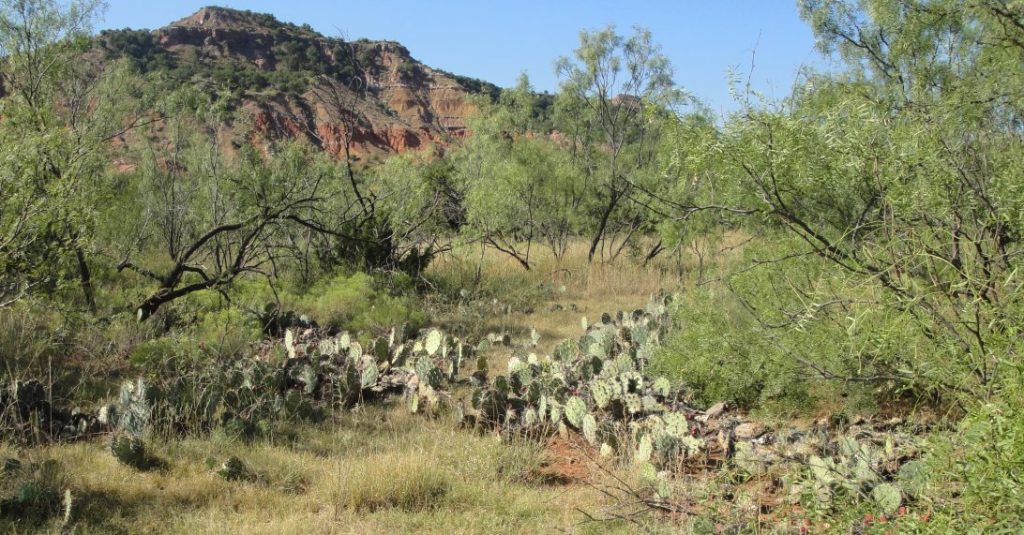
I enjoyed the vistas and the silence during my walk. I realize how much good it does me to get away into these sorts of natural places. I just feel good mentally and physically when I can hope around on rocks with the varieties of nature all around. I have a different appreciation of arid lands since I was in Iraq.  Most places are less barren than Anbar, so everywhere is a step or more up.  This land isn’t really arid anyway, just semi-arid. There is a lot of life in the canyon and on the prairies above and even the erosion is beautiful here.

The CCC and the WPA built many of the roads and walls during the 1930s.   There was an exhibit re in the museum.  It is very nice for me to walk around today on a developed trail in the relative cool and comfort of a nice late September day. It must have been something else for those young guys to live in tents and actually build the trails I enjoy.  My father was a CCC boy, so I always feel a little bit of a connection to whatever they do.  I always feel grateful for the work they did what is getting to be a very long time ago.
Getting Those Trucks off the Road

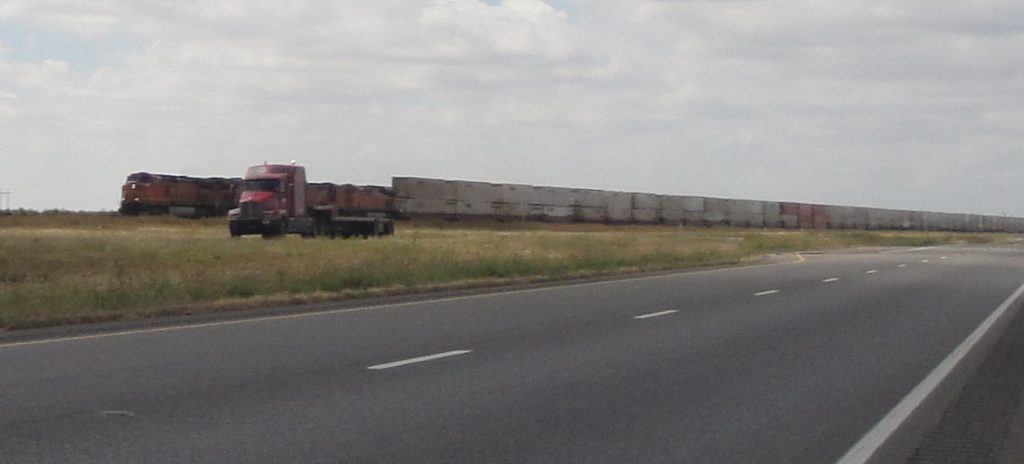
It seems like I was constantly passing trains, as I drove along US 60 from Canyon, Texas to Clovis, New Mexico.   Trains came by in both directions every few minutes on the tracks parallel to the road.  Many of them were loaded with containers or with actual truck loads.  I kept on thinking how good it was that all those trucks were on the tracks and not with me on the road.

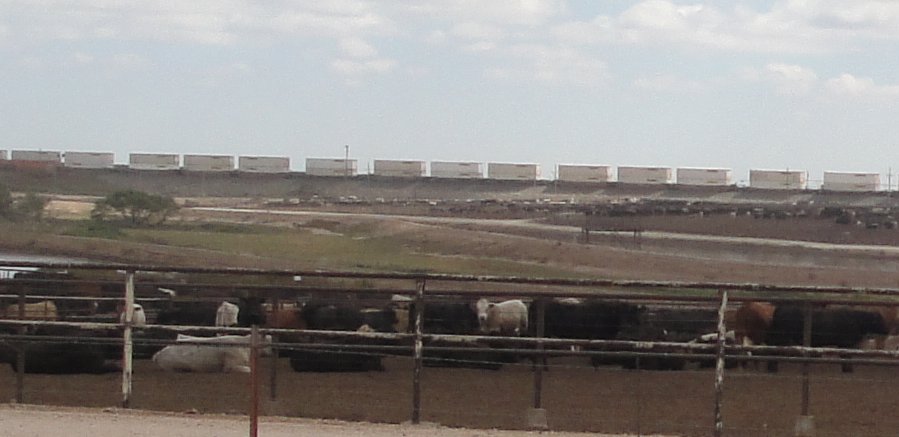
We have the world’s best freight rail system, as I wrote in a posts a few weeks ago.  Seeing it in actions, over and over and over again, reminded me.  Above is one of the trains passing one of the trucks. How many trucks would it take to move the stuff on that train?  Below is the feedlot, but look closely behind. What looks like crenelations is another passing container train.

Getting to Know Charlie Goodnight

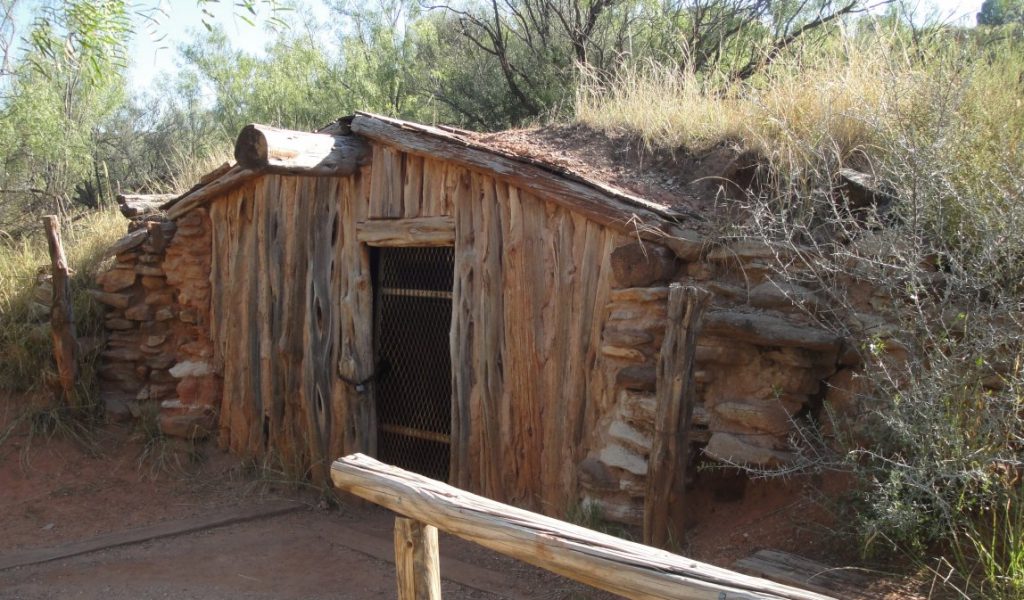
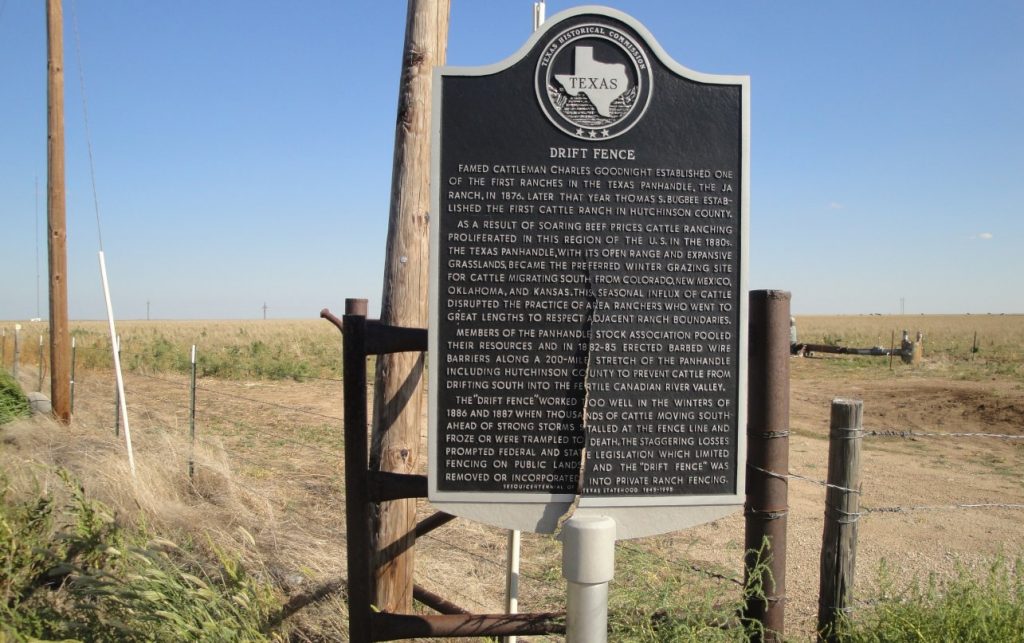
I am getting to know Charlie Goodnight by his work, which is the truest way to know someone. As I drive through the Texas Panhandle, it is impossible not to. I saw the historical markers for his “drift fence” to keep the cattle from drifting south in winter. There is a reconstruction of his dugout house in Palo Duro Canyon, where he ran cattle.  The man is a real western hero. He was a Texas Ranger, fought the Comanche & later helped make a treaty with their last great war Chief Quanah Parker, pioneered cattle trails, the biggest, the Goodnight-Loving trail, went from Texas through Colorado and all the way to Wyoming, and built a ranch and an industry in Texas cattle. When he was all done with that, he helped save the Bison from extinction. The Bison in Yellowstone, on Ted Turner’s ranch and around the West are to some extent descended from the herd that Charlie Goodnight protected on his ranch.

I recognized Goodnight.  I knew him from western movies and my research showed that this was the case.  He was the inspiration for a raft of movie cowboys.   One of the ones l like the best is “Lonesome Dove.”  The character of Captain Woodrow Call, played by Tommy Lee Jones, is loosely based on Goodnight and the Gus character, played by Robert Duvall, is based on his friend Oliver Loving.   Loving and Goodnight ran cattle as in the book/movie.  Like Gus, Loving was fatally injured in an Indian attack (Comanche) and died of gangrene.  Like Woodrow Call, Charlie Goodnight brought his friend back to Texas to be buried. You can also see the Goodnight character in a movie like “Red River” with John Wayne.  In fact, Charlie Goodnight was one of the characters that I knew best, although I don’t recall actually hearing of him until recently.

There is so much to this man, I suggest you look him up and read more. Suffice to say that few men have had such an eventful and exciting life. His real life is like a fictional western, actually a series of them. We shall not soon see his like again.

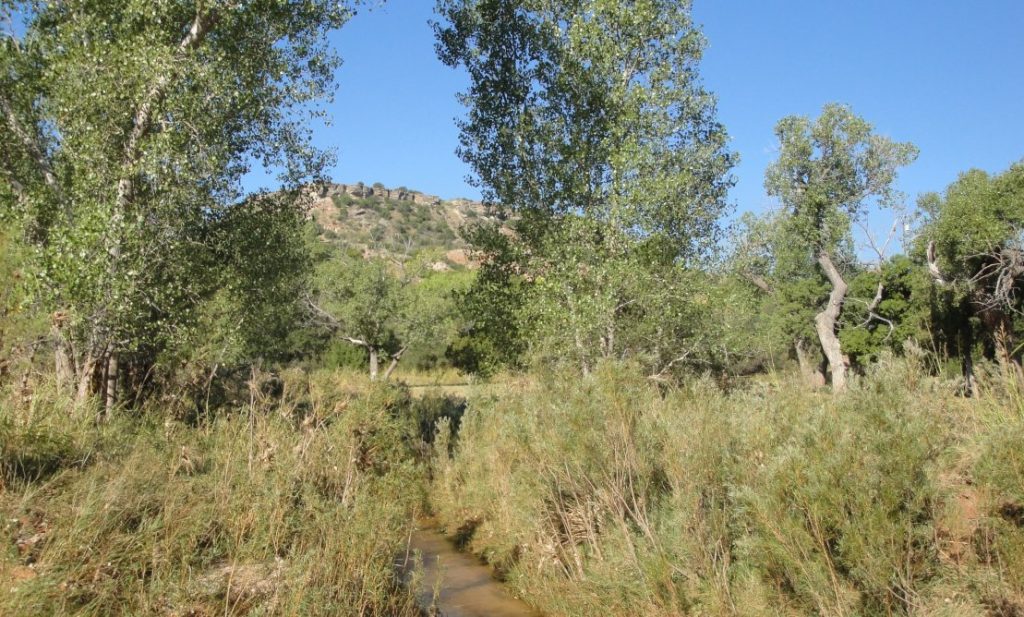
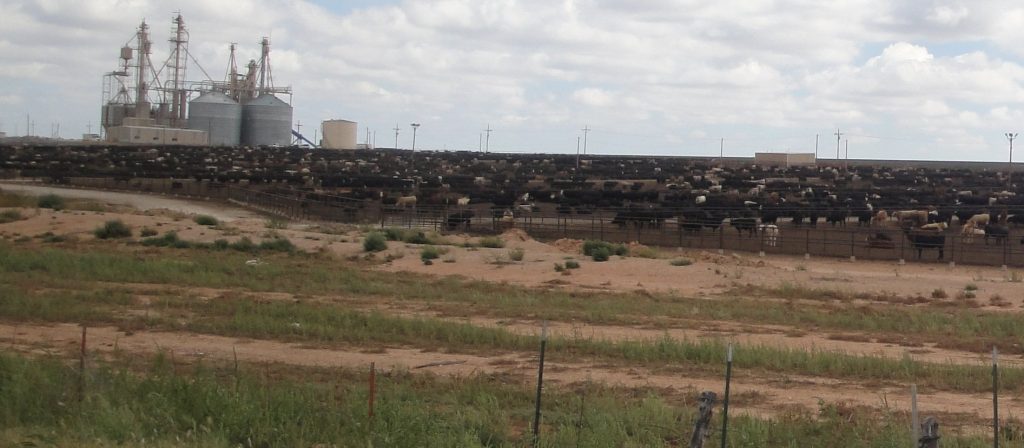
The picture up top is a reconstruction of the dugout cabin where he lived while settling the area.  Below that is a nearby stream, typical with its cottonwood and willow, probably his water source, certainly a watering place for cattle.  Access to water was the key to success. They had an saying, “Whiskey is for drinking; water is for fighting over.” The last picture is a feedlot. There are lots of lots around here. The old round up and cattle drive has changed a bit. BTW – Goodnight also helped improve the herds.  Among his other contributions was introducing Hereford bulls into the gene pool. The Longhorns were picturesque, but there is better beef.  Beef – it’s what’s for dinner, to some extent thanks to old Charlie.

High Plains Drifting

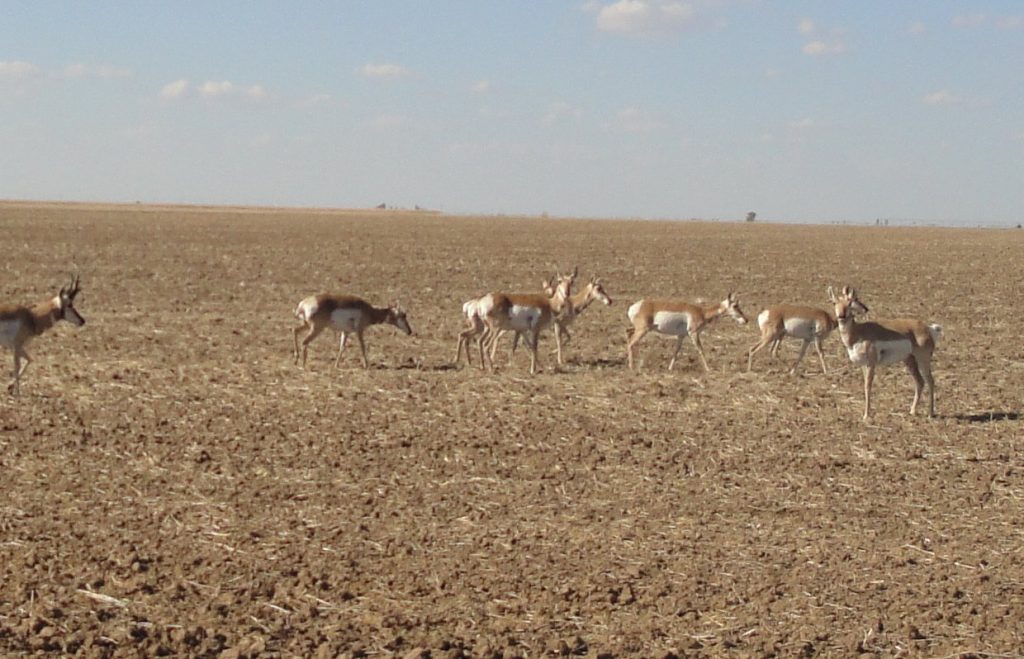
I had more time today, so I could do a leisurely drive through Kansas and the Texas panhandle.  I took the little roads and sometimes I was the only one on them. The day was perfect, cool, but with a warm sun. The panhandle is high, sometimes as much as 3500 feet.  One reason I was enthusiastic about visiting the Texas high plains was that they are similar to the planalto – the South American high plains where Brasilia is located. Above are pronghorn antelope.  There were dozens of them just standing around. They are supposed to be the fastest animal alive over more than a short sprint. I don’t know. They weren’t running.I thought of running out there after them, but what if they didn’t run?

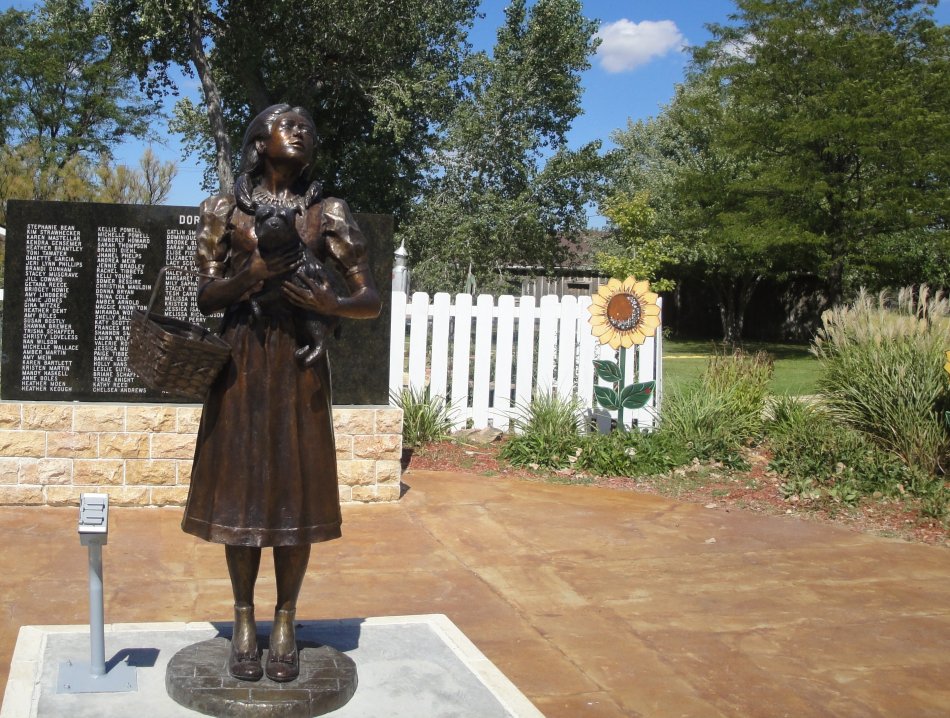
Above is Dorothy from the Wizard of Oz in Liberal, Kansas. They evidently have some kind of pageant. The names in back of the statues are previous Dorothys.

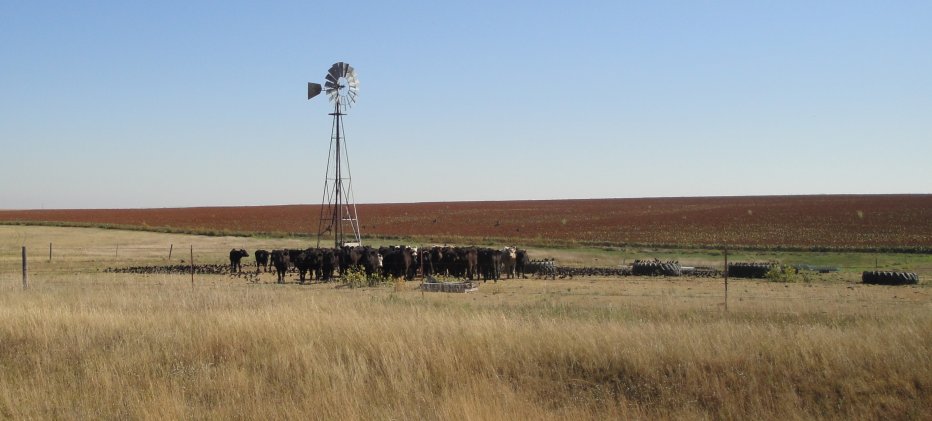
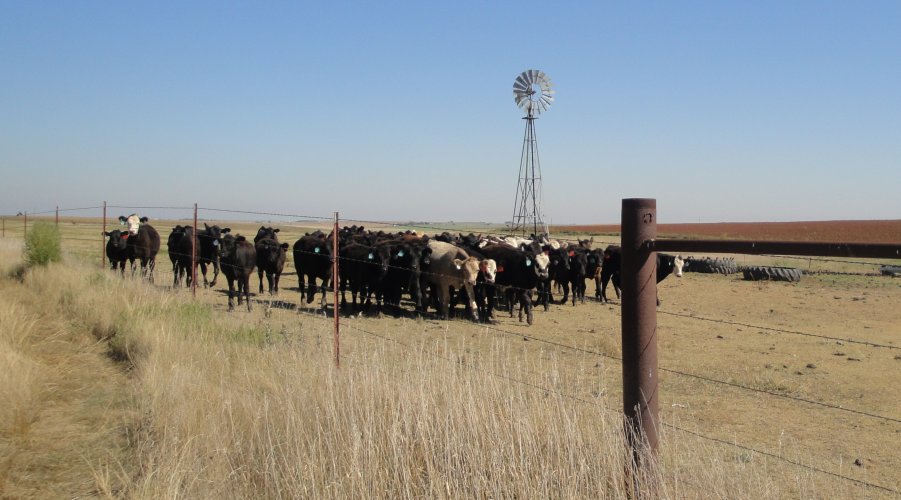
Above and below are cows at the watering hole. I thought they looked very picturesque, iconic with the old fashioned windmill pumping water. It was very quiet, so also imagine the squeaking of the windmill and the mooing of the cows on the empty and quiet plains.  I took a picture from a distance. As I walked up for a closer look, they all came to me. They were very friendly animals. The solid rust red stuff in on the little hill in the background is milo, or giant sorghum. I saw a lot of it on this trip. It ripens to that color. They use it as a feed crop on the dry plains, much like farmers use field corn in the East. I didn’t know that either, but an old man explained it to me. He also said that it was a very good year in the panhandle – more rain than usual. It still seemed dry to me, but the milo was pretty.

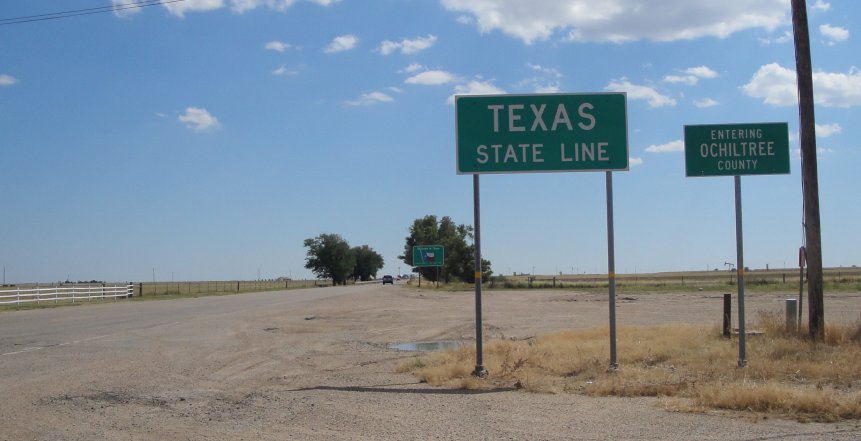
Below is the Texas state line, just a line on a map with no geographical feature to mark the change. I suppose lots of state lines are like that, but it seems more true here where it is so flat and featureless.

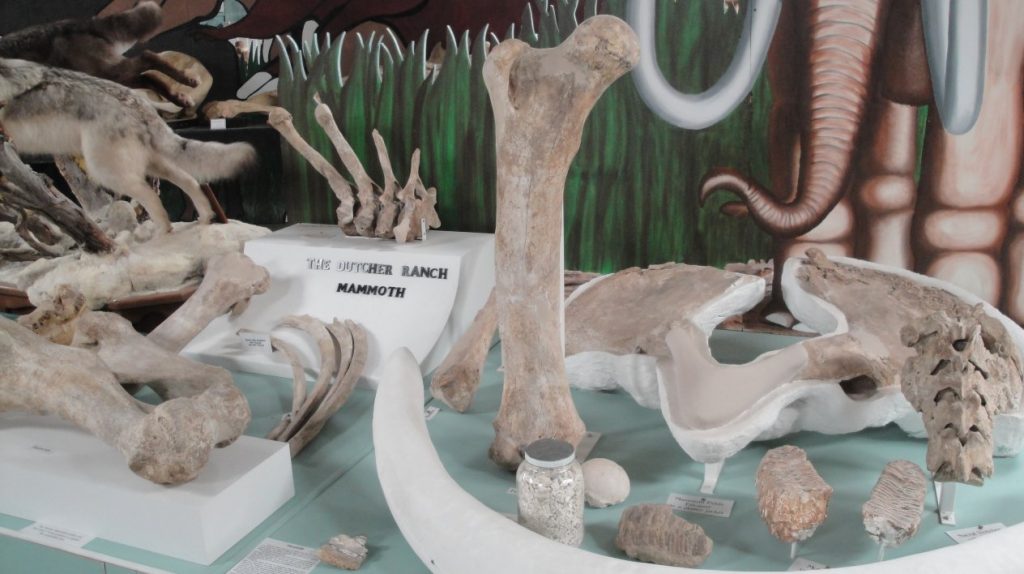
Below are mammoth bones found locally. They are now in the Museum of the High Plains. Admission is free and the guy running the place is extraordinarily friendly. He told me that they use the buildings for wedding receptions and community events and that the museum survives on that income as well as from the generosity of visitors. I bought a T-shirt and made a donation. 

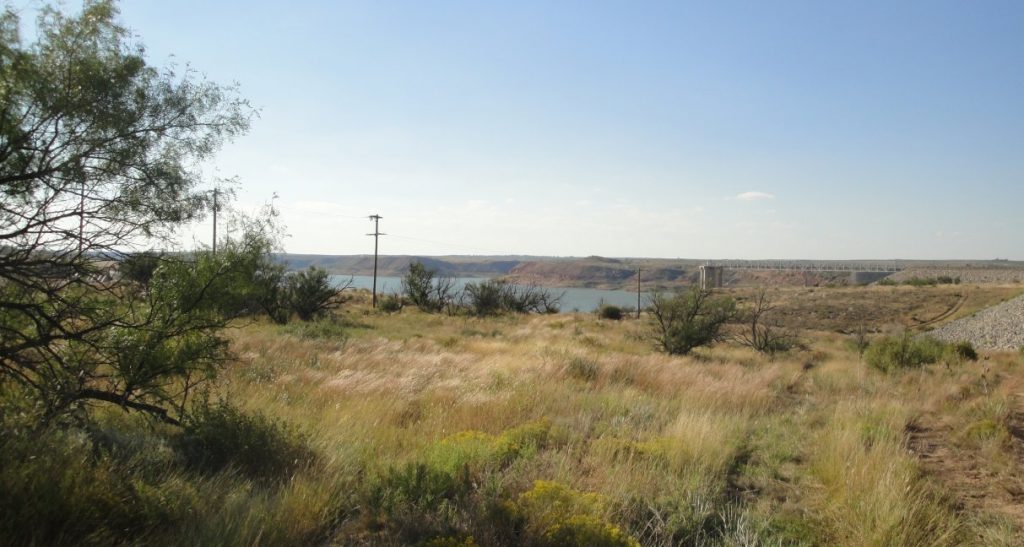
Below is Lake Meredith. It is seasonally bigger or smaller. My photo didn’t properly catch the colors, but it was very attractive. Take my word. 

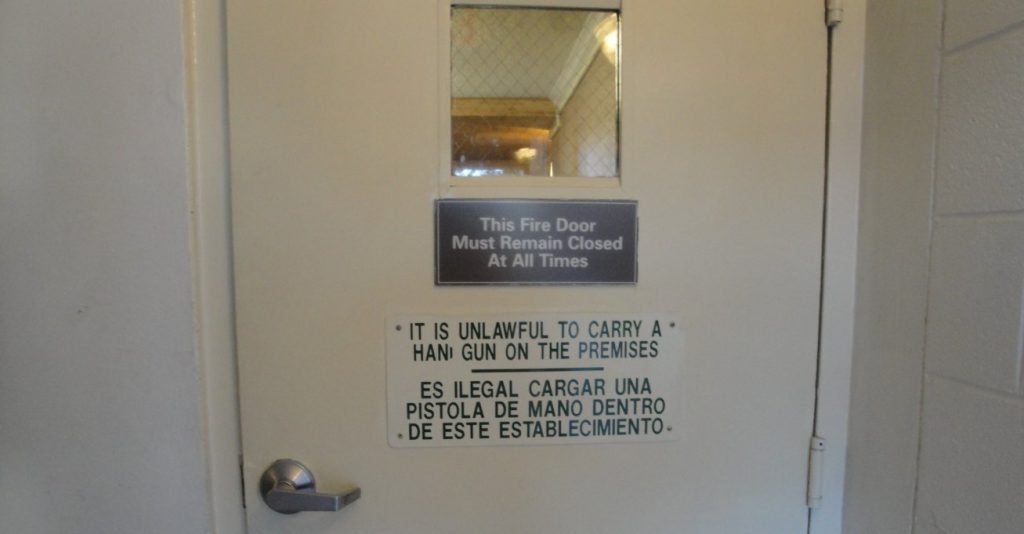
Finally, the picture below speaks for itself.  What’s the country coming to if you cannot take your gun to the hotel even in Texas.  Seen from another perspective, interesting that they need a sign. 

Comanche Moon

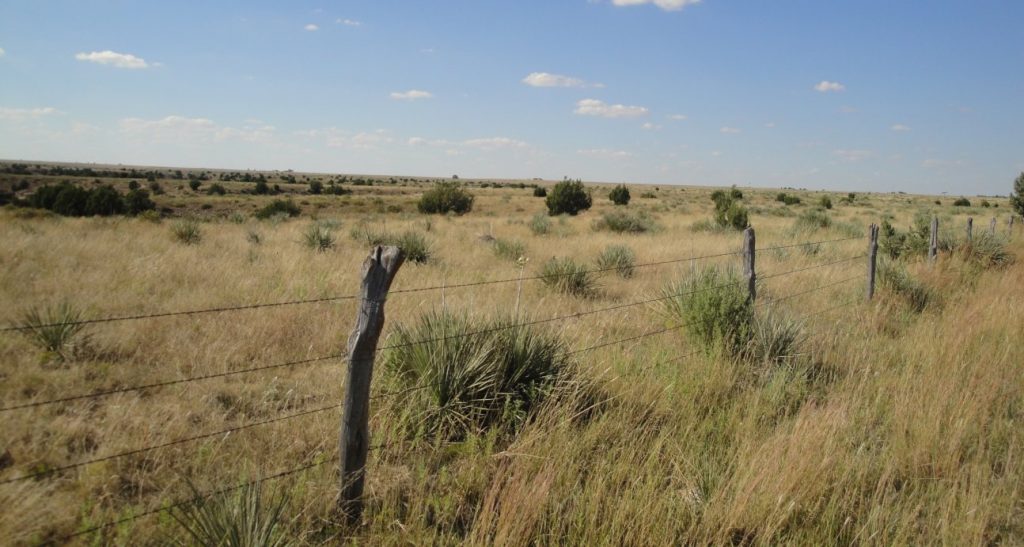
You don’t know open space if you live on the coasts.  The middle of America has a lot of emptiness.  They called it the sea of grass and the metaphor is apt.  In many places the land here is as featureless as the sea. Above is a landscape near Perryton, Texas.

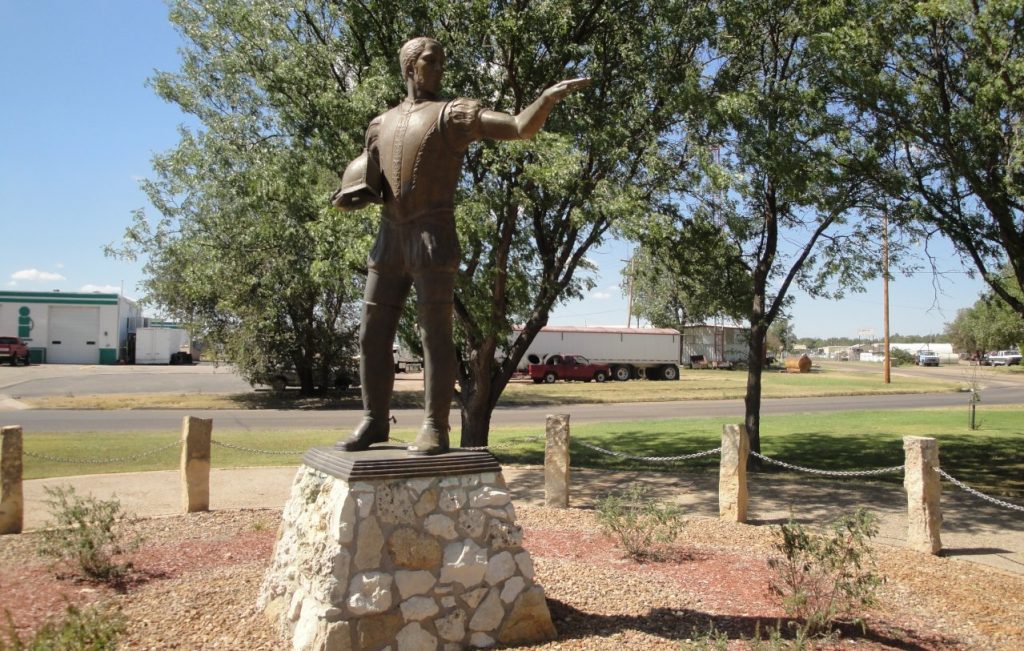
I am interested in the high plains.  The Spanish explorer Francisco Coronado (his statue is above in Liberal, Kansas) named it the Llano Estacado, which means palisaded plains.   There is some disagreement about what he was describing, but the most accepted explanation is that the plateau starts with escarpments that look like fortification palisades or a stockade. I didn’t see this “fortified” part, since I came from the north, where it is less abrupt.

I have been listening to the audio book Empire of the Summer Moon, about the rise and fall of the Comanche.  The Comanche were primitive and not very successful Indians until horses came to the Great Plains after they escaped from the Spanish. They quickly learned to use the horse and it changed their tribe.   The mobility provided by the horse allowed them to kick other tribes, mostly Apaches, off the Llano Estacado in what would be called a genocidal war if it happened these days.  Like most horse nomads, the Comanche were violent and cruel.  Their main passion was raiding, which included lots of torture, rape and pillaging.  It was essentially a type of terrorism designed to … well terrorize opponents.   

The Comanche were a formidable fighting force.  They stopped the Spanish conquests and held back the Mexicans. One reason why the Mexicans welcomed Americans settlers in Texas was that they wanted a buffer against the Comanche.   Nobody could really cope with them until the Texas Rangers learned to fight in the mobile and flexible fashion used by the Comanche themselves.  It takes a network to defeat a network.  The revolver was a great help in fighting the plains Indians. An Indian with a bow enjoyed an advantage over a man armed with a single shot rifle or pistol.  The six-shooter evened the odds. The U.S. Cavalry finally defeated the Comanche in the 1870s, mostly by sheer persistence helped by the destruction of the buffalo herds.

Above is the marker for the battle of Adobe Walls. There were two of them here. During  the second battle the Comanche were attacking buffalo hunters holed up in an adobe inn. Although there were 700 Indians and only 29 hunters, this was a bad idea. The Indians couldn’t burn the hunters out, since adobe doesn’t burn and the hunters were well armed with long-range rifles. They were able to shoot the Indians at very long distance. Read about it in the book I mentioned.

Dealing with the tribes reminded me of the tribal diplomacy in Iraq and defeating the Comanche “insurgency” probably still has lessons for us today.  Anyway, it is a good book and I recommend it, especially the audio version that you can listen to in the car as you drive across the endless sea of grass where the Comanche used to ride.

I have more pictures and thoughts re the high plains and will post more.  It was a good day to look around.

Get out of Dodge

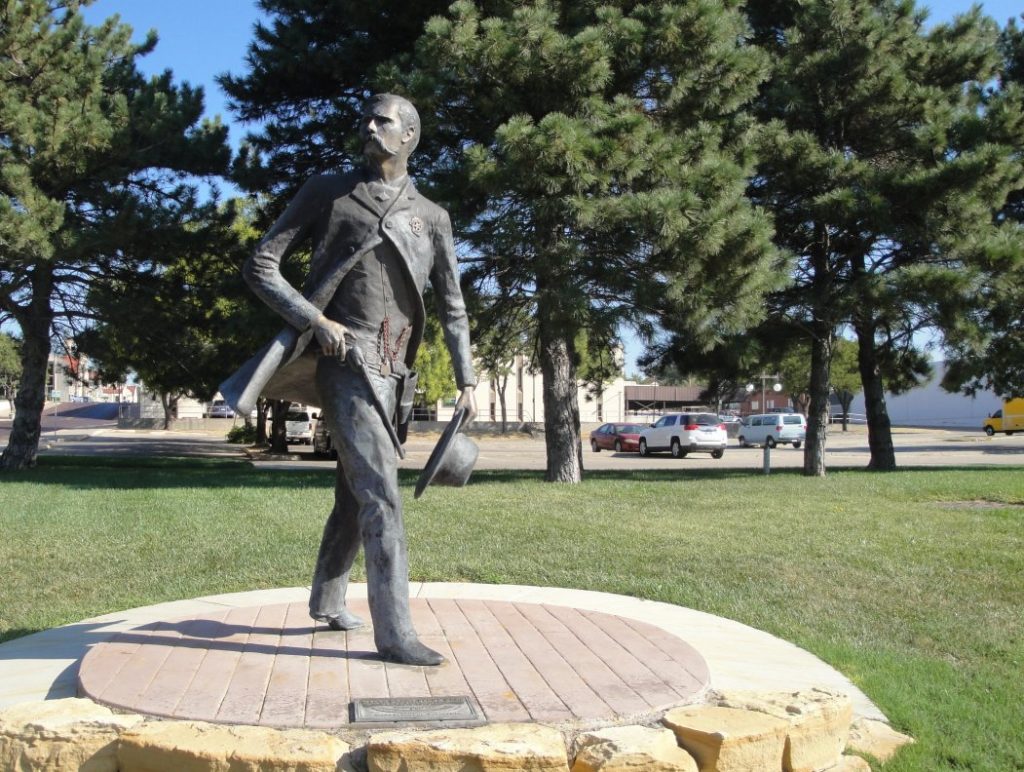
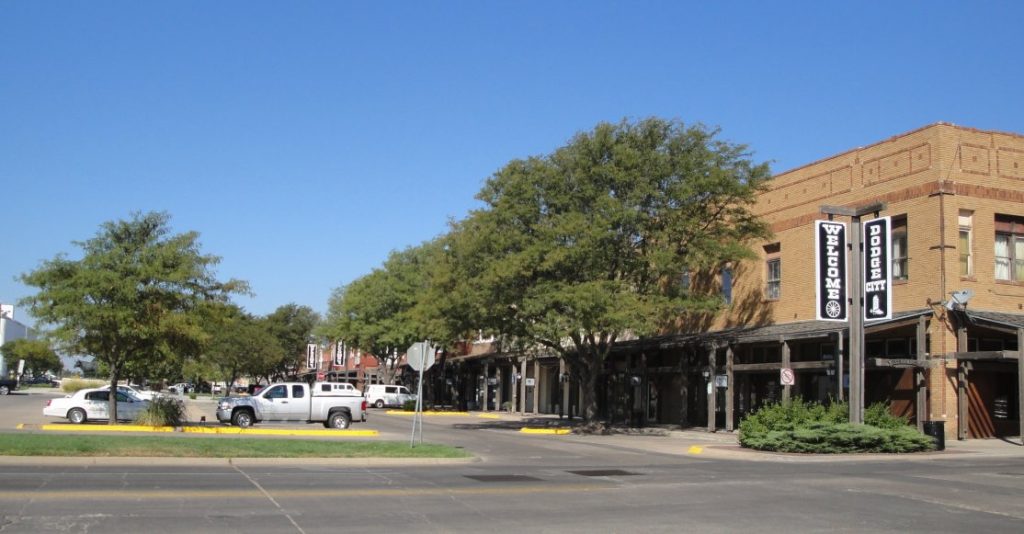
Dodge City makes a much bigger impression on American folklore than it does on American geography.  Above is Wyatt Earp, one of the town’s most famous marshals. Others included Bat Masterson & Charlie Basset. There really isn’t much here anymore really of theirs. But I wanted to stop anyway. I am beguiled by the legend. Below is what is left of the “real Dodge.”  The parking lot occupies the space where all the taverns and whore houses used to be. The real Dodge of the old west was probably flimsier and less permanent than the movie sets made to portray it. They were always worried about it burning down and the good citizens of the city finally got rid of what they considered an eye-sore that attracted the wrong sort.

So many of our Westerns are set in Dodge.  I grew up watching Gun smoke with James Arness as Marshal Matt Dillon.  Each episode started off with Matt winning a gunfight in the streets of Dodge.  Westerns were popular when I was a kid.  You wonder why any bad guys would ever show up in Dodge with Matt Dillon around.  He gunned down a couple of them every week. I wonder what the cumulative total was.

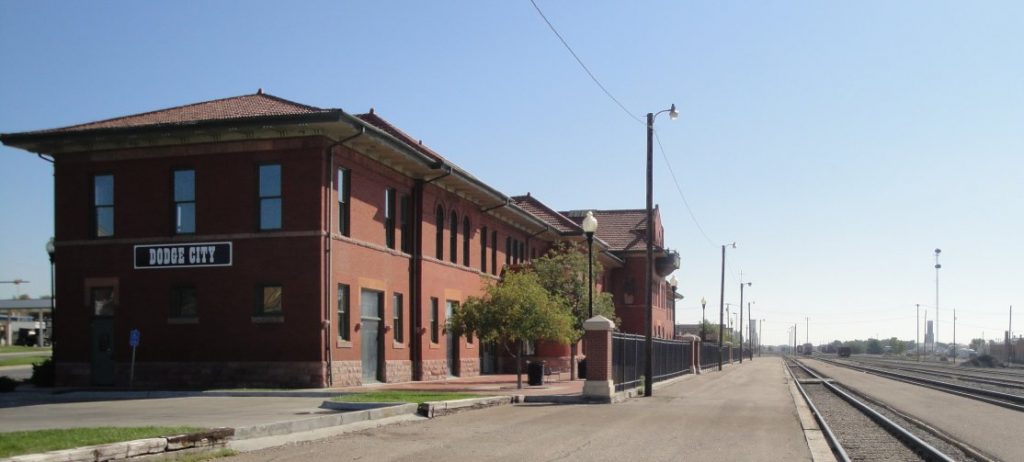
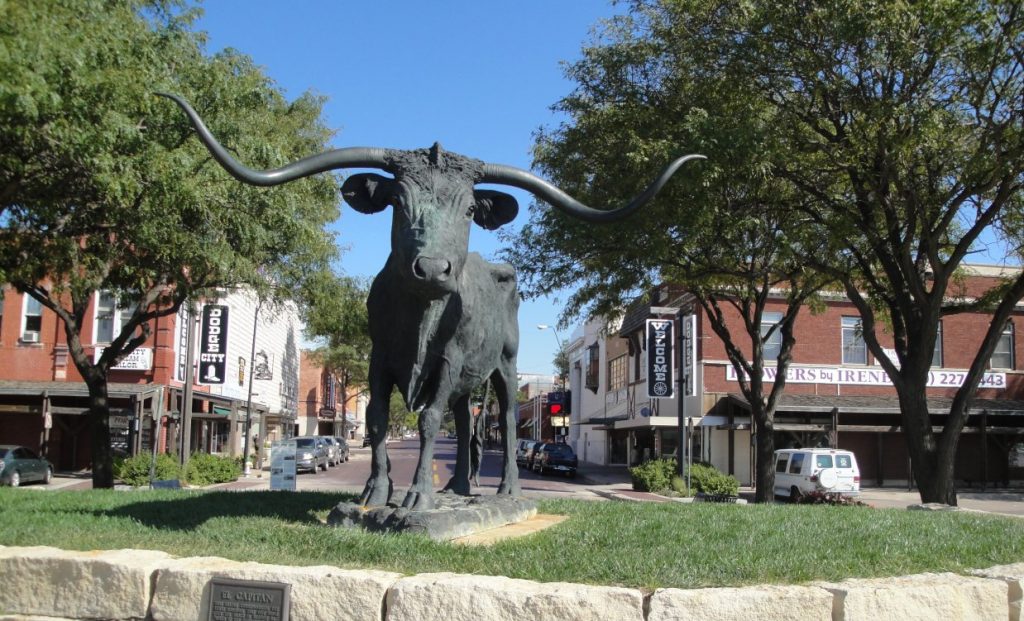
Cumulatively, I bet there are more total hours of TV and movie time about the Wild West than there was during the actual Wild West period.  Dodge City was at the end of a branch of the old Chisholm Trail. It was where the big herds from Texas met the Railroad. You can see the rail depot and tracks above and the longhorn below.

Dodge was the big cattle town for about ten years.  It replaced Abilene as the railroads moved west. The cowboys didn’t want to drive the cattle any farther than necessary. It was hard on the men and on the cows. They lost weight and hence value, so they loaded them on rail cars as soon as they could. The whole period of the big cattle drives – the Wild West – was only around twenty years from around 1870-1890.  After that, rail transport became widespread enough that the days of the picturesque but dangerous and grueling cattle drives were over.

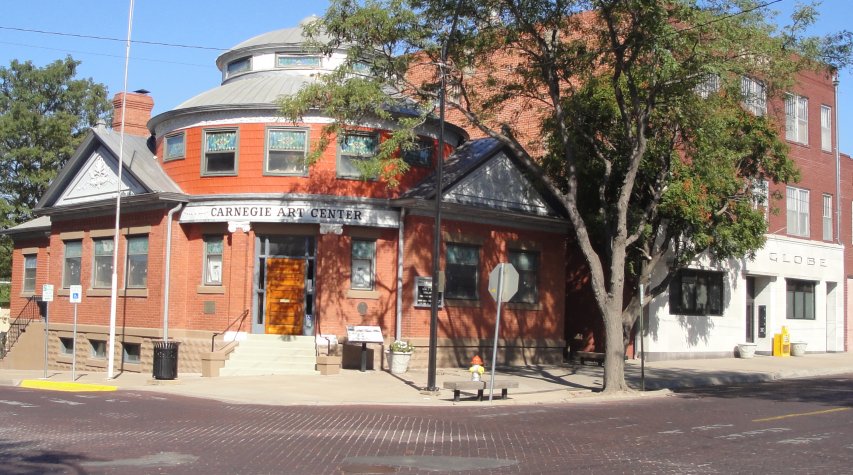
When you think about it, life on the frontier was not much fun. The settlers understood this very well and fact, tried to bring civilization (such as the Carnegie Library, now an art center, pictured above) as fast as they could in order to avoid all the excitement of gunfights and Indian raids.  But if you don’t actually have to live through these those sorts of things, they capture the imagination. In the absence of danger, everybody imagines himself the hero.  It is exciting in retrospect to have built something up, wrested from hostile nature and dangerous primitive men.

Amana Colonies

I was vaguely aware of the Amana Colonies, but the name was familiar mostly because of Amana appliances.  In fact, as I write this in the Holiday Inn in Dodge City, the air condition is an Amana product.  But there is much more to the story than stoves and refrigerators.

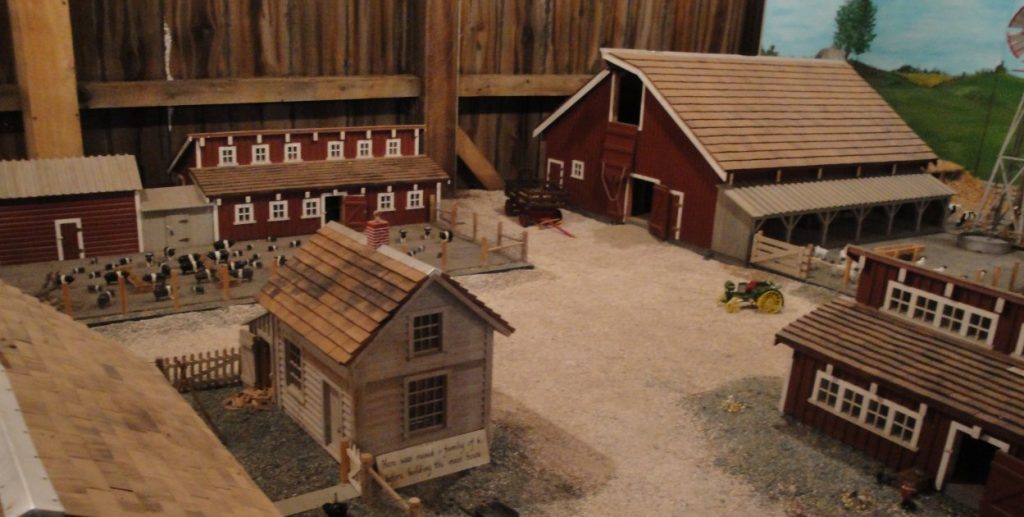
There are seven Amana colonies in Iowa.  They were founded in the 1840s by a German sect.  They were related to Lutherans, but had a more communal point of view. It is the usual story.  They were persecuted in Europe, so they came to set up a new life in America. Below is a model of one of the farms.  There is a “barn museum”.  It has models of all sorts of local buildings.  They were all made by a single local guy with a lot of time and significant model making skills.

These kinds of colonies were successful in the U.S. because the adherents believed in hard work and were well disciplined.  That is pretty much all it takes to be successful in America.  The thing I like about the German-culture sects is that they have very well organized agricultural operations and they don’t shun beer.  Beer is a integral part of central European culture.   IMO, it is an integral part of pleasant civilization, but that is another story.

The Amana colonies were integrated agricultural enterprises.  They are not like the Amish.  The Amana folks embrace technologies and machinery.  Farms were communal until 1932, when they all got shares in an Amana corporation.  They farmed, processed farm products, made crafts and later on even made appliances.   The Amana Corporation, which is still in existence, still runs a prosperous enterprise.   I was interested in that they own and manage a large – 7000 acre – forest reserve.  It produces forest products and is run sustainably.  The hardwoods from the forest supply the wood for their furniture making businesses.  A guy I talked to told me that they do TOO good a job with wildlife.  He cautioned me to be careful driving around because the deer would be jumping over the road, especially at dusk.

Beer drinking, hard working, not complaining and forest loving – I like these people.

As you drive around in the American countryside, you realize how many of these sorts of groups there were – and still are – in America.  We tend to forget about them or think they are just historical artifacts.   But they seem to have developed sustainable systems, both in the natural and the human ecology.  We talk about diversity in America.  This is actually a very important part of it.

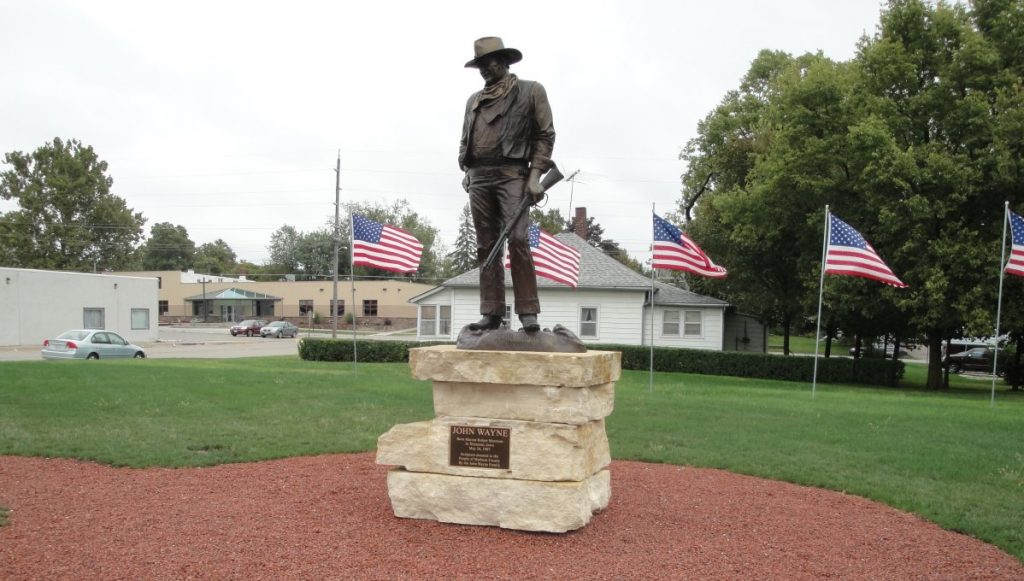
John Wayne

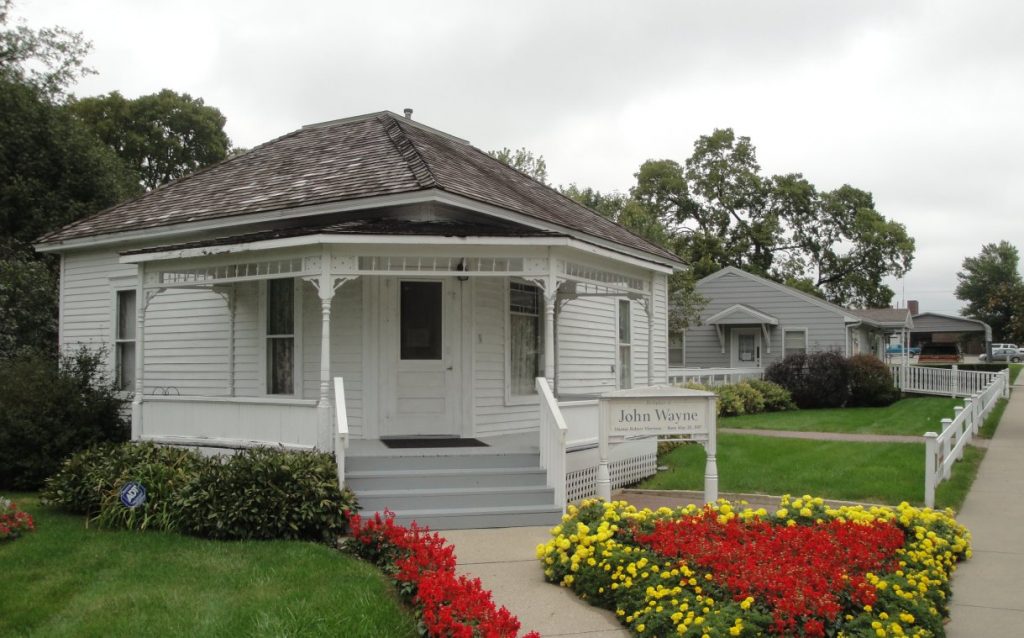
Not too far off the highway is the birthplace of John Wayne in Winterset, Iowa.  I drove over there to look.  They said it was a modest house and that was true.  You can see by the picture that it is not much bigger than one of these little cabins you can rent at the campgrounds.  I didn’t figure it was worth it to take the tour.  John Wayne was not famous for his deeds in Winterset, Iowa.

I was talking to Jerry & Dorothy about John Wayne.  Jerry & I like him better than Dorothy.   Dorothy pointed out that John Wayne wasn’t much of an actor.  In fact, he was not an actor; he was a movie star.  The two are not the same.  A movie star needs to create and maintain a personal brand.  So no matter where you see John Wayne, you can recognize the character.  His persona transferred well in westerns and war movies.   When he tried to play Genghis Khan in “The Conqueror” it didn’t work at all.  That is why the movie is one of the ten worst of all time.

An actor can play many roles and blend into them.  This is very good for the craft of acting, but not so good for fame and fortune.  They have a name for such people.  They call them character actors.  When they die, the newspapers often call them “beloved” and when you see their picture you say, “Oh yeah, that guy.”  But you would not have been able to name him unaided.  And more than a quarter century after they die, they still won’t be famous – actually iconic – like John Wayne.

The End of a Long Day

I left Milwaukee at around 5:30 this morning and got to Dodge City at a little after 9:30 tonight.  I got to experience all kinds of weather.  It was raining hard when I left Milwaukee.  I also ran into a particularly violent thunderstorm in Kansas.  In between it was cool and cloudy in Iowa and humid and sunny in parts of Kansas.  After the big rain in Kansas, I ran into a “rain” of grasshoppers.  There were thousands kind of them on a part of the road. It really messed up the windshield.

It really wasn’t too bad of a drive until it got dark.  My last couple of hours were down a very dark two-lane Kansas road.  I got stuck behind a truck, but I figured that it wasn’t so bad.  The truck was moving at almost the speed limit and I figured he would plow off the road any night-active animals, such as the now very common deer. This is my longest day. I won’t have to drive this far alone again on this trip and that is good.

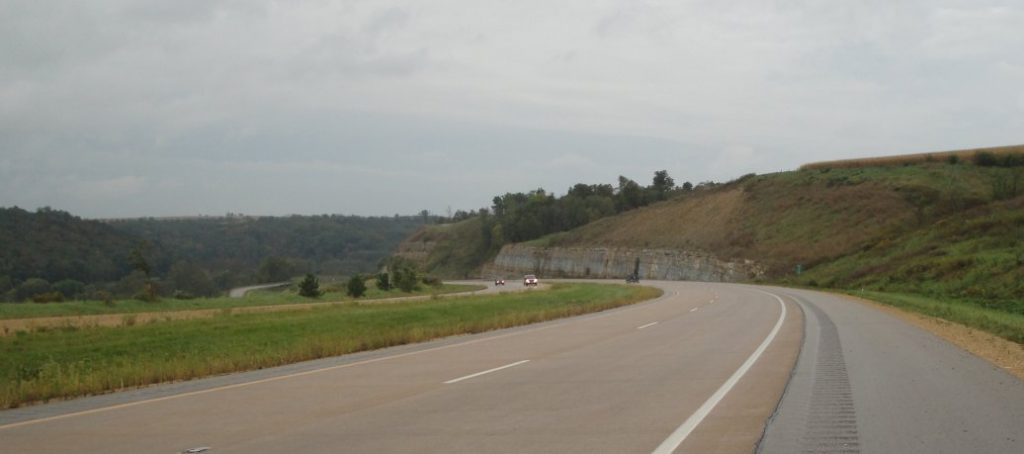
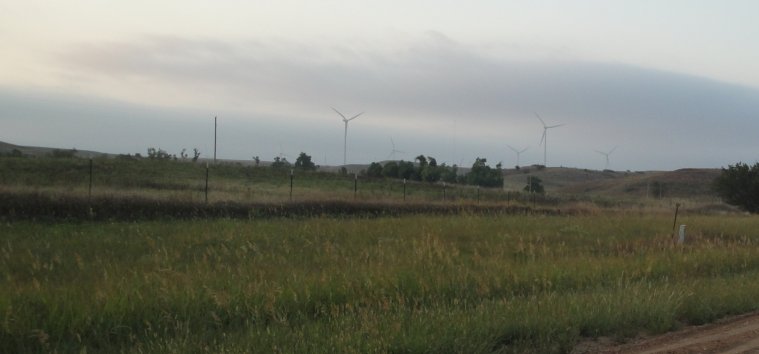
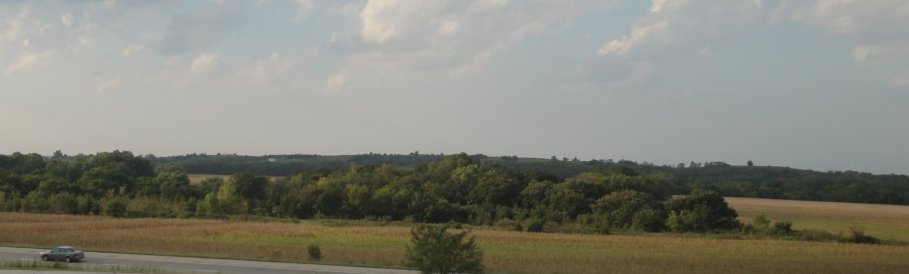
About the pictures – the top one is HWY 151 in Western Wisconsin. You can see how the road cuts through the limestone.  Next is a Kansas field with windmills.  The third picture is the start of what used to be the blue stem prairies (now mostly corn fields) in the Flint Hills in Kansas.  It was interesting to see the change.  In Missouri and Eastern Kansas, the trees are thick. Then they thin out. There are more trees now than there were originally (i.e. before white settlement) since modern people suppress fire.  

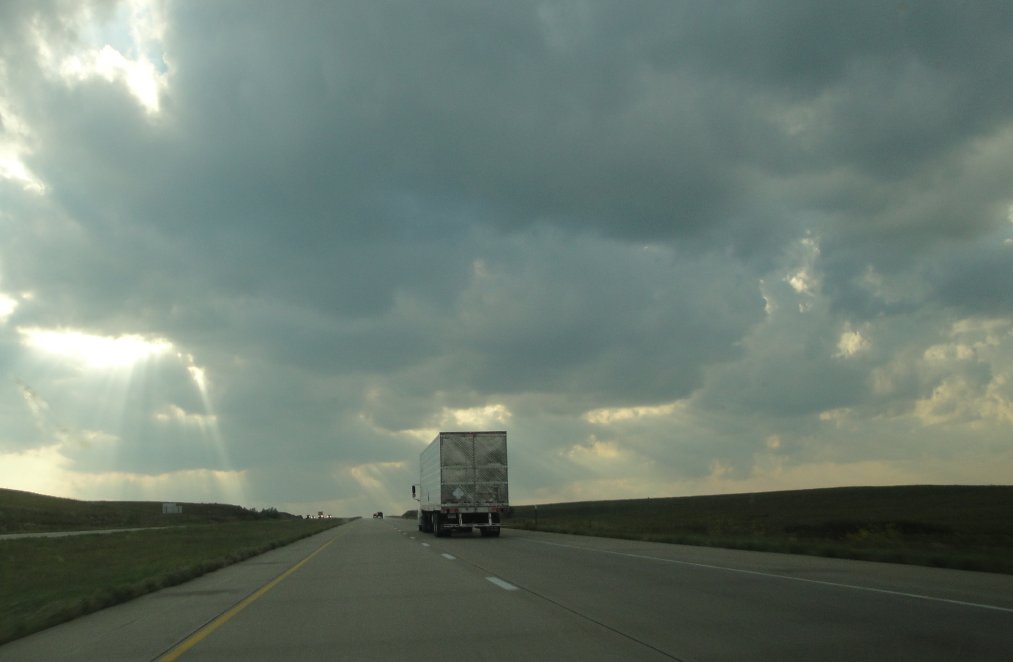
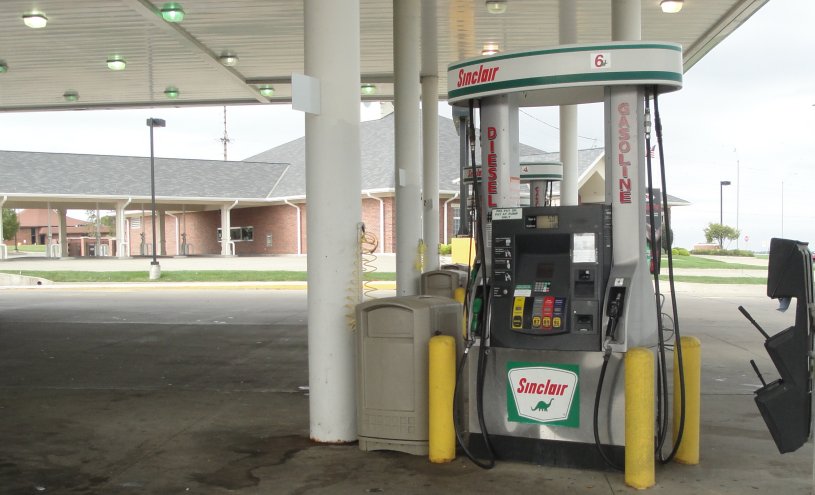
Below is the Sinclair gas station. I filled up there because I like the logo.  There was a Sinclair Station on Howell Ave when I was a kid.  I like the dinosaur logo than and I still like it now. Just above this paragraph is the “big sky” in Kansas from behind the windshield.   The picture, as usual, didn’t do a great job of picking up the light contrasts.

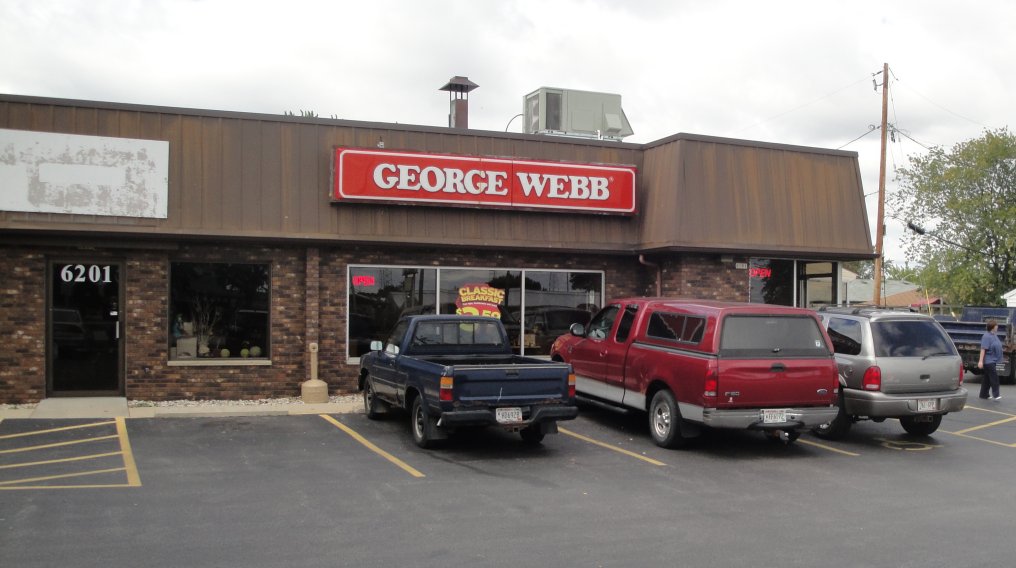
Below is from my last day in Milwaukee.  George Webb has, IMO, great but simple hamburgers. 

Down by the Lake

Sister Chrissy & I walked around the old neighborhoods and parks today. It was a beautiful early fall day, cool with enough wind to keep the bugs confused. Yesterday was not so good. It was a little damp and cool.  I went running yesterday along the bike trail in Warnimont and it was a bit too cool. But today was just right.

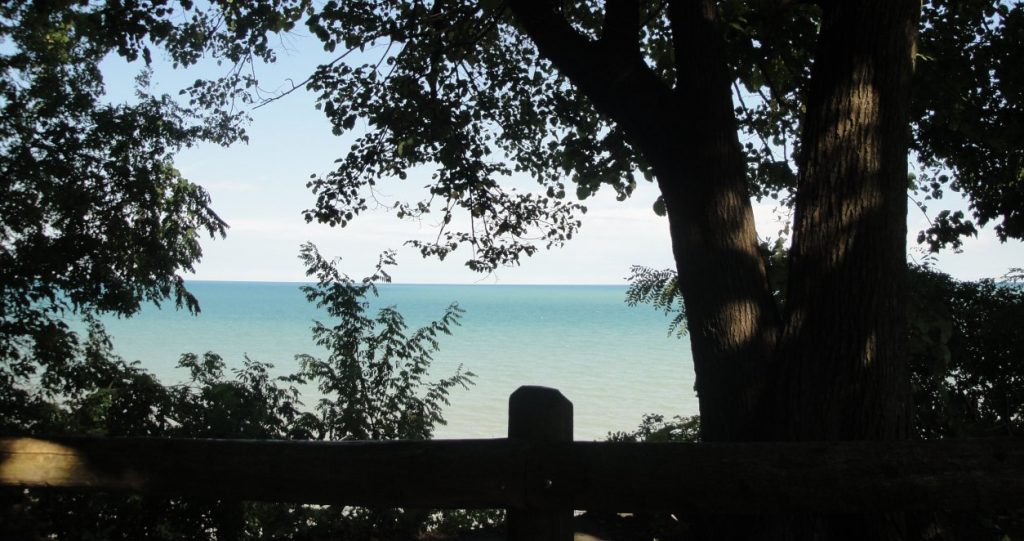
The parks near the lake really are pretty. My favorite is probably Grant Park. You see the Lake from there in the picture. 

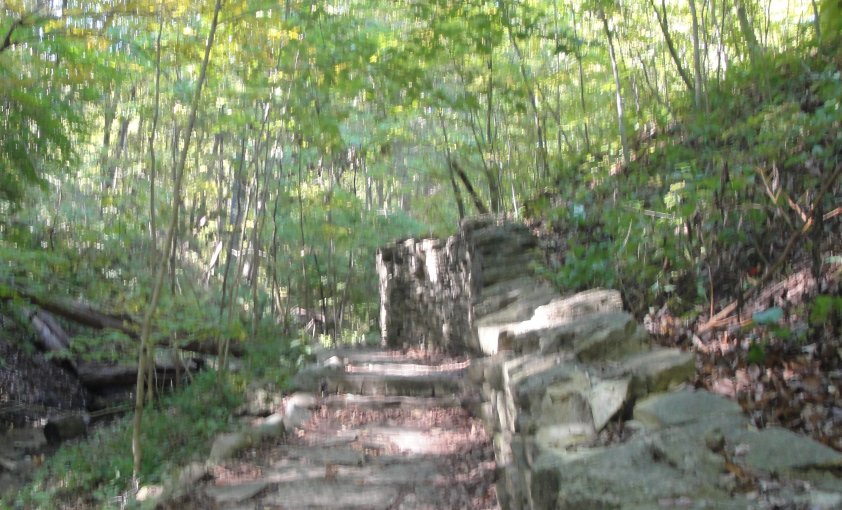
We walked down to the Lake along the “Seven Bridges Trail”.  I have walked and run down there hundreds of times, but I only found out today that it is called the Seven Bridges Trail. I don’t know if they can still call it that, however.  One of the big bridges is gone, washed out.

The trail was put into its present form by the WPA and CCC. They built the walls and planted some of the more exotic trees.  One of the walls is pictured above. The trail endures because it is simple. The problem with projects today that they try to get too complex.  We cannot do lots of things today because we demand too much.  This simple piled rock walls and trails work as well today as they did a long lifetime ago.  Except for the bridge, of course.
After Grant Park and after I dropped Chrissy off, I wandered over to Humboldt Park. That is my “home park” and the one I know in the longest detail. The pond in the picture above used to be very tamed and mowed.  They used to rent row boats. Now it is more like a wetland. I think I like the new thing better, but I do miss the old one. 

The new pond is full of geese, which are pretty much everywhere these days anyway.The old pond was home mostly to ducks. I think the geese have driven the ducks off.  The geese are bigger and much more aggressive.  I remember that geese used to be kind of rare. Not any more. They still are fun to watch, although it gets a little annoying always to be stepping in the ubiquitous goose crap.

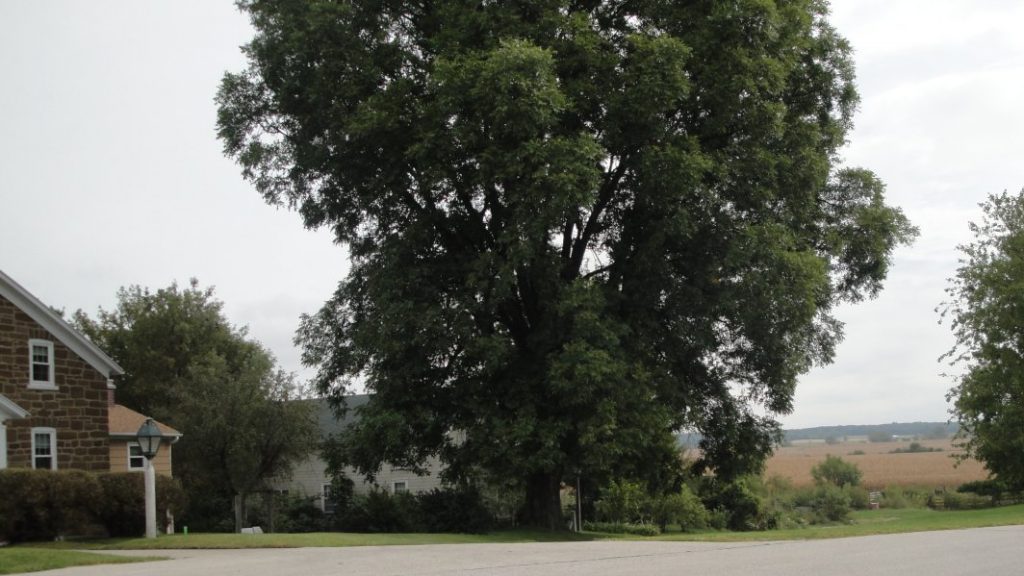
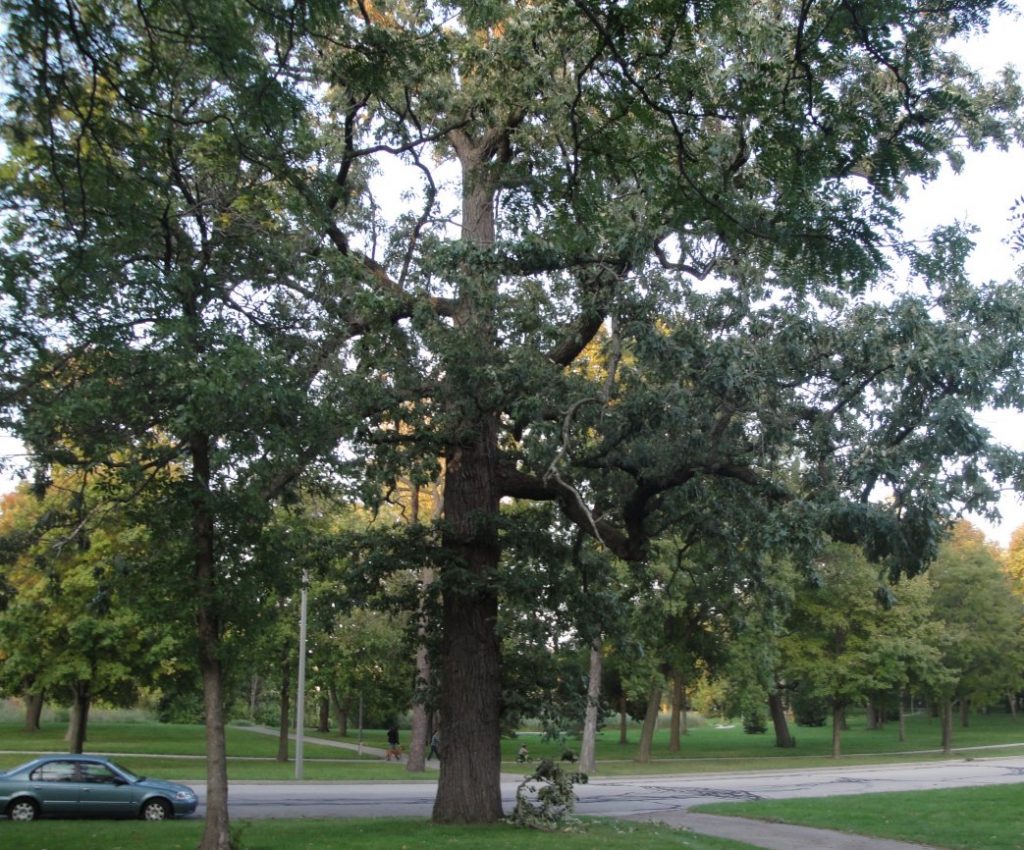
Along side is an old bur oak tree.I used to like to come and look at those trees and I still do. I have no idea how old it is, except that it was already big and old when as far back as I can remember.  I noticed this particular specimen in 1972, when I was learning tree identification. I don’t think it has gotten much bigger in those nearly forty years.  I guess once it gets to a certain size, it grows much more slowly. Some of the branches seem to be dying back. That would concern me more if I didn’t remember that some of the branches were dying back forty years ago. I think that is just the way a mature bur oak is. Bur oaks seem to grow slow. Sometimes they get to be very big, like the one in the picture, but often they are only medium sized or even scrubby. I don’t think it is genetic variation, probably has more to do with the quality and depth of the soils. In the thinner soils, they form “oak openings” with mature trees looking sort of miniature.
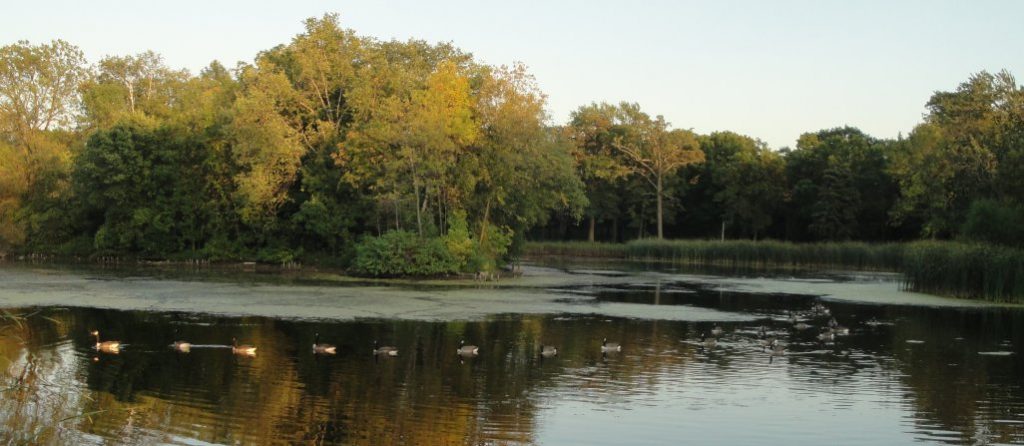
Milwaukee’s parks are its treasure. There are lots of them and they are often tied together. It gives everybody in the city the chance to feel like he is in the country.  If you look at the pond above, you can imagine that you are in some far away marsh, of course you can hear the city sounds and see the cars if you turn around, but the feeling is still nice.