Bloodiest Day in American History

Antietam was the battle that gave Abraham Lincoln the cover to sign the Emancipation Proclamation. Without at a significant victory in the field, he reasoned, such a bold proclamation would just seem hollow. The Proclamation changed the character of the war. After it became a struggle to end slavery, the threat of British or French intervention on the side of the Confederacy was removed.  
Historians have argued about who did what right and wrong. Some believe that Union commander George McClellan could have destroyed Robert E. Lee’s army had he acted more aggressively. The battle at Antietam was really not much of a victory. Both sides got badly mauled. But at the end of the day, the Army of the Potomac still held the ground, Robert E. Lee was limping back to Virginia and 23,000 Americans were casualties in the bloodiest day in American history.
The Civil War is the American Iliad. It features heroes with strong characters and personal stories. Many of the participants knew each other and they faced off repeatedly on different battlefields. I think that it is the personalization that has so fascinated Americans for nearly a century and a half. Historians can study diaries and journals; re-enactors can find enough information to “become” individuals.
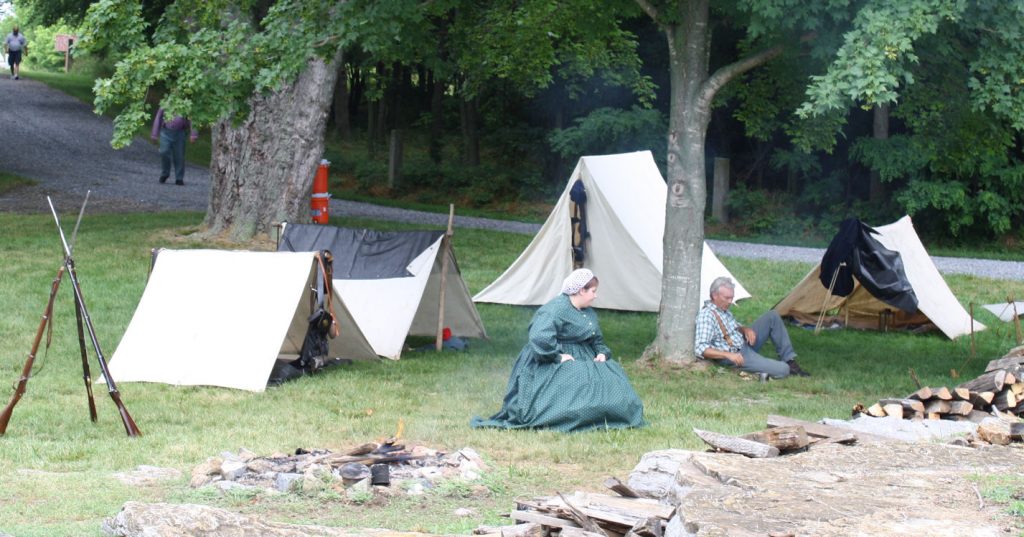
Re-enactors at Antietam battlefield

The re-enactors are important to history. They maintain a living link past and their attention to detail gives historians a treasury of data. The re-enactors actually wear the clothes, use the gear and carry the weapons.  They can help explain the capacities and challenges of those who struggled.
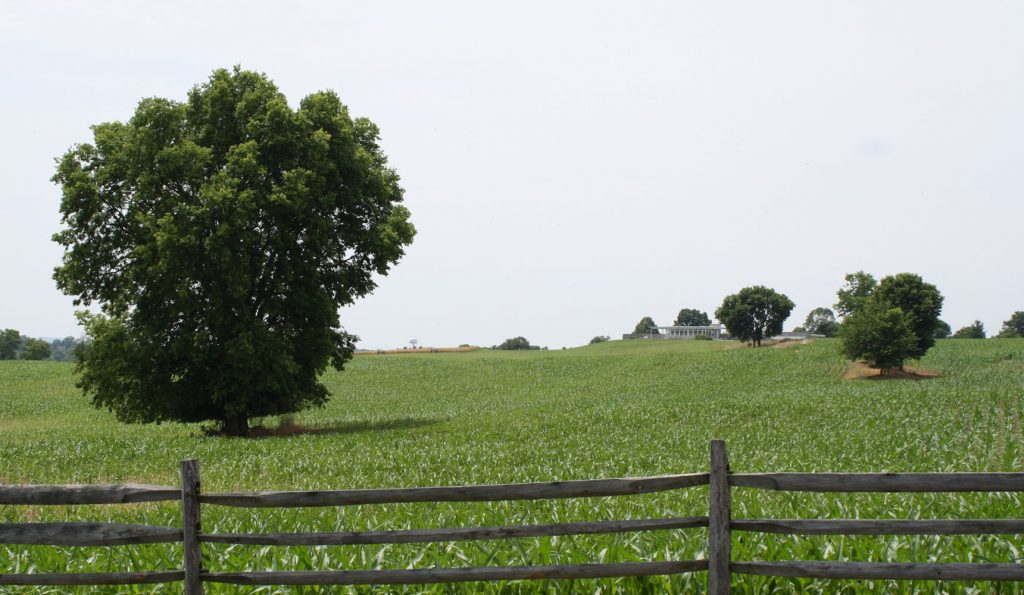
Espen & I made the trip today. I wanted to spend some individual time with him before I go to Brazil next week.  We had a good chance to talk on the drive and during the walk around the battlefield. I have been to Antietam many times, starting before Espen was born, but it is better with him along.  It was a humid and a hazy day, as you can see from the pictures.
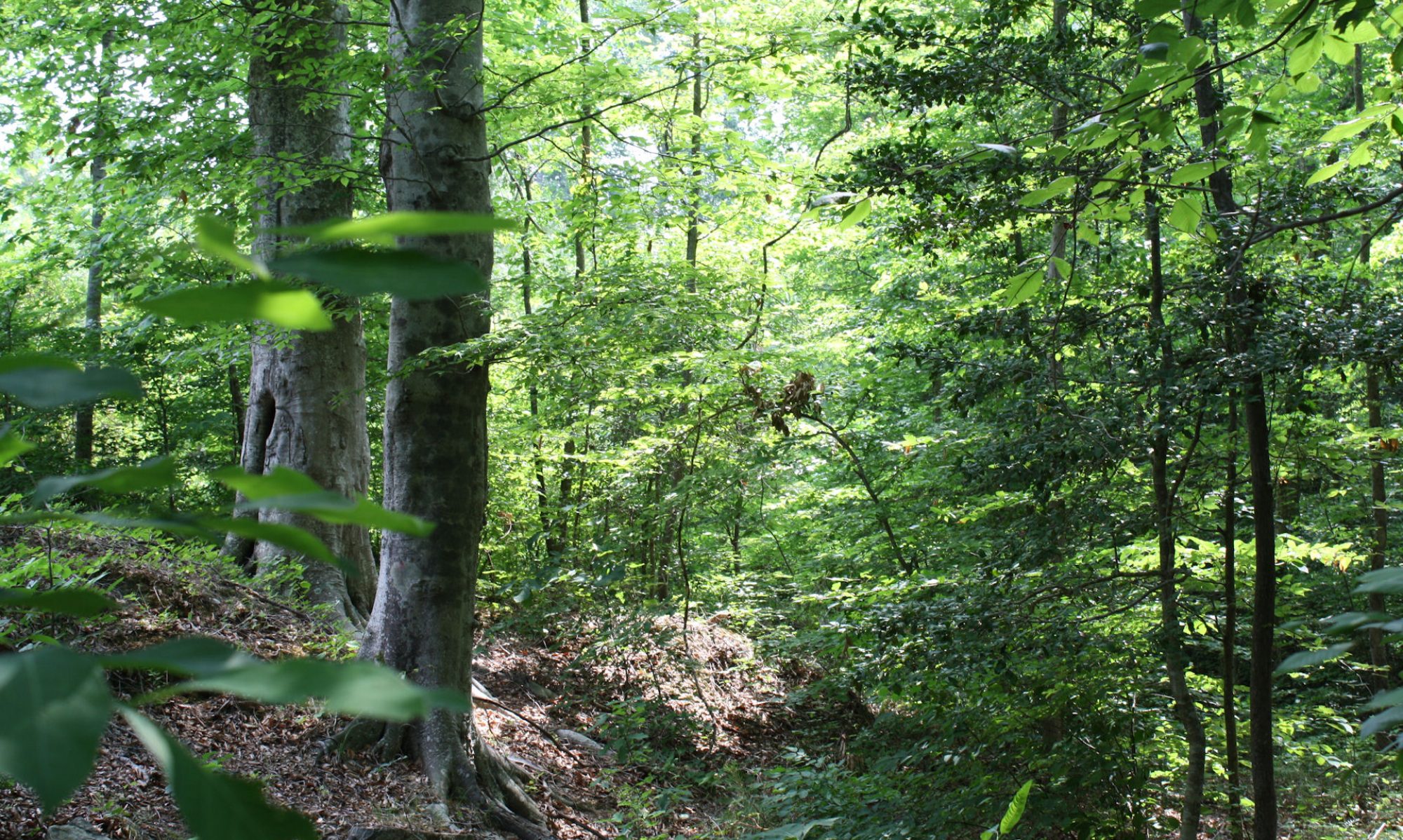
Some battlefields, such as Manassas, have suffered from suburban encroachment. Antietam has not changed since I first came here in 1985.  It is still rural in all directions. The Park Service tries to maintain the landscape more-or-less as it was in 1862. They plant corn in the corn fields of the time and try to keep the woods in woods.  Nevertheless, it is hard to visualize the battle both because it happened over a fairly large space but also because the battle itself was confusing.  Both sides fed more troops in to support their advancing or defending positions w/o much coherence.  At the very end of the day, just when it looked like Robert E. Lee’s line was breaking, AP Hill showed up from Harpers Ferry making the battle inconclusive.
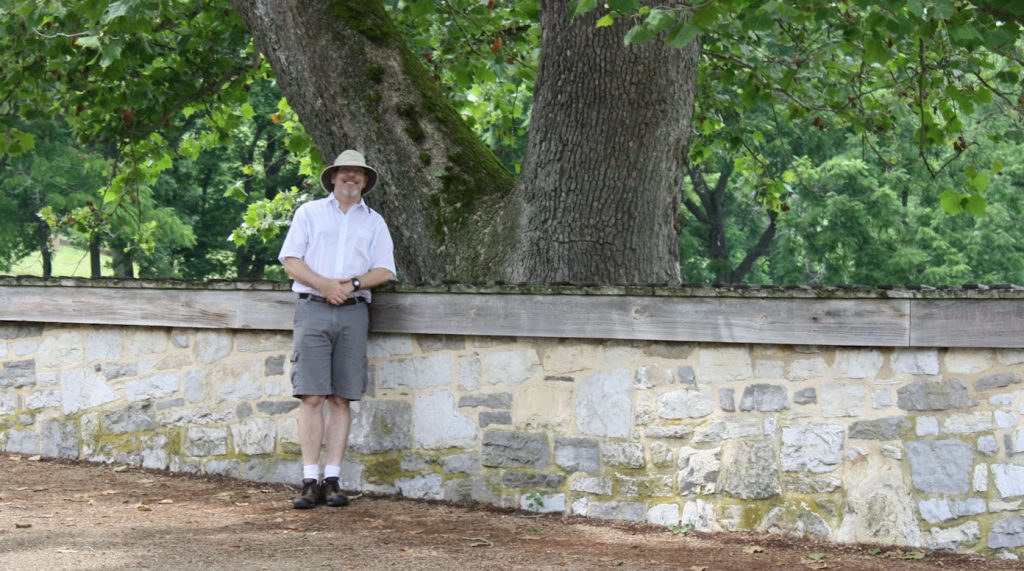
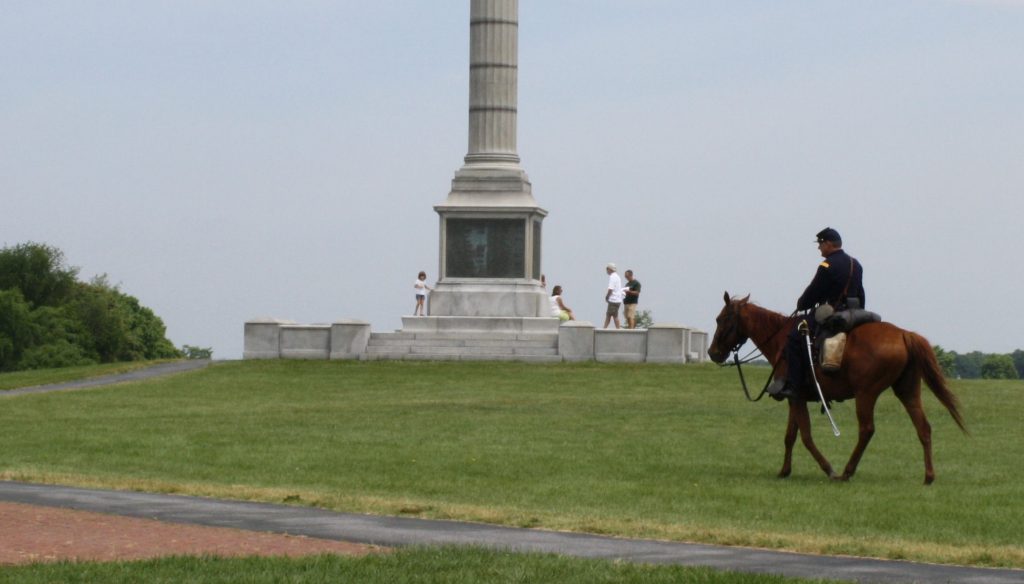
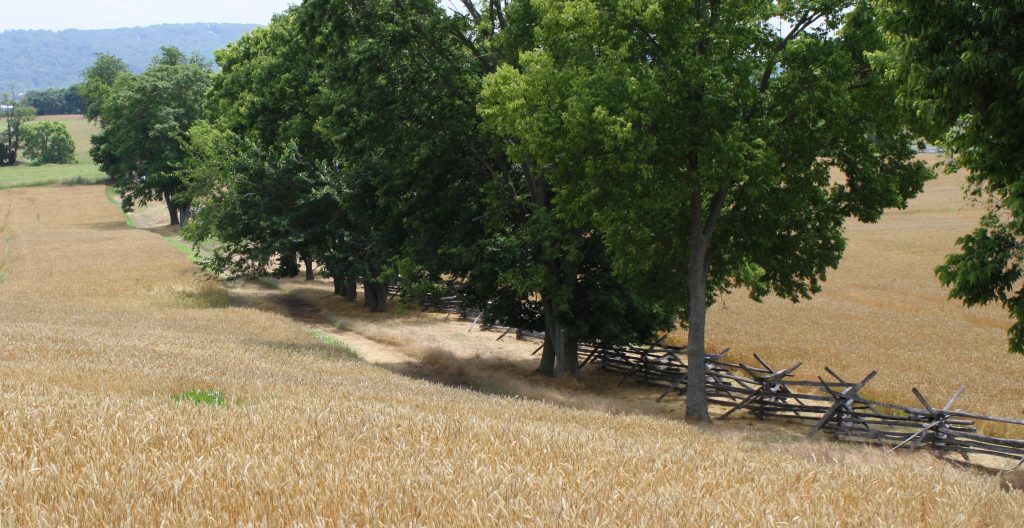
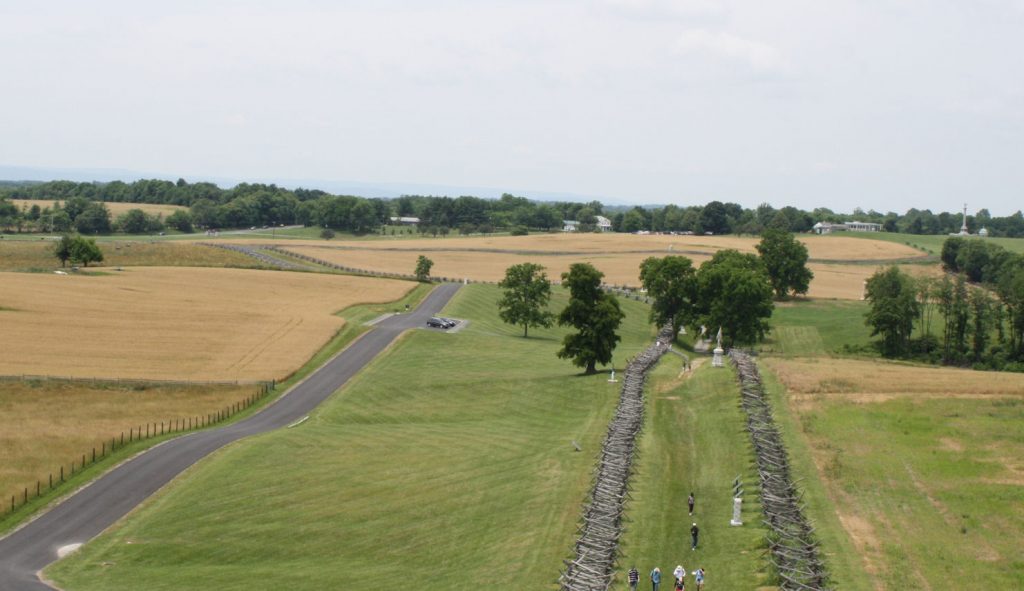
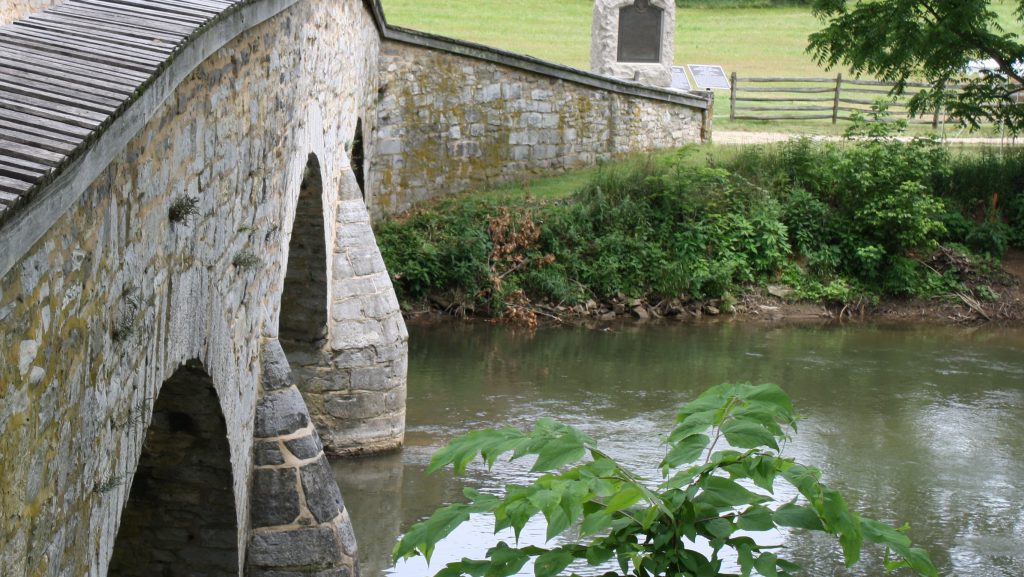
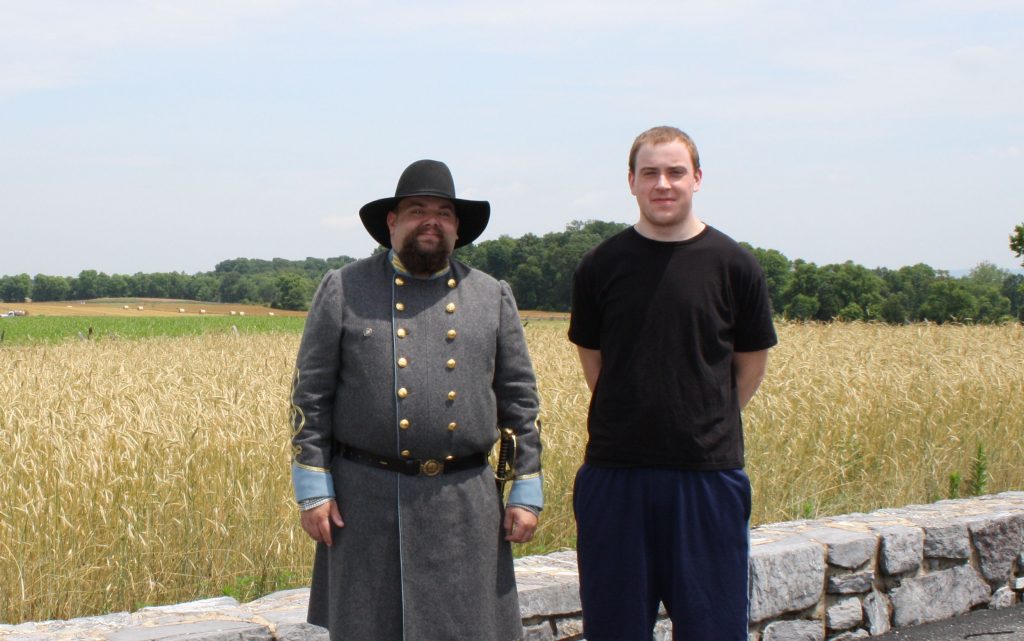
The pictures: Up top is a re-enactor riding past a monument to New York troops. Recall that the states fought as separate units, so there is no U.S. monument. Next is the path to bloody lane, where 2200 Rebs held off 10,000 Union troops, until their position collapsed.  It is called bloody lane because the bodies were literally piled up there. The picture after that shows the lane. The pictures after that show a re-enactor camp, corn field and the Burnside bridge respectively.  Just above is me on the bridge.  There are lots of big sycamores near the creek. And below is Espen with a re-enactor playing a Confederate captain from Virginia. The re-enactors wear the same wool uniforms that the real guys did in 1862. On that hot and humid day, it was more uncomfortable than usual.  The blue at his sleeve shows that he is infantry.  Artillery had red and cavalry yellow.
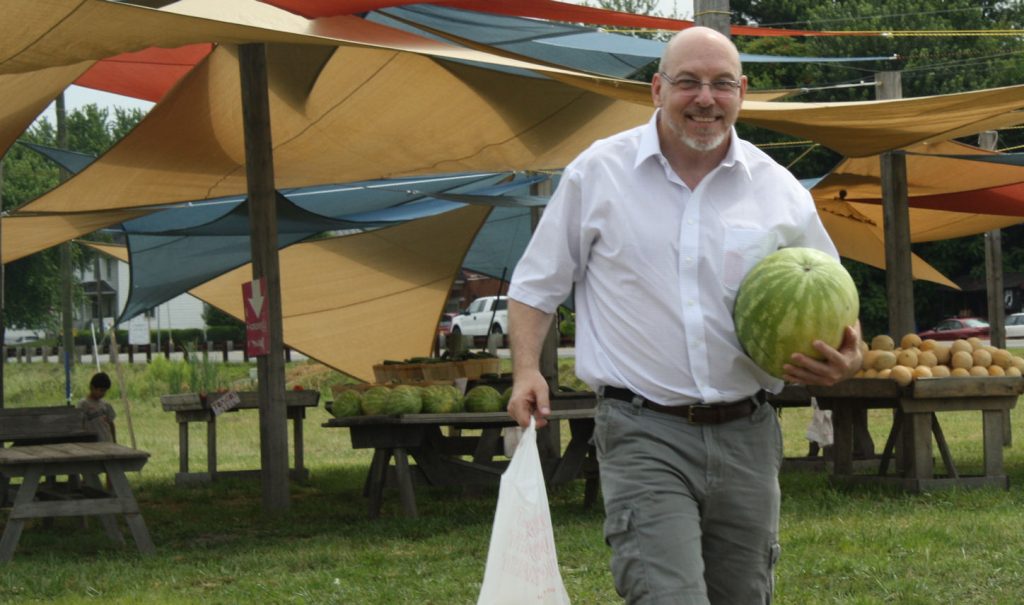
Below is me buying a watermelon and some sweet corn from a farmer stand. 
Science Changes

State Department, in its wisdom & generosity, is allowing me to take a two week course on environment.  I am learning lots of new things, reviewing even more and updating my outdated conceptions.  The last of these things may be the most useful.  As Mark Twain said, “It ain’t what you don’t know that gets you into trouble. It’s what you know for sure that just ain’t so.”    Anyway, it is fun and I believe it will be useful to my work in Brazil, where environment is a big part of our bilateral engagement.

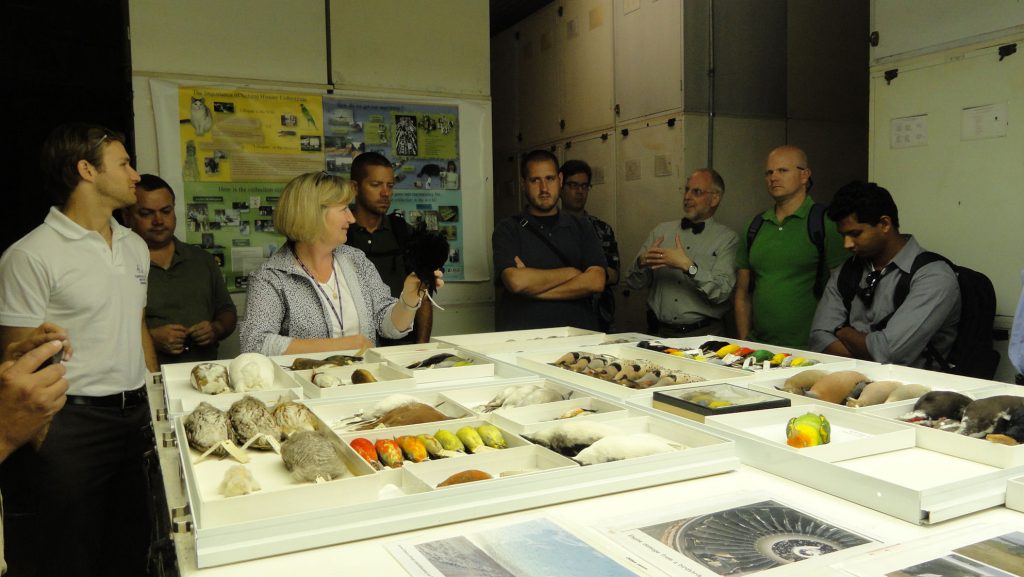
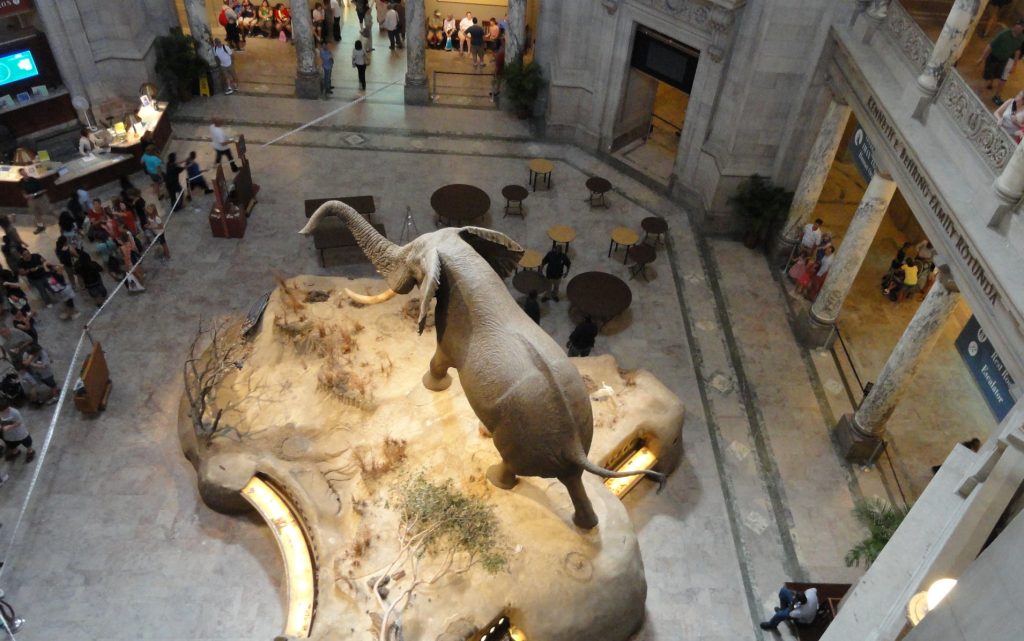
Today we got an afternoon field trip to the Smithsonian.  I have been there many times before, but never in the back room.   Less than 1% of the Smithsonian’s collections are on display.  The rest are filed away, available for study.  The Smithsonian’s mission is to increase and disseminate knowledge.   The museum part is only a part of a much bigger whole.

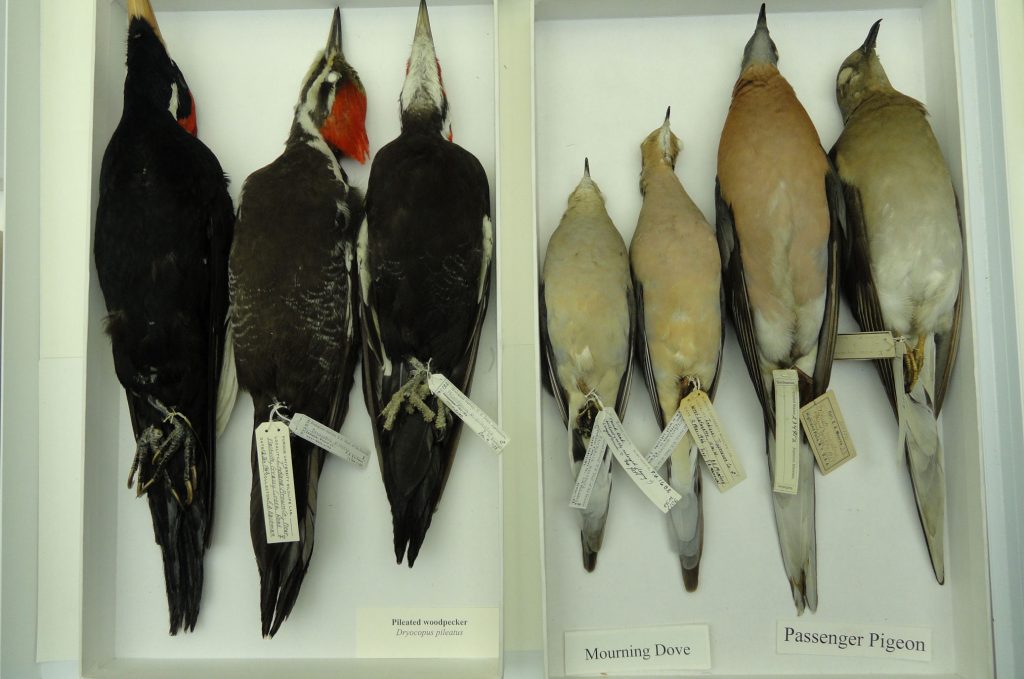
One of the curators explained the importance of the physical specimen.  Of course, we could take pictures and all the measurements and we would have everything we need … today.   But what about the future?  One of the most powerful tools for understanding nature today is DNA analysis.  When many of these birds were collected, nobody has any idea about DNA.  It would not  – could not – have been recorded.  That information would have been unavailable.   We don’t know what sorts of tests will be available in the future.  We should not bind the future to our backward techniques any more than we would want to be tied to the techniques of the Victorian Era. We should give the future the same sorts of opportunities our predecessors gave us.

Science is dynamic.  Many of the things I learned as a kid are just plain wrong.  DNA is redrawing family trees and making us think about evolution in very different ways.  Some relationships were not clear from looking birds or animals. Other things that seemed related were not.

Of course, we should be humbled by this.  If “their” science, i.e. the science of the recent past, could be so wrong, how do we know ours is going to stand up any better?   Maybe future scientists will discover something as revolutionary as DNA and as mysterious to us as DNA would have been in Darwin’s day.  We are not stupid and neither were our ancestors.  But we all are always ignorant in many ways.  

We can never give up.  Mark Twain was right about knowing.  But maybe we should also quote TS Eliot, from “The Wasteland” I think it applies to science.

We shall not cease from exploration
And the end of all our exploring
Will be to arrive where we started
And know the place for the first time.

It is getting harder to collect and advance science.  Many countries now object to collecting and some fear that genetic material will be misused or they will somehow be cheated. This is anti-science.  When you get knowledge, the total available knowledge expands. Nobody loses.  Everybody wins, unless we cease from exploration.

Forest Pictures – Continued

A few more pictures from the farm visits.

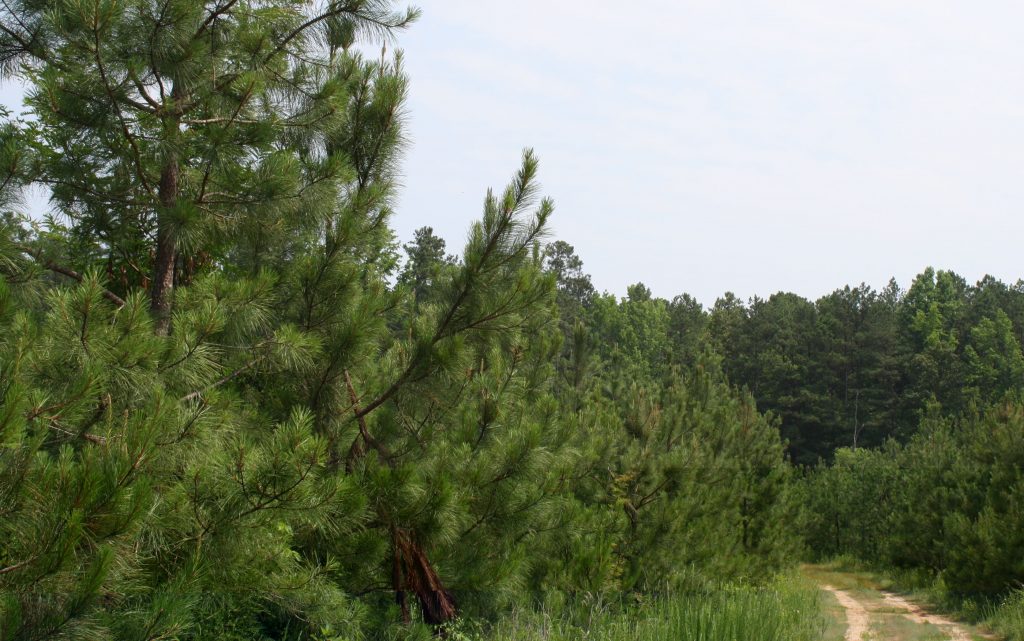
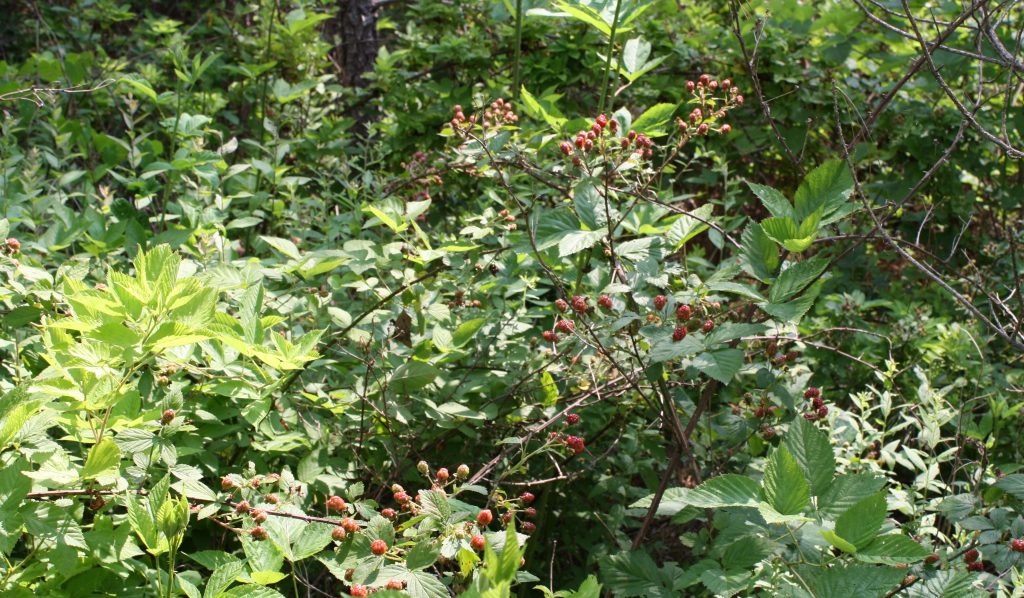
Above is the CP forest road to SR 623. Below are some of the blackberry brambles. A few years ago they formed thickets all over the place. Now they are being shaded out on much of the land.
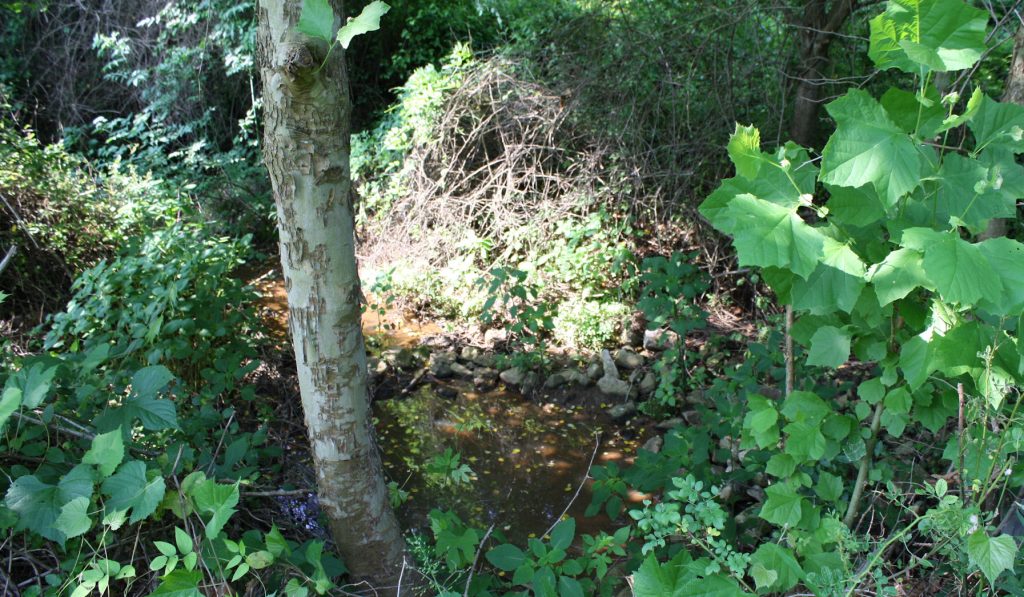
Below is the pool near the sycamore. We put in some rocks to stop the erosion. It used to be obscured by multiflora rose. I cut a bunch of them out, but most of the job was done by the shade of the growing trees. 

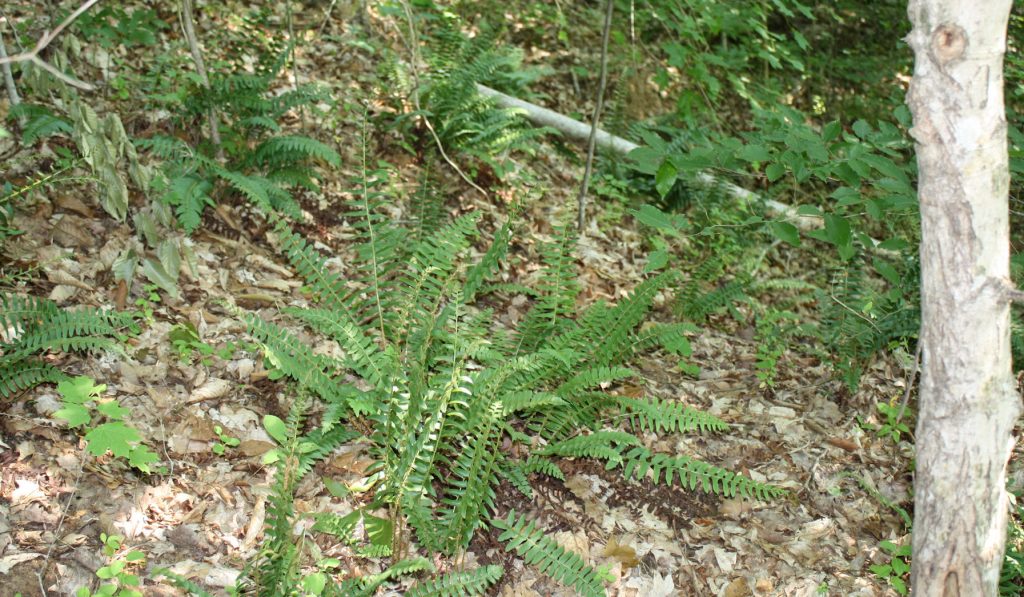
Below shows ferns, which are becoming more common as the trees shade more of the forest floor. 

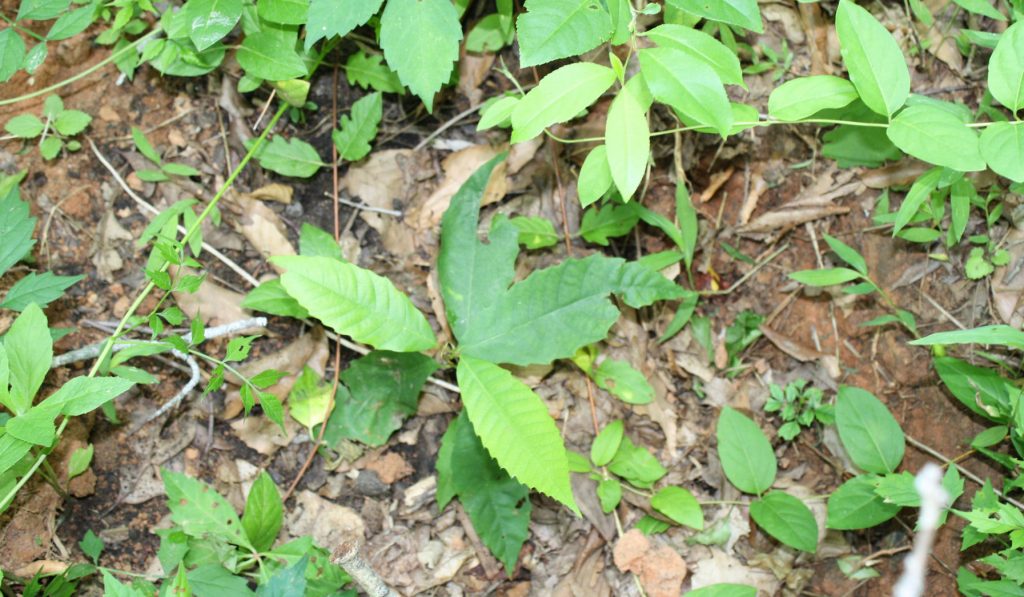
Below is my American chestnut. I planted two seeds. One came up. 

Lost Like Tears in the Rain

Foreign Service Officers get to experience more transitions than most people.  We go to different countries, do different things, speak different languages and in some ways even have different personas.  It is no surprise that some people refer to them as “incarnations.”  Each transformation seems more comprehensive or more important than the others, but from the longer perspective they don’t seem as discontinuous.  

I am in the cleaning up and throwing away stage of this transition. It is a slow process because many things cause pause and stimulate introspection. Today I dug out a bunch of green pocket-notebooks, where I had taken notes and recorded impressions from my first weeks in Iraq until now. What should I do with them? Do I throw them out or save them? I have too much stuff, have written too many words.  I feel the compulsion to write “history” but even I am unlikely ever to read it with any meaning.

The ephemeral nature of life is weighing on me just now. My history and observations are ephemeral.  My blogging gives me the illusion of eminence. I read that there are more blogs than there are people in the earth.  Most are not active, but that gives an idea of the scope.  One more disappears like tears in the rain.  So why write? Because this is one of the things I do. 

This is not a useless “because it is there” rationalization. I believe you have to go through the motions and duties of life.  The meaning lies in the activity itself as much as, maybe more than, the putative effects. The accomplishment of our activities is what creates joy and fulfillment. I have always written journals. Now some of that goes to the blog.  What it has accomplished in the great scheme of things I don’t know.  But it made me a better and more joyful person. My question in almost all parts of life is “So, what do I do?” You can often know what to do before you can understand the reasons and sometimes if you do the right things, the reasons follow.

I have never been very religious, but I believe in transcendent truth. There are many ways to truth. Religion is a road for some people. I love the idea of Jesus. I have read the Bible and still do. I know the words to the old hymns and they inspire me. These are good to help find the way to truth & right action, but religion is not the road I can travel.  I cannot base my faith on words, no matter how beautiful, true or good. I usually know what to do, even when the explanations are difficult.

Mysterious experiences are not part of my daily thoughts, but I have a big one. Some people think I am nuts when I tell the story, but I will tell it anyway with the caveat that my words cannot describe the feeling. My father’s death affected me profoundly and grieved until I had a strange dream. In my dream I glimpsed a transcendent reality, an eternal now.  Everybody, yesterday, today and tomorrow was there and I knew them all. I cannot explain much better, but even after more than ten years this feeling lingers and comforts me.

My title comes from an old science fiction movie called “Blade Runner”. A character, who had been a ruthless villain is about to die.  He recalls his unique & fantastic experiences and laments that all those moments will be lost in time, like tears in the rain.  It is all accompanied by the evocative music of Vangelis.  Watch the scene at the link above. You could interpret it as a lamentation on the futility of life.  I do not. I always found the scene vaguely uplifting. My dream gave me an answer to the words at least.  Are tears in the rain lost? They are certainly small in comparison to the mass of rain water, but are they truly insignificant?  Aren’t they really just returning to their “home” or did they ever really leave? Didn’t they always remain part? All the water in the world is always part of the water system. I am content with my own answers to the questions themselves and to the wider ones they imply. And I know what to do.  

Life is changing for me again. I have been doing this part long enough and it is time to do something else. Brazil will be a new adventure with new ideas. It will change but stay the same. I look for meaning in the paradox.

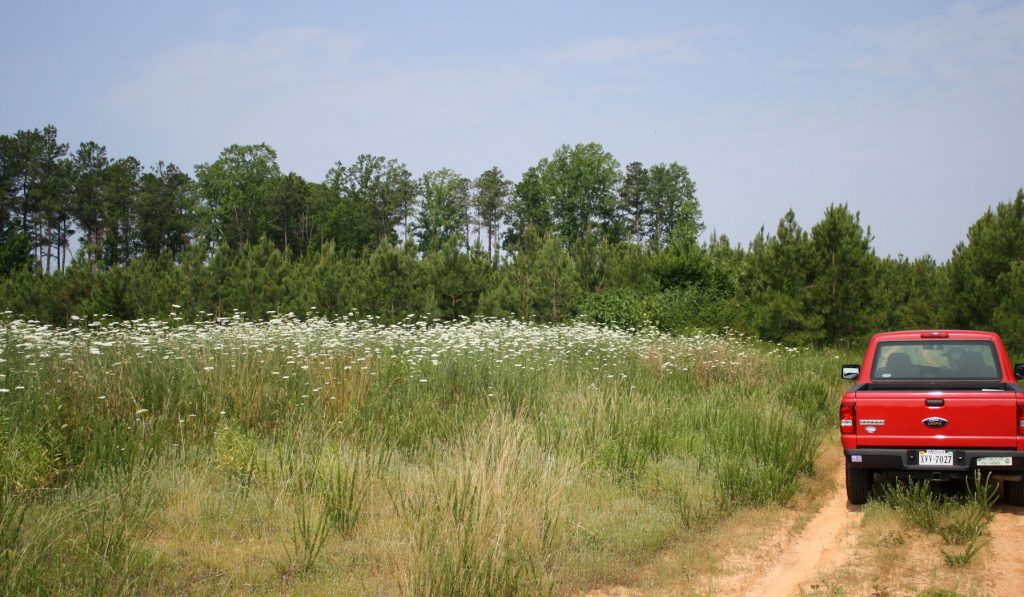
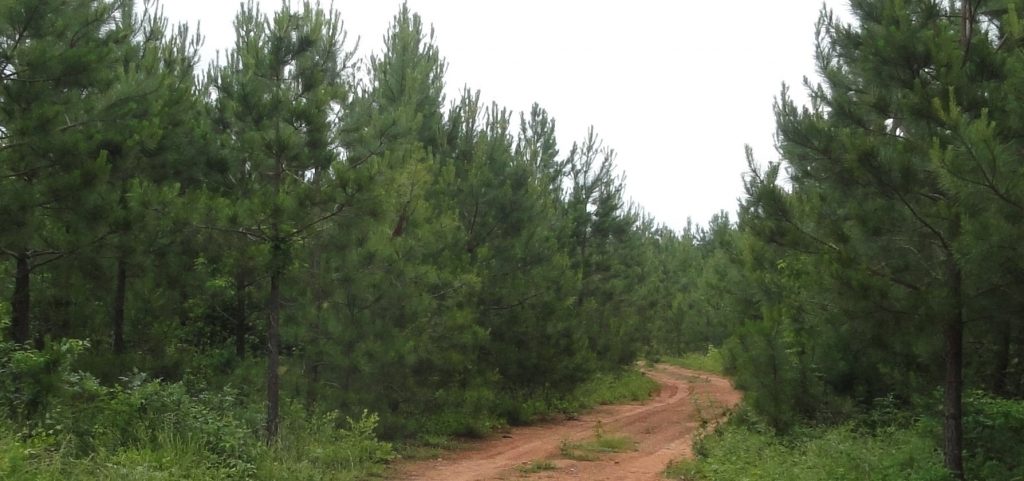
The picture up top has nothing to do with the posting. It is my last left from my tree farm visit. It shows the truck up near the first wildlife plot. Alex has the truck now. Maybe he will let me use it when I need it. 

Farewell Forest For Now

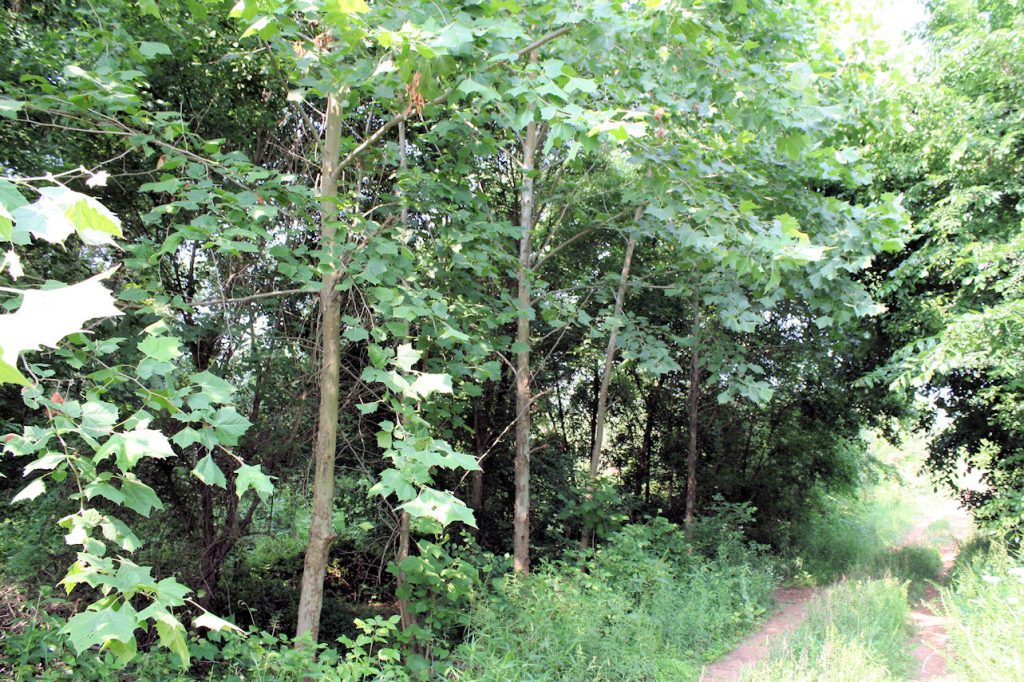
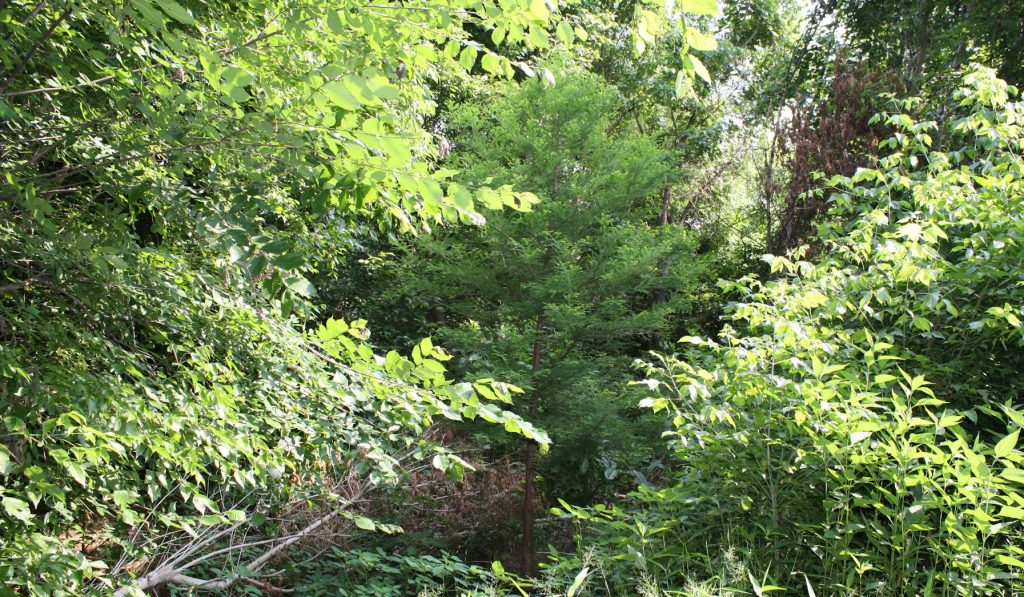
Alex & I went down to the farms today.  It may be my last time in a long time. There was not much I needed to do. I cut down some of the brush that was shading my bald cypress. We are just a little north & east of the natural range of the bald cypress.  I figure if we have climate change, we will be right in the middle.  Since a cypress can live a couple hundred years, it will spend most of its life in that future.  Above are a row of volunteer sycamore trees.  I trimmed out the extra ones as well as the box elder that were among them. Below is my bald cypress, which is across the little road from those sycamores.  This area is not productive from the forestry point of view, but I am making it aesthetically more what I like.

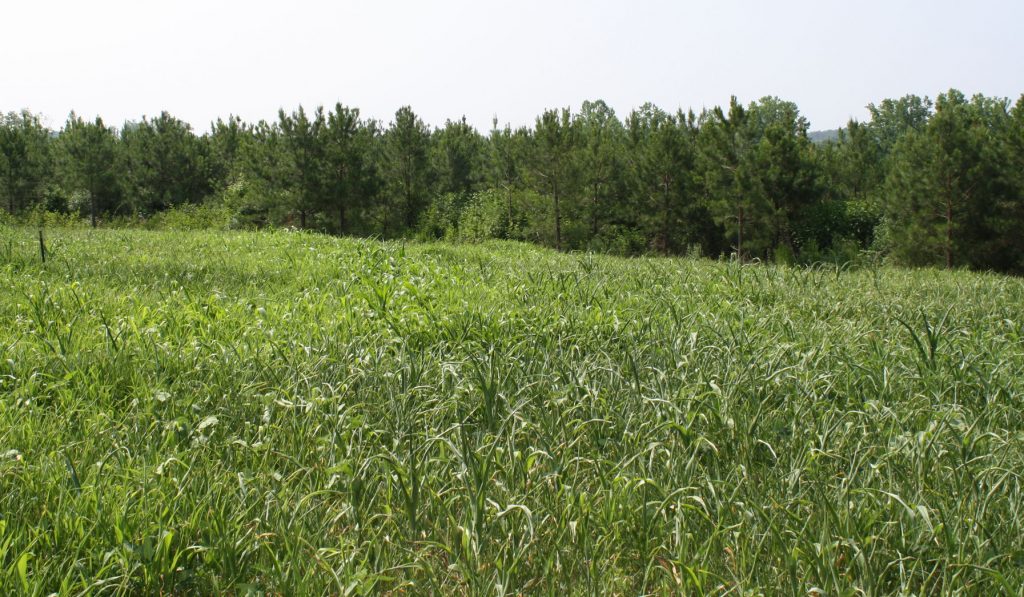
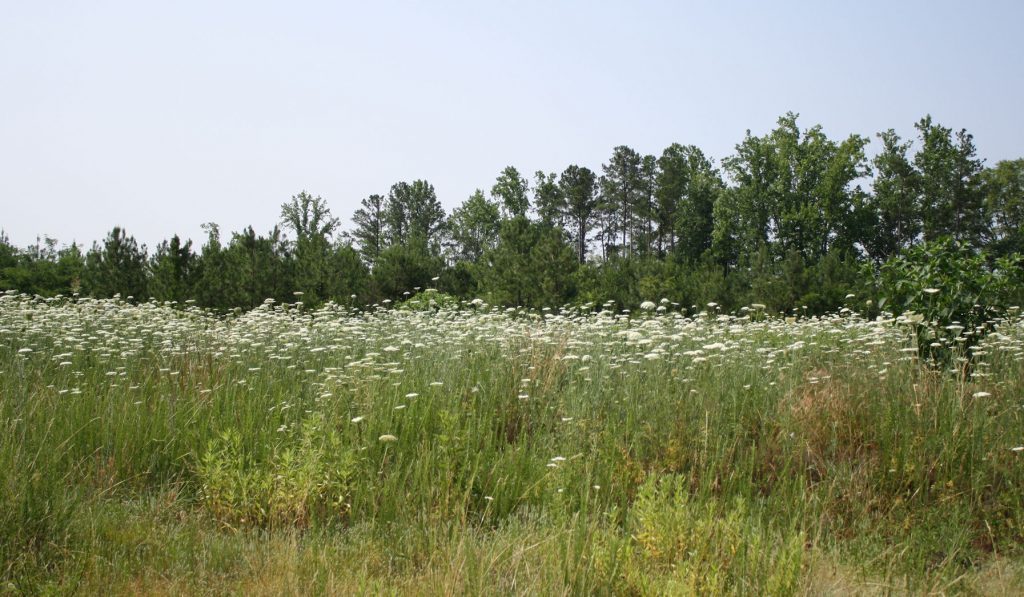
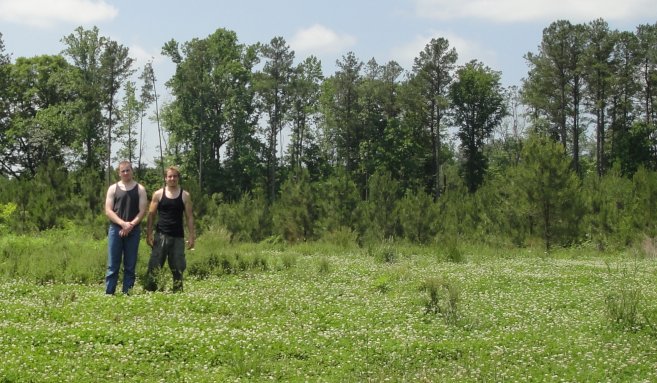
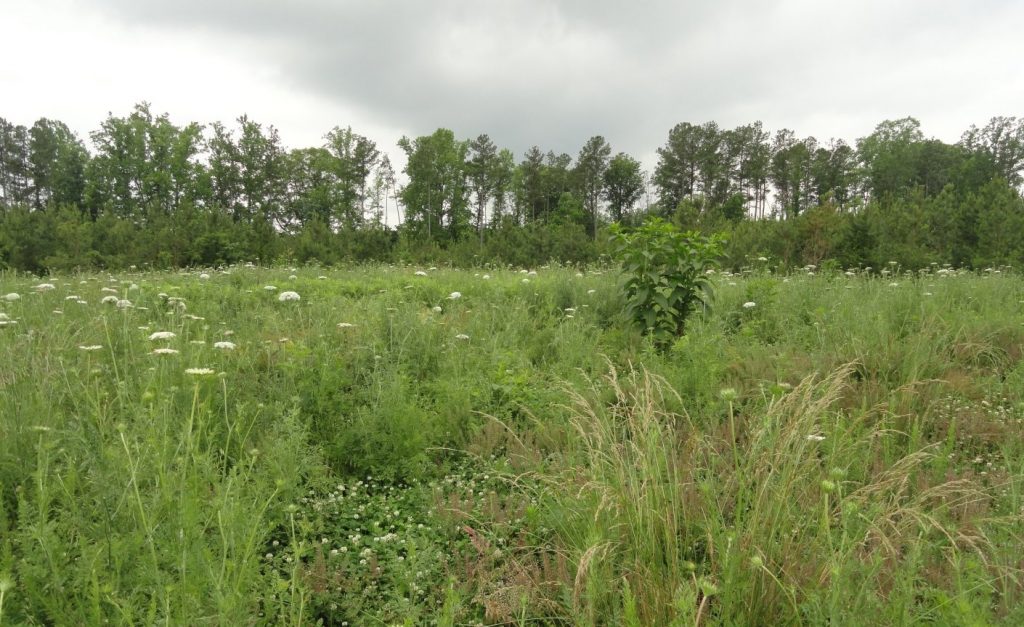
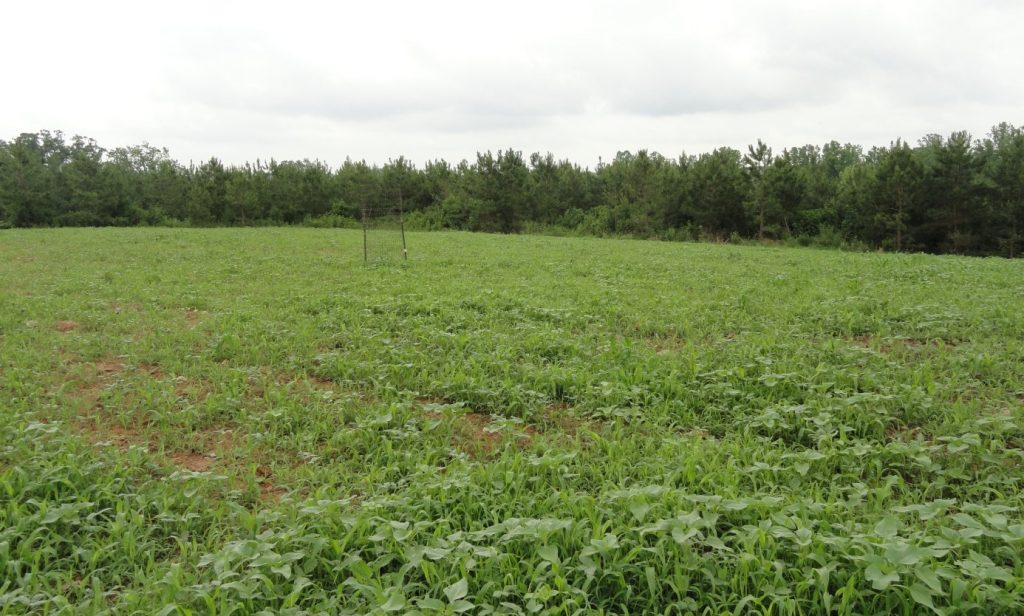
The meadows are overgrown with yarrow & the white flowering plants are towering over and displacing my clover.  Yarrow is supposed to be a medicinal herb and is supposed to cure toothaches and be a disinfectant for cuts.  I don’t dislike the yarrow, but I liked my clover better.  It has been a little dry lately, which seems to favor the yarrow.   Larry Walker and the hunt club planted some wildlife mixture on the top plot.  It seems to have a variety of things, including at least some corn, sunflower and soy.  Below is the corn-sunflower-soy plot and below that is my overgrown yarrow plow and at the end is the same plot last year about this time.  You can see the whole posting at this link.

We established the plots in 2007.  There was still a lot of clover last year.  Actually, there is still a lot of clover now, but it is under the other stuff.  In any case, what we have is better than what we had.  The wildlife plots are on the old loading decks, used for the harvests.  The soil was compressed and very unattractive.  The meadows now are fairly self-sustaining, although not always in clover.  I still have a little trouble with the tree of heaven.  I am a little worried that the invasive plants will invade while I am in Brazil.  They are always waiting their chance.

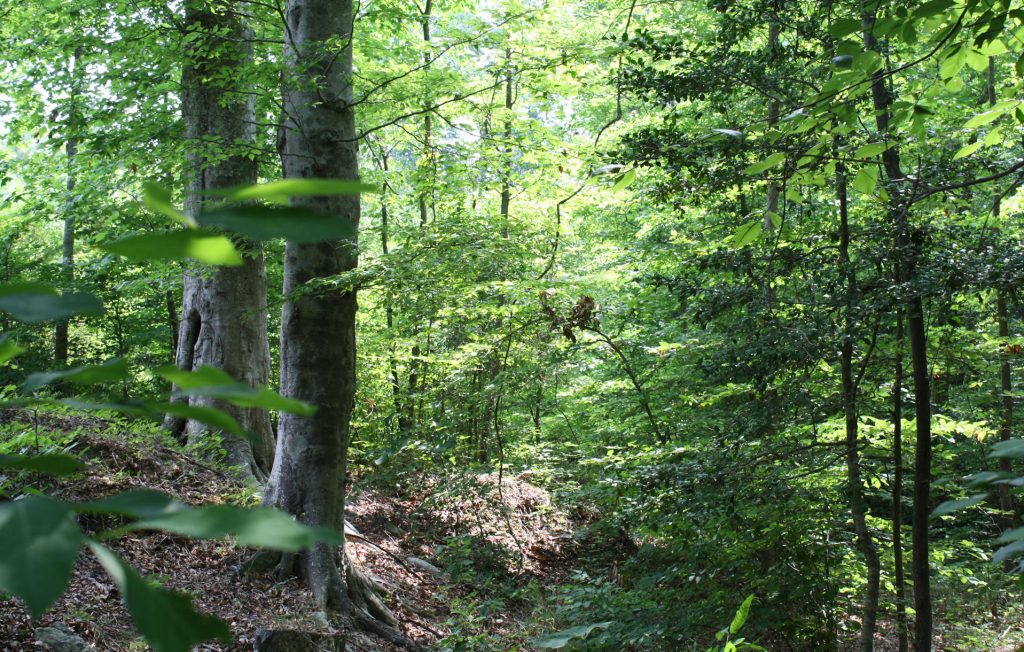
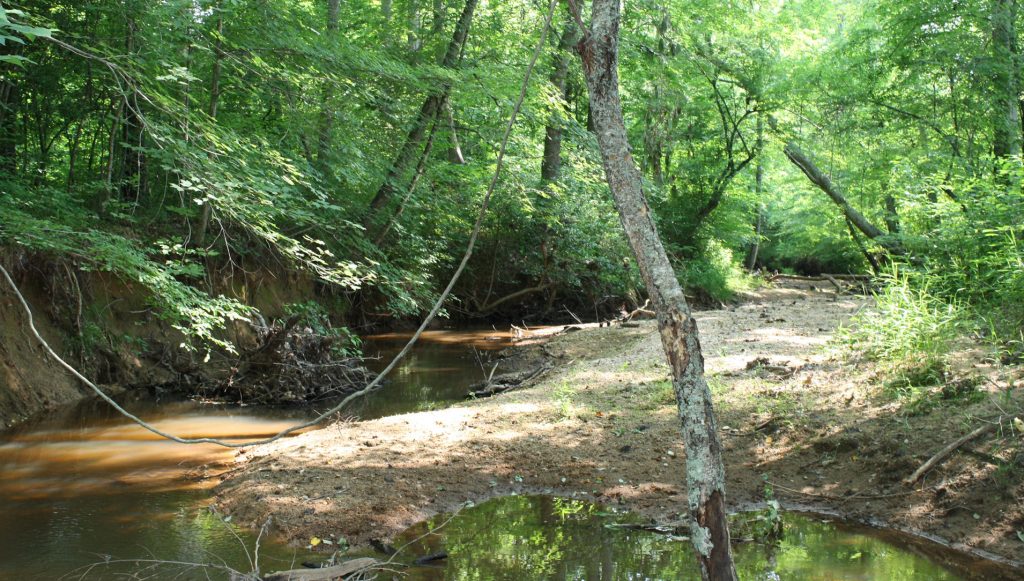
There have been many changes on the farm.  The canopies are closing and as it gets shadier, we have a more open forest. Above is my beech forest, one of my favorite places on the farm.  Below is the creek bed. The creek moved a little in the recent rains.

The Freeman tract is doing well. Undergrowth is already starting to grow. The trees were very close together before the harvest-thinning, so most things were shaded out before. Beyond that, my soils are not really good.  This part of Virginia has very old soils. They did not benefit from the recent glaciation that improved some of the soils in the Midwest. And they were made worse by the cultivation of tobacco & cotton when people didn’t really understand principles of crop rotation. That means much of the land is not very good for crops, which is why it is under pine trees today. I am trying to improve my soils with the clover and biosolids, but there is a long way to go. Below is the newly thinned pines, planted in 1996, with Alex under them for a size comparison.  They grow fast. Now that they are thinned, they will grow even faster.

Summer Time

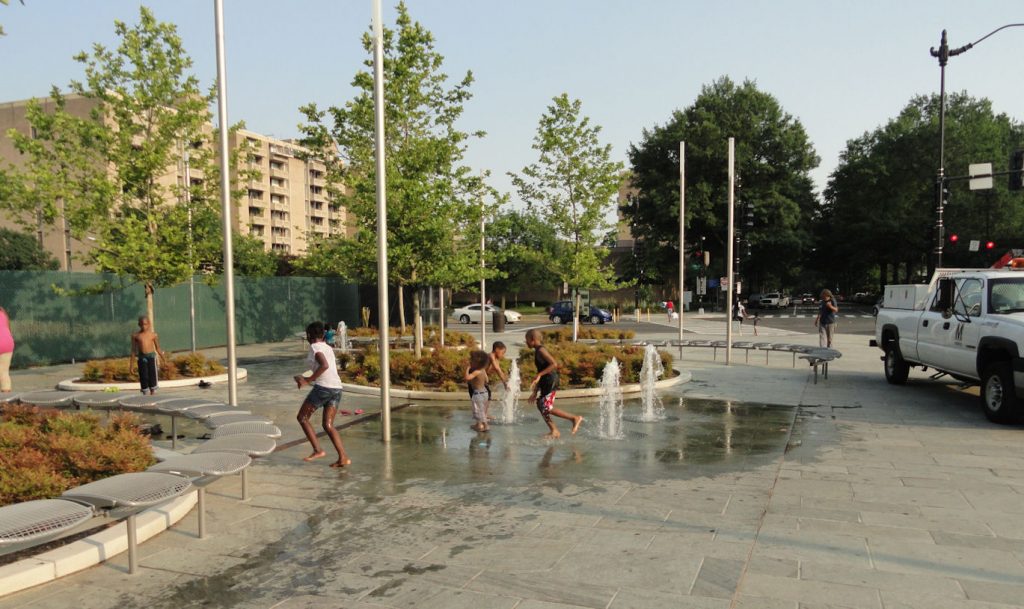
The water jets outside Safeway near the Waterfront Metro are a good idea. When I first saw them, I didn’t really understand their probable use. Today was a hot day and the local kids figured it out.  The neighborhood really has improved.  It is lively but still nice.

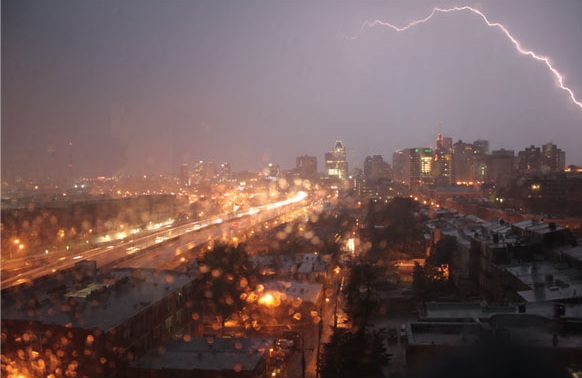
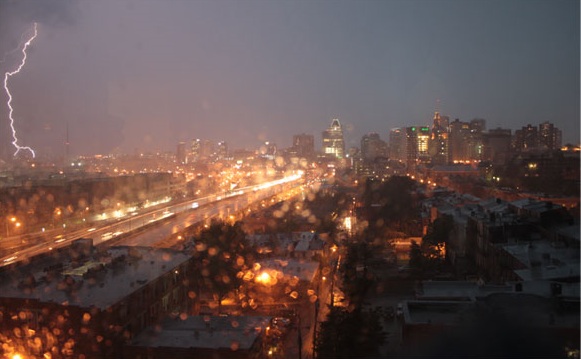
Below are pictures of Baltimore that Mariza took from her window.  We bought her a Cannon camera for her birthday. It works well.  I got one for my birthday too. 

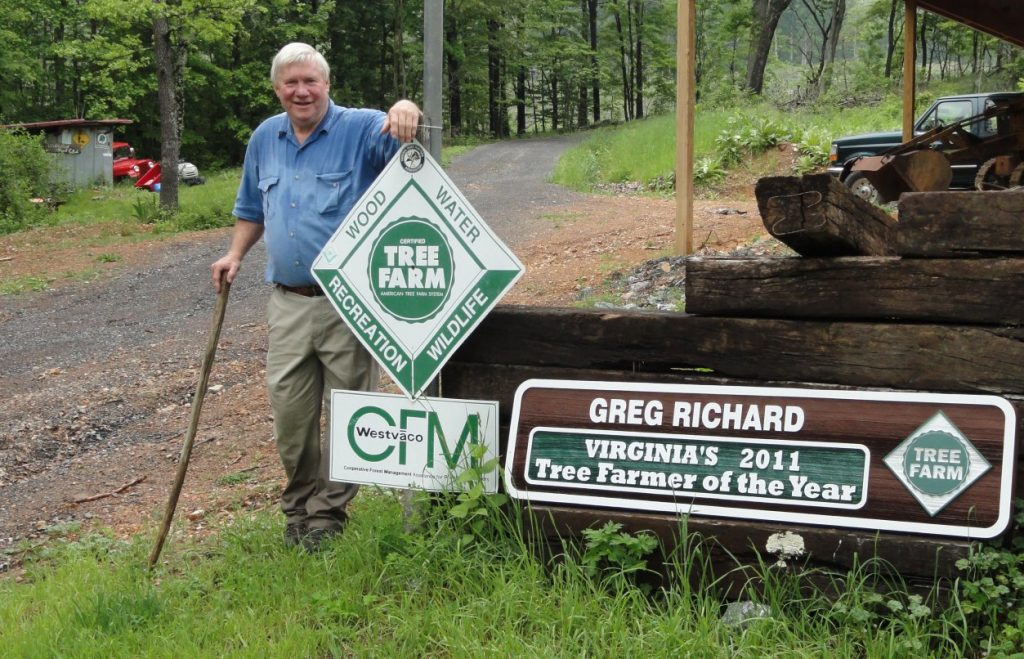
Greg Richard: Virginia Tree Farmer of the Year 2011

This is the article I wrote for “Virginia Forests”.You have to make a steep climb on Richard Road to get to Greg Richard’s tree farm near Star Tannery. Walking around his 365 acre farm, you realize that the steep grades and the rocky soils define the land’s management.   Trees find ways to grow among the rocks, but human activities like planting, harvesting and general silvaculture are hard. This didn’t stop Greg and consulting forester Frank Sherwood from doing the right things over several decades.

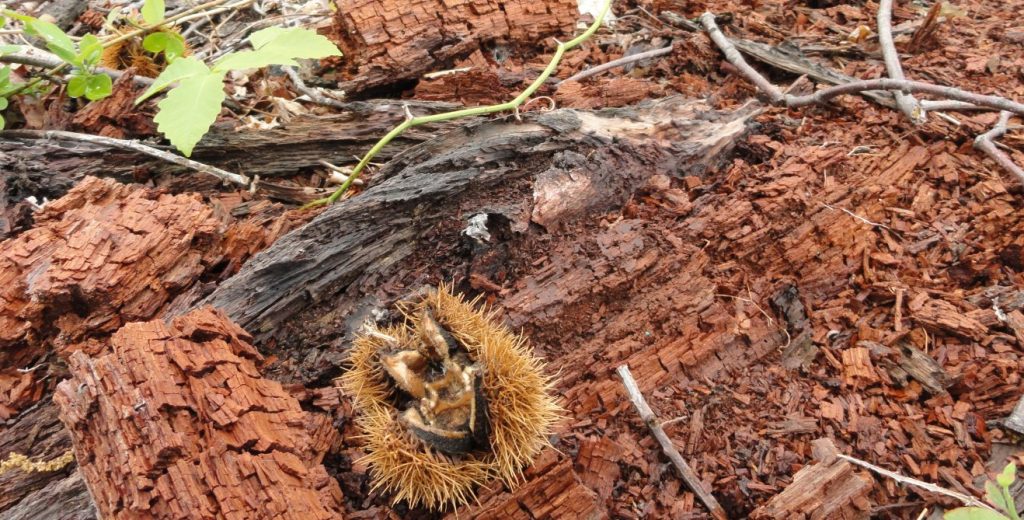
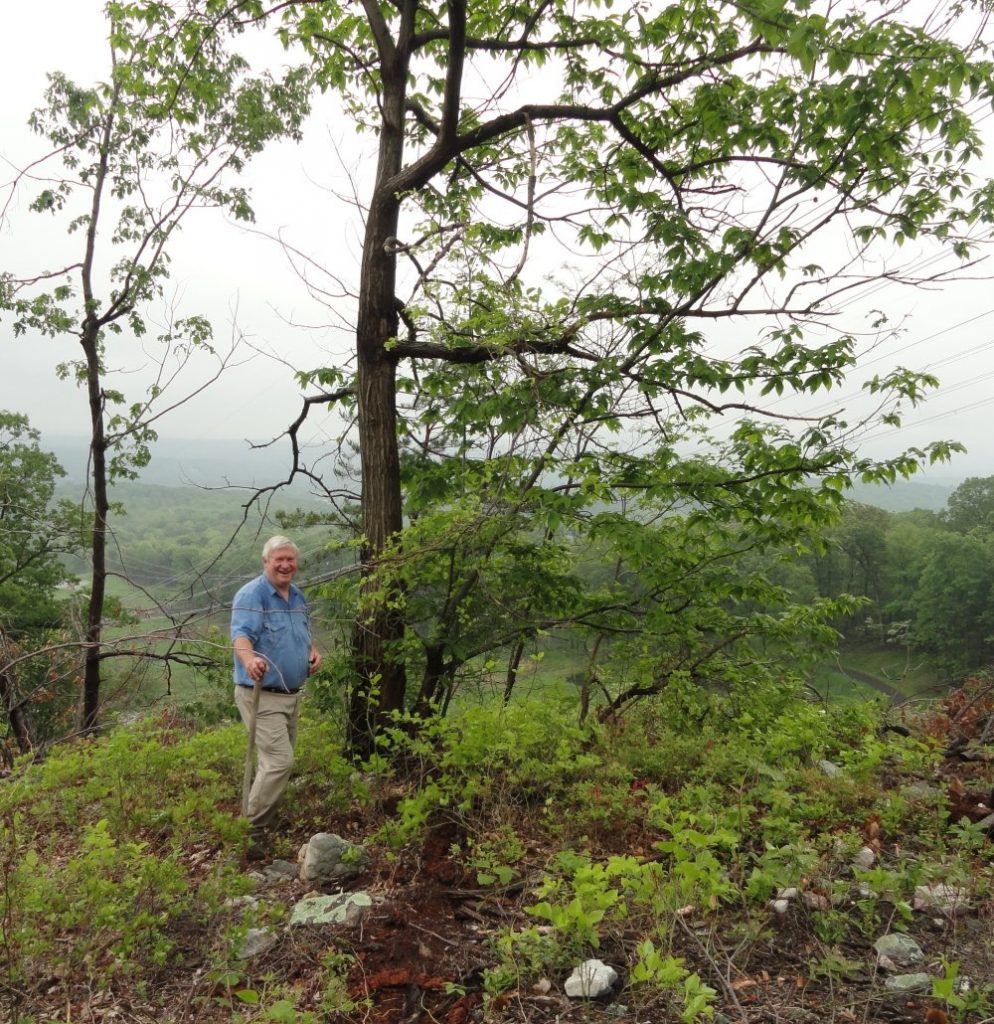
Planning for the future requires understanding what came before, the history of the land. Greg’s land has a story common in the Virginia hills. Much of the natural cover was removed in the 19th Century to feed local furnaces, forges and tanneries. Trees had grown back by the early 20th Century but then the Appalachian forests suffered from the chestnut blight that created thickets of standing dead wood. Chestnuts still sprout from roots and stumps and sometimes grow big enough to produce nuts before the blight get them. Greg’s land still features a few chestnuts like this, the echo of past glory, and Greg carries a walking stick from one of the chestnut shoots.
On this particular tract, the low point came in 1933, when a fire destroyed most of the cover again. The situation created by that disaster nearly eighty years ago are the ones Greg is working with today.  The trees came in too thick for the soil and water available.  These conditions were made worse by a high grading harvest in the 1960s.  Although Greg and his father Harry performed good forestry practices from the start, good forestry practices really got rolling after the Richard property was certified as a tree farm by the ATFS in 1981.  Greg and Frank Sherwood wrote and implemented a comprehensive plan that included regular thinning and stand improvements.  

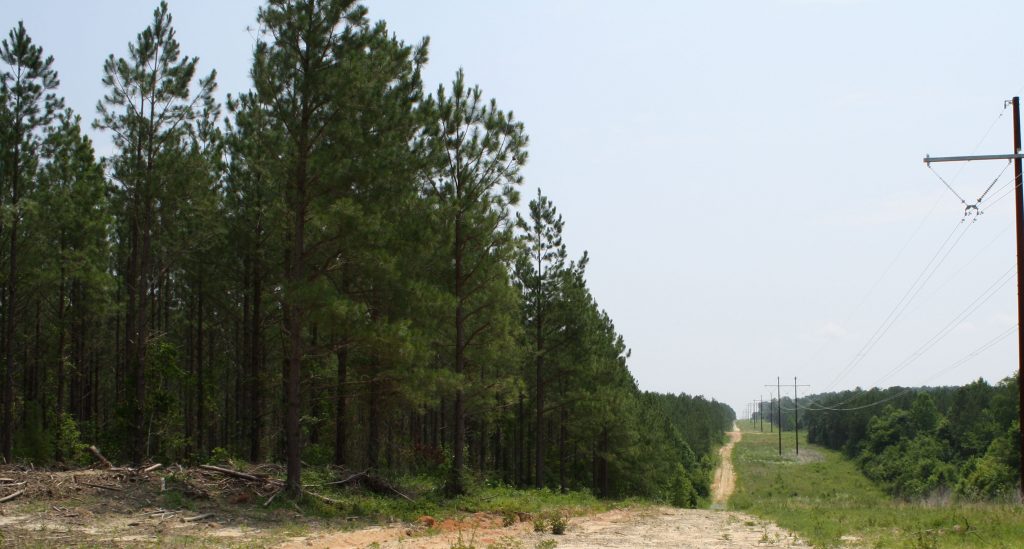
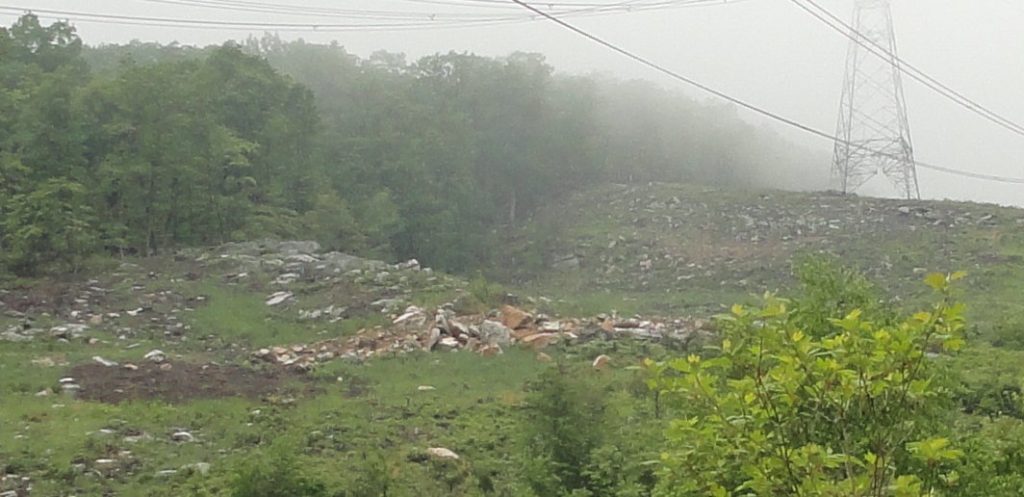
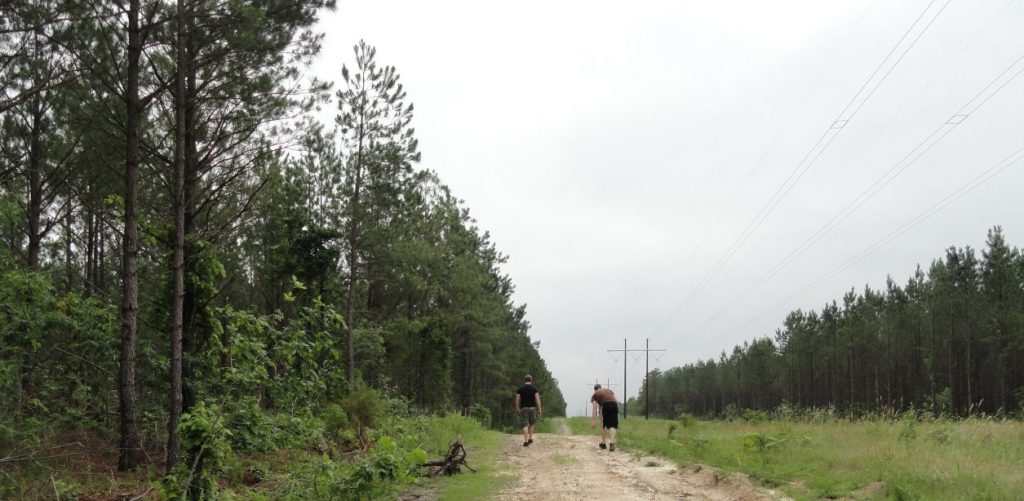
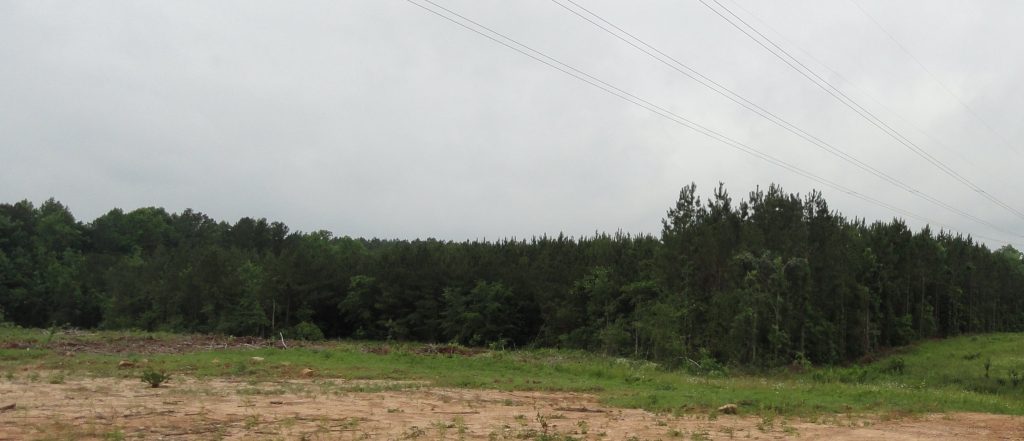
Wildlife is more important than in wood and pulp production to Greg Richard and he does not try to maximize profits gained from sales of wood and pulp. This is evident how he manages his property.   Greg clear cut some acreage on the gentler slopes replanted with loblolly pine.  The plantation is small enough for Greg to do things himself, like use a backpack spray to control hardwoods.  Greg saw the silver lining in a recent utility decision to widen its right of way that crosses Greg’s property.  He was not pleased to have more of his land under the power lines and taken out of forest, but he made a virtue out of necessity by establishing warm season grasses and soft edges where the surrounding forests meet the vegetation under the lines. The open areas under the lines also feature small dew ponds, which provide habitat for reptiles and amphibians, as well as enhancing the land for birds and mammals.  Most of the rest of the property is covered with secondary oak forest of relatively low quality because of soil quality and the unfortunate history of the high grading in generations past. Over time the oak was being replaced by more shade tolerant red maple. This was not a welcome development from the forestry point of view. Greg and Frank set out to change that by removing many of the inferior trees and creating openings that let in enough sunlight for oak regeneration.

Greg knows that it took a lifetime for the forest to get to be the way it is today and he accepts that it will take a lifetime to make it right.  The joy of forestry comes from being part that will last a long time, maybe many lifetimes.  Greg is pleased that his daughter is starting to take more interest in the land and contours of its changing face. All of us who plant trees and care for forests are aware that much of our work will be for the generations that follow.  And sometimes it takes the next generation a while to come to their own understanding of what we have done and of their place.

This is how it happened with Greg.  Although the core of the property is his old family place, Greg did not spend his life with forestry on the land he now owns.  Most of his adult life, most of Greg’s career was spent doing remodeling and construction in and around College Park, Maryland.  Greg ran his own firm called National Home Improvement.  He retired from his active business in 2004, although he still does some work for a few old customers who trust his work.   As with forestry, Greg was in it for the long haul.  Now he has more time to devote to forestry.

People who love their land, landowners like Greg, see their property not as it is now but as it will be.  The land is a place of aspiration.  I enjoyed sharing Greg’s aspirations as we walked his land.  He can see the pines he recently established as the mature pine forest that will cover someday cover the lower slopes.  He has the vision to see that his small trees will be the big oaks crowning the hills.  And he can understand the wildlife corridors that will tie all the parts of his property into a sustainable and integrated whole.   We do our duty if we leave our land better than we found it.  Greg has done his part. 
The Virginia Tree Farm Committee congratulates Greg Richard for doing the things and meriting the title of Virginia Tree Farmer of the Year in 2011; we also congratulate Frank Sherwood for helping know what to do. 

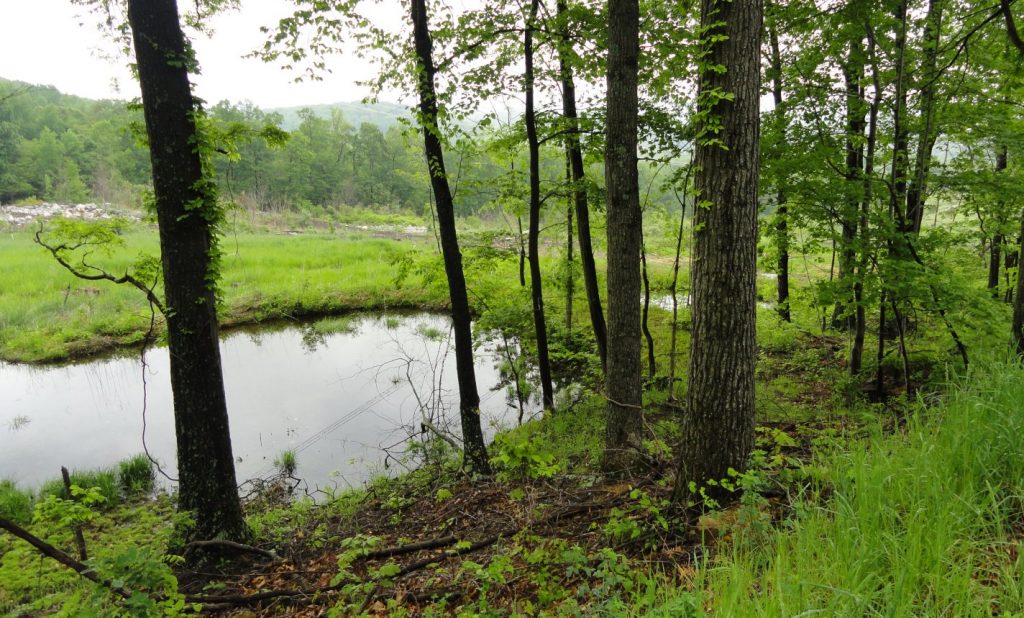
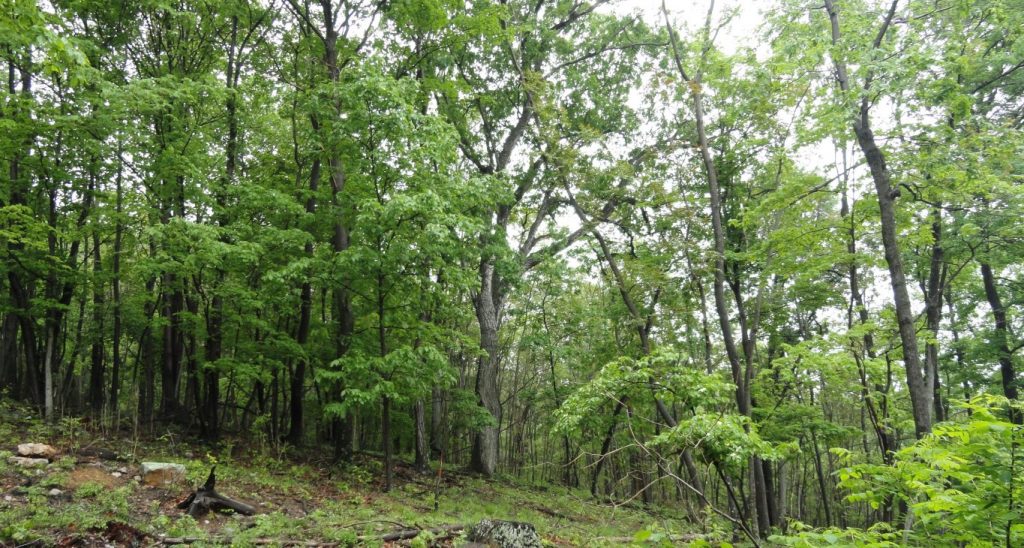
Pictures:  Top show Greg Richard and his tree farm sign.  Next is wildlife ponds. They are rain fed. Richard and his father established them decades ago.  Following is a American chestnut husk, showing that the chestnut sprouts still produce seeds more than a century after the blight arrived in North America.  The next picture shows the power lines that cross the property. It also shows the rocky nature of the soil. This limits the type of forests that can be established on the land and virtually precludes most forms of crop agriculture.  Below that is the natural regeneration. This is what the forest looks like if you do nothing.  The last picture is Greg with an American chestnut sprout. They grow from the roots and get about that big before the blight gets them again.

May 2011 Forest Visit

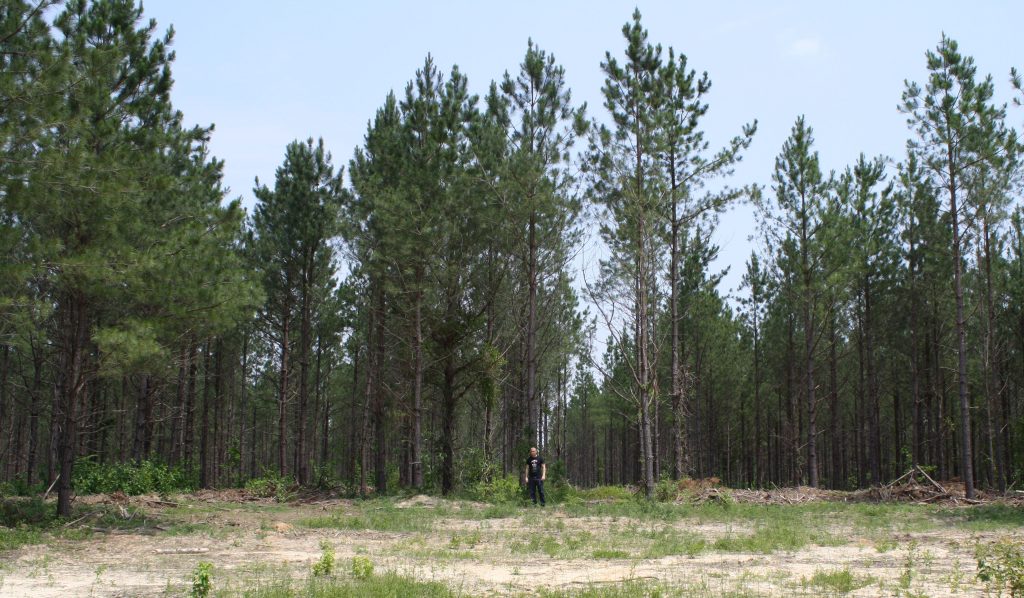
The boys and I went down to the farms to talk to the hunt clubs and take a look at the forest. There has been a lot of rain recently, so everything was growing well. The McAden Hunt club replanted one of the food plots.  Corn and sunflowers are coming up. The sunflowers will be very pretty in a couple of months. I asked Alex to go down and take a picture for me. 

The deer plots are becoming more important to maintain a healthy herd. The deer population had burgeoned and there were too many, but the resurgence of local bear populations & the arrival of coyotes have checked the growth. The coyotes, especially, are hard on the fawns. These things are very dynamic and you never get a permanent solution.

I agreed to sell six acres of land to the Reedy Creek Hunt Club. They want to build a clubhouse, skinning shed & dog training places. I am never enthusiastic about giving up land for any reason, but I think the relationship with the club trumps six acres out of 300. RCHC seems like they want to keep the rural character of the place and I want to encourage the local hunting culture, so it is a good thing.

There was no particularly urgent work to be done. We need to plant our longleaf pines this fall or next spring and I want to do an understory burn followed by biosolids applications in 2012 or 2013. I cut down a couple of box-elders that were infringing on my cypress, but that is only a kind of a hobby action.

Of course, I will not be able to get to my woods very often with my Brazil assignment over the next three years. That is why I took the boys down. I want them to do the routine consultations.

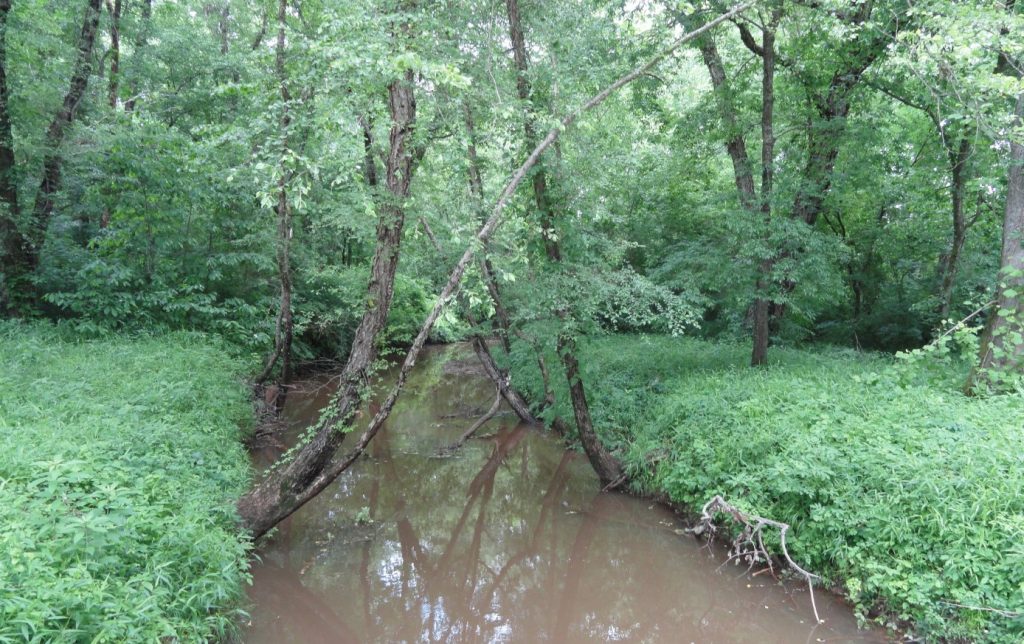
It was a kind of hazy-humid day, so my pictures seem a little washed out. The top photo shows the boys walking up the road in our recently thinned pines. Espen was trying to skip stones. I told him that it worked better on water. The second picture shows our clearcut that will be planted with longleaf next to the completely uncut pines that are providing the control plot. Below that is our clover field, now getting overgrown. Next is the new field planted with a variety of plant for wildlife, including soy, corn and sunflowers. Just above this paragraph is Genito Creek that runs through our land. It looks like chocolate milk because of recent heavy rains.  It will clear out in a couple days. The silt forms natural levies along the banks. The trees arching over it are river birch, the southern member of the birch family. Below is the bend in my road. There is something attractive about a road bending into a forest. I liked it when I first saw this place, when the trees were knee high and each year it gets better.

Life was Less Tasty

This is another late posting. 

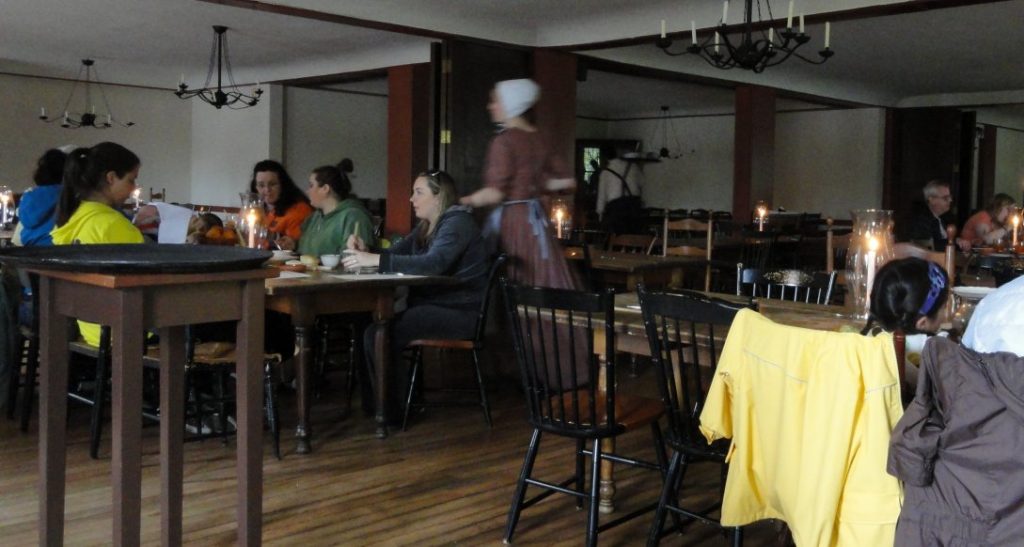
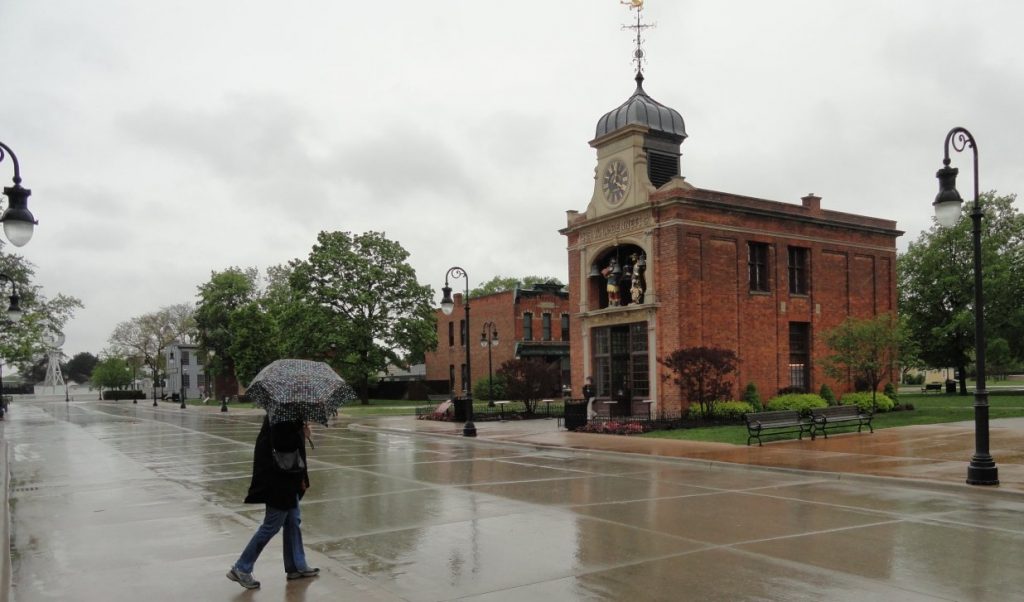
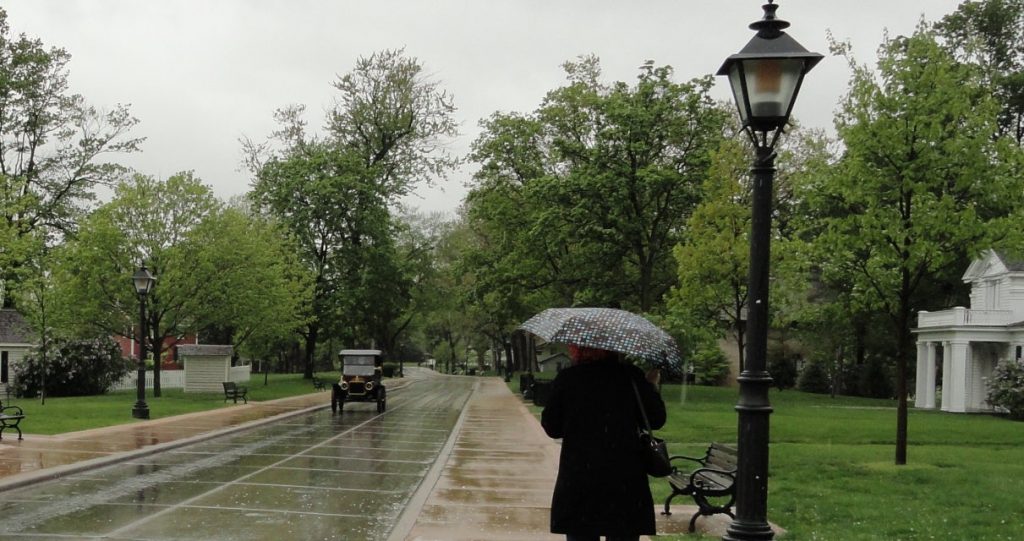
Life in the past was simpler and they depended much more on local produce.Everybody was a locavore. You ate local products in season or you didn’t eat much at all. Americans in the 19th Century tended to eat a lot of animal protein and drink prodigious amounts of alcohol. It wasn’t really a good diet by our standards, but it was hardy, which you needed because life was hard. We literally got a taste of that when we had lunch at the Eagle Tavern in Greenfield Village. They try to supply the table with local produce and they stick to whatever is in season, which means that the menu is a little different if you come in a different season.

When I started writing this post, I will still cold from the rain we had all day on our Village visit and I was thinking of the hardships of the past. This is not inaccurate, but it is incomplete. People in the past definitely had fewer choices. But the first fruits of summer must have seemed more tasty after a long winter without. We can buy produce from all over the world, but most of us do not take full advantage of the variety and we never get to feel that joy of true seasonality. You can look at it in both ways. You can emphasize the joy of finally getting the fresh fruit, or you can look at it like the guy who hits himself in the head with a hammer because it feels so good when he stops.

It is nice to visit the past as a tourist, but you really would not want to live there. The Eagle Tavern recreates many aspects of the past, but not all.  If it did, nobody would come. It has modern bathrooms, for example. This was a big improvement. They also do not feature all the smells of smoke, horse manure and human body odor. If you rented a room at the Tavern, you probably had to share a bed with strangers and there was a good chance you would be sharing lice and bed bugs, not to mention various diseases we hardly remember. Things are better now.

Things started to get charming for many people around 1910. I still wouldn’t want to return to those times, but it was only then that average people started to live lives we would consider acceptable. It must have been exciting with innovations such as Ford, Edison etc. Innovation comes faster now than it did then, but it SEEMED faster then. The practical difference between no light bulb, no automobile or no refrigerator and the basic models of these things is enormous. The perceived difference between the new improved model and the older one is not so much. I just bought an LED light bulb. It will supposedly last longer and use less energy, but it does pretty much the same thing as the older one.

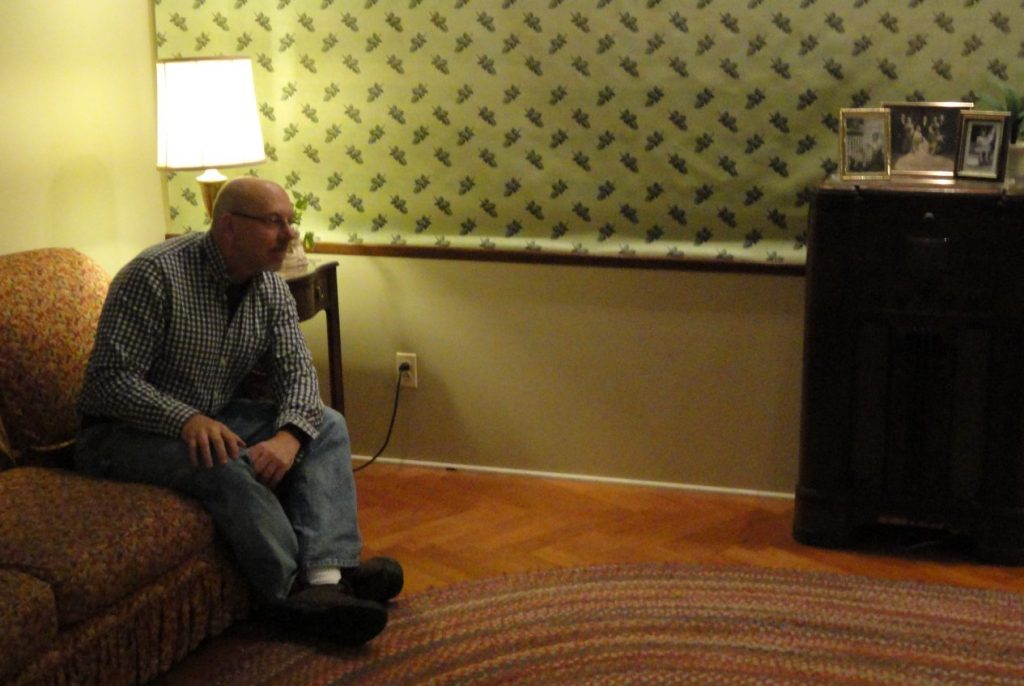
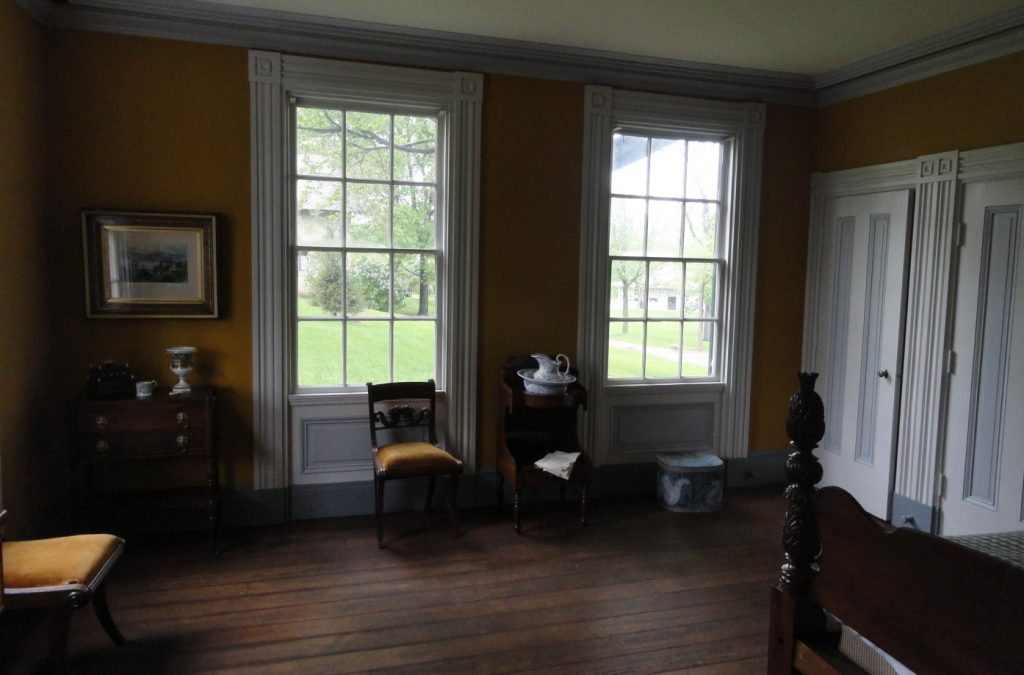
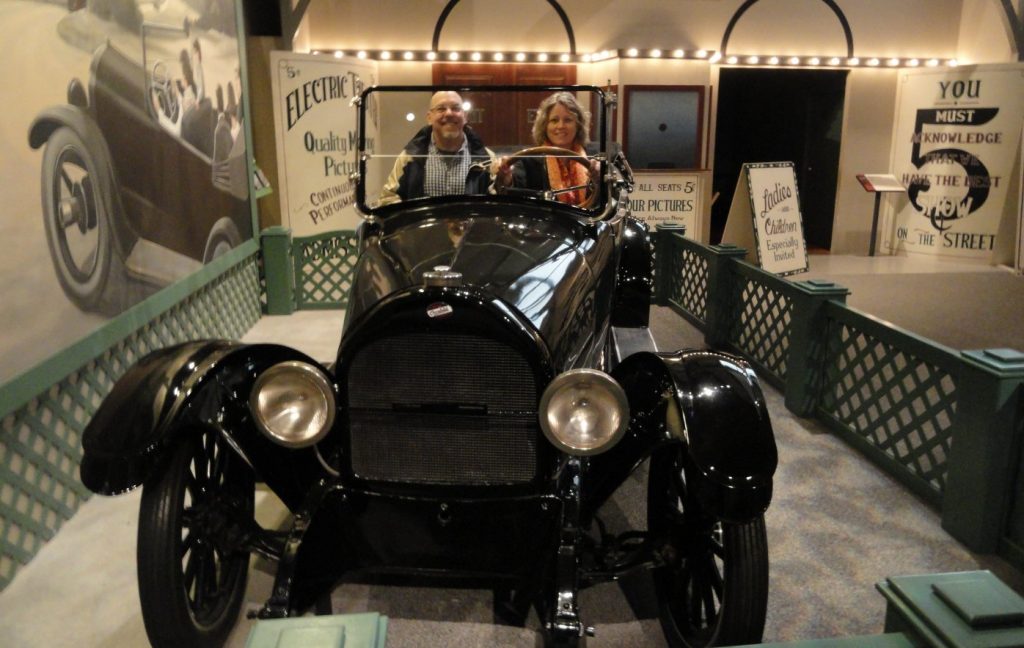
I am getting old. Life seems to be familiar starting in the 1930s. It well before I was born, but a lot of the old stuff was still around when I was a kid.  For example, I think I fit in well in that living room below. They were playing a recording of the Orson Wells radio drama, “War of the Worlds”. Chrissy and I in the old roadster above is a little too much before my time.

Left Over Pictures & Stray Thoughts

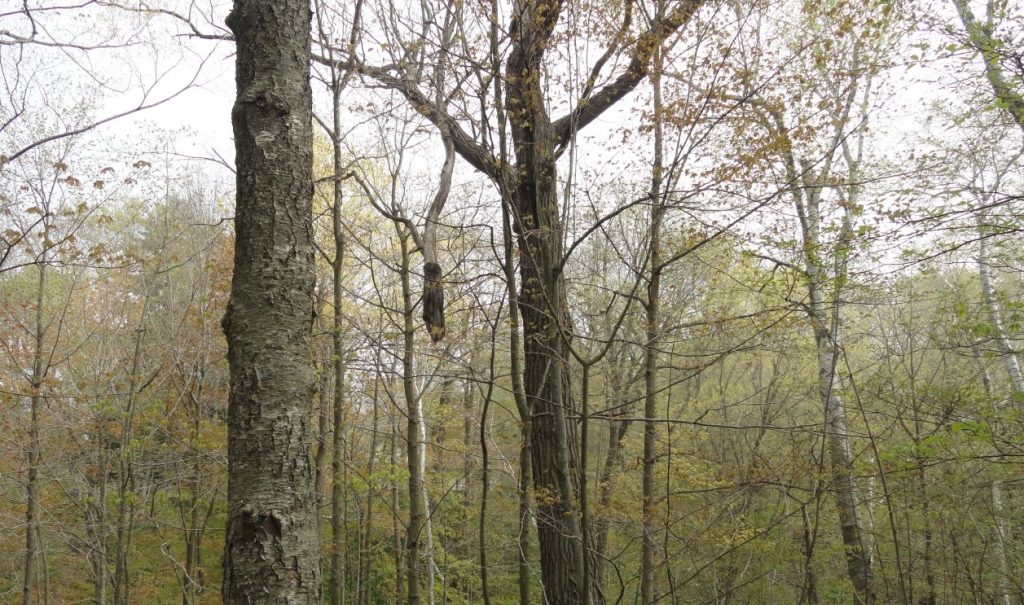
Below is the tree version of the sword of Damocles. I suppose it will fall in the first strong wind and it is not over a walking trail, so it probably is not a real danger to anybody. Natural places need not be made antiseptically safe.

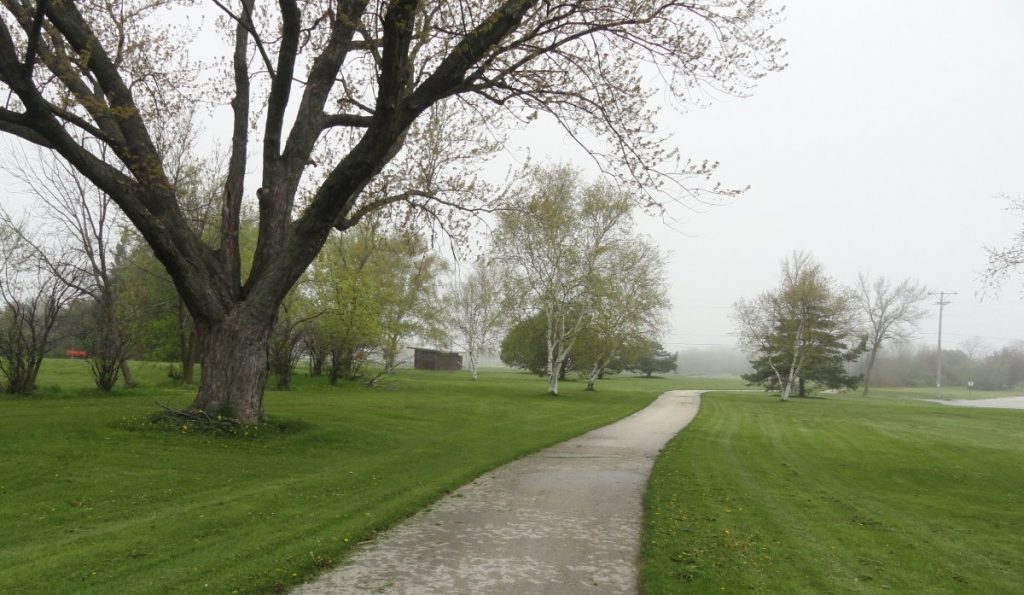
Below shows why forests in foggy places are different than those w/o so much fog. The tree leaves sort of comb out the moisture and it drops to the ground, as you can see in the picture with the water under the silver maple in Warinmont Park. 

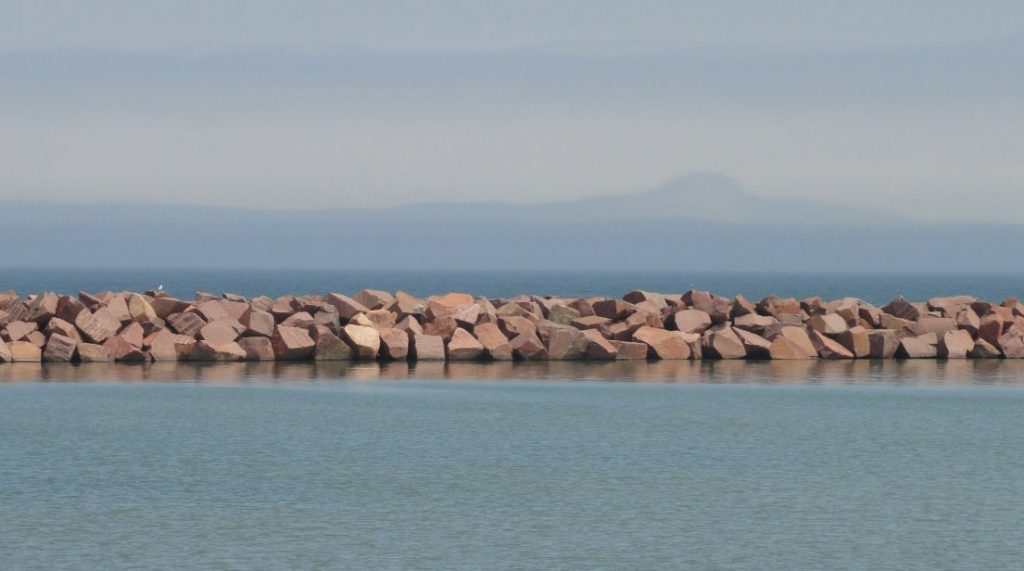
Below is the fog bank hanging out over Lake Michigan on the other side of the Milwaukee breakwater. I thought it looked like a distant mountain that could move. 

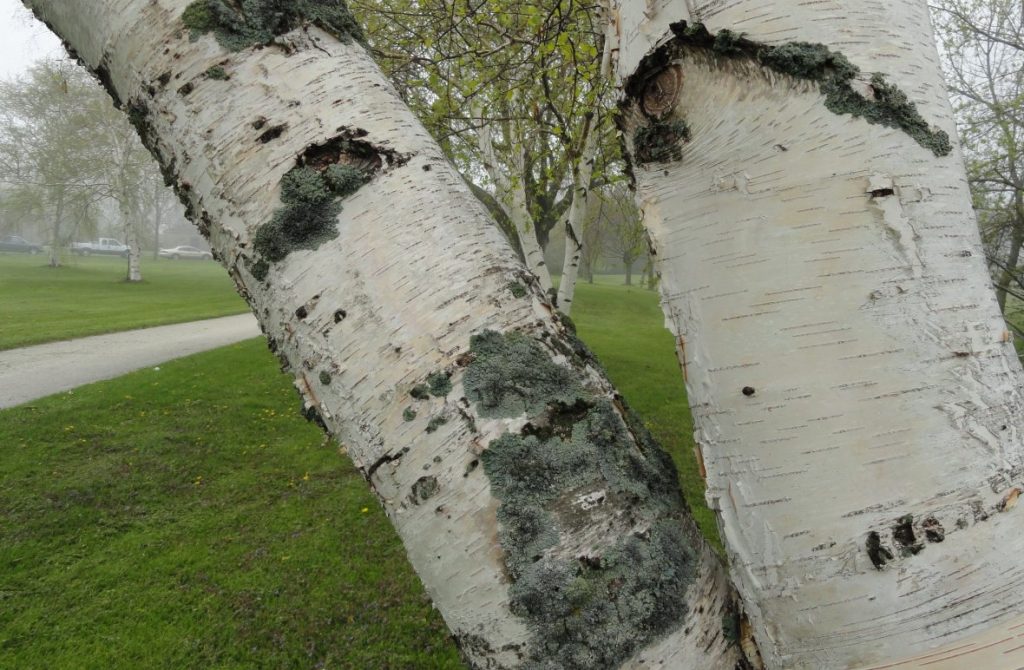
Below are lichens on a white birch tree. This is a European white birch planted by the park authorities, not the native paper birch. Of course, neither is native to Milwaukee, but the paper birch range is much closer. 

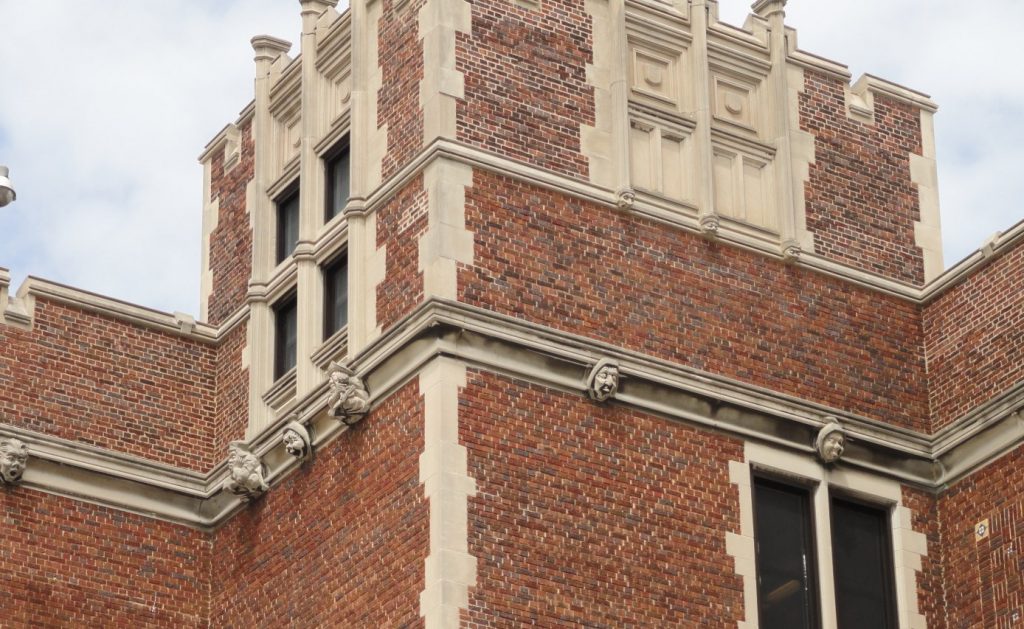
Below are gargoyles on my old Bay View HS. The building was constructed around 1920. I heard it was designed to look like a castle in Germany, but I don’t know for sure. My mother went to Bay View and it used to have strong local support and traditions. This was mostly lost in the 1980s, when the city did busing to achieve integration. The goal was good, but the method was bad.  IMO, it was an experiment that failed. It didn’t quicken integration; it cost a lot of money; it delivered kids more tired to school; it contributed to the ruin of a once decent school system and it wrecked the idea of neighborhood schools. A quarter of a century later, we have nothing good to show for the suffering.

I used to go in the door below the gargoyles at Bay View. From that spot, my home, grade school and junior HS were all within a ten minute walk. It was a better time to be a student in Milwaukee than it is today. We didn’t need to be bussed. We didn’t spend a lot of time commuting. We got some exercise and we got to know the neighbors. It was something that should not have been thrown away.