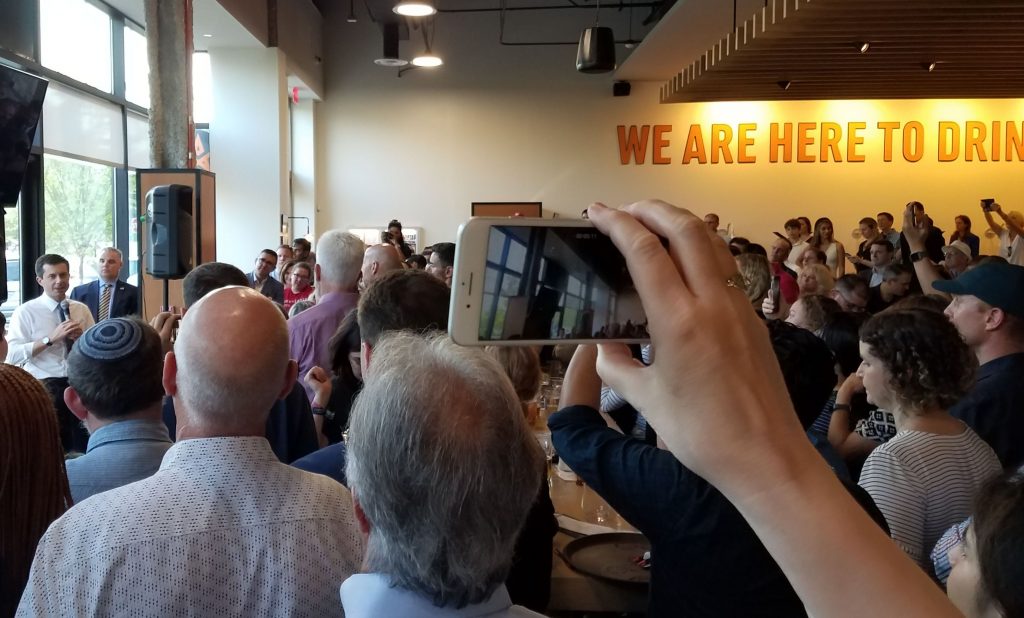
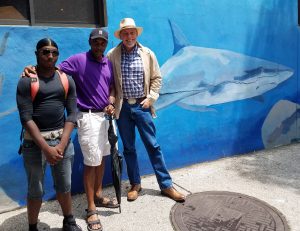
Mayor Pete Went to Denizens in Riverdale Park, MD to see Pete Buttigieg. This was a bigger crowd event than the one I attended in Washington a couple weeks ago. I did not get to talk to him as I did the first time. I guess that is not surprising and probably a good sign that he is becoming more popular.
This was more in the nature of a political event too. He made the required affirmations. His keen intellect comes through when he answers questions. The first questioner was a troll (I think). He asked about Puerto Rico and phrased his question something like (as I best recall) “How can you help people who won’t work?” Buttigieg did not fall for it. He just talked about the need to help and respect American citizens.
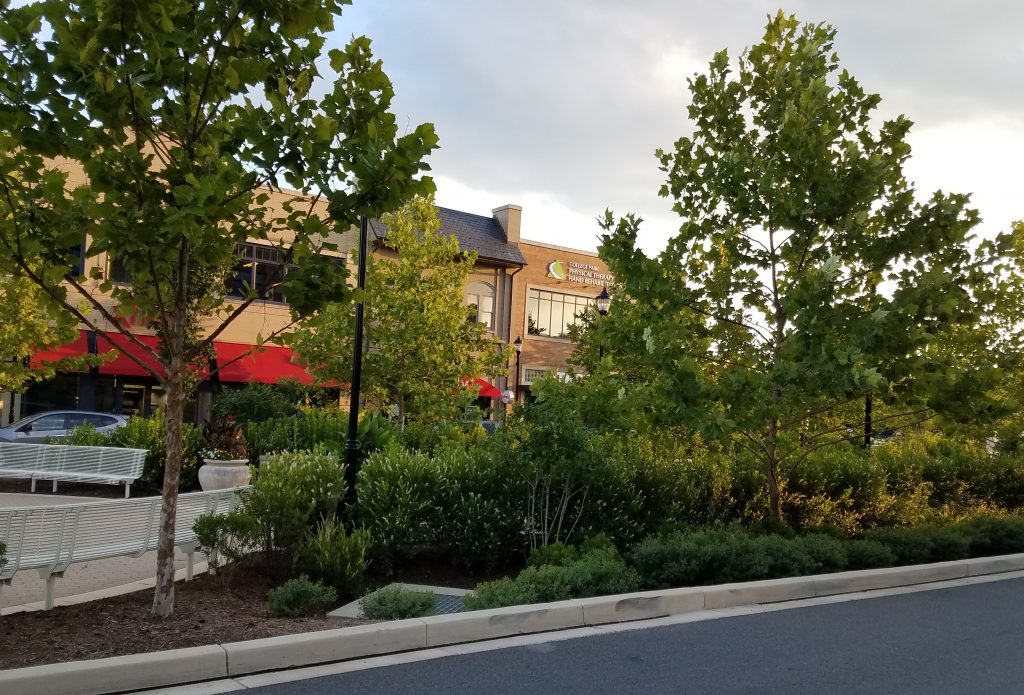
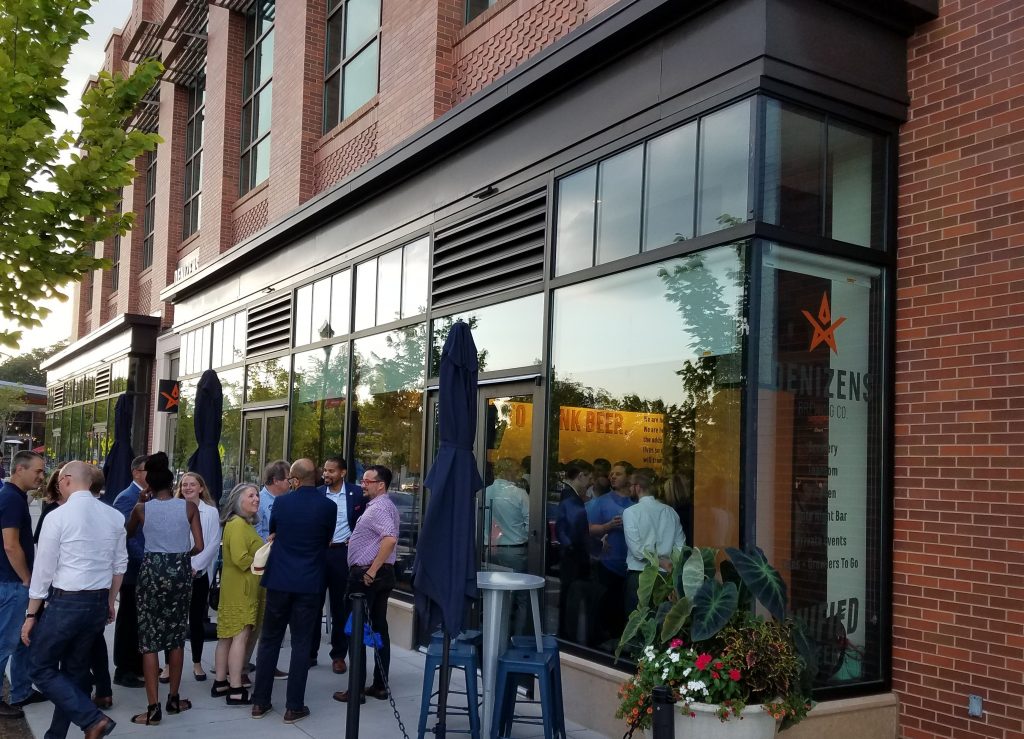
Denizens is a nice place, a brew pub. I had a very good rye IPA. It was a nice atmosphere. Riverdale Park is a pleasant new development. I got there on Metro, Green line to College Park and then 20 minute walk.
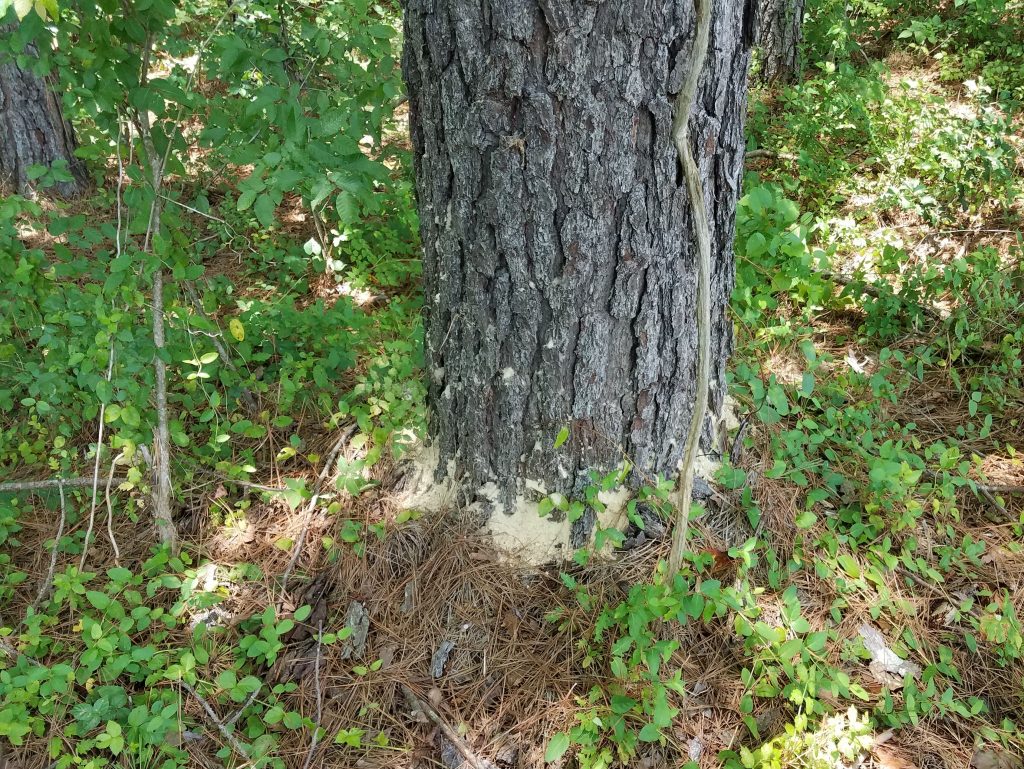
Turpentine beetles A few problems in the forest. Looks like we have some turpentine beetles. As far as I can tell, only two trees are affected, but no reason to not to react quickly. I called Adam Smith from Virginia Dept of Forestry and we will go and inspect them tomorrow. The trees affected are in the SMZ with lots of hardwood around and some distance between them and other pine trees, so I think we can control the outbreak. Will see what Adam recommends.
Otherwise things are good on the farms. We will do brown and burn in fall and winter and then plant longleaf in the quarter acre openings we made last year. Right now they are full of brush, hence the brown and burn. I took some pictures.
Burning
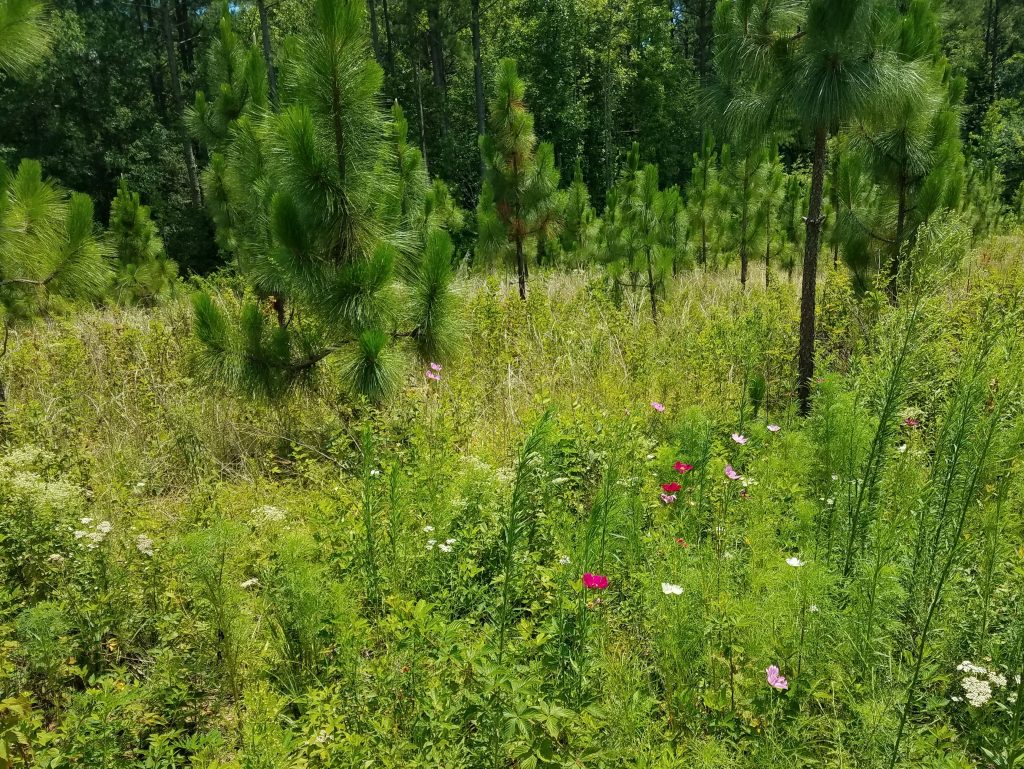
We will also burn under the longleaf. This is their second burning. I noticed that there was a greater variety of flowers int the burn year. Hope to get that again.
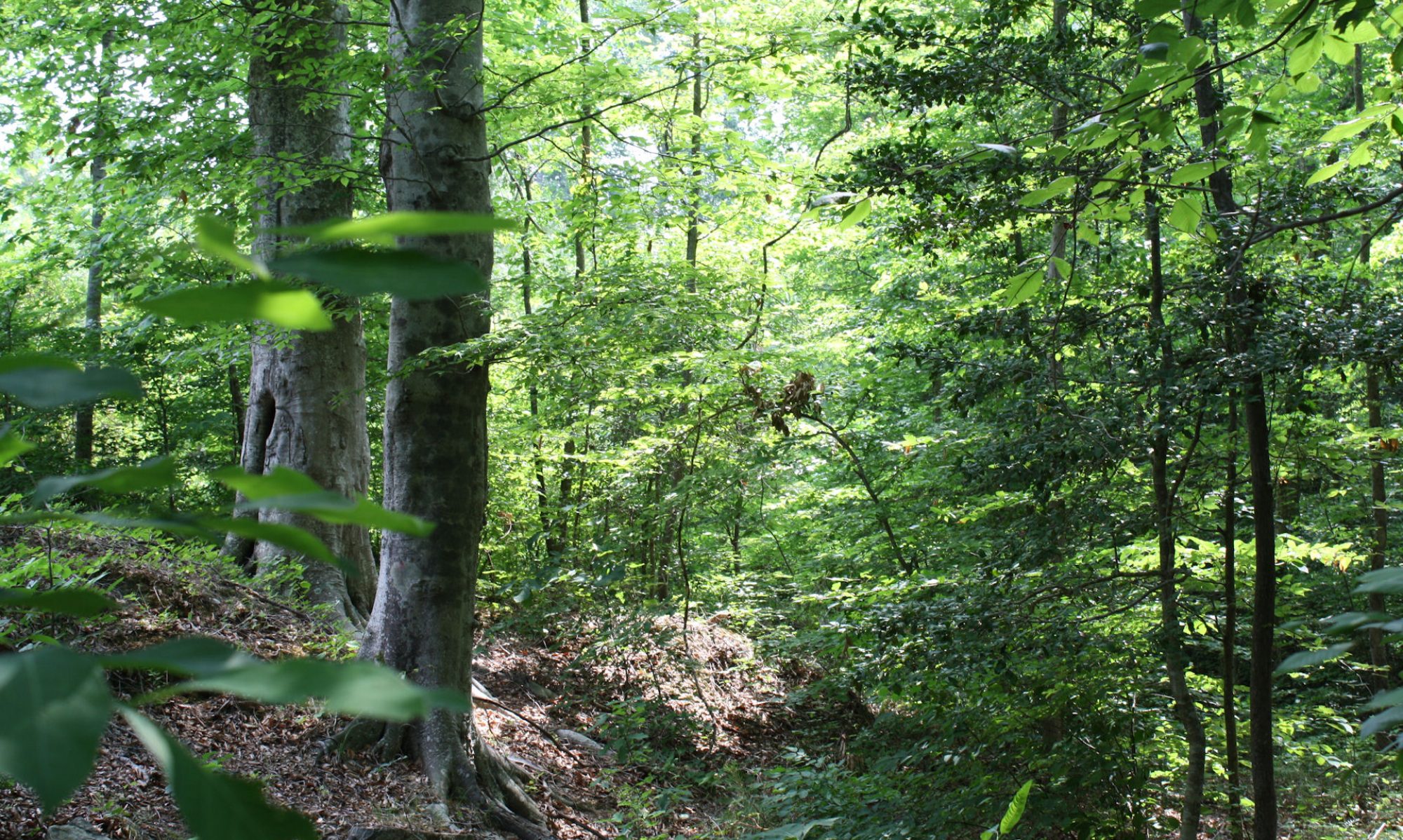
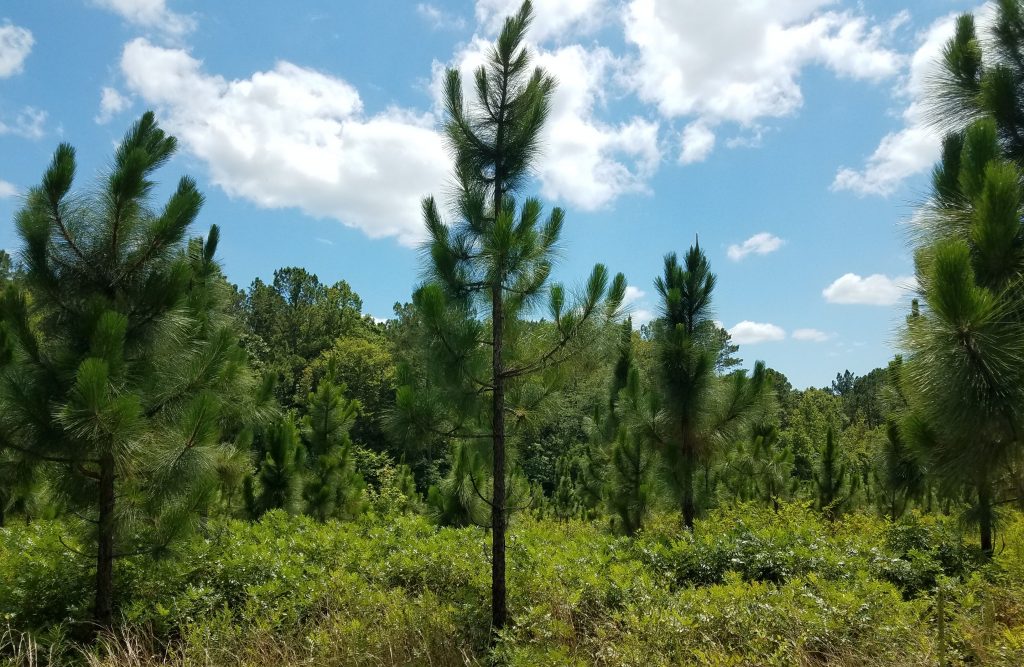
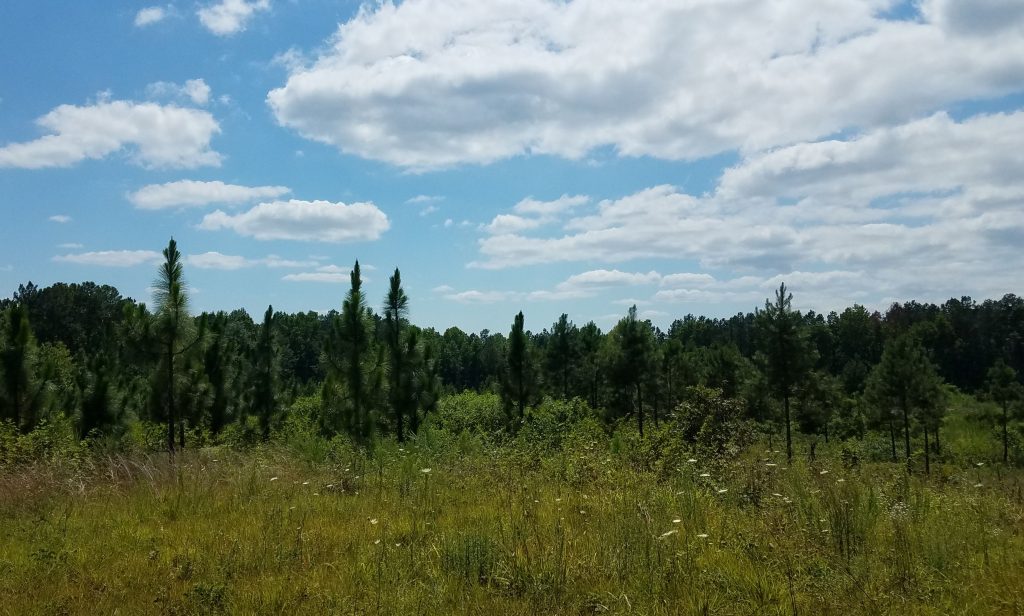
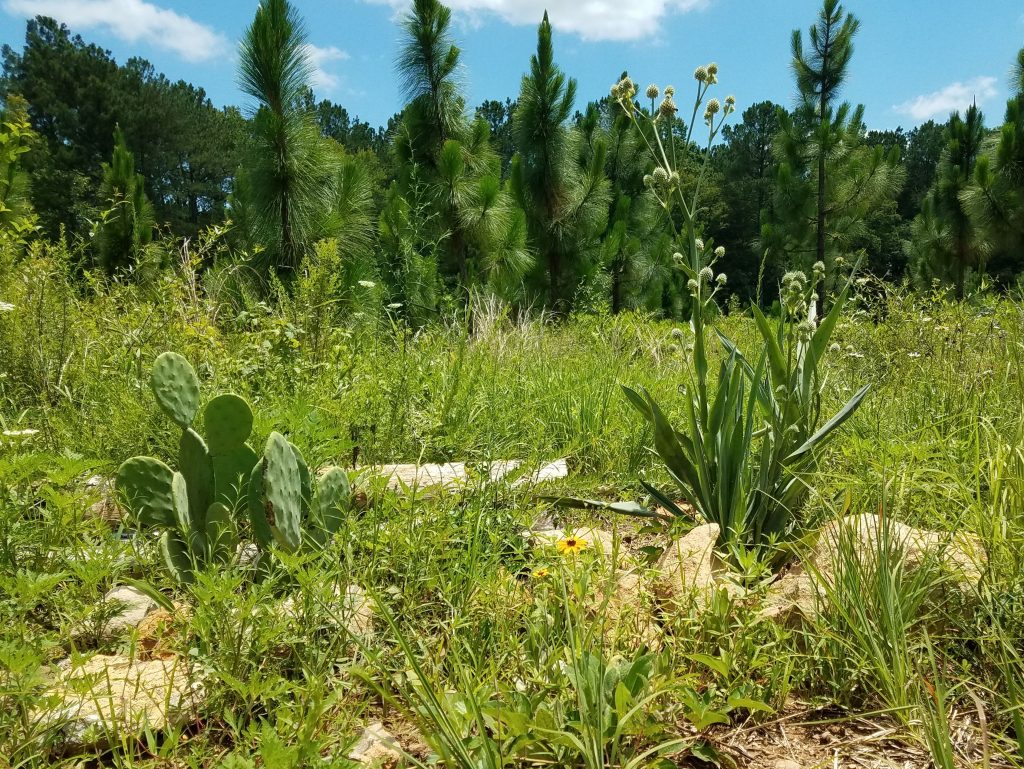
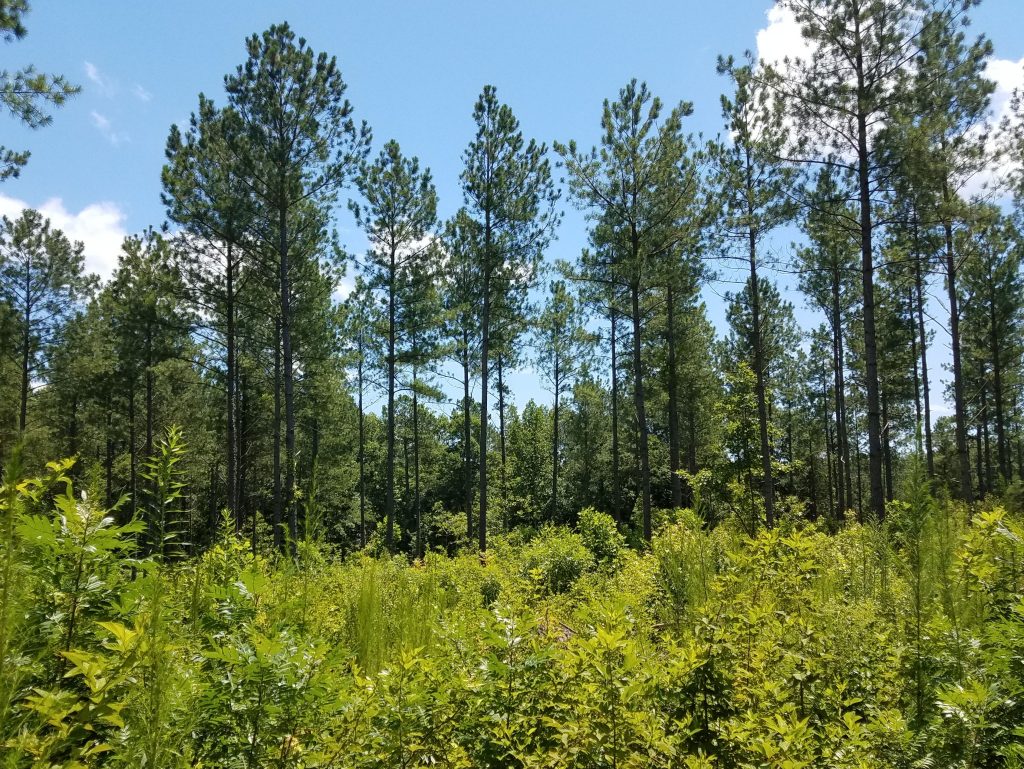
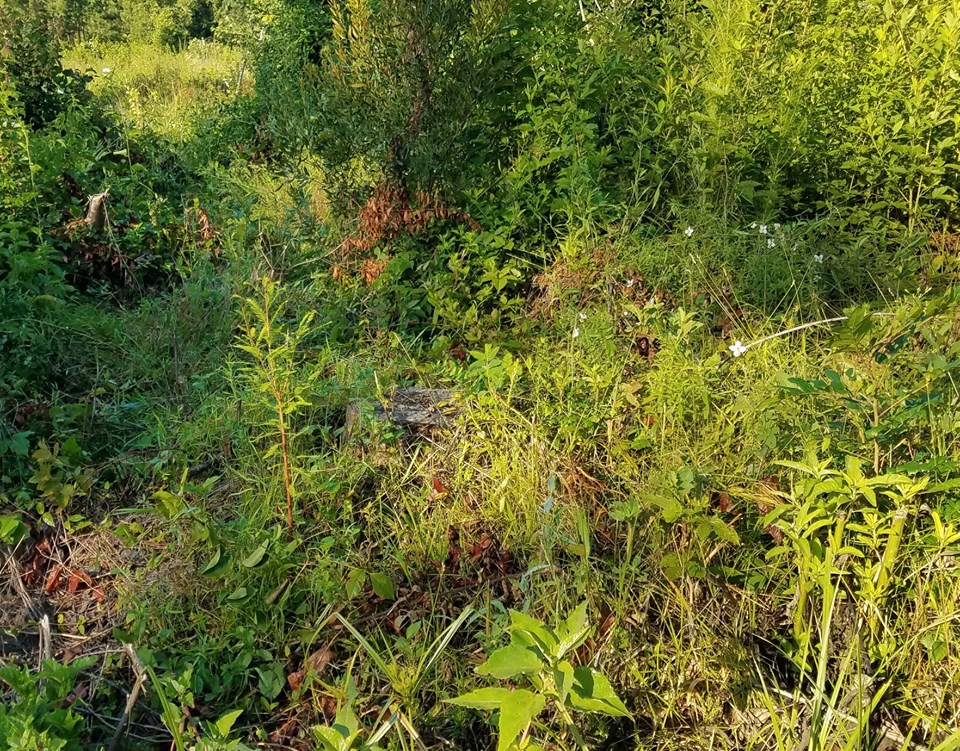
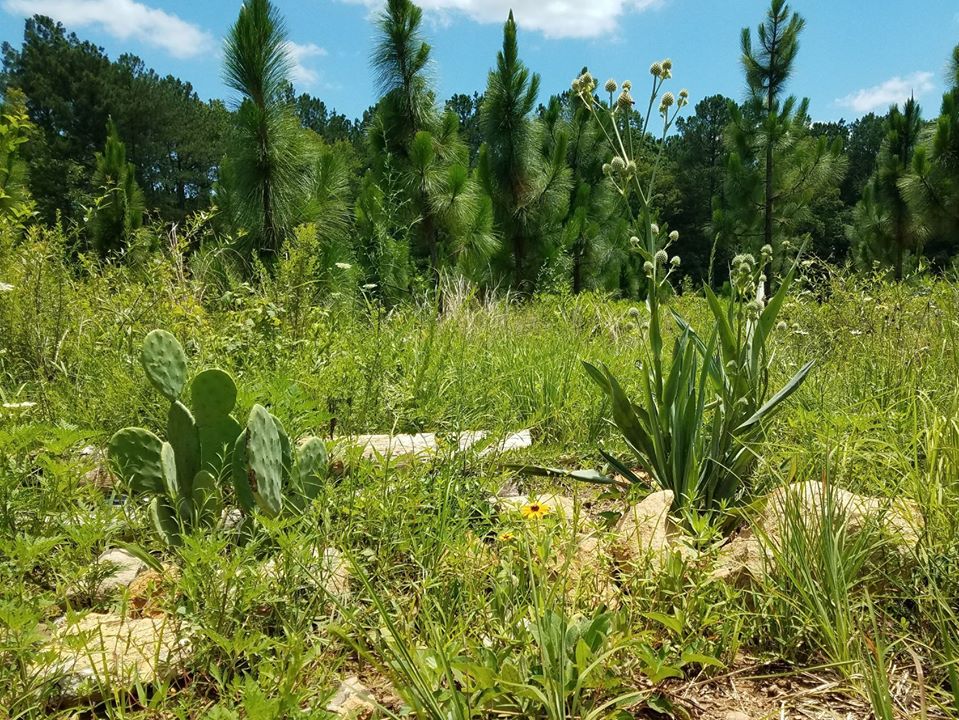
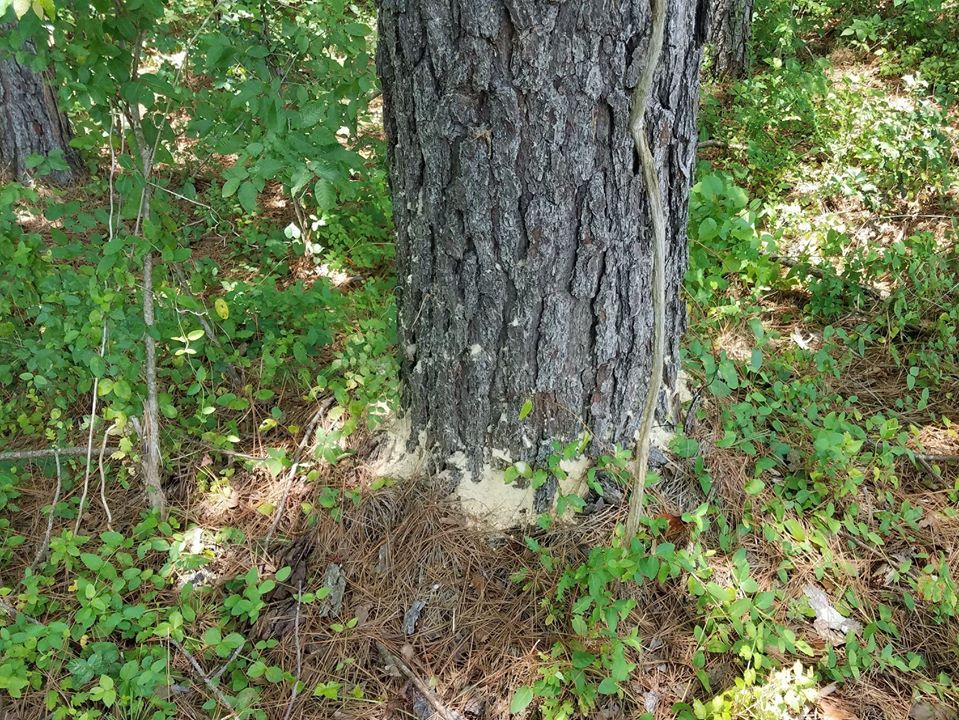
My first picture is the beetle tree. Next is one of the 1/4 acre plots were will burn and plant this winter. Picture #3 is my prickly pear and rattlesnake master, more garden for me than forestry, but interesting. Next is the longleaf-loblolly border. I assert that the natural boundary of longleaf goes exactly through my land in Freeman at exactly that stop. It’s science.
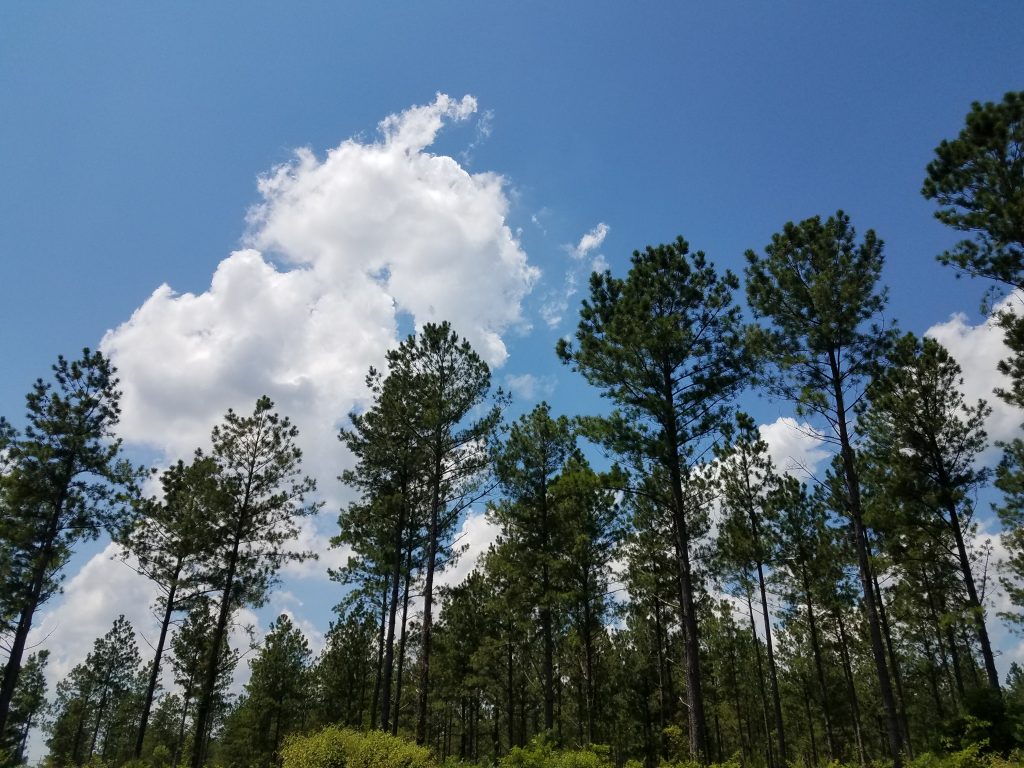
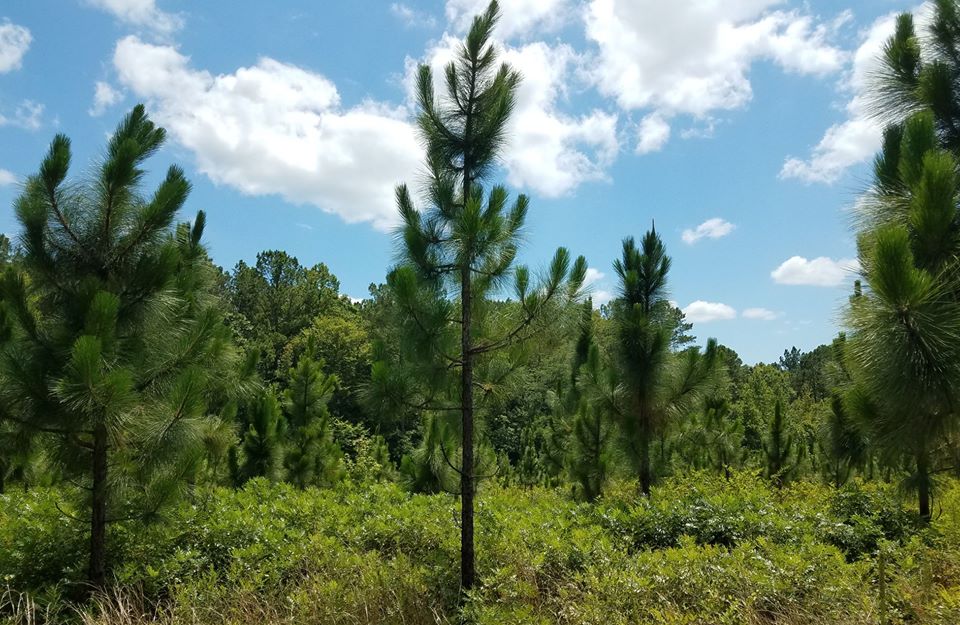
For longleaf enthusiasts, notice that the longleaf are as tall or taller than the loblolly. They were all planted at the same time, i.e. 2012. Longleaf have more variety of sizes. Some are still small and some are tall, but it is a myth that longleaf all grow slower than lobolly. IMO, site prep is the key. That area was browned and burned prior to planting and then burned 4 years later. We will burn again this late year or early next.
Last shows the longleaf stand with a shiny sumac understory. They are getting big.
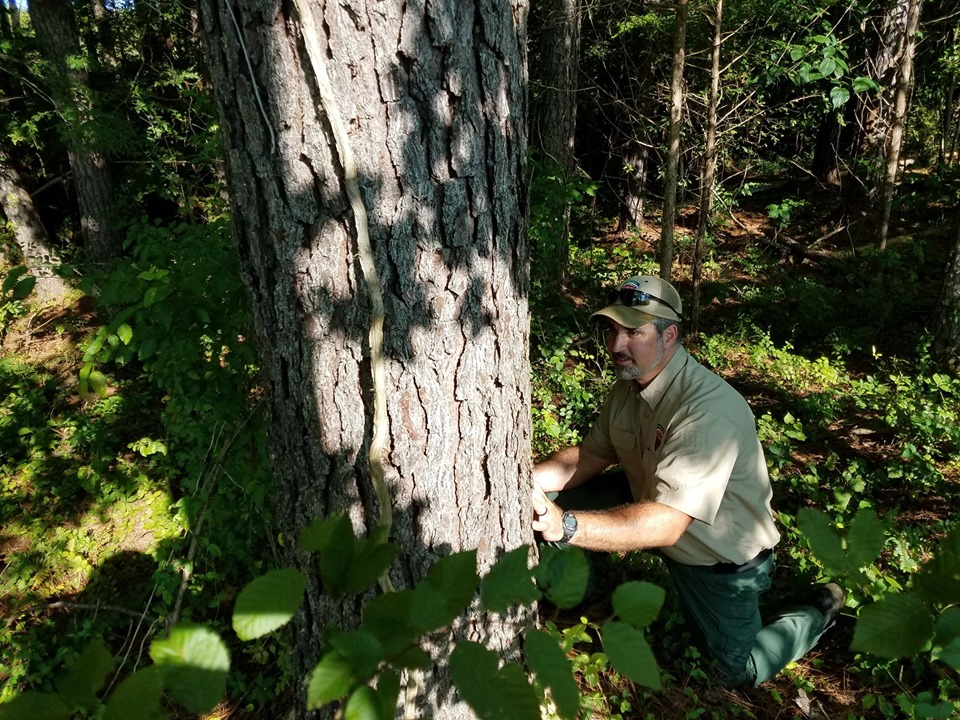
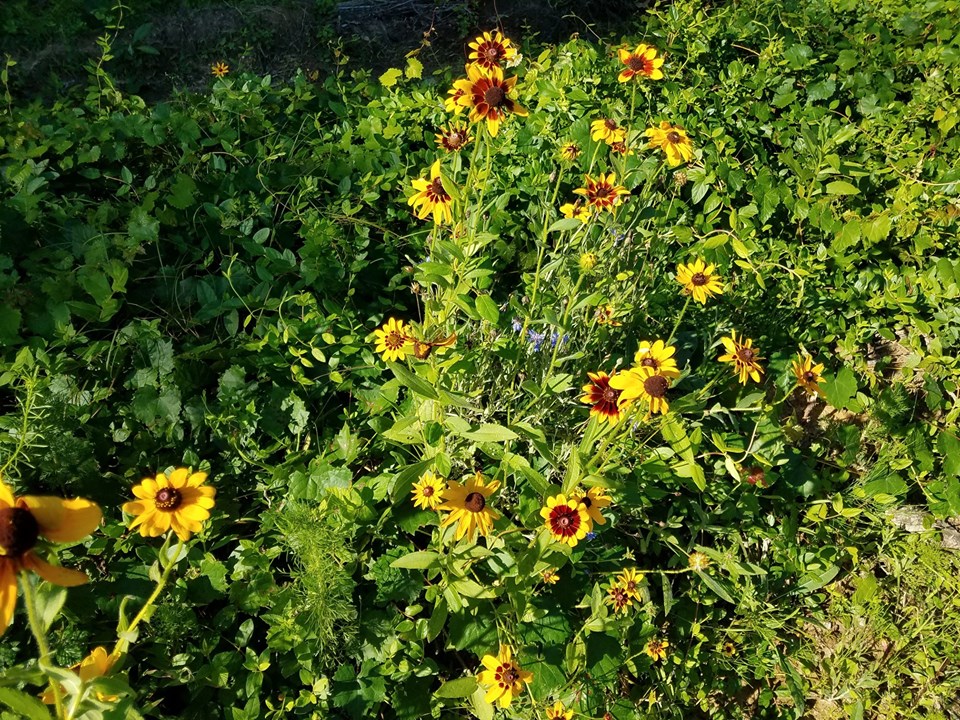
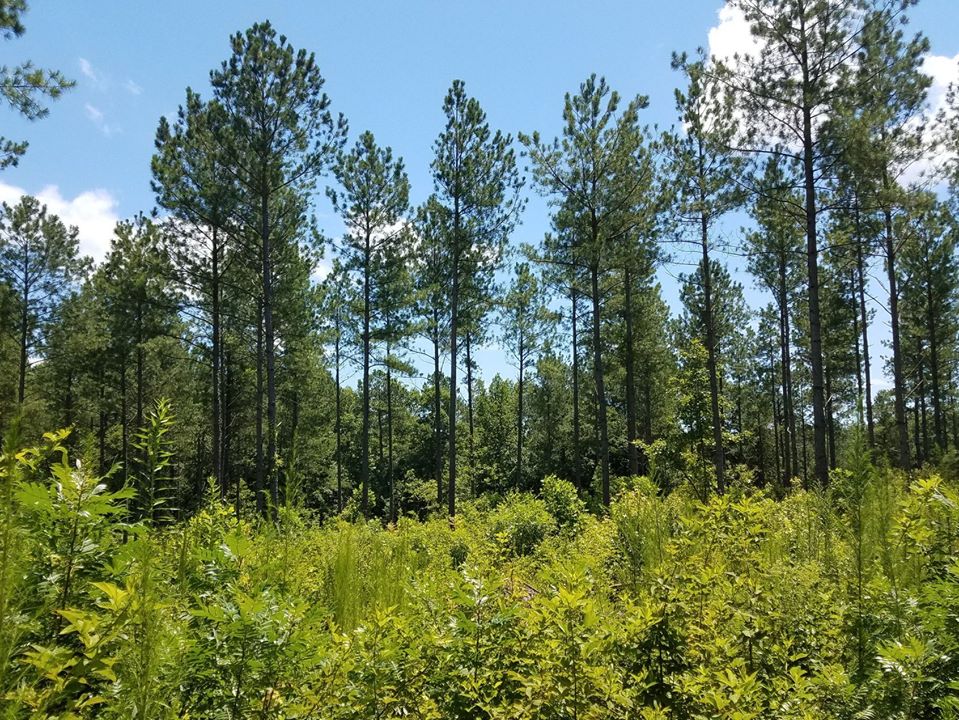
Update on the beetles Well, we confirmed that we have an infestation of black turpentine beetle. Only a few trees are affected. I don’t know how the bugs got here, but this is as far as they are gonna get. They infest only about six feet up, so I can get them. According to the experts, I need to spray the affected trees and any nearby pine. They gave me the particulars and I ordered the required stuff. We will then burn under the trees to knock out any residuals. We got them soon, so I think we can set them back. These beetle are endemic in Virginia. They probably would not kill too many trees, but if I can kill them first, I am content. First picture shows Adam Smith checking out the trees. Next are happier scenes – the bald cypress I planted this spring (I put in 200, not sure how many will survive) and some wildflowers near the new longleaf.
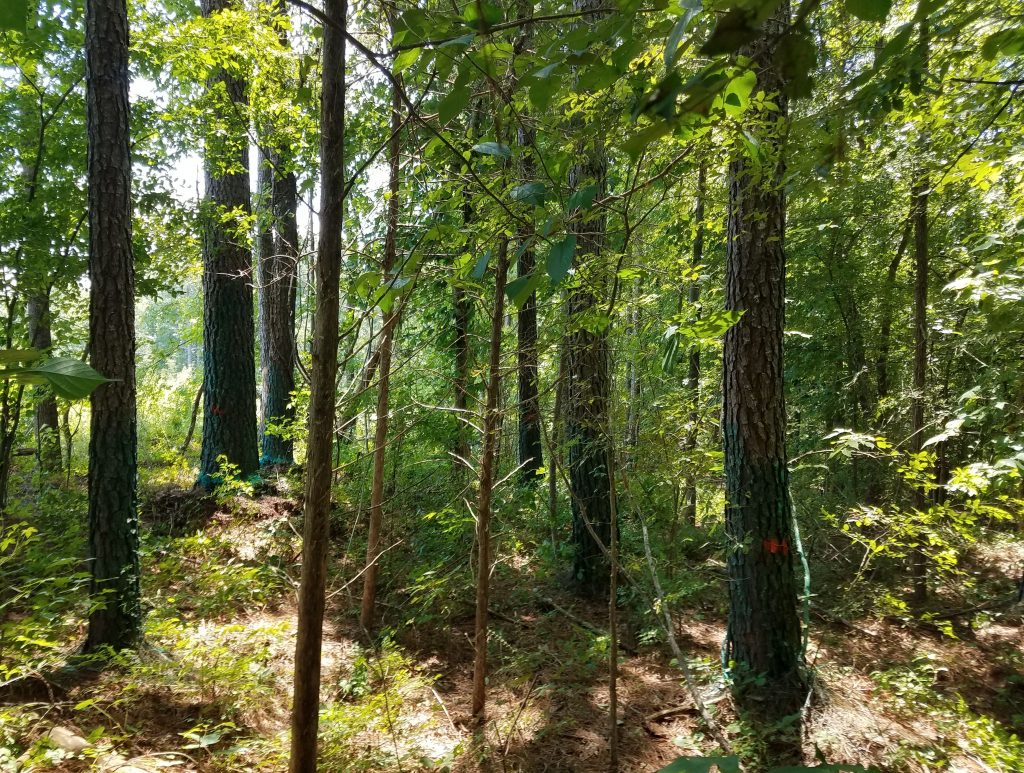
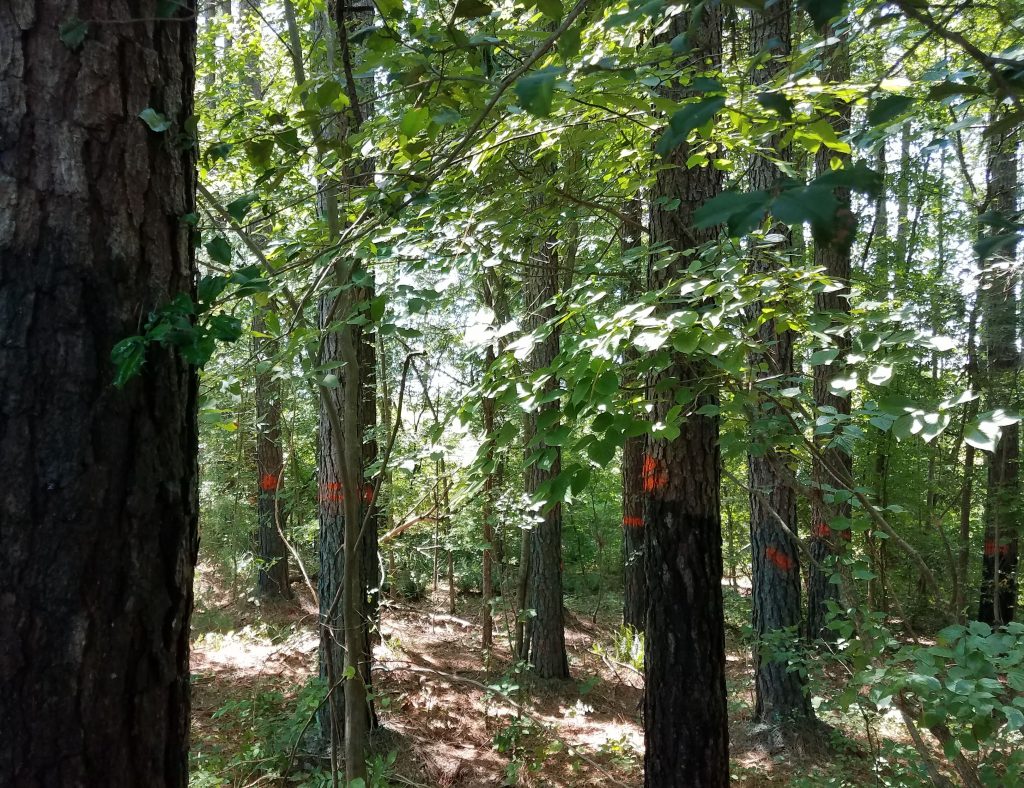
Update on treatment Went down to spray the trees today in hopes of stopping the turpentine beetles. I sprayed the affected trees and the nearby pine trees as precaution. The hardwoods are not susceptible to the pine beetles. I tried to limit the spraying. I want to kill the beetles but with as little collateral damage as possible. I didn’t want to do too much but I hope I did enough. I used Bifen XTS, one of the formulas recommend by DoF.
I used the blue dye (Liquid Harvest Lazer Blue Concentrated Spray Pattern Indicator) so that I could see what I did. According to what I read, you have to spray up only about six feet. The blueish trees are kind of pretty. The blue shows up more on the trees actually infested, because there is lighter color sap and sawdust on the surface. It was supposed to be a hot day, so I was not as enthusiastic about going, but it was not bad. I did almost all my work in the shade. It took about 4 hours to get it done. Had to drive 3 hours each way, so it was a long drive for a short work, but I wanted to get at it as soon as possible.
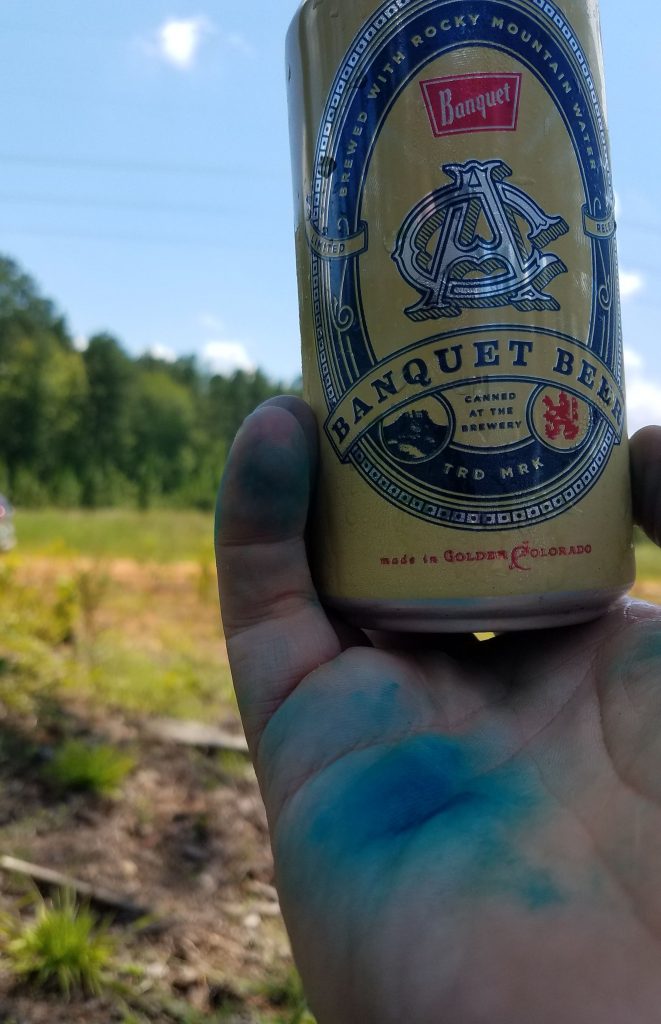
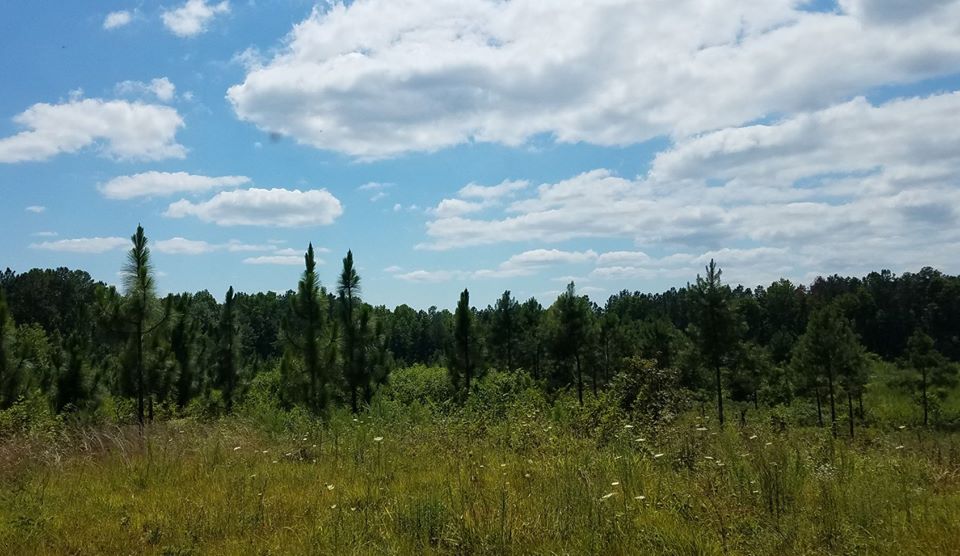
A beer in the hand I finished in the middle of the afternoon in time to have my cold beer and relax before heading home. As you can see from my picture, got a little bit of blue dye on my hand. Last is the view from my beer chair.
A few problems in the forest. Looks like we have some turpentine beetles. As far as I can tell, only two trees are affected, but no reason to not to react quickly. I called Adam Smith from Virginia Dept of Forestry and we will go and inspect them tomorrow. The trees affected are in the SMZ with lots of hardwood around and some distance between them and other pine trees, so I think we can control the outbreak. Will see what Adam recommends.
Otherwise things are good on the farms. We will do brown and burn in fall and winter and then plant longleaf in the quarter acre openings we made last year. Right now they are full of brush, hence the brown and burn. I took some pictures.
We will also burn under the longleaf. This is their second burning. I noticed that there was a greater variety of flowers int the burn year. Hope to get that again.
My first picture is the beetle tree. Next is one of the 1/4 acre plots were will burn and plant this winter. Picture #3 is my prickly pear and rattlesnake master, more garden for me than forestry, but interesting. Next is the longleaf-loblolly border. I assert that the natural boundary of longleaf goes exactly through my land in Freeman at exactly that stop. It’s science.
For longleaf enthusiasts, notice that the longleaf are as tall or taller than the loblolly. They were all planted at the same time, i.e. 2012. Longleaf have more variety of sizes. Some are still small and some are tall, but it is a myth that longleaf all grow slower than lobolly. IMO, site prep is the key. That area was browned and burned prior to planting and then burned 4 years later. We will burn again this late year or early next.
Last shows the longleaf stand with a shiny sumac understory. They are getting big.
Have you ever engaged in an act of spontaneous generosity? My Story Worth question for this week.
We had just harvested timber, so I had the cash. And even though timber harvests are expected and planned parts of our forest enterprise, it still seems like a windfall when decades of waiting come in, so maybe I was more inclined than I might otherwise be to be generous.
I was out in front of Mariza’s house in Baltimore, pulling up some of the landscaping fabric. When they “flipped” her house, they laid the fabric just on top of the dirt and staked it down. It made it look good for a few months, long enough to sell the house, but it was not a long-term solution. Pulling it up along with all the rocks and the plants that have managed to root though the holes is fairly hard work and it was a hot day, so I accepted the offer of the guy who wandered by pulling a lawn mower and some garden tools.
He was a hard-working guy, so I wondered why he seemed to be in such a precarious financial position. He said that he liked to work for himself, and had done okay for some years, but had fallen are harder times lately since he had lost his truck. With a truck, he went on, he could travel farther for business and even employ some of his friends. These are the kinds of enterprises you see advertised as “two guys and a truck,” along with an hourly rate to be paid in cash, usually in advance. Most people are not willing to pay for those two guys w/o a truck.
I asked him if I could lend him money to help him buy a truck. What convinced me that he was an honest man is that he said no. He didn’t know if he could pay it back. It took a while to convince him that I was confident enough to invest in him and that I did not need a quick turnaround. We had a few glitches. I wrote a check, but he did not have a bank account, so got stuck with those fees at the “checks cashed” facilities. I always wondered who used those places.
My father told me that, when he was young, people like him did not have bank accounts, but I figured that those days were passed. I was mistaken.
It would be unfair for me to characterize my friend’s life, since it is not my story to tell. Suffice it to say, our life experiences were different, but we wanted some of the same things. We wanted to take care of our families, be true to our friends, and be respected for the work we did. If I could help this good man do that, it would be worth it.
The truck helped my friend make a living and it helped the people around him. He told me because he had a truck, he could help his neighbors move and drive his kids to events and school. We had an interesting talk about the latter.
Seems he was dropping off his daughter and a cop gave him a ticket for “standing”. He thought that was unfair and as he explained it, I thought it was unfair too. I told him that he should contest the ticket. He averred that it didn’t matter, and he would not be treated fairly no matter. I told him to go to court anyway, if for no other reason than just to make it a little harder on the man. In the end, they dismissed the whole ticket. The outcome surprised him and evidently his friends.
By lending him the money, I showed respect for him and that I wanted to be part of his enterprise. The money was sure important, but I think the dignity was there too. Ours was a relationship of equal adults, interested in a common outcome. That was why it was hard for me to know what to do when he wanted to pay the money back. Not taking the money could be a betrayal of the relationship of mutual respect. Generosity might hurt. Taking the money that he still needed a lot more than I did seemed tawdry.
I got the idea to “pay it forward” from a movie by that name. The movie was silly, but the idea was good, and it worked. I told him that he should put whatever profits thought appropriate into helping his neighbors and his family. I told him that there would be no accounting and I would never ask about it again because I trusted him to do the right thing.
As promised, I never asked, but I think it did help get him over a hump in his life. It has been four years now, so I think we have a success. He kept in touch and kept me in the loop about things, even though I never asked. He is a good man, who deserved my help. It was a blessing to me to be able to give it.
I will be having lunch with him next week for his birthday. I invited him to celebrate his son’s graduation from HS. He sent me copies of his kids’ report cards. They did well.
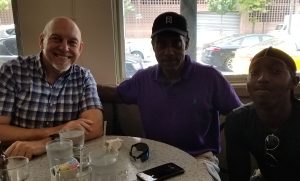
Update from July 11, 2019 Had lunch with my friend Kevin and his son, KP. I helped Kevin buy a truck a couple years back. He needed it to help him earn his living, which he did gardening and moving. He is one of those “two guys and a truck” you sometimes see advertised. He says it really helped him get over a tough patch in his life and we kept in touch.
I don’t get up to Baltimore much since Mariza moved out. It was fun to walk around the harbor again. I thought I took some pictures, but evidently I did not, except for the “art” picture and the picture of the door of the garage. I take a picture of the place where I park the car when I park in an unfamiliar place. The art pictures are those I take of my figures or just push the button w/o knowing. I guess I just missed on the others or deleted them by mistake. No matter. They were just tourist photos anyway. I do have pictures of Kevin and me, however. We had lunch at Mo’s Seafood and had their signature crab cakes.
The author started off telling us that we overlook the big impact of the Spanish in America, which is true. She then elides to “the Americas,” implying that the Americas were Spanish. As an old Brazil lover, I think more attention should have been paid to Portuguese. The author mentions Brazil only to not mention it again. A history of South America that leaves out Brazil is seriously incomplete. As my Ambassador used to say, “South America is a Portuguese dominated continent with a periphery of Spanish, English, Dutch & French. Of course, that is also a bit of an exaggeration, but Brazil is indeed about half the population of South America (which does not include Central America and Mexico, BTW). In fairness, however, the book is not really about the Americas. It is mostly about Spanish exploration, conquest and administration in what became Mexico and the USA. In this part she does a competent job of telling the history, but I don’t believe it is as “unknown” as she implies. I recall that we learned the history of the Spanish in America in HS history class. The names of the conquistadors and explorers are familiar to a reasonably educated Anglo-American, at least to the extent that we know history at all.
I think the author missed making stronger an important point that she wanted to make. Spanish culture and heritage are big parts of USAs heritage and culture. she wanted to tell the Spanish story so much that she missed the melding of culture. Anglo-American cowboy culture, so much or our heritage, is largely rooted in Spanish-Mexican soil, for example. I think she also underestimates the power of assimilation and merging. Cultures merge and immigrants from Spanish cultures are merging into mainstream America. The process usually takes three generations in the USA. The reason we have not seen this happen in the Spanish-speaking community is that for a long time the community was localized.
The book was interesting and there were certainly details of history that I learned from it. I think it lacked a theme, however. Maybe I was looking for the wrong things. I thought it would be a book about the history of Spanish influence in the USA and about Spanish influence today. That was one of the themes, but it got lost a little, in the first part in the simple telling of the history and in the last part in the telling of stories. The book is worth reading. It could have been better.
audible.com El Norte Check out this great listen on Audible.com. Because of our shared English language, as well as the celebrated origin tales of the Mayflower and the rebellion of the British colonies, the United States has prized its Anglo heritage above all others. However, as Carrie Gibson explains with great dep….. 1
It is the idea of dynamism and change that is hard to understand. America is dynamic. We can become “more perfect” but nothing on earth is perfect. American genius was that our founders recognized that perfection was a process and not a destination.
My job for more than thirty years was to explain the United States to people around the world. Try to explain. That was also a process not a destination. I progressed from knowing not much to knowing not enough, but I couldn’t stop looking. It is a big country and one in perpetual state of becoming something new. That is how I started all my talks with foreign audiences, some variation of that. I must have given the talk hundreds of times and it was never the same twice, like the USA.
I wanted to be able to add personal color, so I made an effort to get out “into America”. We drove across the USA at least six times, depending exactly on how you count. We took the train once from California to Chicago. That was good. And I tried to talk to people along the way.
The more you talk to ordinary people, the more you come to respect ordinary people and understand that nobody is ordinary.
State Department (and USIA) had programs where diplomats could volunteer to talk around the country. I did that and arranged some of my own. Sometimes State Department gave talking points. I tended not to use them. They were too simple. One time I gave a talk about economics and trade to an audience in Amarillo, Texas using my fancy pants talking points. The audience knew a lot more than I did. I talked about international trade; they did it. I learned two things at that encounter: I learned about trade in agricultural products and I learned not to underestimate guys with cowboy hats and faded blue jeans. I got this sort of lesson over-and-over. I knew lots of general things; they knew lots of useful ones. I know my country is not perfect and never will be. But I know it will always be getting better. We can see farther because we stand on the shoulders of giants. It is easy to disparage them, for their lack of vision, but maybe we should just be grateful for the boost they gave us.
I feel mildly uncomfortable about emergence. I like to think there are reasons why things happen. Daniel Dennett does not come to the rescue when he explains that there are always reasons FOR somethings but that we should not confuse that with reasons BECAUSE. The distinction is one of agency and you have to be careful with the language and it is confusing. Say a pigeon craps on your car. You can figure out what happened. The reason for the crap on your car is the pigeon. But the pigeon crapping was not because of your car. Despite what it sometime seems, the pigeon did not crap because of your car, i.e. develop the plan to crap on your car. It just did.
We humans look for patterns, and we find them even when they do not exist. For a long time, most of human history, our philosophies and religions specifically told us that there were reasons. “Nothing happens by accident,” was an remains a common phrase. But most things do.
Dennett explains how Darwin and Alan Turing (the computer genius) produced the counterintuitive logic that brilliant design can come from ignorance. People or things or something can be competent w/o comprehending what they are doing. A good example is a termite mound. Termites have no idea what they are doing. There is no plan. Yet they produce well designed castles, complete with a type of air conditioning. They “learned” the behaviors that make this happen by variation and selection, evolution. Each step building on the last in terms of its appropriateness. The process is purposeless, blind, slow and very wasteful. Most of innovations fail and are thrown away. But there is a lot of time and the system is not random. If something has a one in a million chance of happening, it implies that there is a good probably it will happen if you have lots of millions of chances. If it is a useful adaptation, it has a better chance of survival. It just goes on like this. BTW – the idea that a million monkeys typing for millions of years would produce the worlds of Shakespeare is not a part of this. That would be mere randomness.
Alan Turing’s insight was along these lines but related to computers. The computer did not need to comprehend math. All computers needed do was follow a set of rules and do that fast and accurately. It is worth pointing out that when he described computers, he was not talking about the thing you are reading. Computer in those days was a job title. There were people who did nothing all day expect do arithmetic. Bob Cratchit in the Dickens’ story was a computer. That is the job he did for Scrooge.
On a personal note, this is how I learned math. I could not do math until I needed it in grad school. I had always been told that you needed to be smart or have math skills. This is not true. I finally learned to do math simply by doing math – over and over. I did not try to make sense of it, just follow the recipes. Comprehensive came AFTER competence, not before. Dennett says that the key to human success is that we essentially can install apps on our brains. By apps he means technologies of thinking – behaviors and cultures. An individual human brain is not very smart, but we tap into thinking of others around us, far away from us in space and even people who are long dead. He talks about how memes pass like viruses to change our thinking and change our culture.
Our cultures started by means of a natural selection process. Useful habits persisted and developed, while bad ones disappeared. But now that we have cultures and technologies of thought, we can and do design intelligently. Compare the termite mound to Gaudi’s cathedral in Barcelona. They resemble each other, but Gaudi had a plan and could vary and innovate. With our capacity to think, we can go beyond the simple emergence. It can be less wasteful and faster.
Natural selection does not much act on humans anymore. We do change genetically, but the natural environment is not selecting. We develop and adapt through cultures and technologies. Dennett makes some (lots of) comments about where that is going. He is suspicious of artificial intelligence. He warns that we need be sure that it enhances our human intelligence and does not replace it. Reminded me of a book a read a couple years ago called “The Inevitable” where I think the author Kevin Kelly does a better job on considering AI.
“Bacteria to Bach” is a good book and very thought provoking. I had the audio version and I listened to a lot of it while I was working on farms making the environment more favorable for longleaf pine and white oak. I thought about the choices I was making on the land and how much of it was emergent. My intelligent design will play a big role in what the land will be like decades hence, but most of what happens is emergent. If I am not using power tools, I just keep my phone in my pocket and play the audio book in such a way that I can hear both the book and the ambient sounds. As I was working and listening to the book, I could hear Bobwhite quail, their very distinctive call. One of “my” goals is to help create and maintain quail habitat. I think I have been helpful, but the quail showed up by themselves.
audible.com From Bacteria to Bach and Back Check out this great listen on Audible.com. What is human consciousness, and how is it possible? This question fascinates thinking people from poets and painters to physicists, psychologists, and philosophers. From Bacteria to Bach and Back is Daniel C. Dennett’s brilliant answer, extending perspe…..
Need to manage complexity in a holistic way. Need to change how we practice agriculture to restore soil and sequester more carbon in them. Create policies holistically and revolution in institutions.
Addressing complexity is hard. Need to recognize difference between complex and complicated. What we make is complicated; what we manage is complex.
Animals are important to good soil management. Grasslands co-evolved with large grazing animals. Cattle spread out over the land are destructive. That is why conservationists have often seen cattle removal as a key to grassland restoration but taking all the grazing animals off grasslands leads to soil degradation and desertification. The key is doing grazing right. In natural grasslands, grazers move constantly and in tight packs in order to avoid predators. Using this principle, we should use mob grazing. Large number of animals go onto a limited area. They eat most of the plants and trample others. This looks very bad, but the hoofs push seeds into the ground and produce depressions where water can be absorbed. The land quickly recovers when the animals move, and the biotic communities are more robust. The action for the animals, along with their manure, builds the carbon in the soil and makes it absorb more rain. It is a virtuous cycle. Savory makes a distinction between brittle and non-brittle landscapes. The difference the amount AND the timing of the rain. Some places get plenty of rain distributed throughout the year. These are not brittle. Some places get enough rain, but it is seasonal. These can be brittle. Some places don’t get enough rain at all. They are often desert but can be managed.
In non-brittle places, it helps to “rest” the soil, i.e. take animals off and let it be fallow. This is almost exactly the wrong thing to do in brittle environments. Brittle grasslands will degrade if animals are not present for a long time. This is clear in protected parks, which do worse when they are protected.
We are easily fooled by short term observations. When we remove animals from a degraded pasture, the grass gr
ws back strongly. It recovers. And we look at that and think the problem is addressed. But in the longer term, it declines. Experts rarely return to see that, and if they do, they blame other factors. It is counterintuitive to think that putting animals back will cure the problem of overgrazing, but it does help when properly done using holistic principles.
“Holistic Management” is a good book, but it drags a little. You can get the gist of it from Alan Savory’s TED Talk on the same subject. I finished a similar book called “Dirt to Soil” a couple weeks ago. The author of that book applies some of Savory’s principles to his farm in North Dakota.
A lot of detail and some good history, but I didn’t like it. The tone bothered me. The story is told as a narrative of loss. In that it is like many such books and that is certainly a perspective you can take.
But I think narratives of loss miss the important parts. The world is perpetually changing, with some things bursting into existence and other flickering out. You emphasize the comings or the goings and it makes a very different story. Similarly, there is struggle that leads to success or failure. This can be framed as worthless energy spent or a growth. Another theme was what I might call the stolen land idea, which depends on zero sum thinking. This says that if you get, you must take from others. There is sure enough a lot of that.
However, in California’s case we need to take much more account of the creation. There is no such thing as a “natural” resource. There are potentials that depend on human effort, intelligence and innovation to get. California is blessed by nature, but the California we appreciate mostly results from human interaction with that blessed land. It is not just a gift or a lucky throw of the dice.
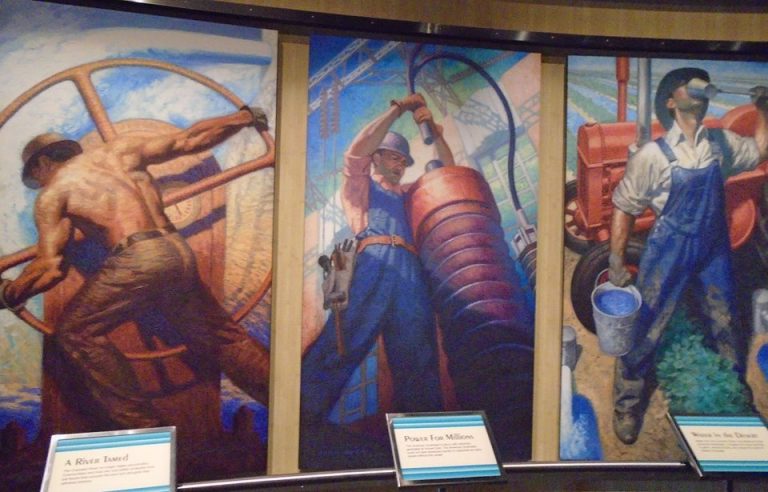
Another book I read about this was “Water to the Angles” about the construction of the Los Angeles aqueducts. I liked that book better. It was more hopeful. LA is a desert. It is prosperous because of human effort.
Nothing lasts forever and yesterdays solution is often today’s problem. This is something I like, BTW. Having challenges is what makes life interesting. What I don’t like is pessimistic tone. I felt this book had too much of this.
California is a wonderful place. We can easily imagine how it might be better, but we owe a lot to those who made it what it is today.
audible.com The Dreamt Land Check out this great listen on Audible.com. A vivid, searching journey into California’s capture of water and soil – an epic story of a people’s defiance of nature and the wonders, and ruin, it has wrought “A stunning history of power, arrogance, and greed.” (Kirkus Reviews, starred) M…
fancied myself a classical scholar for a few years. I spent many hours in libraries. During my grad school years, I literally spent many more time at Memorial Library than I did at home. The idea of finding and preserving the wisdom of the ancients was more than exciting. The idea of scholarly centers had a spiritual significance. I got over that the extreme case, but not completely and I am still very much interested in centers of innovation, which is similar but not the same, as I will explain below.
“The Map of Knowledge” came as kind of an echo from my past both because of the subject and because I found it at a physical bookshop, the new Barnes & Noble near our house. I have been buying mostly at Amazon lately, although I have determined to buy at the physical location more often. Must support what I think is good.
As the title implies, the book maps the movement of centers of scholarship from around AD 500-1500 and describes centers of learning, such as Alexandria, Baghdad, Cordoba, Toledo, Salerno, Palermo & Venice. I was a little surprised that the author left out Constantinople, but the author explained that Constantinople was an imperial capital and a place where lots of texts ended up but was never particularly a center. Beyond that, her narrative sort of depends on the idea of the moving center that preserved the wisdom of the ancients.
Alexandria was the home of the great library. It was partially destroyed when Julius Caesar attacked Alexandria, but restored, but it fell into decline even before the fall of the Roman Empire. The problem was Christianity. We rightly think of Christian monasteries are centers of learning, where monks copied manuscripts to preserve knowledge, but when Christianity was still competing with Paganism, Christian leaders viewed ancient wisdom with less enthusiasm. It was associated with paganism and in fact the great literature WAS pagan. Many of the books were destroyed by a Christian riot in AD 415, where the mob also killed the famous female pagan philosopher Hypatia. The Muslim conquest finished the job. Alexandria stopped be a center of learning.
Bagdad was a true center of learning and they assembled the largest library up to that time. The catchment area was larger than Alexandria’s, since Baghdad pulled in wisdom from the East, from India, as well as from the West. It was at this time that the Hindu-Arabic numbers we use today were developed, along with the widespread use of zero. It was an organized “House of Wisdom.” It was all destroyed when Mongol armies destroyed the city in 1258. The Mongols burned and tossed manuscripts into the river. It was said that the water turned black from the ink, mixing with the red from all the blood. It was probably the worst destruction of knowledge in human history. Many of the texts were lost forever. Cordoba was a wonderful and diverse place with Muslim, Christian and Jewish scholars. In addition to texts, the rulers of Cordoba developed practical arts like the use of water, irrigation and agriculture. The Muslim rulers of Spain brought in seeds and seedlings of arid adapted plants, and semi-arid Spain was one the most productive places in the world. Cordoba’s time in the sun was bright but brief. A coup brought an aggressively narrow minded ruler. He came under the influence of Muslim fundamentalists and destroyed all the texts they could get, except those associated with medicine or mathematics. Some books survived when scholars fled with them to neighboring cities like Seville, Granada, Zaragoza & Toledo.
Toledo became the center translation and transmission to the West. Scholars from Western Europe came to look for old texts and translate them from Greek or more often Arabic.
Salerno and Palermo became centers for learning largely due to the influence of the Normans. The Normans were among the most interesting people in the middle ages. They were the descents of Vikings, given land by the King of France in return for keeping other Vikings out. Most of us know them from William the Conqueror and his 1066 conquest of English, but other branches of the family were active in the Mediterranean. They ruled Sicily and Southern Italy for nearly 200 years and were very open to all sorts of influences. The last center mentioned in the book is Venice. Venice for a long time was the link between east and west. When the Turks finally conquered the Byzantine Empire, many of the scholars fled to Venice. Of course, the Venetians already had a fair amount of Byzantine stuff both from trade and from their pillaging of Constantinople during the 4th Crusade. The famous bronze horses at San Marco were plundered from Constantinople. After the development of printing, knowledge was more widely distributed and the centers for learning and copying became less important. Experience of Alexandria, Baghdad & Cordoba indicate that a better strategy is to spread texts out rather than concentrate them in one place where they might be destroyed all at once.
The centers of learning idea beg a question of whether it was always a good idea to preserve the knowledge. I am talking about the science here, not the literature or art. Ancient science was wrong, and its persistence may have held back innovation and progress.
Medieval people had too much respect for authority. Most would accept the anatomy of Galen or the astronomy of Ptolemy w/o checking it themselves. This was a problem even before the fall of the Roman Empire, when the texts were easily available. Science stagnated. When you think you have found the final truth, you stop looking, and people thought they had found the final truth.
Near the end of the book, the author quotes a German scholar called Paracelsus, who in 1527 told his medical students to throw away the old books and instead turn to the “great book of nature,” i.e. look for themselves.
Maybe that goes too far. It would be better to use the old texts skeptically and critically. But when you treat books as precious, a type of dogmatism develops. It is possible to be too respectful.
Anyway, the book is worth reading and it got me thinking.