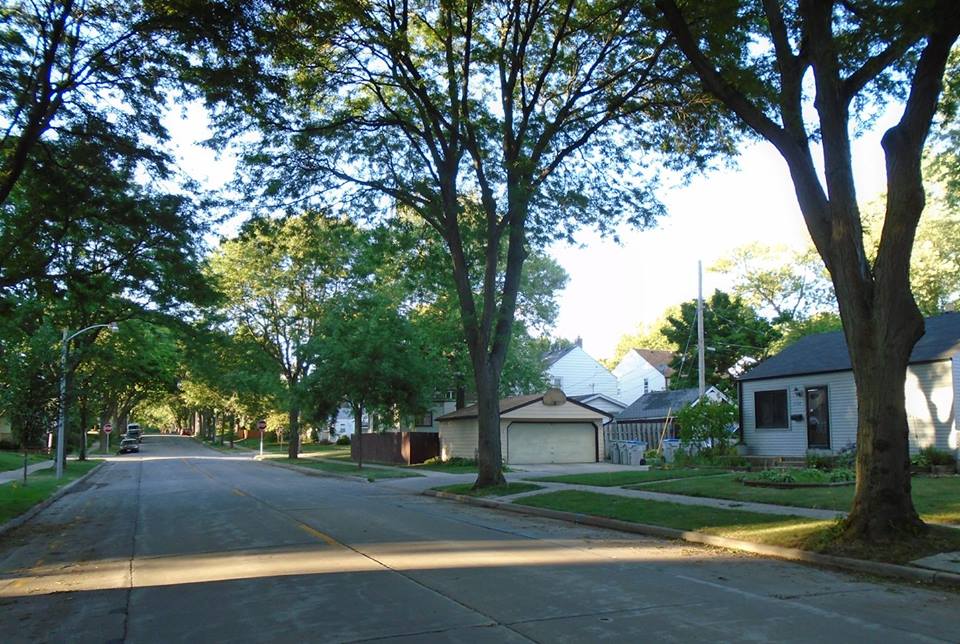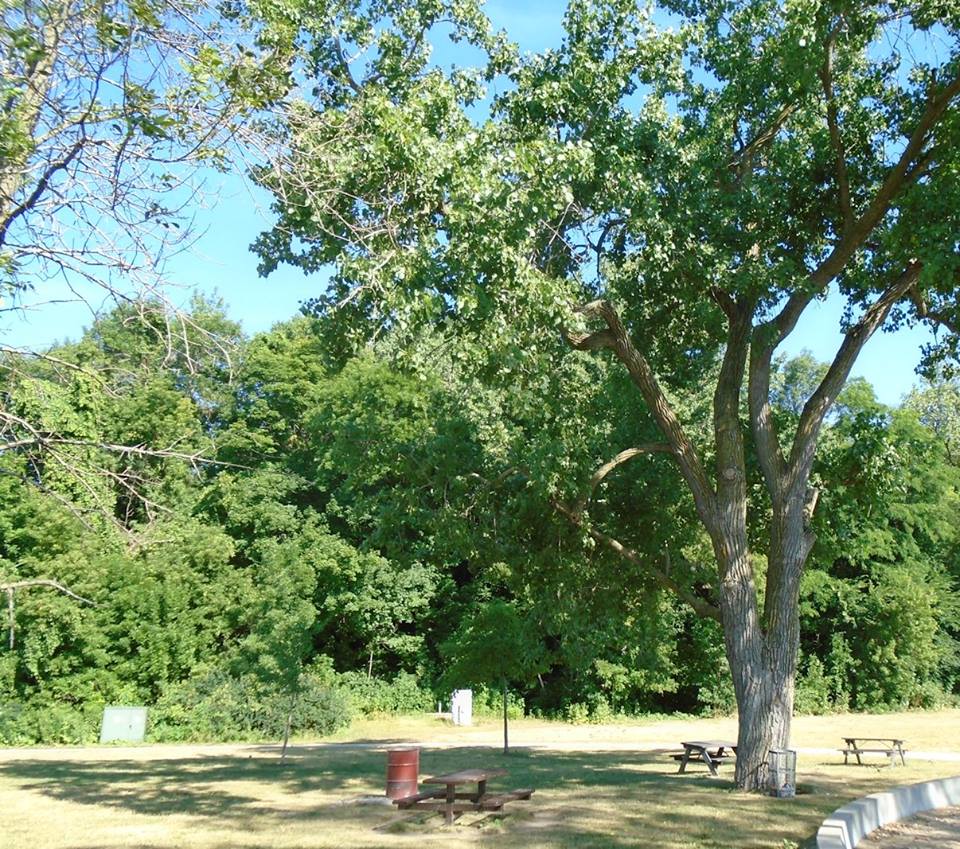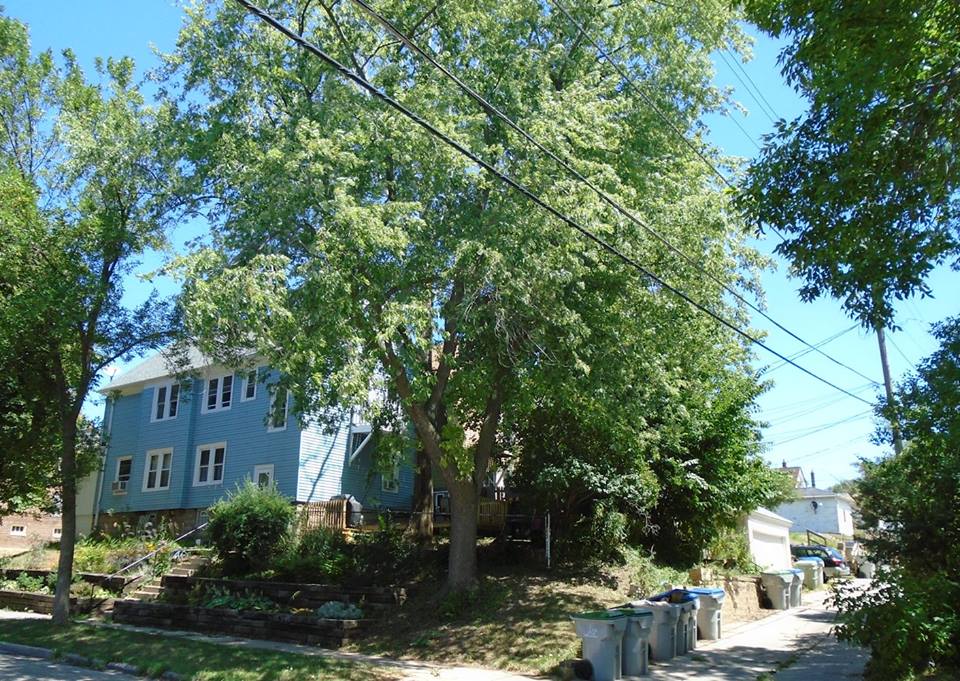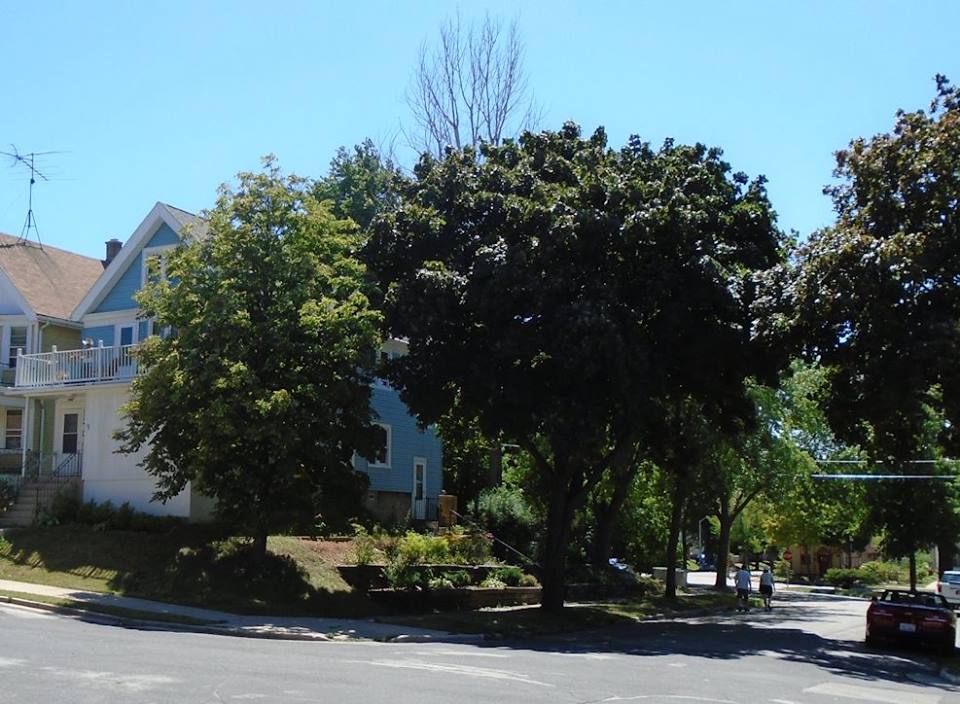
September 2015 Forest Visit Brunswick County

We went down to the farms to plant clover on the new cut over, especially on near the trails, where there is more bare dirt. I was surprised how much had grown up by itself since the land was cut in July. Some is hardwoods sprouted from roots, but other plants are coming up from long-dormant seeds. The clover will hold the soil, provide nitrogen and be good wildlife forage. We will plant new trees in spring, about 400 per acre, thirty acres loblolly and fifteen longleaf and one acre of bald cypress. Loblolly will also seed in from the neighboring trees. In fact, left to their own devices, the loblolly would fill in by itself. It would take a little longer and we would not have the same quality trees, however.

Espen, Alex and Colin helped throw the seed. We did it by hand mostly as a form of performance art. I wanted them to be a part of the regeneration. Probably by the next time we do it, drones will handle much of the job.

I also did some work on our longleaf pine experimental plot. We have about five acres planted in 2012. The trees are doing okay. They have moved out of the grass stage (longleaf look like tufts of grass sometimes for a couple years before the bolt out) and some are now around eight feet high. They did a very good job o site preparation, so there is not too much competing hardwood. I did have to take down a couple dozen volunteer loblolly, however. It is kind of sad for me. If those same trees were growing a little distance away I would be delighted to have them.

It is hard work and I am getting a little too old and weak. The next day there were few places on my body that didn’t hurt. I still do the work with hand tools. I suppose I could succumb to modernity and get tools powered by something other than my aging and now aching muscles.

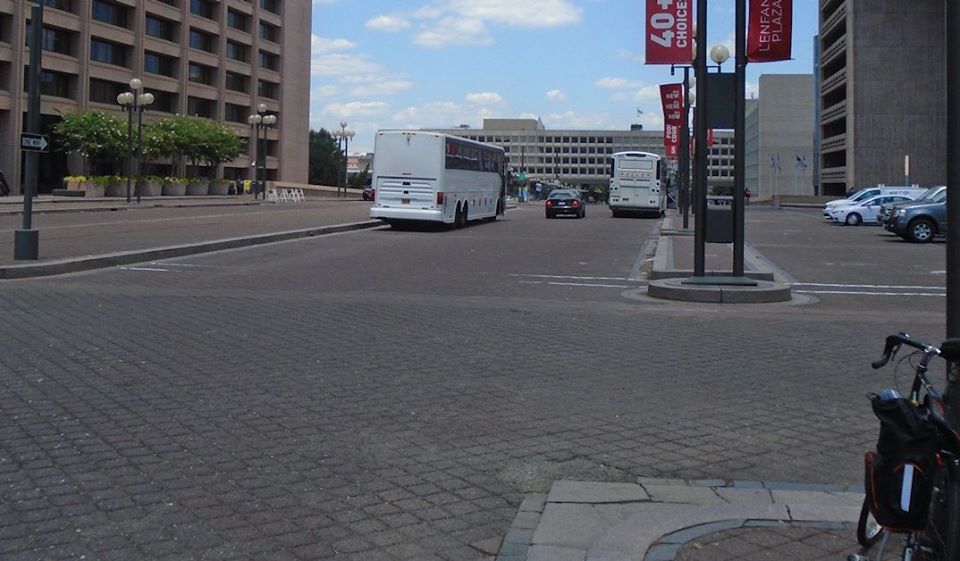
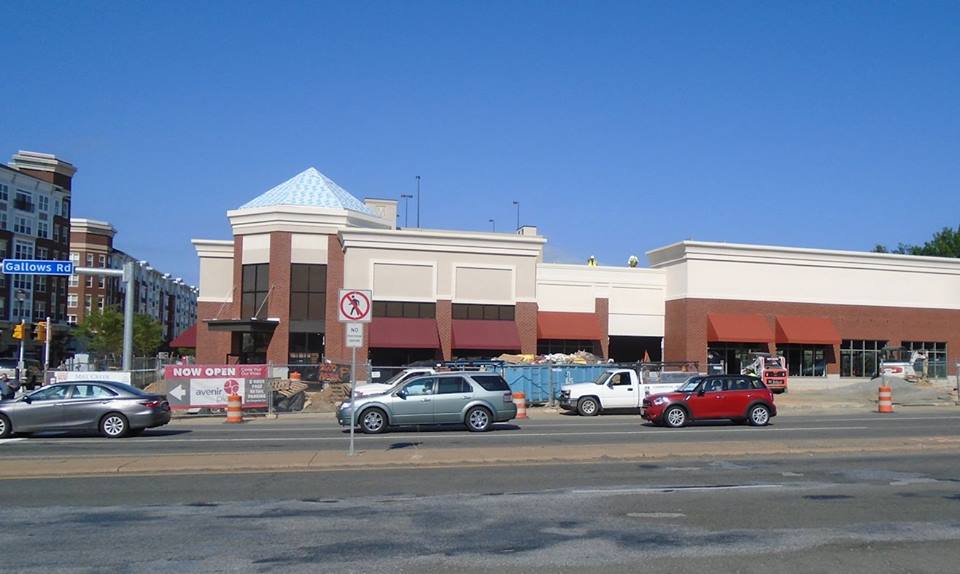
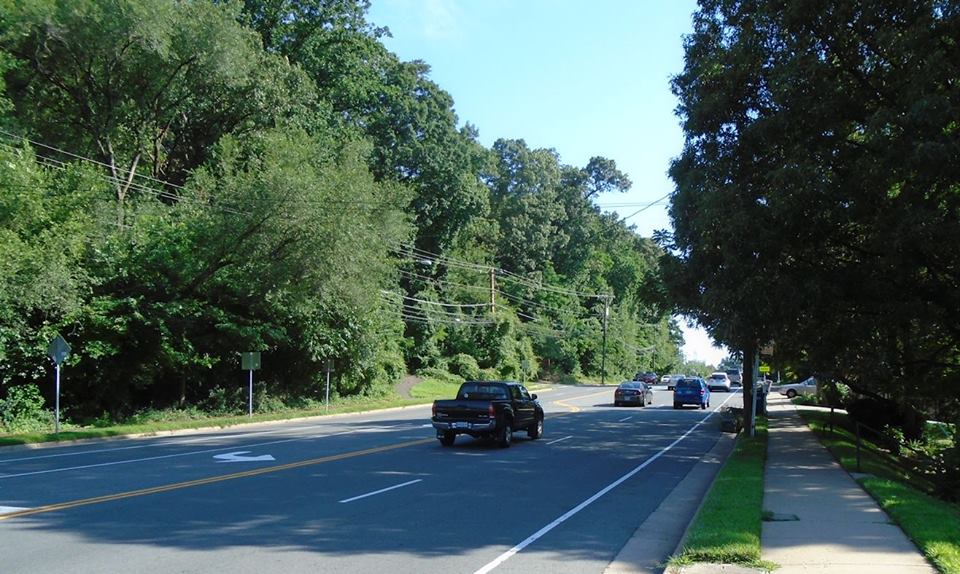
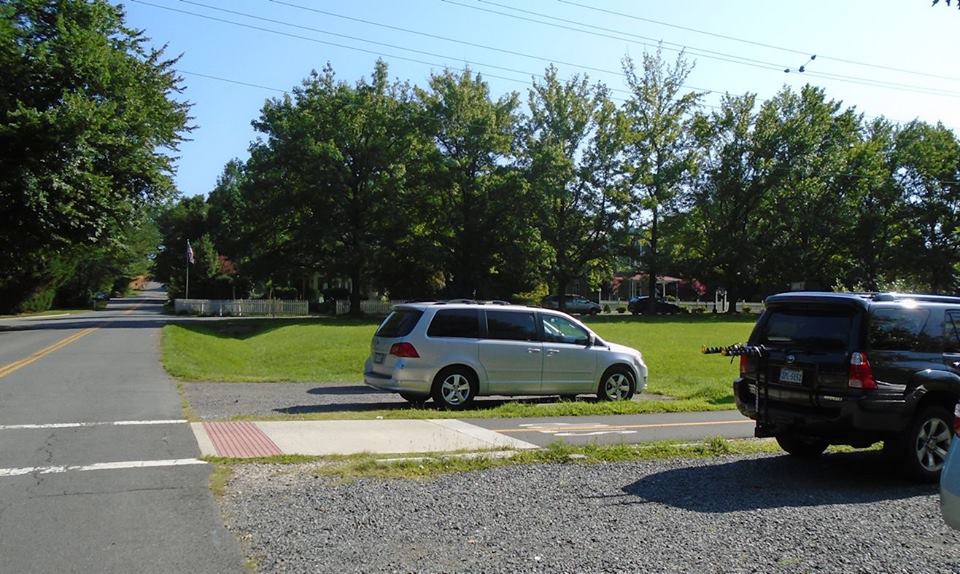
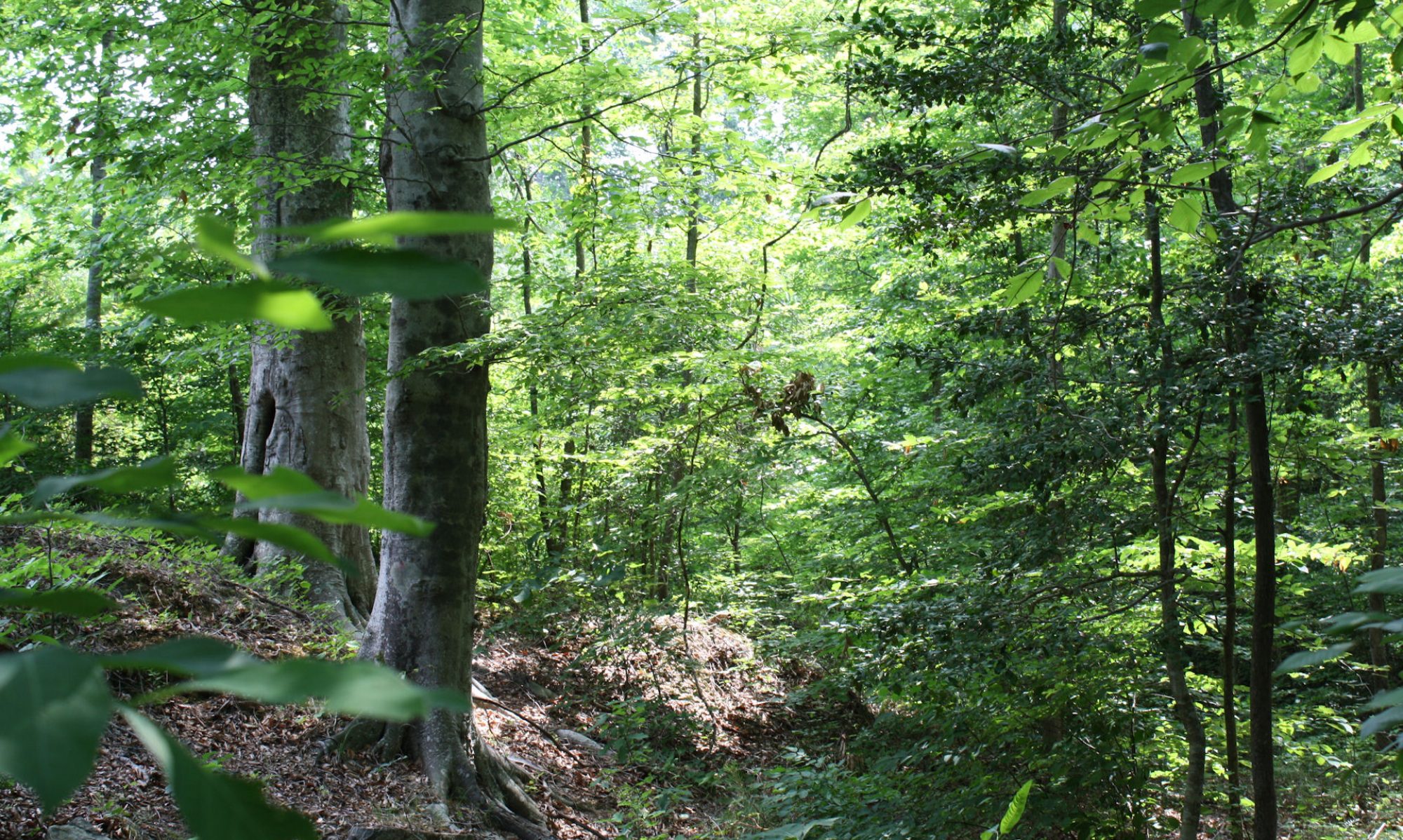
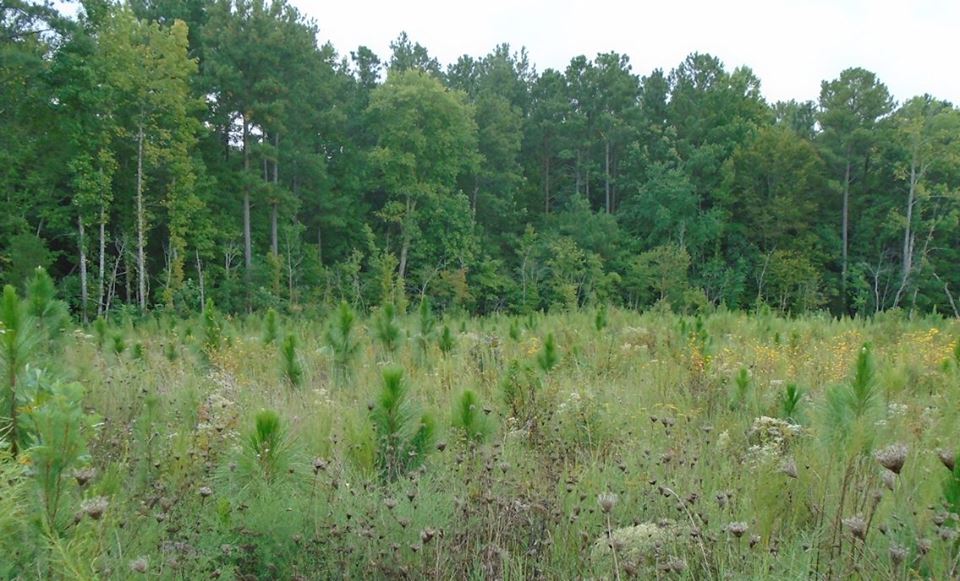
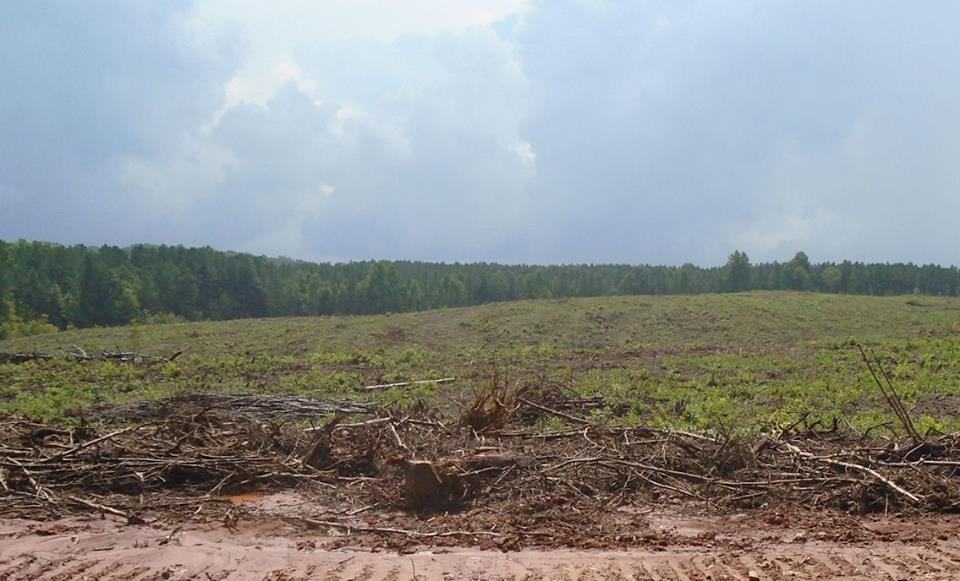
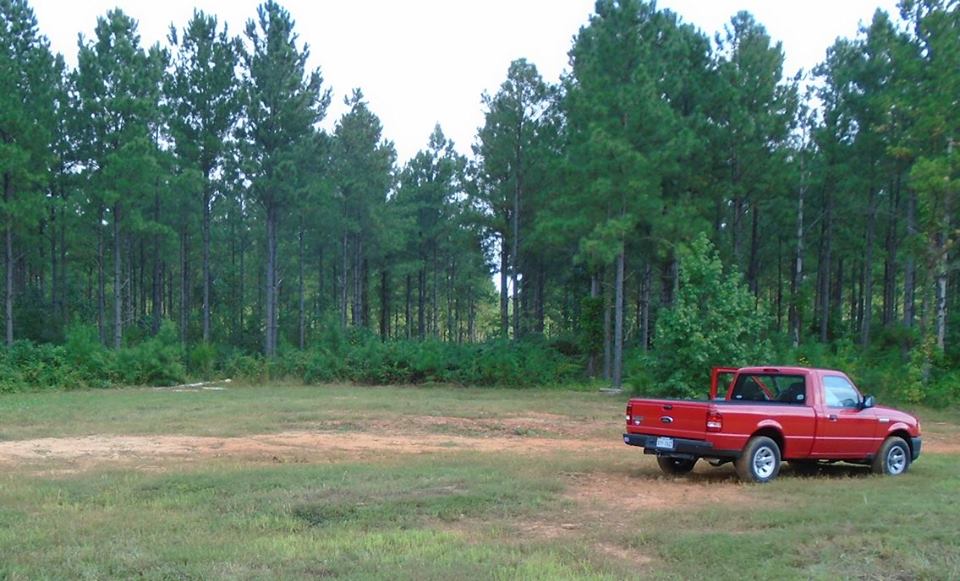
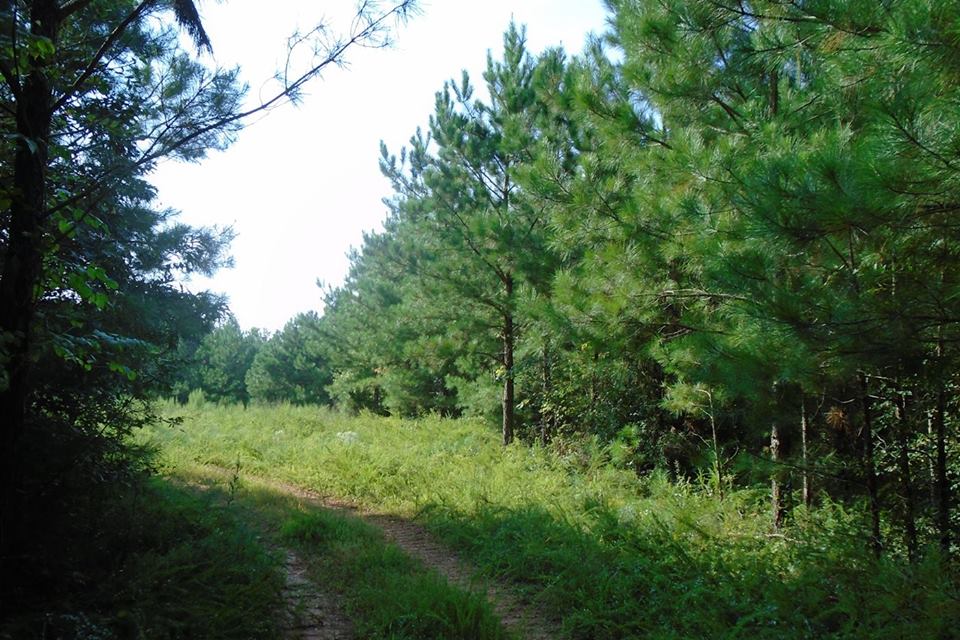
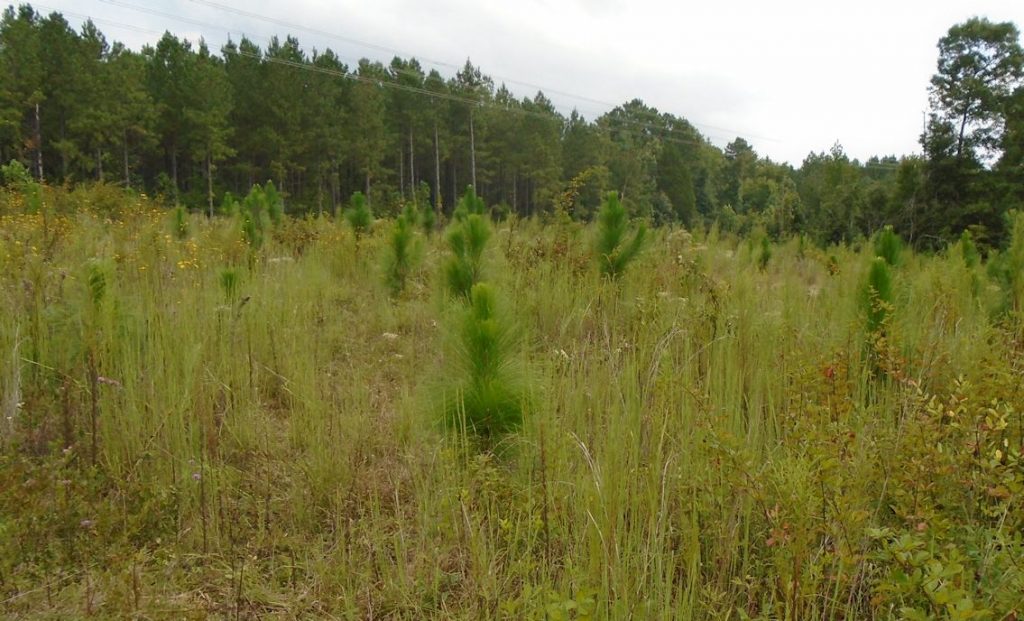
The first picture shows the little longleaf, now in their third year on site. Next is the new clear cut, 46 acres that we will plant next spring. After that are 19-year-old loblolly across from the longleaf. They were thinned in winter 2010-2011 and I think we will do a second thinning in 2017. The first thinning did them a lot of good and the forest is very robust. The last picture is our place on SR 623. The wildlife meadow has quail. Those tree are 11-years-old loblolly. When we got the place, it looks a lot like that clear cut. You can see the forest evolution in the pictures.
Forest visits September 2015

We went down to the farms to plant clover on the new cut over, especially on near the trails, where there is more bare dirt. I was surprised how much had grown up by itself since the land was cut in July. Some is hardwoods sprouted from roots, but other plants are coming up from long-dormant seeds. The clover will hold the soil, provide nitrogen and be good wildlife forage. We will plant new trees in spring, about 400 per acre, thirty acres loblolly and fifteen longleaf and one acre of bald cypress. Loblolly will also seed in from the neighboring trees. In fact, left to their own devices, the loblolly would fill in by itself. It would take a little longer and we would not have the same quality trees, however.

Espen, Alex and Colin helped throw the seed. We did it by hand mostly as a form of performance art. I wanted them to be a part of the regeneration. Probably by the next time we do it, drones will handle much of the job.

I also did some work on our longleaf pine experimental plot. We have about five acres planted in 2012. The trees are doing okay. They have moved out of the grass stage (longleaf look like tufts of grass sometimes for a couple years before the bolt out) and some are now around eight feet high. They did a very good job o site preparation, so there is not too much competing hardwood. I did have to take down a couple dozen volunteer loblolly, however. It is kind of sad for me. If those same trees were growing a little distance away I would be delighted to have them.

It is hard work and I am getting a little too old and weak. The next day there were few places on my body that didn’t hurt. I still do the work with hand tools. I suppose I could succumb to modernity and get tools powered by something other than my aging and now aching muscles.

The first picture shows the little longleaf, now in their third year on site. Next is the new clear cut, 46 acres that we will plant next spring. After that are 19-year-old loblolly across from the longleaf. They were thinned in winter 2010-2011 and I think we will do a second thinning in 2017. The first thinning did them a lot of good and the forest is very robust. The last picture is our place on SR 623. The wildlife meadow has quail. Those tree are 11-years-old loblolly. When we got the place, it looks a lot like that clear cut. You can see the forest evolution in the pictures.
An old forest

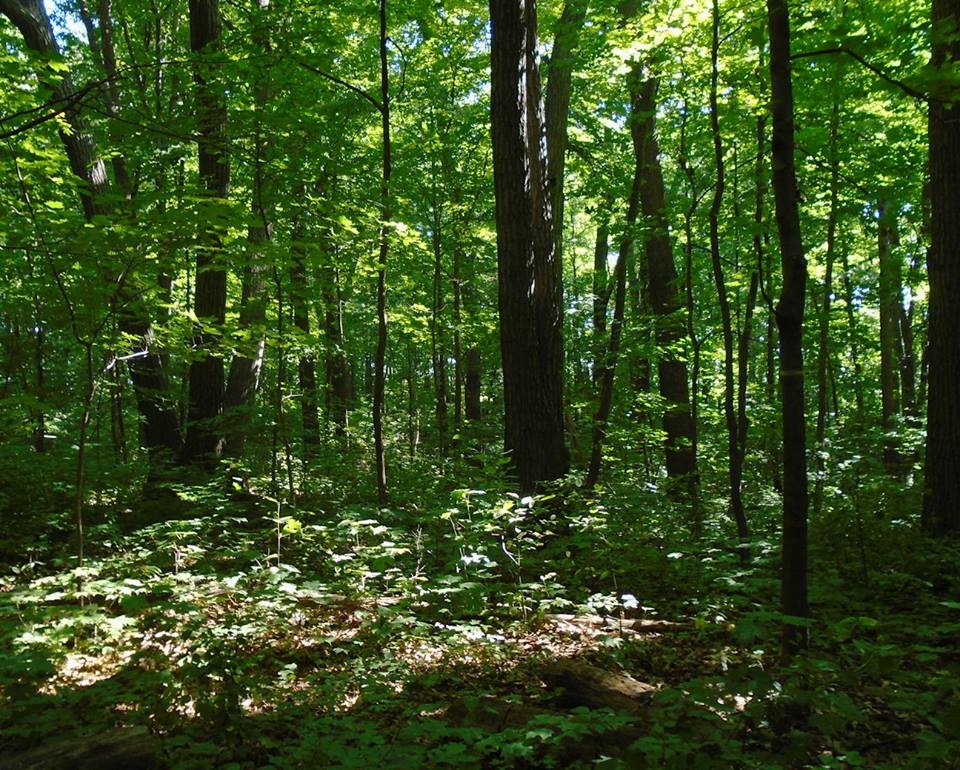
One of the last intact maple-basswood forest in Milwaukee county was about to be made into a parking place for trucks back in 1972. The County bought it and preserved it as Cudahy Nature Preserve. It is only around 40 acres, but it had managed to avoid the ax for a couple hundred years, so it had the trees, soils and some natural communities intact.
 
I started to go out there before it was a park. I have a relationship with it long term. I went out there and walked around the day after my mother died in 1972. My cousin Ray Karshna used to live across the street, so I would visit him and then look in on the forest. It is thick and dark. Deep shade trees like maples and basswood are dominant. There are some oaks, but mostly near the edges. Milwaukee is a very interesting ecological region. The range of beech trees extends only about a mile inland from Lake Michigan. The Cudahy Forest is just a little too far inland.
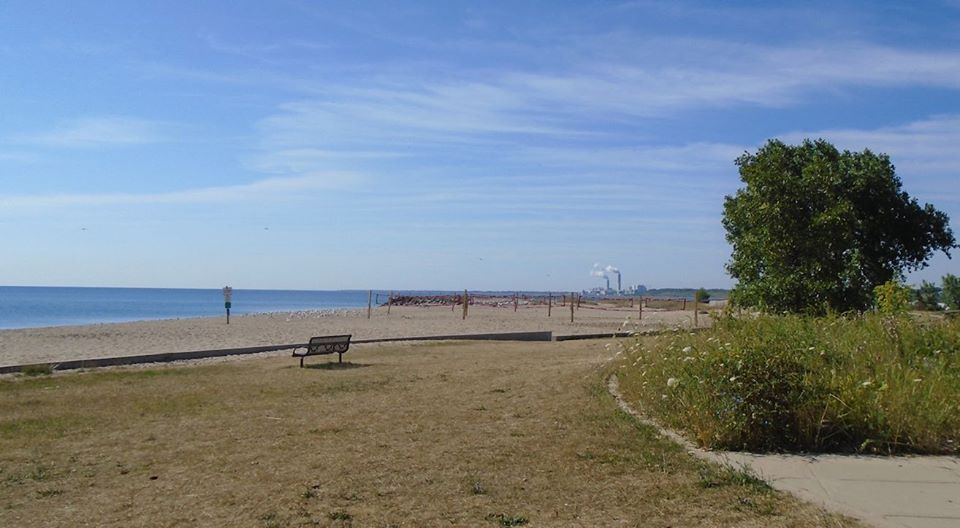
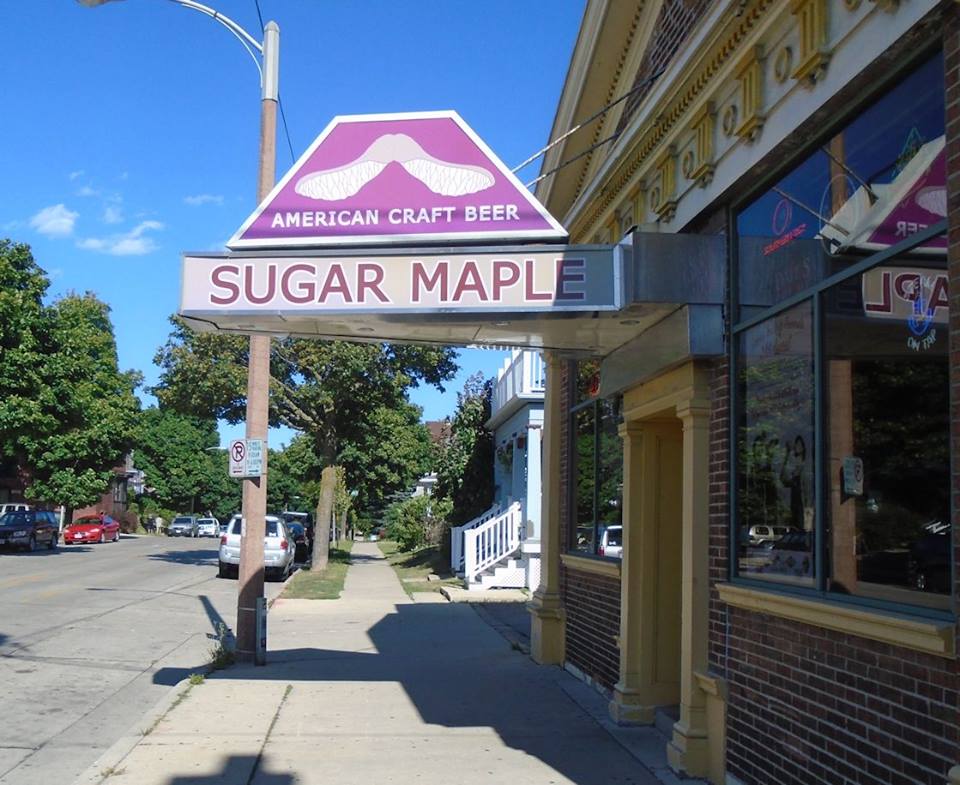
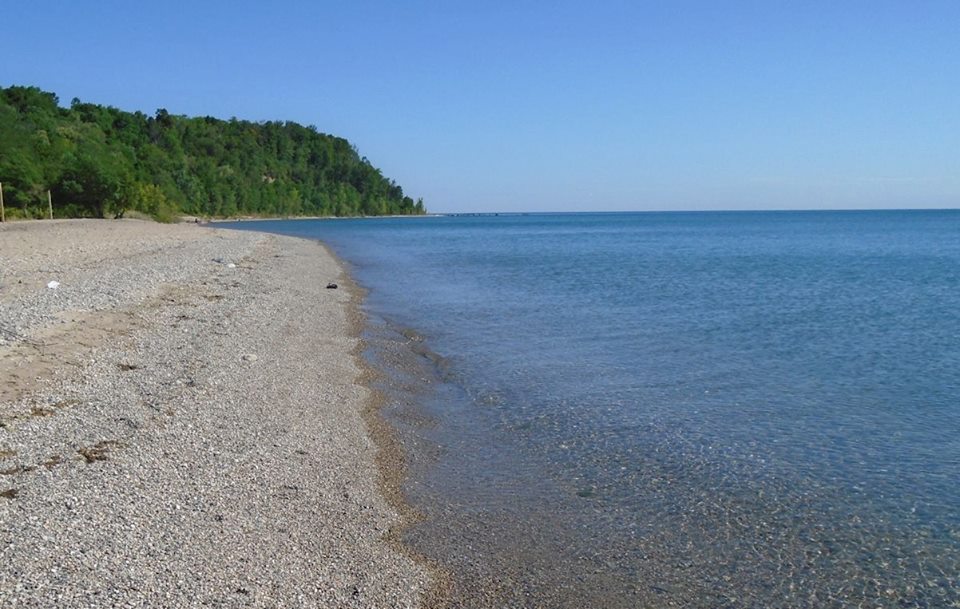
My other pictures show Lake Michigan at Grant Park. And the sugar maple brewery on Lincoln Avenue. Interestingly, the logo shows the seeds of a Norway maple, not a sugar maple.
 

Bur oak

Bur oaks are characteristic of “oak openings” or areas of oak mixed with grasslands. The famous naturalist Aldo Leopold wrote about them in “Sand County Almanac.” They are robust against fire, which is one of the ways they survive. They grow slowly. Some get pretty big; others just get old but stay small.

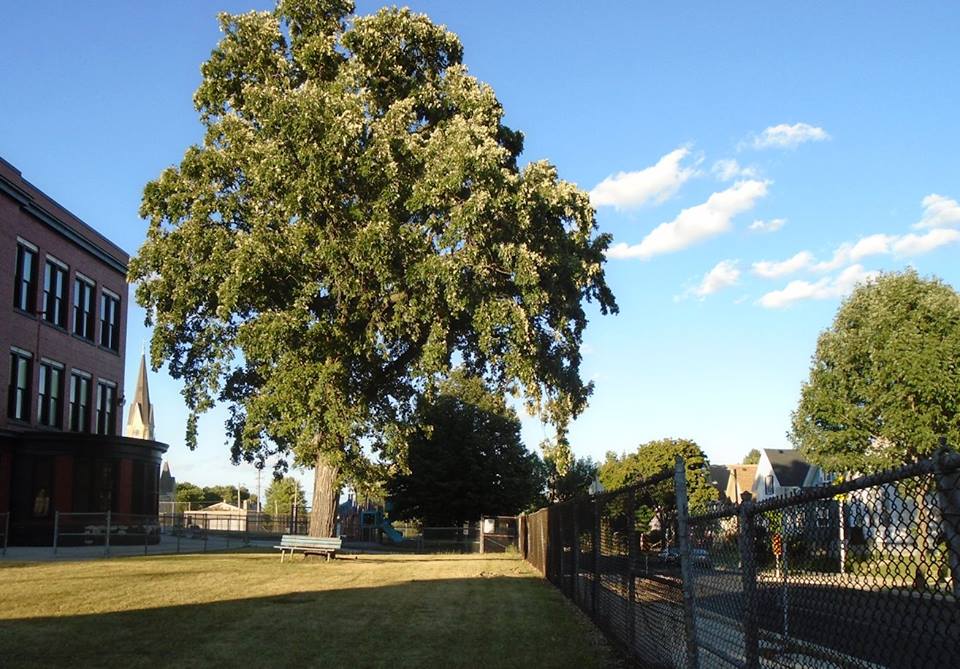
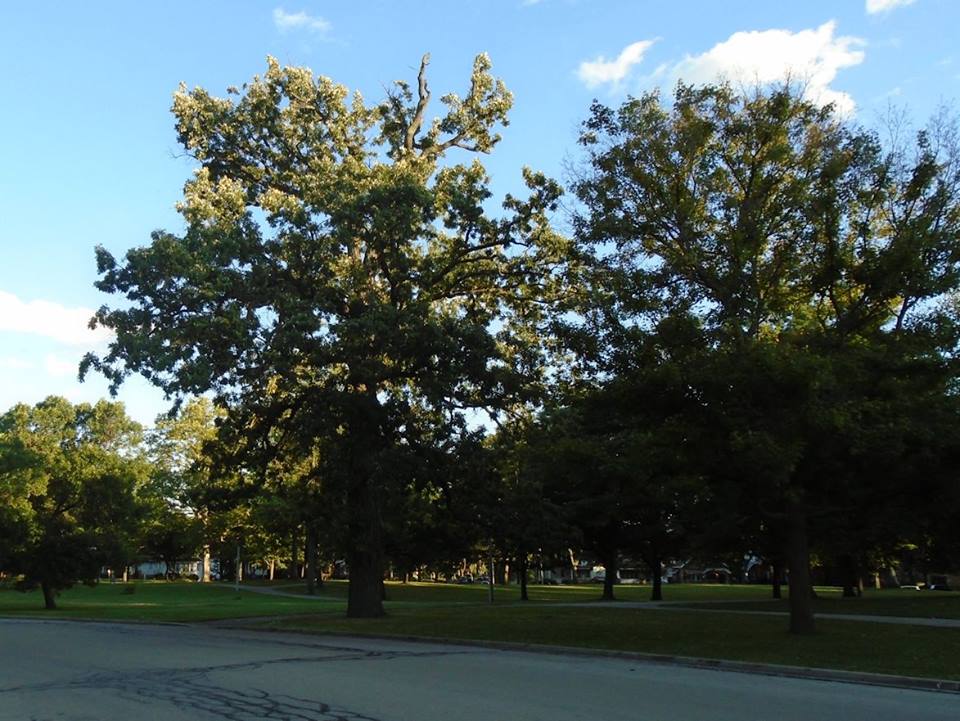
There are two bur oaks that I know “personally.” One is at Dover Street School and the other in Humboldt Park. Both are big and old. They were old when I was young. The first pictures is at Dover. I played under it when I was in kindergarten. It used to be surrounded by asphalt, which evidently did it no harm. Now it has grass. The other one is in Humboldt Park. I admired it since I was young, although not as long as the one at Dover St.

The next picture are honey locusts along Pine Avenue. They were planted in the 1970s. They take a very long time to grow, but they keep on going and get pretty big. The last picture is a big old cottonwood at Grant Park. I like cottonwoods. They grow fast and don’t live long (for a tree) but they are good early succession trees.

The old house

Finally getting around to posting from my trip to Milwaukee a couple weeks ago. My sister did a better job of posting some of the social stuff.

My posts are mostly about changes with trees, so please feel free not to read more. I am interested in changes and trees. I am surprised sometimes how fast and sometimes how slow things change.

Let me start with my old house on Dover Street and the trees. So you can see how fast they grow, or not. It is only with my advanced age that I get some perspective on tree. The big trees are not always the oldest ones. And some get to a particular size and then just kind of stay that way.

The first picture is a silver maple. My uncle Ray Karshna planted it 1967. He dug it out of the bushes at his house. I was a volunteer. The maple grew fast and then mostly stalled.
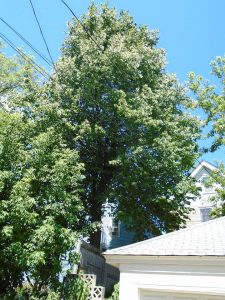
Next is my basswood tree. I planted that in 1972.  I brought it home from the woods on College Avenue, carried it in a plastic bad riding my bike.   I pruned it and guided it over the wires and now it is pretty robust.

The horse chestnut on the hill is from 1966. I grew it from a chestnut that year.
Finally, we have the crimson Norway maples. They were planted in 1973 by the city of Milwaukee.

Warnimont Park by the Lake

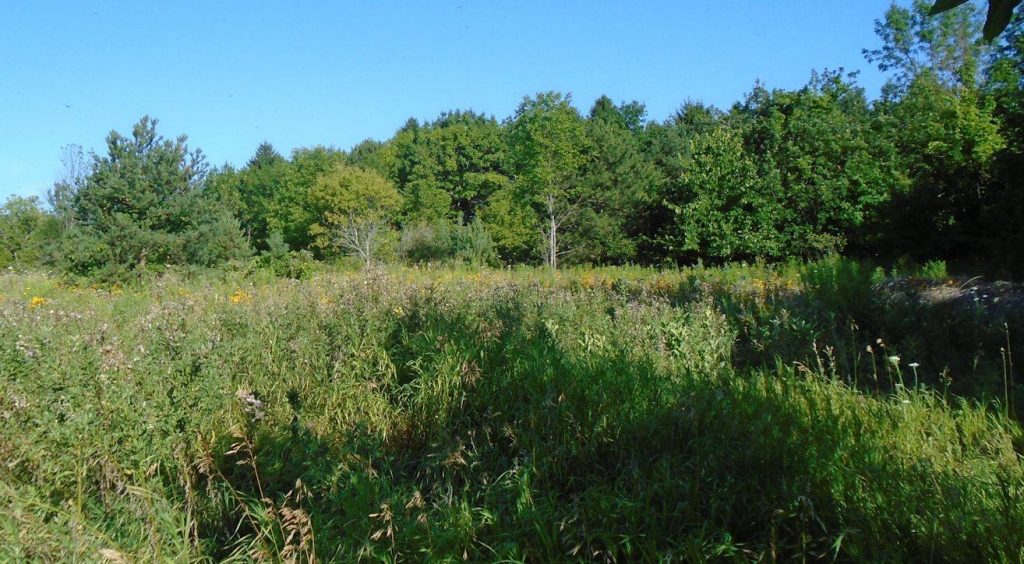
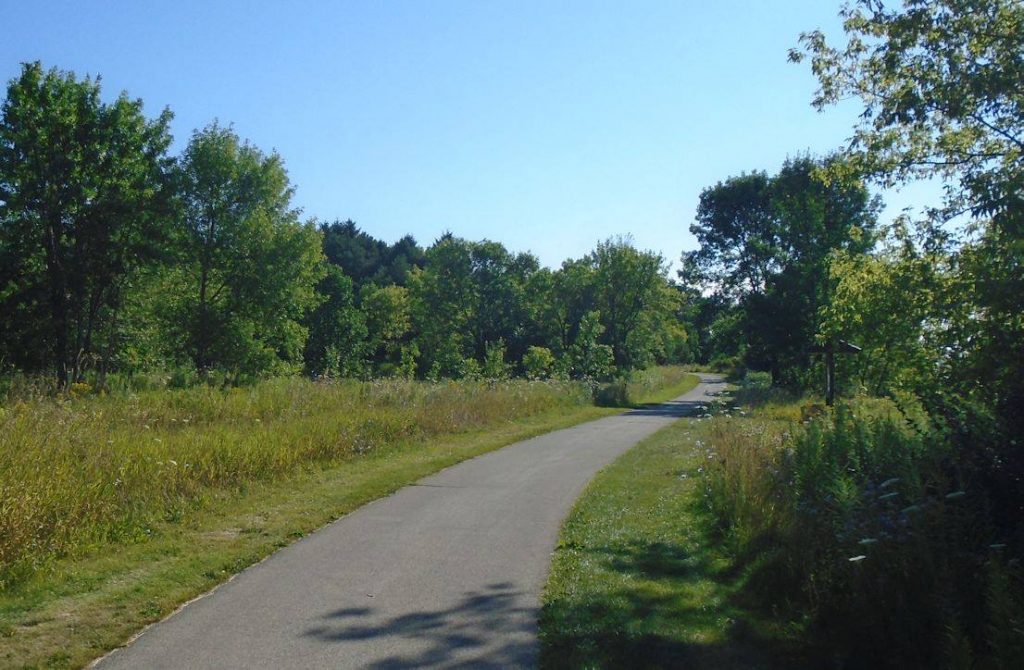
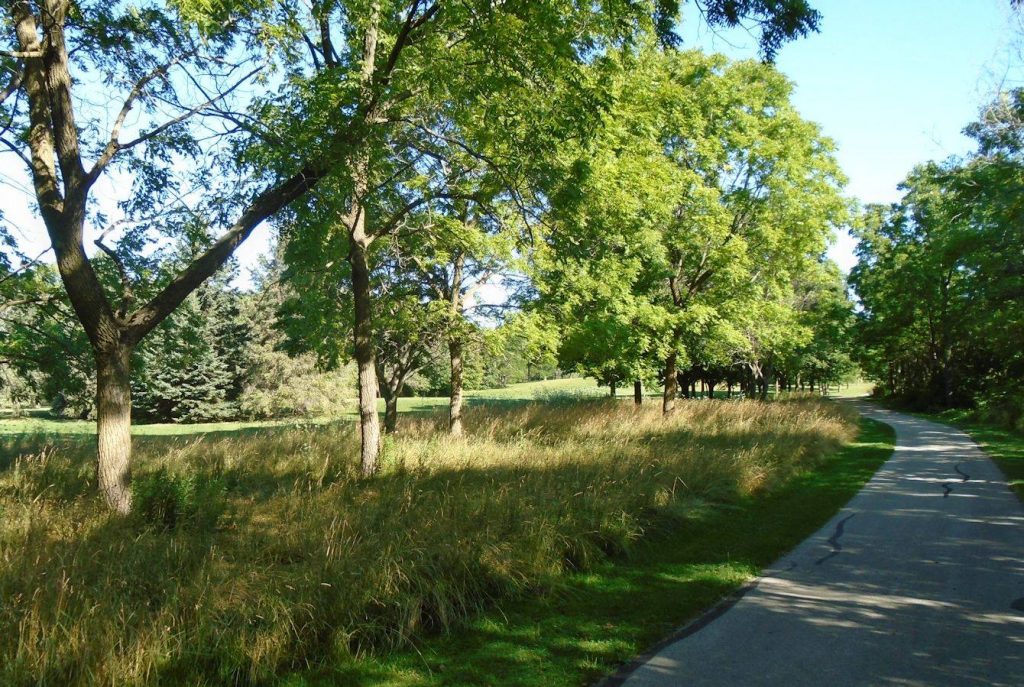
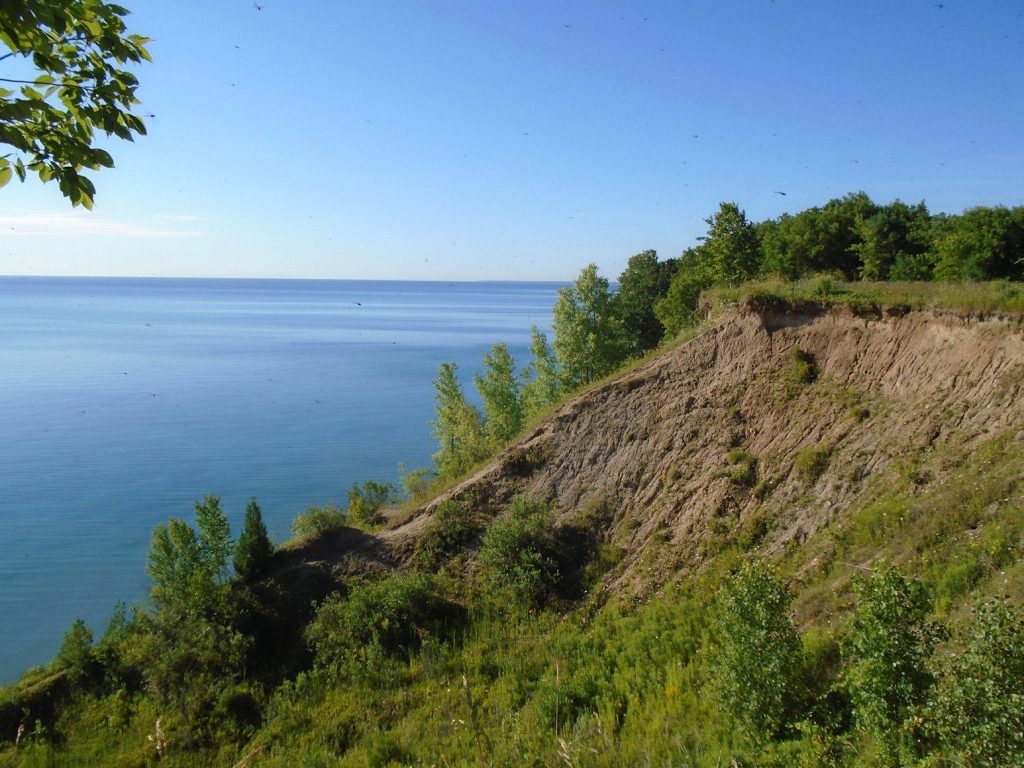
Natural succession is the way that the ecology changes over time. The textbooks usually take it from an open field or a pond to a forest. You can see natural succession in Warnimont Park in Cudahy. Around 1970, the park was mostly grass. I started to run down there about that time.  I remember there were lots of thirteen-lined ground squirrels. They stopped mowing and soon wildflowers moved in, followed by pioneer trees Today, large parts are young forest. I have watched the evolution over the past 45 years.

I do wonder a bit about the future here. In SE Wisconsin, green ash are among the most important pioneer trees. With the emerald ash borer, I wonder what will happen.

The first picture is still mostly meadow I think they cut it occasionally. The second shows the running/bike path with young forest. That used to be all grass. Next is a grove of black walnut. They planted those in the 1980s. Last is one of the bluffs. If you look closely, you will see all the dragon flies.  The sky was full of them.  They are generally beneficial.

Milwaukee, August 2015

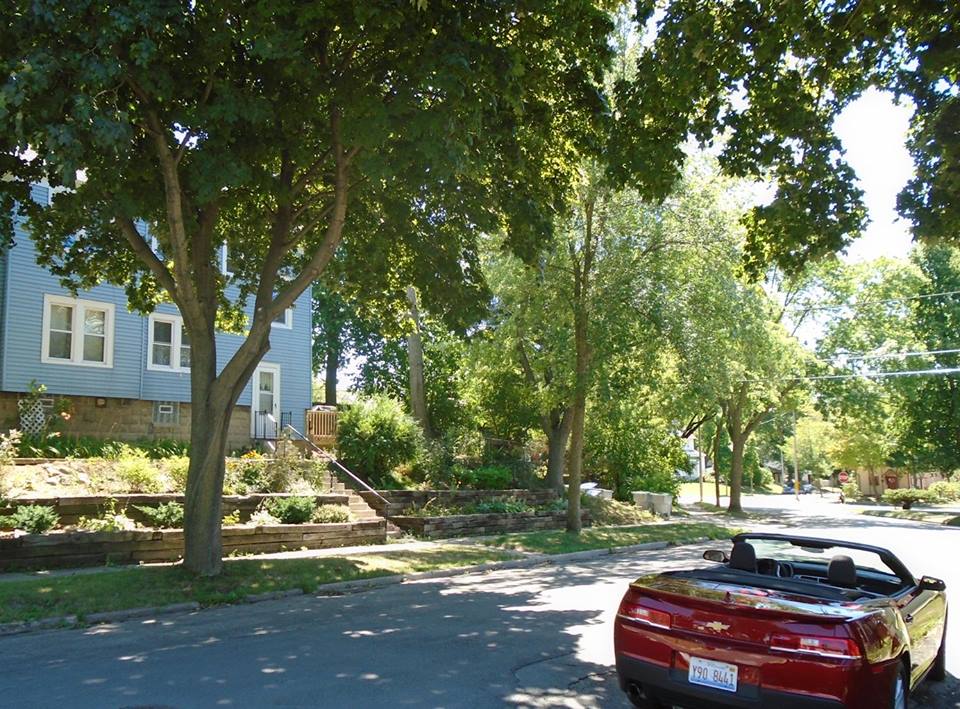
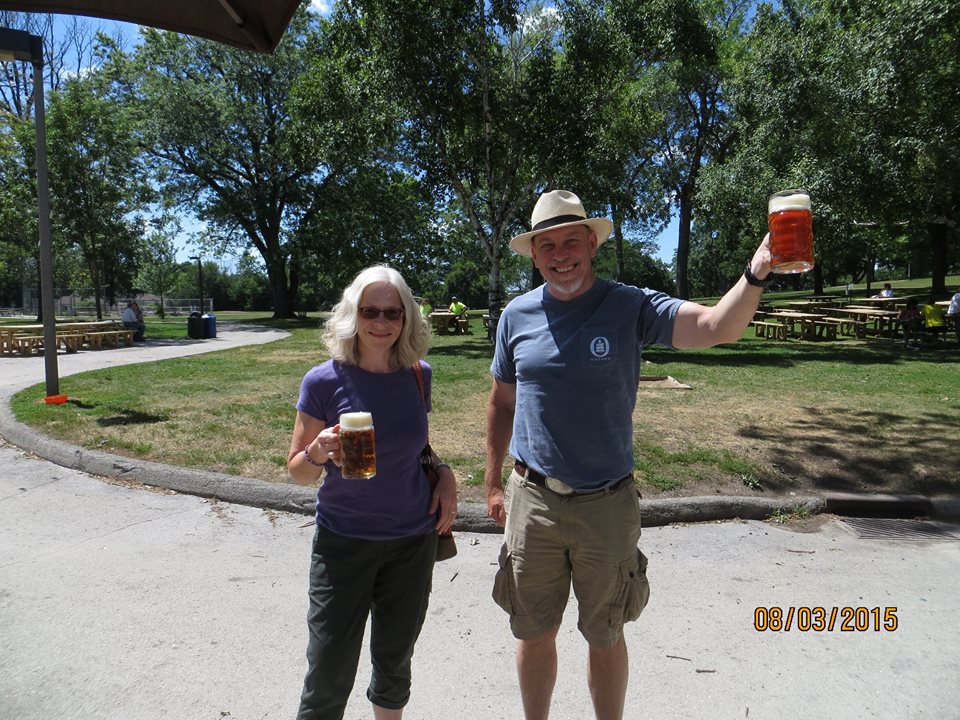
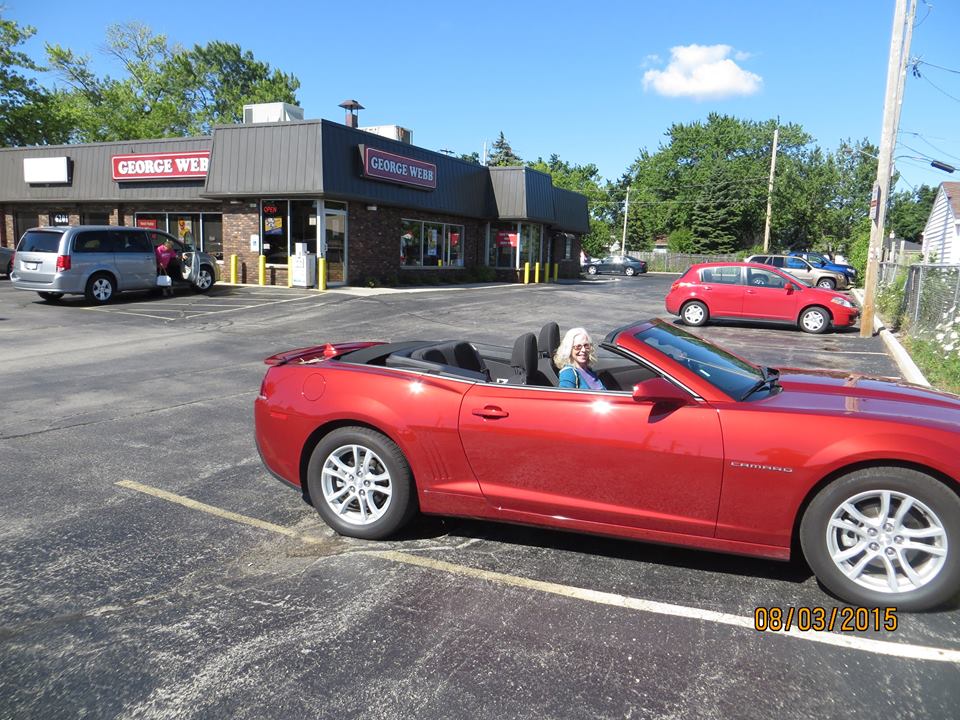
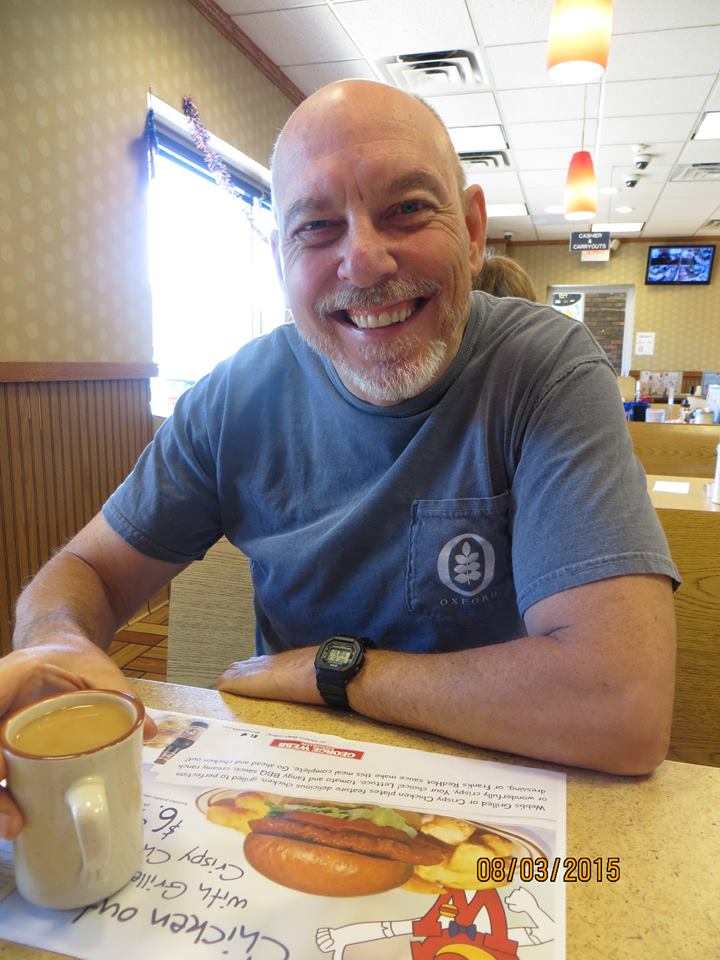
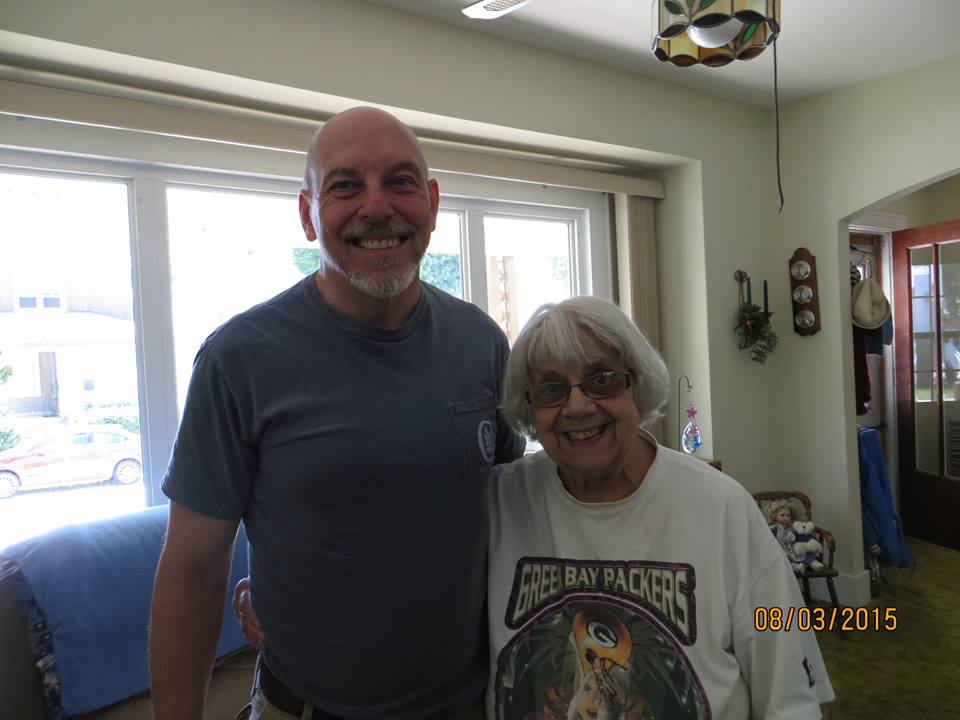
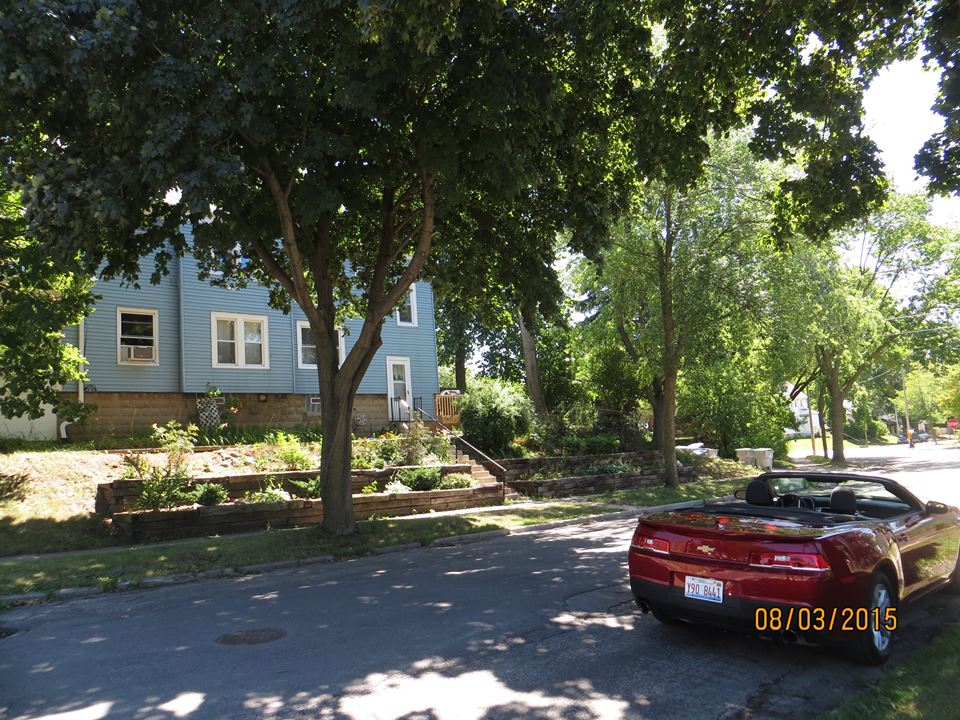
Jake and I had a “traditional” day: breakfast at George Webb’s, a look at our old house, visited Mrs. Gebhardt, a stop at (formerly) Medusa, and lunch at the Cousins on KK. Added a new tradition: the beer garden at Humboldt Park. I didn’t get to drive the convertible he rented but we had perfect weather to enjoy it. Later with Greg, Dorothy, Mary and Dick, had dinner at Café Central in Bay View. Fun day and great weather.


Last days at Smithsonian

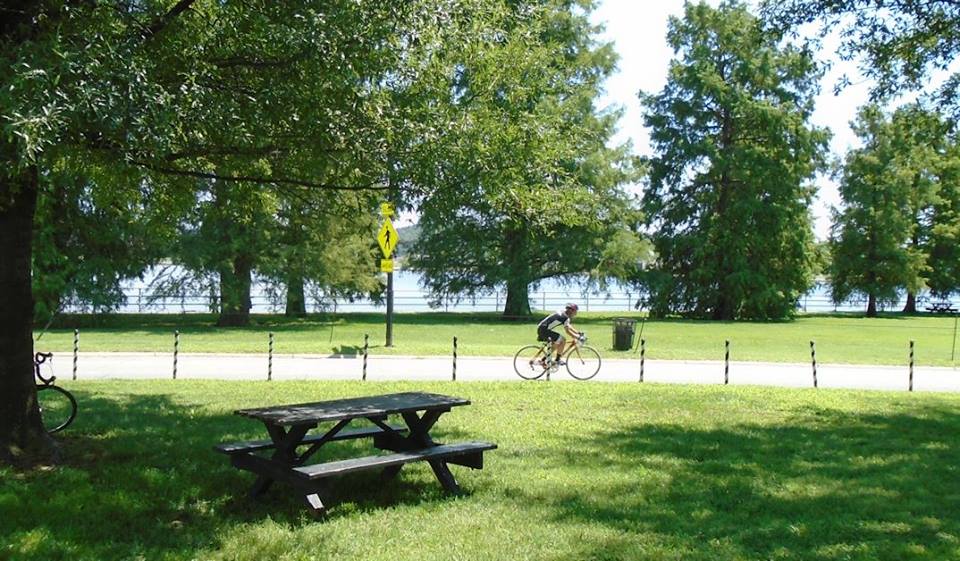
My last day at Smithsonian. I went to HST first for a couple of appointments and then road my bike over to Smithsonian. I took the long way, i.e. went around Hains Point. It is a near perfect place to ride a bike, with a smooth road surface and a flat terrain.

I used to run down there, especially when I was studying Norwegian, since I lived nearby. I used to memorize lines and then repeat them, over and over, out loud, as I ran along. I don’t doubt people thought I was nuts. But language learning is a physical process. It is not enough for your brain to know it; your mouth has to be able to make the sounds w/o too much trouble and there is no substitute for repeating. It is like knowing how to ride a bike and really being able to ride a bike.

When I passed my language test and did my run w/o the need to talk to myself in Norwegian. I felt strangely empty, lonely, as I trudged along in silence.

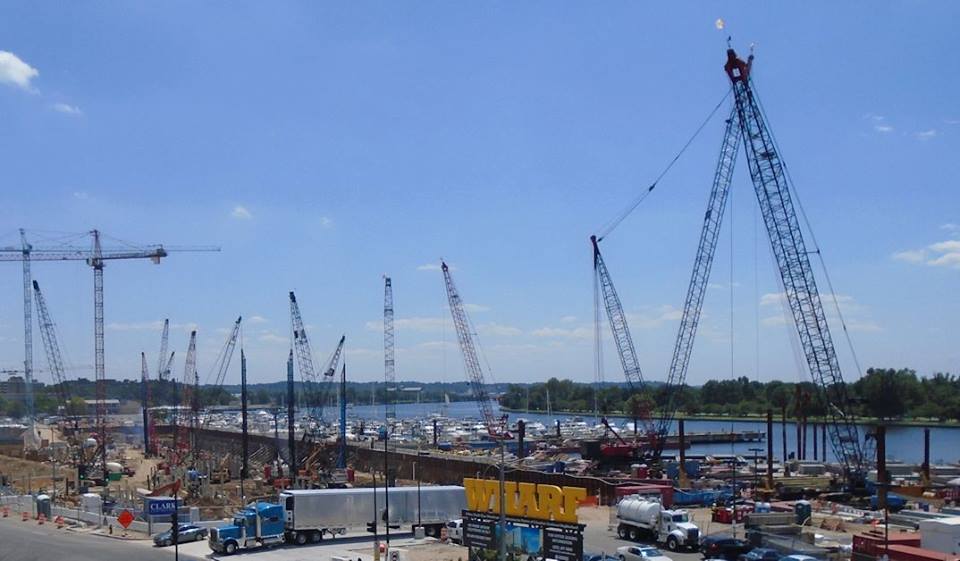
A convenient way of going from Hains Point to Smithsonian is across the bridge to L’Enfant Plaza. My river picture shows new developments along the river. They are building a wharf complex of restaurants and shops.

L’Enfant Plaza was built in the 1960s as part of urban renewal and is evidence that bad architecture was the worldwide norm during the 1950s and 1960s and not only in benighted places in Eastern Europe. We forgot how to build pleasant buildings during that period.

My last picture is unrelated to the others. It shows the farmer’s market near Mariza’s house in Baltimore. It is a nice touch. Her neighborhood still has some crime, but there are lots of good developments too.

Washington bike commute post 1

I have been commuting on my bike in Washington for more than 30 years – on the same route, riding the same bike for almost 20 years. But this epoch is coming to an end soon. Thursday, I had the perfect bike day. It was only 63 degrees when I set off, with sunshine and low humidity, so I took my camera to document the ride.
 
It is a total of 17 miles from my house to old USIA, which I count as the end for reasons of both tradition and practicality. Back in 2005, I started to do the one-way ride, i.e. riding to work but taking the Metro home. You can take your bike on the Metro after 7pm. When I worked in old USIA, I used the Federal Center SW Metro. I still do, since I really cannot find a place for my bike if I get on at Foggy Bottom or Smithsonian. I do not take the shortest or the faster route; I take the most pleasant one that mostly follows bike trails or quiet streets. I would say that I am lucky to live near both a Metro stop and the bike trails, but that is not true. When we bought our house in 1997, one of the most important consideration was that the house be near both the Metro and bike trails.

I will break this up into several posts, so that I do not have more than four pictures per post.

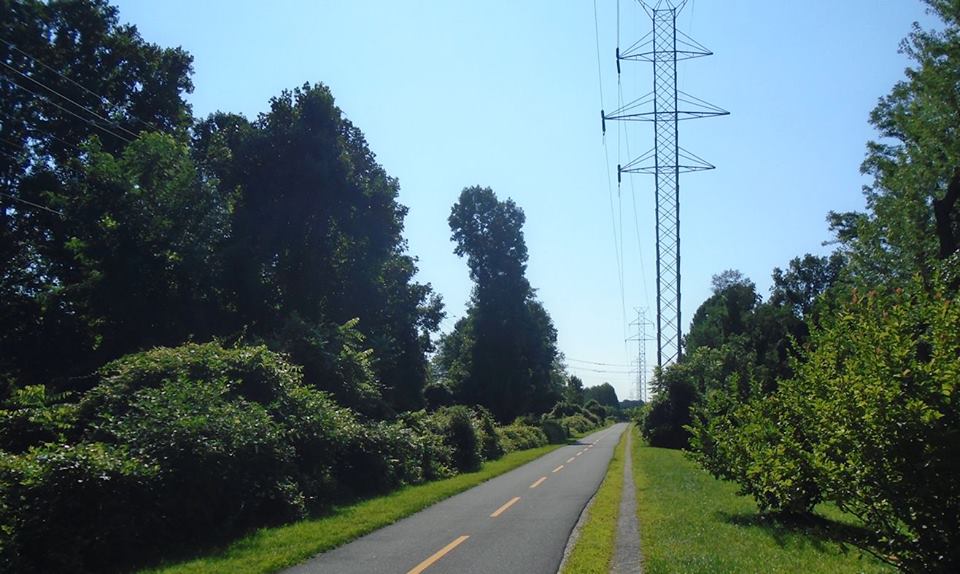
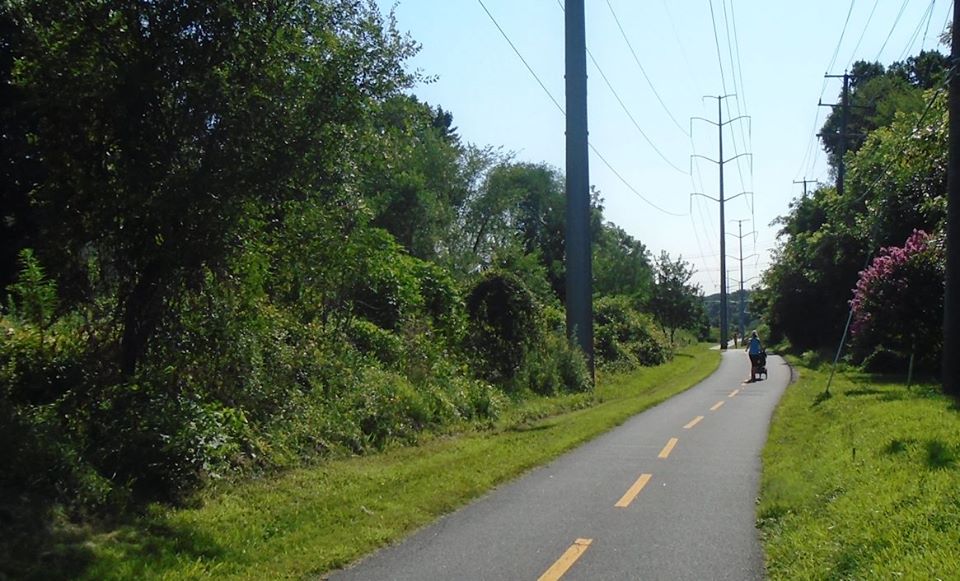
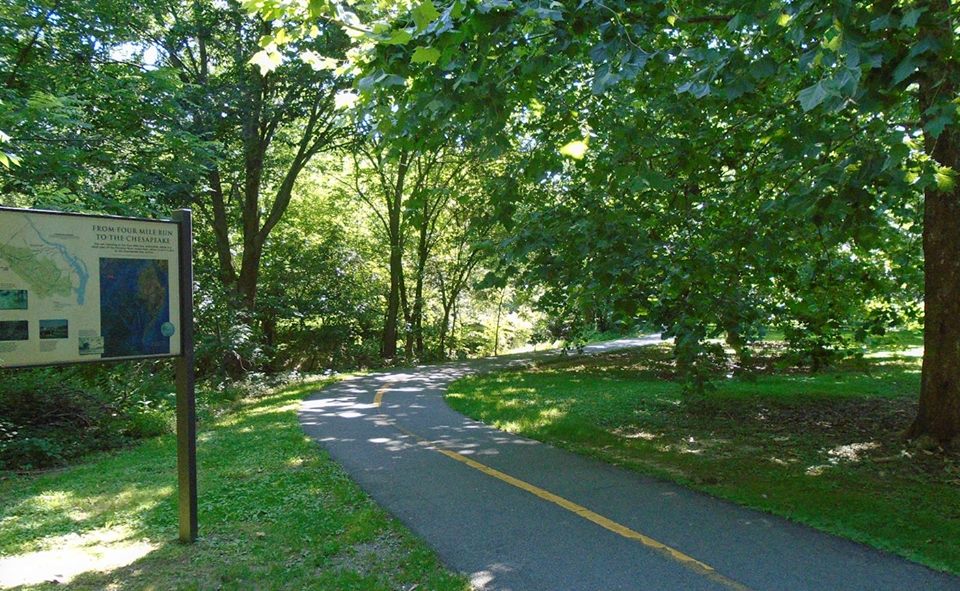
This is my Metro station with the area around under construction. It will be a nice place within a few weeks. There are already a few restaurants open and there will be a Harris Teeter. Next is way up Gallows road. Usually it is pretty clear and most cars respect the bike path. Here is where I catch the W&OD trail and next is looking down it.

Washington bike commute post 2

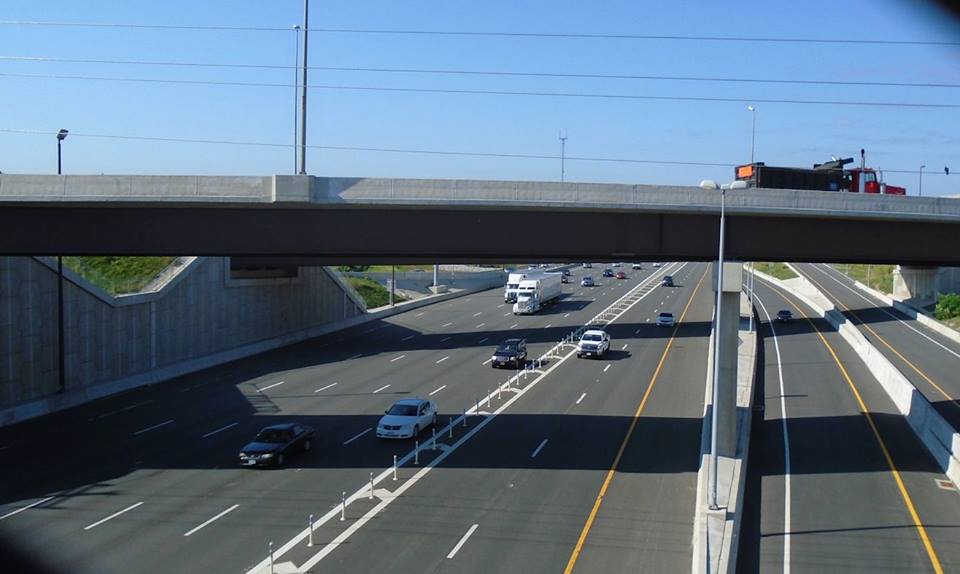
Post 2 – This bridge crosses 495. My experience with commuting is atypical. I don’t think I have driven to work in Washington more than a dozen times in more than thirty years.
 
I mostly share the trail with runners and a lot of women pushing baby carriages.
 
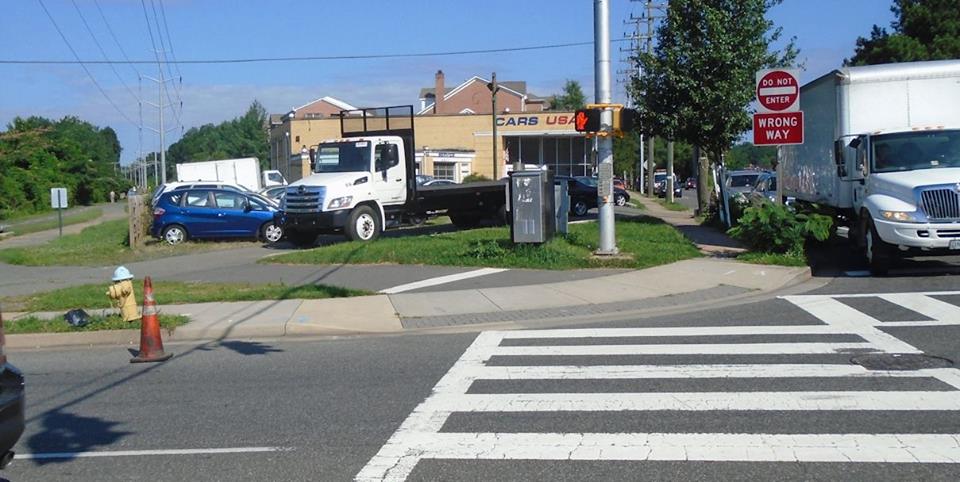
Next is crossing Lee Highway. The most dangerous are people making right turns. MOST drivers are respectful of bikes. Things have improved a lot. There are more bikes now and drivers are better behaved, but you still need to watch.