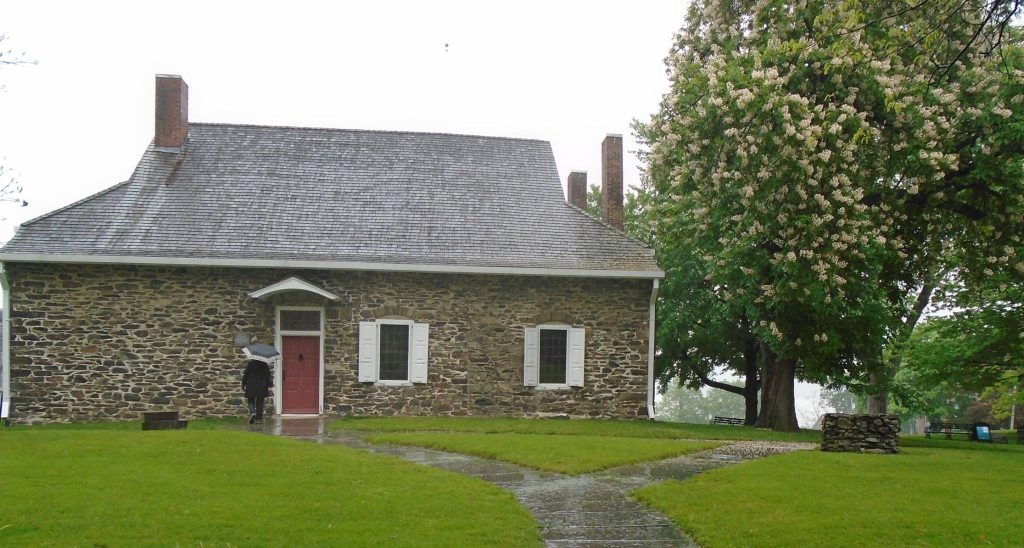
I wanted to stop off at the place where Washington ended the Newburgh conspiracy, so I went to where I thought it was, i.e. Washington’s headquarters in Newburgh. I found a nice museum and a beautiful location, but not the site. Seems the actual conspiracy took place at New Windsor Cantonment, about five miles away. The woman at Washington’s HQ assured me that Washington had prepared his presentation in the building pictured. The building at the Cantonment has been reconstructed, but I figured that I got close enough.
I will attach background on Newburgh in the comments section. Please read it. It is one of the most important instances in American history. Washington’s action and his character turned the tide and prevented America debouching into the authoritarian dictatorship that usually follows successful revolution.
Washington was an extraordinarily disciplined man. Character to Washington was something to be build over a lifetime. He was very sensitive to this and played his role well. In the case of the Newburgh Conspiracy, Washington knew his speech alone would be insufficient. He needed to lean on his character and employ drama, which he did wonderfully. I will include a clip from a miniseries on Washington. It is worth watching in general, but go to 18 minutes and watch the Newburgh part.
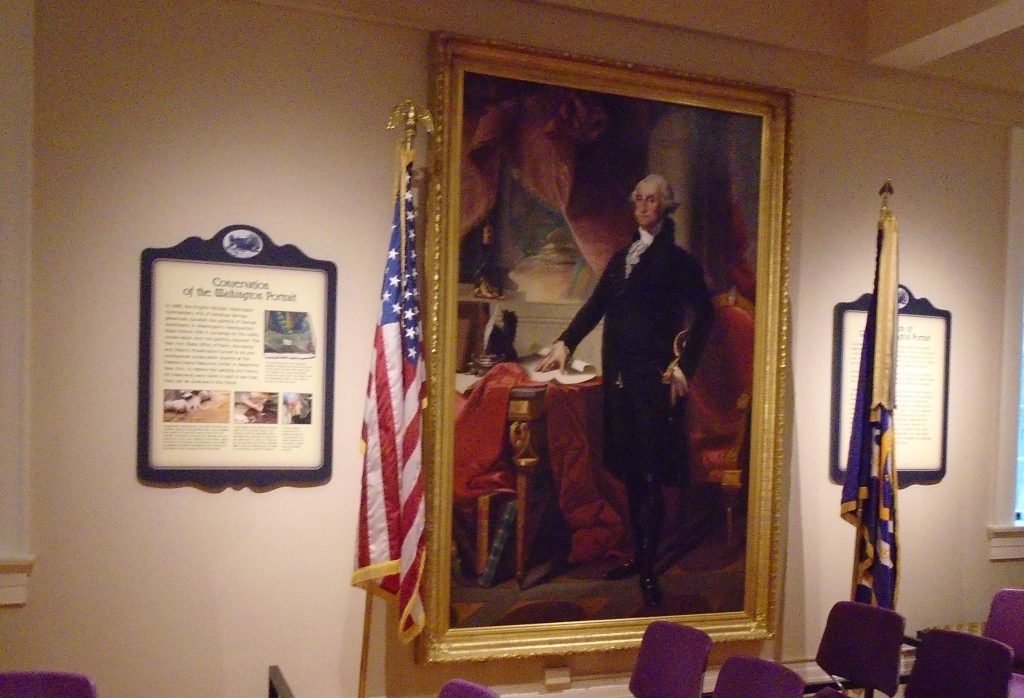
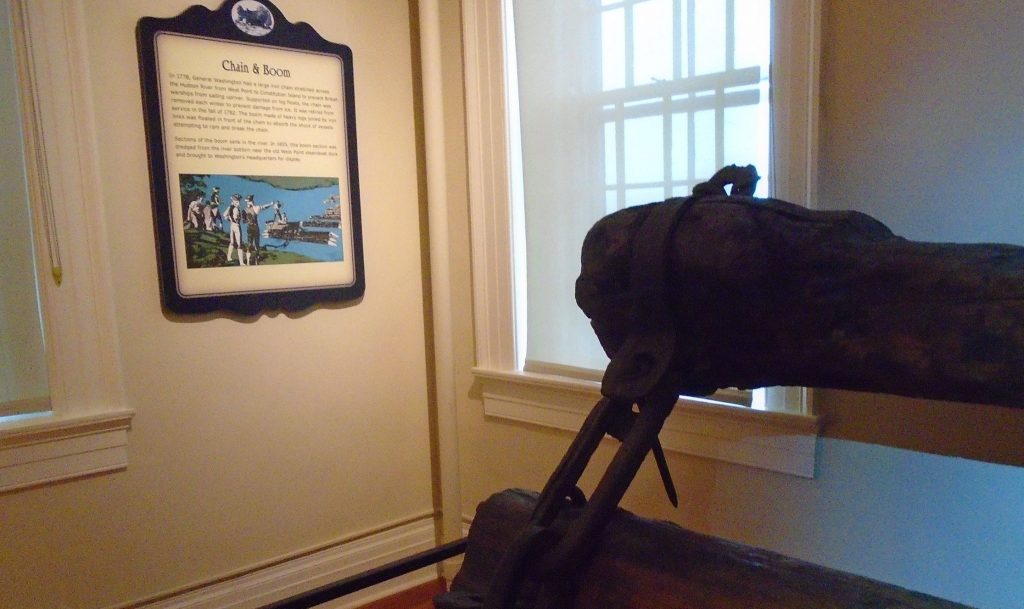
My pictures are from Washington’s HQ and the museum. It was raining hard, so I didn’t my outside picture was a bit hasty. Notice the beautiful horse chestnut next to Washington’s HQ. The log is part of a boom that closed the Hudson so the British fleet could not divide the colonies.
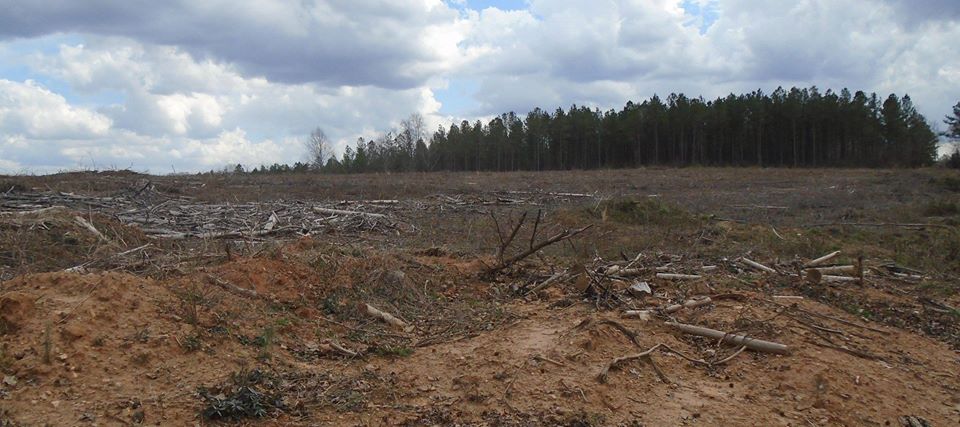
Some pictures from my tree farm visits – May 4, 2016. My new plantation is scary. We planted 46 acres: 15 longleaf & the rest loblolly. It is hard to find the little trees. But I remember how hard it was with the first forests in 2005. They are there (I hope). I found some. I also took some pictures of the 2012 longleaf and the loblolly plantations.
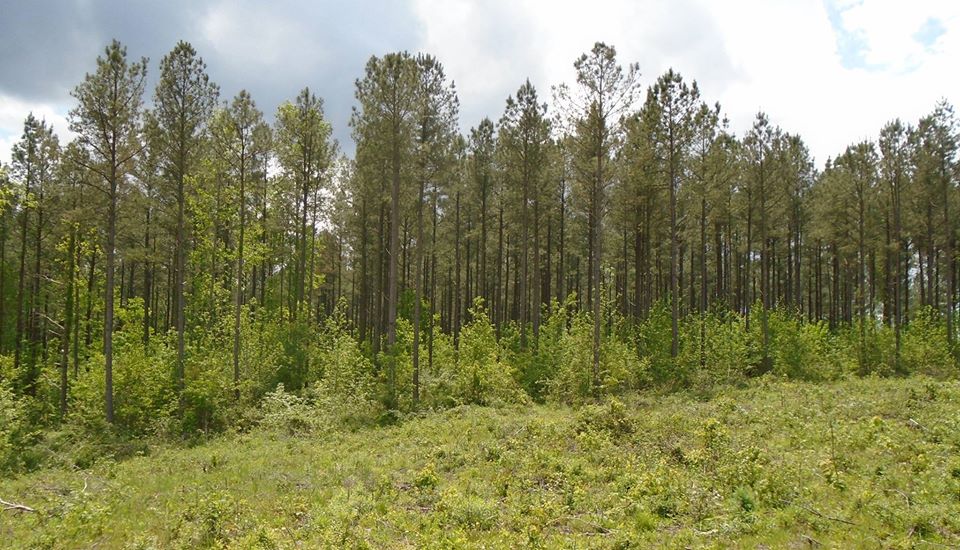
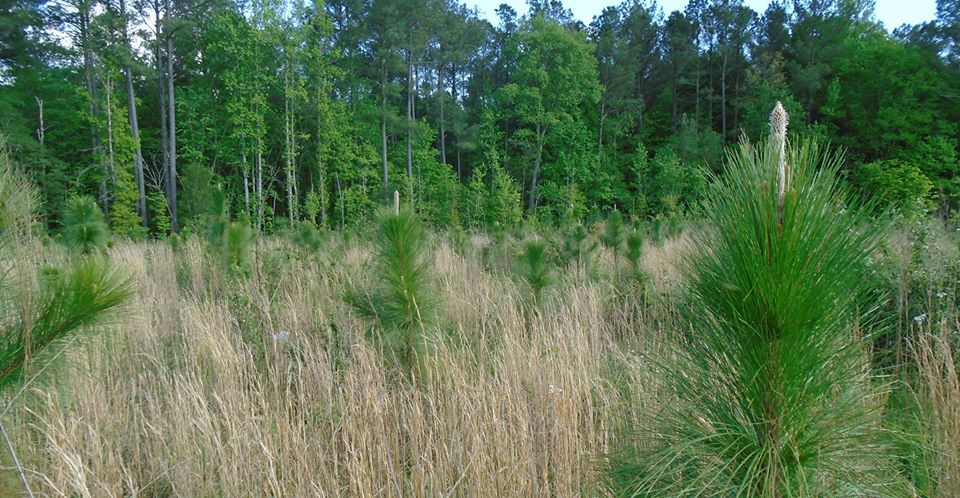
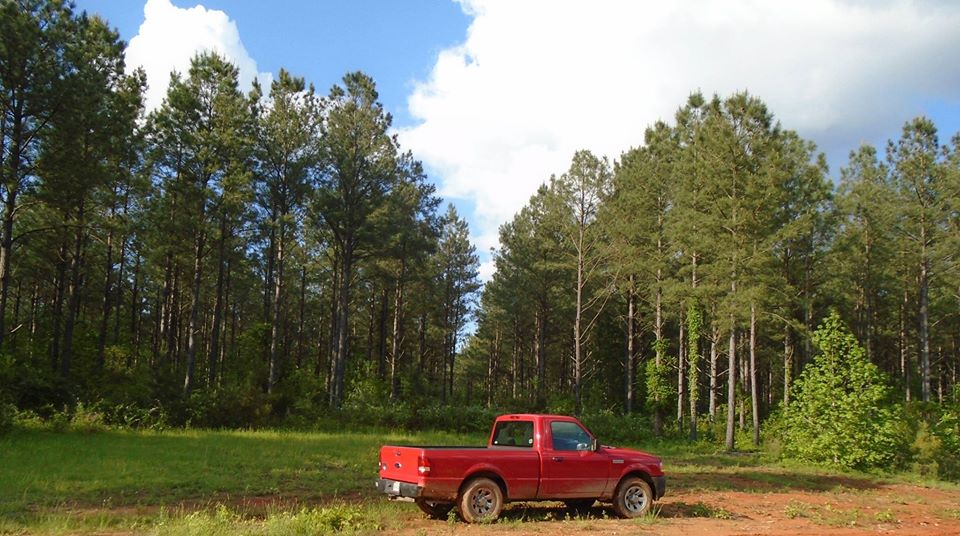
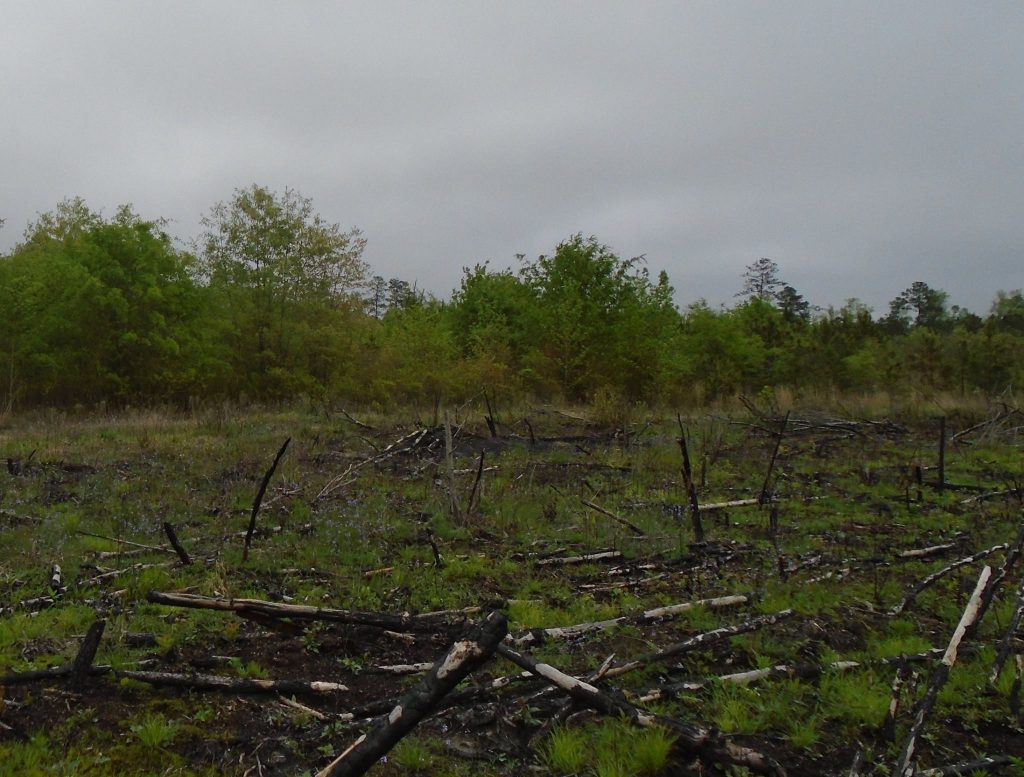
The first picture shows new growth on the 2012 longleaf. Next shows loblolly that will be twenty-years old this year. They were thinned in 2010/11 & we will thin again in 2017/18. Third picture is our new cut-over with loblolly in background. There are little trees in there, but they are hard to see. Finally is a picture of a loblolly among the longleaf. I cut it back a few months ago (I have to clip out the loblolly, since they will crowd out the longleaf.) Loblolly is one of the few pines that will sprout from stumps.
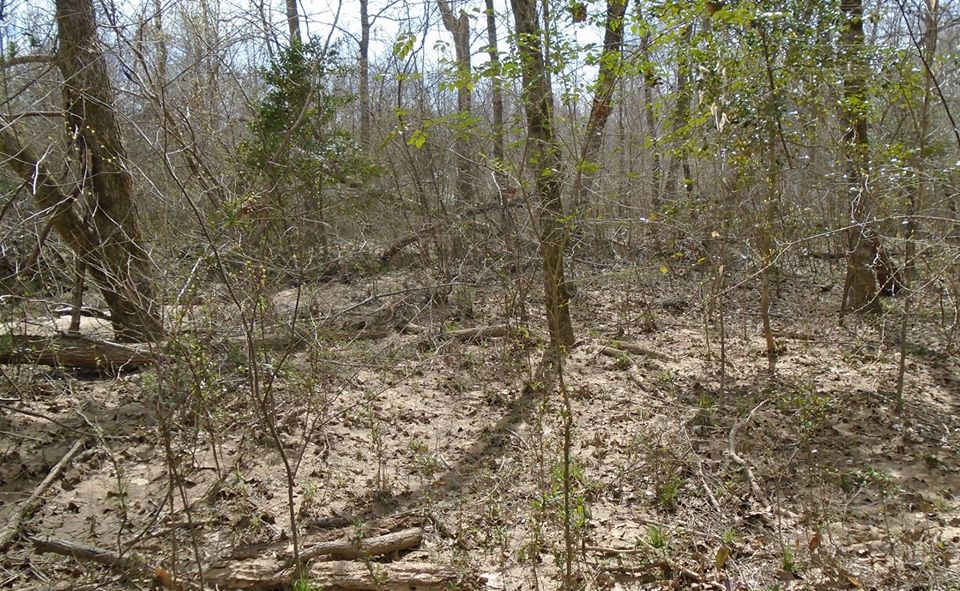
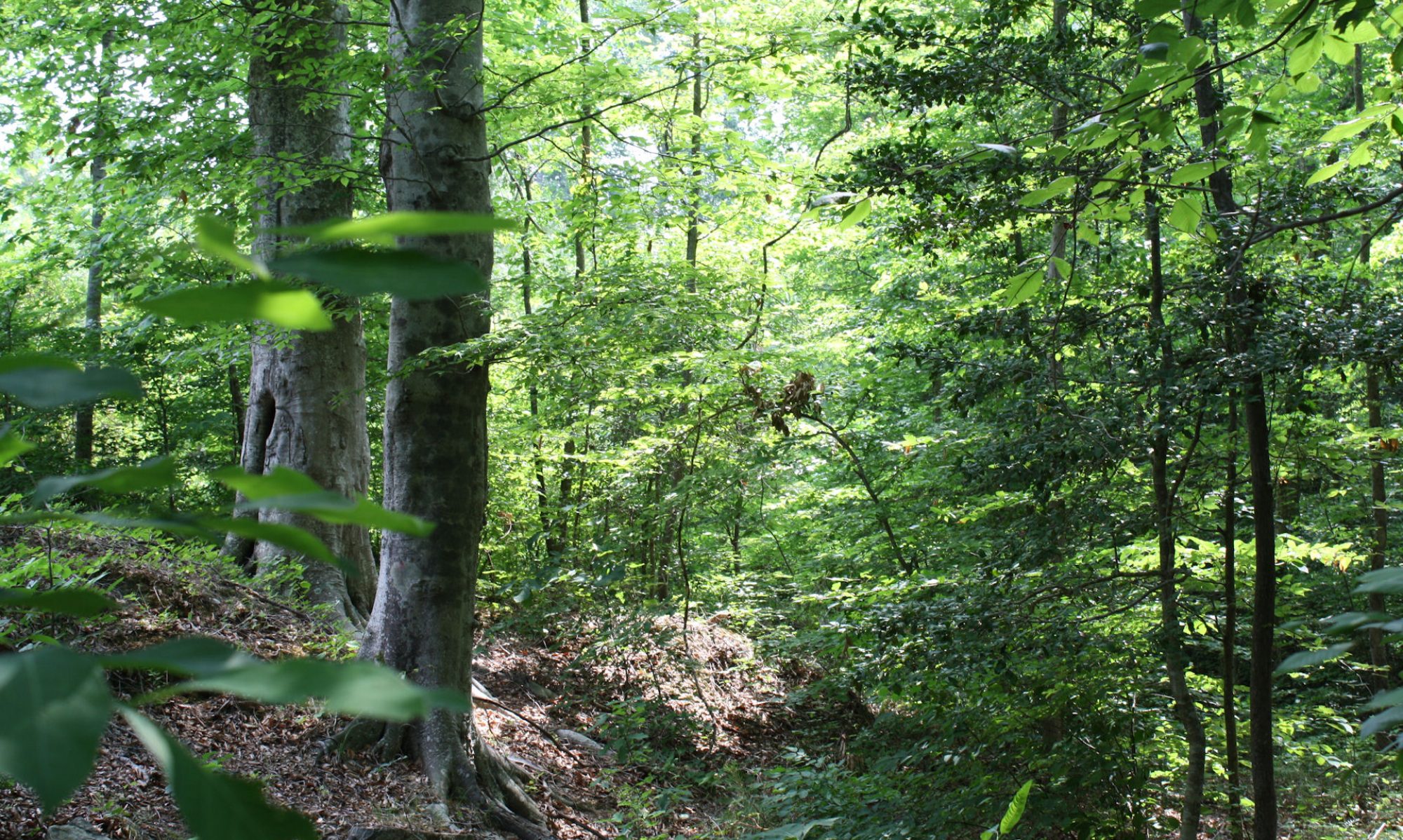
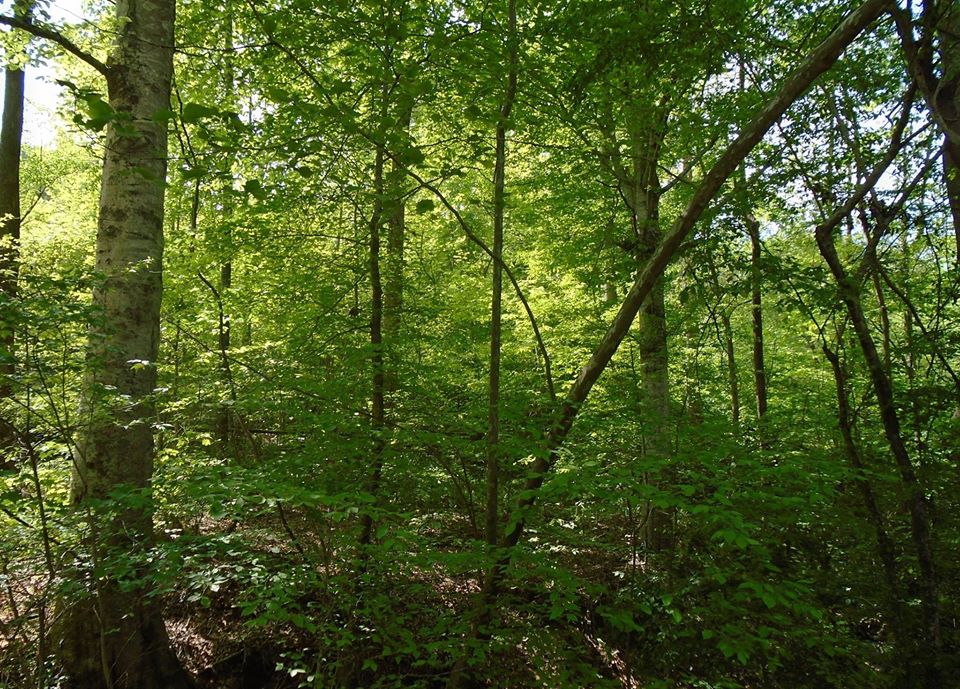
A few more pictures from the May 4, 2016 tree farm visit. The first is a picture of the beech-wood from the stream management zone (SMZ) We protect the water by not cutting near streams and wetlands. Since these places are uncut & generally moist, after a while you get beech-maple forests.
Beech will Not reproduce in full sunlight, so they only show up after trees have been on the land for a long time.
This is contrast to pine, which will not reproduce in their own shade. This you can see in my second picture. Notice the pines in the overstory and none in the understory.
Oaks are in between. They do not like to grow in the shade like the beech, but they also do not need or want full sun like the pines. Growing oaks requires “openings” of at least a few acres. Also oaks can stand some fire. Beech have thin bark and most fires will kills them. Southern pine are actually fire dependent in nature. So you need to have a different strategy for each ecosystem sustainability. If you want beech-maples, cut a few trees or none. If you want oaks, clear a patchworks and maybe allow some fire. If you want pine, you need to clear cut and burn. Each is appropriate in its own way.
Oaks enjoyed a much better environment a couple centuries ago, when land was cleared and sometimes forests filled in along property lines. It was sunny, but not too much. Ironically both preservation and exploitation are bad for oaks.
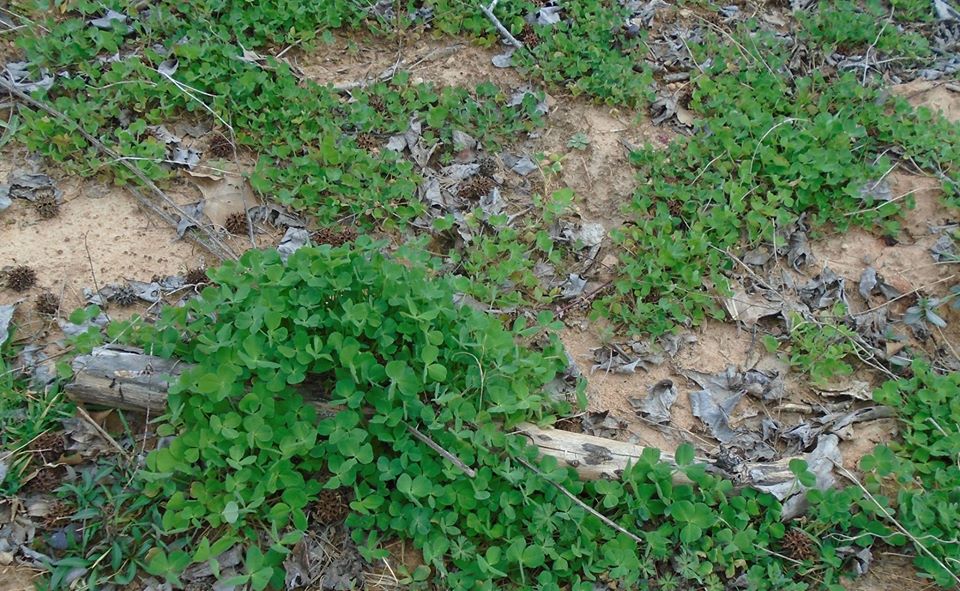
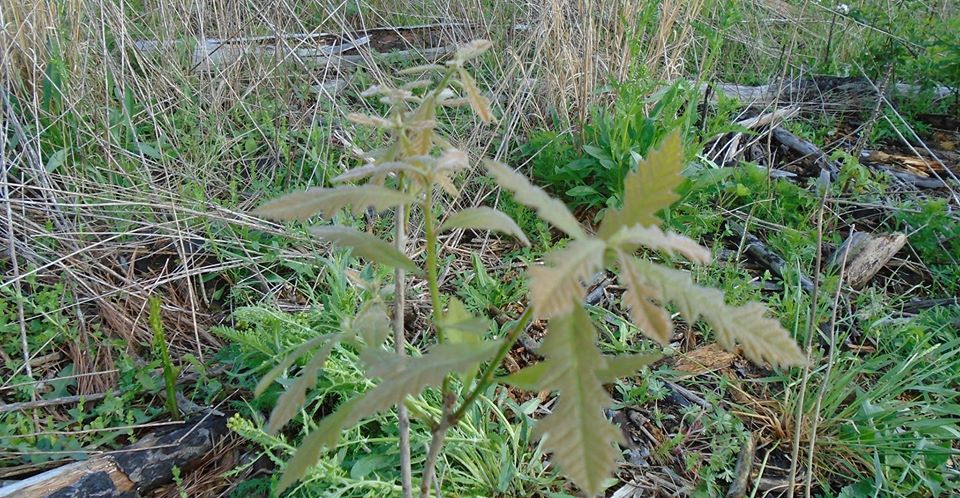
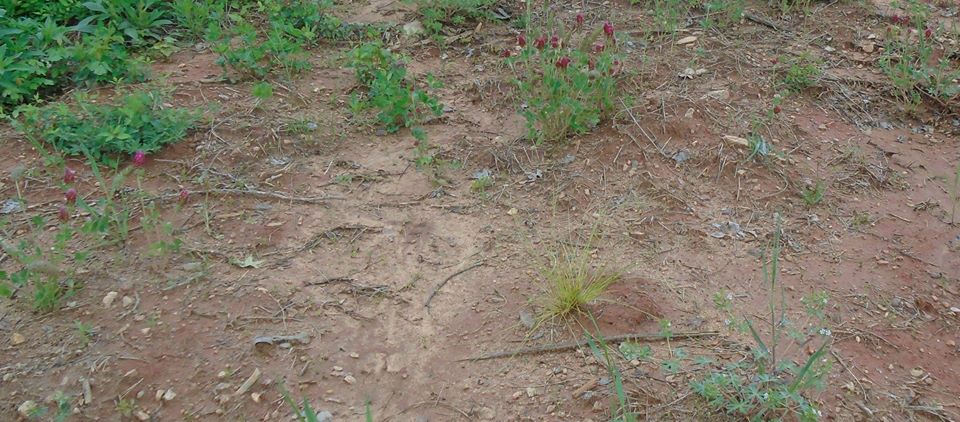
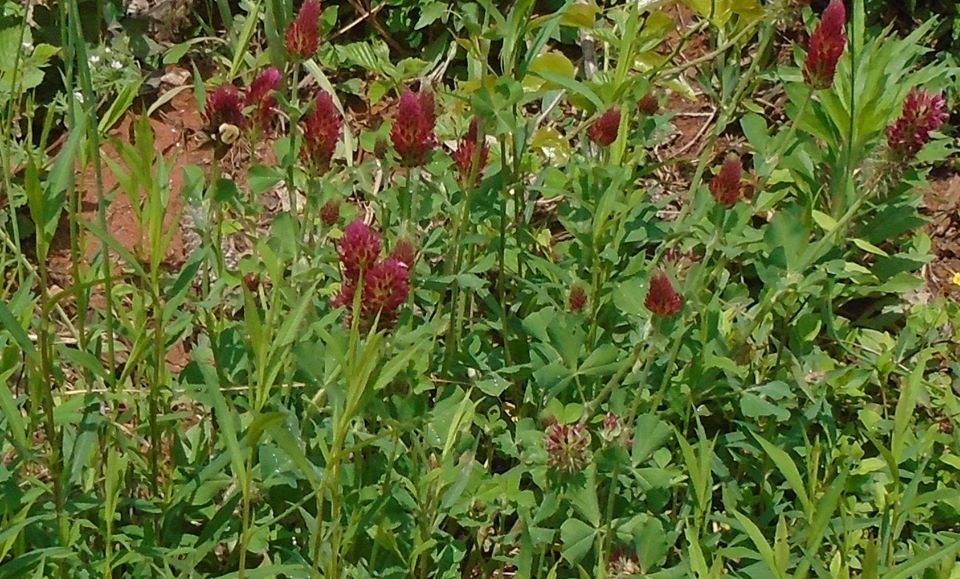
However, I planted a few among my longleaf. They can stand some burning and I think it will be a nice complementary landscape. I got twenty-five bur oak and interspersed them. They are the type of oaks Aldo Leopold talks about in the fire-dependent oak-opening ecosystems. The last picture is my crimson clover. I just think it is pretty.
Finally – the first picture is a little ravine near one of the roads. The road was going to wash into it, so I got 20 tons of rip-rap and made the boys put it in by hand. They still remember that day’s work with great fondness.
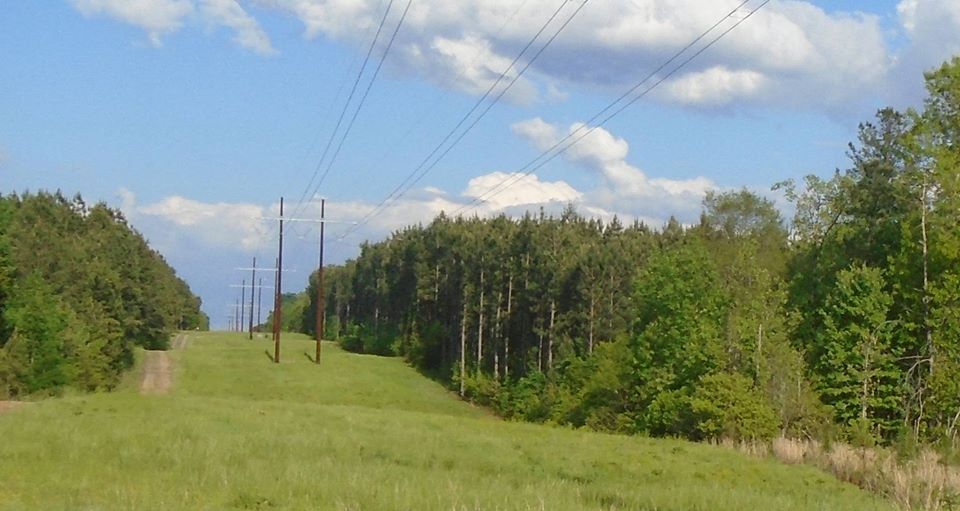
The next picture is our wires. Dominion Power in its generosity has an easement of eight acres of my land. We cannot grow trees but the hunt club plants wildlife plots. It is good for the animals.
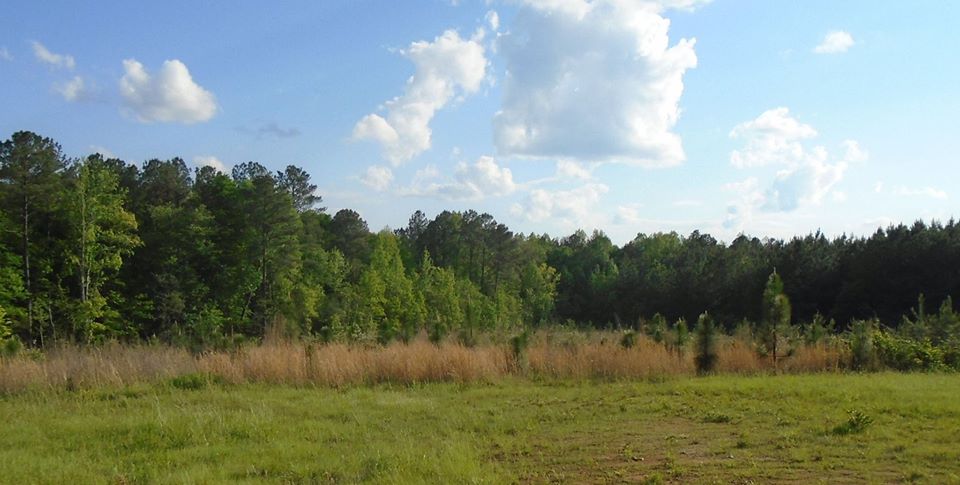
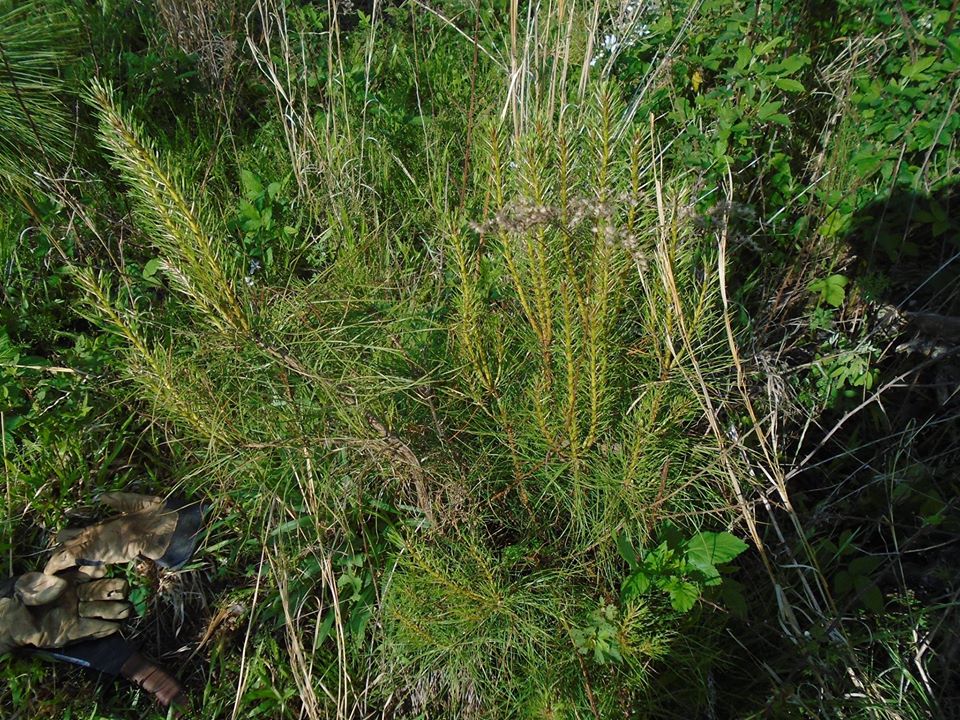
The third picture is a lonely longleaf seedling that I could find, since there was nothing else growing near it. Hope it survives. I think it will. It has the advantage of being in a place of its own. It will stay in that “grass stage” for a couple years and then (we hope) shoot up like the ones you saw in the previous posts and in the final photo, which is my longleaf panorama. You can see they are taller than the grass now. The danger to them now is ice storms. Their long needles weight them down. This will be a hazard for the next five years. The really terrible ice storms are uncommon. We trust in the goodness of the Lord and the principles of probability to keep them safe.
Longleaf used to be the dominant ecosystem in much of the tidewater south and even into the piedmont. It was an extremely diverse and rich ecosystem, combining a forest and a grassland. Longleaf pine cannot compete well with other woody plants or even with lots of herbaceous plants. The seeds will germinate only on mineral soils and the seedlings are easily overtopped. However, they have one big and decisive advantage. Longleaf pine is as close to fireproof as a tree can be. Fire passes over the seedlings and the thick bark of the bigger ones protects them. That nature range of longleaf corresponds very closely to areas with regular small burns.
Longleaf went into decline because of overcutting (they are great timber trees), because of hogs and more than anything else because of fire suppression. The overcutting is obvious and I will explain more about the fire, but what about the hogs? Hogs were semi-feral in Virginia. People let their hogs roam and they had big hog round-ups. The hogs ate almost anything, but they were especially fond of longleaf pine seedling, which are especially rich in carbohydrates. They ate the seedling and rooted around to wreck those they did not eat. The hogs did damage but longleaf did not return after the hogs were mostly gone because fire was also mostly gone. Longleaf pine seeds germinate in fall, which is odd for a pine and they will germinate only on mineral soil, which requires a disturbance like fire to get rid of the duff. Longleaf is one of the few pine species that can grow in the shade, at least for a while, so longleaf forests could be uneven aged, with new pines growing in gaps caused by fires or other natural disturbances.
A longleaf pine stays in the grass stage (you can see in my picture) for at least a couple years and maybe more than seven. In that time, it does not grow up but it sets down a root system at least six feet deep. At this stage, it is immune to most fires that will kill hardwoods or loblolly. This is the secret to its success and lack of fire the explanation of its failure. The only time the longleaf is vulnerable to fire is when it is three to six feet high. It has grown beyond the safe and compact size, but still not tall enough to put its terminal buds are beyond the flame reach.
Once it gets to a decent size, longleaf can compete well, but fire is still needed to keep the rest of its ecology healthy and allow for the next generations, so a burn every 2-5 years works well. A good rotation is to burn after two growing seasons. Do it in the winter, so it is a cooler fire. After that, burn when they are more than six feet high and then every couple of years. A quicker fire is better, so a header fire is better than a backing fire. Loblolly grows much faster in the first two years and will out-compete longleaf absent fire. A loblolly is not fire resistant until it is around eight years old. Studies show that longleaf catch up with loblolly at about age seventeen and are a little bigger by age twenty-eight. Longleaf live longer and have a longer rotation. The oldest longleaf on record was 468 years old. Loblolly live only half as long and many are in decline even a little more than thirty years. Nevertheless, loblolly is better if you are interested only in timber income. The short rotations will usually make more money. Even though longleaf timber is better, mills are unwilling to pay a premium in most cases.
Observers used to think that longleaf pine preferred sandy and dry soils because that is where they found them. In fact, they can grow on a variety of soils. The reason they were found on the poor and sandy sites is because those were the places left after settlers and farmers cleared the better land for agriculture. Beyond that, longleaf CAN live on poor sites where others cannot do as well.
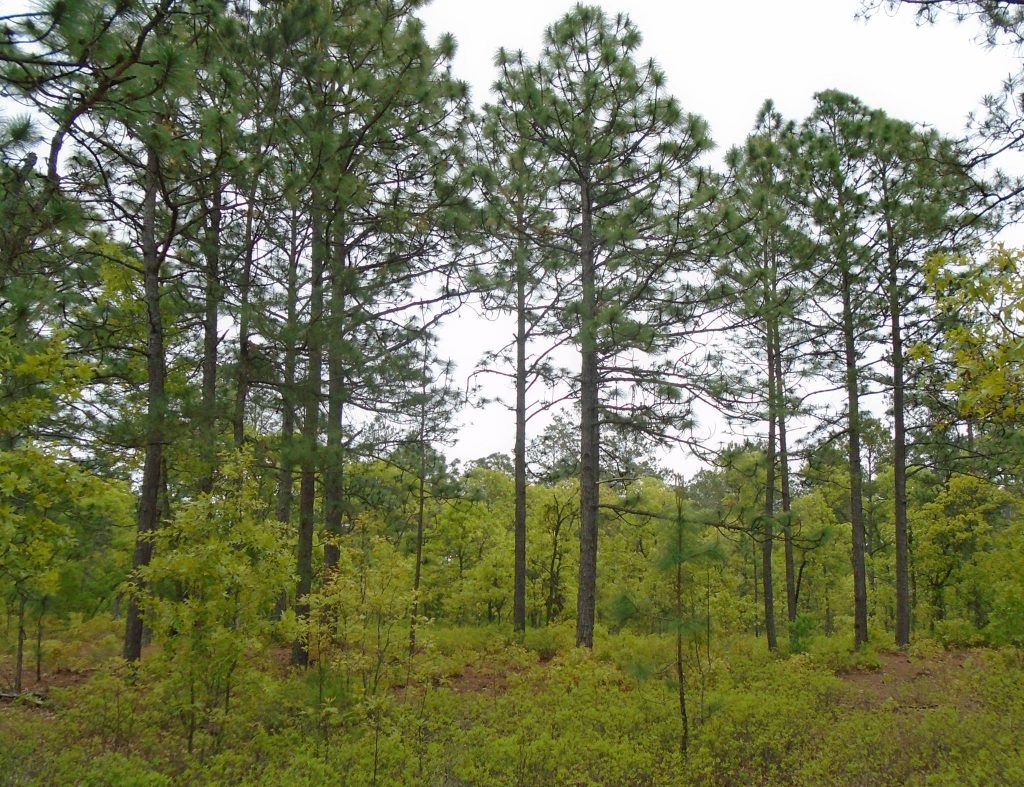
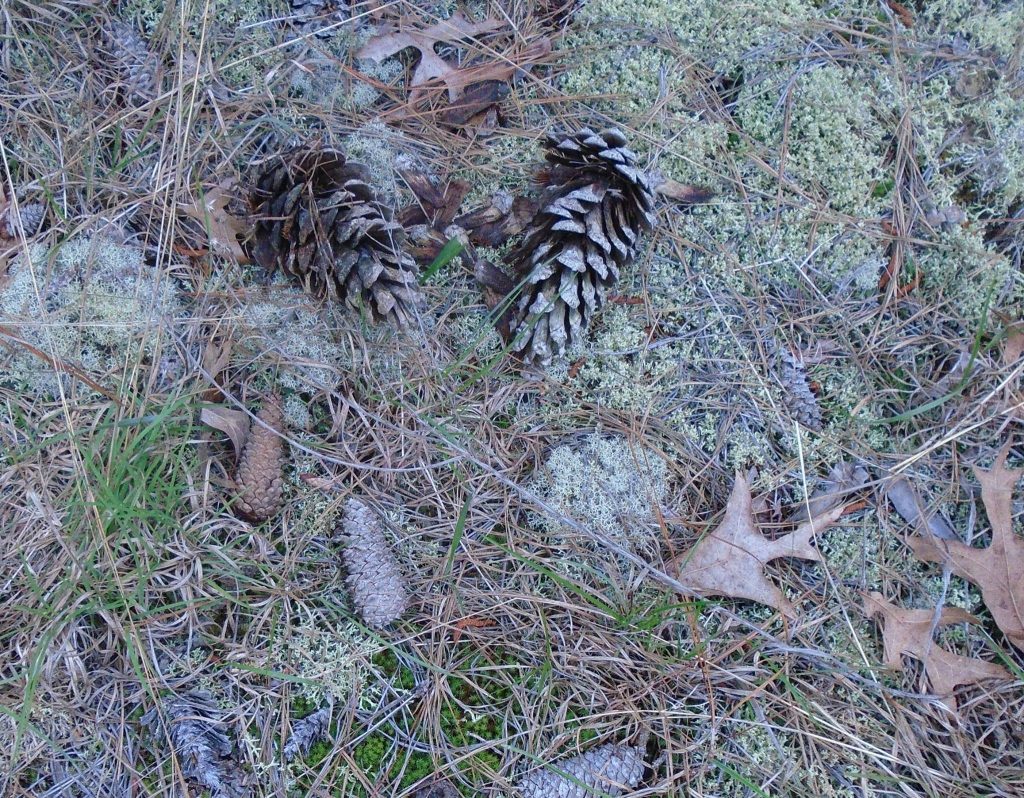
The first picture shows South Quay Sandhills Natural Area and one of the only remnant stands of indigenous Virginia longleaf. This is where the seeds come from for longleaf planting in Virginia. Virginia does not grow the seeds. They are sent down to North Carolina. They do it for Virginia, since they currently have more experience. The next picture shows the cones of the longleaf (big) and loblolly. It also shows the sands and weak soil. The reason the longleaf are still here is that the soils do not support agriculture or competitors. The trees in picture #1 are about eighty years old. They are so small because of those soil conditions, but they may be the progenitors of trees all over Virginia. Sometimes it is lucky to be poor.
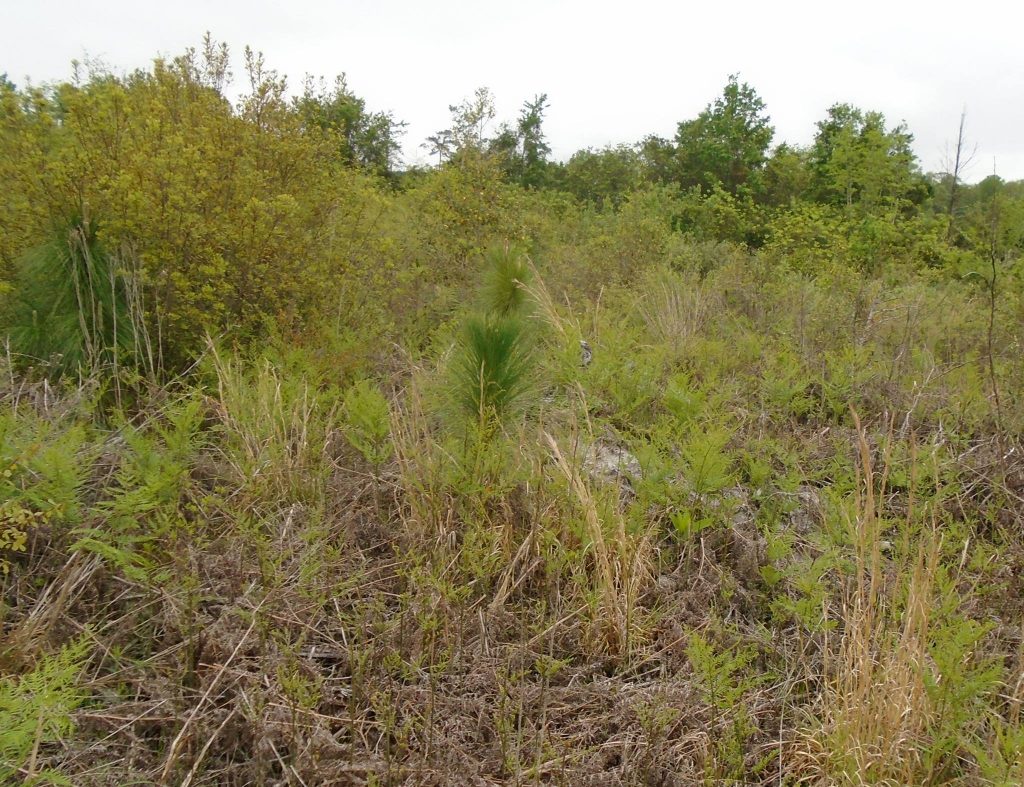
Third is a burned over area planted with longleaf seedlings. You cannot see the seedlings, but this is the environment they need. The next picture is four years later. This is a bit of a problem. They missed the burning after two growing seasons and the competition has gotten out of hand. They cannot burn now because the longleaf are in the vulnerable stage. It can still be salvaged, but it is not good.
America never stopped being great and we are about to become greater again. Competition, automation and the 2008 crash followed by a weak recovery have made us feel less down and fueled anger, but we are at an inflection point again with indicators pointing up. In some ways, the situation today is like that of the late 1970s or early 1980s. We lived through a years of uncertain recovery and “malaise” but good things were happening that were easily overlooked.
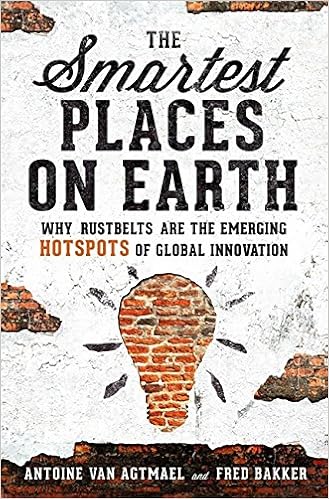
I went to CSIS to hear the authors of “The Smartest Places on Earth” talk about their new book. Antoine van Agtmael & Fred Bakker spent three years studying a type of manufacturing renaissance now happening in the U.S. and parts of Western Europe. It will not b
e a return to the old order industries. This is not ever coming back. The jobs were not shipped overseas; they are gone forever, often replaced by automation or changed processes. So what is this renaissance?
We cannot compete with cheap. Emerging markets can always undercut price. We can compete on smart and fast. Smart people using technology to innovate new products can more precisely and quickly satisfy the changing desires and demands of usually closer consumers. The new paradigm replaces that hierarchies, specialization and walled gardens of the past with collaboration, open cooperation and multidisciplinary approaches. What counts most are the connective tissues, the seams between factors are what makes things work. They need a connector to orchestrate.
The base of the new economy is the old industrial expertise using new materials, information technologies and big data. This has transformed some of the rust belt into what the authors call the brain belt. They are in unlikely places, like Akron, Ohio, which is transformed from “rubber city” to a polymer capital.
Necessary components of such transformations are: a life threatening crisis as stimulant; good universities nearby; complex, multidisciplinary challenges; openness to sharing brainpower; a connector with local political support; infrastructure including cheap housing and access to venture capital. One more thing that seems necessary is location in the U.S. or Western Europe.
Russians, Chinese, Saudis and others have tried to create such innovation clusters w/o success. They can build all the stuff and bring in experts, but what they seem unable to do give people the mindset of free thought and freedom of fear of failure.
Innovation is bottom up but, like the free market, it requires lots of help from the top, i.e. government. This comes NOT from management but rather in support of good and consistent laws, support for basic research and general infrastructure. One of the bases of American prosperity was laid in 1862 with the Morrill Act that established land-grant universities with the mission of fostering the useful arts and sciences. More recently was the 1980 bipartisan Bayh-Dole Act that allowed universities to profit from inventions they helped create, even when they received Federal funds. This had immediate effects on technological advances in things like information technology and life sciences. It took a bit longer with the manufacturing. One reason this is happening now is that information technology makes prototyping much cheaper. It used to cost millions to make a prototype. Today it can be done for some thousands.
Another characteristic of new centers of innovation is that they are urban. The old paradigm has campuses isolated from each other where researcher worked with specific plans. The new centers are mixing it up. This is cultural to some extent. Young people like good restaurants and places to meet. However, it also relates to the multidisciplinary approach and maybe the need for serendipity. People with different backgrounds need to interact often in ways nobody predicts. Proximity counts.
I bought the book and the author signed it, so I will read it and know more details. In many ways it sounds like innovation of the past, of course there is always a new twist. One reason why the industrial revolution happened is that doers and thinkers mixed in ways previously uncommon. The interaction between them is a key to innovation. Our paradigm of somebody planning and then somebody making is wrong. It is more often a feedback loop with a product sometimes coming before the idea, odd as this sounds. It is often better to try something out even before you think it through.
I see most things in ecological terms. And as I thought about the subject of innovation, I recalled the trips I had taken to the U.S. to work with the Brazilian Science w/o Borders program. I wrote about this kind of thing back then too. Link to one of my earlier post on a similar subject.
Reference
Sadly, this makes way too much sense. Saw the program and finished the book today. I have seen much of what he describes, although never so extreme. I never saw any domestic violence, or much violence in general, for example. But I have seen a decline in culture and morality over my lifetime and a decline in the work ethic. Some of it is related to the decline of marriage among working people and the instability that goes with that.
The author makes several points that fit in well with my experience. For example, among working class boys it was/is a bad thing to be smart in school. I liked school, but I would not admit it around my friends, since liking school was for girls. If you did not want to get crap from your fellows, you literally played dumb. Another related, more subtle but maybe more insidious, idea is that you should not have to work hard at learning. If you are “good at it” you will just come naturally and if not you are just out of luck. Systematic practice applies to sports but not to learning.
Another good point relates to being in a different culture. I also did not know how to tie a tie or which fork to use at fancy dinner parties. I still recall very clearly how I taught my self how to use silverware properly by watching and copying the wife of the British ambassador. I actually practiced at home. I still don’t get how networking works for me. I got very good at using networks in my job, but I still cannot bring myself to use it for personal benefit. I know what to do and how to do it; I just cannot bring it to bear.
And there are some attitudes that I do not want to change. I deeply respect anybody who does a job well, no matter what that job is. I never want to feel that my status entitles me to something I did not earn. In my personal travels, I never used my diplomatic status to skip ahead, even when it was very tempting to do so.
The dominant idea that Vance and I share is that habits and behaviors to a very large extent determine outcomes. Vance mentions that his parents sometimes earned very high incomes, but their habits and behaviors kept them from being successful. We can recognize that nobody has an equal chance as anybody else w/o blaming failure on others or on terrible circumstances. Choices matter.
The decline of the white working class is serious threat to American democracy. We have always counted on this group to be the backbone of our society, the source of stability. I would not want to take the analogy too far, but the working class was like Boxer, the horse in “Animal Farm,” strong, dedicated and loyal, but undervalued. The “elites” could make fun of them/us knowing that they would always absorb it and keep on working. If that stops being true, we are in a world of hurt … and it looks like it is stopping being true.
On additional observation about Vance’s book, that may mitigate the pessimism above. There is a kind of negative survivor bias at work in his (and Murray’s and Putnam’s) examples. Those that have succeeded better have move up and away. The white working class today is smaller than in 1960 and not the same qualitatively. In 1960, most of them had only HS education or less. Today their kids often are college educated. Maybe that is the group we should be using as comparison.
Anyway, it is well worth watching the presentation and well-worth reading the book, “Hillbilly Elegy.”
PS Vance was a Marine serving in Al Qaim until 2007. I am not exactly sure when he left. I visited Al Qaim in October 2007. He might have just left or just been leaving.
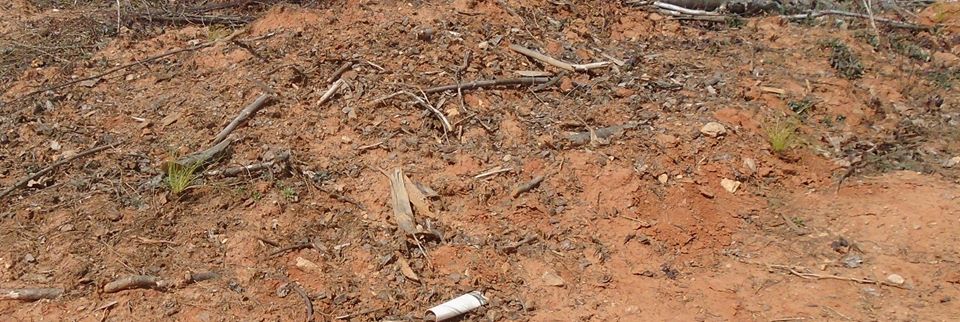
Went to the farms to see the new trees planted last week. Alex’s friend Colin came along to help. There are approximately 6525 longleaf pine seedlings and 13,050 loblolly. Although it is hard to see them now, as you (cannot) see in the pictures. The clover we planted last fall is coming up well. You also cannot see that on the big picture, but I expect all will be evident soon. If you look at the closeups, you can see the baby longleaf pine and the new clover.
Longleaf at this stage look like tufts of grass. They stay in the grass stage for a couple years, while their tap roots develop, and then they shoot up. It rained today, which will help secure the future.
It will look nicer in a few weeks and very much nice in a few years. e also went to visit the older farms. There was a big flood a couple weeks ago. It must have been very high water, since it left sand way up on the banks of the creek, as you see in my last picture.
I am very fond of my small longleaf plantation. I think they will be very beautiful shortly. They are beautiful now. They will be magnificent later. My pictures are from today. I took it from the area of short grass so that the little pines are evident and this time of the year the grass is brown, so you can see even better.
As I wrote elsewhere, I cut out scores of volunteer loblolly and I have been trying to keep down the other competition. These trees were planted in 2012. They are now passed their grass stage and will soon be relatively safe. I have to apply controlled fire soon. Longleaf are fire-dependent. I am both thrilled and terrified. Who doesn’t like to start fires? But I am afraid it could get out of hand. I will have to make sure I have good help.
Longleaf pines are native to southern Virginia. This is the northern edge of their natural range, but I figure with a little global warming by the time they are big the range will have moved. The biggest threat is ice storms. The long needles pick up ice and may cause the trees to bend.
I have been reading books about longleaf ecology. It is a savanna tree and a mature forest has lots of grass and forbs, making it a very rich ecosystem.
The first two pictures show the longleaf. The last two are the loblolly planted in 1996 and thinned 2010-11. They are doing very well too.
More on my February forest visits. I checked out the the new cut over and the thought about what to do next. I took advantage of the frozen ground and expected snow to frost plant a little more clover on the verges. We got a fair response from the clover the boys planted last fall, but the deer ate a lot of it. I think it will come back, but I tossed a bit more just case. I planted crimson clover and a hybrid called balanca.
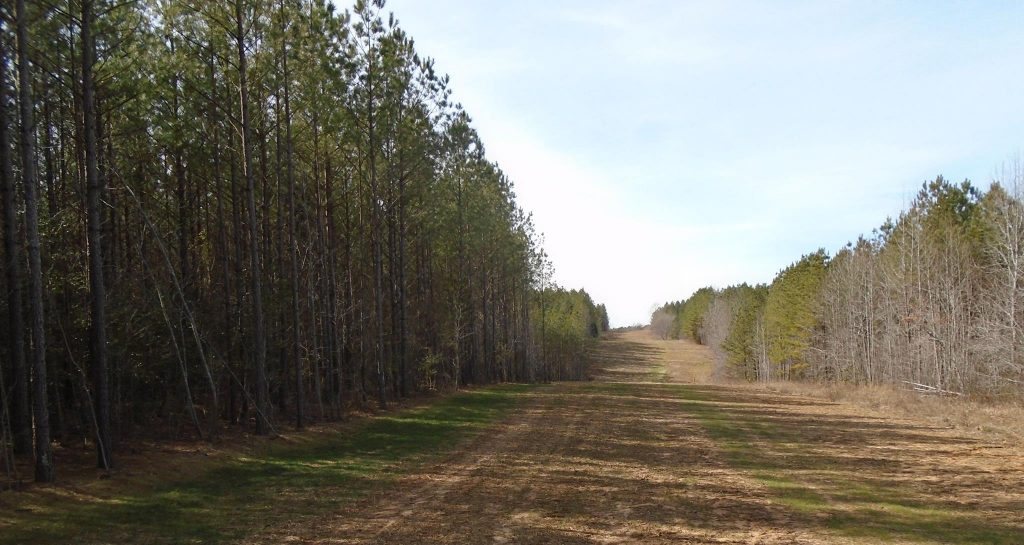
I explored the area around the new gas pipeline. They claim that they are going to plant wildlife mix. If properly managed, they will have a long, narrow meadow, good for wildlife.
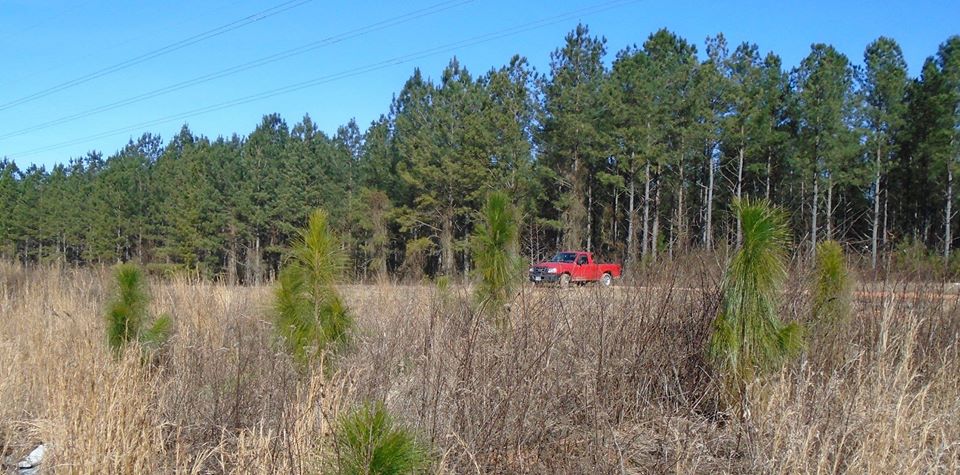
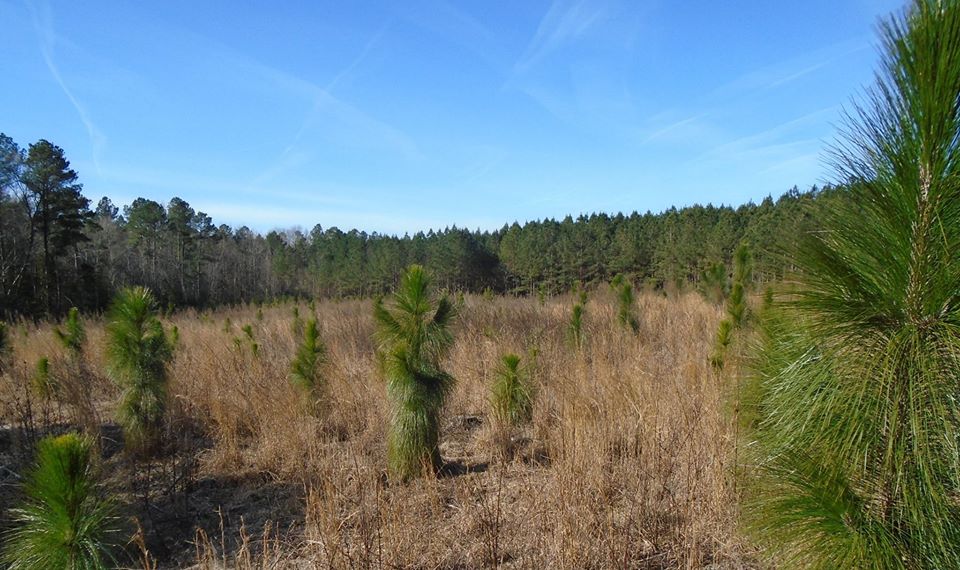
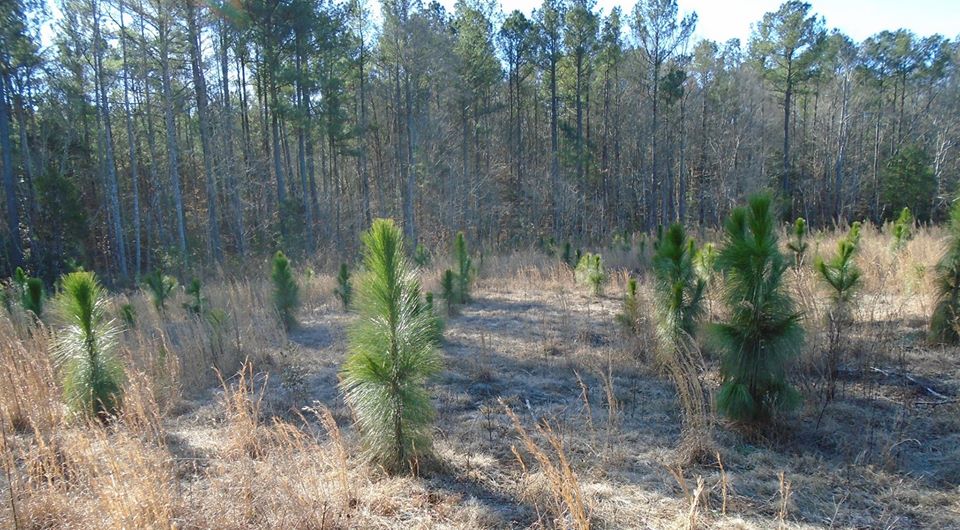
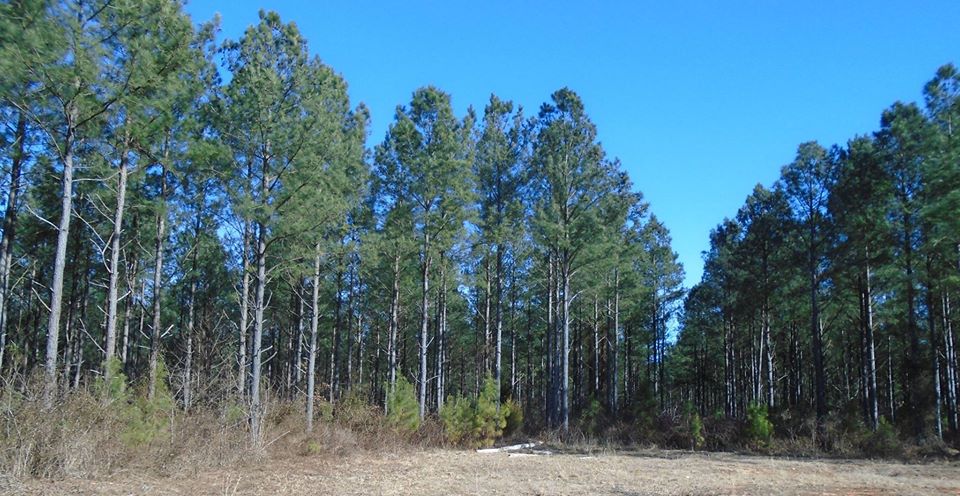
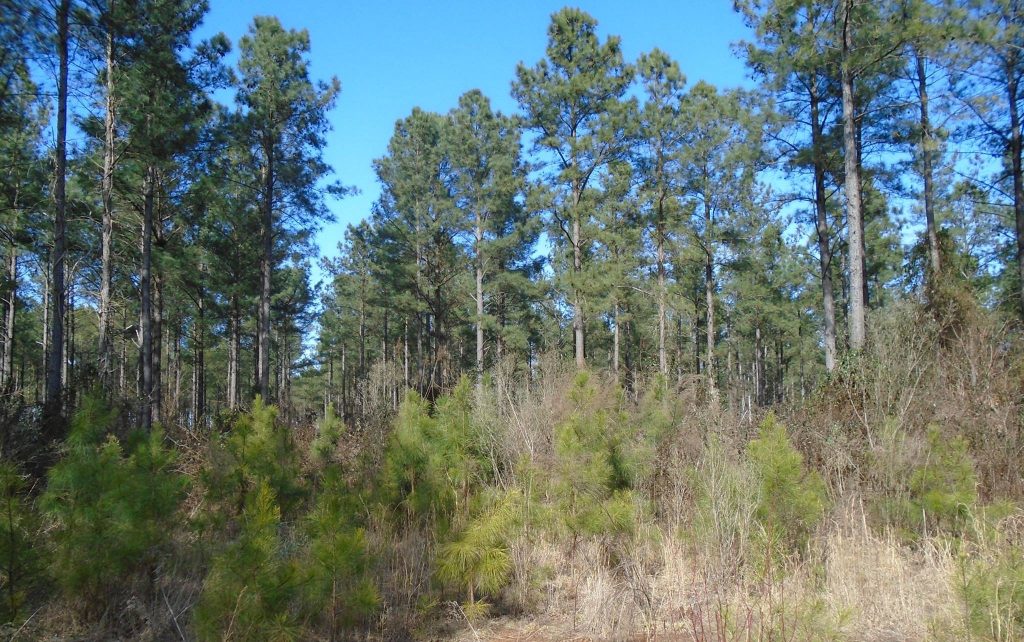
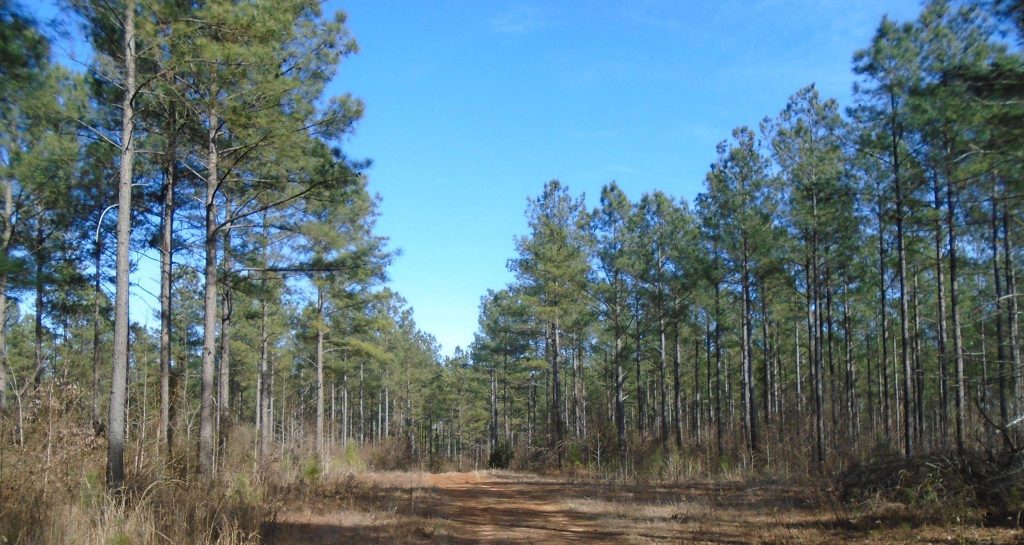
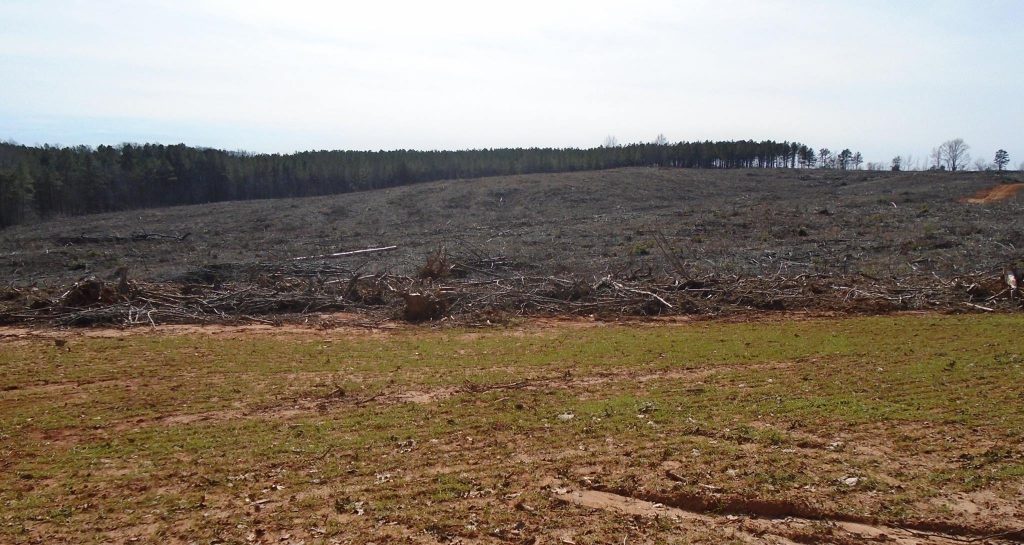
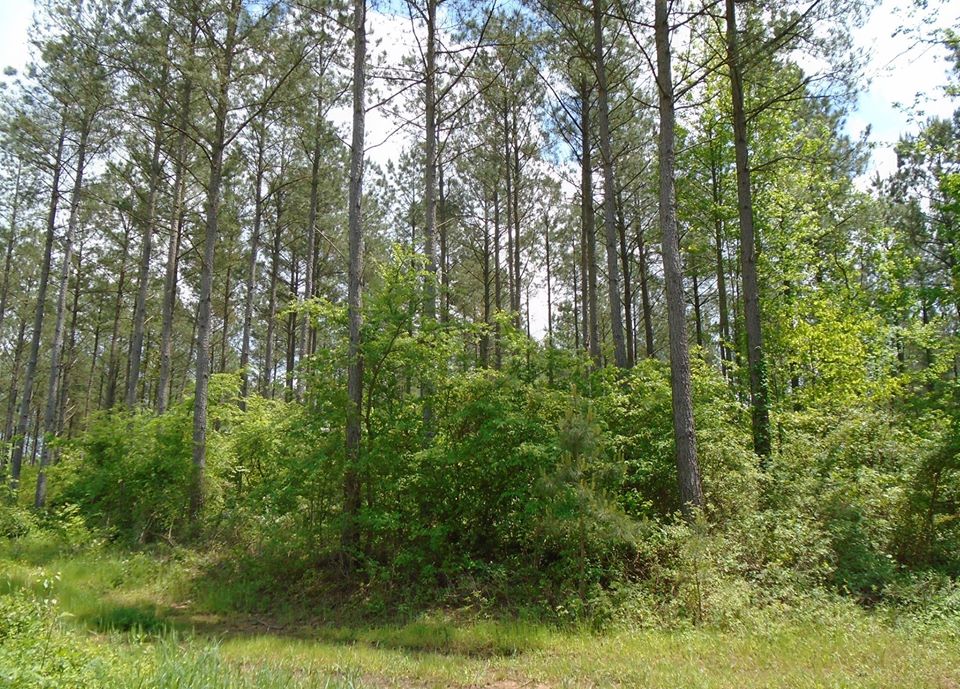
My main picture show how the loblolly quickly fill in to any open area. There are lots of little trees in the opening but notice that within the woods there are none at all. They will not grow in the shade of their own parents. The second picture are big loblolly. They will be ready for harvest in about five years. The third picture is the new gas pipeline. When the vegetation grows in, it will be nice and productive grass and forest edge. The last picture is a new cut-over. We will replant within the next couple weeks: 30 acres loblolly, 15 acres longleaf and an acre of bald cypress.
There are advantages to cold weather on the tree farms. An obvious advantage that you can walk on cold ground that would be impassible mud on most other occasions. February is the least attractive time on the farms, but it is useful because you can see the “bones” of the land.
I spent the morning pulling vines off trees and trying to figure out how to shore up my vulnerable stream banks near the roads. I spent the afternoon hacking down non-longleaf trees in my longleaf acres. It is mostly volunteer loblolly. I feel conflicted whacking loblolly that would be very desirable a short distance away. I must have done several hundred. I spent three hours on only five acres. I would have done more and will do more tomorrow, but the sun was going down and I was afraid I would not proper find my way out in the dark. Access is hard in some places because of brambles. You would think I could cut through them with my machete but you would be wrong. They seem to fight back because they are long and flexible. They are likely to wrap around and hit you in the back of your head. But I have worked out what I think is an ingenious solution, but I accept that others might call it a joke. I avoid brier patches when I can. When I cannot, I have a long piece of cardboard. I put the cardboard against the brambles and just walk them down. It is kind of like bridge. Once down, they stay down for a while.
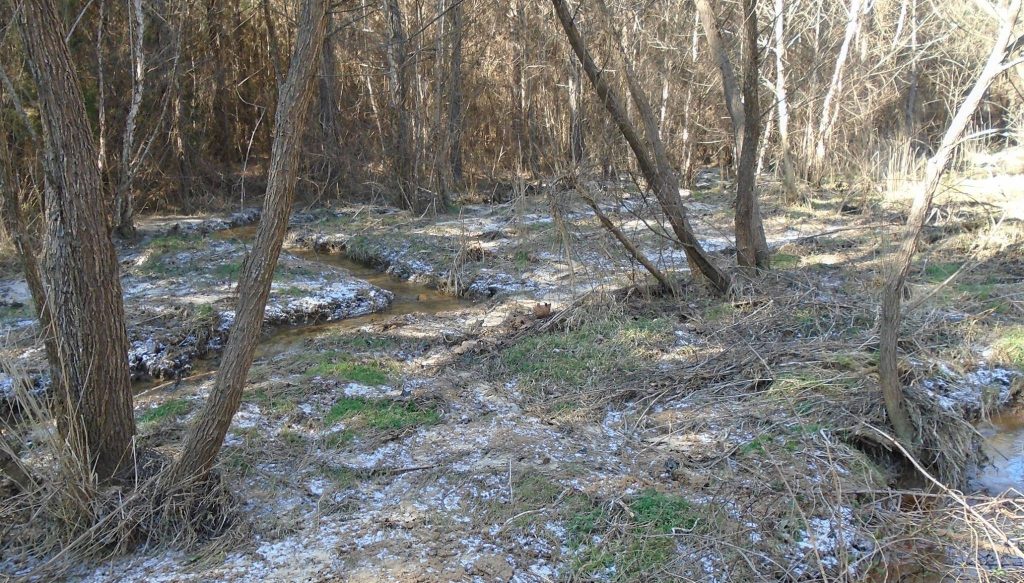
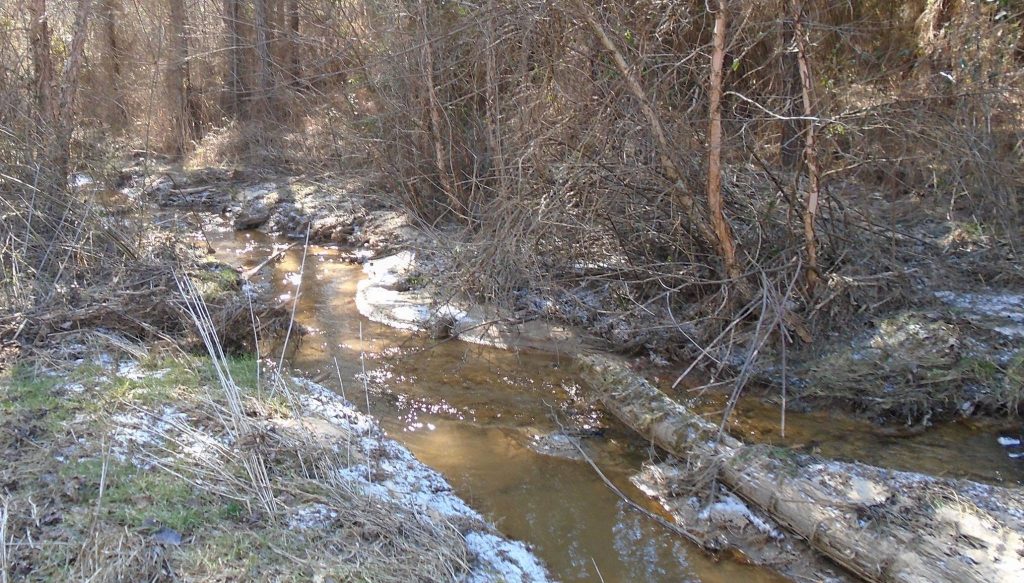
My pictures show the frozen ground that I could walk across, plus one of my nice running streams. Virginia is still the south. Even in cold weather, streams rarely freeze solid.
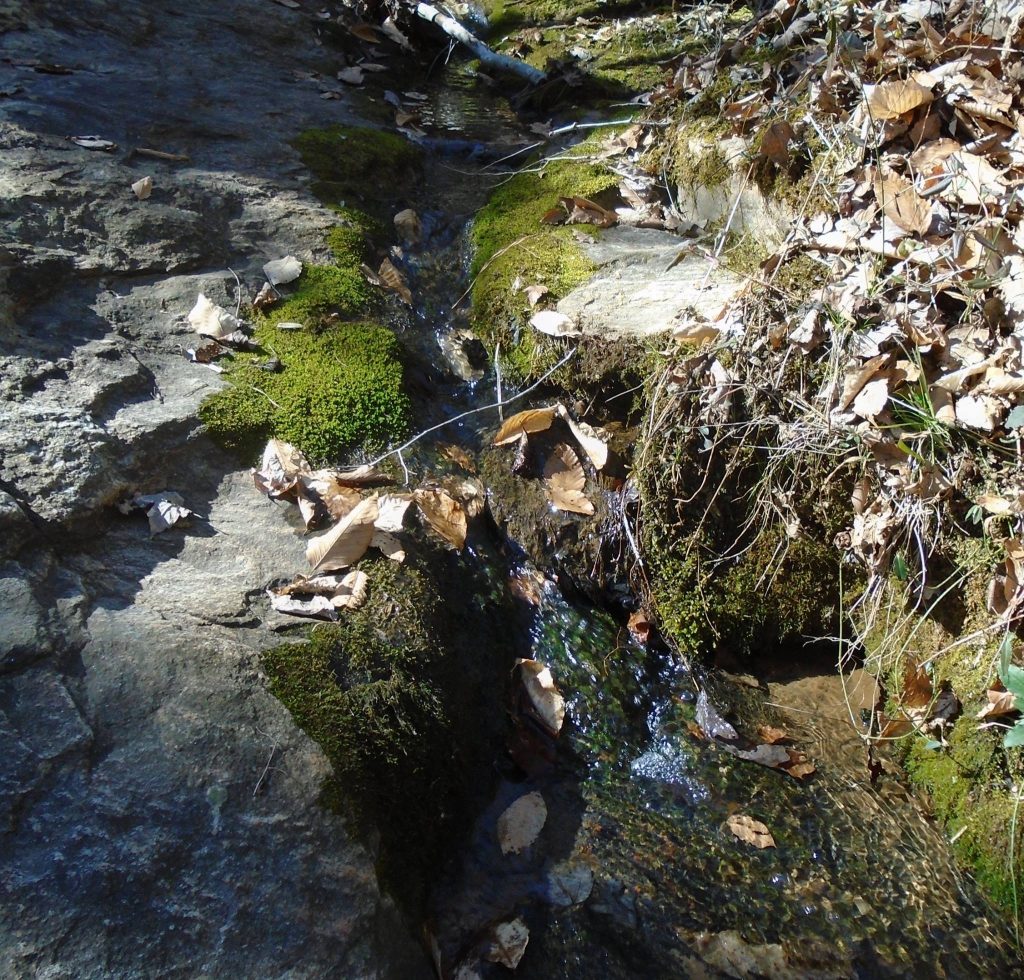
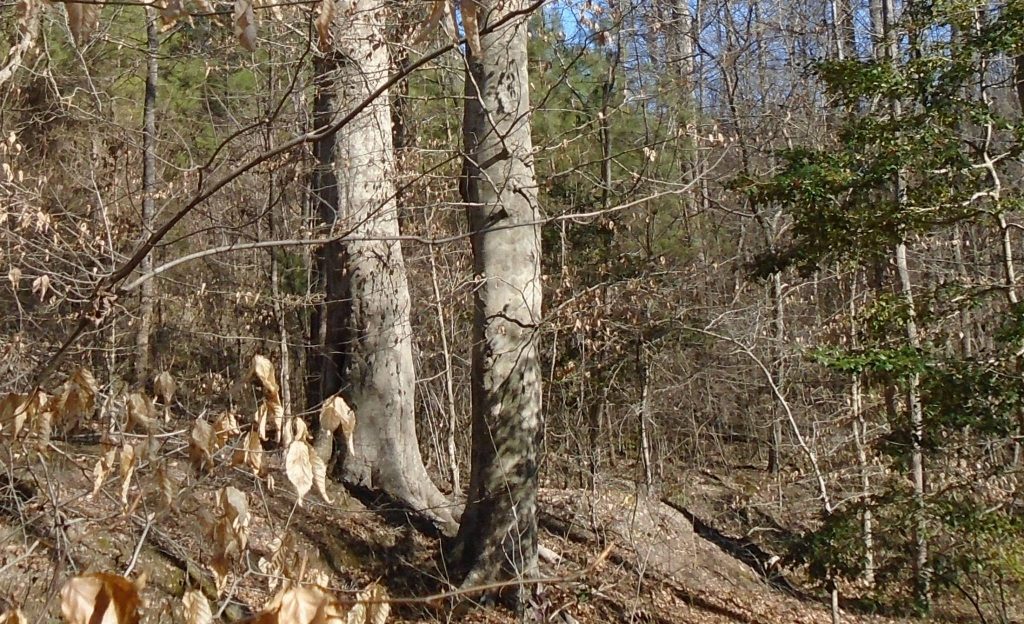
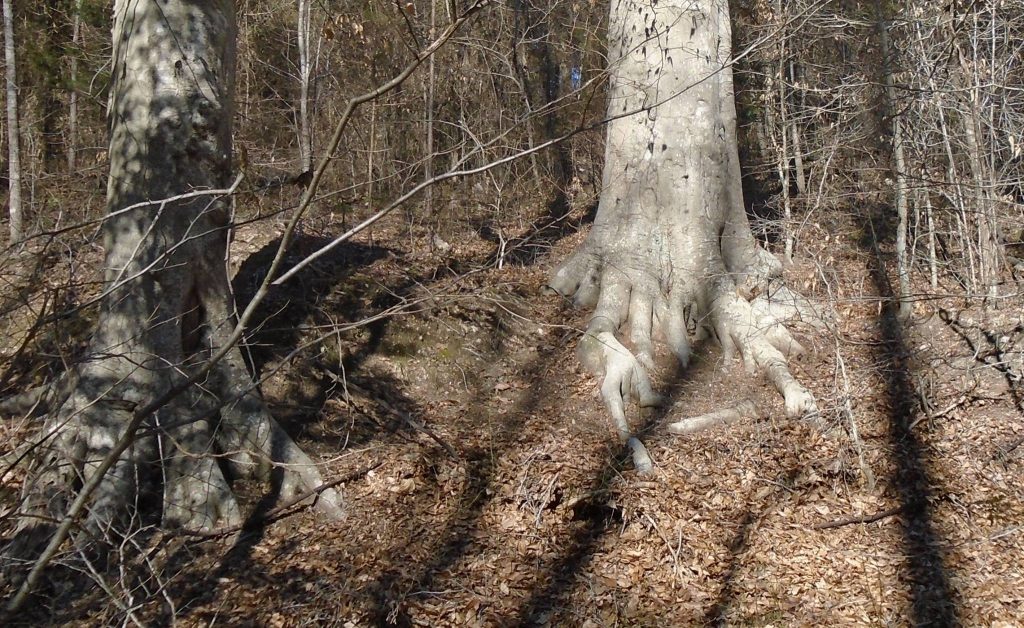
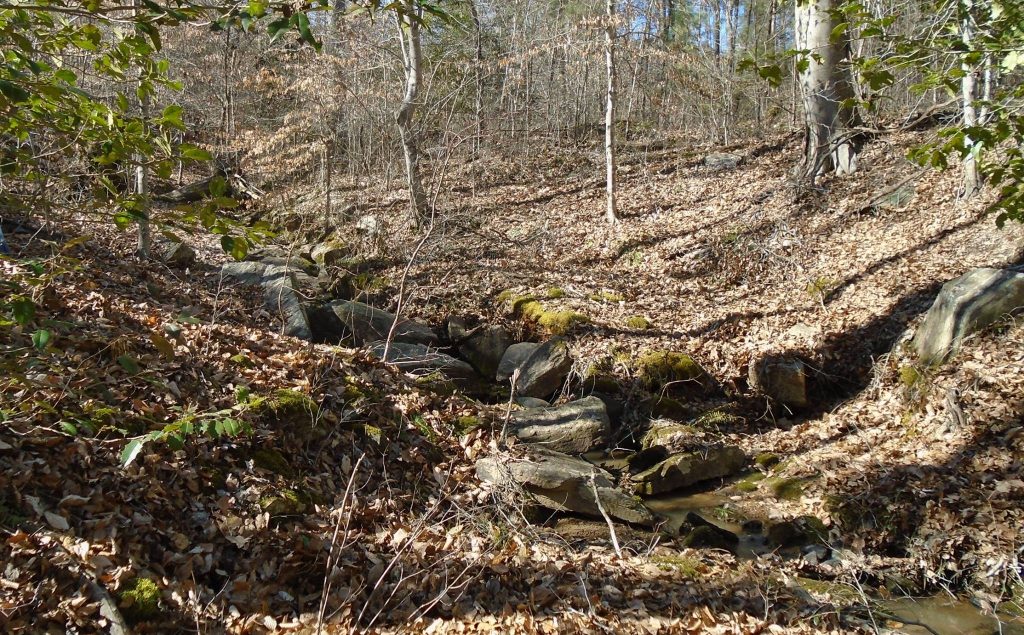
My last set of February 2016 forestry notes. These are from one of the stream management zones. We do not cut timber in the stream management zones in order to protect the waters of the Commonwealth. And they are just pleasant places to be. I like the big beech trees and they like it in the ravines near the streams.
(BTW – “My” water flows from springs to Genito Creek. From there is goes into the Meherrin River and then into the Chowan River in North Carolina, which flows into Albemarle Sound and eventually washes up near Kitty Hawk, where the Wright Brothers flew. So it is important to keep it clean.) Beech trees have an interesting ecology. They can grow in deep shade and they like the moist soils. The loblolly are the pioneer tree that comes first; they won’t grow in the shade. The beech trees are the established tree that comes last; they won’t grow in the sun. The understory in Virginia has lots of holly. It is the only green leaves this time of year. I suppose that is why they are used in Christmas decorations.
When you see big beech, you know that the place has not been disturbed very much for at least fifty years and usually more. Beech have thin bark and usually will not survive a hot fire. If you look closely at the two trees in the first photo, you will see mostly healed over fire scars on one side. A fire got to the edge of the moist area maybe forty years ago and burned some of the bark before going out. It was not a hot fire and the trees survived that one.
The next photo shows some of the root system. Beech dominate about five acres with some red maples and red and white oaks. Farther down the hill, the beech give way to yellow poplars and sycamore. Up the hill features smaller rockier streams. In the flatter places you get more sun an sycamore.
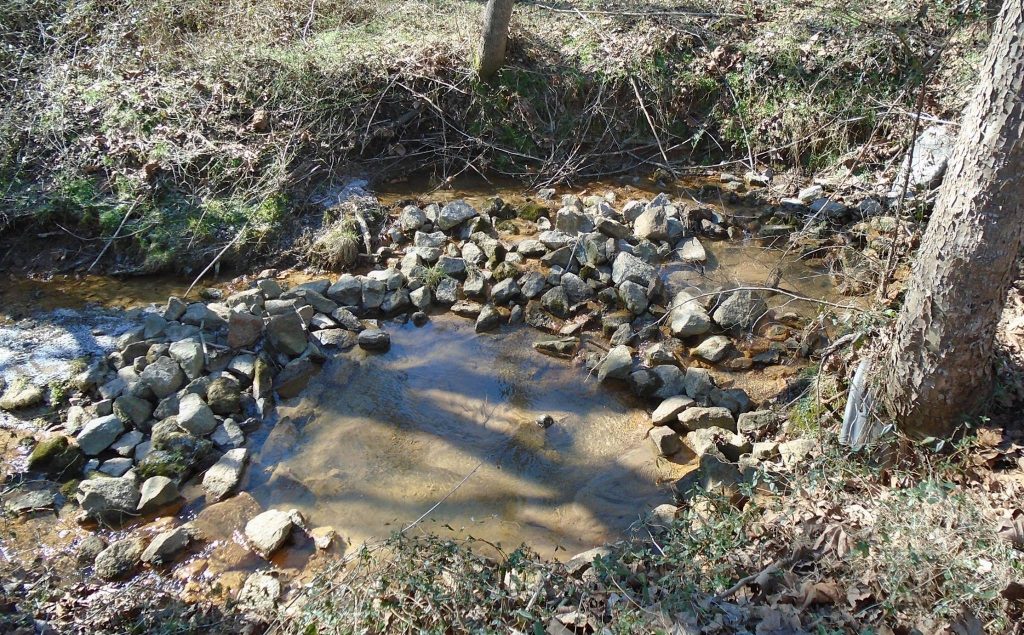
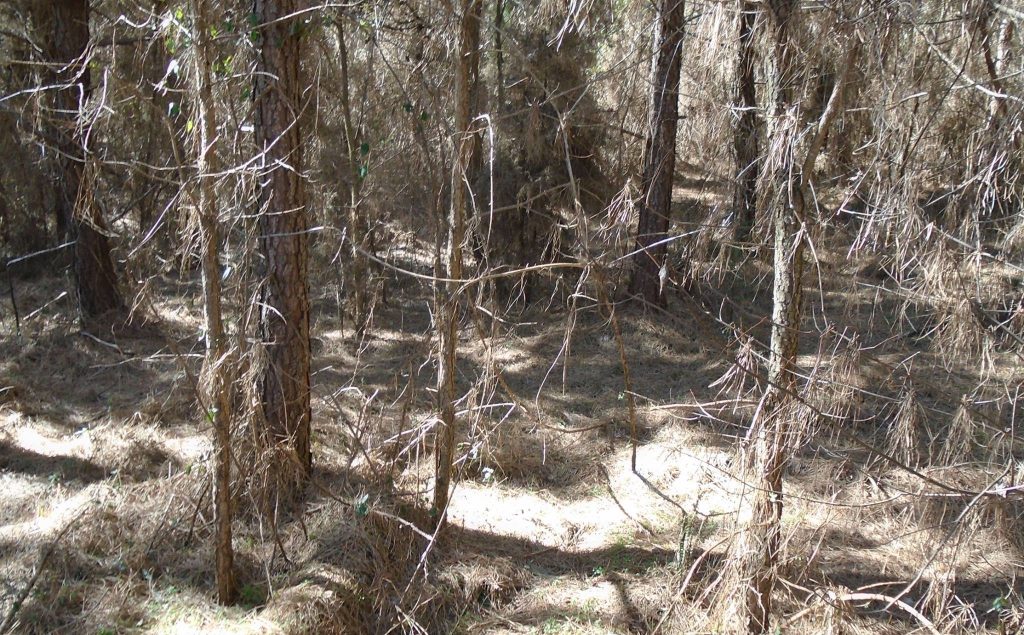
My penultimate picture show my attempt a water management. I built a little pool with rocks. But water has a way of not working according to plan. It seems to be going its own way, unvexed by my plans for it. The tree in the foreground is a sycamore. My last picture is the canopy close. The trees have been in the ground for twelve growing seasons and now are thick enough to shade out competition. Some of the less successful trees are already dead or dying. We will thin them in 2018.
 America never stopped being great and we are about to become greater again. Competition, automation and the 2008 crash followed by a weak recovery have made us feel less down and fueled anger, but we are at an inflection point again with indicators pointing up. In some ways, the situation today is like that of the late 1970s or early 1980s. We lived through a years of uncertain recovery and “malaise” but good things were happening that were easily overlooked.