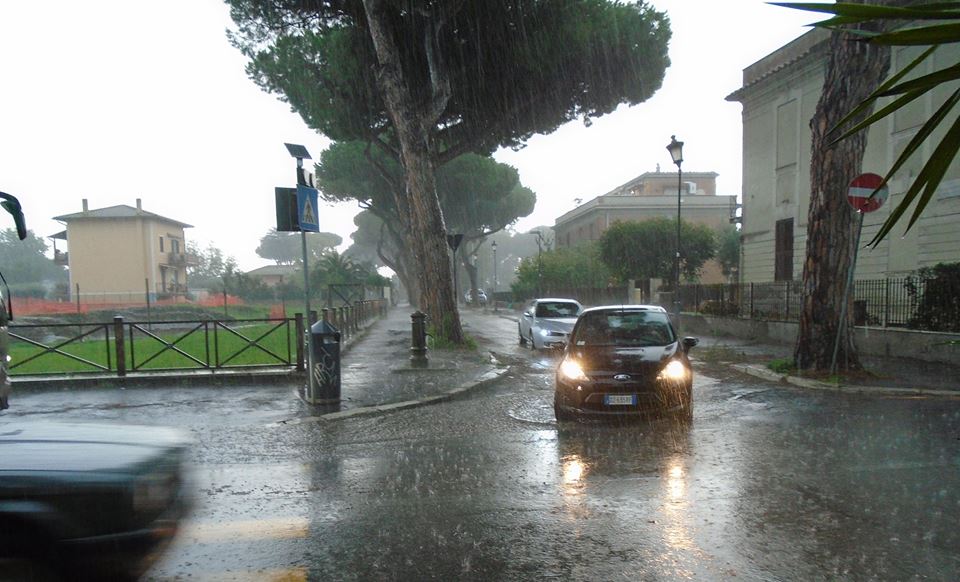
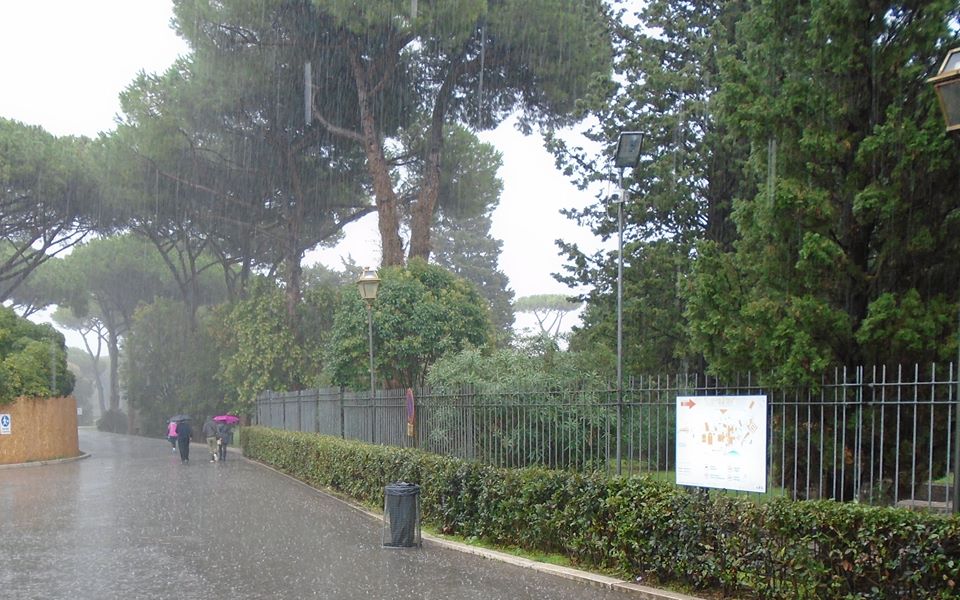
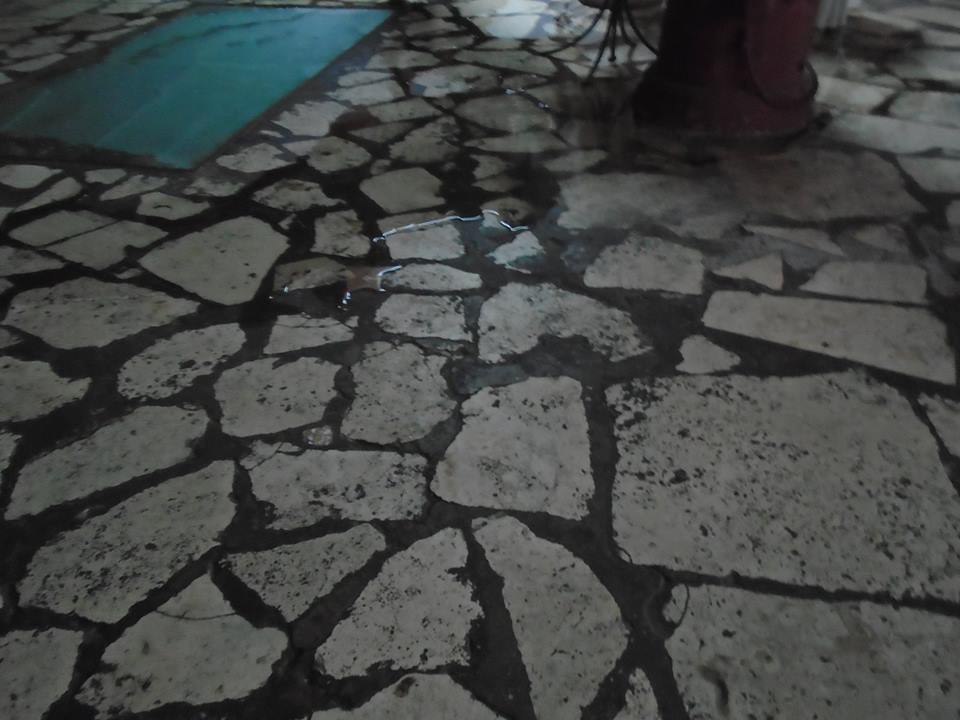
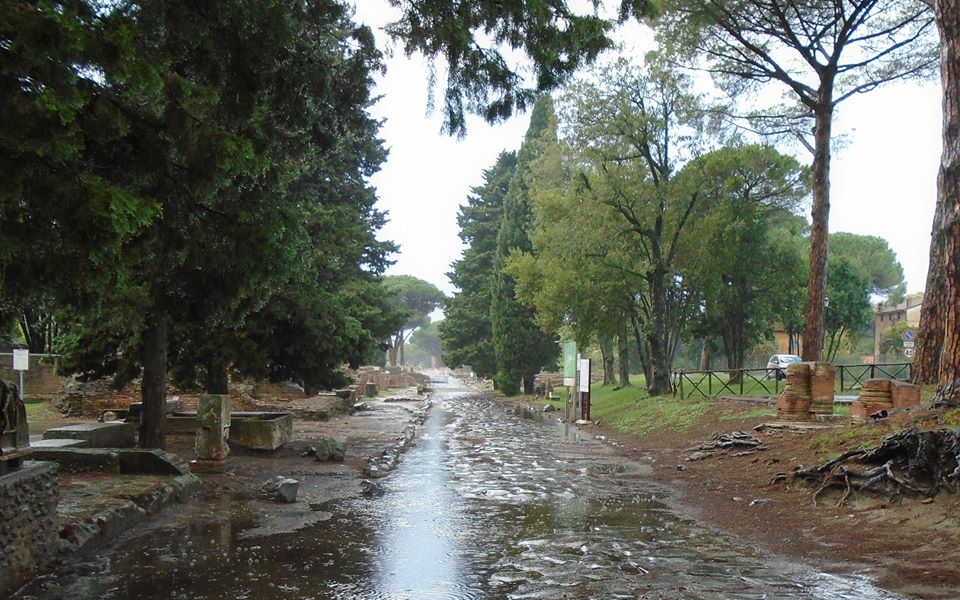
We enjoyed wonderful weather for the whole trip, except for a little rain yesterday and a lot of rain today. We visited Ostia Antica today. It was worth the visit. The rain was not as pleasant, but it did thin the crowds.
We took the bus from our hotel and got off into that rain you see in the first photo. We retreated into a nearby restaurant and were glad of the slow service. It is hard to see in the third photo, but water actually flowed across the floor. We hunkered down until the rain slowed, but it didn’t stop, as you see in the second picture. Chrissy had an umbrella and I had my Goretex coat, so we could proceed. The rain finally got only sporadic and we still got to see old Ostia.
We stayed at the Ostia Antica Park Hotel. It is about as near to Ostia Antica as you can get and it looks walkable on the map. It is walkable. You just cannot walk in safety or comfort, since you have to walk along a busy narrow road with no shoulder and no path. We took the bus.
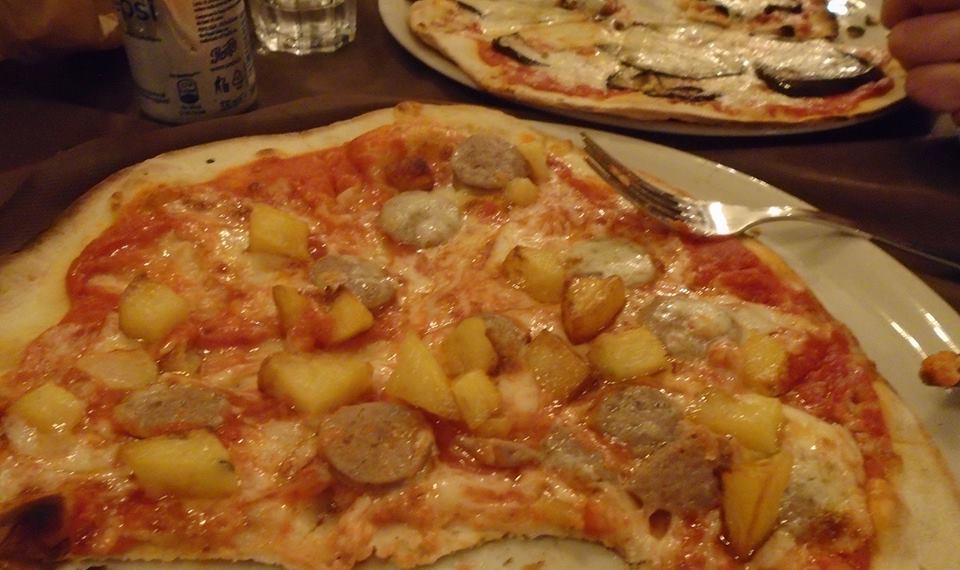
The hotel is good an very inexpensive. The staff is extraordinarily friendly, all of them. It rare to find such enthusiasm. If they are not sincere, they are very adept at faking sincerity. In the restaurant today, we had our last Italian pizza. Among the choices, the one I chose, was sausage & potatoes. I had never before seen potatoes on a pizza and thought they meant tomatoes, but they meant potatoes. It is an odd, but not a bad combination. You get starch and starch. The pizza was generally good, one of the best we had.
I have been a little disappointed with the food this time. Let me be clear, food in Italy is great. But I remember it being superbly great (if I can double up on superlatives.) Now it is just great. I think what happened since I was here in 2002 is that food generally available in America has improved, so relative positions changed and my expectations have risen. My taste in food has change too. I used to eat mostly pasta and pizza. Today I like fresh vegetables and salads more and they are now more easily available in the U.S. Or more to the point, I know where to get it in the U.S. now.
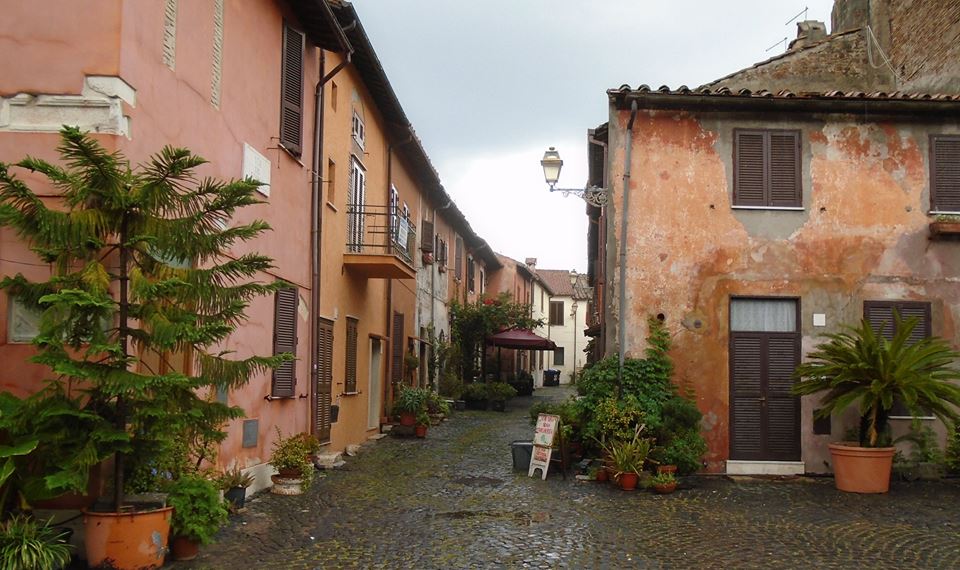
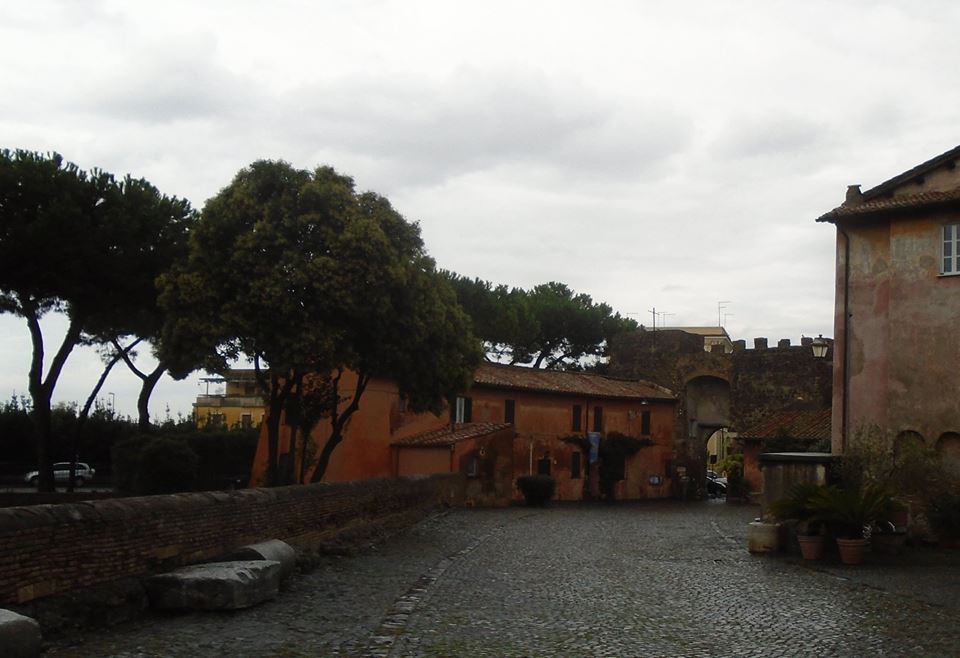
My first photo shows the sausage and potato pizza. It looks like pineapple, which some people erroneously think goes on pizza, but its not. The other photos are from the little village near Ostia Antica ruins, very charming.
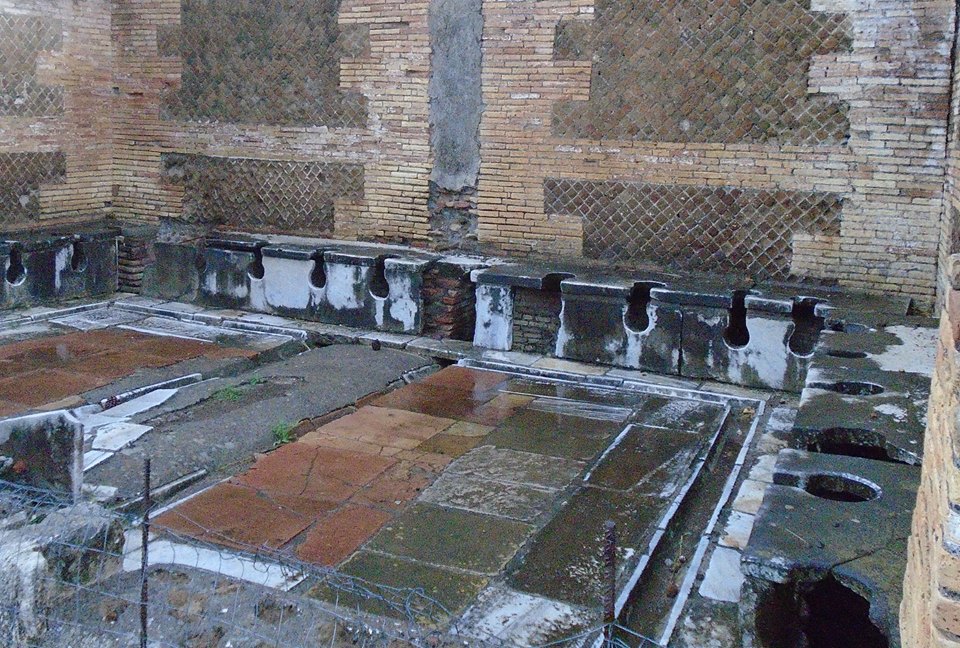
More from Ostia. The first photo shows the public toilets. It must have been odd to be sitting in rows like that doing your business. I suppose the men could encourage each other and compete to see who could be fastest and best. “Who does #2 work for?”
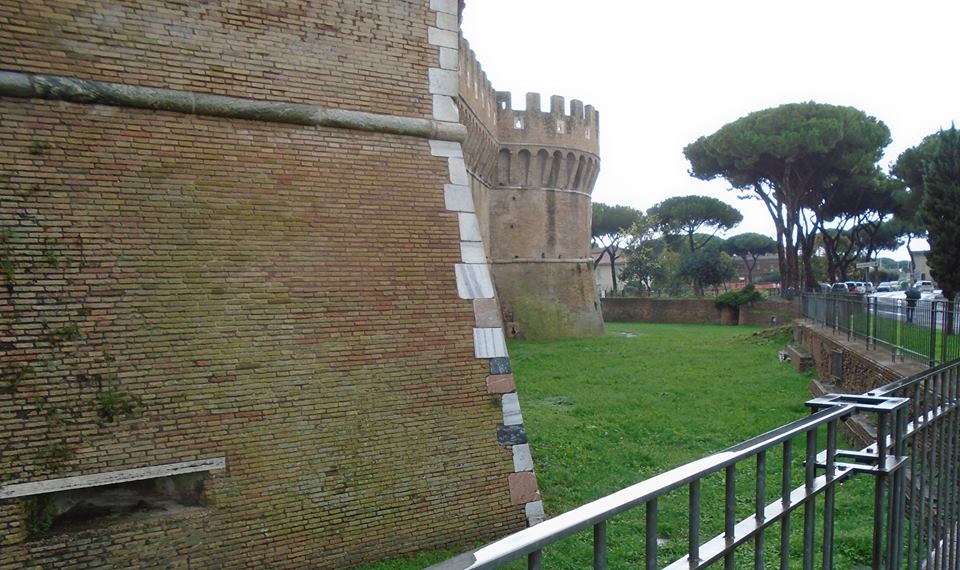
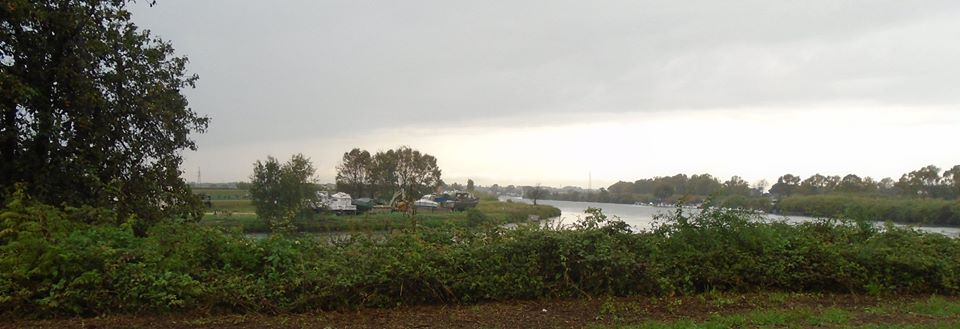
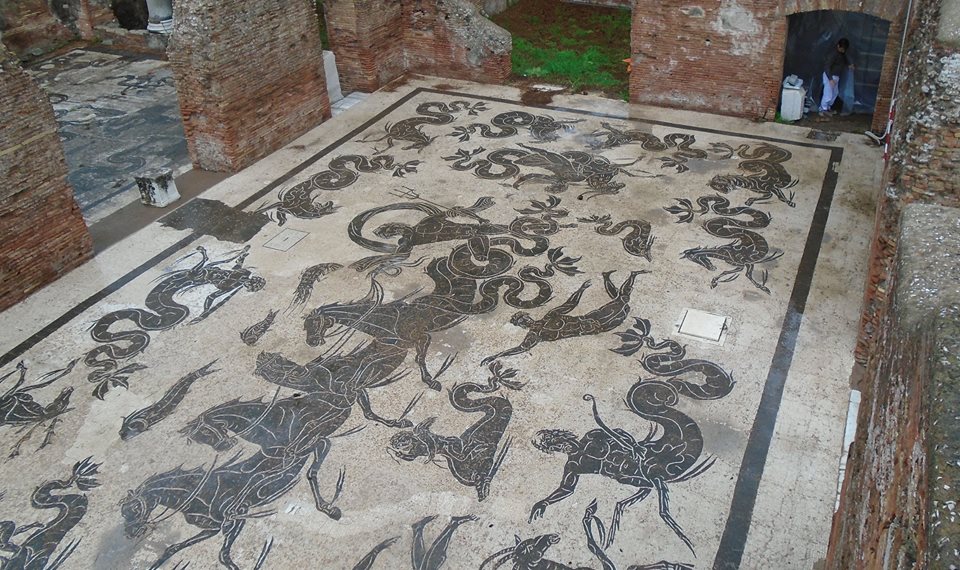
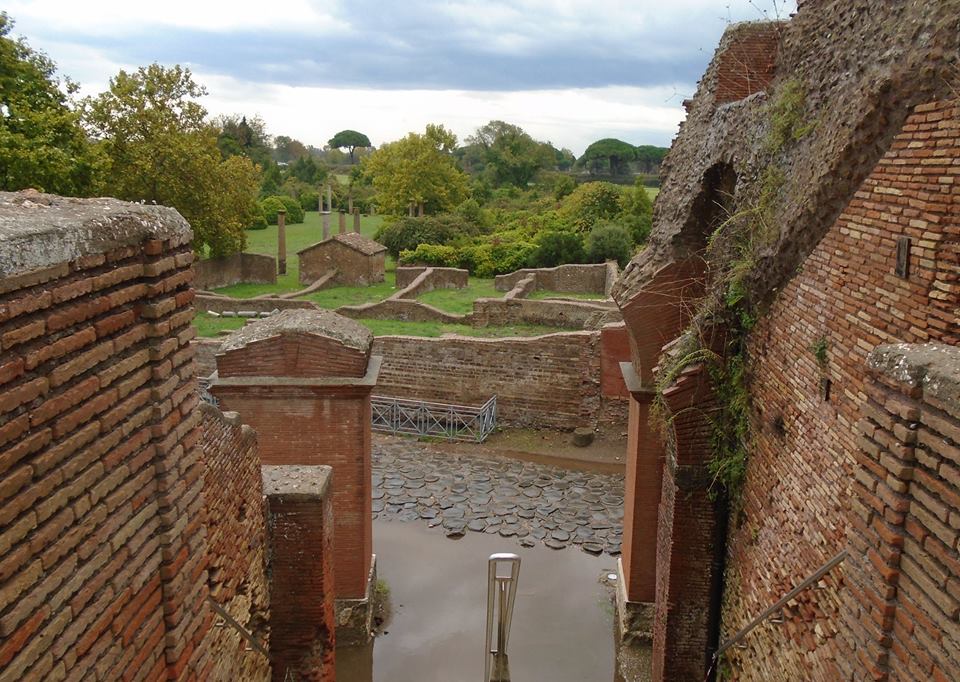
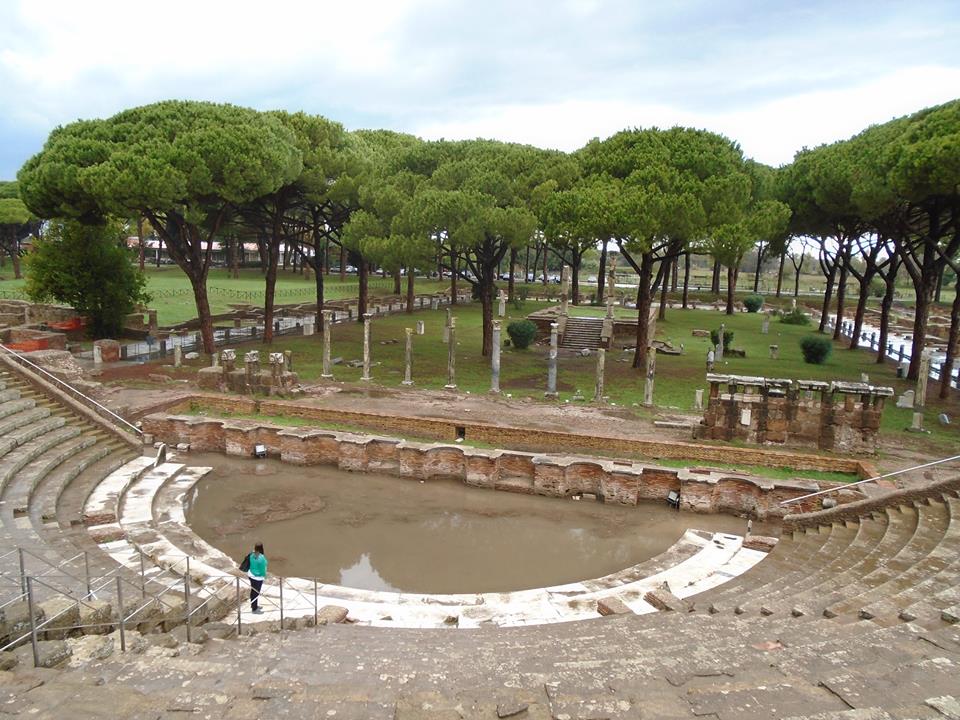
Next is the Tiber. This is the only part the still touches near the town. The third photo is one of the mosaics. They are being restored and cleaned, those that had not been plundered. Number four is another scene from the city and five is the amphitheater again.
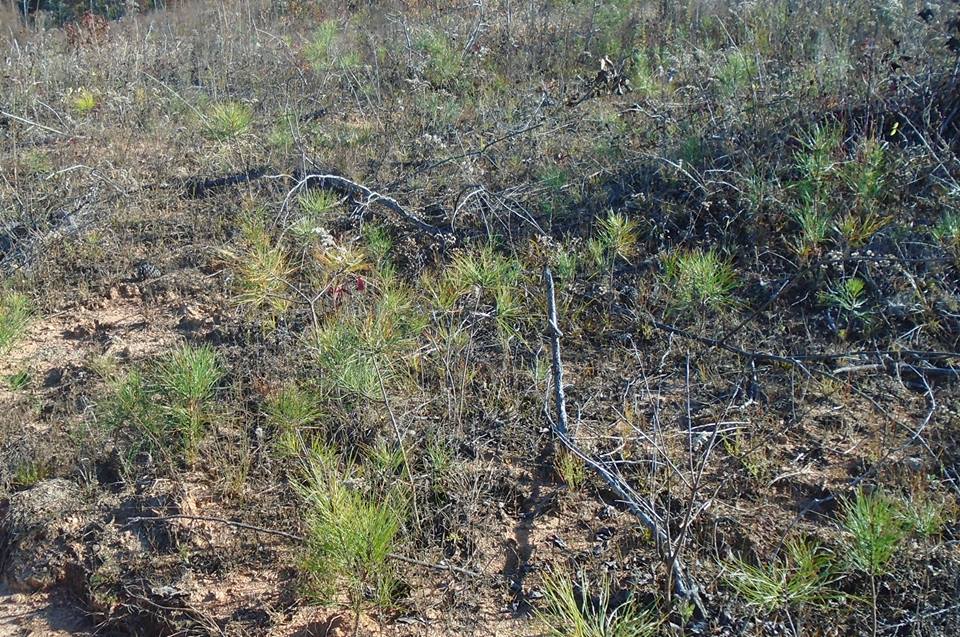
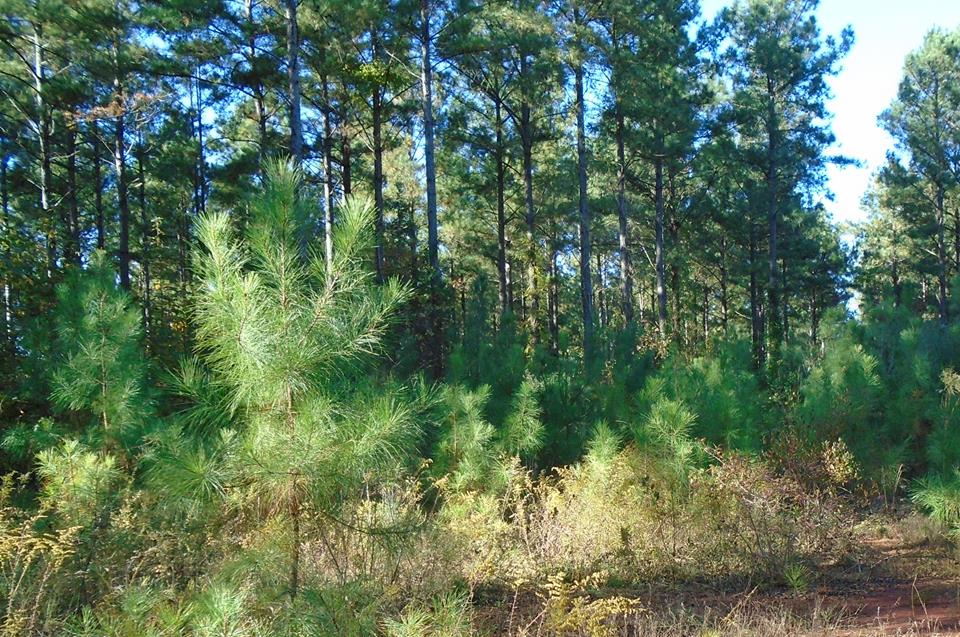
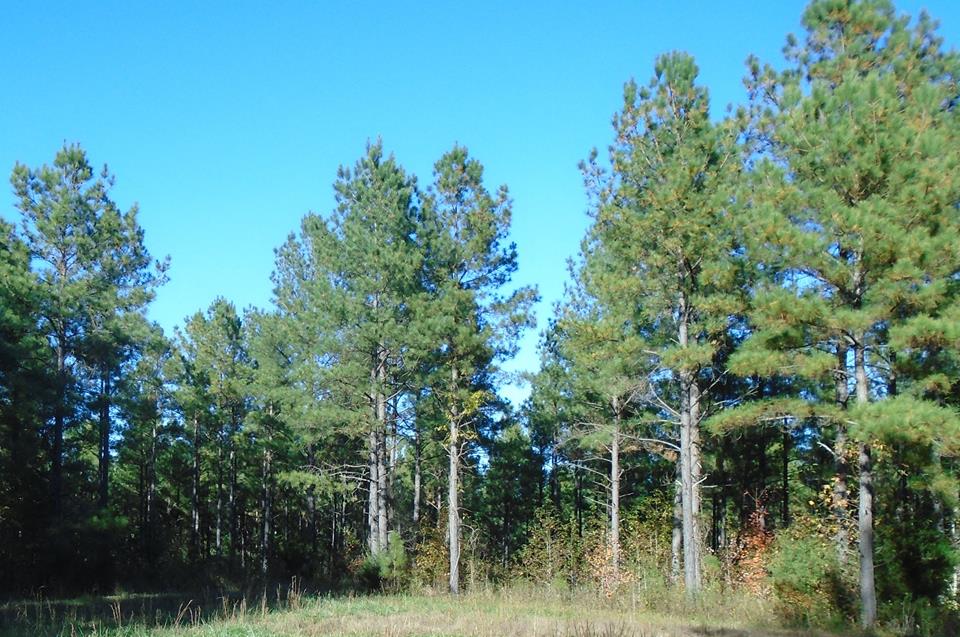
Inspected the place we clear cut last year. It is now fall, so I can see what is coming under. We planted 21,000 seedlings in March and April, almost 500 per acre. It looks like there will be a lot more. The loblolly have seeded in. The reason we planted, as opposed to natural regeneration, is that I think that the new seedlings will be genetically faster and better. I guess this will be a good test case. Presumably, I will be able to tell in five years.
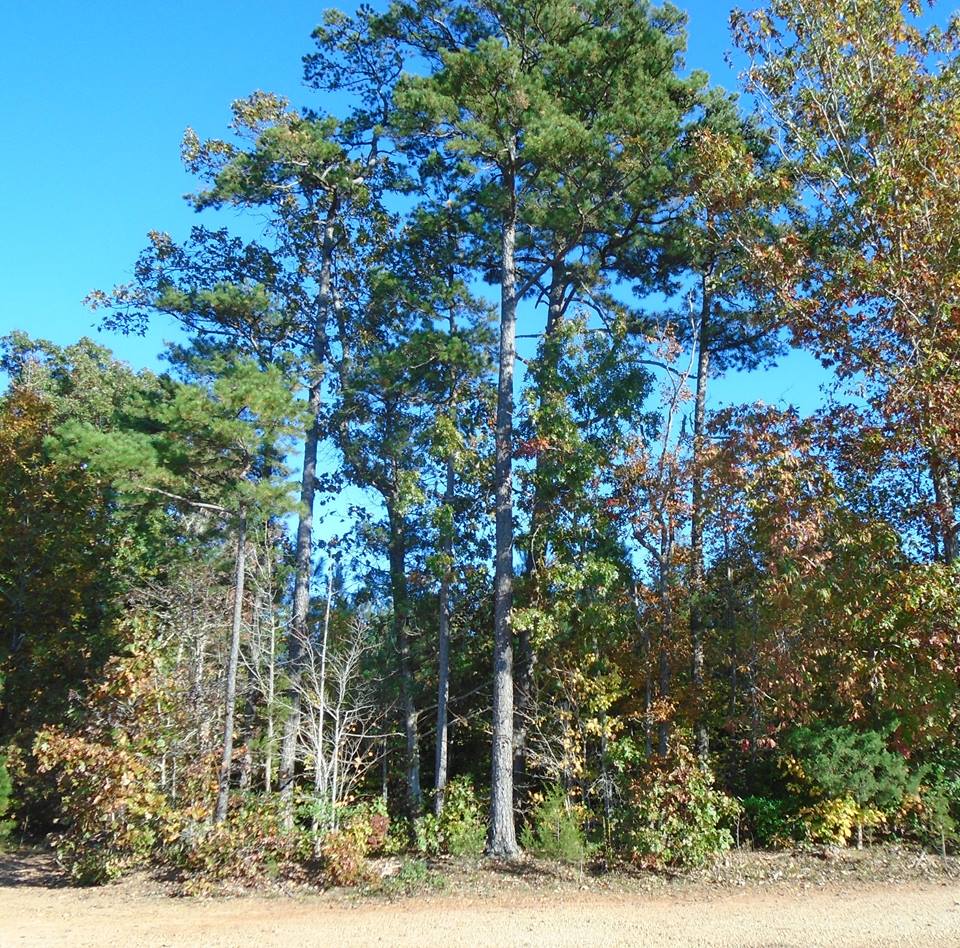
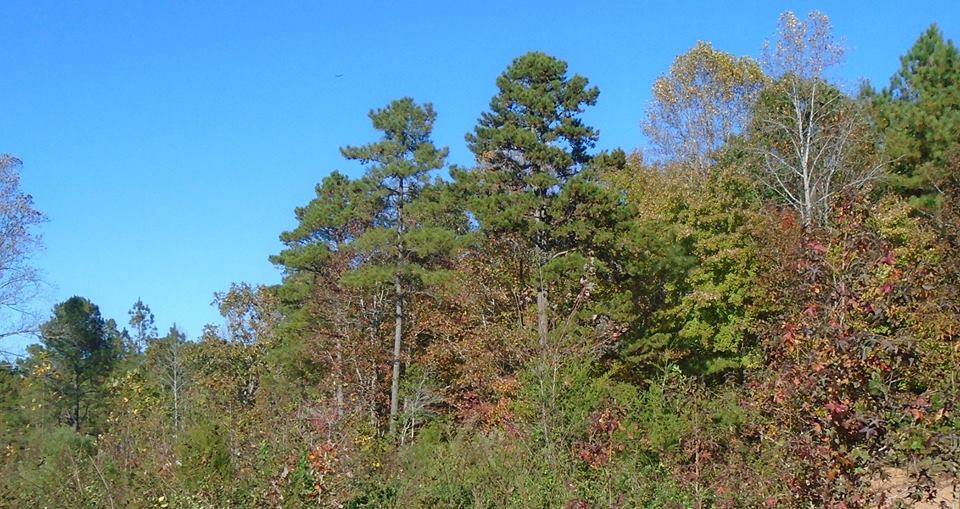
My first photo shows the loblolly that have grown in the last few months. Next shows how much they have filled in in the landing zone. Picture #3 is some of the older loblolly, maybe the seed sources. The last two photos are shortleaf pine. These are also beautiful trees. They grow slower than lobolly and in many ways behave more like a hardwood species. They are the most widespread of all southern pine species, but are always associated and never dominant.
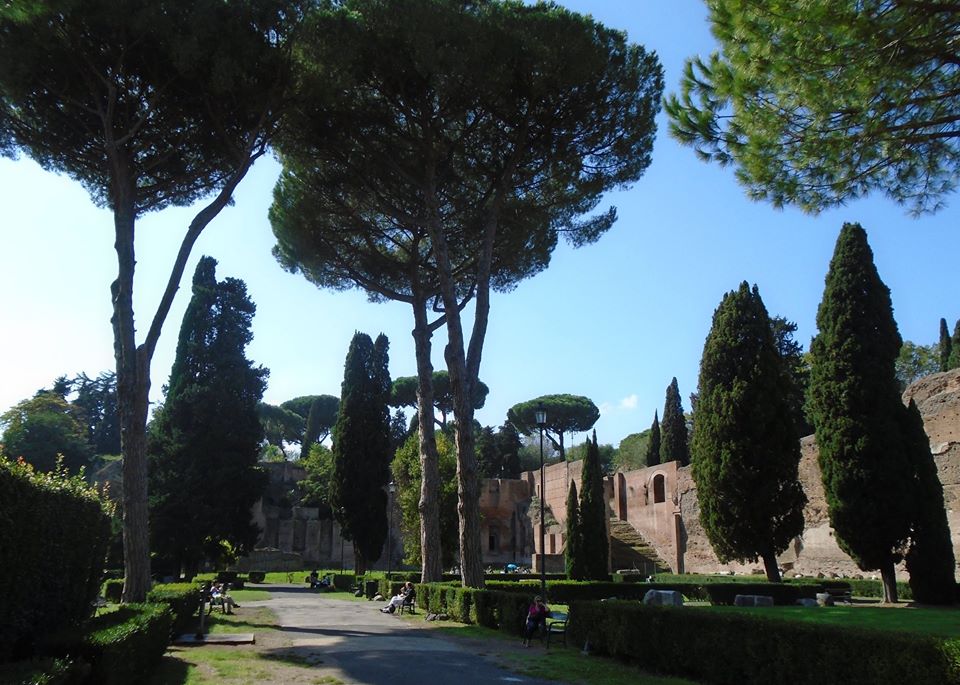
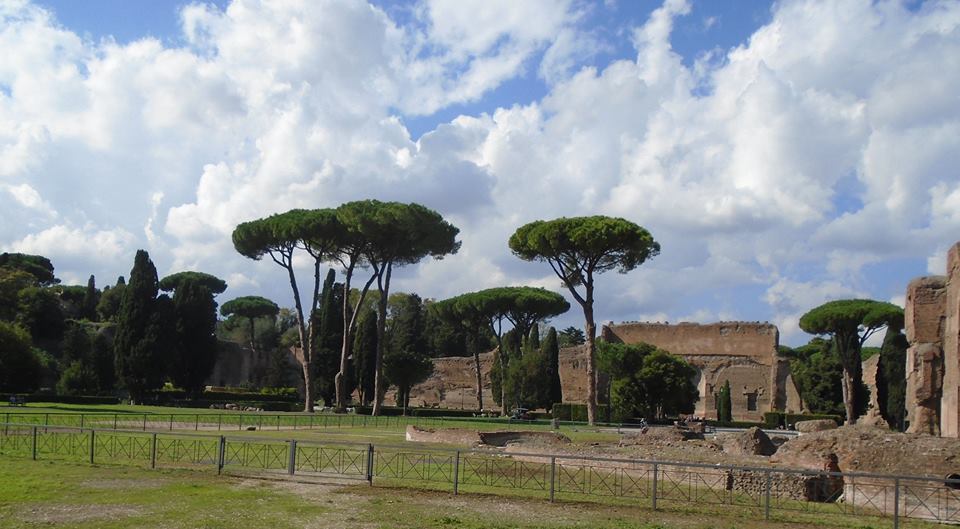
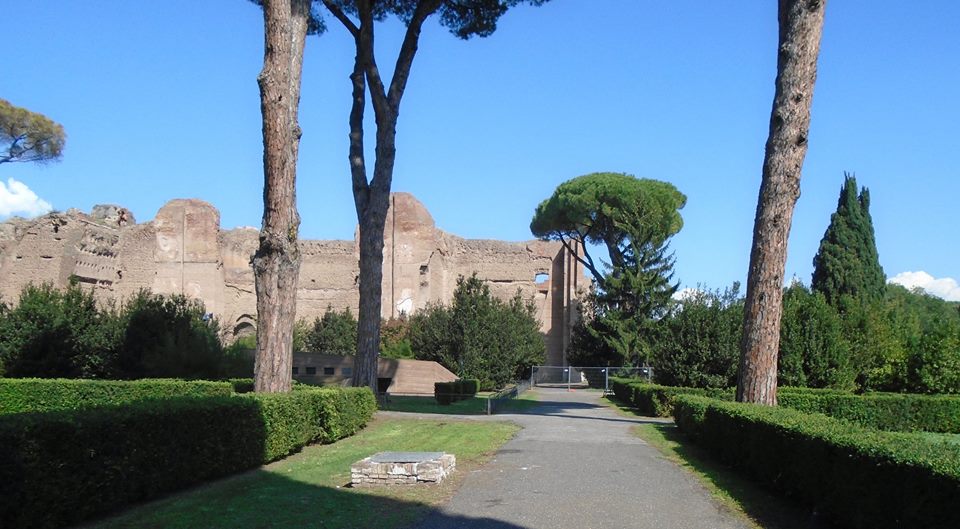
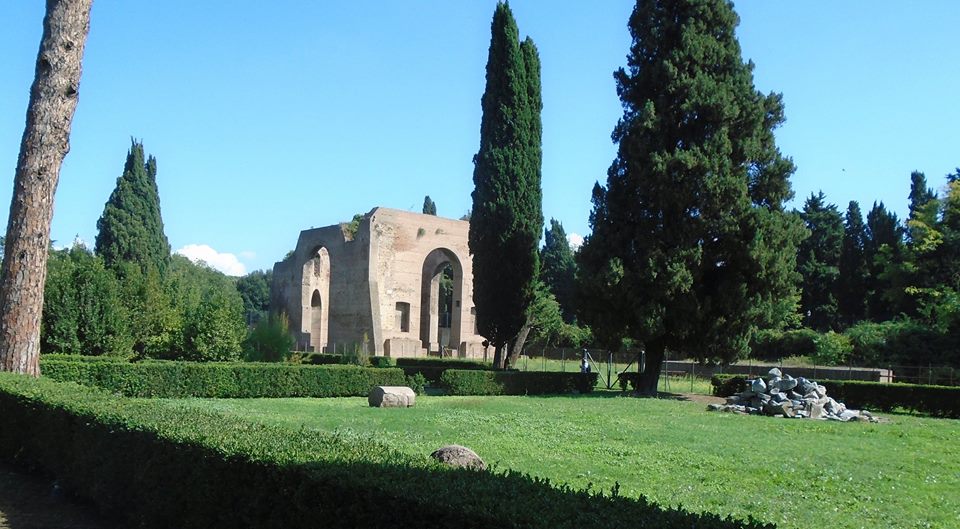
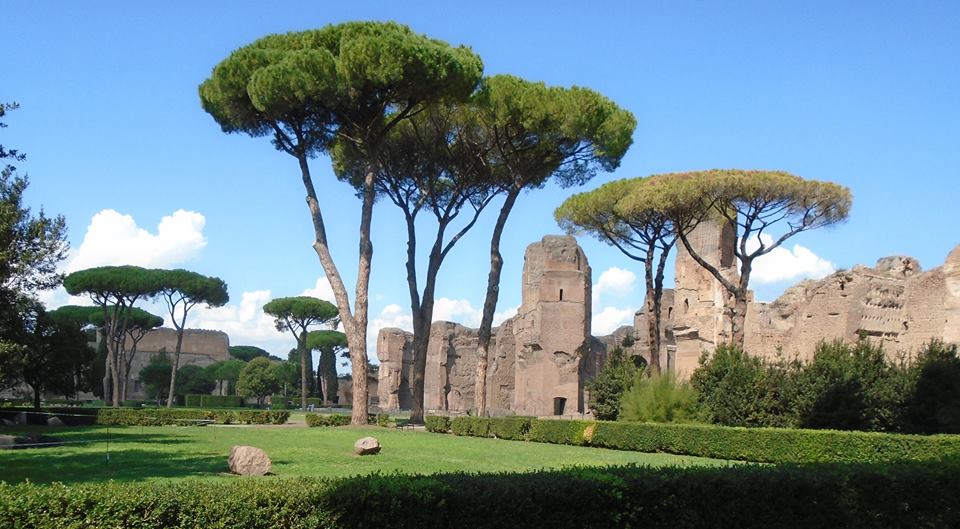
I like trees and so I appreciated the trees in the gardens at the Baths of Caracalla. Roman stone pines (or umbrella pines) are particularly impressive and lend themselves well to shading ground well below. The big trees have orange bark, while the younger ones seem to have darker bark. I cannot find references to this. I do know that ponderosa pines have a characteristic of darker bark until they are about a century old and then it turns orange, but I did learn that stone pines do not live very long (for trees) rarely more than 150 years. So, who knows?
Stone pines probably originated on the Iberian peninsula and were localized there, but Romans and other ancient people planted them all around the Mediterranean, and they are now naturalized in most places where the Romans once ruled.
Notice in the last photos the one pine is yellowing up top. They need more for the next generation.
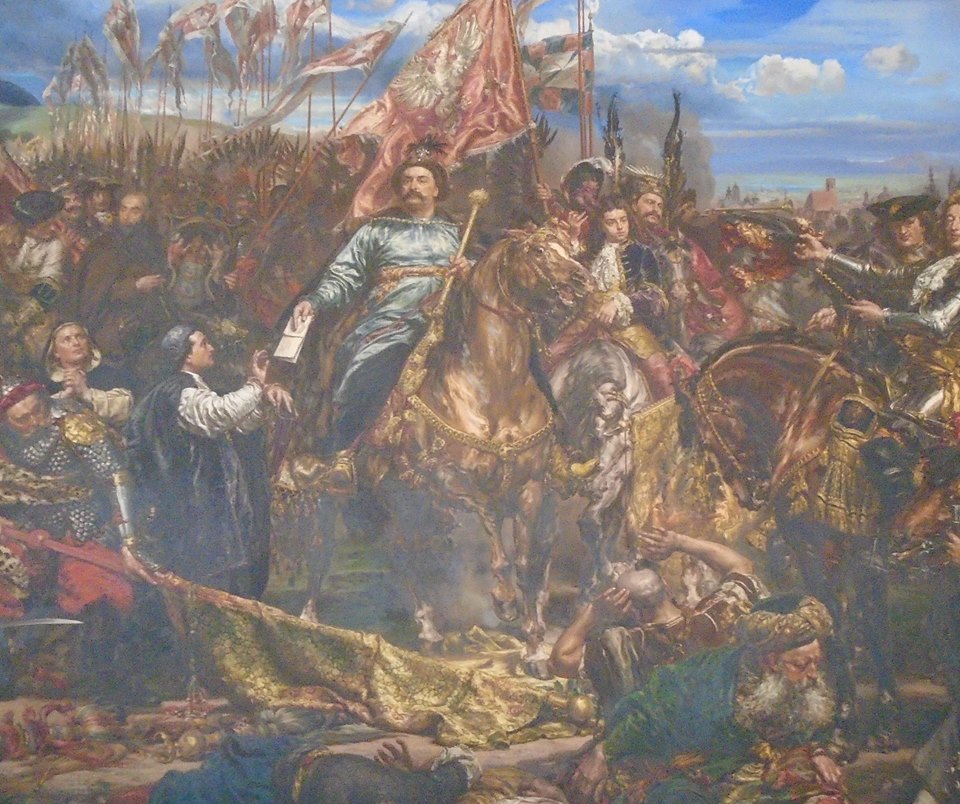
Vatican museum features a large painting by Jan Matejko, whose work I got to know well during my time in Krakow. Jan Matejko lived in the 19th Century in Krakow. His specialty was massive works depicting great moments in Polish history. Painting in Vatican shows Jan III Sobieski, one of the greatest Polish kings and his victory over the Turks at Vienna. It was September 1683. The Turks had pushed to the gates of Vienna and were successfully laying siege. The triumph of the jihad seemed assured with the Turks continuing their 300 year conquest of eastern and central Europe. But then the Polish army crossed the Danube under King Jan Sobieski. Soon the Turkish army was fleeing back toward Constantinople. Its expansion finished, a true turning point in history. Never again would Europe face this kind of existential threat.
So the Polish King Jan III Sobieski helped save Europe from conquest by the armies of Islam and Pope John Paul II (Jan Pavel) helps save Europe from Soviet communism. Is there something about the name John or being Polish?
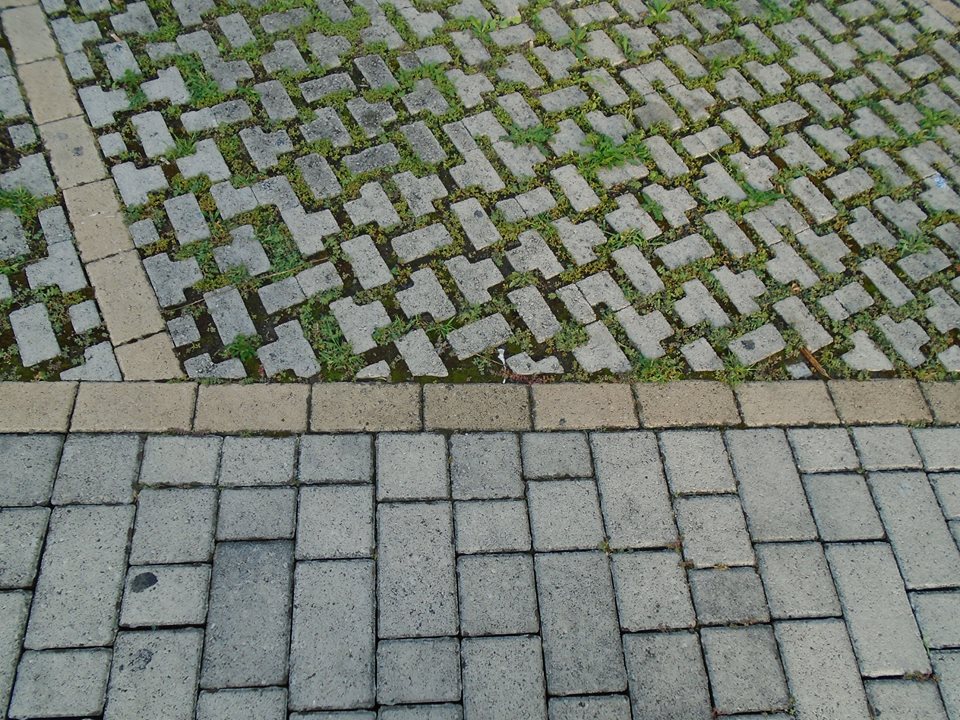
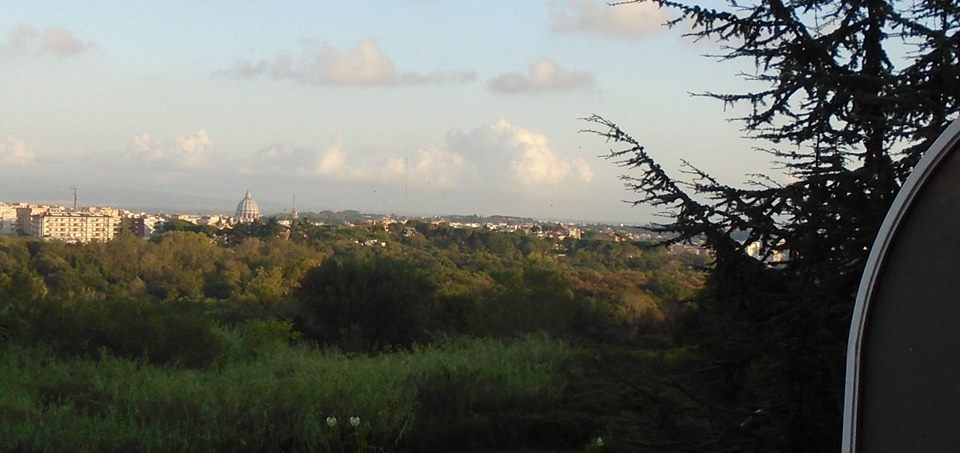
We are staying at Courtyard Central Park in Rome, using my accumulated Marriott points. It is, as the name implies, up against a big park that stretches from here to the Vatican. We have a little balcony with a nice view, that you can see in the first picture. It is only three miles, but you really cannot walk, since the path is along a busy, twisty road. Next picture is the pavement in the parking lot. I like how they do this in Europe. It lets the rainwater soak in and plants can grow in the lot. A problem with this in much of the U.S. is snow plows that would push up the bricks.
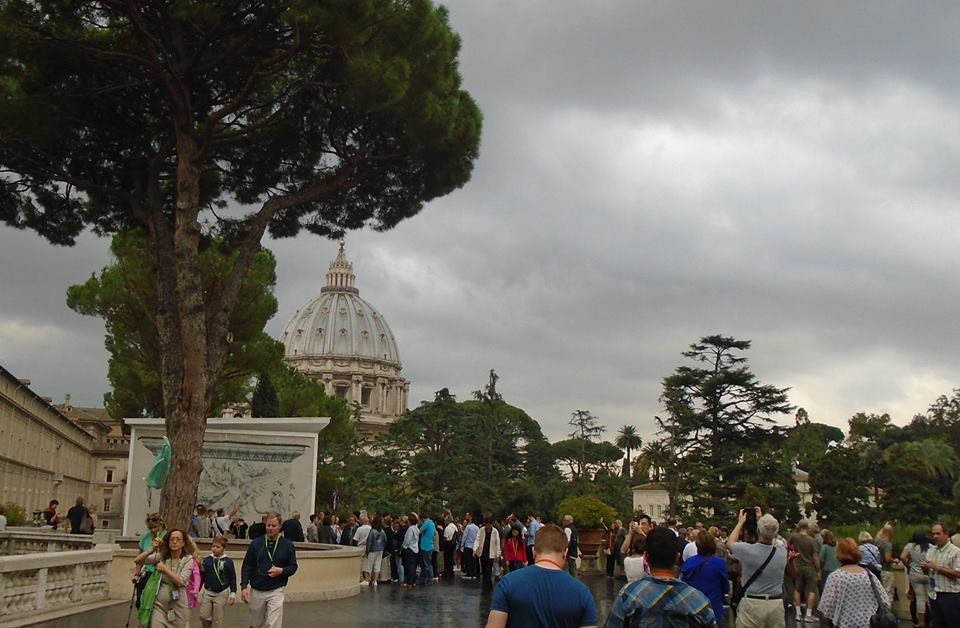
Next photo is St. Peter’s from closer up. It is similar to the U.S. Capitol. I suppose the U.S. Capitol is similar to it, since it was built sooner. Michelangelo designed the dome. That guy could do everything, an original Renaissance man.
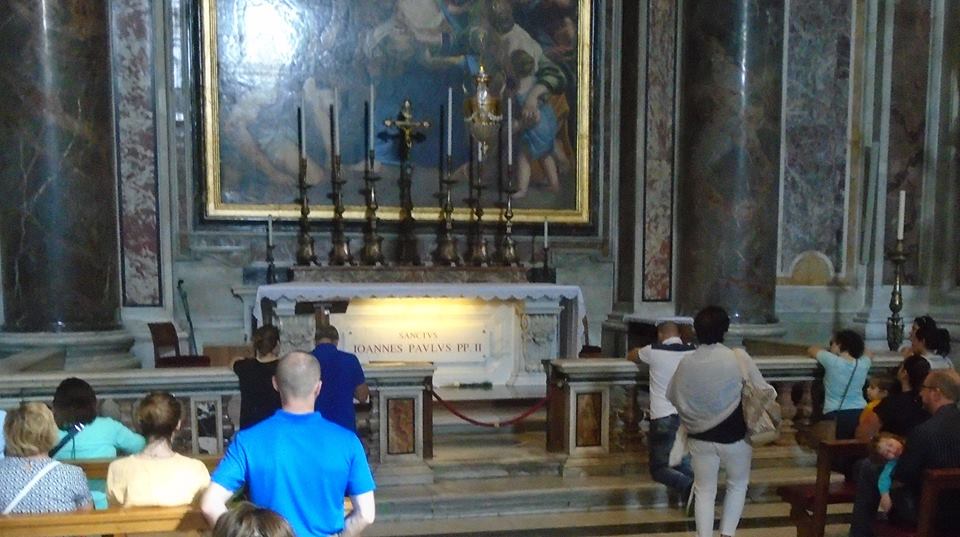
Next is the tomb of Pope John Paul II, a great man. My Polish friends explained how important he was to the fall of communism. When he visited Poland in 1979, millions of people came to see him. The communist media downplayed the numbers and showed only old people. But the people knew and for the first time many knew that they were not alone in their opposition to Godless communism. Such events are hard to quantify, but they are inflection points in history.
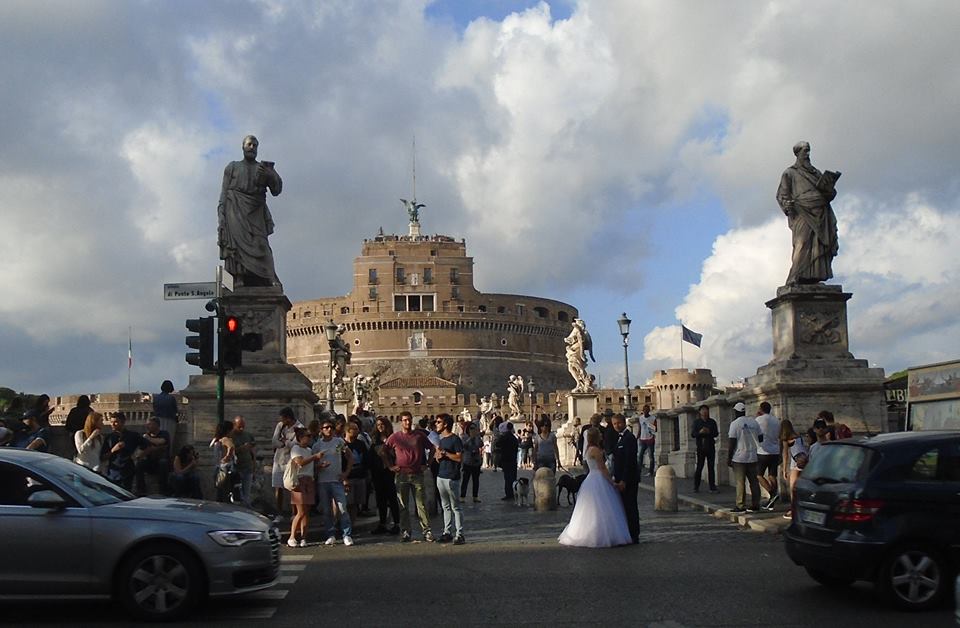
Last is a picture of Angel Bridge going to Vatican. The newlywed couple on the bridge is street art. There are people, and in this case couples, who stand perfectly still, like statues. Sometimes you cannot easily tell that they are not statues. If you are sufficiently impressed, or just feeling charitable, you toss some money into their boxes or hats.
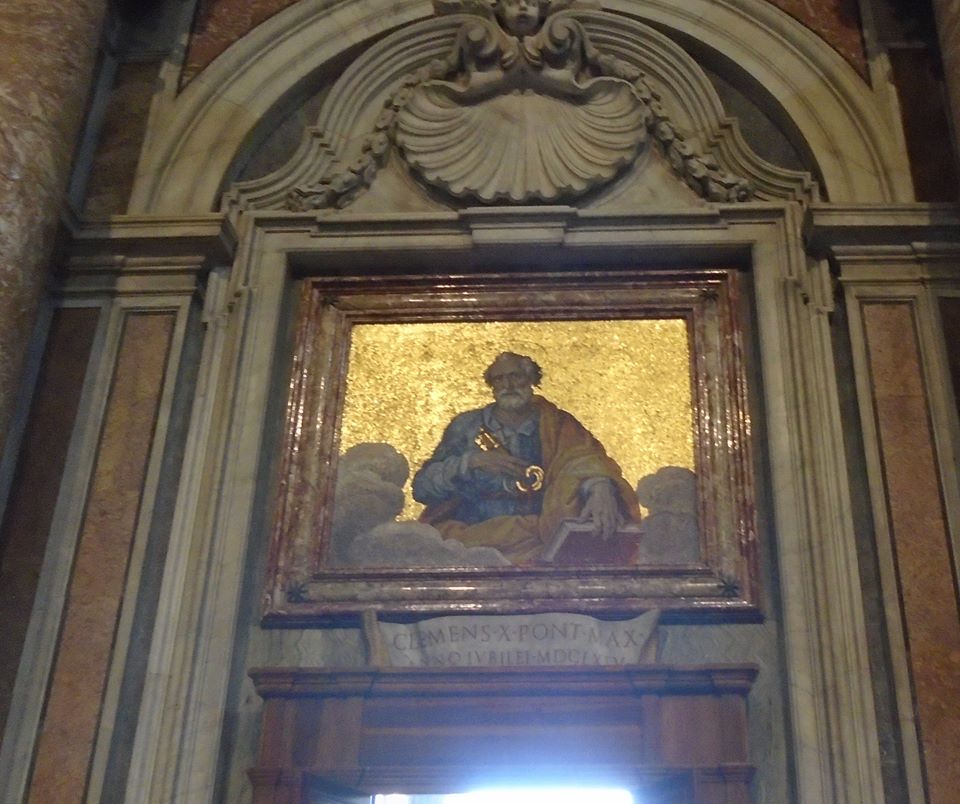
Went through the Holy Door of Mercy at St Peter’s yesterday. The idea is that sins will be forgiven by walking through it. Let’s hope so. Pope Francis declared the door open last December. It door will close next month and may not open again until 2040. Authorities at Vatican expect a last minute rush.
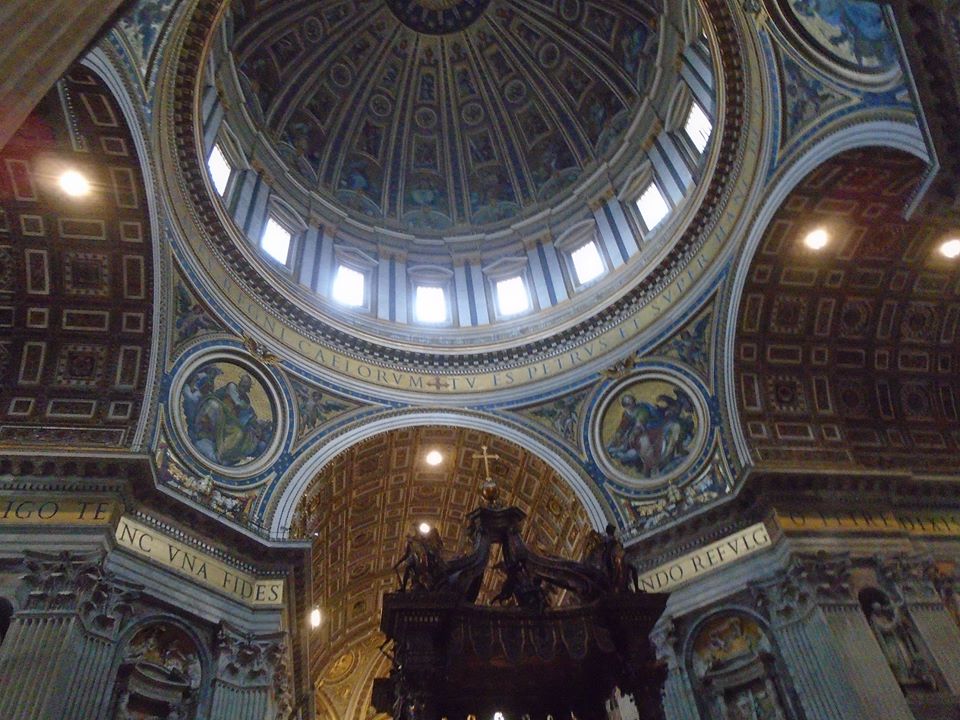
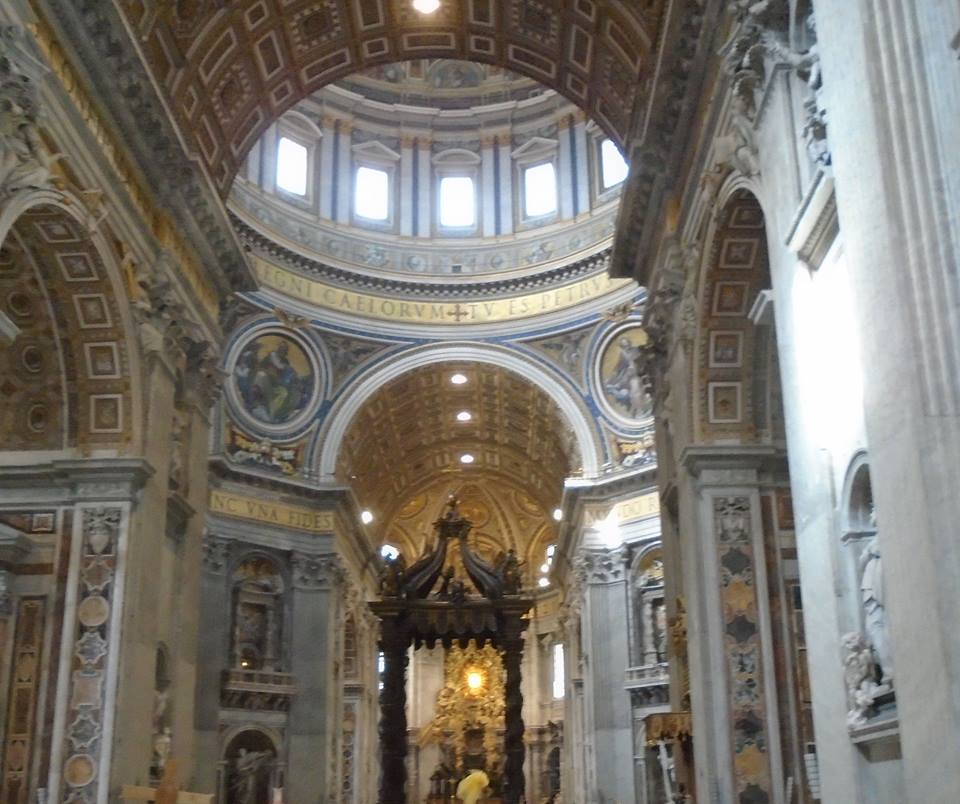
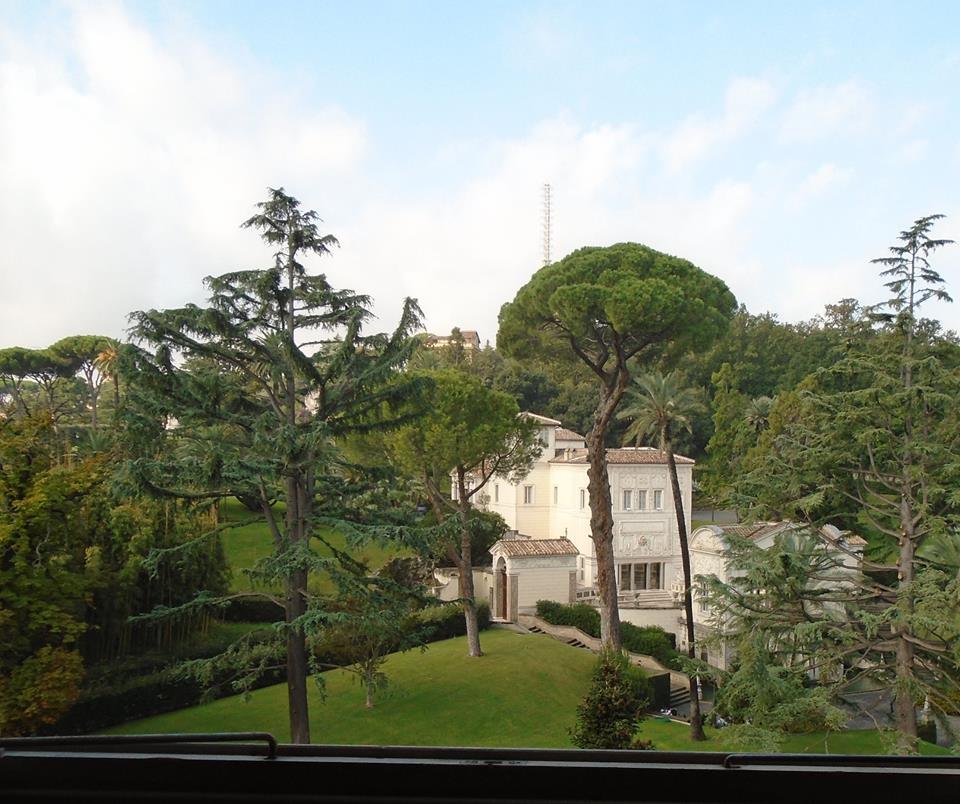
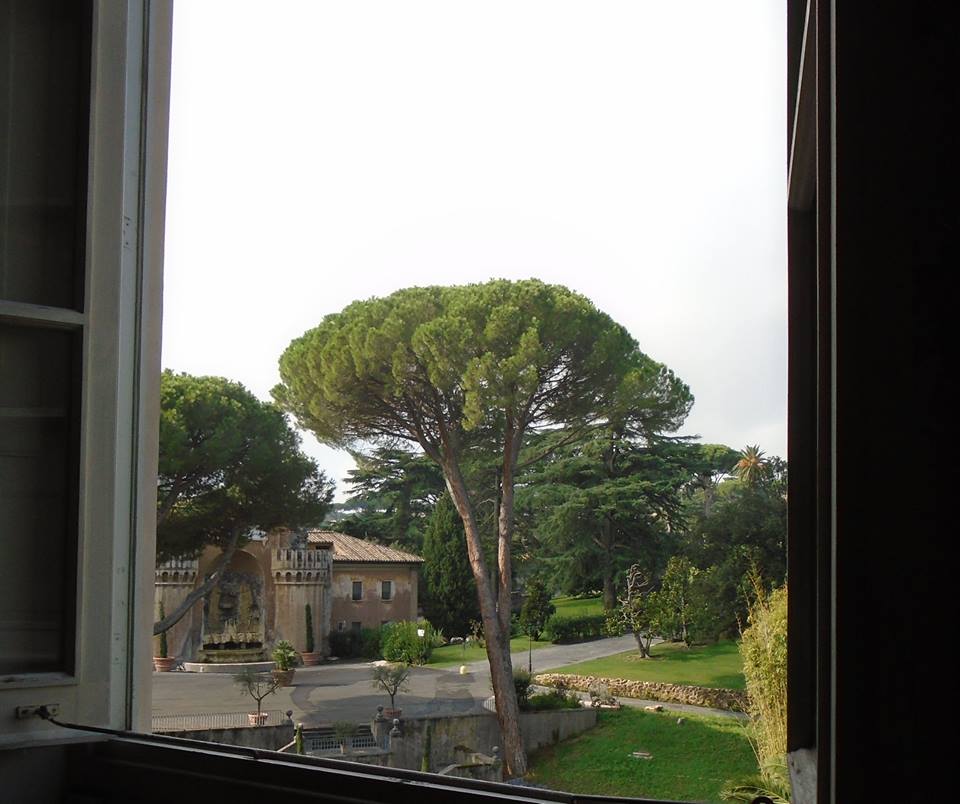
My first picture shows the door. Next are views from the windows at Vatican and then the dome of St Peter’s.
I would like to see some of this applied to forestry. The leading ecological threats today are invasive species and native species made functionally invasive by environmental change. We have seen near total destruction of the American chestnut, which once made up around 1/3 of the eastern forest. We are experiencing oak wilt, hemlock investigation, emerald ash borers, scale insects on white pine … I could go on with the depressing litany, but suffice it to say that there is no possibility of cultivating forests on a large scale the way farmers can do fields.
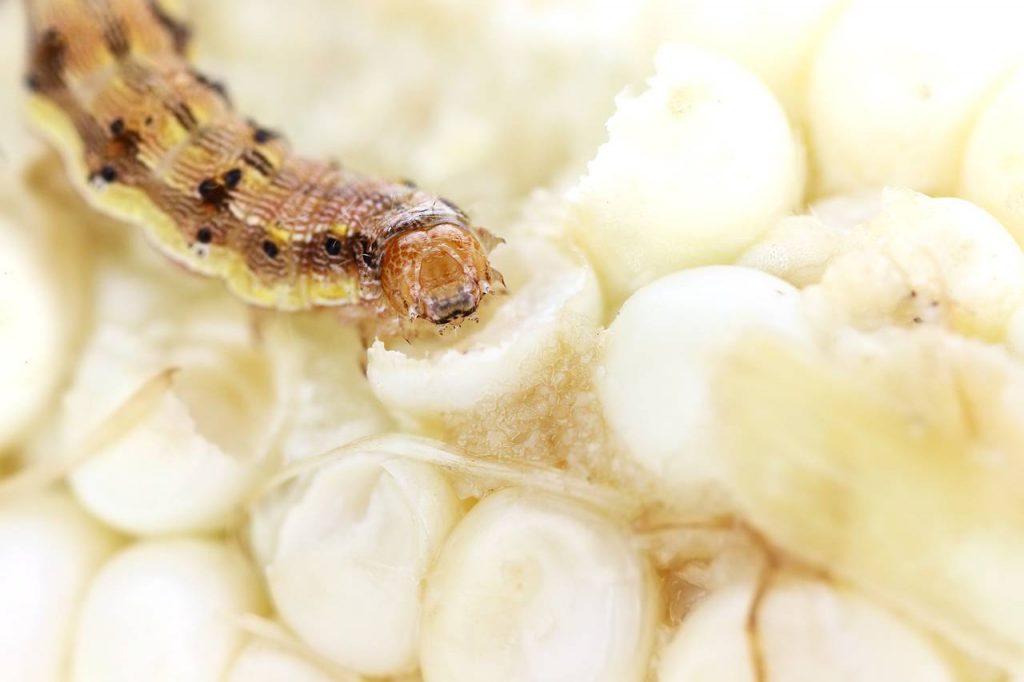
If we are going to save our forests, we need all the tools, including GMOs. We would not introduce them forest wide. What about something that did to the ash borer what the GT corn does to the corn borer? It takes a long time in forestry, so we need to start yesterday. I do not expect a panacea, but in the Anthropocene, GMOs are a key tool in maintaining ecological diversity of our forests.
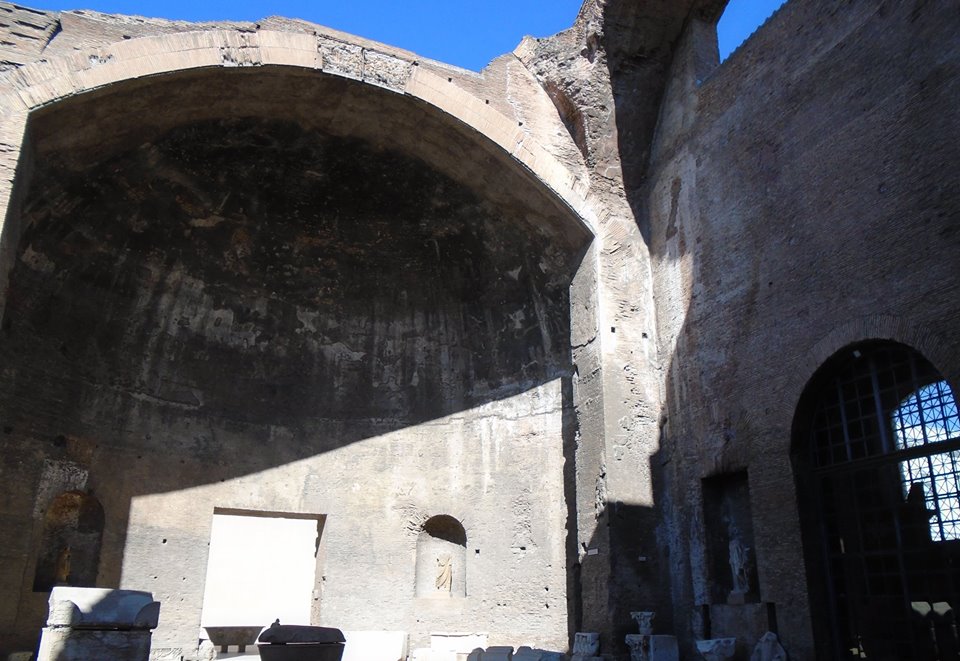
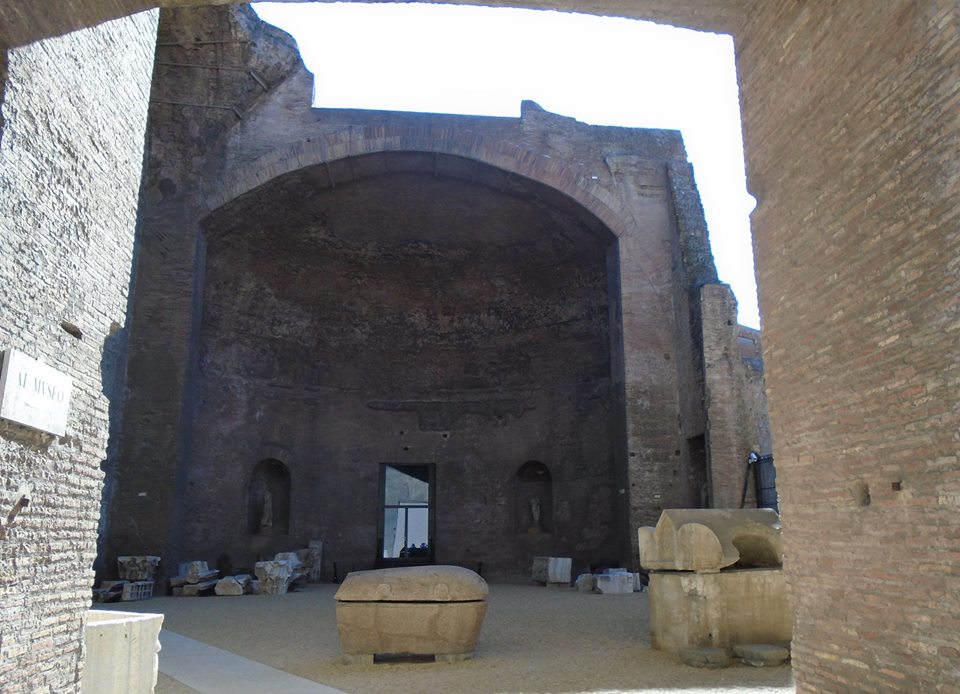
Yesterday it was the baths of Caracalla. Today we visited the baths of Diocletian. They are similar.
Diocletian was an interesting emperor and even after 1700 years, he is still controversial. We all agree that he saved the empire. We disagree about what it is he saved. The Roman Empire was not democratic and citizens did not enjoy the kind of civil right we treasure. However, there was a fair amount of liberty, at least by the standards of the time. If you stayed away from a few politically or religiously fraught topics and you didn’t make trouble, the authorities largely left you alone. Of course, you needed to avoid marauding armies engaged in civil wars, but – again by standard of the time – life was okay.
Diocletian changed that. He was a practical guy and practically a totalitarian. He debased the currency and when people did not want to accept it, he set up wage and price controls. When people worked less or left particular professions because of onerous rules and taxes, he decreed that they had to stay in those jobs. When there were too few replacements for those who died, he decreed that sons had to follow in their father’s trades.
What’s to like about him. I do not, but let me try to tell that side. Diocletian stabilized the borders and the state, for a short time at least. His administrative reforms continued in place for hundreds of years. If you like control, Gaius Aurelius Valerius Diocletianus Augustus was/is your man. And he did build those baths.
IMO, it might have been better for the Empire to have disintegrated and maybe reformed into something or somethings better. Opinions differ.
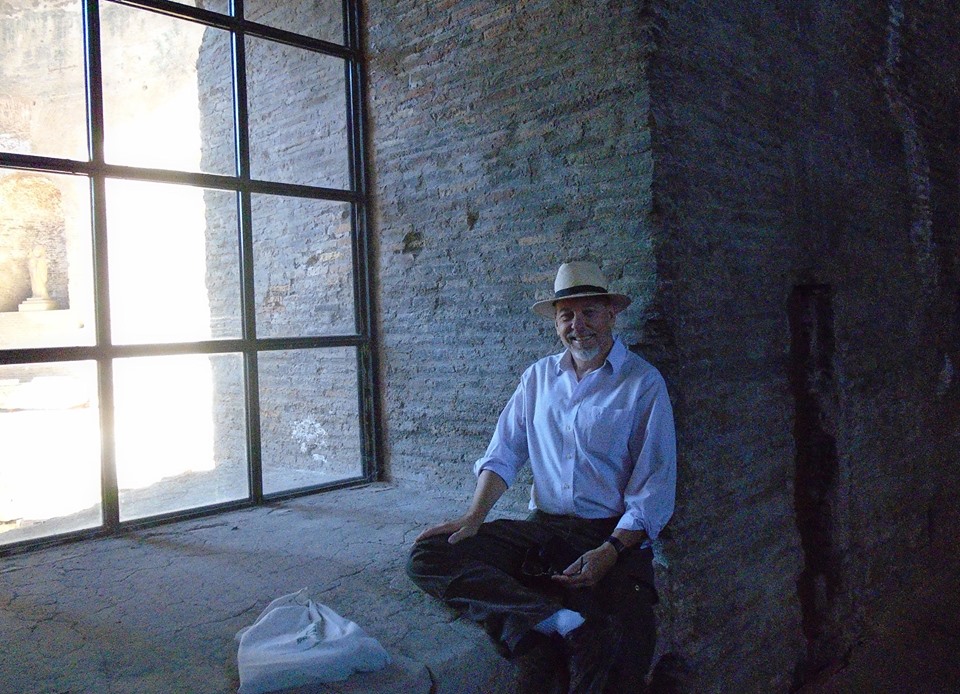
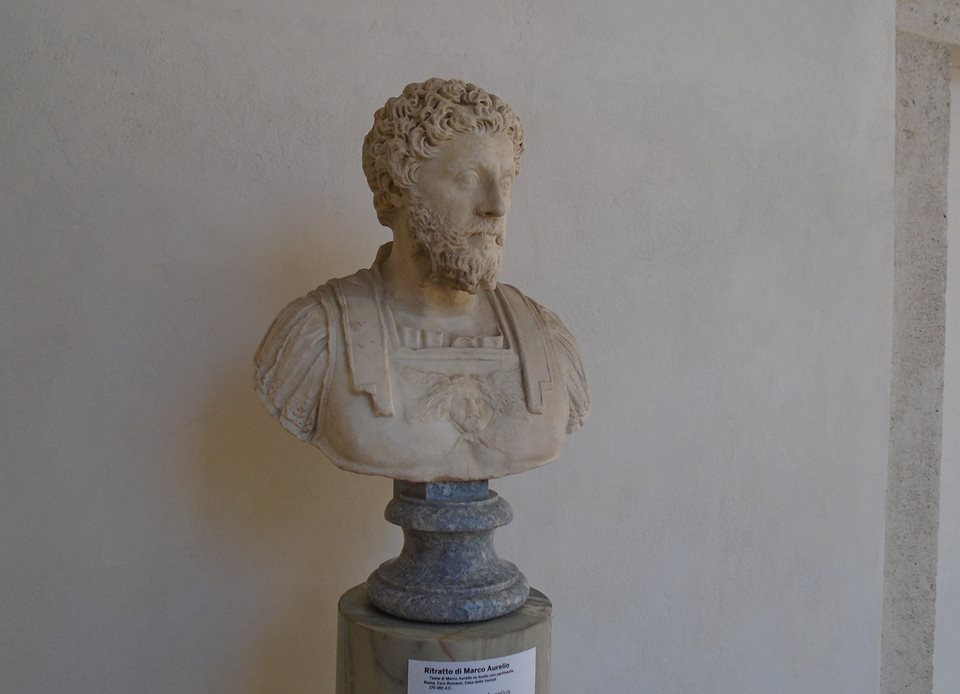
You can see some of the remains of the baths of Diocletian in my photos. The walls are really thick as you can see from my photo with me sitting near the window for size comparison. My last photo is a bust of Marcus Aurelius, the last of the “good emperors.” A version of Marcus Aurelius is featured in the film “Gladiator.” Marcus dis a generally good job, but left the empire to his son, Commodus. That was a mistake.
Marcus was a Stoic philosopher and his book “Meditations” is a leading source for this way of thinking. Stoicism became very popular among the formerly ruling classes in the Roman Empire. In many ways (again IMO) that was not good. Stoicism is great philosophy but in some of its renditions it can be passive, in that you can let things happen around you, taking refuge in philosophy. Another good source for this sort of ancient thinking is found in Boethius. I recommend both Marcus’ “Meditations” and Boethius “The Consolation of Philosophy.” You really cannot understand the late Roman Empire or the early middle ages w/o being familiar with both.