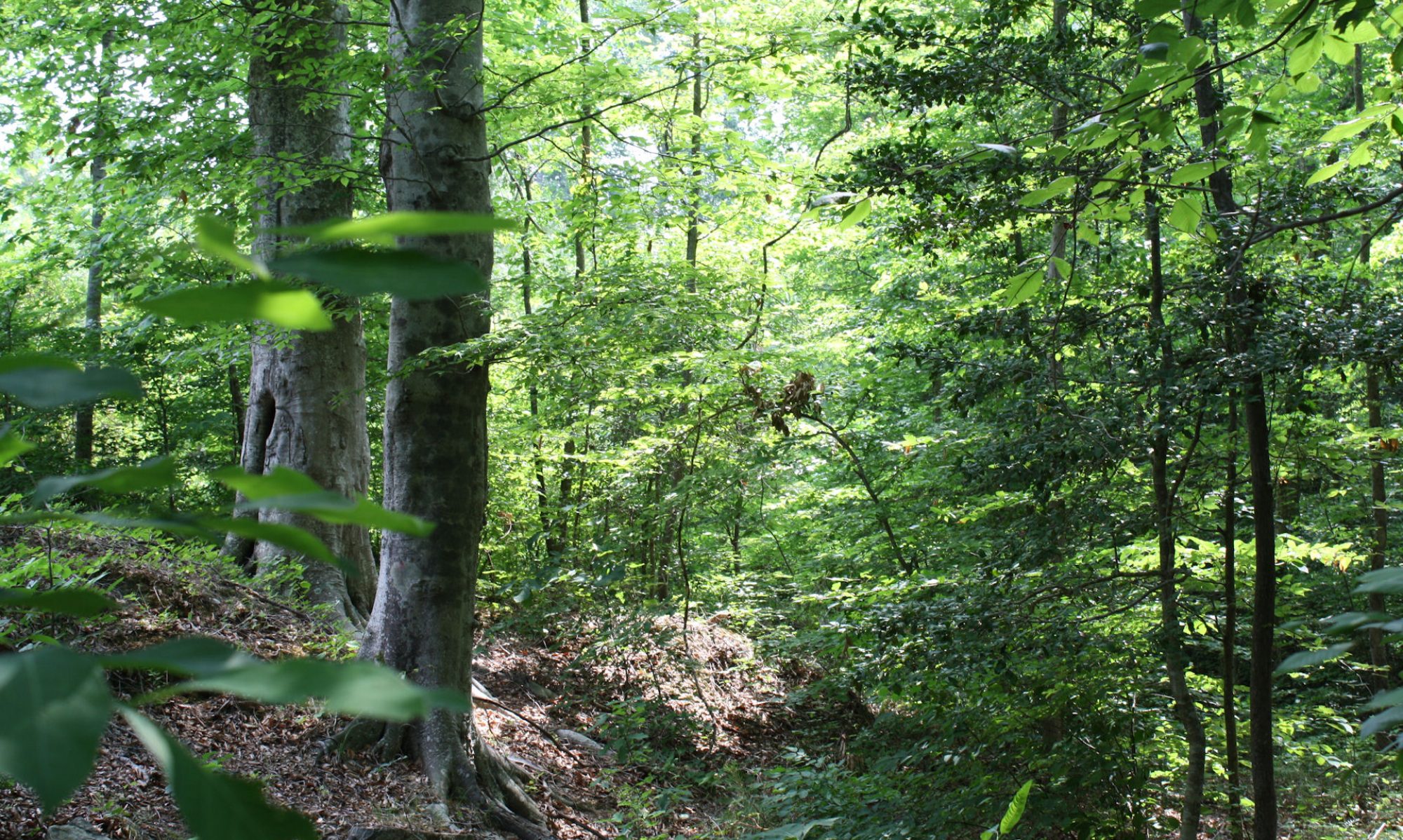
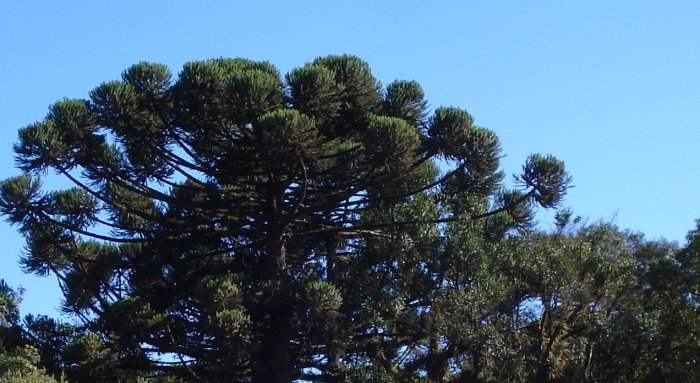
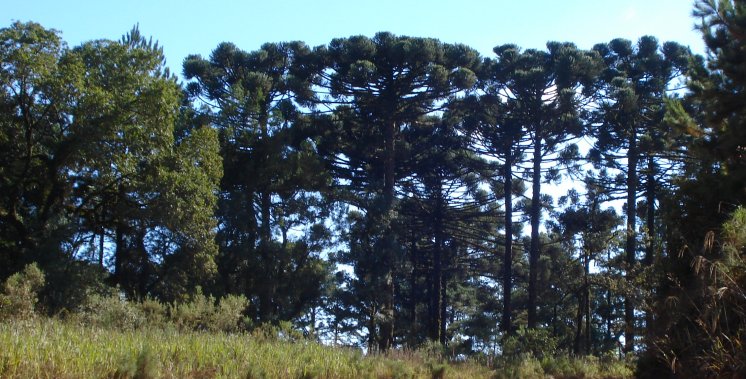
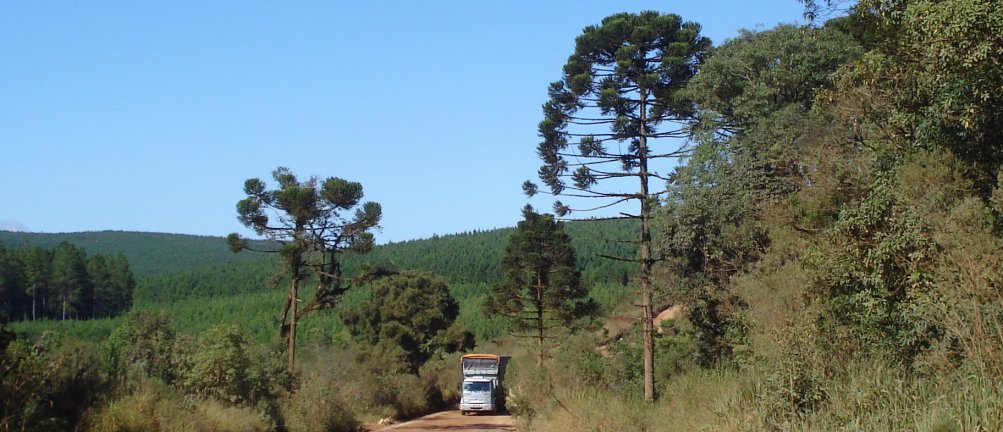
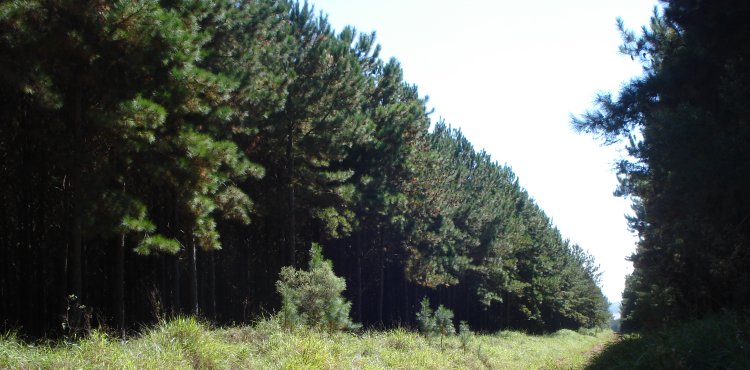
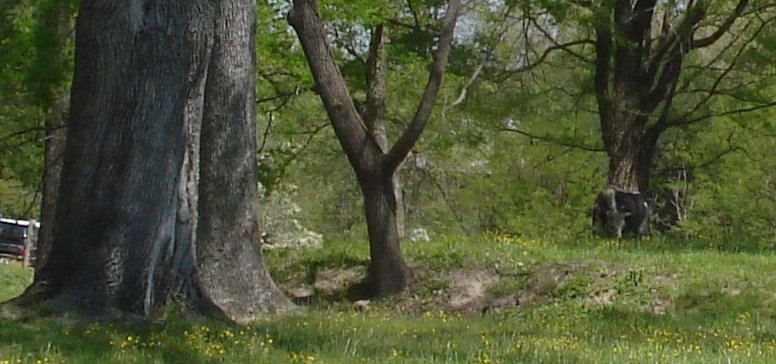
The Parana pine is not a true pine. If you look closely, you will see that it doesn’t have needles. But it is a conifer native to the southern cone of South America and it is sublimely beautiful. I have enjoyed them since I first saw them a quarter century ago. There might be more of them if not for well-intentioned laws.
The Brazilian government makes it illegal to harvest a native tree like the Parana pine. The law is meant to protect them, but what it ends up doing is making the trees practically useless. Nobody can develop sustainable forestry with these species because even if you plant them yourself, you can never legally harvest them. The best way to protect anything is to make it practically useful. The loblolly pine is in no danger of becoming rare, for example. Why is that?
Sustainable forestry should be the goal of anyone truly interesting in protecting the environment. There are many flavors of sustainable forestry, but all of them require some management of the land which means cutting some trees. We really do not have a zero option. Humans are present in the world and affect all aspects. It is better to recognize our responsibility than to neglect our duty by pretending we can just do nothing except make nice sounding laws.
Sustainable forestry would be possible with native species, but for now that is illegal. Instead the law almost requires the use of non-native imports. You often get what you reward, even if that is not your intention. In most cases the result counts more than the good intention. The road to hell, after all, is paved with good intentions.
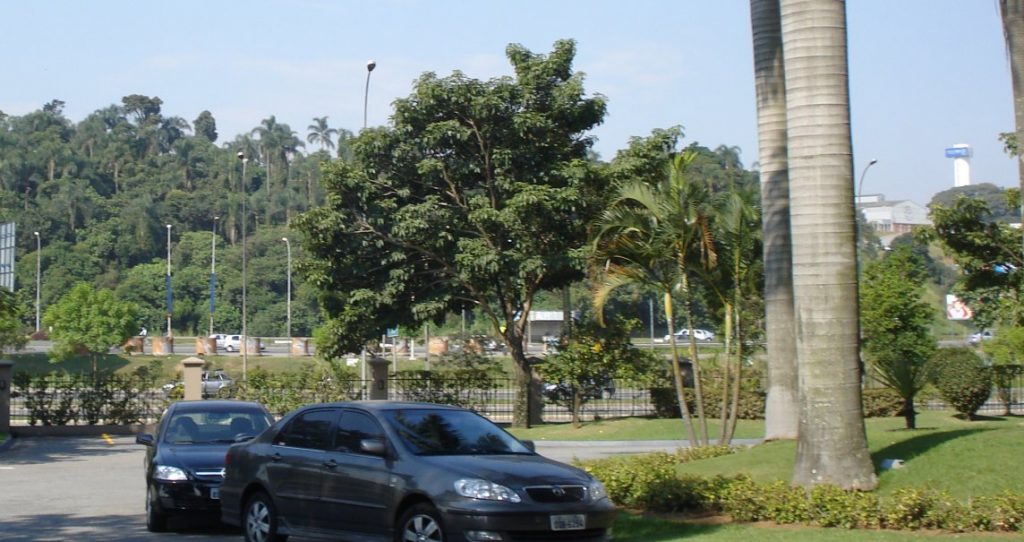
No pines are native to southern Brazil, but it seems to be the world’s best place to grow them. (The beautiful trees you see above in the front are “Parana pine,” but they are not a true pine.) Timber cutting is an old tradition here and most of the native forest was cleared more than a century ago and converted to pasture for livestock or large scale farming, but good forestry is relatively new.
It was only about forty years ago that a lot of people became aware of the great local potential to grow pine lumber. The first species introduced on a large scale were our own loblolly and slash pines. These were natural choices, because of their proven record in commercial forests in the SE U.S. and the many years of good silvaculture had developed around them.
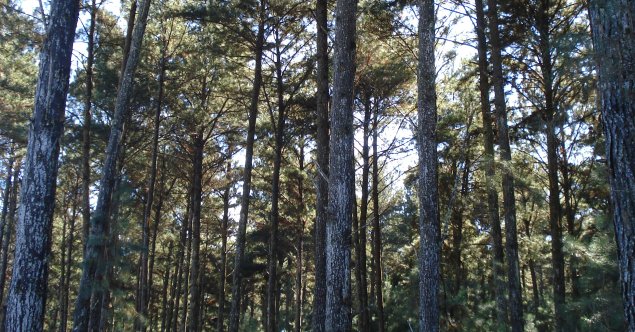
They grew even faster in Brazil, since they left most of their pests such as the southern pine beetle behind them and southern Brazil’s moist and moderate climate. The pines you see above are thireen years old and the logs below are from a thirty-two year old stand. Nevertheless, the loblolly pines I saw at Valor Florestal in Parana State were not that much bigger than similar aged pines in the U.S. Parana has other advantages, both natural and social.
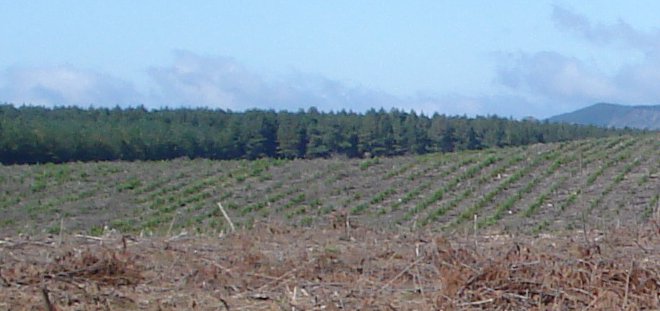
An important advantage is the endless growing, harvesting and planting season. The practice in Parana is to harvest, prepare the site and plant the next generation within the same week. I saw pines planted essentially in the wake of the harvesting machines. All they do is wait for a good rain, which comes with certainty, even in the so-called dry season, and plant right after that. Below you see the clearcut in front was cut a couple days ago and is already being replanted. The trees behind are only six months old.
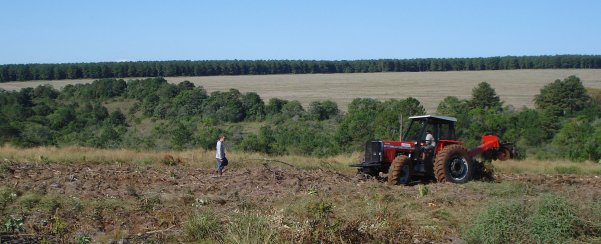
Site preparation consists of rolling and sometimes cutting a furrow with a plow pulled by a tractor. Renato, a forester from Valor Florestal, told me that they never use fire, almost never need herbicide and do not fertilize. The State of Parana has practically outlawed the use of fire, and Renato says that they don’t need it anyway. Natural decay is so rapid in this environment that the slash left on the ground quickly is returned to the nutrient cycle. Fertilization has so far been unnecessary, but Renato thinks that they may need to begin soon. The quick rotations are taking a lot out of the soil and they are studying biosolids and inorganic fertilizers to put it back.
There are some disadvantages to plantations in Brazil. One is rapid growth itself. Pine from southern Brazil is used in plywood, fiberboard and molding, but it is not dense enough for structural timber. Some pests attack trees. Monkeys are an unexpected problem. Those cute monkeys that you saw on “Night at the Museum” or the not so cute on “Outbreak” strip the bark off pine trees and they tend to attack the most valuable dominant individuals. Renato says that they are not sure if they eat the bark or are after the sweet tasting sap, but their activities kill trees outright or weaken them so that they are susceptible to the other local pest, a type of wood wasp. Ants are also a danger to newly planted trees. I understand that these are not the ordinary ants that we have back home, but rather a kind of industrial strength tropical variety.
Below is a 32-year old loblolly pine plantation being harvested now. It is probably the last of its kind in Parana, as they will go with shorter rotations.
Just a short note, since I have not written for a few days and will not write tomorrow.
I am in Sao Paulo, Brazil for meetings on new media. I have a little time on my hands because I got here a early. Leaving a day earlier saved the USG about half – more than $600 in airfare. I don’t know how these things work, but it probably had something to do with weekend travel.
The trip is an all night flight. It is hard to sleep well on the airplanes, so although jet lag is not much of a problem – Brazil is one hour ahead – it is good to acclimatize before meetings. Flight was uneventful. Flying is not much fun. You are on the plane for around ten hours. We were greeting by people wearing surgical masks and handing out flu information. I was relieved to find out that this was a precaution against US. I doubt if it would do any good anyway. The flu is so far not a problem here. I didn’t hear anybody on the plane with obvious symptoms.
I was at the airport Marriott, w/o very much to do, so I arranged to go down to the state of Parana to look at some forests. SE Brazil is a big producer of wood products. I think it will be worth the trip, since the alternative is to hang around here and eat. My only concern is driving on the local roads and maybe getting lost, but I have mapped out the route. I will write about that when I get back.
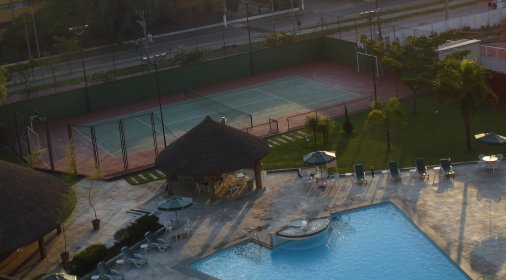
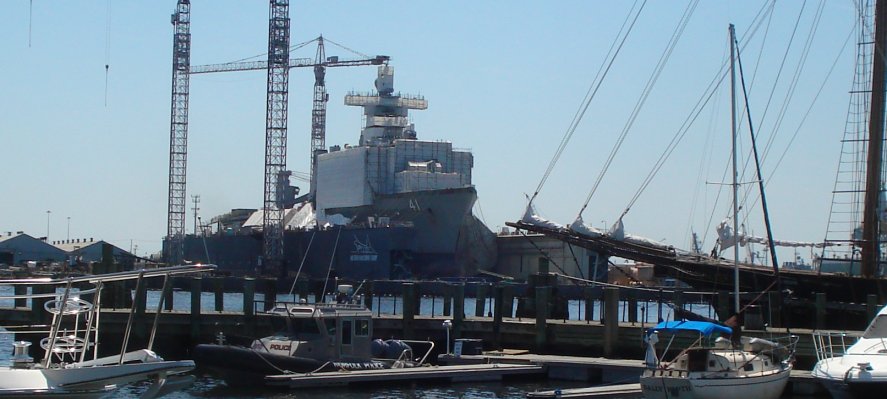
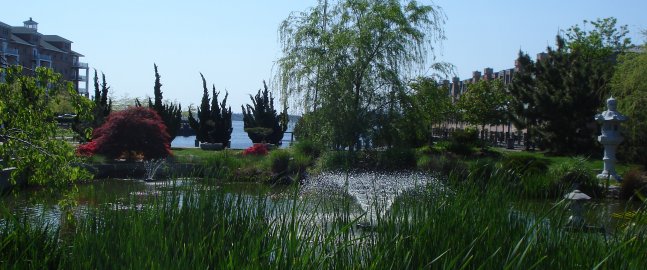
BTW – I know the pictures are not very exciting. They are just from around the hotel. Weather is pleasant, not too hot or cold. Below is my “pool view” room. I didn’t go swimming, however. Hotel pools are mostly good for kids. They are not good for swimming laps and unless it is really hot, there is not much use going in, IMO. Nice to have a pool view, however.
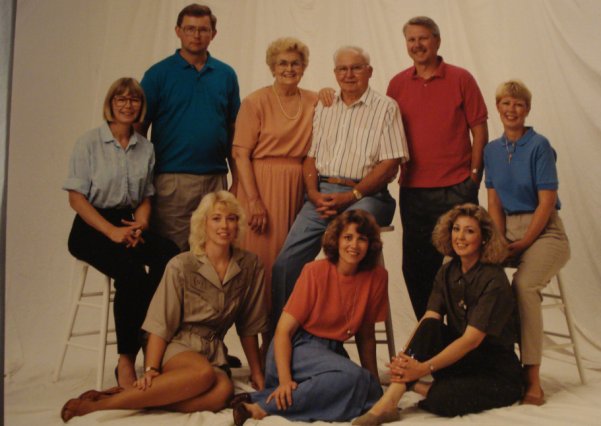
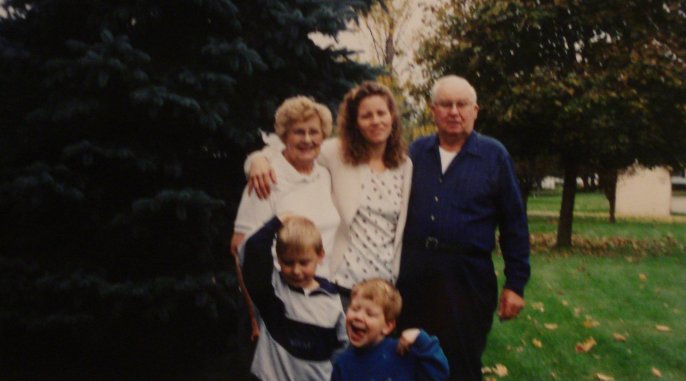
Chrissy’s father died today. He was ninety-three and had a full life.
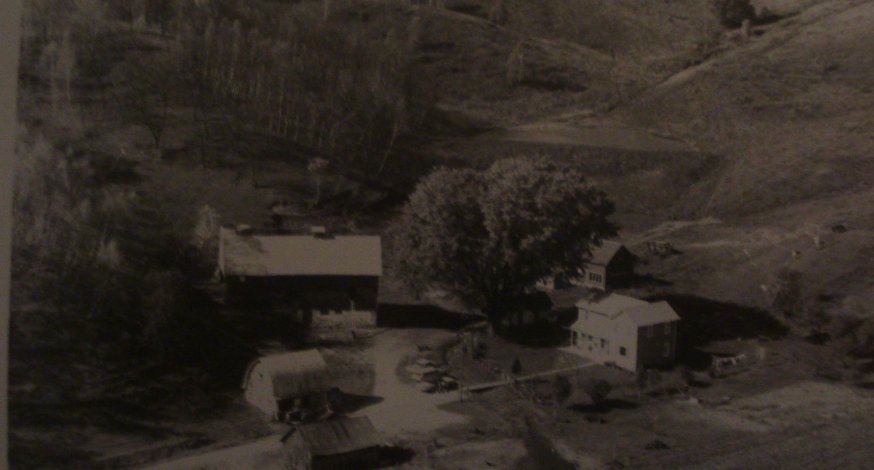
A lot happens during a life that spans almost a century. It is hard to imagine life on a farm in the hills of western Wisconsin in 1915. The work was still done mostly by muscle – human and horse – and the world after dusk was lit only by fire. Electricity wouldn’t come out to the farm until the rural electrification program during the depression.
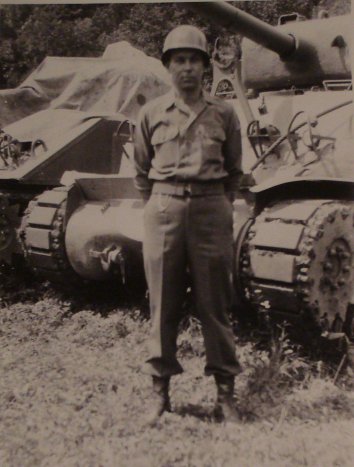
Arnold Johnson served in Patton’s army in World War II. He was injured in battle and spent time in a hospital in Britain. After the war he returned to the farm that had been in his father’s family since they immigrated from Norway in the middle of the 19th Century. He married Pearl Olson and they built a life together. Seven children followed. Chrissy was number six, born when Arnold was already forty-five.
Pearl and Arnold enjoyed the kind of life you cannot have anymore. They grew up in the green valleys (coulees formed by glacial melt waters in an area not glaciated) of western Wisconsin among generations of friends and family. People didn’t move as much back then. They didn’t have the kinds of opportunities we have now, but there were compensations. They were held in place long enough to create multigenerational communities.
I was always impressed by how many people they knew and how many people knew them. Into his eighties Arnold would do “meals on wheels” to help the “old” members of the community. He helped mow their lawns and make their lives easier. Community was important.
You should not mourn for the life well led and Arnold Johnson led a good life. He did his duty to defend his country in its time of need. He raised cows and crops that helped feed our people and lived his long life in a green, peaceful and pleasant corner of the world. He and Pearl raised a family of seven children. Their hard work provided enough to launch all of them into successful adulthood. There are now fifteen grandchildren and fourteen great-grandchildren so far. And when he died in old age, he was loved and missed by many.
We should all wish to accomplish so much.
After they are gone, we always regret not paying closer attention to what the old folks tried to tell us. We lament that we didn’t listen as well as we should have or get to know them as well as we could have. I talked to Arnold about the history of his farm and about his experience in the war, but not enough. There are things I would like to know that are now unknowable. Young people don’t usually ask. It is difficult for them to appreciate the experience of the older generation until they have reached an age where they have experienced some of the same sorts of life changes. By then it is too late. Memories fade or are lost entirely.
Arnold was the last of his generation in our family. The “greatest generation” – the one that survived the Great Depression, fought World War II and rebuilt the country after those challenges – is passing away. We shall not soon see their like again. Now we are the old folks.
We may never again visit Holmen or the old farm. That part of our lives is finished. The kids have vague memories of Wisconsin and the memory will disappear entirely in the next generation. Young people have a hard time understanding that old people were not always old. They also won’t listen until it is too late. That is just the way it goes. Old men forget and yet all shall be forgot.
Below is the draft of my article on the tree farmer of the year.
Monte & Peggy Swann cultivate 1650 acres of rolling farmland in Northumberland County on Virginia’s Northern Neck. Although most of their income comes from grain production, they manage more than 240 acres devoted to forestry and well managed cove forests interspersed among grain producing fields protect watercourses, prevent excess nutrients from entering tributary systems and reduce loss of highly erodible soil.
The Swann forest lands have been enrolled in the American Tree Farm System since 1957, making it one of the older continuous tree farms in Virginia, But the Swann family didn’t start conservation only fifty years ago. They have been practicing sustainable forestry for almost a century before that they were officially certified as a tree farm.
The home farm has been in the Swann family for almost 150 years and generations of Swann’s have not only kept the land productive but also enhanced the productive capacity of the farms nutrients and soils. Monte Swann farms land across from forests that once supported Peggy Swann’s family. Peggy’s father ran a local saw mill operation. Some of the timber he cut, especially rougher cuts from the poplar, hickory and gum, were made into pallets and fruit boxes for National Fruit Products.
So the Swanns are part of the local fabric of society and this generation of Swanns is as committed to keeping the land sustainable in the generations to come. The Swann farm is an outstanding example of multiple productive use of the land, which includes timber production, grain farming, scenic management, wildlife habitat improvement and personal recreational use.
The topsoils on the Swann farms are a rich mix of loams and clays, but some of the same characteristics that make them so productive also make them fragile and easily erodible.
Monte Swann practices no-till agriculture, which doesn’t tear up the soil and leaves the soil intact. It also minimizes the need for pesticides and herbicides, while holding more sequestered carbon and nutrients in the soil. No-till systems are also beneficial for water resources. They have four to eight times greater water infiltration rates than the tilled fields next door and they hold the soils a lot better, something of crucial importance for the loose soils of the Northern Neck of Virginia. If all this was not enough, no-till leaves year-round cover and crop residue on the fields that hold the soil and provide off-season habitat for wildlife. Many experts believe no till systems will help bring abundant quail back to the Virginia countryside. Monte Swann goes one better as wildlife habitat by creating soft edges between his fields and forests and planting quail friendly plants such as Lespedeza.
The Northern Neck was one of the first areas of Virginia to be settled after the founding of Jamestown. George Washington, James Madison, James Monroe and Robert E. Lee were all born here. But only recently has the region come under intense development pressure. Its superb and beautiful natural location, bounded by the Rappahannock and Potomac rivers and Chesapeake Bay, means that people attracted to waterfront property love the Northern Neck and its proximity to the burgeoning Washington Metro area ensures that the attractions do not go unnoticed. As neighbors sell to developers and new subdivisions sprout like mushrooms around him, maintaining his own land in its environmentally and economically sustainable condition becomes more of a challenge for Monte Swann.
Mr. Swann understands that his land is part of the greater whole that is the Northern Neck. His land provides indispensable ecological services. The water that soaks into the soil or runs off the Swann land flows eventually into the Potomac River and then into the Chesapeake Bay. Long-established stream management zones have been protecting water quality for many years and continue to do so.
It is not hard to see how Peggy and Monte Swann’s farm demonstrates the ideals of conservation championed for many years by the American Tree Farm System. Their lands provide abundant habitat for wildlife, a place for outdoor recreation and protection for water resources, all the while producing agricultural and wood products to sustain the present and build the future.
The Virginia Tree Farm Committee congratulates the Swann family and we were honored to be able to name them as the Virginia tree farmers of the year.
History Channel featured a show called “Life After People”. It talks re how long buildings, roads etc would last after people disappeared. According to the series, various domestic and zoo animals would get out and begin to dominate the world.
The graphics are cool. In general it was a waste of time watching, but I started wondering about the meta-message. They had an ominous sounding narration and those kind of cut in noises that are supposed to create tension. There is a general theme that somehow this the disappearance of people is justice and that the planet is better off as a result.
The series seems eager to demonstrate that the works of mankind are fragile and that they will soon decay. 1000 years after people, almost nothing remains. Nature is resilient. As far as I am concerned, however, the world w/o people really doesn’t matter, just not my business. People were not around for most of the world’s history and I suppose we won’t be around sometime in the future. There is no way humans can conceive of a world w/o humans. Things like “Life After People” after all still have a human narration and a human story line. The people who really think they are not “species-centric” are really fooling themselves.
I saw some kind of spooky abandoned buildings in Iraq. I wrote re the train station at this link.
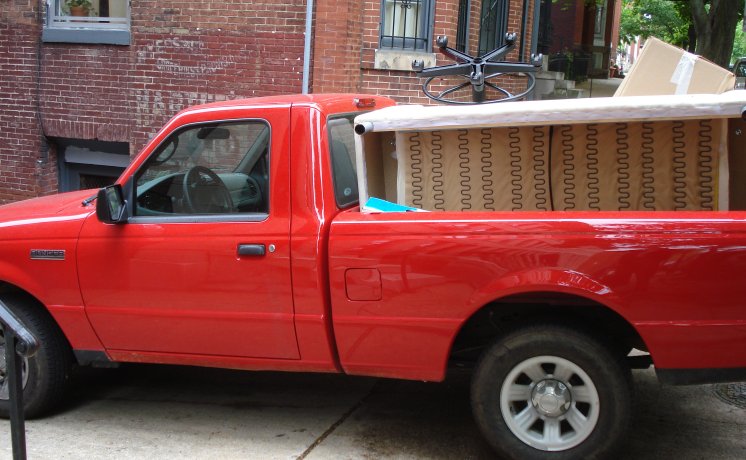
Mariza moved to a new apartment. It was not far from her old place. Espen and Mariza’s boyfriend – Chris – helped. Alex had to work. We had to make a few trips in the pickup truck. I told her that she has too much stuff, but I don’t suppose that it true in comparison to most other people her age.
I retold the story that when I moved to Madison, I carried everything with me in a duffle and backpack. It wasn’t really a completely valid comparison. I didn’t have any furniture because I had apartments that had furnishings. Mariza doesn’t have too much in the way of clothes or other things. She is good about not having too much more than she needs. The big thing is that she doesn’t yet have a car and uses the light rail system or walk.
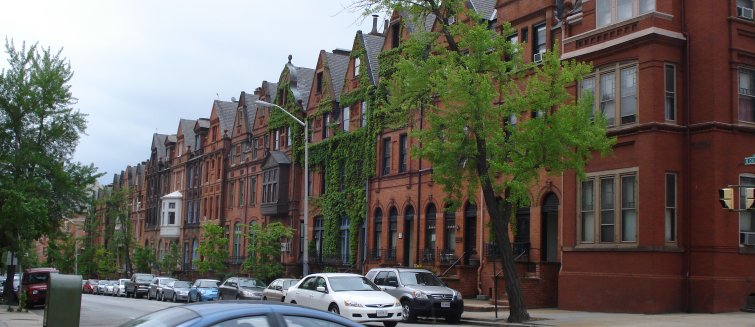
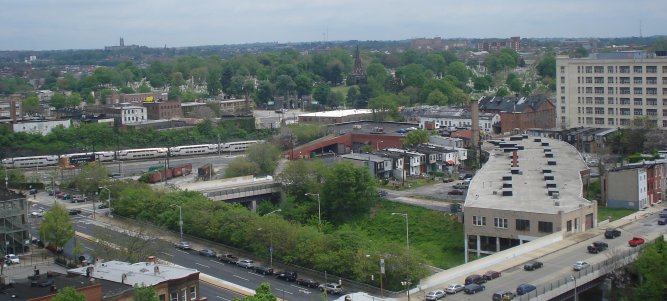
Mariza’s street is below. It is a nice renewing neighborhood. Not too far away, the nice houses like those you see in the picture are still boarded up. The second picture is taken from Mariza’s back window. The neigborhood declines literally on the other side of the tracks. Espen and I drove through some of these neighborhoods on the way home. Espen told me about the Dave Chappelle routine on the subject. Chappelle can be offensive, BTW, so viewer discretion is advised on the link.
Simple is better
A simple life is better. When people get too much stuff it begins to oppress them. It is sad to see so many of those storage places popping up. I understand that you might store your possessions that you use seasonally or episodically, but that is not what is usually going on.
You just cannot own enough to make you happy. Of course, it is possible to have so little that you live in misery. This is not really a problem in the modern U.S. anymore for most people. Most of us have the opposite problem, although sometimes we are so busy grabbing more that we miss what has happened.
The really good gift a person can give himself or others is examined experiences You are better off spending that money on something where you do or learn something new. I think the examined part is also important. Experience is a great teacher but only if you pay attention.
I am not a proponent of recession, but it does have some useful effects. People are becoming more frugal again. The economic boom times really lasted from 1982 until the beginning of last year. The two recessions were mild. We all got used to having more and more. Pew Research finds that people say they “need” fewer things than they did last year. This is a good trend. Of course 8% think a flat screen TV is a necessity and 23% say the same about cable TV and 31% evidently figure that a life w/o high speed internet is not complete. I guess we didn’t know how poor we really were before these things were available.
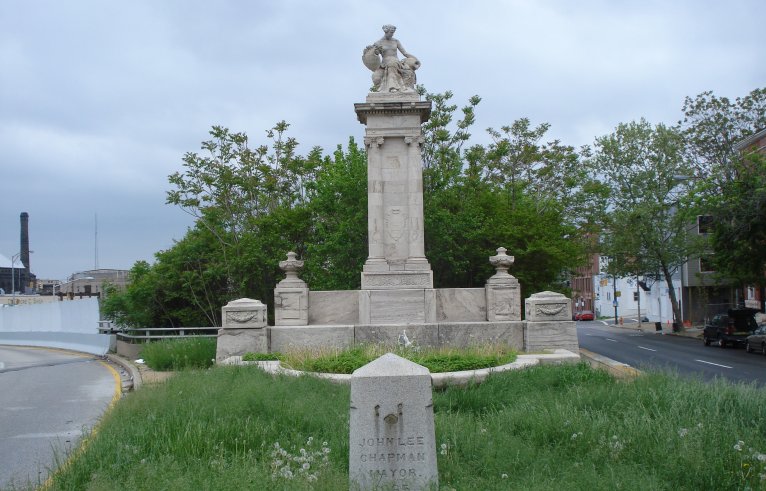
Below – sic transit gloria mundi. The overgrown monument was set up by one of Baltimore’s mayors, one John Lee Chapman. The original was set up in 1865. It was renewed in 1915. It probably was not on a freeway on-ramp at that time. Now it is isolated by roads and a bit overgrown. Notice in the background are trees-of-heaven. Those are the invasive species I have to fight all the time on the farm. They are okay in the disturbed ground of the city. The thing that makes them invasive is the same thing that makes them good city trees: that they can grow fast in almost any conditions.
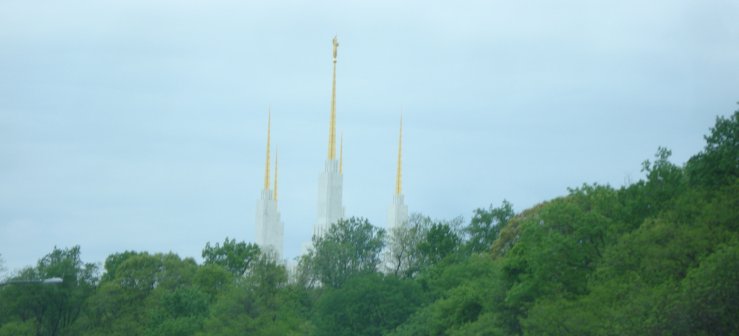
One more thing – this is the Mormon Temple. I see it as I drive by on 495 on the way back from Mariza’s house. Usually I am going too fast to take a picture. We hit a traffic jam today long enough to get a shot. It is more impressive than my picture shows, but this is the best I could do w/o endangering myself or others.
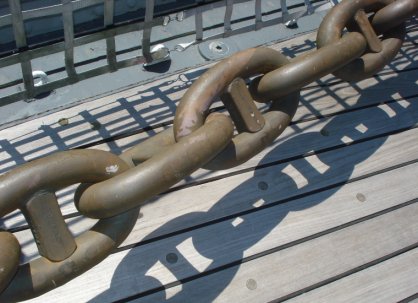
A chain is only as good as its weakest link. When making judgments, you have to look at the whole chain from start to finish. This is true in any business and it is even more crucial in environmental affairs. Some products may look very green in their current form, but are not when you consider where they are coming from or where they are going.
Wood is the most environmentally friendly building or structural product when you look at the whole ecological value chain.
Start on the ground. As a forest grows, it removes pollution from the air, keeps water clean, provides wildlife habitat and makes the world more beautiful. The production of wood is environmentally friendly. This contrasts with other materials, such as plastic, concrete or metal, all of which must be pulled from the earth and are negative in their environmental impacts during production.
Harvesting of trees requires the use of fuels and may result in pollution released into the air. Even well-managed forest harvests will impact local water quality. These are serious issues, but can be minimized. They also occur only once in many decades and are much more than compensated by the many years of beneficial growth. If you look over a thirty-five year pine rotation, it is clear that the net environmental benefits are overwhelming.
Beyond that, nothing exists in isolation. If you compare forestry to almost any other land use, forestry is the most sustainable and environmentally friendly activity. Compared to other products, the comparison is so extreme that we might actually miss it. Twenty years after a operations, a mine, quarry or oil well is still a hole in the ground unless costly reconstruction has been done.
Twenty years after a harvest a forest is … a forest with young trees growing robustly.
I write the Tree Farmer of the Year article for “Virginia Forests.” These guys have usually been in the business for years and they have pictures. I am always amazed to see the old pictures and hearing about the changes. I recall standing in a mature pine forest in Greenville County and talking to the owner about his land. He showed me an old black and white photo of his grandfather standing in the “same” grove of trees in the same spot where we were. But it was not the same. This land had been harvested TWICE since the old man stood proudly among his pines. His grandson could do the same and future generations would also have the chance to walk among the pines. That is what renewable means.
But what happens after you are done with the wood. We like to think our houses will last forever, but most won’t. Wood is easily disposed of or cycled back into the natural world. Wood can be burned as fuel. It releases CO2 at that time, but this is the same CO2 recently absorbed. Burning wood is recognized as a carbon neutral activity for that reason. If thrown away, wood decays. It doesn’t take long before yesterday’s tree is fertilizer for tomorrow’s. This is in striking contrast to other materials. Steel can be recycled at a high energy cost. If thrown away, it will rust away after many years. Concrete also can be recycled with much effort. If thrown away it lasts pretty much forever. While it creates no particular environmental hard, it is a form of garbage that never goes away. Plastic is the most persistent product. Some plastics will remain in the environment almost forever. Recycling is a good thing when it can be done with plastic, but it really only postpones the problem. The plastic water bottle may be turned into a carpet, but eventually it will end up in a landfill where it will stay … forever.
We need to use all sorts of materials: metal, plastic, glass, stone, concrete, various composites and wood. They are all appropriate for some uses. When you look at the total ecological value chain, wood deserves a lot of consideration.
We have to be in on the takeoff. Too often we are just there for the crash landing. A lot of policies that affect forestry are made w/o significant input from anybody who works in forestry or even understands it. I thought about this during the VFA convention and it was reinforced today when I saw this article from Scientific American. I commented under “Broadnax” but in case you don’t want to follow the link, let me sum up.
The article starts with an ecological dilemma: paper or plastic. I understand that, but then they talk about deforestation … in paper. A person involved with forestry knows this is a complicated issue. Most paper comes from pulp wood. In the U.S. these are often small trees thinned from larger forests. The thinning, as in your flower or vegetable garden, allows other plants to grow stronger and better. In the case of a forest, it also lets light reach the ground so that herbaceous plants can grow, making it a better wildlife habitat. If/when there is low demand for pulp, forest owners cannot afford to thin. This means that the forests get too thick, where they are susceptible to fire and beetle damage and where the forest floor becomes a bit of a wildlife desert.
The irony is that by NOT using paper, you may be contributing to deforestation by making forests less healthy and more prone to disease and general destruction. Ecology is a funny thing with all its counterintuitive connections and implications.
Above – there is no garden w/o a gardener.
So a lot depends on WHERE the product comes from as well as what it is made of and how that product gets to market. Wood is a carbon sink, so forestry removes carbon from the air, while (if done as it should be) providing wildlife habitat, clean water, recreation and better air quality. IF your paper or wood product comes from an American forest, you are probably NOT contributing to deforestation and may well to encouraging the growth of healthy American forests.
The concept the SciAm article handed well was the ecological chain. (They just missed some of the key links with regard to forestry. ) You have to look at the whole lifecycle of the product from the time it is mined, drilled or grown in the earth until the time it goes back. Wood does very well in this respect.
Wood is not 100% recyclable in most products. It is something better. Wood is 100% renewable.
Well, I am not exactly accurate re recyclable. While may not be recycled into other human products, wood is the ultimate recyclable material, since when it stops being a product useful for humans, it returns to the soil and fertilizes the next generation of trees. I will say more about the ecological value chain tomorrow and make some comparisons.