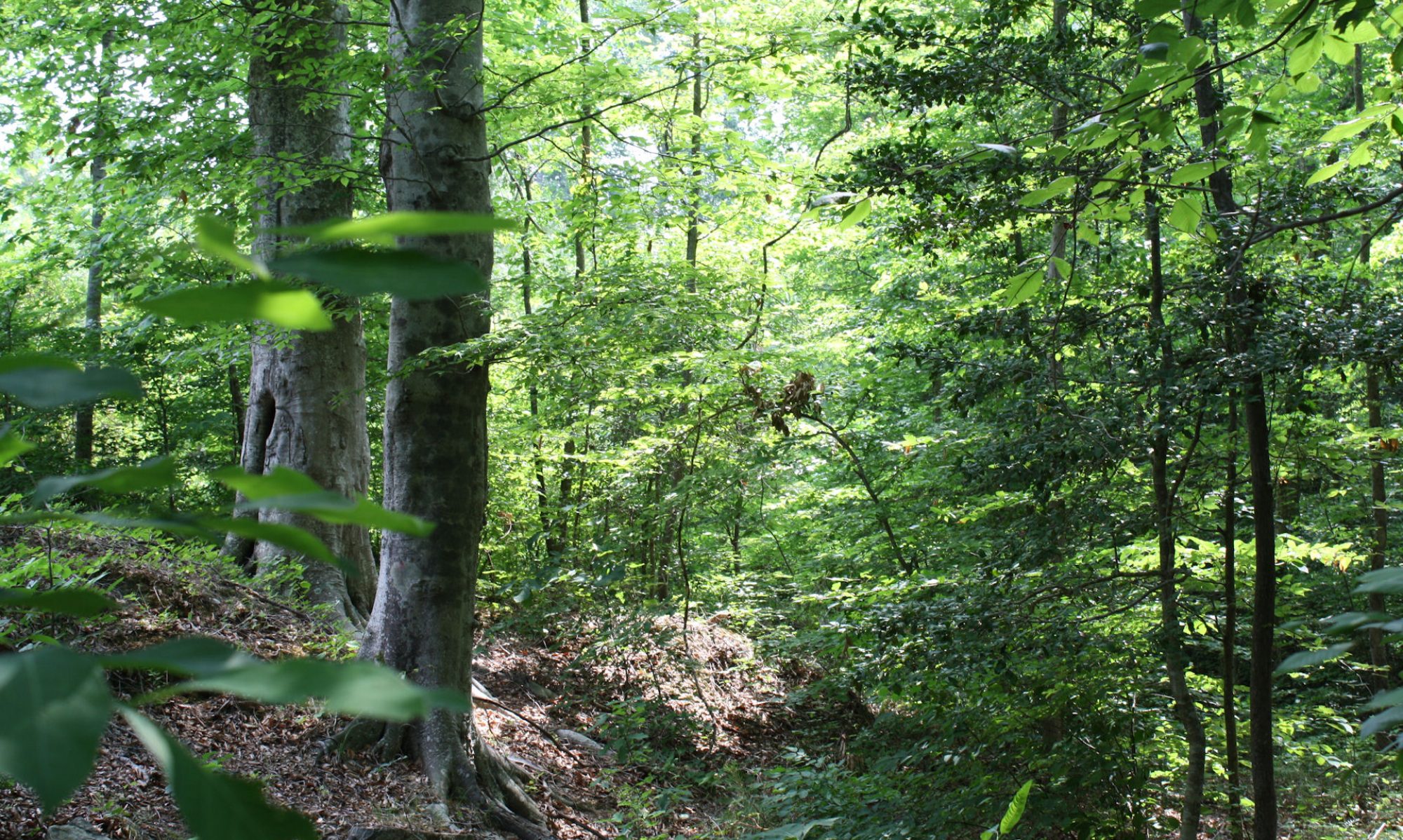
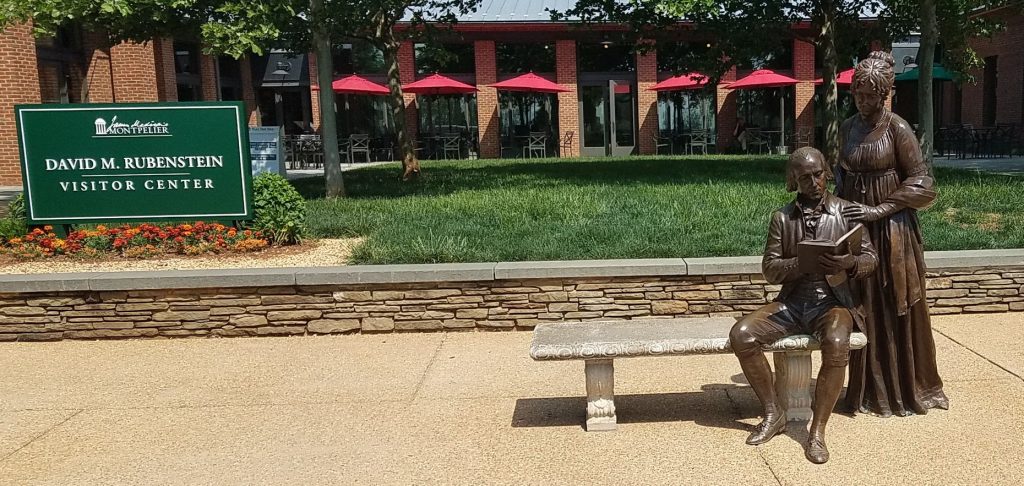
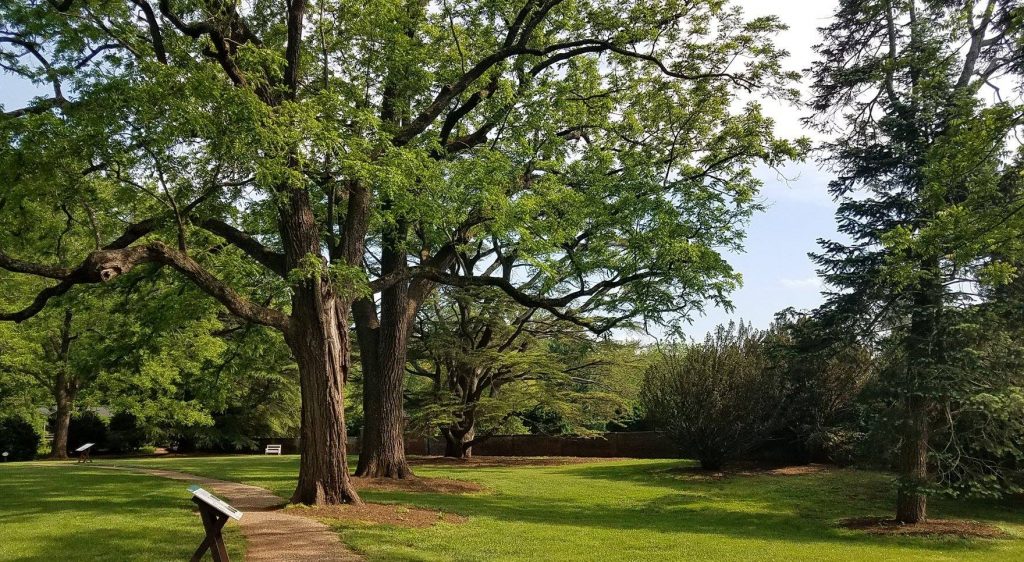
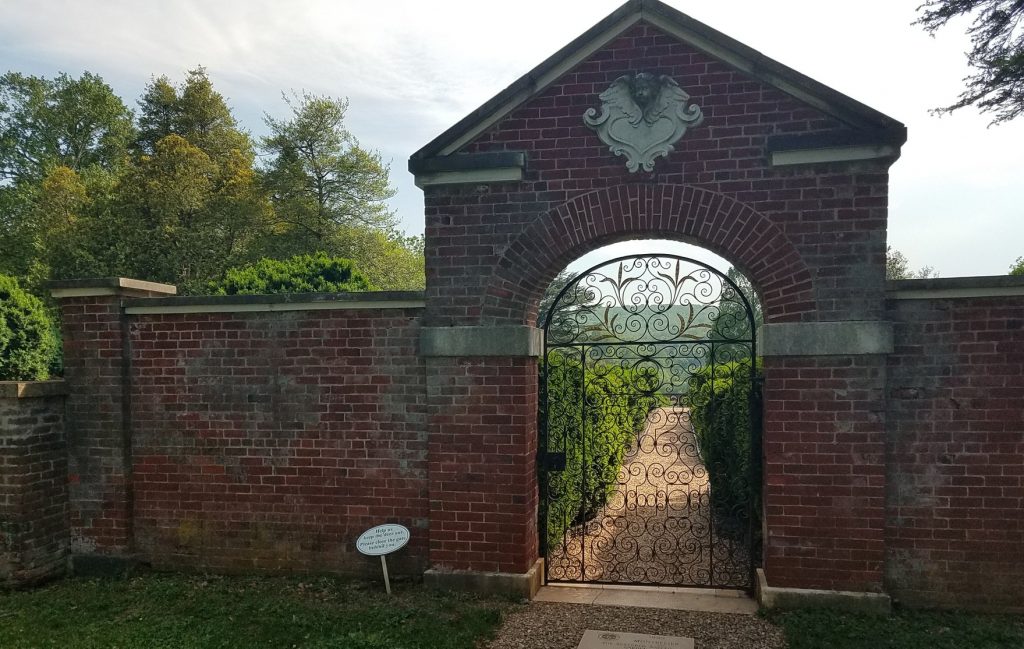
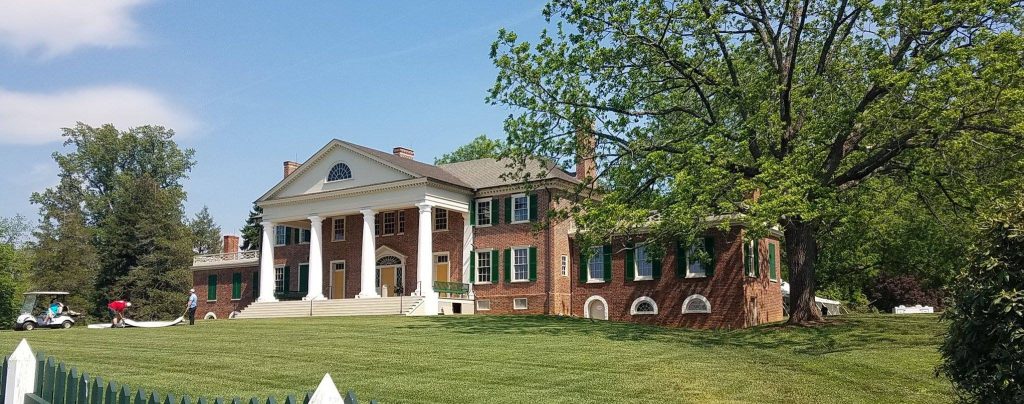
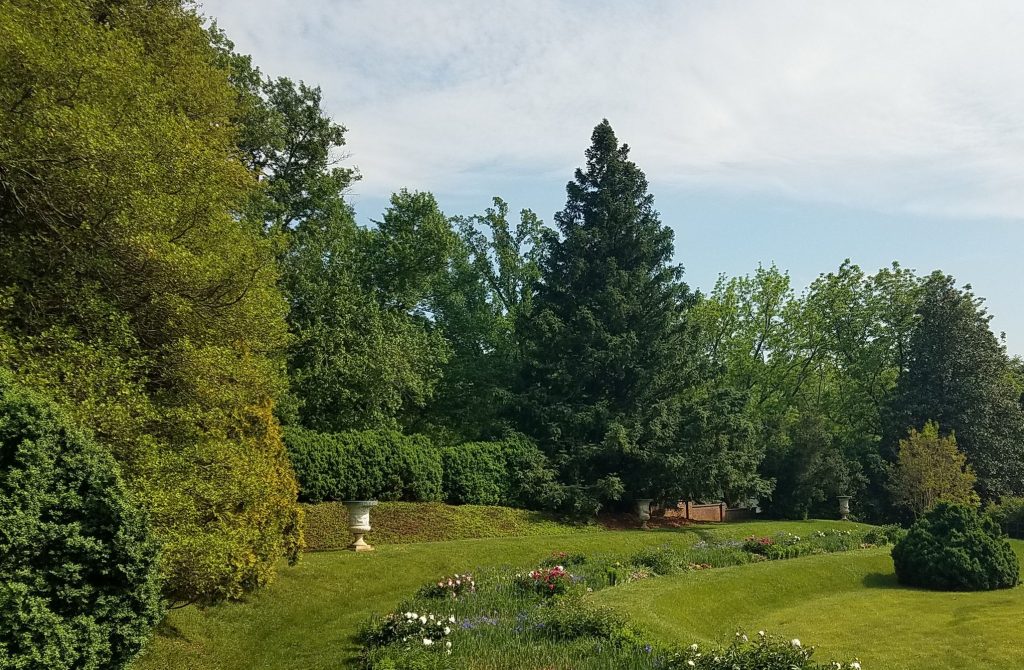
Went to a tree farm meeting in C-ville and took advantage of the place to visit James Madison’s house at Montpelier. Madison gets less respect and recognition than he merits. He was more than anybody else the father of our Constitution, the oldest living written constitution in the world and still the best.
Timber Harvest – Brunswick County, May 14, 2018
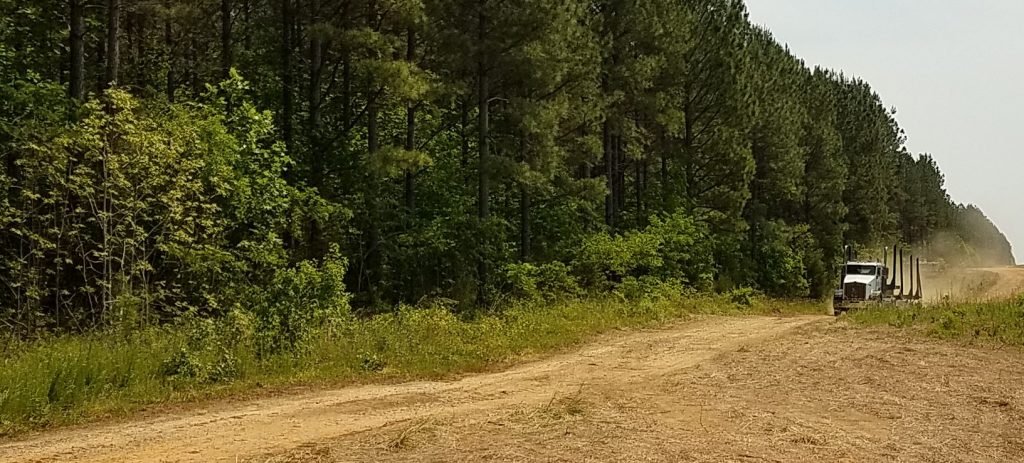
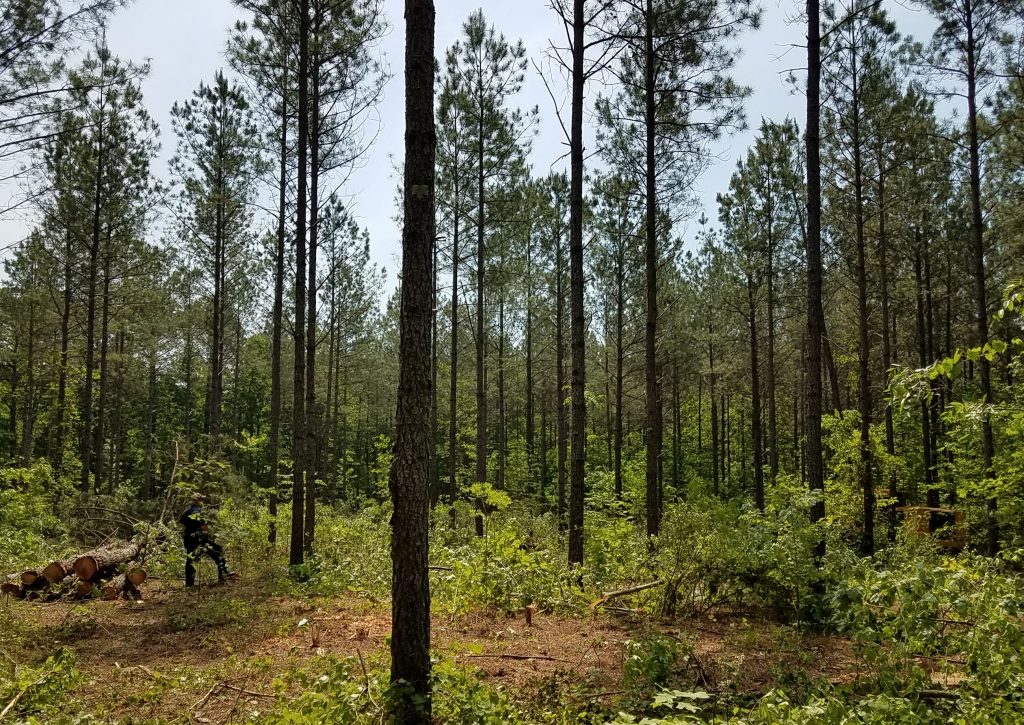
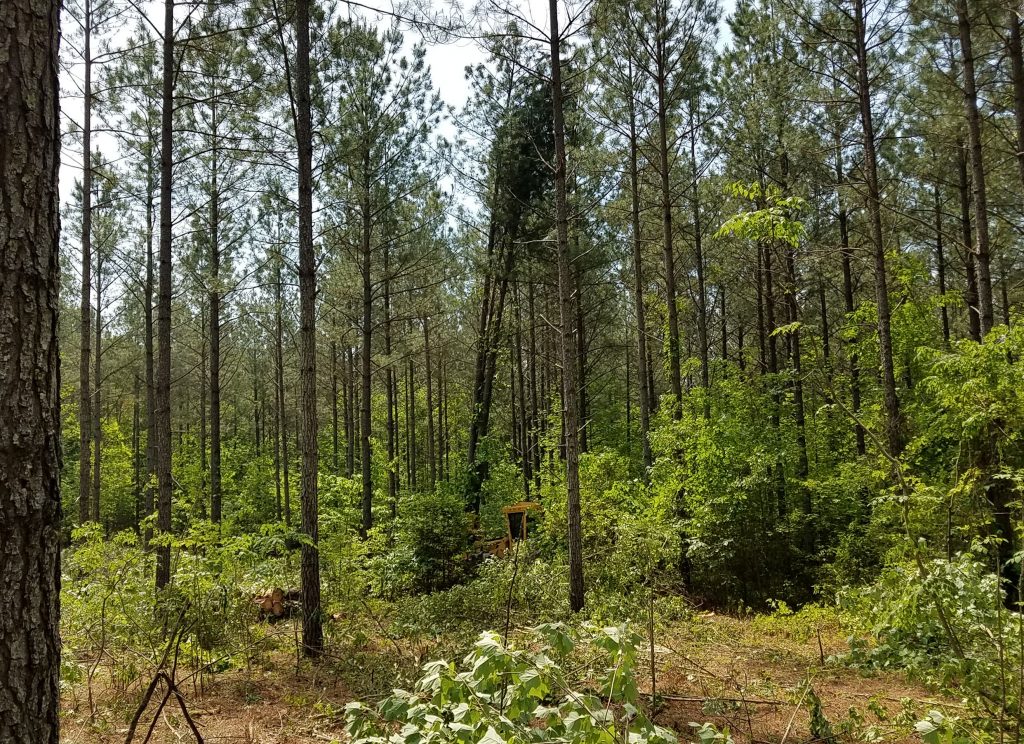
Went down to the farms to see the harvest. We are thinning around 80 acres to 50 basal area (trees very far apart). We are also clearing 1/4 acre on every acre and clearing about four acres that were overstocked.
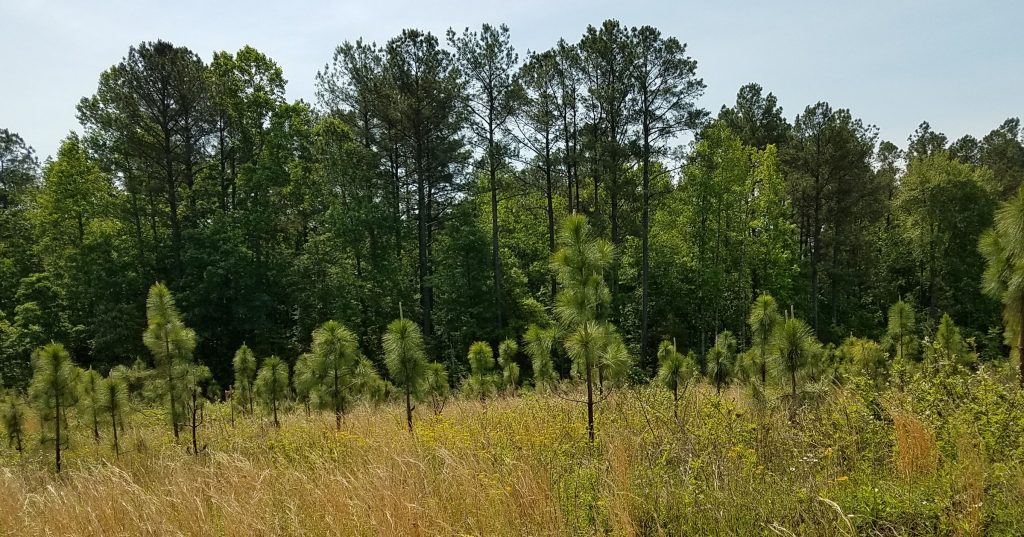
My plan is to plant longleaf on the 1/4 acre clearings and on the four acres, as well as some under the remaining loblolly. The idea is that we will do a final harvest of the loblolly in about ten years and the longleaf will be established.
In the meantime, the thinned acreage will be wonderful wildlife habitat. We will burn and plant pollinator habitat, which will also make the diverse habitat even better.
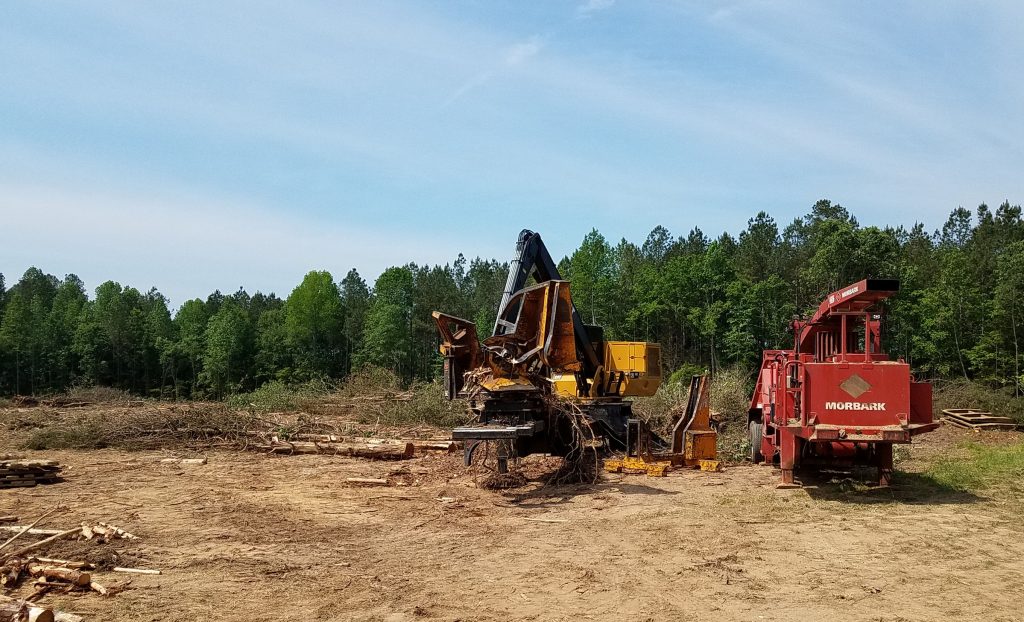
My pictures show the harvesting. Clear cuts look like hell,but they are wonderful habitat in the year after, especially for bobwhite quail. The early succession habitat provided food and the brambles that inevitably grow provide cover.
First picture shows the machine doing the thinning. The machine grabs and cuts the trees. Next shows a cutter and a chipper. After that is a log truck arriving. Last is video of the thinning. It is a little hard to see the machine.
Brodnax Fire
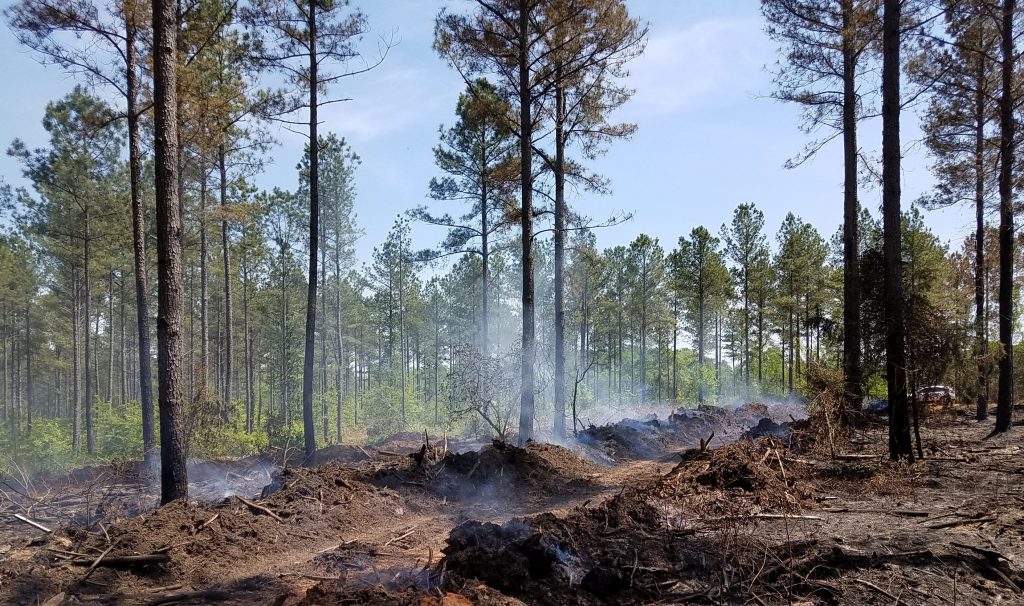
Science & experience tells me that everything will be okay, but I still worry about my trees. Convention from the hot fire gets all the way up the trees and singes the needles. I expect that lots of them will fall off. I have reasonable confidence intellectually that most of the trees will grow back better than ever, but I don’t feel it.
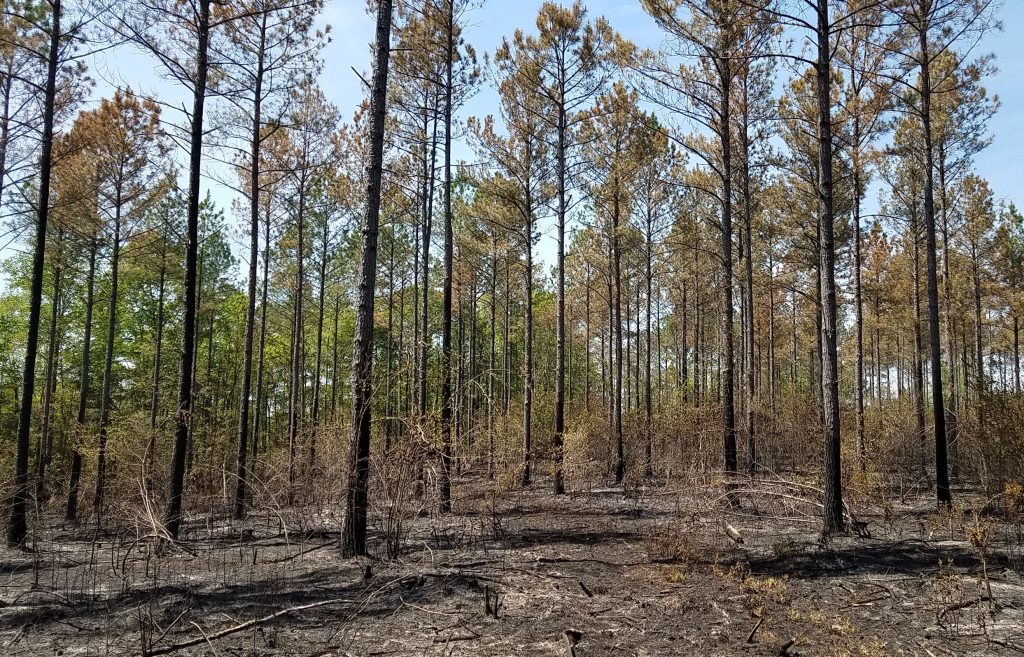
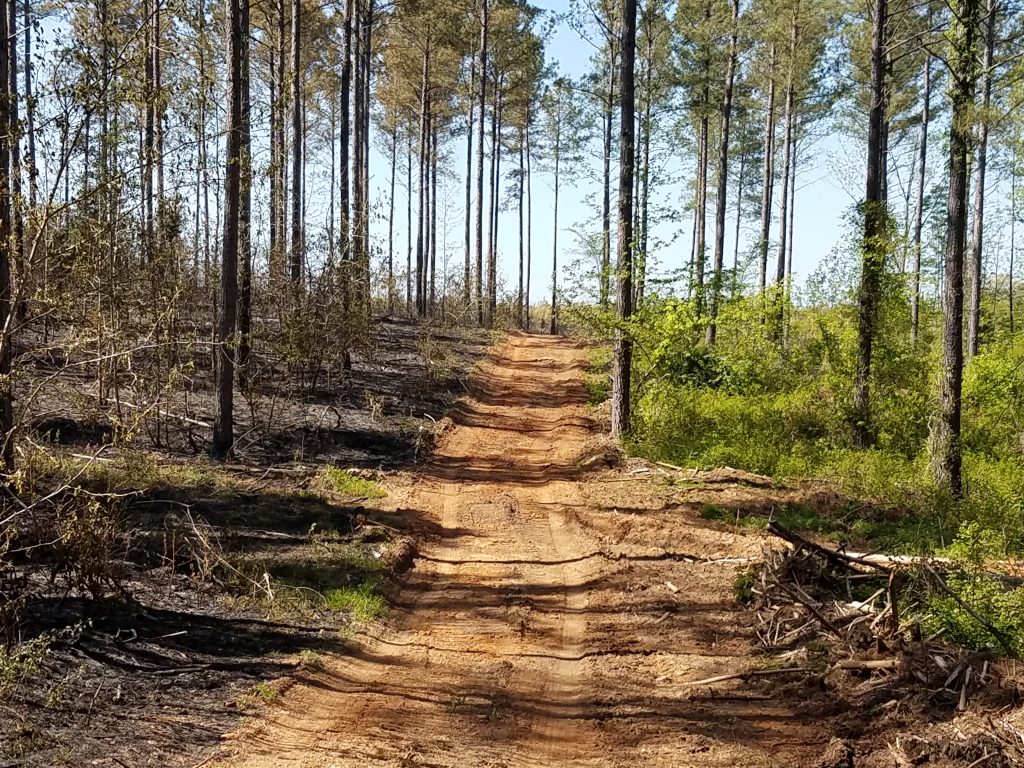
Found time between presentations to rush down and look at my newly burned forest. The forest floor is very clear now. You can easily walk through. We are doing patch burns of 1/3 each year for three years. This is great for wildlife and it puts more life, and carbon into the soils.
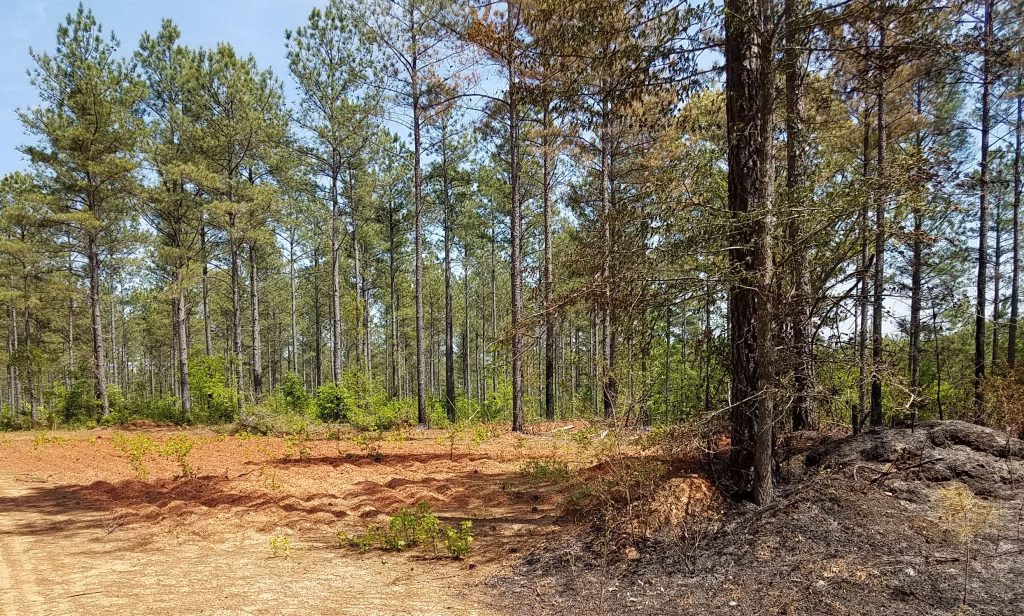
You can judge the fire by the color it leaves behind. Black is good. That means the fire has put a good char w/o destroying the life of the soil. White is not good but still okay. That is ash. The fire was a little too hot, but things are still okay probably. When you see red, you got trouble. Virginia clay is red (actually kind of orange.) If you burned down to that, the fire was too hot and destructive. In the really bad cases, the fire essentially bakes the clay into a kind of porcelain and nothing much will grow for a long time. Fortunately, we got the black.
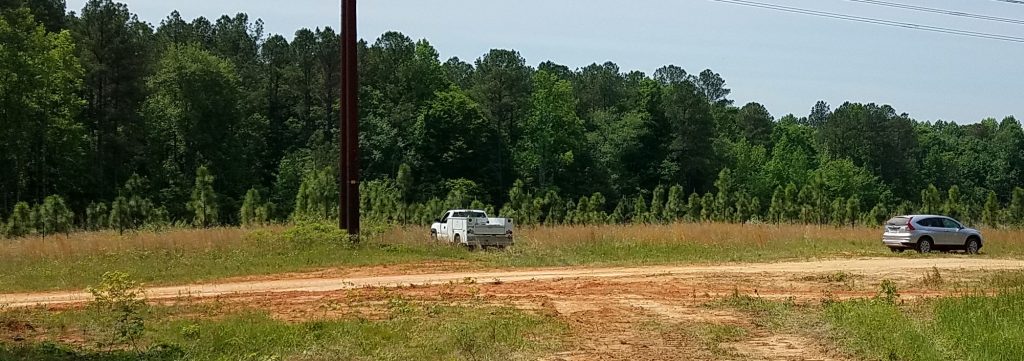
My first three pictures show the forest floor. #3 shows part of the place where my friends & neighbor Larry Walker planted some pollinator plants. It will be very pretty soon.
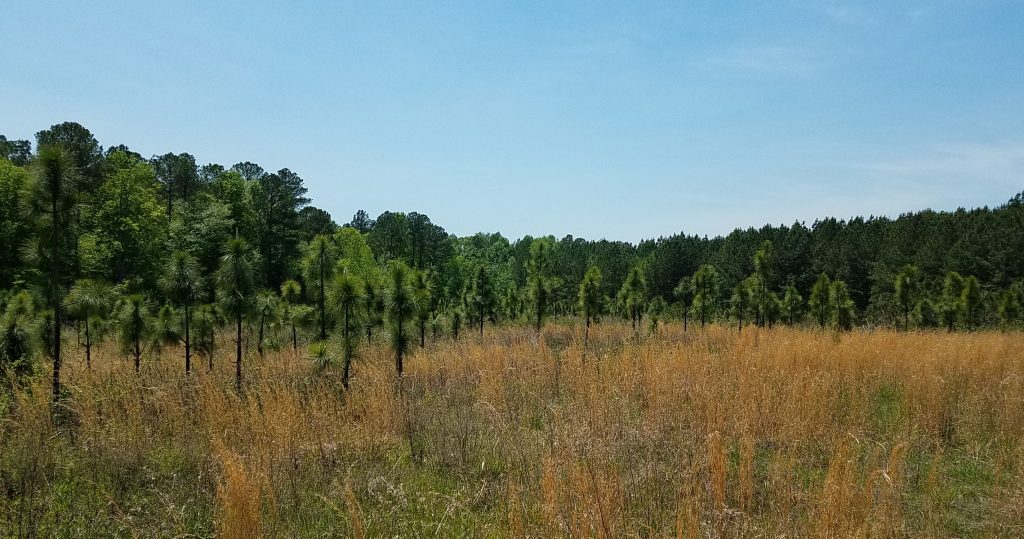
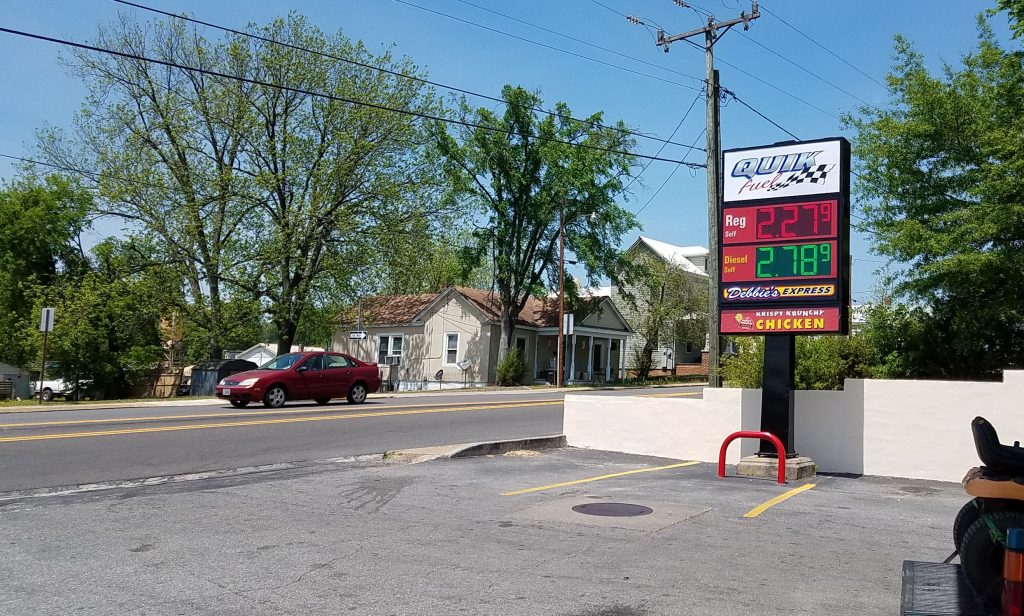
Picture #4 shows my longleaf and the last picture is the gas station in Lawrenceville, even cheaper than Exit 104.
Virginia Forestry Summit 2018
At the Virginia Forestry Summit in Richmond. It is fun to hear what people have to say about forestry meet new friends and catch up with old ones. In-person events are important for that. In theory, you could learn more from watching on the web, but you miss the serendipity of unplanned meetings. I also find that I pay less attention if I am on the web. It is too tempting to “multitask” when you are sitting at home.
A good example of the personal contact has to do with CLT. I ran into a guy who works at a major Virginia firm with whom I had discussed CLT production. He said that he wanted to approach his top-management with the idea of making CLT. I forwarded some information and then looked for the DoF guy who works on CLT to make the connection. All of this was unplanned but not unanticipated in the broad sense. Personal meeting is useful.
The meeting started off talking about Carl Schenk. You may not have heard of him, but he is a big deal in forestry. He started the first forestry school in the USA.
Back in the late 1800s and early 1900s, lots of people worried about a “timber famine”. We were running out of wood, since forests were being cleared and not regrowing fast enough. Schenk was trained in forestry in Germany. He quickly saw that American forests were different, but adapted techniques. We still are using some of the concepts he introduced,although much modified by our greater understanding. We can see farther because we stnd on the shoulders of giants like Schenk.
Interestingly, we no longer talk of timber famine. In fact we have a kind of “timber obesity” i.e. so much wood available that prices are very low. In the Southeast, we have a glut of mature timber. Given the low number of housing starts in the last ten years, we have an oversupply. One speaker said that we have 35% more standing mature pine in the Commonwealth than we did ten years ago. Even if housing picks up, it will take years to work through this surplus, so we cannot expect prices to go up much for saw timber, even if housing picks up. BTW – the price of lumber is going up much faster, but that is not due to cost of wood.
I will write more later. I have to get going now to attend today’s program.
Virginia Forestry Summit
Burning under the loblolly
Virginia Department of Forestry (Adam Smith) did the first understory burn on the Brodnax place today. This was a growing season burn. The science tells us that this should kill the brush and encourage the growth of grass and forbs. A dormant season burn top-kills the brush, but they grow back. the wildlife and ecological effects are significant. It is likely that the “natural” burns were more likely in the growing season, since they were set off by lightning and thunderstorms come a lot more often in May than in December.
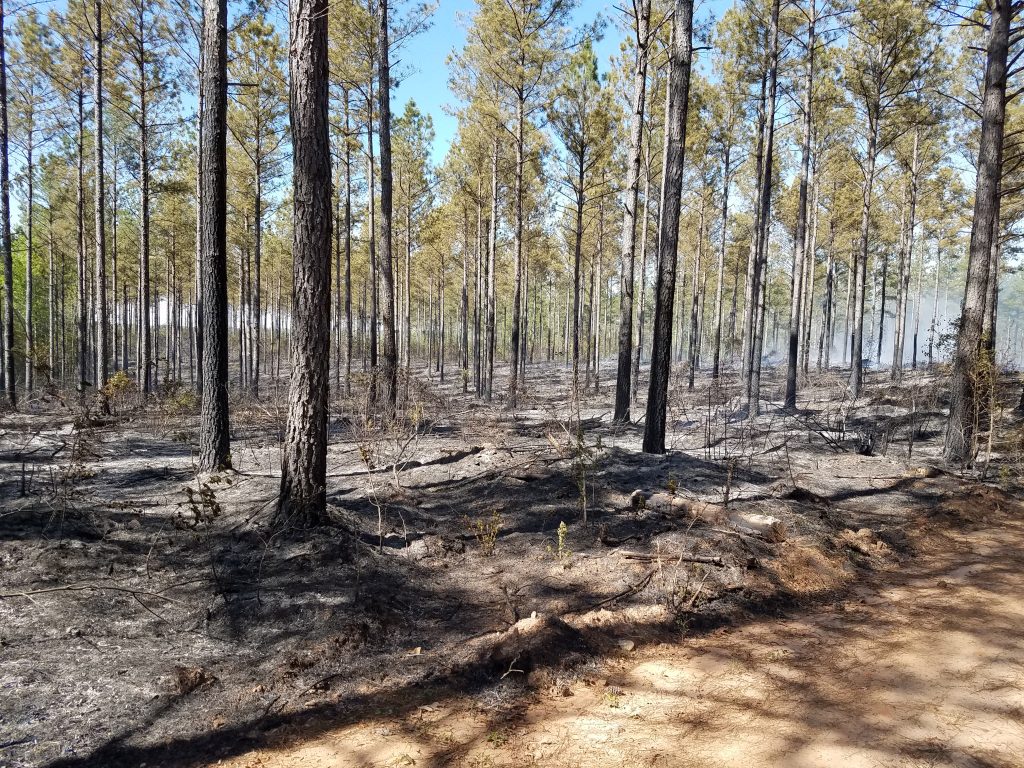
We are burning 1/3 of the property each year, following a plan we agreed with the NRCS. This is supposed to encourage wildlife habitat and add carbon to the soils. It is a fun experiment. The pictures show the woods after the burn and the part not burned for comparison.
The hunt club is going to plant pollinator habitat on the loading decks and around the burned area. Next fall the seeds should spread into the burned area and next spring it should be glorious.
I have to get down and have boots-on-the-ground experience.
Alex becomes an officer and a gentleman
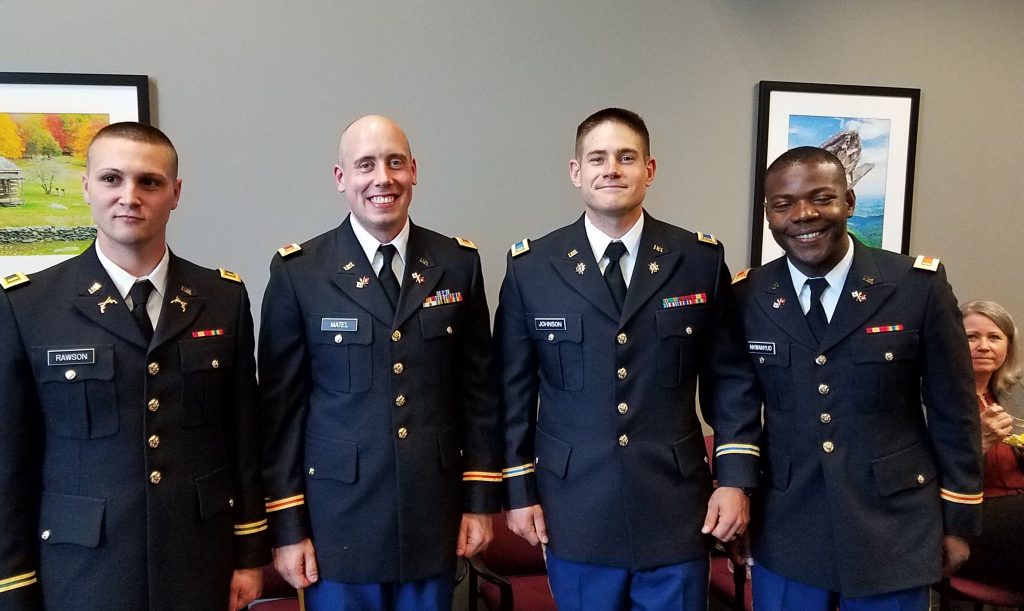
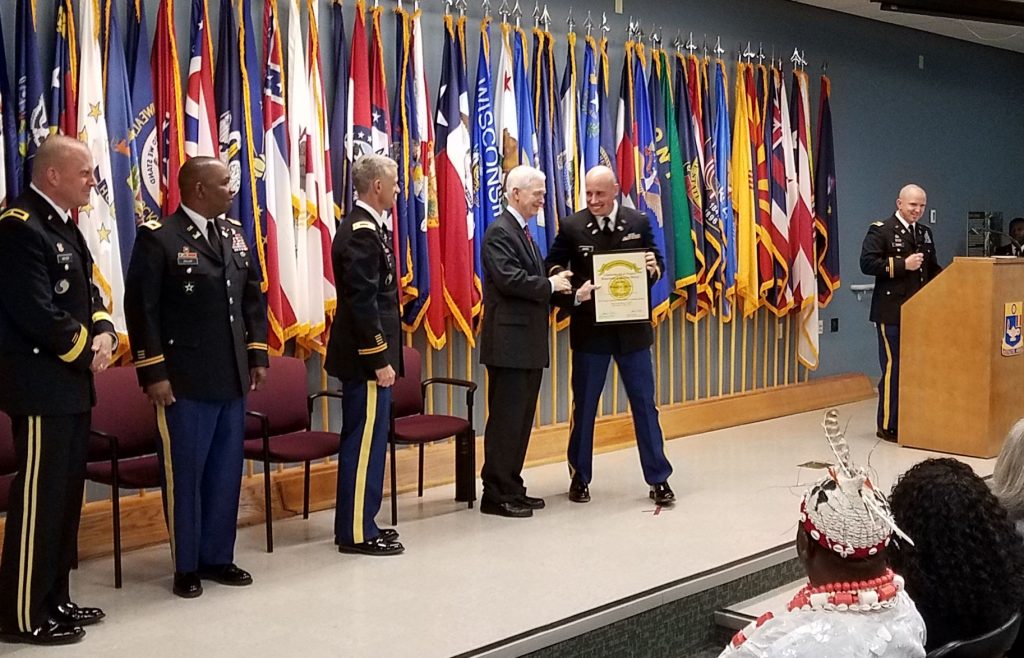
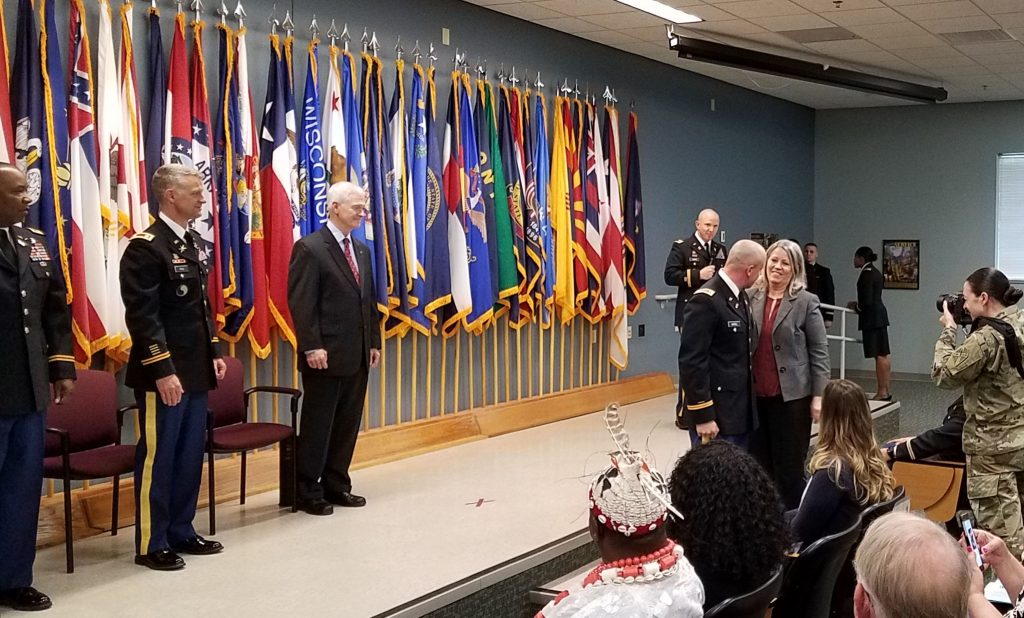
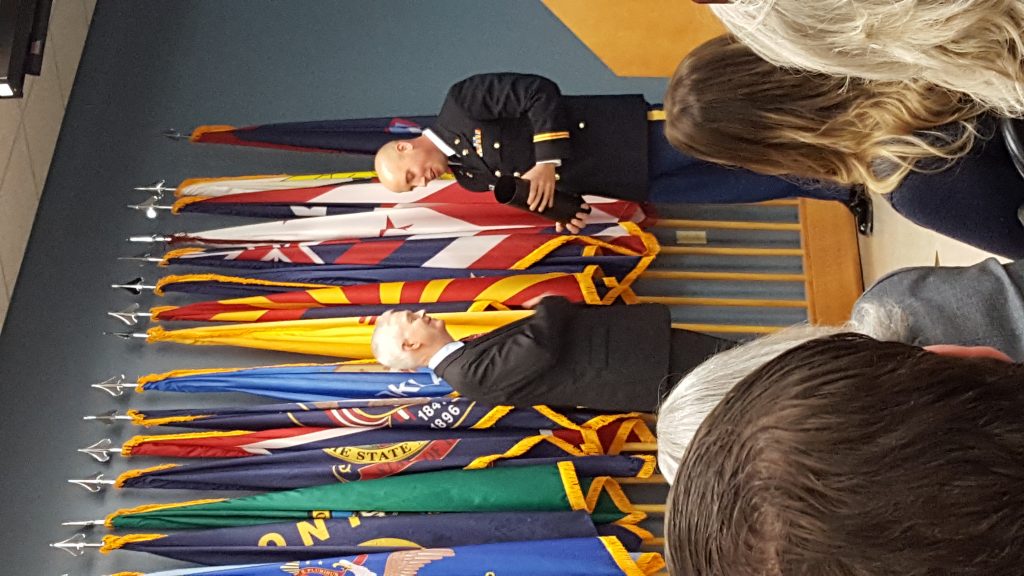
Went to Alex’s commission ceremony today. Mariza, Brendan & Espen went too. Chrissy got to pin on his bars. Alex is going into signals, with the permutation that he will be part of a new cyber corp formed in Northern Virginia. I am not exactly what they will be doing. He will go down to Georgia for a few months’ training in September.
The unit has a real cool name. They are called “shadow warriors.” I think they may have got the name from a video game, but it is still cool. It is something we need for our country to fight that information warfare battle, and after his service is done he will have a useful skill.
Ancient DNA
After I am long dead, I hope that anthropologist discover my fossil remains and do whatever future scientists will do to figure help understand humanity. Never know what that might be.
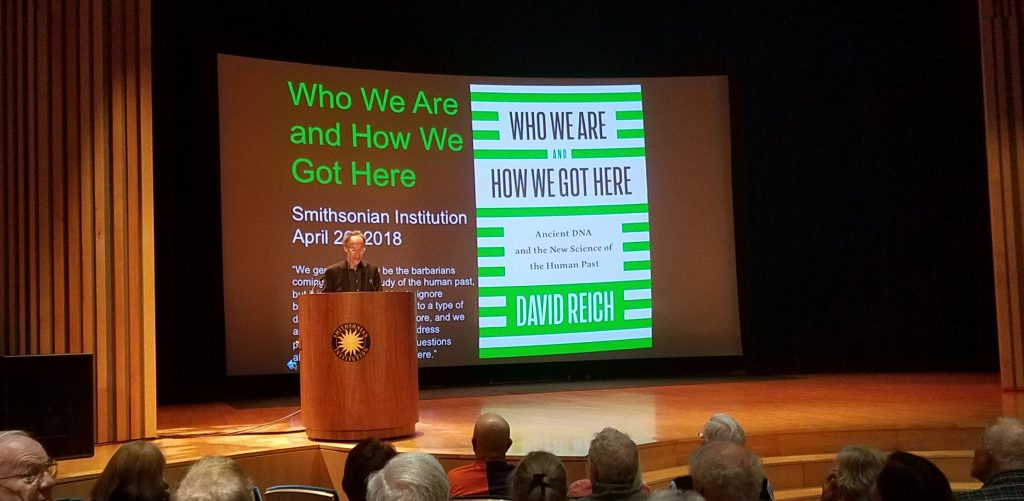
I went to a lecture today at Smithsonian about ancient DNA. The speaker was David Reich who wrote a book, “Who We Are & How We Got Here,” about the subject. The field is been revolutionized in the last few years, so much of what we thought we knew has been overtaken by events. In the last ten years, testing DNA has become 100,000 times cheaper. Scientist can now test DNA from ancient human remains and compare them with other ancient and modern populations.
One surprising finding is that modern populations often are not much related to the “original” inhabitants of their regions. People have always moved and they have always mixed. This brings us to another truth. Groups as we define them just did not exist in the past. The mixing and moving has created our modern populations and they are never permanent. To take the dust to dust analogy, people and our ethnicity are based on dust. They come together for a short time but are recreated again and again each time in different ways.
We know a lot more about European populations than others because the science has been concentrated in Europe. In “deep time” – 5000 – 6000 years ago – there are four identifiable groups. Back then, these groups were more different from each other than East Asians are different from Western Europeans are today. The four groups from what is now Iran, Levant, Western European hunters and gatherers and people of the steppe north of the Black Sea. These groups mixed and matched to produce today’s European populations. Genetic diversity has been declining as people mix.
An interesting finding was that Western European populations are related to American native populations. Did they cross the Atlantic? Probably not. Rather both Native Americans and Western Europeans had common ancestors in a “ghost population.” This was a population in what is now Russia that is no longer extant as a population, but has left its genes in populations in America and Europe.
When you talk about genetics, somebody will bring up race. Reich was questioned about why he did not use the term. He explained that the term is meaninglessly imprecise but loaded with imputed meaning. Genetically, there is no such thing as a race, at least as we define it. He mentioned categories like “Hispanic” as especially meaningless from a genetic point of view.
The more we learn about genetics, the more we see that all human categories are impermanent. I like this idea, since it fits my historical conception. My belief is that when anything passes from living memory, it become the common heritage of humanity – good, bad or neutral, we are all one people.
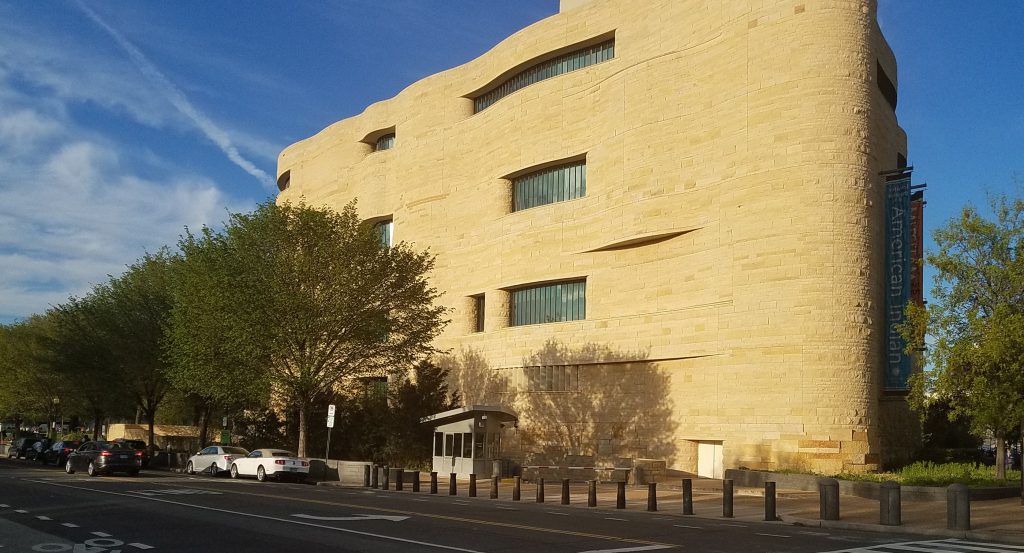
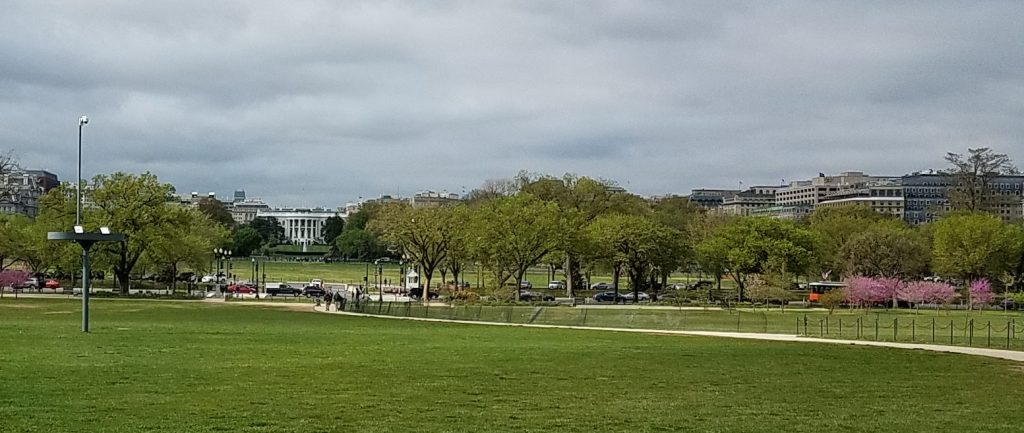
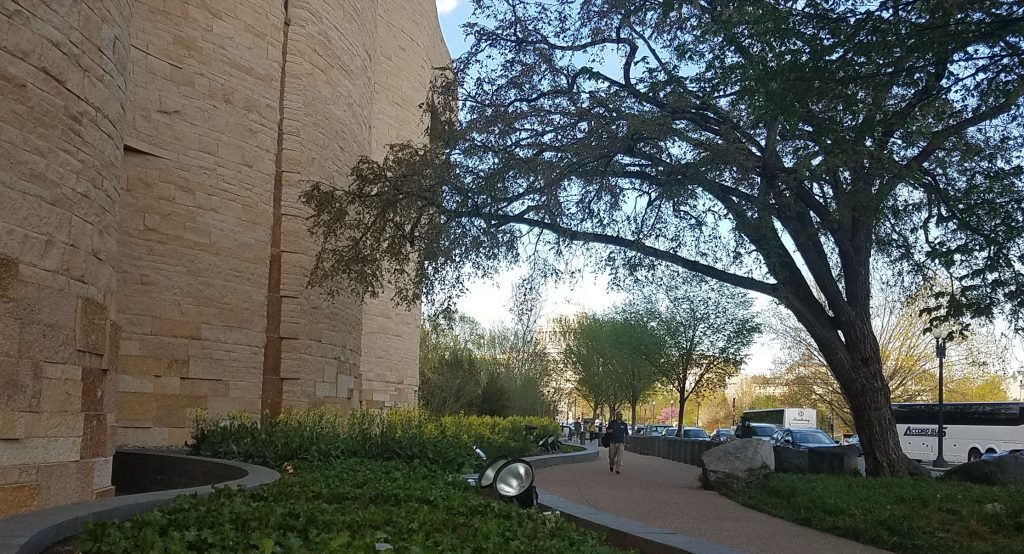
My first picture is the lecture, held at the Smithsonian Indian Museum. Next two pictures are the Museum of the American Indian and last is the White House.
April 2018 forest
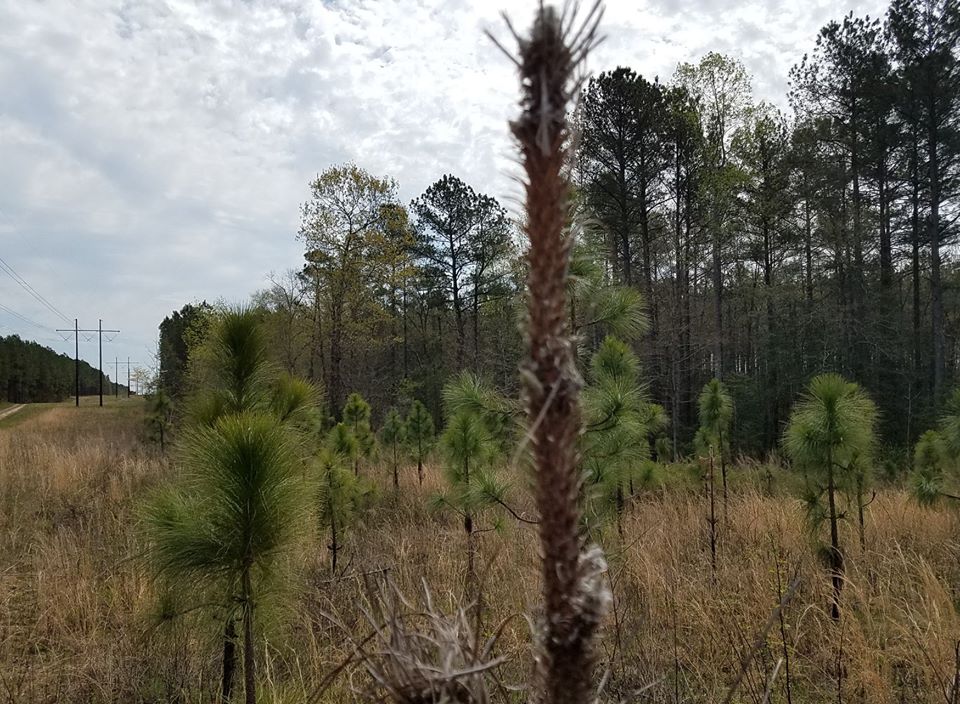
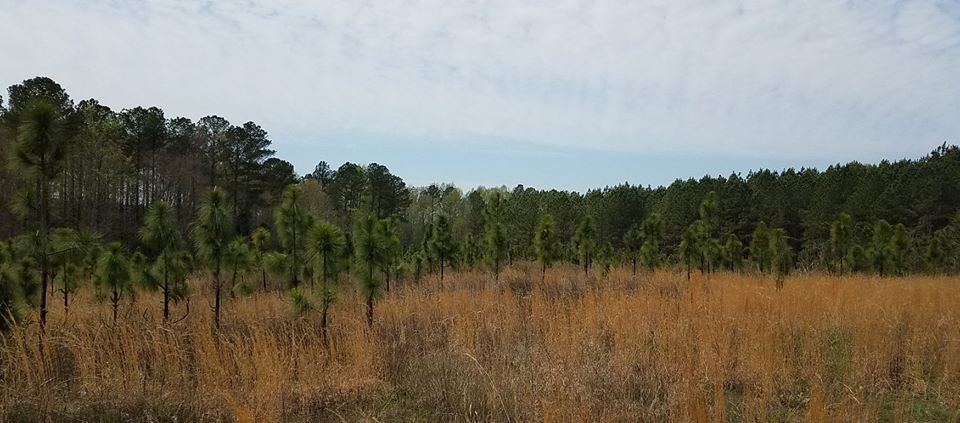
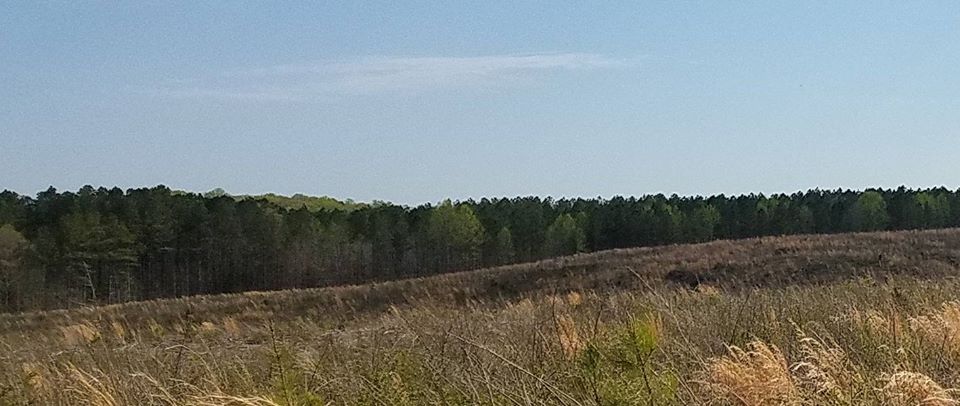
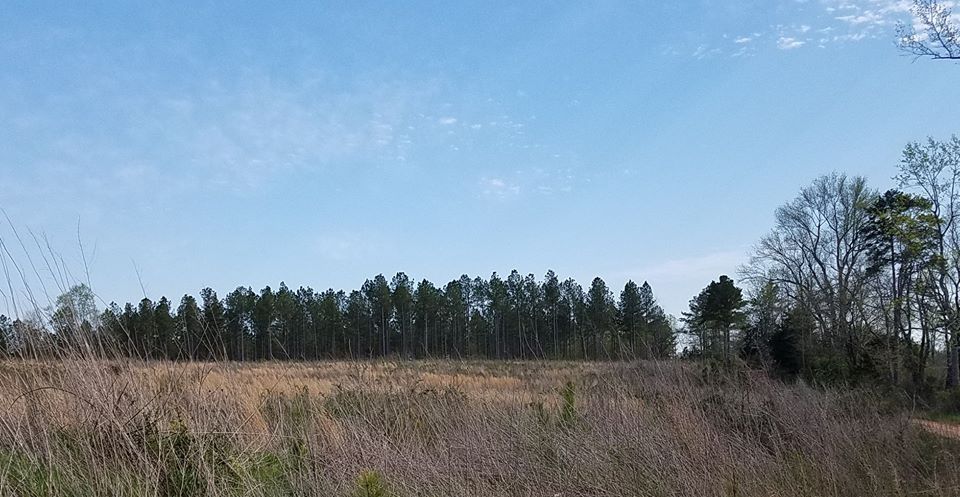
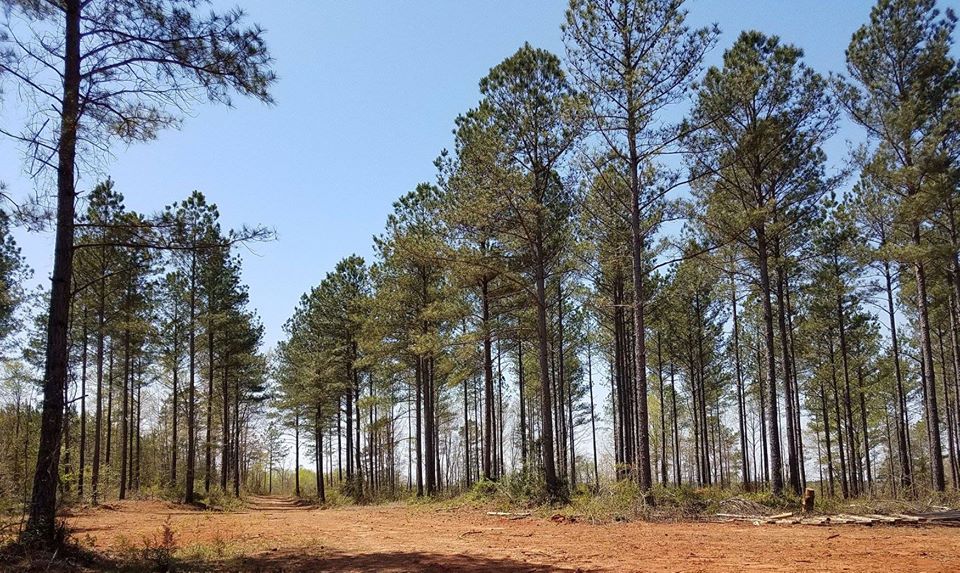
Went down to the farms. Still not much action. Spring is a little late this year. An interesting thing is in my second picture. I am calling these Lazarus trees. They sure looked dead, but if you look close you see that they have new growth. It is not much yet, but seeing any is odd.
I did a few hours of vine pulling and clearing at the Brodnax place. I have kinda given up doing this on Diamond Grove. My logic is that Diamond Grove is bigger (110 acres), so it is impossible to get at all of them, and it will be thinned in couple of years. That will knock down many of the vines.The Brodnax place has a stand from 2007 that is only 24 acres, so maybe manageable, and these trees are younger and so are the vines climbing them. If I get at them sooner, they will not cause so much damage and not be able to seed.
Funny thing happened today, however. I like to push through in a straight line, pulling and cutting maybe ten feet in each direction. I worked for about 3 hours when I noticed a dirt road ahead. I was a little surprised, but I sometimes find new things on land, things I missed. When I got to the road, however, I saw it was the same one I had come in, about a hundred yards down. I know that you tend to go in circles when you are lost, but this was a really graphic example. In my defense, I was not trying to pay close attention, but I do recognize my limitations.
First two pictures are the longleaf fields. The second show the Lazarus tree. Next two are the cu-over. In real life, you can see some of the little trees. They do not show up well on the picture. Last trees are my thinned trees on the Brodnax place. We will plant pollinator habitat on the dirt in front in a couple weeks. Should be very nice. I like the look of the thinned trees. They remind me of ponderosa pines in the west.
Hyperloop Coming Sooner

I heard of the hyperloop, but didn’t know much about it, nor did I think it was something feasible in the near term. The discussion at AEI – “Is the hyperloop the future of transportation” – cleared up a few things for me.

The keynote speaker was the dynamic Maryland transportation secretary and the chairman of the Maryland Transportation Authority, Pete Rahn. He did a very smart thing before starting his talk. He went around and introduced himself to the guests in the front couple of rows. I was among them. It made us pay more attention and feel closer to the subject and the man explaining it. He started off talking about the alternatives. The status quo is not working well, what with congestion growing all the time. Mr. Rahn studied maglev in Japan. They are very smooth and fast, but probably impractical for Maryland & Washington. Maglev are expensive, and they take up a lot of space. It is unlikely that they could get the space.
Mr. Rahn said that the future is not far off for hyperloop. In fact, it is almost here. Work has started on a near New York Avenue in the District. The advantage of hyperloop is that it is underground. This is not a panacea. There are lots of things underground that need be considered. That is why the hyperloop will follow MD 295 to Baltimore. There are fewer property owners to consider. It should have no impact on the road above. The idea is for it to reach New York.
Hyperloop will compete mostly with Amtrak. Private autos have the advantage of flexibility. What I did not know is that hyperloop will also carry freight. I had envisioned pods something like the size of private cars. In fact, they will be more like airlines. The freight pods must be designed to be intermodal, or the hyperloop needs be designed to take standard container sizes. This is not a problem for the width, but length might be a problem around curves. The containers do not bend.
The discussion session addressed specifics. With time, they may add more stops. Maybe little pods could join with trains and split off as appropriate. For example, you might join the train on pod coming from Union Station riding in pod A. Once on the train, you could move to pod B being dropped off from the train in Columbia, MD. I envision one of those cartoon that shows how red blood cells move through the circulatory system.
A prototype Hyperloop will be tested literally in a couple days, on April 17 in France. It will go only 1.4 kilometers (less than a mile) but it will show the concept.
Sustainable Water at Wilson Center
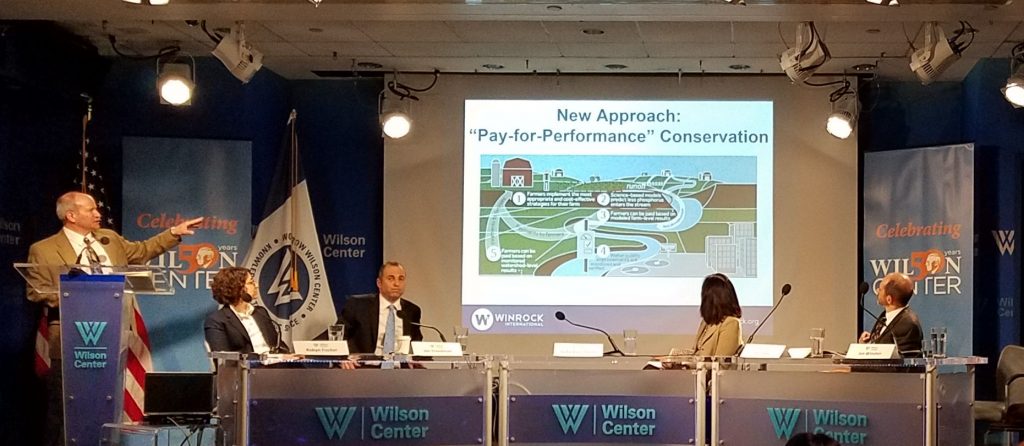
Went to “Sustainable Water, Resilient Communities: Solutions for Dirty Water” at Wilson Center today. I will put links to the program in the comments.
I got to stand up and ask my question about biosolids, but mostly it was just fun to listen.
I had a couple take-aways from each speaker.
Moderator Eric Viala had a good point about helping people. We are all about saving lives, but if we have to save the same people over-and-over, maybe we are not getting anywhere. We might reconsider our approach.
Sasha Koo-Oshima re-framed waste. Wastewater is an undervalued resource, she said. We should start calling sewage plants “Resource Recovery Facilities.” This is really true, especially re biosolids.
Robyn Fischer reminded us to pay attention to women. Women make a lot of the decisions about water use. Beyond that, the best way to curb population growth is to educate and empower women.
My favorite was Jon Winsten. He advocated incentives to farmers, pay for performance. he pointed out that prescriptive regulations reduce productivity and are often not effective. We get better results by being flexible. Giving farmers choices recruits their intelligence and ingenuity.
A problem is that non-point source pollution is hard to measure, so we often have to pay for process. They do some things and we have reasonable faith that it works. Best management practices are good, but they can be made better by proactive measures by farmers who know their land better than anyone else.
Winsten argued for a mixed program where farmers get payments for the good things they do on their farms (ecological services) but also a bonus for the total watershed. This helps them think bigger and maybe recruit their fellow farmers. Nobody is trusted as much as a neighbor.
Finally, Jon Freedman talked about his company, Suez. They can clean water to make it drink quality. The problem is not the purity, but the perception. People just do not like to drink water that is recycled. It is a PR problem.
All water is recycled. No new water, at least not much, has come to earth in more than 4 billion years. All the water we drink has been through billions of kidneys and mixed with oceans of shit and yet it comes back to use clean as rain.
—
Water is generally under priced. We hear talk about water as a human right and SOME water is. But if we make it generally a right, we will surely make it scarce. We need a price on water.
—
Wilson does good programs. I often attend and learn each time. My picture shows Jon Winsten speaking in front of the panel.