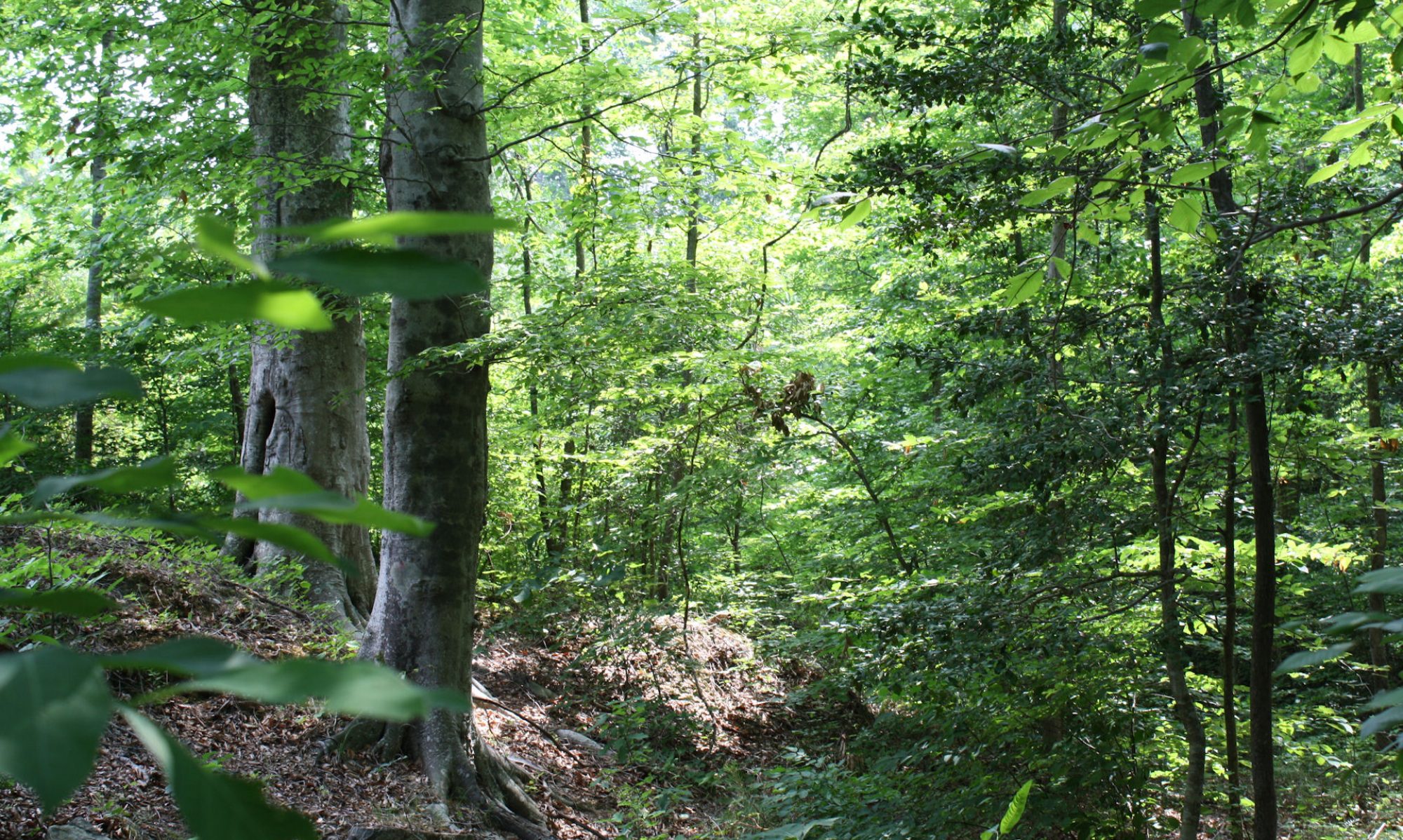
My article for the next issue of “Virginia Forests.” I was a city kid, but my urban Milwaukee public schools featured nature and forestry programs. These sojourns into nature changed my life. I would not be a forest owner and conservationist today without those experiences. Today more people live in cities and even small towns kids often lack intimate contact with working nature common in the past – fewer hunt or work on farms. Even fewer are involved in forestry.
Disconnected from Working Nature A disconnect from working nature fosters destructive outlooks, among them the mistaken idea that humans and nature are separable and maybe should be kept apart, that that nature is fragile and needs walls to keep humans out.
Some places should be walled off – places so unique, beautiful or so crucial that it is best for humans not to tread, at least not often. But most conservation must be done on private lands, on lands humans use. Not understanding that fundamental truth will make our world less sustainable, less renewable and less resilient.
Sustained Profit Goes with Ecological Sustainability We can manage land both for profit and for ecological sustainability. It is the best way – the only long-term way. I know from personal experience and observation that it can be done. This is not a truth easily conveyed to people without similar experience. Show them a harvest and they see the “destruction.” The easy narrative is that harvesting is stealing from the earth and that the best thing we can do is keep people, their machines and their civilization the heck out of the woods. How can we tell what we know to be true to people unprepared to hear it?
Engaging Means Also Listening Engaging is more than telling our story to others; it is listening to theirs, understanding their concerns, maybe even changing our own outlooks. We cannot tell people more than they are ready to hear. By listening first, we can find ways they understand. This will often mean showing as well as telling and sharing our passion for forestry and welcoming them be part.
Most tree farmers delight in showing their land and telling about it. Many of us open our land for visits and field days. Do this and more. Elsewhere in this issue are articles about education about forestry. Our part is sharing our experience, our long-term experience of sustaining and regenerating land, while producing forest products and even making a reasonable profit, because most conservation is done on private lands by people willing to get their hands dirty.
The answer is that we cannot tell them. We must show them and share the experience. The key to understanding ecological relationships is boots-on-the-ground, along with an indispensable ingredient – time. The key to understanding is how relationships develop over time. If they see the destruction of a harvest, show them what it looks like five or ten years later. Explain that even right after it is wonderful wildlife habitat. This is what nature education should give young people – and older ones too. This is what we need to strive for in forestry education, not a single visit but engaging over years.
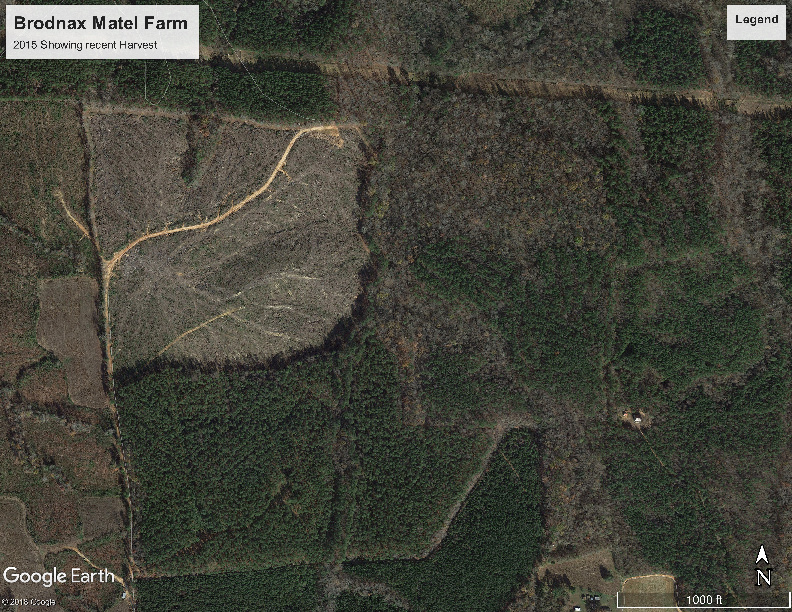
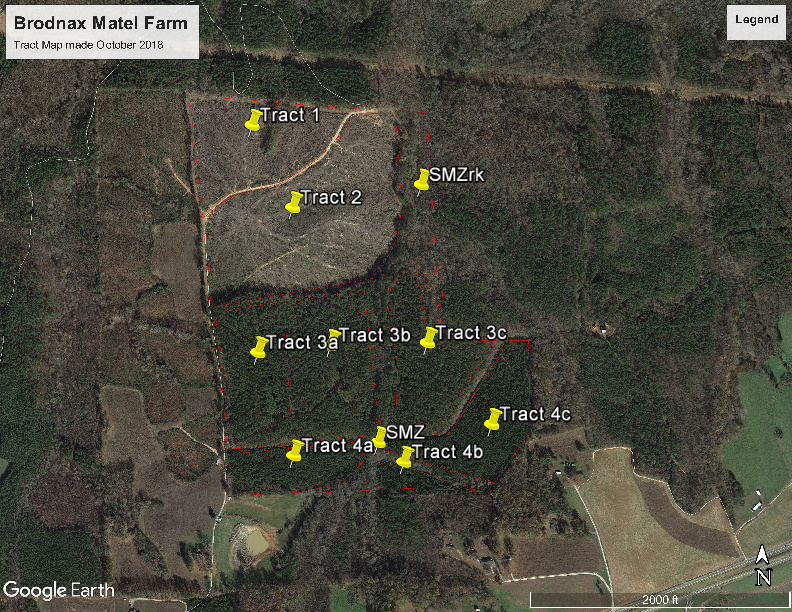
Forest Stewardship Plan for John Matel and Christine Johnson, Freeman Tract Introduction This Forest Stewardship Management Plan covers the examination of approximately 103 acres of forestland in Brunswick Country, near Freeman. The tract map is included. The tract is mostly flat. It includes approximately 65 acres of pine plantation, 25 acres of steam management zones dividing the property roughly in thirds. A power line right of way goes down the middle of the property and covers around 8 acres. The land was likely cleared for agriculture at one time, but has been forest for at least 70 years, as evidenced by old loblolly pines planted in rows that remain in some of the SMZs. Overall wildlife habitat and forest health are being maintained and improved by thinning, burning and planting feed and pollinator habitat in patches in the woods and along the powerlines, and maintaining soft edges.
No endangered species of plants or animals were noted on the tract.
Forest Stewardship Management Plan Landowners: John Matel & Christine Johnson Forested acres: 95 Total acres: 103 Location: Freeman Virginia Prepared by: John Matel This Forest Stewardship Management Plan was designed to help guide the management activities of the natural resources on the property for the next ten years. The plan is based on our goals in harmony with the environment around you. Project recommendations are for your consideration. The Goals for Managing the Property:
Innovations in forest management to restore longleaf ecosystem
Soil and Water Conservation.
Improvement of wildlife habitat.
DESCRIPTIONS & RECOMMENDATIONS OF PARCELS: PARCEL Z Acres: 58.1 Forest Type: loblolly and longleaf pine Species Present: Loblolly & longleaf pine, ailanthus, American sycamore, sweet gum, yellow poplar, eastern red cedar, hackberry, shortleaf pine, Virginia pine, mockernut hickory, white oak, chestnut oak, black oak, green ash, mulberry, sassafras, black cherry, persimmon, holly, black locust, blackgum, and red maple. Age: loblolly planted in 1996. Longleaf interplanted 2018/19 Size: loblolly are chip and saw and some saw timber Quality: excellent Trees/acre: Adequately stocked for our management objectives, i.e. thinned to 50 BA to allow greater wildlife habitat including grasses and forbs. Growth Rate: excellent. Recommendations: The vegetative nature of this parcel provides benefits to wildlife due to the diversity of ground covers and understories. We plan to
Do understory burns every 2-4 years
Create field borders on this parcel
Maintain and enhance diverse and native ground covers
PARCEL Z1 Acres: 4 Forest Type: longleaf pine planted in 2012 Species Present: Longleaf & loblolly pine, sumac, some oak and bald cypress Age: Planted in 2012 Size: Tallest around 15 feet high in 2018 Quality: Excellent Trees/acre: Adequately stocked. Trees are widely spaced on purpose to allow wildlife and understory growth Growth Rate: Excellent Recommendations: Parcel will be burned every 2-4 years in order to maintain longleaf pine and early successional habitat under them. PARCEL Z 2 Acres: 7 Forest Type: Loblolly & longleaf pine. Species Present: Loblolly and longleaf pine, some bald cypress Age: Loblolly planted 1996. Longleaf pine planted 2018/19 Size: chip and saw to sawtimber, loblolly; longleaf are seedlings Quality: excellent Trees/acre: Adequately stocked Growth Rate: Excellent Recommendations: Half of the parcel was clearcut in 2018 and rest heavily thinned. The clearcut will be planted with longleaf pine 10×10 of a little tighter and interplanted with loblolly on the rest. PARCEL SMZ Acres: 25 Forest Type: Mixed hardwoods and pine. Species Present: Loblolly pine, ailanthus, American beech, American sycamore, sweet gum, yellow poplar, eastern red cedar, hackberry, shortleaf pine, Virginia pine, mockernut hickory, white oak, chestnut oak, black oak, green ash, mulberry, sassafras, black cherry, persimmon, holly, black locust, blackgum, and red maple. Age: 40 to 80 years Size: Various sizes including significant saw timber. (10 to 18 inches in diameter) Quality: Good to excellent Trees/acre: Adequately stocked Growth Rate: Good to excellent Recommendations: This parcel is in place to protect water quality and to provide wildlife corridors. We will periodically examine the SMZs for invasive species and treat as appropriate. Beyond that, this area will be generally left to natural processes, with interventions only in the case of some sort of disaster, such as fire or particularly violent storms. Non-Forest Border About 8 acres of the property is under power lines. This is managed as a long border area. It is planted with native grasses and forbs and will be managed to maintain early succession habitat by the use of fire and mowing.
Wildlife Recommendations Field Borders Field borders are established along woodland edges and major drainages. Field borders create vegetative transition zones between cover types. Such zones are much more attractive to wildlife than the abrupt change that often occurs, for example, between field and forest.
Daylighting consists of cutting most, of not all, trees in a specified area to encourage and accelerate the growing and non-shade tolerant plants. Existing shrubs, vines and herbaceous (non-woody) plants should be left undisturbed to the extent possible. Woodland edges should be daylighted to a depth of 40 feet, recognizing that remaining trees will quickly reach out to shade the opening. Field borders established by daylighting have the advantage of taking no acreage from existing open land. Where the loss of open land is not a major concern, a natural border can also be created by allowing woody plants to invade and encroach into existing open edges. “Encroachment” borders, like those daylighted, should be wide, at least 30 feet. Where grass is well established, this should be destroyed by plowing or by the use of a herbicide. This will speed up the invasion of the more desirable “border plants.” The establishment of field borders using this practice requires the least expense and labor.
If natural borders seem undesirable (perhaps from an aesthetic standpoint); the planting of shrubs is an option frequently used. Additionally, with the use of these, the results are more reliable and, in the long run, maintenance will be less (natural borders will be invaded with trees that should be cut back periodically). The transition from field to tree line should be gradual in height. Here, shrub plantings also have an advantage. By proper selection and arrangement of shrub varieties, the border can be a stair step from field to treetop. Taller growing shrubs, such as Mountain Ash should be placed next to the woods. Lower growing varieties, such as the shrub dogwoods or bi-color (VA-70) lespedeza should be placed against the taller varieties. The total depth of a shrub border should be at least 20 feet. The final touch to any border is the establishment of a herbaceous strip along the open side. These may not be necessary, if the border joins an annually tilled or recently fallowed field. If not, a strip 10 to 20 feet wide parallel to and adjoining the border should be plowed or disked. This can remain fallow for up to two or three years, allowing annual native plants to grow back many of which provide excellent wildlife food and cover. Or, if desired, these strips can be seeded using one of the warm-season grasses, white clover, Korean or Kobe lespedeza, or one of the locally well suited agricultural grains. Borders need not completely rim every field or fringe every wood line. Yet, they should be employed to the greatest extent possible. Good field borders provide food, cover, and security. Perhaps equally important, they provide a most favorable “edge,” a critical component in the habitat chosen by most wildlife. Open Fields Probably the best practice to enhance open fields for wildlife is the establishment of field borders. These have been described. Thinning Parcel Z This area was thinned in 2018 to 50 BA, with clearings of approximately ¼ acre in each acre. Thinning will increase their ecological value to wildlife. Thinning allows sunlight to reach the forest floor which stimulates the growth of forbs, legumes, and other herbaceous material. Tree tops left on the forest floor provide temporary cover and nesting places. Thinning can also increase mast production of healthy oaks and hickories. Snags All Parcels except the grassland: Snags, dead or deteriorating trees, are an important habitat component in forests for wildlife. The availability of snags on forest lands affects the abundance, diversity and species richness of cavity nesting birds and mammals. Two to four snags per acre should be maintained in the forest. Such trees provide forage, cover, perches, and nesting sites for wildlife species such as raccoons, bats, flying squirrels, snakes, owls, woodpeckers, bluebirds (near open areas), and wrens, to name but a few. When snags are lacking in a forest, they can be created by girdling trees of poor quality or health. Forest Openings Parcels Z This area benefits from the development of forest openings to encourage the development of low growing plants. Approximately twenty ¼ acre openings were created by cutting all the trees in these areas. The area will be planted with longleaf pine and burned every 2-4 years to maintain the longleaf and maintain early successional habitat under them. Power Line Right-Of-Way The power line right of way is planted with native grasses and forbs and maintained in early successional habitat by fire and mowing. Prescribed Burning Periodic burning is a tool used. Please see above. Logging Roads Soil erosion can be prevented through the careful location and maintenance of logging roads. Dominion Power maintains an access road along the power lines. This is the only regular road on the land. Broad base dips and drainage ditches should be placed 20 feet apart on steep slopes and 50 feet apart on medium slopes. Loading areas should be seeded in game food after harvest. When logging is complete, ruts and gullies should be filled and the road should be out-sloped slightly. Closing of roads to unauthorized traffic will prevent damage to newly sown grass or wildlife food. More information is available in the enclosed brochure. Skid trails, haul roads, and log decks should be seeded with a mix of orchard grass and ladino clover. Prepared by: _John Matel____________________________ Suggested Schedule of Management Activities
Year
Parcel
Activity
2018
Z
Thinning to 50 BA
2018
Z, Z1, & Z2 & power line
Prescribed burning
2018
Z 2
Plant longleaf and bald cypress
2019
Z
Plant longleaf (December)
2021
Z & Power line
Prescribed burning
2022
Z1 & Z2 & power line
Prescribed burning
2023
SMZ
Remove invasive species
2024
Z & power line
Prescribed burning
2025
Z1 & Z2 & power line
Prescribed burning
2026
SMZ
Remove invasive species
2028
Z
Harvest loblolly sawtimber
This schedule may need to be adjusted depending on financial needs, timber markets, timing of actual harvest, and availability of contractors.
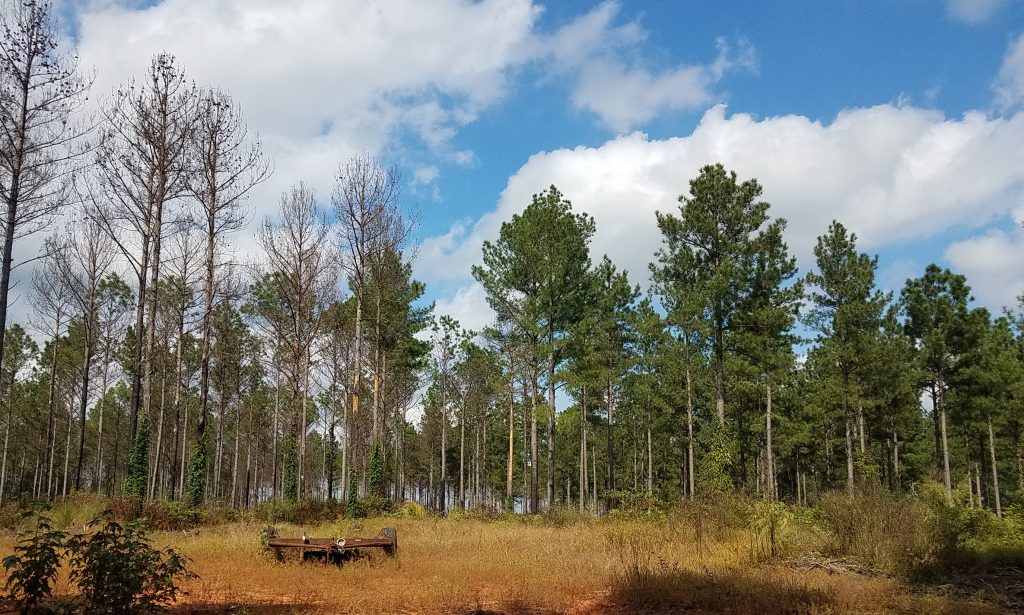
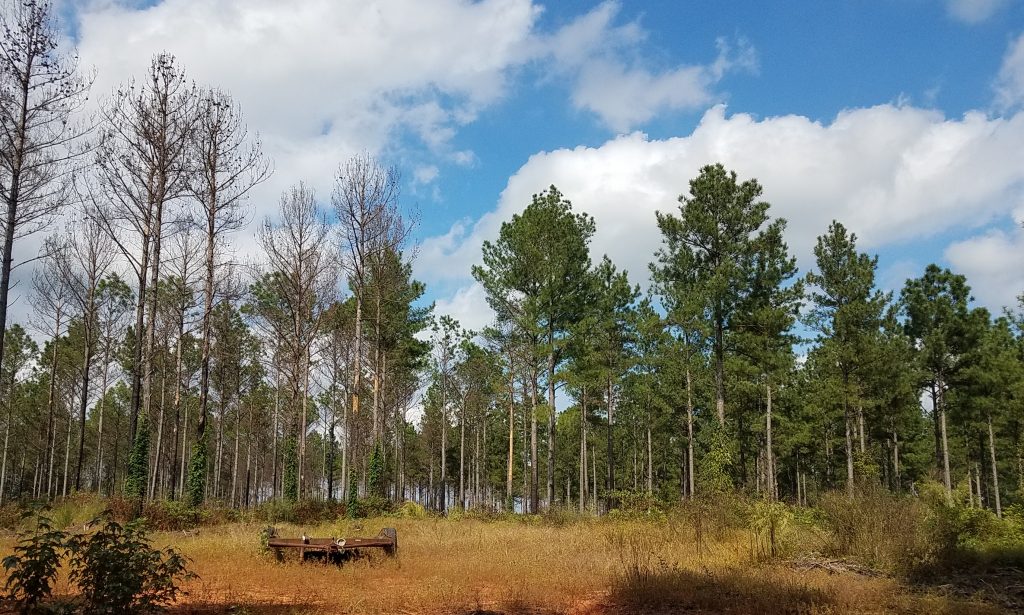
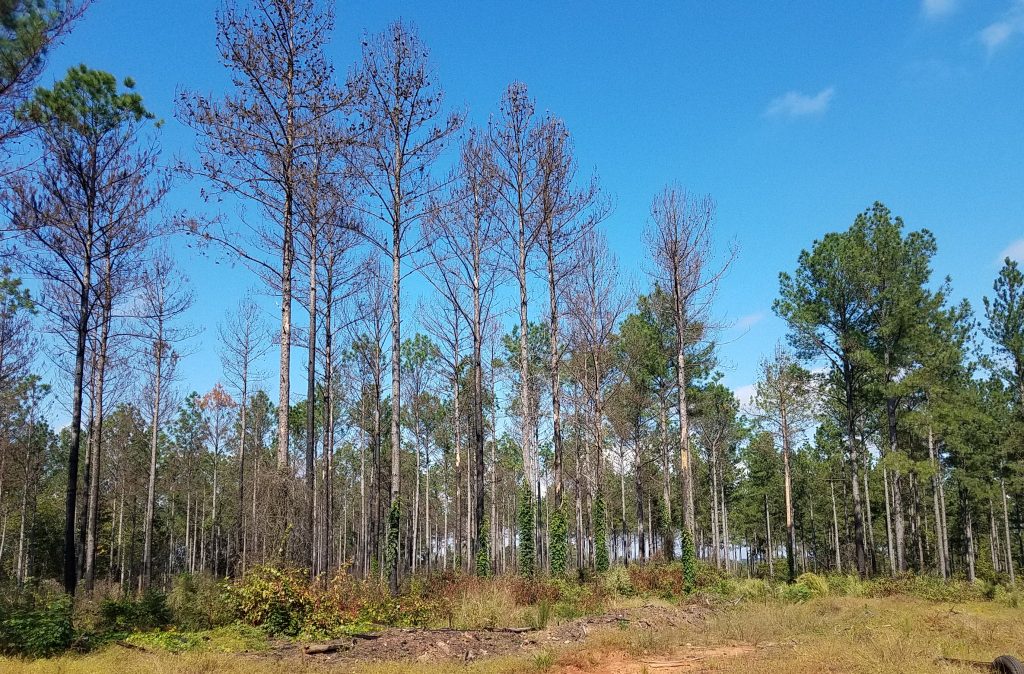
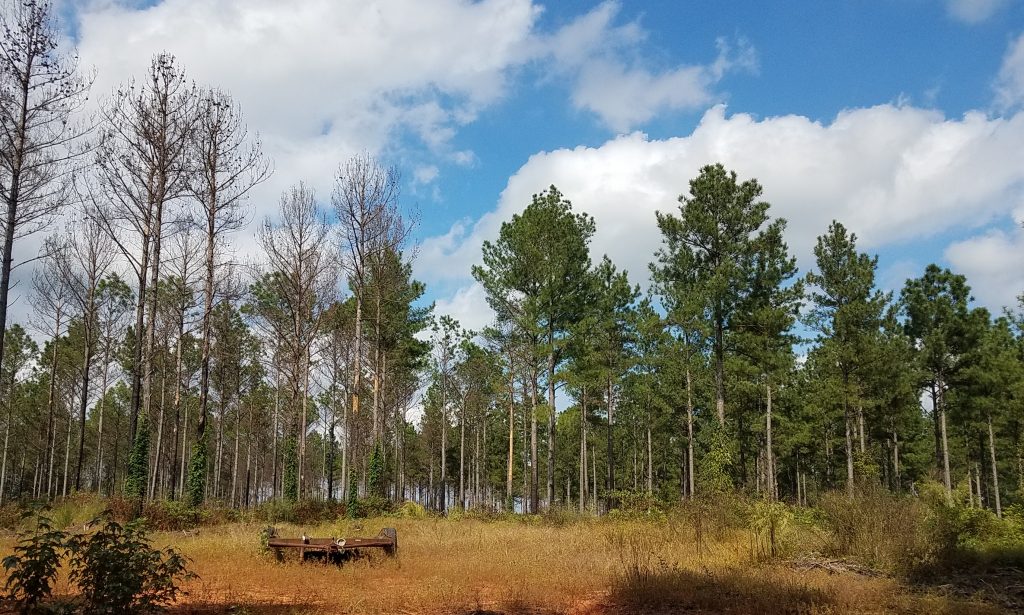
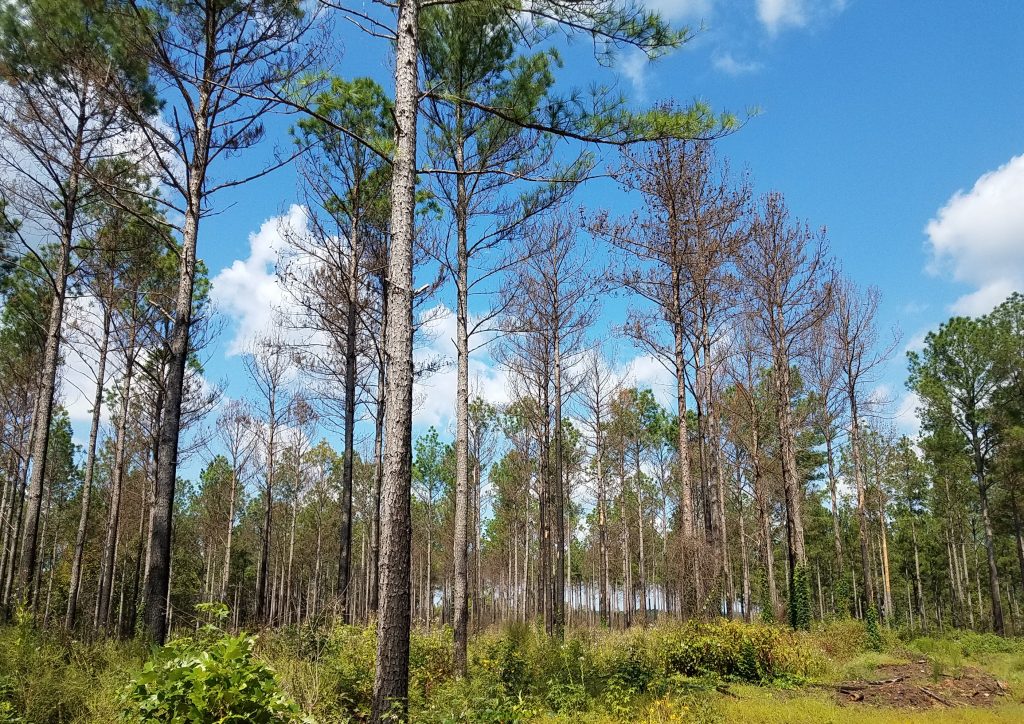
I hate to look at it, but I have to learn from the mistake. The lesson that I take is not to do a fire during the growing season, especially when they trees are throwing up new growth. Southern pine can survive scorching, but if the fire gets too hot & knocks out the new candles, the tree dies. I lost a couple dozen.
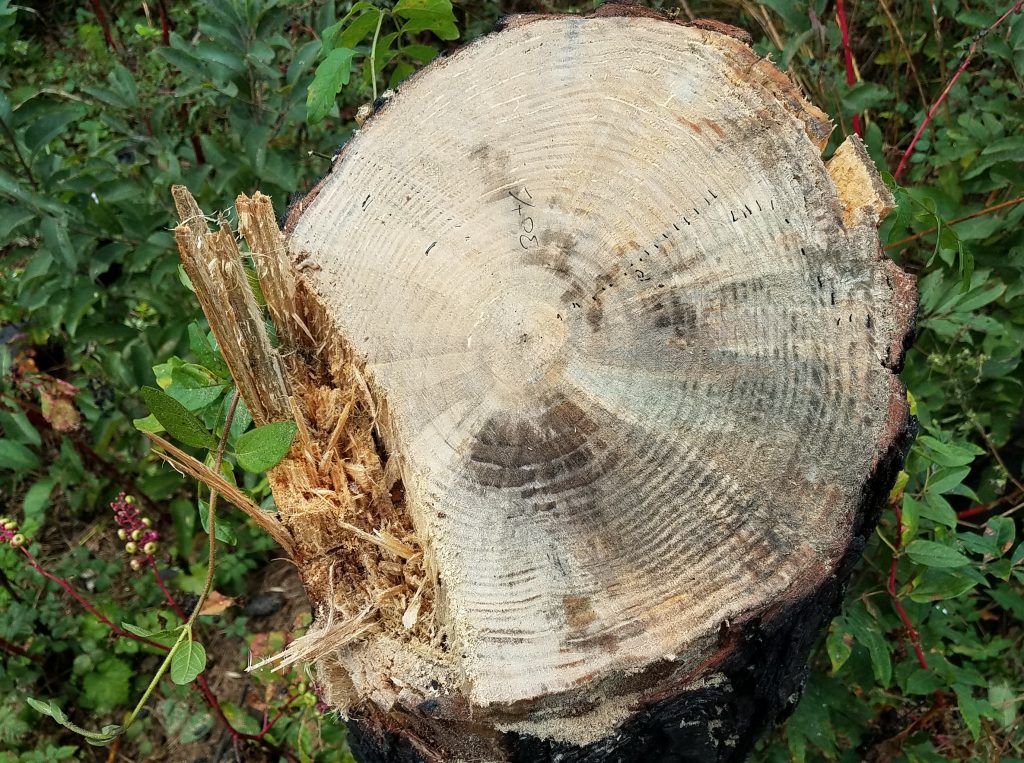
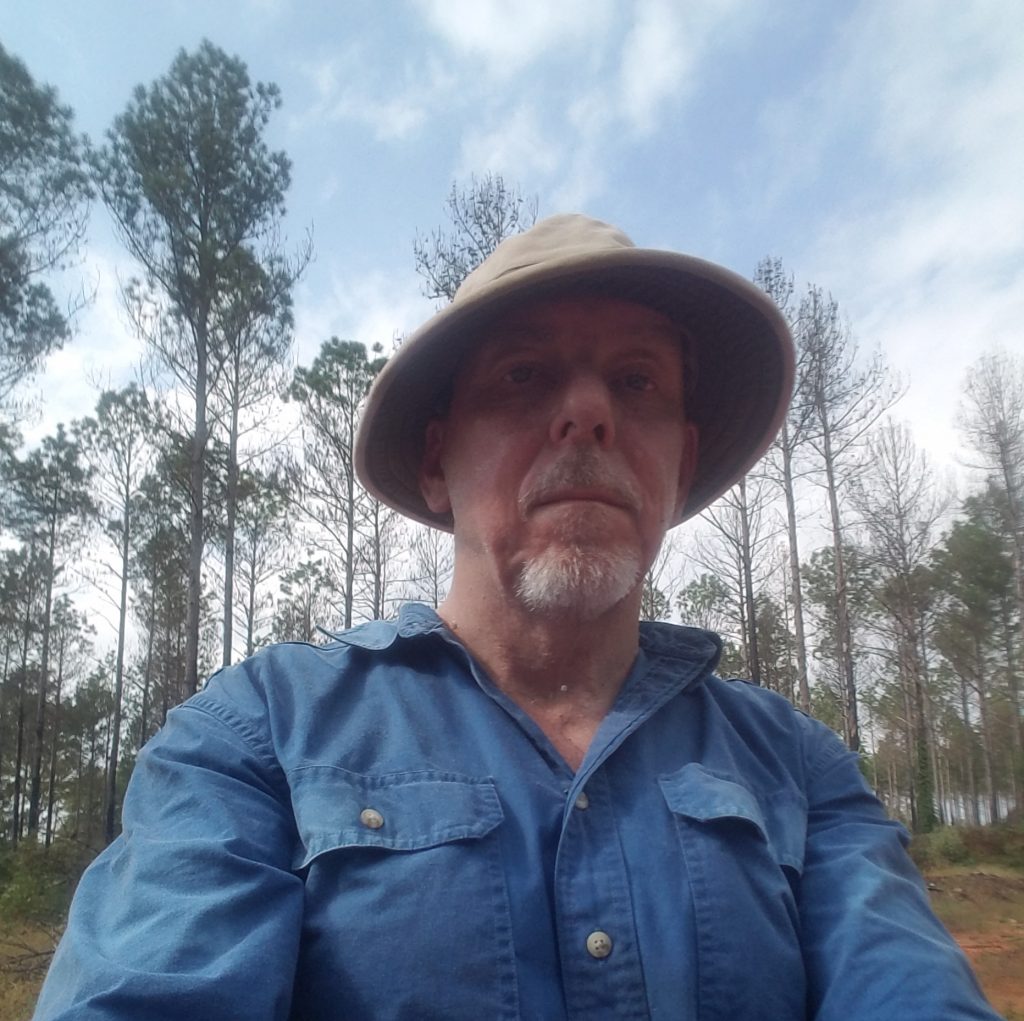
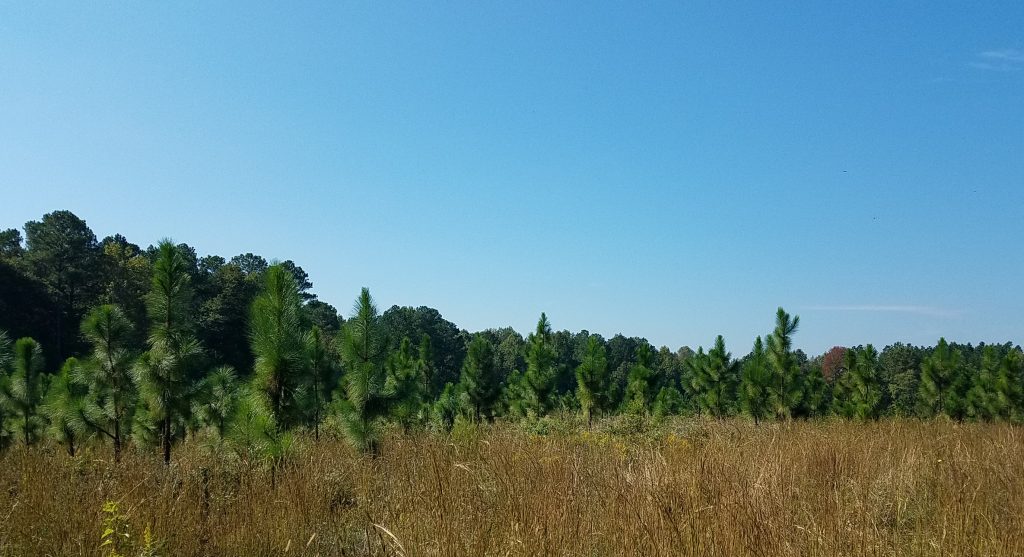
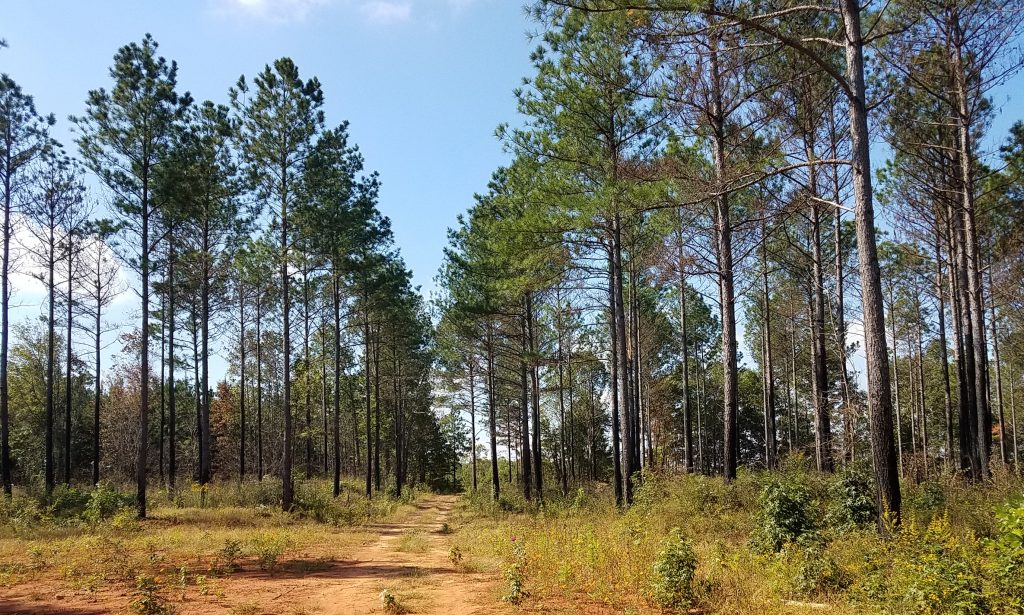
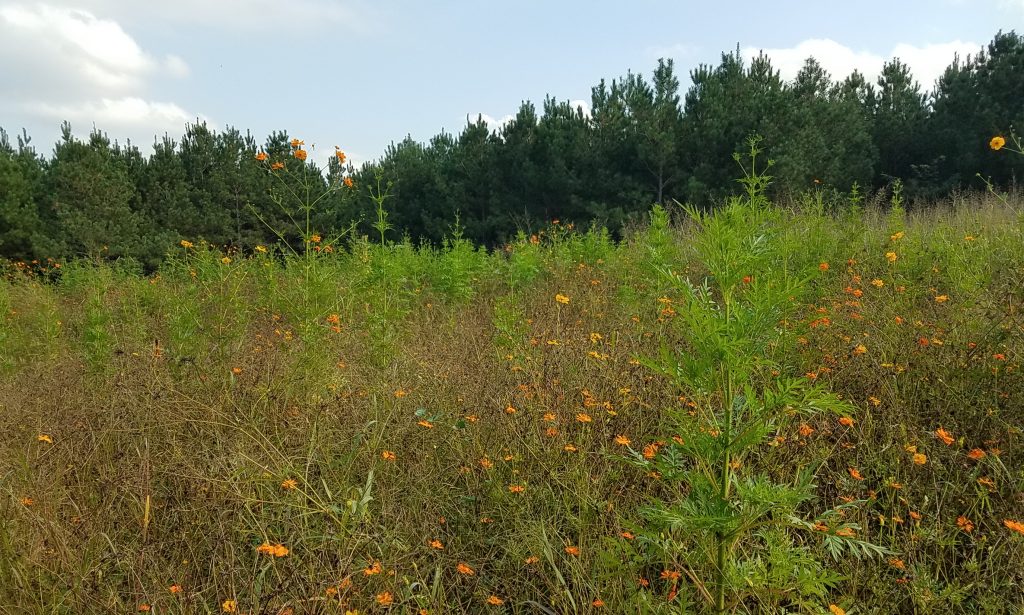
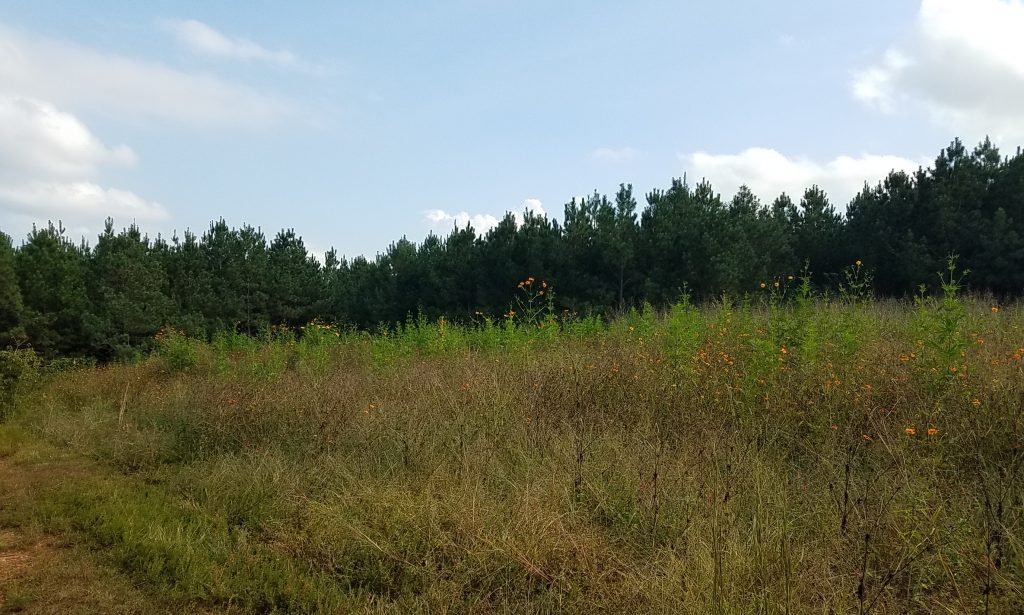
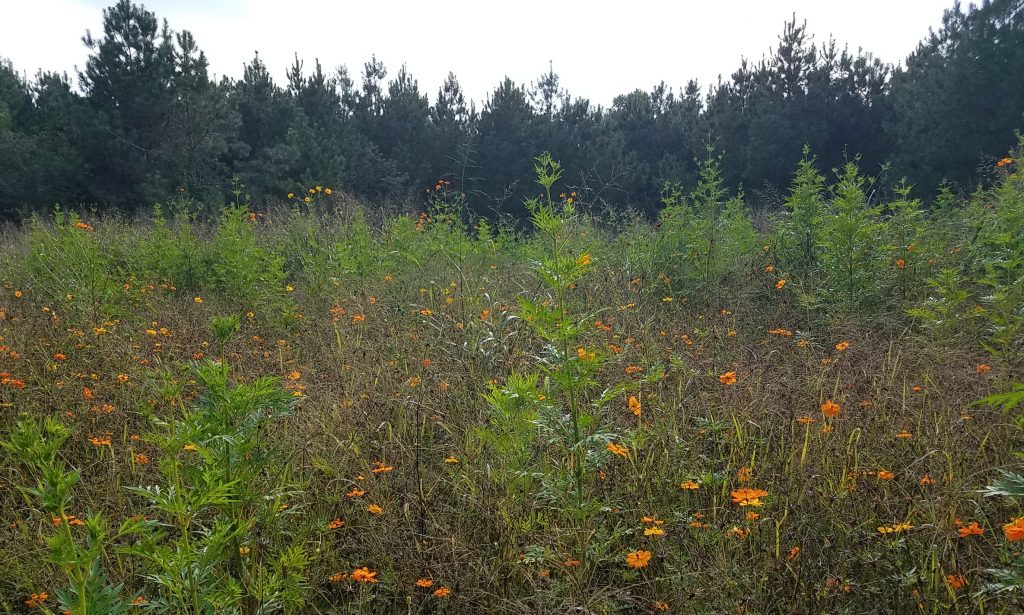
You can see the damage on the first picture. Look closely at the middle of the picture that dead ones and the live ones next to them The two live ones right past the middle have fire marks on them. The surface fire went under them too, but did not kill them. The second picture looks down the road. Trees on both sides were burned, but they did not die, at least not yet. Picture #3 is the stump. Picture #4 is me after the cutting. Hard to see, but my shirt is soaked through with sweat. It was good exercise, but I will not do it again. Last picture is some of our wildflower/pollinator plantations. It looked really good in person. The photo did not do it justice.
I also think some of the trees died because their roots roasted. The fire dwelt a too long on the edge, smoldered for days.
Nature is resilient and something good will happen.I have still not decided what to do. I might under plant with longleaf, or maybe just let the natural regeneration of loblolly. My guess is that there is a little more than a acre killed. Letting it be natural or planting won’t make that much difference.
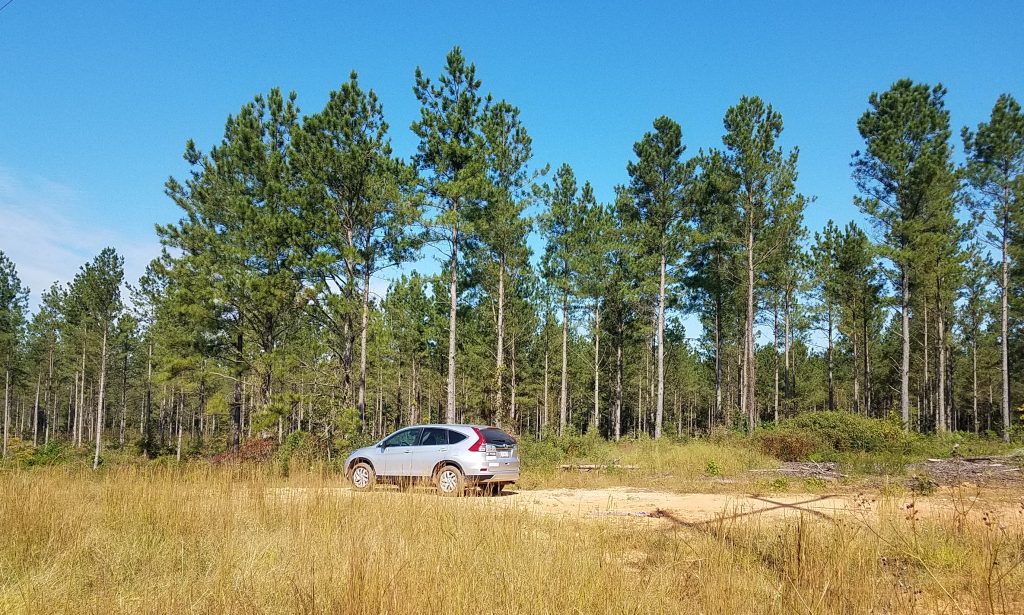
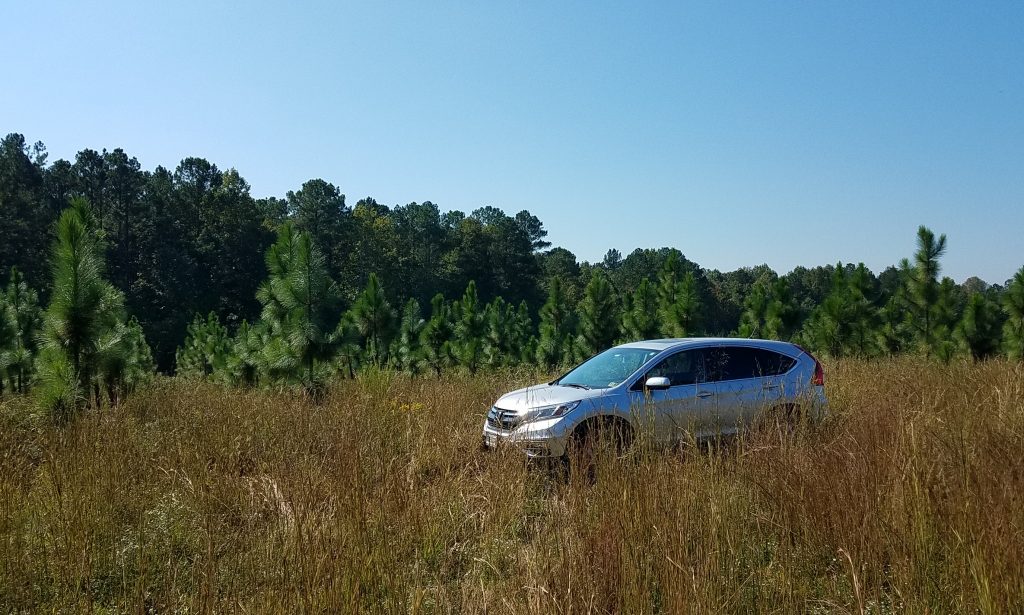
I thought I would take advantage of the bad situation by cutting down one of the dead trees and counting the rings. I did own this land when the trees were planted and the previous owner did not have perfect records. Cutting the tree was a mistake. I had only my hand saw and I get really tired about half way through. I had to finish, however. Could not leave a half cut hazard. I cut the tree about waist high and counted 30 rings. I may have missed a couple and it took it a couple years to get waist high, so those trees are probably around 32-35 years old. The rings showed that the tree grew very fast at first, but then slowed a lot, probably because it got crowded out. We thinned this tract in 2017, so it was too early to see results, especially because it was killed early in the season this year. Also down on the farms I did my usual walk around. It is looking good. Wildflowers are past prime and settling down for winter. They grew a bit longer and thicker this year with all the rain. The pines are done with their last splurge and hardening for the cooler weather. I thought I needed some comparisons, so I took pictures of my car near the trees. Could not get very close to the trees for fear of getting stuck. The car has all wheel drive but is not an all terrain vehicle.
A few book notes, before the memory fades. I notice that my books seem to cluster, i.e. there is overlap and synergy among them. No doubt some comes from my own interest and choices, but I think some of this is an artifact of memory. One book makes something salient and then I more easily see it in others, maybe even see what is not there. Well, since this is a journey in my mind, don’t have to resolve this. Used to be a problem in graduate school, since I would know stuff but not be able to tease out the sources, but now it is just all mine, so if you quote me on it you are working my memory and need to check the original if you want the author’s.
It started off very strong but then petered out. The first theme was the government requires lots of expertise and that civil servants are generally hard-working people with significant knowledge & commitment is true, IMO. I am both biased and informed by my own background on this. From there, however, he extrapolates too far about government’s role. IMO, government plays a role that only it can play in creating conditions for prosperity but cannot not itself create prosperity. There is big nuance here that I think he did not property address.
A good example of an important government role is in research. He mentions ARPA-E and DARPA, and all the things they gave us, like the Internet and fracking. This is correct but not complete. It is undoubtedly true w/o DARPA there would be no Internet, but it is also true that w/o American private firms and civil society the seed of Internet would have been sterile. Anyway, worth reading the book.
“Quiet: The Power of Introverts in a World That Can’t Stop Talking” by Susan Cain This is a great book but a little eclectic. Her main idea is that we have become too in love with extroverts, being out there, groups activities and “brainstorming,” and that we need more introspection and contemplation. I agree.
I also agree with her that the popular idea of introvert is pejorative (you have to come out of your shell) and that being an introvert is not something that needs to be cured and it does not mean that you are not engaged in the word. I come of as introvert of the Myers-Briggs (INTP for those who know the test), but I love public speaking, for example. I just also like to be alone sometimes.
The eclectic part comes from her discussions of the character ethic, systems theories and various sciences. All of this interesting and she probably read many of the same books I did, since I recognize the ideas, but I think it was a little off topic.
“How to Fail at Almost Everything and Still Win Big: Kind of the Story of My Life” by Scott Scott Adams
This is the book I would write if I was writing an advice book. I felt a real kindred spirit and attitude. At least that is how I see myself when I am flattering myself – practical, optimistic insouciant, adaptive, “lucky” and a seeker of patterns.
Lucky, which I put in quotes above, is how I would fit it together. You don’t have to be smart if you are lucky, but luck is distributed randomly. Some people get more good breaks than others, but a wise strategy is not to count on that, but rather position yourself so that good luck can “find” you. And when something happens, you have to be ready to move. You can make bad luck into good or the reverse by how you react and adapt.
This leads to the need to look for patterns, think in systems. There is a system to everything. If you can find the key factors and use them, you will be “lucky” more often. You need to be insouciant and optimistic, since you will fail a lot on your way to success. If you let that stop you, you will not get very far. He did not quote the USMC, but I think it fits here “Improvise, Adapt, Overcome.”
He has an interesting formulation, which I agree but did not think of myself. Goals are for losers. Systems are for winners. Look to the process and you can be adaptive. In fact goals and systems will often overlap, but the system is more flexible. At this part I thought of the Stephen Covey habit, “Start with the end in mind.”
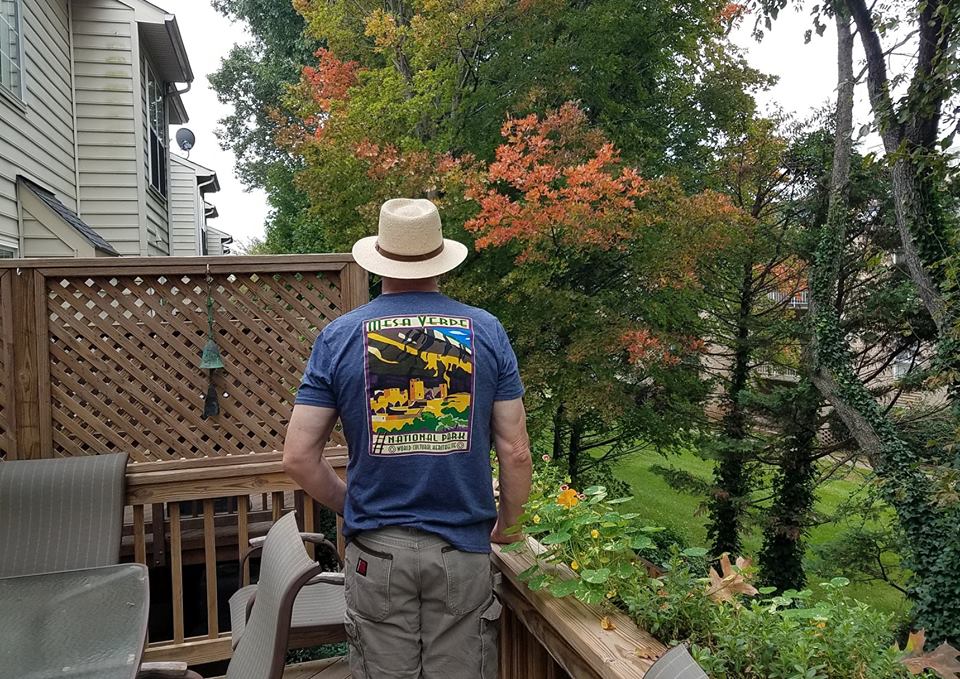
Alex and I were at the ruins at Mesa Verde about this time last year. We also visited Choco Canyon. Chrissy and I later visited several Pueblo sites in New Mexico. It is a fascinating study.
The Pueblo lived in a fire prone landscape for more than 500 years. We can learn from their adaptions, even if we live in very different ways. They removed fuels both by frequent but small surface fires and by using wood as fuel in their settlements. In effect, they kept the woods clean.
To a very great extent, the “natural” forests the early Europeans found were the creation of these humans.
Had an interesting expedience talking to one of the guides at Choco Canyon. We agreed that we (i.e. modern Americans) could take valuable lessons from these earlier inhabitants of the land. Then she said an interesting thing. She said that she regretted that those good practices were not part or “our” heritage. My belief is that this heritage is the common heritage of humanity and that is a part our heritage worth knowing more.
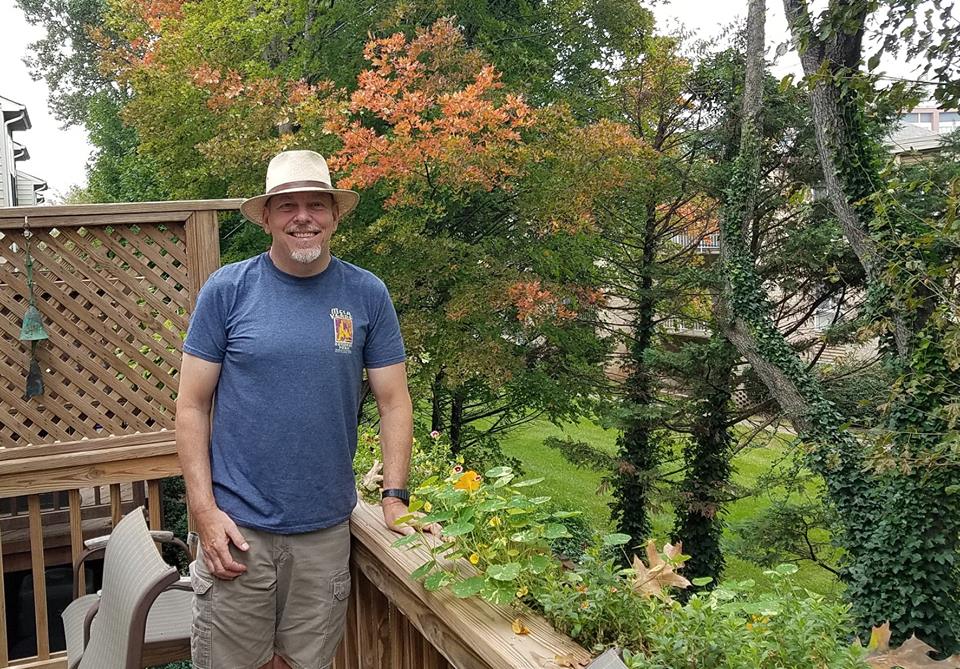
My first pictures show the front and back of my Mesa Verde T-shirt. Other three are left over from last week. #3 is the 21st Amendment Bar and Grill. Chrissy and I went there for a beer before the Smithsonian program mentioned in earlier posts. There was a funny incident on the road in front. A women tried to cross against the light. A car came by and beeped at her. She was so enraged that they threw her McDonald’s bag at car as she drove away. No doubt, the driver was punished by this woman wasting her meal. Picture #4 is Jackson Park and last is a view from Earth Day Park.
Washington and Virginia are into one of the two best times for weather. First is April-May and now mid-September to mid-November. October is the best month of the year. You need neither heat nor air conditioning. Just open the windows at night, and you can be comfortable outside all day long.
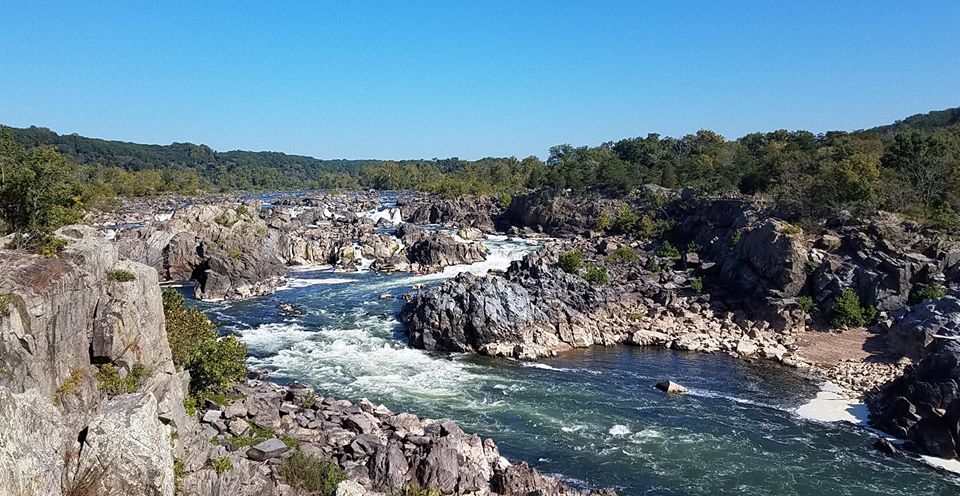
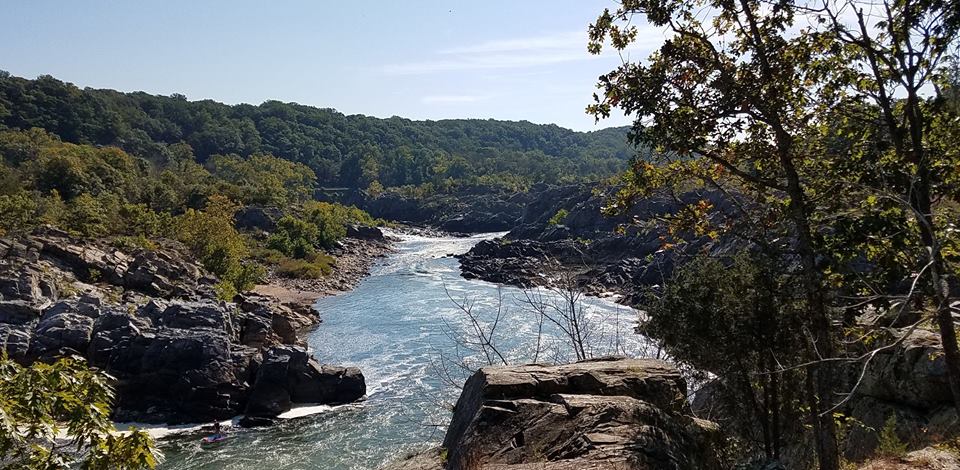
On Sunday, I took advantage of the great weather to visit Great Falls with my old friend from Norway, Doron Bard. We used to hike and ski together when in Norway in the early 1990s. Great Falls is only 12 miles from Washington.
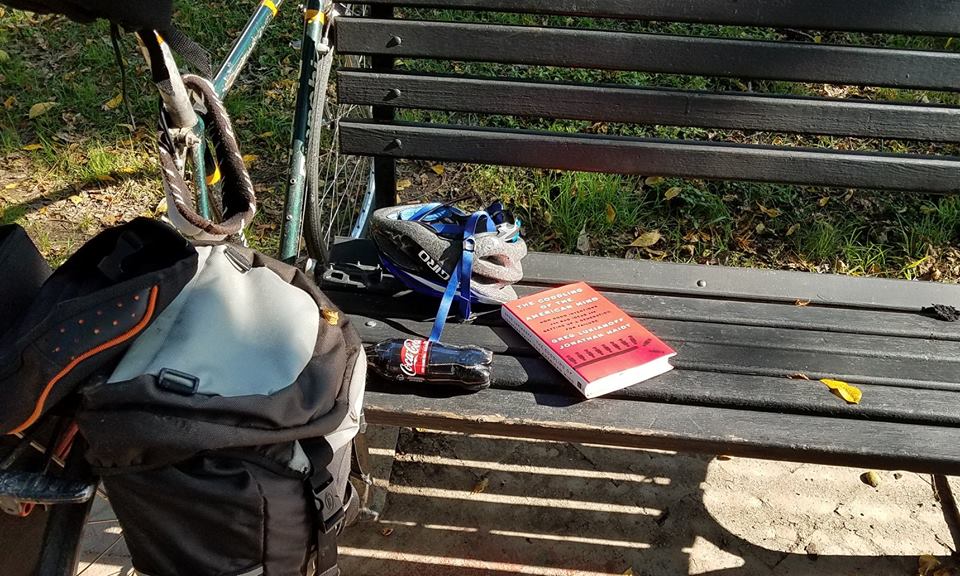
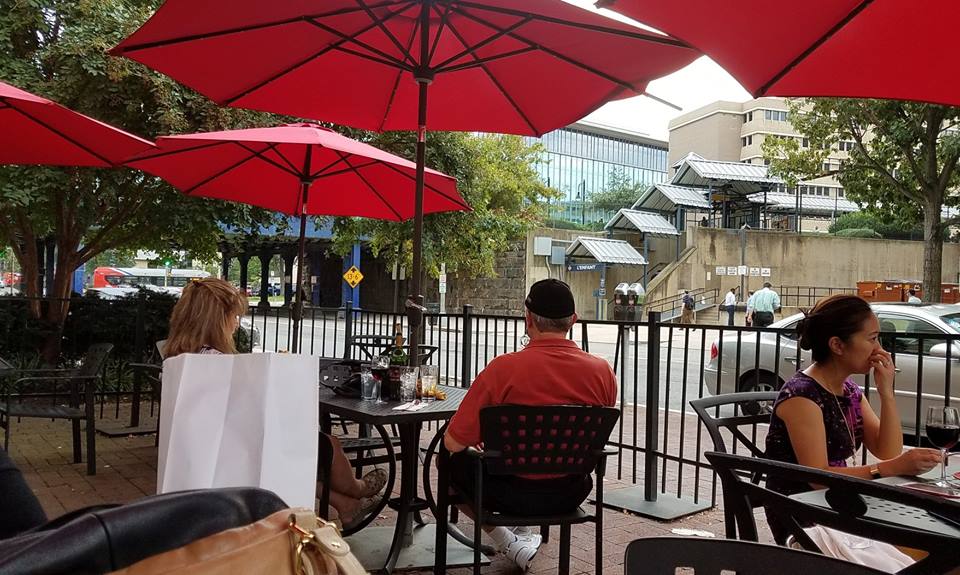
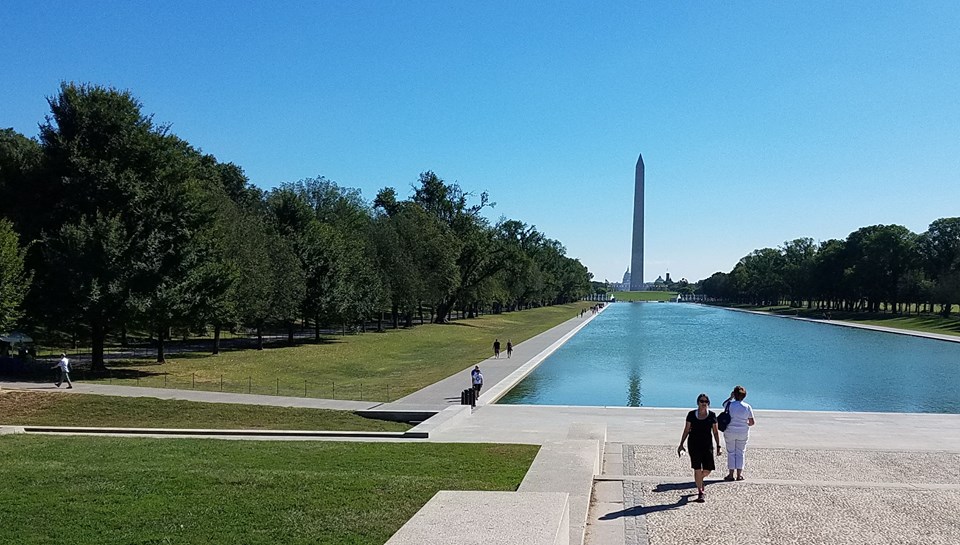
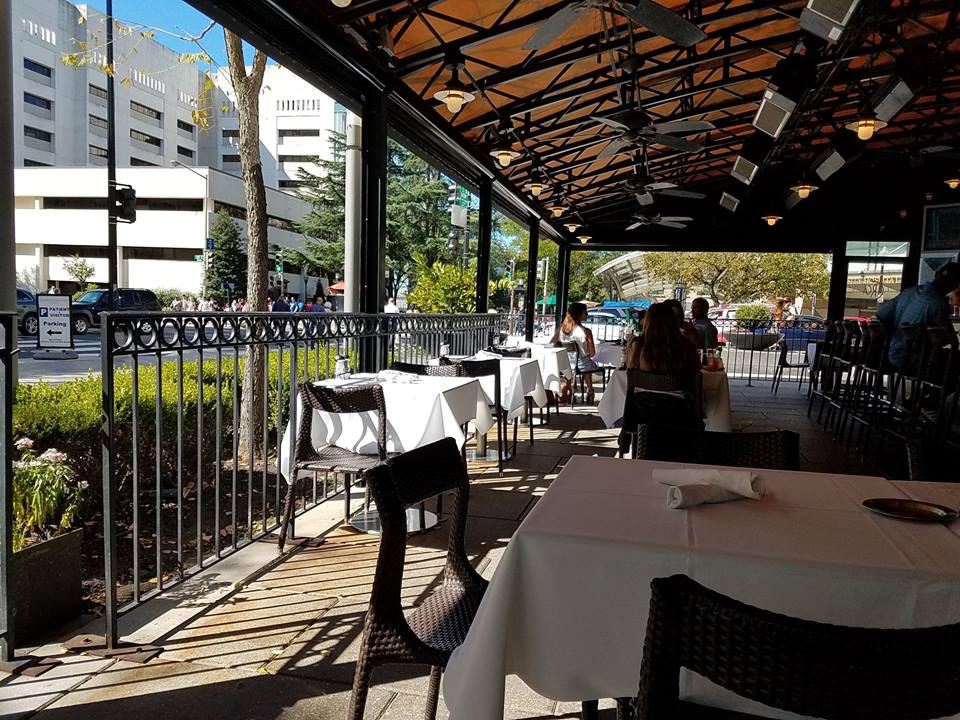
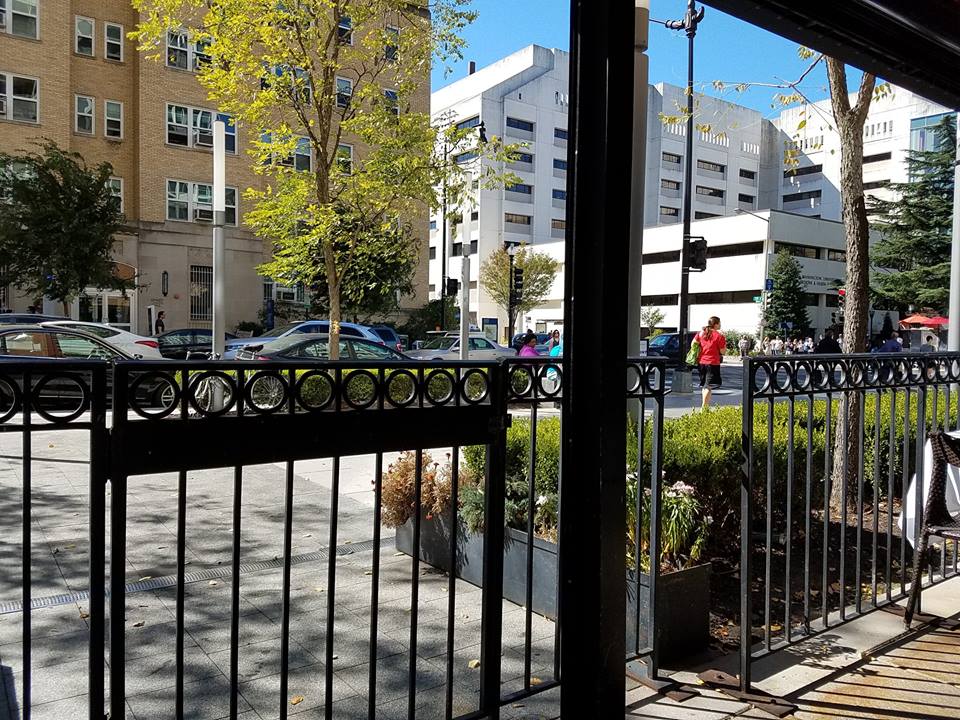
Today, I rode my bike to meet my IIP colleague, Tim Receveur. We had lunch as Circa at Foggy Bottom. They have a great outdoor place to eat and drink beer. I got there way early. I usually give myself a lot of time, but I was also helped along by a strong tail wind. I took advantage to read my book, “Improbable Destinies: Fate, Chance, and the Future of Evolution.” It is a good book about convergence, contingencies and the latest developments in evolution. The study of evolution had now become an experimental discipline and scientists think that it may happen a lot faster than the glacial pace postulated for so long. In other words, we can see it happening. This is good news. It means that life can adapt better to climate change and other rapid environmental disturbances. My pictures show Great Falls, Washington today and photos from Circa, before the crowds arrived.
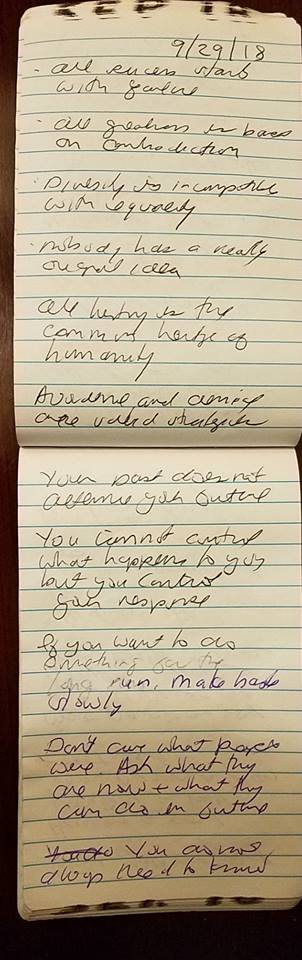
Was taking a walk on this very beautiful early fall day and thinking about some of my core concepts. I took a few minutes to write them down in my notebook. Will try to refine them. I do not say that they are original. (I put in quotes when I think it is direct.) In fact, one of my aphorisms is that nothing is original. A good education means that we can borrow or steal from superior minds. They are not in any special order but as they came to mind, so they are sometimes related to those near.
All success starts with failure
All greatness is based on contradictions
Diversity is not compatible with equality
Nobody has a really original idea
All history & culture is the common heritage of humanity
Avoidance & denial are valid strategies
Your past does not determine your future
You cannot control what happens to you but you can control your response.
If you want to do something for the long term, make haste slowly
Don’t care what people were. Ask what they are now and what they can do in future.
You do not always need to know where you are going to get there.
A good process is better than a detailed plan
Most people are good, but all people are flawed. Reach for their better angels
Lighten up
“You cannot step twice into the same stream”
You know less than you think but usually enough
Don’t spend a dollar to make a dime decision
Act decisively even when in doubt
Make decisions iteratively – think, do, reflect, do better
Resilience is better than strength
History has no direction. It emerges.
Will think of more later, but would welcome suggestions.
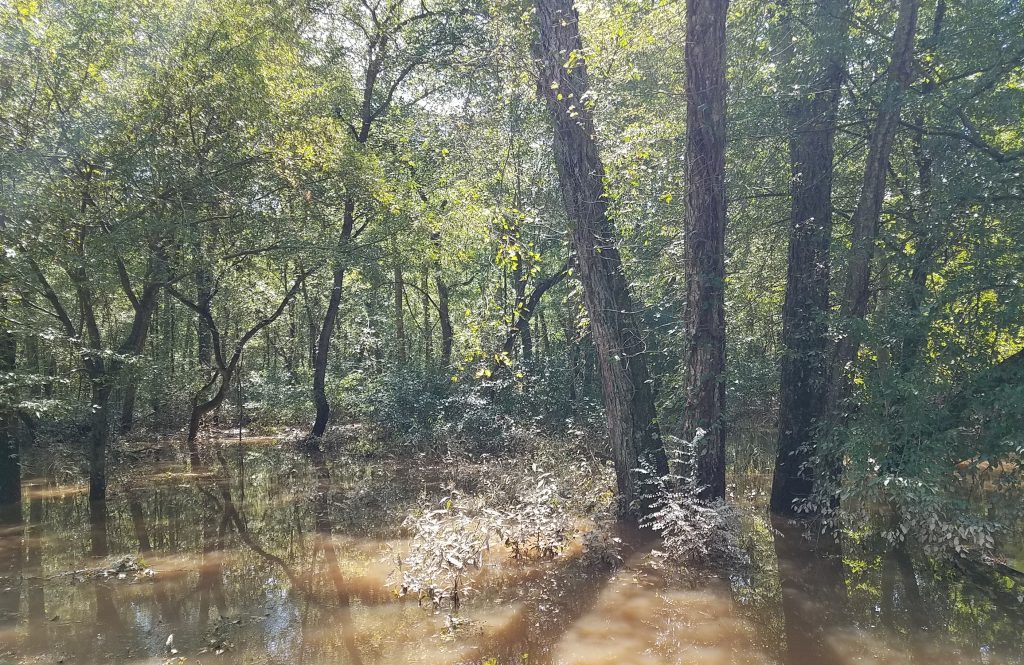
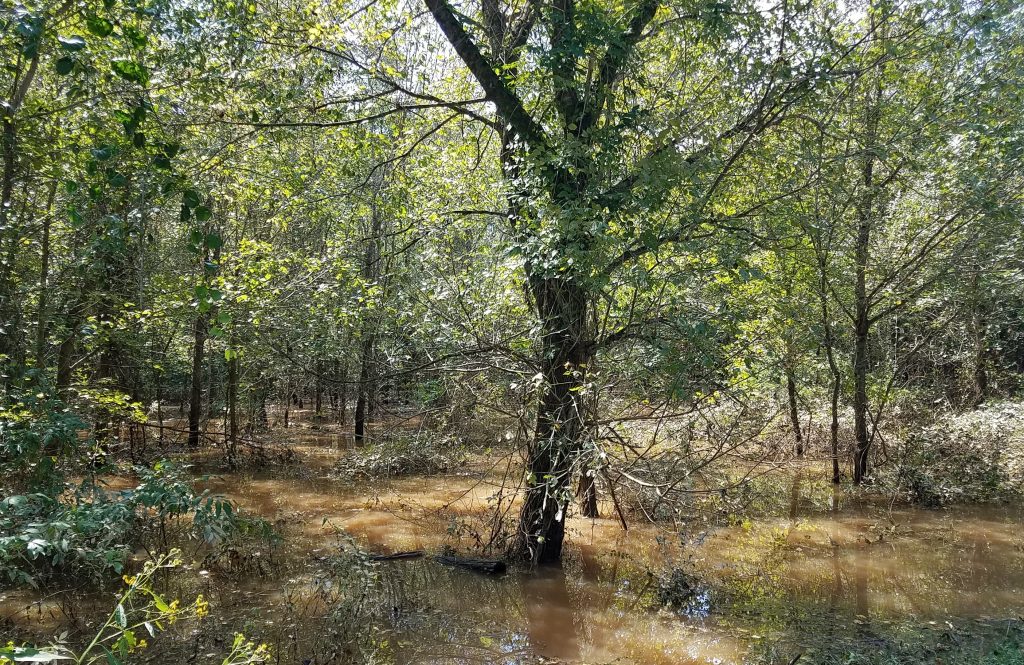
Fire & Water Some of my forest is flooded. I have never seen the water this high. Of course it is worse in North Carolina, but our farms are less than 20 miles from North Carolina.
I did not see much storm damage. That flood won’t hurt the trees. I was a little worried that the rushing water would undercut some of the riparian areas, but that seems not ot have happened.Parts of my road are a little rutted, but that comes and goes.
A little less happy news from the area we burned in May. The fire got a little too hot in patches. I was worried that some of the trees were killed and it looks like about a dozen of them won’t be coming back.
Fire is complex. You can estimate its behavior, but it can always surprise you. I suppose I will under plant the dead trees with longleaf in December. The other option is to let the loblolly fill in by themselves. Probably both will happen. I feel bad about my trees, but it is part of the way the pine ecology works.
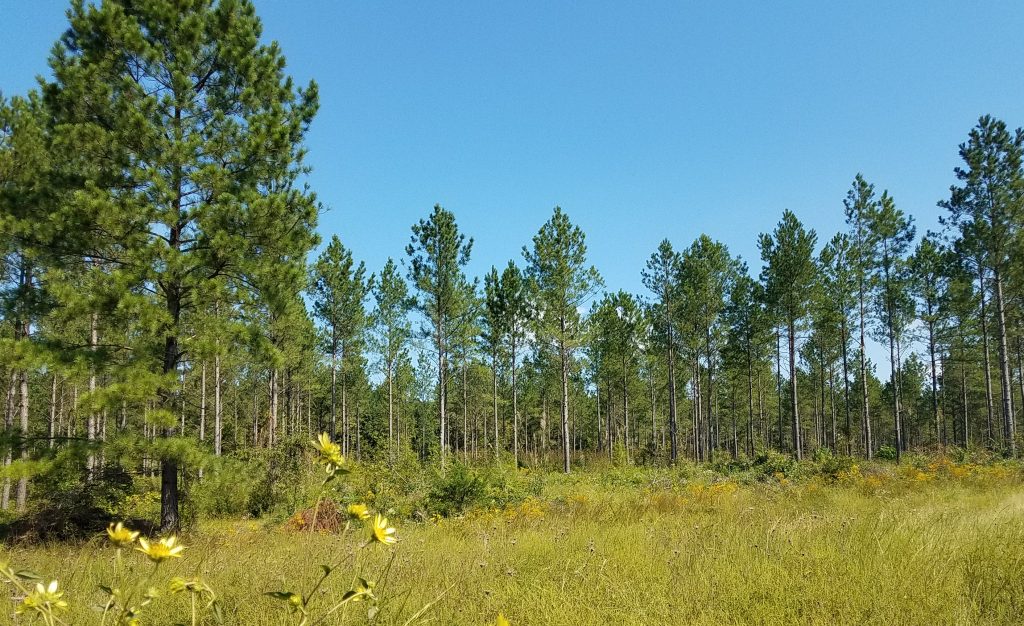
The thinned pines in Freeman are looking good. The open forest is more like the “original” Virginia and it is very good for wildlife. I saw deer and spooked two covey of bobwhite quail, at least a dozen quail. Hawks and buzzards are flying around. Bees are buzzing, butterflies floating. The cut over has bloomed with wild flowers.
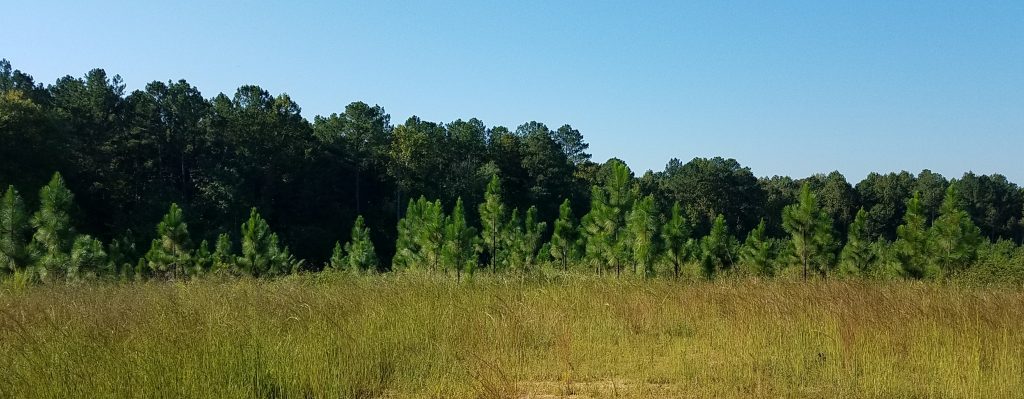
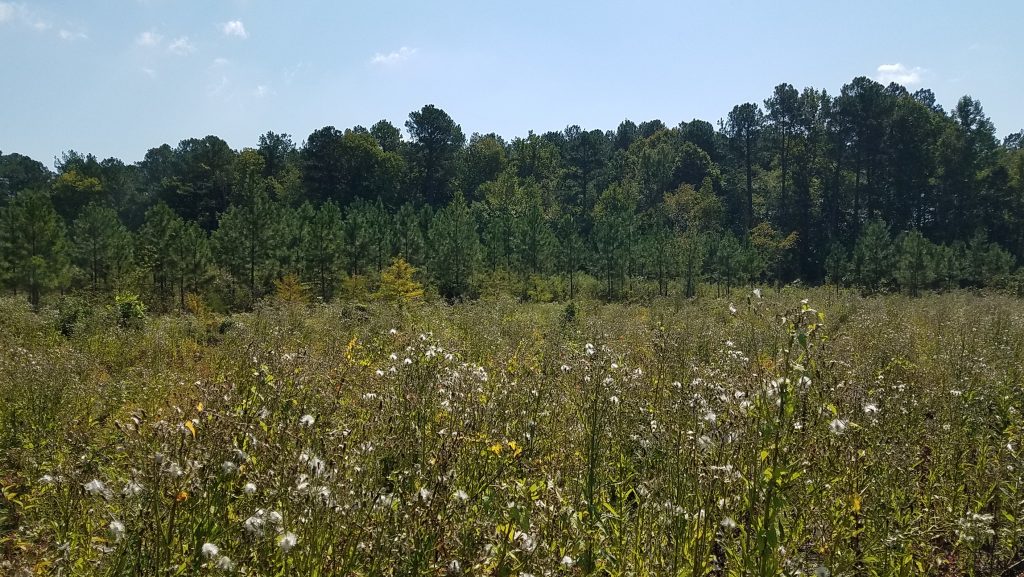
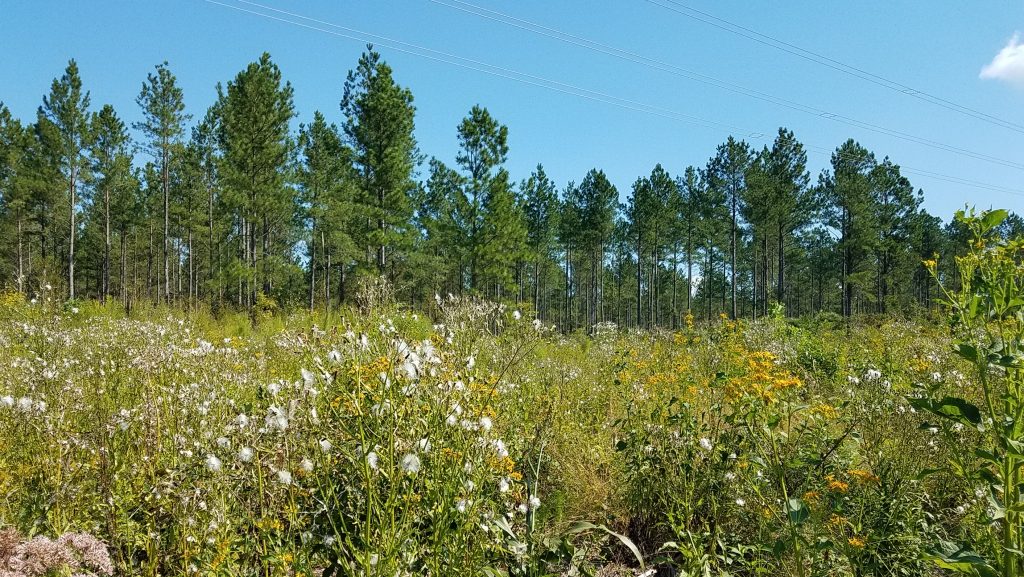
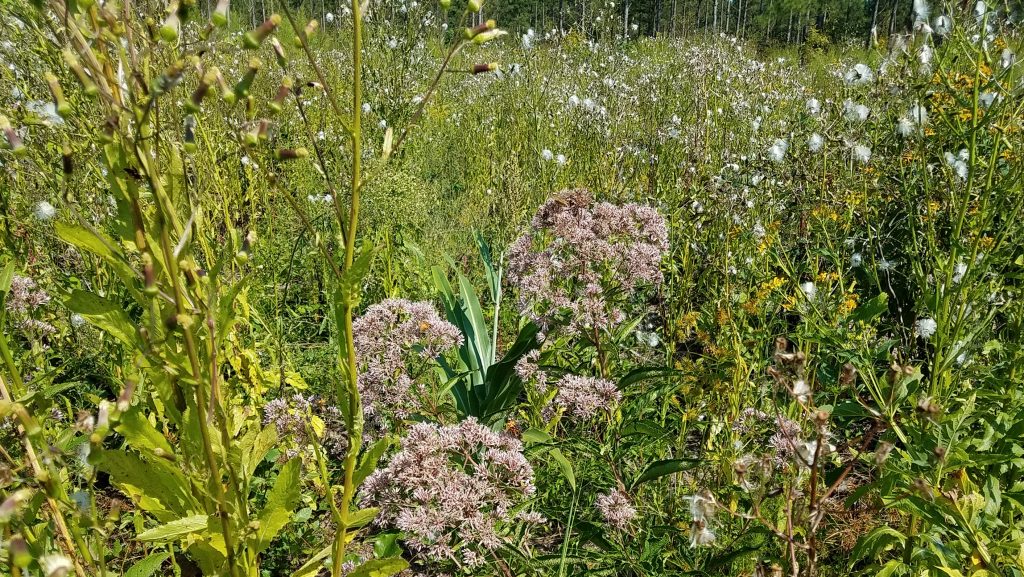
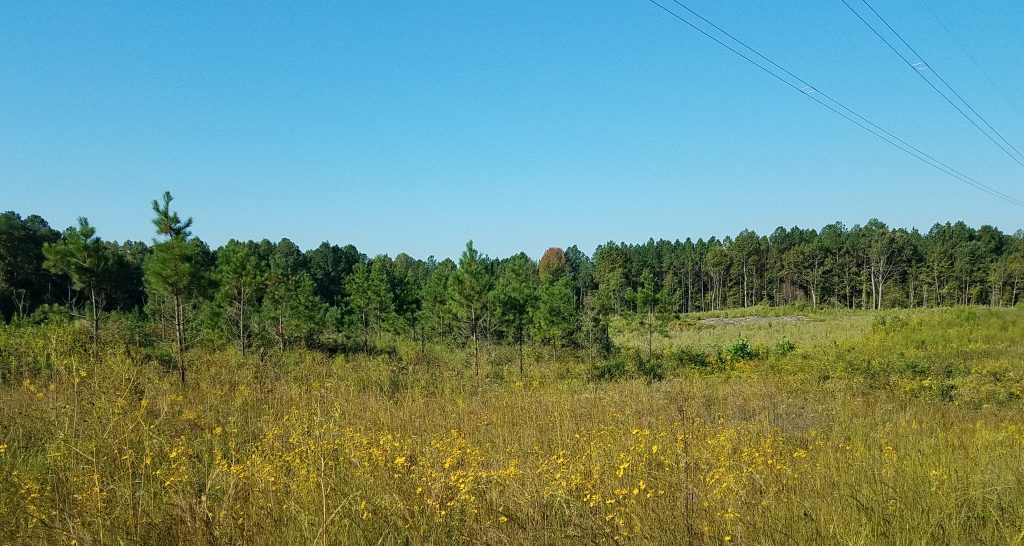
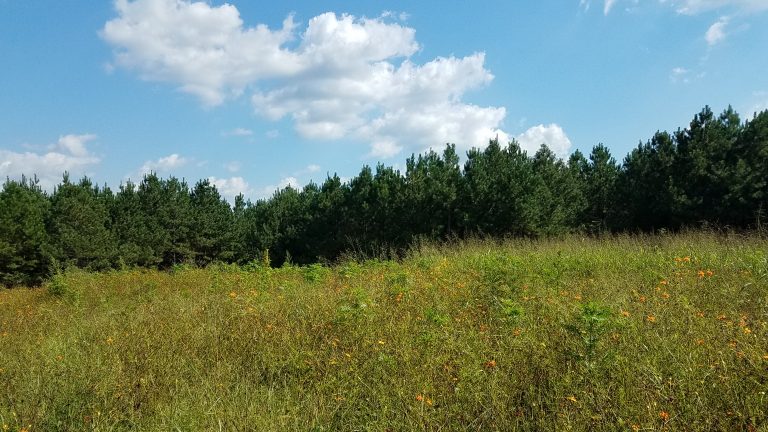
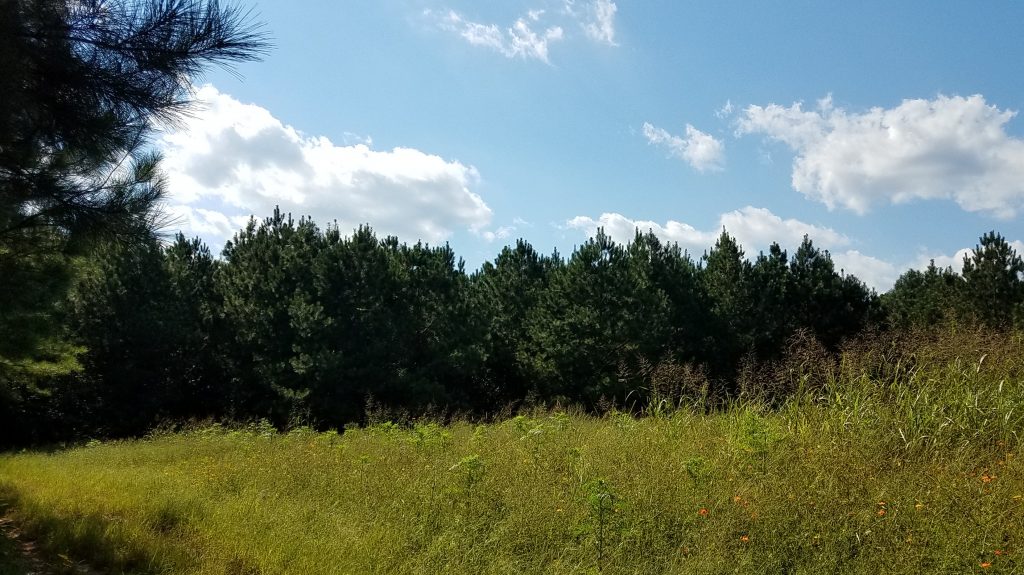
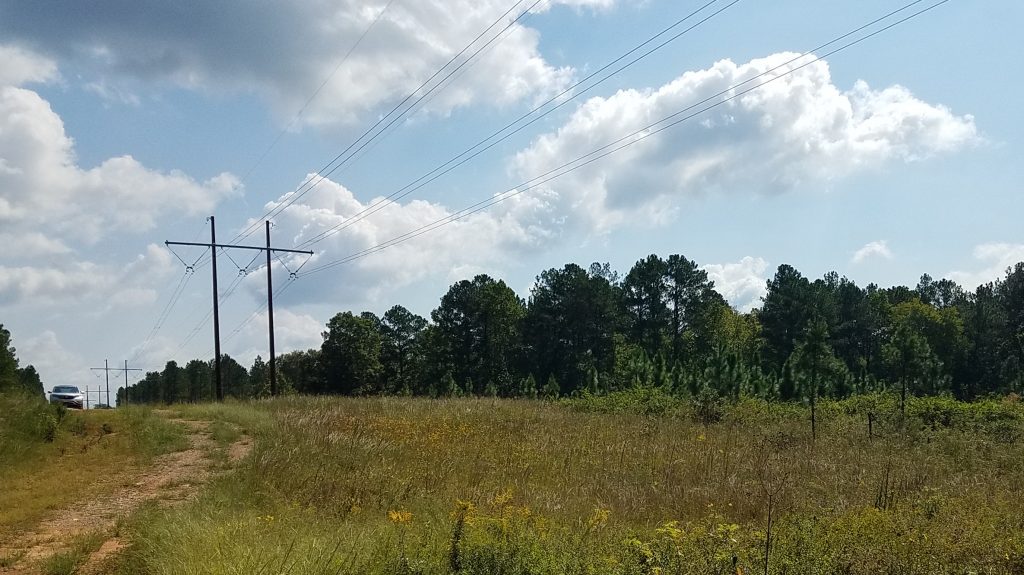
Longleaf are looking good. They are candling out for the last time of this year. Some of the paths are drowning in bog. My boots got soaked and I finally just stopped trying to avoid the water. I should have brought some extra socks. Pictures show the pollinator habitat. I included one of the power-line right-of-way. We have eight acres under those lines and it could seem like a waste, but I kinda like them. It is essentially a long narrow strip of permanent pasture. You can see that it is full of grass and forbs, and the power company helps maintain the access road. The last picture is a clear cut in the foreground. This was – believe it or not – clear cut in May, i.e. only three months ago. See how fast it comes back. We will plant longleaf this winter.
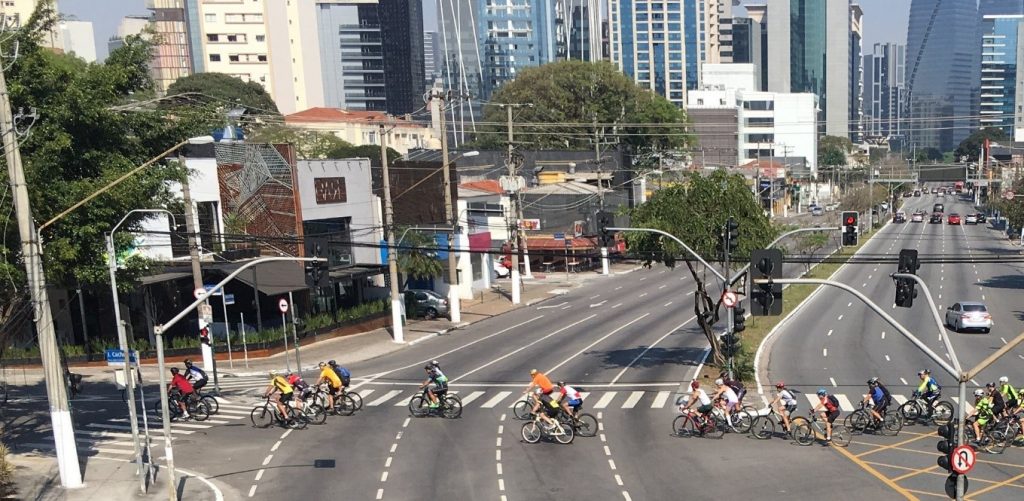
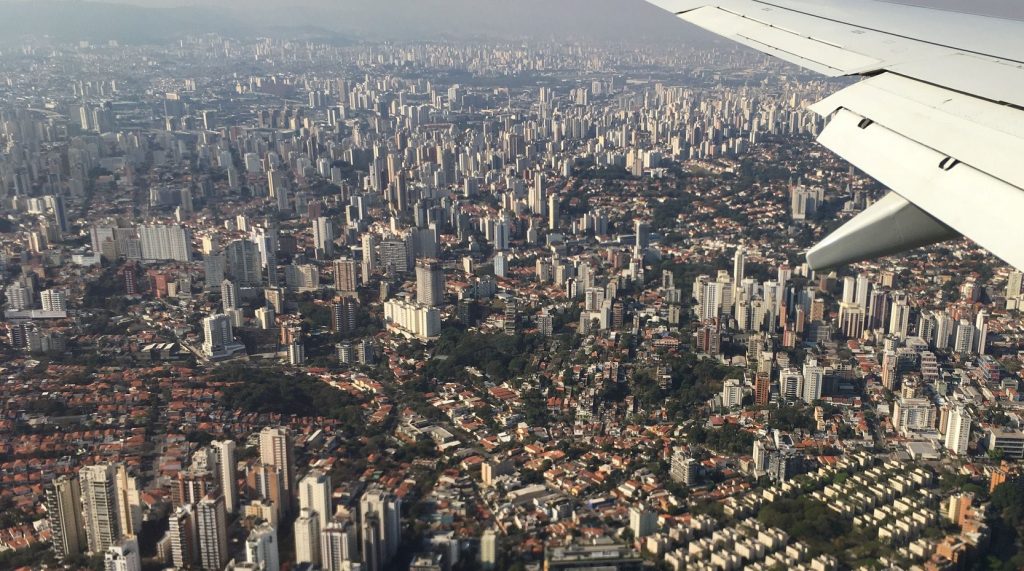
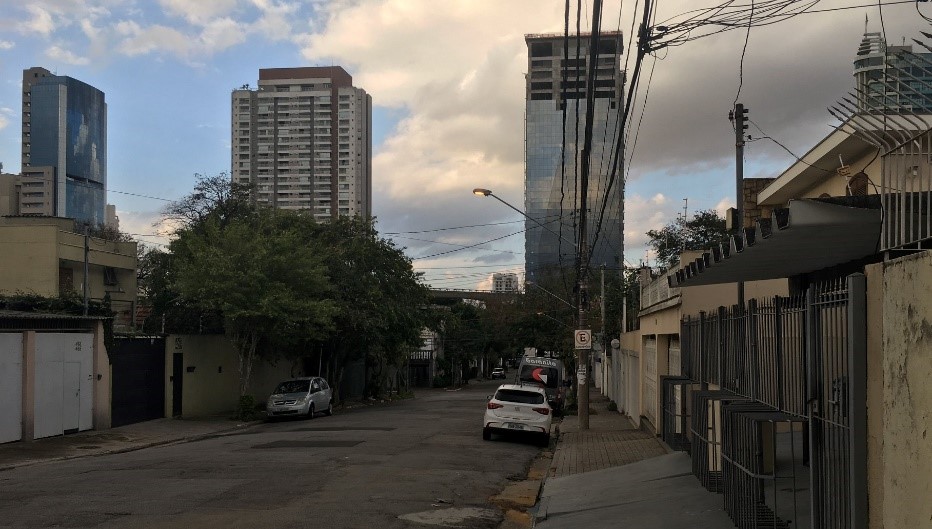
One of the collateral joys of my time in São Paulo was walking around the city. It was a long walk from my hotel to the consulate, around an hour and fifteen minutes each way. It had “segments” and I kind of thought of it each day with the journey motif, and I will remember it fondly. I will also remember the association of various features of the walk with particular facts and thought, since I usually listened to audio books. There as a lot of time walking and I listen at 2x speed, so I got through a few books. The device has a mechanism that cuts the spaces between the words, so it is not just sped up and made difficult to understand.
Before I forget too much, I thought it might be a good idea to get down a few ideas from books. I am not trying to do book reviews here, but rather a couple of memorable ideas from each.
Let me start with Guardians of the Grail: A Life of Diplomacy on the Edge . I did write a short review that I posted on Amazon. My old colleague Chris Datta wrote this book about his experiences in Africa. Look at the Amazon review. Suffice to say here that it is an exciting book, narrated by the author.
The book that gave me the most food for thought was Who We Are and How We Got Here ,a discussion of recent developments in tracing human movements and interactions around the world through the study of DNA. Some of the new evidence comports well with earlier historical predilections; most do not.
ALL ideas of race and nationality are silly in the context of deep time or even more than a few generations. This is the main take-away for me. The races, and ethnic groups of the past are no longer with us. They were ephemeral mixes. We like to trace our ancestry to people who lived hundreds or thousands of years ago, but we are mistaken to do so. The example that I liked to think of is comparing cake, to bread to beer. All these things share major ingredients, but they are put together in different ways producing different products. And they are reconstituted with each creation. The beer could not “trace its ancestry” to beers of a century ago with any more justification than could the cake or the bread. All of them are merely the current manifestation of the ingredients.
Brought back to the DNA, ALL history is the common heritage of humanity. We can take credit and must learn from the mistakes of any people anywhere. Reading the book into deep history, I looked in vain for “my people” as distinct from others. Rather I learned that “my people” include the ancestors of Europeans, Africans, Native Americans, Asian, well – everybody. So “my” people built the great cathedrals of Europe, the pyramids in Egypt and Mexico, the Great Wall of China and the walls of Zimbabwe. Unfortunately, they also rode with Genghis Khan, sacked Rome, destroyed the library at Alexandria and engaged in endemic war against neighbors. “My” people were on both sides of all the conflicts. They were the conquerors and the conquered, the builders and the busters, the scholars and the burners of books. History belongs to everyone living today and we can all learn.
I also listened to She Has Her Mother’s Laugh: The Powers, Perversions, and Potential of Heredity along a similar theme. It was interesting but much more personalized. I was less enamored, but recognize that I likely would have appreciated it more had I not been listening so close to the, IMO, much more masterful work on similar subjects.
Along similar lines is The Tangled Tree: A Radical New History of Life . This was a probably a great book, but I was ready to listen to a different sort after “Who we are”. The main take-away for me was that the “tree of life” metaphor is seriously flawed the fact that we have a tree in mind when thinking of genetics leads us to faulty understanding. The title is well chosen. The tree of life is not a tree at all, not even a bush. It is more like a glob, with ostensible branches going both up, down, all around.
What this book shares with “Who We Are”, or at least the thought that both provoked in me, was to see the great commonality in all things. Just as races and ethnic groups are just ephemeral combination and recombination of common material, as permanent as tears in the rain. The same goes for whole species. Impermanence is the rule, even as we look for permanence in theory.
The new idea is that species boundaries are very fluid. MOST of what makes up our bodies results from colonization from something very different. We are more like federations than a clear species. There ae implications here for biotechnology, evolution and just how we understand life.
Many “primitive” organisms common swap characteristics. It is one the traits that allows them to adapt so rapidly and calls into question about what “belongs” to each species. The President Is Missing was written by former president Bill Clinton. It is a kind of political thriller. The hero is the president Bill Clinton might have imagined he would have been. I bought it because I was looking for some insights that I thought a real president might add to a book of fiction. There were none. It is a decent book. Like a few Clinton speeches, it goes on a bit too long. I would recommend the book, but maybe listen at 2x speed as I did. Our Towns: A 100,000-Mile Journey into the Heart of America describes exactly the kinds of journeys I would like to make myself. It is entertaining and generally optimistic about the virtue & challenges of ordinary American people. It is mostly a series of vignettes. You could start or stop at almost any point in the book and not notice the difference. That was the strength and the weakness of the book. James Fallows usually writes articles and has done that here too in his book.
I never finished my history PhD, and never even started a dissertation, but I did think about a subject. I was interested in a big history topic – why did the Greeks or Romans not have an industrial revolution? Since those long-ago college days, I have come across many ideas. I used to think that the Greeks and Romans had all the technologies needed, but I was wrong. They lacked intellectual technologies. Invented within only the last 500 years were intellectual technologies like calculus, statistics, various sorts of engineering, actual scientific methods, among other things like functions (mostly) free markets. To this list I must now add the concept and ability to apply precision, w/o which true mass production is not possible. Thanks to this book, I have added to my list of preconditions for modern life. Ironically, my younger and more ignorant self could have written that dissertation that is now beyond me because I learned too much.
Speaking of being ignorant, You Are Not So Smart: Why You Have Too Many Friends on Facebook, Why Your Memory Is Mostly Fiction, and 46 Other Ways You’re Deluding Yourself covers lots of the heuristics and cognitive shortcuts that we all use, allow us not to think things through and sometimes lead us astray. There was little in the book that I had not heard before, but that is because I have been studying persuasion and bounded decision making for many years. Even with that, it was useful and interesting for me to hear it again. I understand that I am not as smart as I like to think, and I need to hear these things again lest I forget. I recommend it generally.
A similar repackaging of good ideas is Influencer: The Power to Change Anything . There was nothing there that I did not know, but it is good to hear it again and keep it in mind when you are working in businesses like I used to (sometimes still) do.
Energy: A Human History is not the kind of book you should consume as an audio book. It is well-written and very informative, but it is the kind of book you should probably read and maybe underline some parts. It is maybe also better as a companion to a course on energy history, or maybe just history of industrialization. I liked some of the ways the author uses language. It is a bit archaic, but elegant. For example, he uses phrases like “… is prodigal of energy.”
Thoughts on my 42 Days in Brazil Examining my time in São Paulo & Brazil, July 29-September 8, 2018 (slightly redacted version)
————————————————————— Minding the Gap
The State Department asked me to “hold the post” in São Paulo, to cover an unusually long gap between American officers in the public affairs role. They needed someone who could step in w/o missing a beat and then as easily step out again when the work was done. My experience meant I could do it and my love of Brazil meant I would do. They needed me to stay in São Paulo for 42 days. That was my mission.
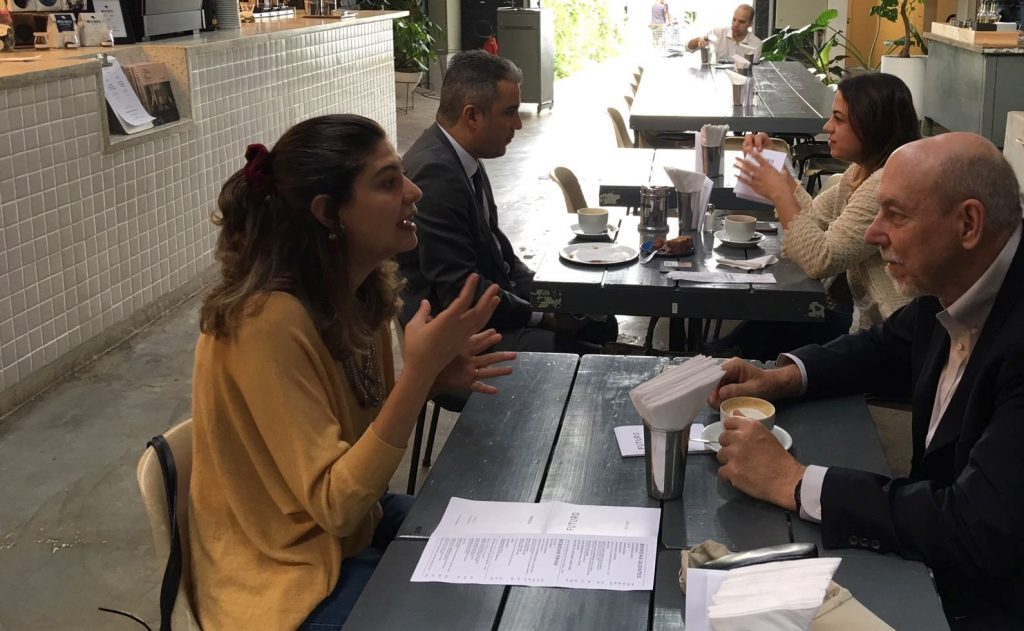
The mission that I set for myself was a little more than merely minding the gap. The mission I assigned myself was (switching metaphors) to grow the pie with an energetic program of outreach to meet important people, especially those the USG had chosen for exchanges in times past, and to engage them again. Diplomacy is about engaging people. I wanted to see and hear about what had happened with those we engaged. This had the added benefit of keeping out contact network alive and vital. In diplomacy, sometimes just being there is the job. Very often the process of setting up and attending meeting is also the product.
During my too-brief time in Brazil I had in depth contact with dozens of interesting and important people, and more fleeting contact with literally hundreds more. I feel I earned the “vast sums” the State Department spent to send me here. An important truth I learned in the FS was that our individual efforts disappear like tears in the rain unless we pass them along by writing notes. I wanted to examine the experience, as well as document it. I wrote notes about some of the more interesting meetings. So as not to stall the narrative, I will make only passing references to them.
We Americans sometimes complain that people in other countries do not like us, or at least not properly appreciate us. This has not been my experience. Of course, nobody is universally liked, and everybody can find something not to like in a great and active power like the United States of America, but my interactions were generally friendly, from taxi drivers, to youth reps to professors or officials local and national. It may be a blow to American ego, but most people do not think about America most of the time. This means that they are often not aware of the good we do around the world or about those things we are less proud to have done or tolerated. Brazilians are certainly not uninterested in the USA, but their interest in the details of our politics or society is not as acute as we might hope or fear.
Soft Power
That is not to say America is absent. On the contrary, America is ubiquitous in Brazil. This is soft power and exercising soft power is like trying to nail Jell-O to a wall. So maybe we should just appreciate it for bringing our countries closer. The irony is that Brazilians sometimes do not think about American culture as American. I know this sounds odd but consider our own consumption of foreign culture. When we watch Downton Abby, we are not thinking “Ah British culture,” at least I am not. We are not appreciating the Germans when we listen to Beethoven, nor are fans of manga usually thinking much about the Japanese. Yet these are indeed vehicles for cultural expression and could be said to be transmitters of soft power. Rather than being purveyors of these cultural products, a good diplomat can tag along with them, using them to help make connections. If we want to look like we are leading the parade, we can get in front, but it rarely depends on us.
For example, the São Paulo Symphony Orchestra played a tribute to Leonard Bernstein, including selections from Candide, West Side Story, Slava & On the Town. Good to see American culture showcased in Brazil. The concert was at the beautiful São Paulo Municipal Theater. The Consul-General and I attended the concert, as guests not sponsors. Yet we could have achieved no more if we had covered the costs and been the impresarios. The Conductor praised Bernstein and implicitly the culture that produced him. They brought a 1950s era Ford Fairlane as a prop outside the venue. People lined up to take their pictures with it. It would be one of the year’s highlights if the Consulate-General had organized the event, but all we needed do was be there to enjoy the music and the praise. Of course, it does make it better if we officially attend. Showing appreciation for the work of others is more than just good manners: it is an influence enhancer. As the old Yogi Berra joke goes, “Always go to other people’s funerals; otherwise they won’t go to yours.”
Talking to Those Our Programs Touched
We cannot deeply engage with large general audiences, like the hundreds that attended one of the Bernstein concerts (plural – it was a series). My focus and effort were on a subset of the general population – Brazilians who had been directly touched by one or more of our USG programs. This included IVLPs, youth exchanges, Fulbright and speaker programs. These programs are resource intensive for the USG. I was confident that participants would have great and good stories to tell, but I did approach with my research with a twinge of trepidation.
Full disclosure – I am a true believer in the value of exchange. What if it turned out that the exchanges did not work? I would certainly suffer a crisis of faith. And what does it mean to say that they did work anyway? I settled on a general idea that an exchange worked to the extent that it improved Brazilian-American relations, provided lasting connections between our two nations and produced desirable outcomes in Brazil or the USA, preferably both. My fears were unfounded, and faith rewarded. I understand that my sample was small and not random, biased toward those who had been successful, since they would be the ones easiest to talk to and mostly likely to want to talk with us. But I found enough great results to make up for the less successful instances I might have missed. This was not my first foray into this territory. As public affairs officer in Brazil (2011-14), I made a special effort to reach out to former exchange participants whenever I traveled. With no exceptions (and I mean zero exceptions), the returnees talked about their experiences in glowing terms, often calling them life changing. But this time I was looking for a little different angle. Besides asking what they visit had done for them, I was also looking for the longer-term impact on Brazilian-American relations and on common aspirations of our nations. Some of the Brazilians I met came back from their exchanges decades ago. There was even one that I would call a second-generation beneficiary, who represents Harvard in Brazil, told me that her father had been an IVLP (or whatever it was called in those day) in the 1970s. His experience made an impression on him and his family, i.e. her, making connections with the USA seem much more normal and natural. Others, especially many of the youth exchange participants were newly returned within the last couple of years, sometimes months. To address first criteria – improvements of Brazilian-American relations – these exchanges were a clear success in that we could easily access these important Brazilians. They all took our calls and were happy to talk to us. This fact alone satisfied the requirement that the exchange be useful for Brazilian-American relations. Our one serious glitch actually illustrates the power of the program. I reached out to former IVLP a Brazilian federal judge famous for the prosecution of the crimes identified in the Operation Car Wash (Portuguese: Operação Lava Jato), a case of high-profile scandals of corruption and bribery involving government officials and business executives.
He participated in an IVLP where he visited U.S. agencies and institutions responsible for preventing and combating money laundering. It is widely appreciated that this guy acted with remarkably strong ethics and probity, even going against members of his own party to root out corruption. This series of investigations resulted in the impeachment of a sitting president and the conviction and incarceration of a former one. Did his IVLP affect his thinking and action? I cannot know for sure because we did not discuss it, could not discuss it. He accepted my invitation to talk (a plus for the program’s reach) but we decided that it was not a good idea for representatives of the USG to be talking to someone with such a high profile when some of those affected by his opinions were involved in upcoming elections. Strong circumstantial evidence, however, points to a program success. At least that is what it looks like to me.
IVLP
I spent many hours talking to alumni and have a few observations to share. Let me start with IVLP alumni. You can see more detail in my write-ups at the end. They were doing all sorts of valuable things along the lines of their programs and keeping contact with Americans, not only with USG, enhancing the common good. One participant had started a blog and movement to tell women’s stories of the challenges with sexism in the workplace and with life. She was not only inspired by American counterparts but was clearly inspiring some of them. A true continuing exchange. Another was using information she had gathered on her IVLP sojourn and working still with American colleagues to identify illegally harvested wood. American colleagues were learning from her and often together they were taking insights arrived at in the collaborations to other countries around the world where tropical forests were threatened. These efforts are helping us effectively enforce our own American laws, like the Lacy Act. During a program on volunteerism, I was embarrassed by the praise heaped on the USA by participants. They said things about us that none of us could have said. The program was the launch of a volunteering platform, expected to reach millions of Brazilians created by an IVLP alum whose program had been on volunteerism a few years back. BTW, this was the national launch. He already had created or inspired a half dozen such projects on the state level. We met an IVLP whose visit centered on addressing toxic waste in water and soil and was now facilitating USA investment, among other things, by inspecting and remediating brownfield sites. In short, among IVLP alumni I found nothing but success and mostly resounding success.
Youth
Brazil’s flagship youth exchange is the Youth Ambassador Program. This has been going since 2002 and remains highly competitive, often with more than 10,000 applicants for 50 slots. Since 2006, the Mission sponsored English immersion courses for runners-up and hundreds of young Brazilians have enjoyed the benefits. Our binational centers, American Centers and EducationUSA branches all participate, drawing participants from all the regions in Brazil. It would be easy to take all or most of the participants from places like São Paulo or Rio, only from big cities, but emphasis on Brazil-wide inclusion makes the program more effective. Youth Ambassadors and related programs have now affected hundreds of young Brazilians and the earliest recipients are now in their early and mid-30s. More recently we have been doing Young Leaders of the Americas Exchanges (YLAE) for aspiring entrepreneurs.
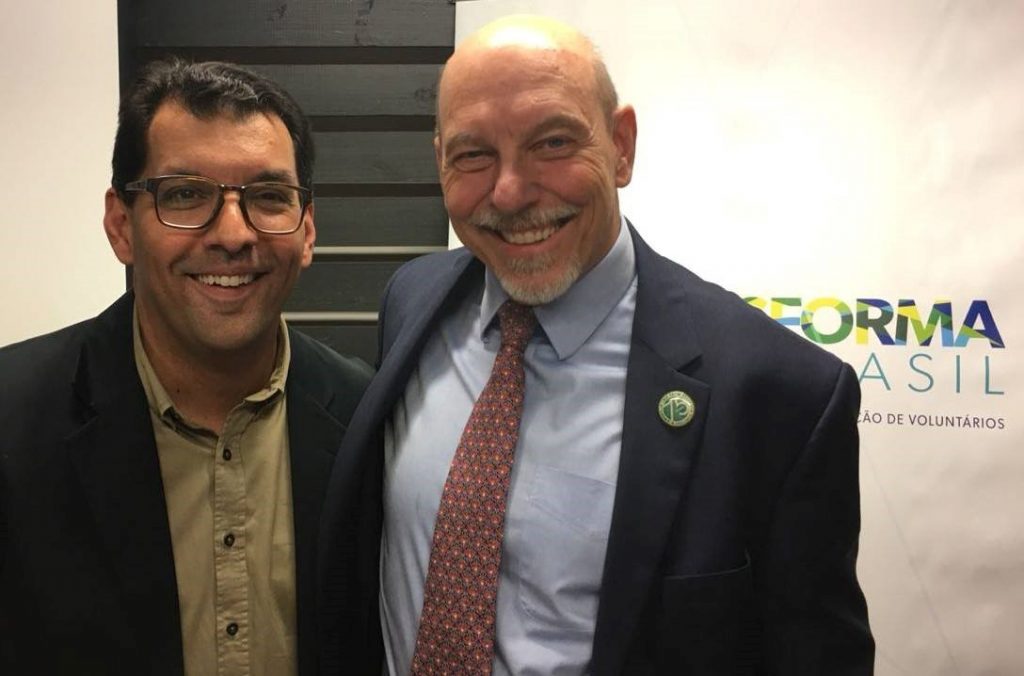
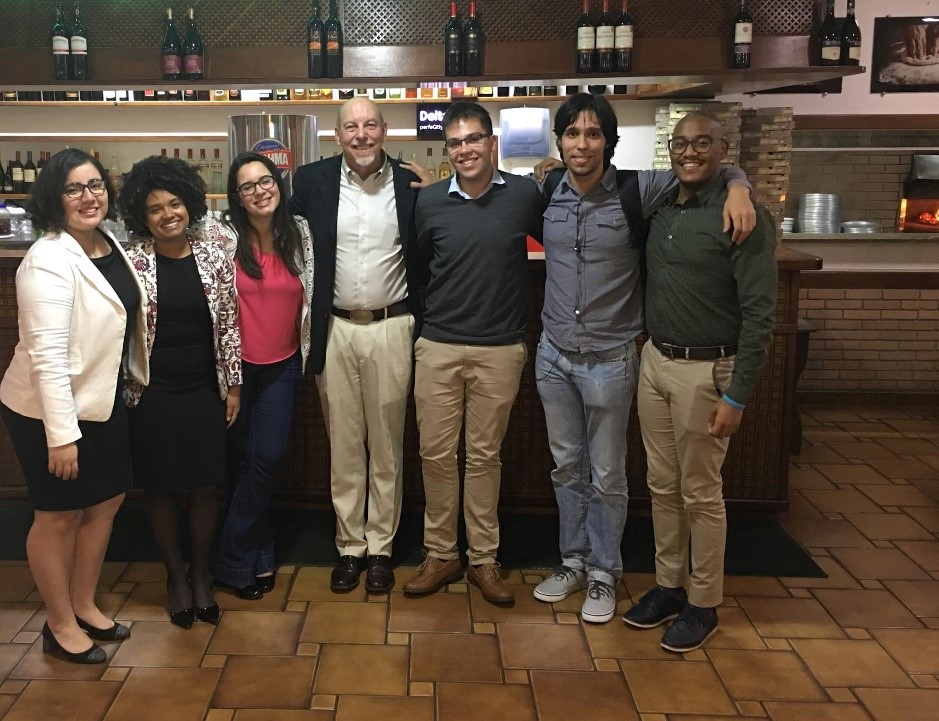
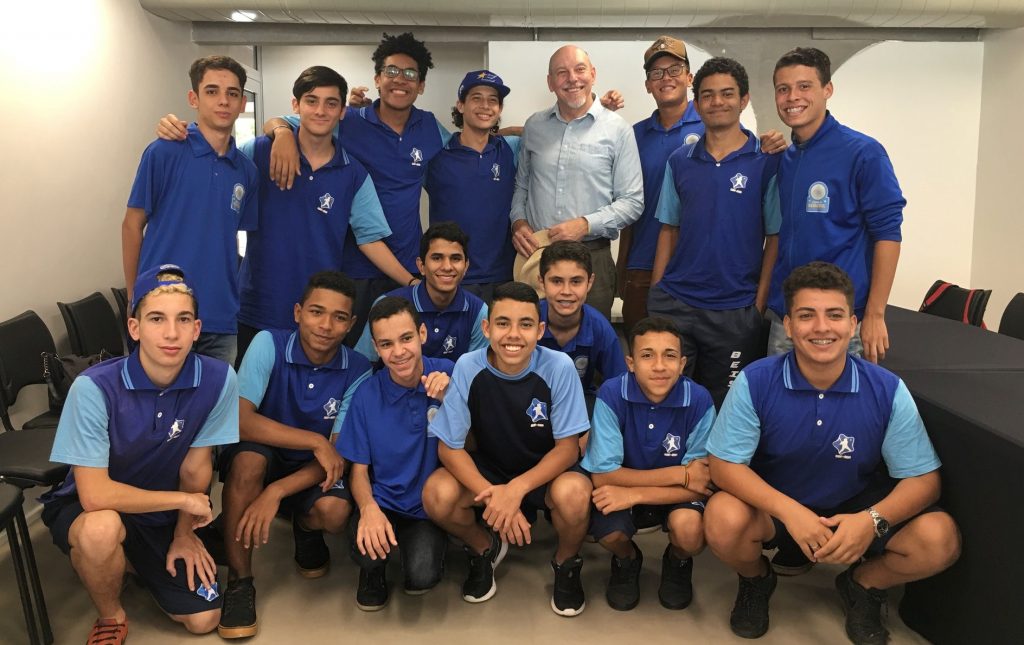
During my 42 days in Brazil I spoke with dozens of Youth Ambassador Alumni and have been in contact with more. These supplement and update my previous contacts as PAO in Brazil 2011-14. Whenever I traveled, I made a point of inviting local youth alumni to pizza lunches. Then and now, I found uniform success. Youth touched by our programs had become successful and all were grateful for the experience. “Life changing” was the way I heard the programs described again and again. But there is more. Many alumni are now in positions of significant authority in business, government and in NGOs. One Youth Ambassador Alum is running for Congress in this elections cycle. We have a strong network throughout Brazil and one that is growing in both size and importance each year. I spoke to a few Youth Ambassador Alums about “reach back.” How did they think that their experience affected their larger communities? This was important, since all of them came from challenging circumstances. It is gratifying to give a few a chance for a better life, even better if the ripples of their success move others along. I got thoughtful and sometimes inspiring answers. All thought (hoped) that the power of their example was helpful, but most had actually reached back with concrete effort. One very good example was a YA who right after coming back set up a leadership program in high schools in his state. The program he set up in his own high school reached an estimated 800 kids and it inspired the creation of a network of seven similar programs throughout the state. The idea is to make the kids agents of positive change. I am not sure how we can measure that, since in the process of expanding the programs and ideas are adapting to local conditions and so becoming harder to trace. I am sure that the effects are real, persistent and positive.
Speakers
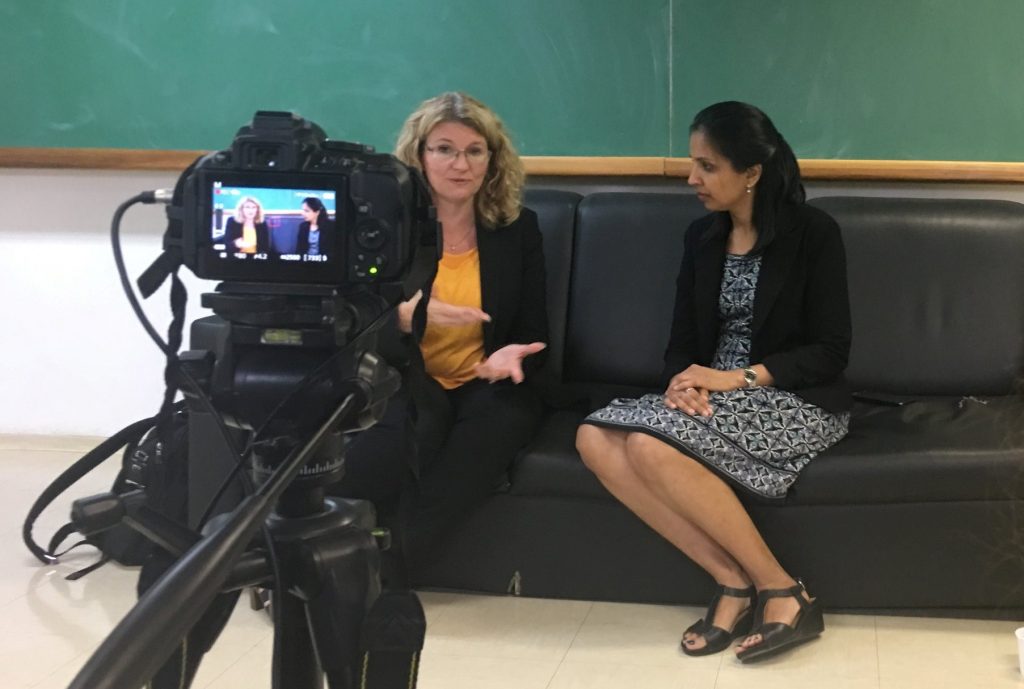
During my time here, I had the chance to attend only one speaker program, this on bio mathematics. This visit satisfied a couple of our goals. First was the simple connections principle. One of the most important functions of diplomats is that we act as connectors, putting Americans in touch with counterparts in other places. Connectors play a key role in the information ecosystem but they (we) are easily overlooked or dismissed. I have confidence that the follow up will be significant and lasting. Second was the USA example of women in STEM.
I also had an experience that I will credit as a speaker program but let me explain the trajectory. It was gratifying to meet Jeremy Buzzell, Chief for the Accessibility Management Program at the National Park Service, maybe more a vindication of old school people-to-people diplomacy. I connected Jeremy Buzzell with Juarez Michelotti, from SESC São Paulo at the request of then former State Department colleagues, former since this was 2016 and I had just retired from FS. For me it was a simple matter of looking up on the internet making a few calls. USG is USG no matter the branch. I did not know the particular people at the Park Service, but I know how the system works generally. It was harder for Brazilian friends. Imagine how it would be to find similar Brazilian officials for someone outside the structure. Anyway, I called Mr. Buzzell, made the connection and mostly forgot about it. I did keep in sporadic contact with Juarez, however, because of my personal interest in his work of ecological restoration of Brazil’s Atlantic forests, and when I came on my sojourn to São Paulo I got in touch to with him to meet him in person and maybe see the forests. So, my colleague Joyce Costa and I arranged to go. With the date set Juarez gave me the good news that coincidentally Mr. Buzzell would also be there helping them with a program on accessibly.
Education
The high point of my FS career came with my involvement with the Brazilians Science w/o Borders program. I am morally certain that the Mission’s quick and sustained support was instrumental to the program’s success. Ultimately around 33,000 Brazilian students went to the USA on this program. It contributed an estimated $1.5 billion into the American higher education economy and the benefits of long-term contact I believe will be immense. Unfortunately, I was unable to do extensive meetings with returned students, since they had dispersed throughout Brazil. I did, however, talk to Luiz Loureiro, executive director of Fulbright in Brazil, and with academics who worked with the program. I became aware of a Brazilian Academy of Sciences study that determined that around 20% of SwB participants went on to advanced degrees, compared with only around 5% of similarly situated students who did not go on the program. The researchers also reported an even greater positive impact on low income participants when compared to their peers. The study found it too early to say definitively, but so far it looks like a success. That comported well with my anecdotal evidence. I have reasonable faith that sending more than 30,000 Brazilians to study STEM in the USA is bound to produce good results. The only caveat in the studies I read were concerns that that the money committed by the Brazilian government might have been better deployed in improving primary education. That is a value judgement about which I will not voice an opinion.
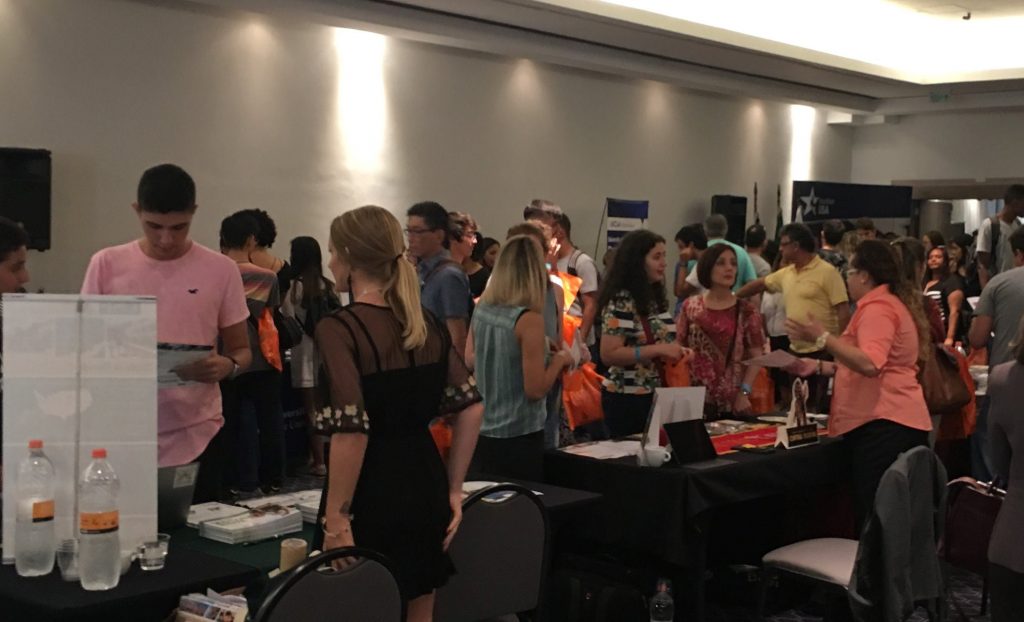
Interest in studying in the USA declined with the ending of the SwB program in 2016, no surprise there, but has since rebounded. I was able to attend an EducationUSA event in São Paulo where around 2500 prospective students showed up. Our EducationUSA offices throughout Brazil are showing increases, according to director Rita Moriconi. She is considering opening a new one in far off state of Acre. We opened one in distant Roraima during my last months in Brazil and it is still going strong.
English Teaching and BNCs
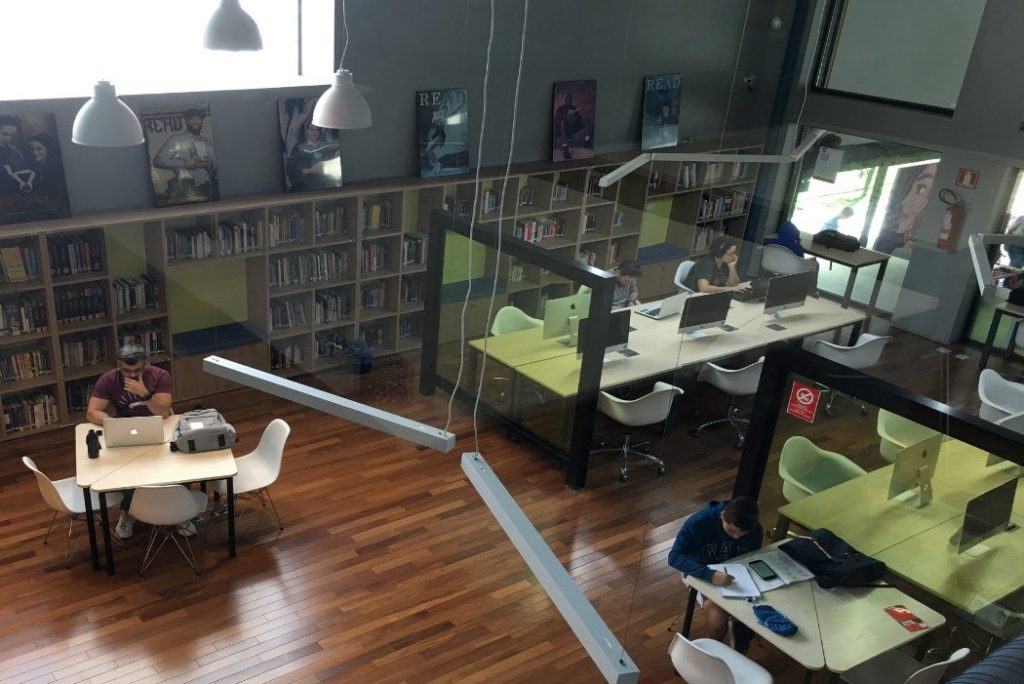
I was able to visit three BNCs: Casa Thomas Jefferson in Brasilia, Cultural in Porto Alegre and had a long visit with Silva Helena Correa, who directs Alumni, the BNC in São Paulo. I spoke to a group of Access Students in Porto Alegre and to English teaching through sports at SESC in Bertioga in São Paulo state. Our programs are strong. Particularly impressive is the maker space in Brasilia that was built in cooperation with Casa Thomas Jefferson, Smithsonian and Mission Brazil. I wrote more extensively about the maker space in an earlier post. Rather than risk stalling the narrative again, I refer you to that. It also has pictures.
And Just Because it’s Fun … A Visit with an Old Colleague
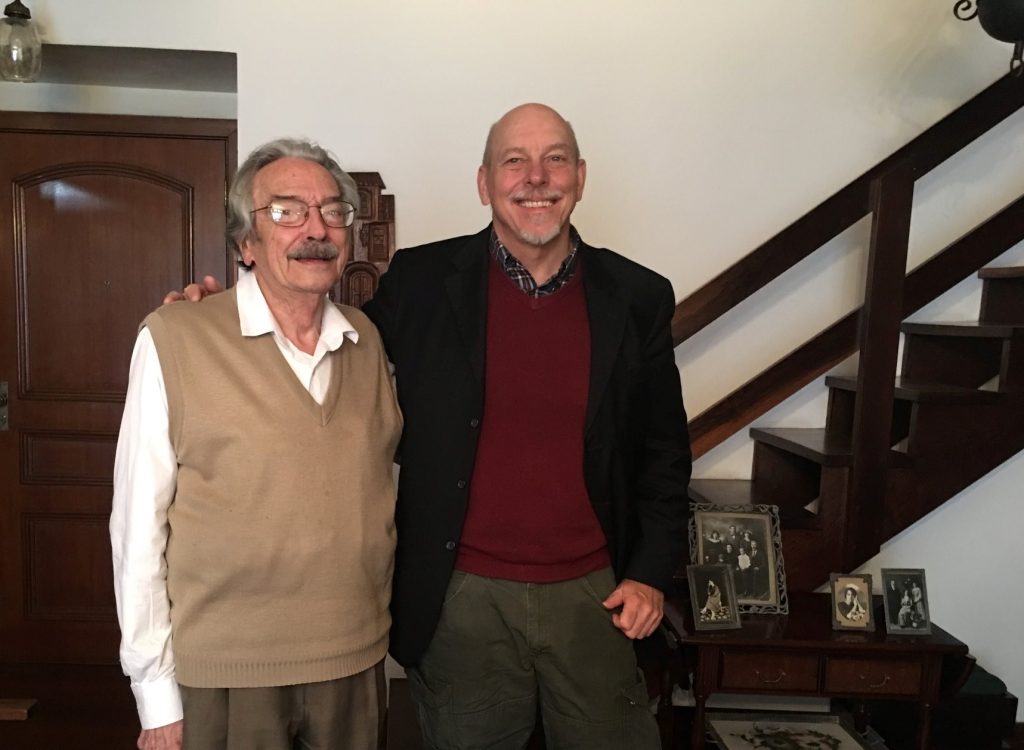
A maybe off-beat but rewarding “event” was my visit with Paulo Agustoni. Paulo had been working for the USG for more forty years by the time I started in the FS and he was waiting from me when I took up my first post in Porto Alegre back in 1985. All counted, Paulo would spend more than fifty (50) years in the service of the United States of America. He showed me his service pins from ten, twenty, thirty and forty years of service. They evidently do not have one for fifty. It so rarely comes up. Paulo must be one of the longest-serving employees in the USG. We will not soon see his like again.
I visited Paulo at his home in Porto Alegre on a rainy Sunday morning. He is now 91 years old. It was a great history lesson to hear him talk and I just enjoyed meeting and reminiscing with an old friend. I also got some insights into the immigration history of southern Brazil, things I had not known about Paulo or the State of Rio Grande do Sul. Of course, my couple of years with him 1985-8 representing only a little wrinkle in time for his long career. Nevertheless, I heard from multiple “grapevine” sources that my visit had been an important day for him. I was happy to do it.
Talking Taxi
Taxi drivers are often a source of good information. I talked to them less after I figured out I could walk so many places in São Paulo, but I learned a few things nevertheless.
I find it surprising that the drivers do not immediately guess where I am from. Of course, they know that I am some kind of outsider. We Americans think that others think about us more than they really do. Taxi drivers are aware of the USA. How could they not be? But the USA is not top of mind for them. They have plenty of other problems, hopes and dreams. I have did asked any of them specifically what they think of the USA and none volunteered any general attitudes, although many have friends or relatives who have been to the USA. Some of their questions, however, illustrate their impression. One driver asked me if we had homeless in the USA. Another asked if we had traffic that requires a rodizio (where different license numbers cannot enter town during rush hour on different days). I talked to one guy about relative prices. Food is generally cheaper in Brazil than in the USA, but not in relation to salaries, and many other sorts of good, electronics for example, are more expensive both nominally and in absolute numbers.
Some Routine
My assignment was to hold the post and that I did also in those thing that fall between the banal and the mundane. I attended the mandatory meetings and tried to give useful advice, drawing on my experience, about upcoming official visits, media and meetings. I signed, cleared and commented as appropriate. I never much liked this part of the job, but it seems a lot less onerous when you know it is not your fate to be doing it for very long. My grants warrant was no longer valid. It would have been useful to post for me to have a valid grants warrant, but that is maybe a consideration for another time. I took part in the briefings, most notably (i.e. I actually produced notes) for the Smart Cities trade mission and at the social event at the CG’s residence I interacted with the USA representatives and their Brazilian colleagues, I think to some benefit for connections and I interacted with the advance team for a potential visit of Alex Azar, head of Health and Human Services.
Business Cards: Prosaic & Exotic
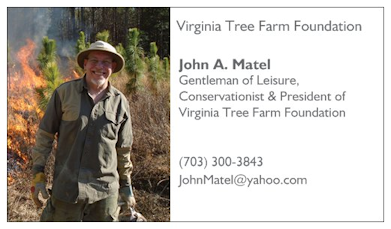
I brought with me around 100 business cards with only my name, email and the State Department golden eagle, those fancy and expensive Department of State variety. I had them made years ago when I was between tours and wanted something to give. I still had a box left. I like to give cards and entice my interlocutors reciprocate. My memory for names is weak and the card also gives me an email to follow up. I usually write notes or send something if I think we have some connection. I very quickly ran out of the State Department cards and had to resort to my personal cards. My personal cards were popular. Several people commented on them and a couple people approached me to ask for one, evidently having been shown one by someone else. I think the picture does it – me standing smiling in front of a forest fire – but people also comment on my gentleman of leisure title. The big problem with my personal cards is that I need to explain my status. This is good and bad. On the one hand, it tends to hold the person long enough to make that personal connection. On the other hand, it is confusing. At one event, they made a name tag for me that said, “Consul for Virginia Tree Farm.” On the third hand (yes, third. Who knew?), it does allow them to find me later, after I am gone from São Paulo, not sure if that is entirely good or bad. One interesting permutation, I got a call asking me to meet someone at CETESB (São Paulo’s environmental regulatory agency), seemed a useful meeting, so I went. They wanted to see me because of the card. Someone showed the card to them and they were intrigued by the picture and the function. We talked about the need for certification of timber products, among other things. It fits generally (vaguely) in our Mission goals, but I was speaking more as a subject matter “expert” (I dislike using that term for myself) more than a representative.
Human Relations I will assert that I improved morale among the LES. Since they will be among the potential readers of this report, I hope I am right. I knew most of them from previous tours and visits. I think they benefited from having me around. I served in Brazil in a remarkable time. The Brazilian economy was booming. People were optimistic about the future. In our particular work, Science w/o Borders, English w/o Borders and various outreach and exchange programs were reaching their apogees, or at least local peaks. These were good old days, objectively and make to shine even more lustrously by the passage of time. I could be a souvenir of that.
I also like to think that I improve the collective intelligence of any group I join. My preferred explanation for this is that I am smart and energetic, but I suspect that the real reason might be that I am obtuse but persistent enough that people have to explain things to me and in process are motivated to think through their ideas in new ways.
Whenever I reached out to contacts, I did it through my LES colleagues. I think that I provided a good pretext for outreach. I tried to make the contact and then let them get to their business.
Grateful for the Chance to Do it Again I enjoyed being in Brazil again and in São Paulo for a longer time than ever before. I enjoyed trying to revive my Portuguese and reach out to once and future contacts. I walked many of the places I needed to go, including usually the hour and fifteen-minute walk to and from the Consulate-General from my hotel. I got to know São Paulo from the slower, pedestrian perspective. There is a lot more to this great and big city than you can easily see from the window of a fast-moving car. Of course, in São Paulo traffic is rarely fast-moving, but in those cases you too often see only the brake lights of the cars around. There is some crime in São Paulo (I hear) but I did not and do not feel the city was a very threatening place, if you are aware of where you are going. I was not a victim of crime, at least I hope not. I am writing this on my penultimate day. Could be I am ultimately unlucky.
I did not achieve all the goals I set out for myself. My biggest gap was not being able to do a more comprehensive assessment of Science w/o Borders, but that was a task beyond my reach, as I determined when I started to work on it. I did an active program of meetings and discussions. I reached out to Brazilians in some way every single one of my 42 days in Brazil save one – Sunday August 26, when I had no appointments and it rained most of the day. I hunkered down. Some random folks that I approached to talk about … whatever … may just remember the crazy American who wanted to talk to them about their work and thoughts, but I think they will remember.
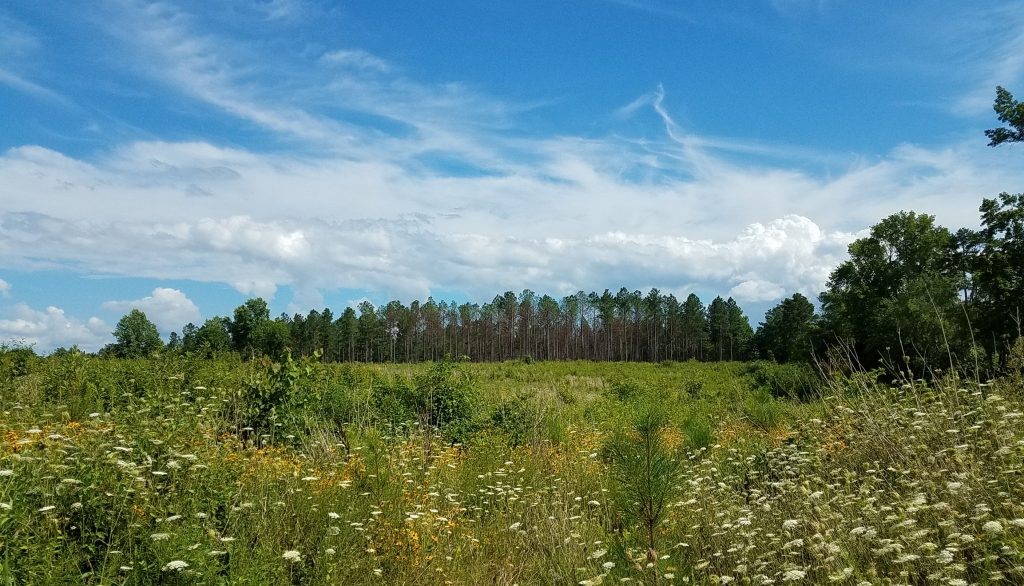
I coulda/shoulda/woulda done more, but I think I did a lot in 42 days. It is was a great experience but I treated my time as sprint, rather than the marathon if I had more time. I am kind of tired now and ready to go home, even with some things I wanted to do still undone. Anyway, a man’s reach should exceed his grasp, else what is a heaven for. All my pictures are from my 42 days in Brazil except the one below. That is my Virginia tree farm. Got things to do, trees to manage. You don’t think trees will just grow by themselves, do you?
As a parting thought, let me say that my tree farming has informed my understanding of everything else. I see complex ecological relationships in all human interactions and have implicitly and explicitly applied ecological principles to my work in Brazil, and elsewhere. Trying to find insights in complex adaptive systems is a true joy, whether ecology on the farm or ecology in the community.
I have been lucky enough to have diverse interests and lots of opportunities to examine & indulge them. You need not decide what you “really” like best when you have options. I have long noticed, however, that when my mind wanders, it mostly wanders into the woods, so it will be nice to be back.
Thank you, John Matel – Temporary Diplomat, Gentleman of Leisure, Conservationist & Tree Farmer