My birthday 64 years old

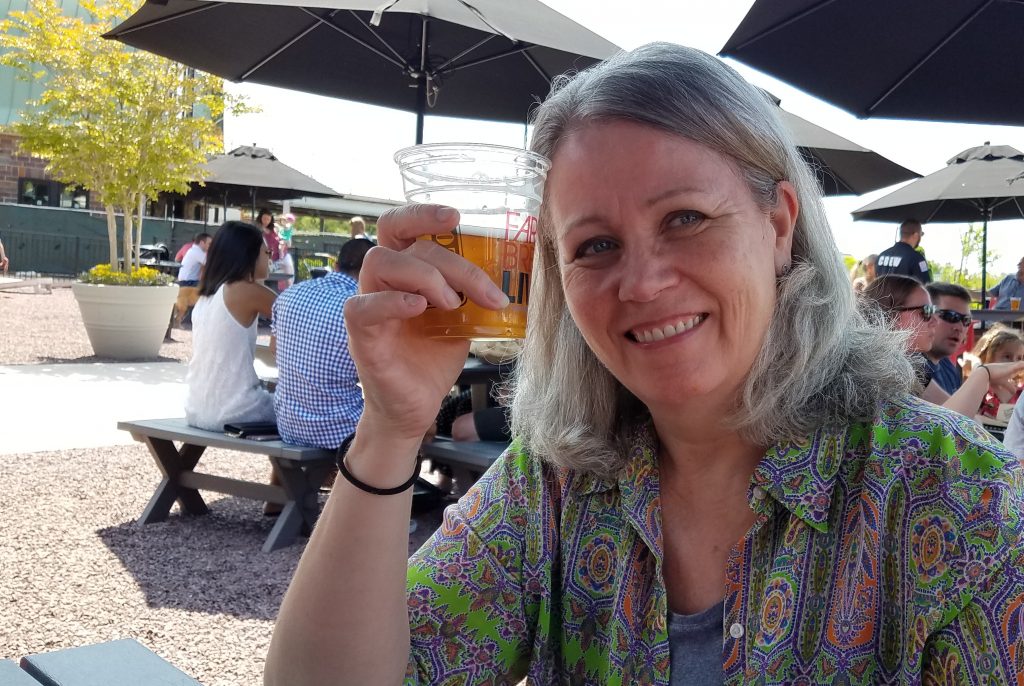
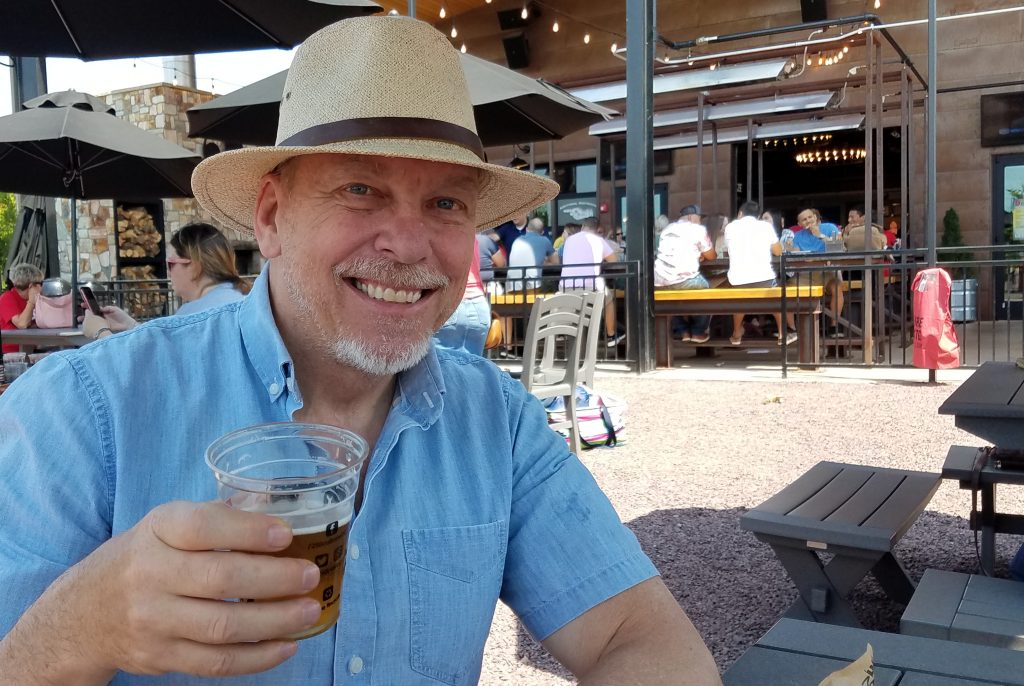
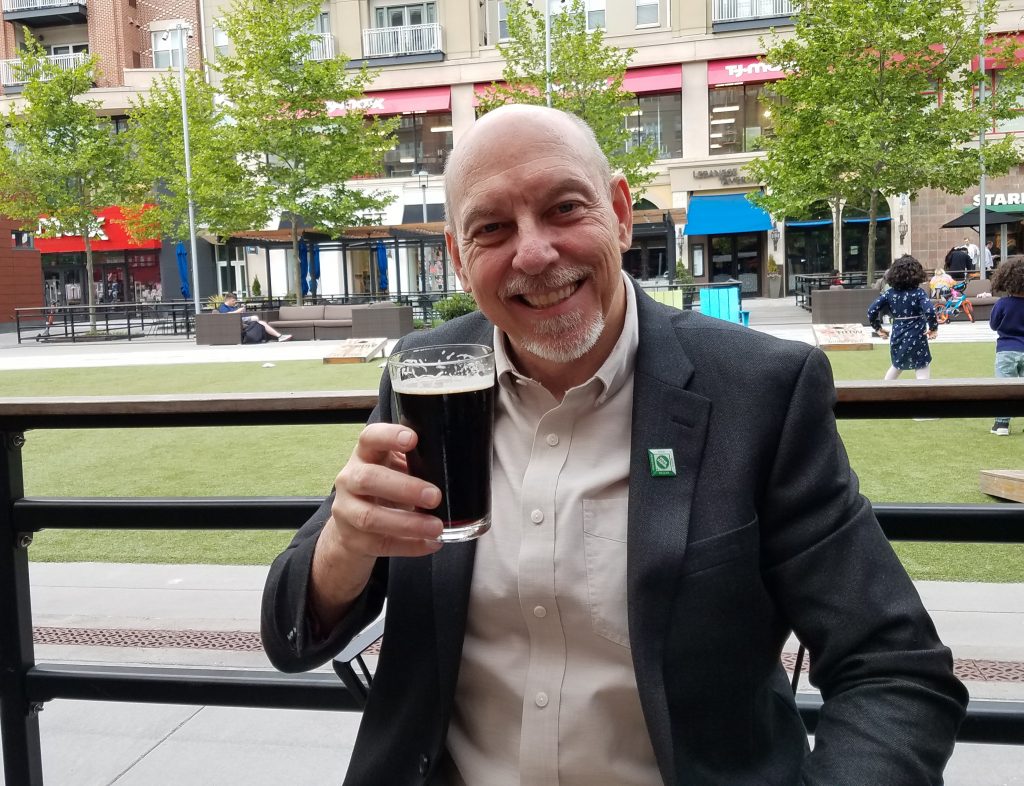
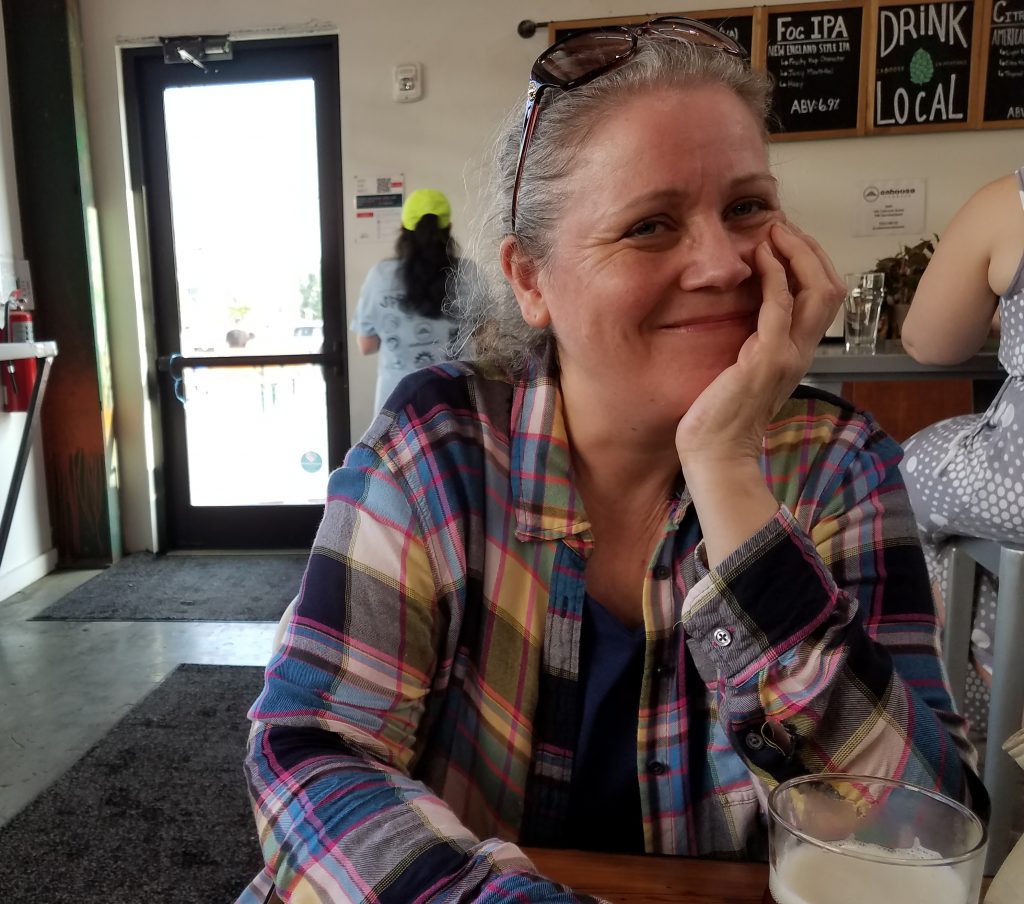
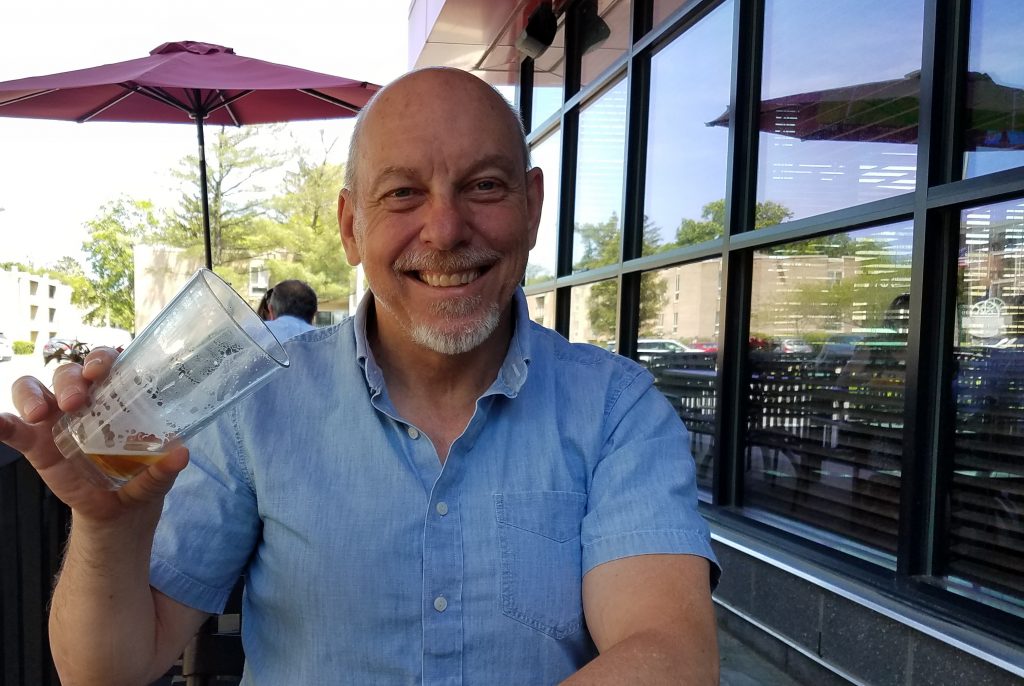
Rituals are important, even little ones. Since I was 40 years old, I have been doing the bar flip on my birthday. That is now 24 years. The other pictures are from lunch. Chrissy & I went to Blackfinn. I forgot about the pictures before the beer was gone, as shown in the photos.

Next day
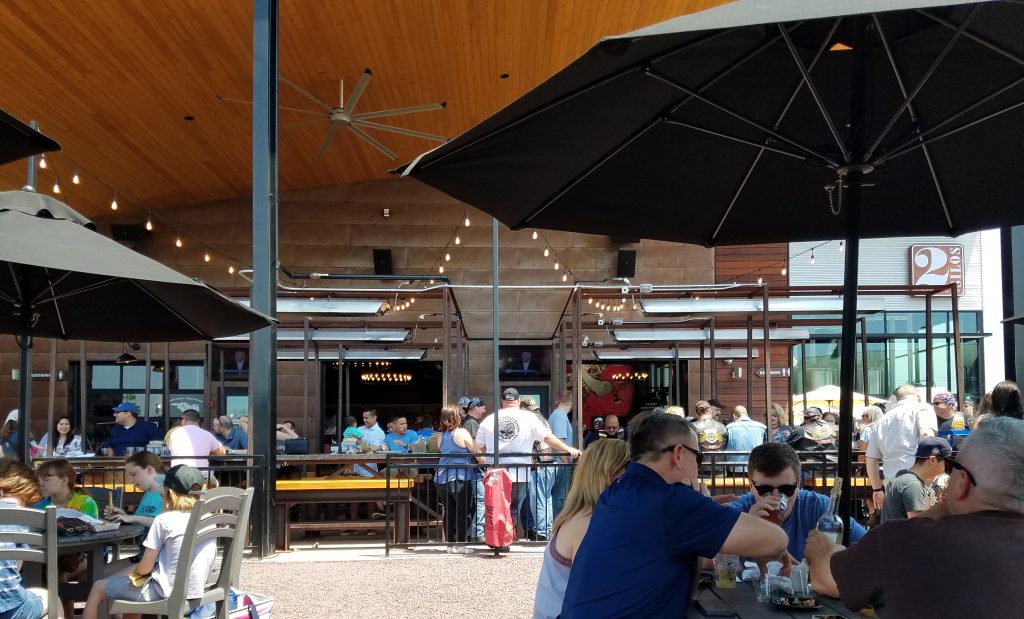
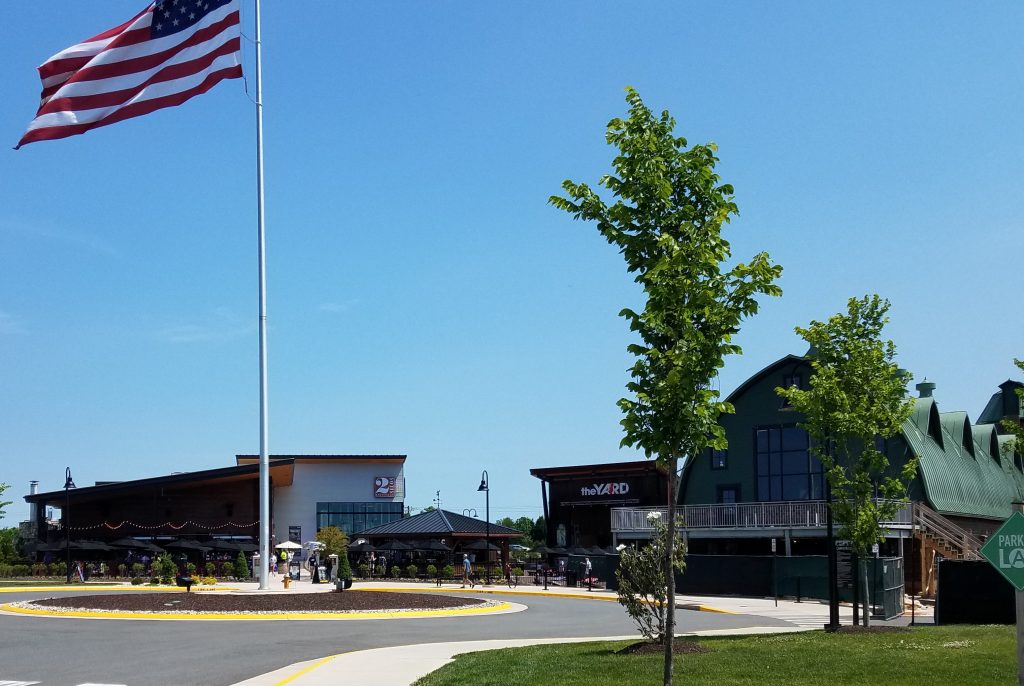
A typical Saturday. Chrissy & I went walking around near Navy Federal and then to a new (to us) brewery in Manassas, called Two Silo Farm Brewery. The Brewery was a nice place full of families. There were also lots of the Rolling Thunder motorcycle participants, all enjoying a beautiful spring day.

Did you consider other careers?

Story Worth – Did you consider other careers? How did you choose?

Little boy dreams

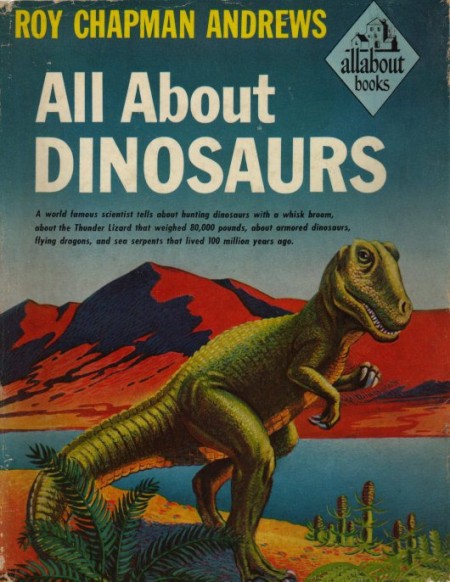
I wanted to be a paleontologist. I was maybe five years old. Most boys like dinosaurs. I loved dinosaurs. I could spell that word before I could read because before I could read my mother read me “All about dinosaurs.” Over and over. I respect her patience and persistence. It was not all about dinosaurs. A lot of it was about the author’s – Roy Chapman Andrews – adventures in the Gobi Desert, where he found fossil dinosaur eggs. Andrews was a kind of Indiana Jones, a worthy role model for a little boy. My next career aspiration was archeologist. It required a similar skill set but fit with my then current interest in ancient history. I could read by that time and I read a book about Henrich Schliemann finding Troy and Mycenae. I was worried that I was too late. All the good things had been discovered, I feared.

My interests drifted throughout my childhood. I got interested in becoming a “naturalist” sometime around 5th grade after a day camp experience at the Kettle Moraine Forest. I thought that there was such a job that I could apply for, but I was not sure what a naturalist would do besides be in nature. My 7th grade ancient history class convinced me to be a historian, but my 8th grade life science teacher said I should be a biologist. Nobody ever told me that I should be musician and unlike many kids of that time and place, I never aspired to be a rock star, race car driver or football player.

I was on swim team in HS and briefly flirted with being a gym teacher and coach. I told this to one of my swim teammates. He told me that I did not have the personality for it. I am not sure how much thought he put into his answer or why I cared, but I decided that he was right and never much thought about that again. I don’t like sports. I liked to swim, run and work out, but I never got into watching sports. A coach should be interested in sports.

To college

I went to University of Wisconsin – Stevens Point to study wildlife management and forestry. I was a horrible student. I didn’t go to class enough during the day and I drank way too much every night. You could drink beer legally in Wisconsin when you were 18. I did. Absent that, I may have been successful, but it is a kind situation like “besides that, Mrs. Lincoln, how was the play.” When I finally sobered up a little more than a year later, these subjects had become less relevant.

I drifted into history and anthropology because I could do those subjects naturally well. They fit well into some of my old interests in history and archaeology. I ended up majoring in those subjects. Sometime in my junior year I decided that I wanted to be a college professor and teach ancient history. I had no real idea how to go about that. I only knew that I would need to go to UW Madison and get a PhD. I set about making that so. My time horizon was never more than a couple years.

No jobs for history majors
It is hard for me now to conceive of my decision-making process in those days. There was no future in teaching ancient history. But I set about learning Greek and Latin and doing research into ancient lives and sources. In retrospect, I can see this is good preparation for becoming a gentleman of leisure and it is the classic way preparation from a diplomat, but those I things I know only in retrospect. Back then I knew nothing and that was blissful ignorance.

It took me a couple years to figure out that I would never find remunerative work in ancient history, so I bailed out after my MA.

With no other prospects in mind, I got a book called “International Careers” that told me that a guy with a liberal arts education could get well-paying jobs in international business if he took some courses in accounting, statistics & organizational research. People make money publishing those books, but nobody ever makes anything from having read them. I have described my attempt to become a military officer before, so I will skip that here. Just having taken accounting and statistics did not work as the book mentioned above implied, so I decided to get an MBA.

Gender discrimination

My MBA concentration was market research. I chose this concentration precisely because it was different from what I did before, the career path that was not working out. It was math heavy and statistics dependent. I figured those skills would be useful. My career goal was to become a market researcher. Specifically, I wanted to work at a place like General Mills (they make Cheerios, among other products), which was a big deal in Minneapolis where I went to business school.

I know it is considered bad manners for white males to complain about their lack of privilege, but I think I have a legitimate complaint. Many firms, including General Mills, interviewed ALL the female MBAs before any of the males, and on the day before my FIRST interview, one of my female friends told me that General Mills offered her the job. They made the right choice. She was better at market research than I would have been, more appropriate for the job, but you interview with less enthusiasm when you are aware that the job has been filled. I can be magnanimous after the passage of decades. It hurt at the time, but worked out very well in the long run.

Diplomacy
I could tell you that I always wanted to be a public diplomacy foreign service officer, but that would not be correct. My career advice is NOT to do what you love, but rather learn to love what you do. I knew I could learn to love the FS. Public diplomacy was also not my first choice. In fact, I scored lower on the public diplomacy part of the FS exam than on any other part. My best was commerce. I scored 94% on Commerce. Public diplomacy was only 82%, but public diplomacy offered me the job and I took it. My rationale was the public diplomacy was much like the marketing I had studied in my MBA. The choice was a good one.

My plan was to work at the FS for around 7 years and then get a high-status job in the private sector, make the big bucks. I thought big bucks would be good to have. Lots of the self-help books I read implied that should be a goal. I figured that 7 years was the ideal time to stay in the FS. You got enough experience but not too much specialization. I meant to leave after that, but never got around to going. There was something interesting to do in the FS, so I ended up hanging around like a fart in a phone booth for 32 years.

Big bucks not all there is

At about seven years, I wandered back to Minnesota and talked to some of my old MBA colleagues. Every one of them earned more money than I did. In fact, new MBA graduates were usually making more than I did in the FS after around seven years. So much for those big bucks. But my job was interesting, more interesting than any of my former classmates. And it meant something to me that I was serving the USA.

Frozen peas
There is no such thing as a businessperson. Everybody has to do something specific and that is usually boring. My most successful colleague worked at Green Giant. He made the big bucks and has high status. As I recall, he was a brand manager. He was in charge of frozen peas – not all peas, not all frozen vegetables – just frozen peas. While I am sure that is fascinating, and I am sure that by now he has moved up to all frozen products, maybe even canned goods too, but I thought my work was better, so I doubled down and decided to finish my working days as an FSO.

Downshifting
Let me share a few insights into my FS career. Foreign Service is not something you do; it is something you ARE, at least that is what it was for me. But in 1998, I decided that I needed more to life than the FS. I was desk officer for Russia, and I was working those 12-hour days you hear about. I decided to analyze my work, so for a couple weeks I wrote down exactly what I was doing in fifteen-minute intervals. I figured out that I could bunch some of the tasks, streamline others & eliminate some entirely. I got it down to nine hours a day on average. This was effective, but it did go against some of the State Department “face-time” culture. I also made an effort NOT to do work after hours. In fact, when I ran the worldwide speaker program at State Department, I forbade my subordinates from working form 10pm until 6am. I did not want to see any emails read or sent between those times except in dire emergency. And I discouraged any work outside 8am – 6pm. Working too much is as bad as working too little. I did not always succeed.

“Work,” however, is hard to define for and FSO. In Brazil I worked lots of hours, but it was joyful work, studying Portuguese, meeting with Brazilians or learning about that great country. Diplomacy overlaps with tourism or intellectual activities. As a gentleman of leisure, with no “duties,” I attend lectures and do outreach in almost the same ways I did for my FS job. I do it now for pleasure and they don’t pay me to for it. My choice of subjects is a little different, but not that much. Love what you do. I did and still do.

A success secret
Finally, let me share a secret of my success. I used to ride my bike to work. It was a 17-mile ride each way. It was fun in the morning. Since I was heading east, I had the west wind pushing me along most days. It is also mostly downhill from Vienna, VA to downtown Washington. The way back was arduous, usually against the wind, in the hot end of the day and mostly up hill. So, I started to ride down and take the Metro back. You cannot take your bike on the Metro until after 7pm, so I waited until the time and stayed at work. I had no place else to go. People saw me in the office or found m there when they called and they thought I was working hard. In fact, I was working much of the time, since I had nothing else to do. You can get a lot done when others have gone home. But some of the time I was just waiting for the Metro. I benefited from the extra time on the job AND being seen on the job that extra time. I am convinced that contributed to my promotion. I told anybody who asked me that I was just waiting for the Metro. Even that worked in my favor. People thought I was being modest. Sweet serendipity is my life.

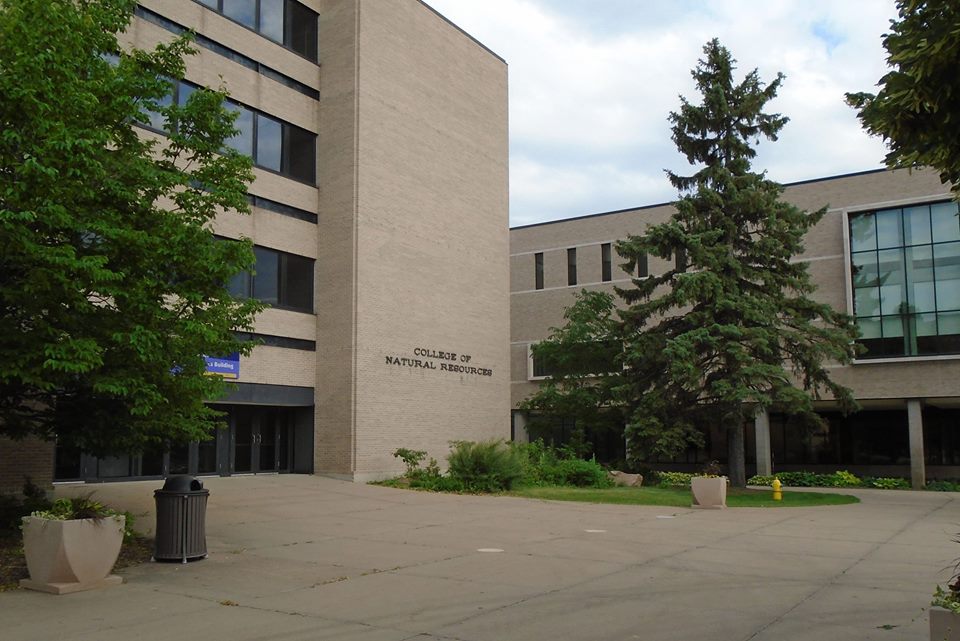
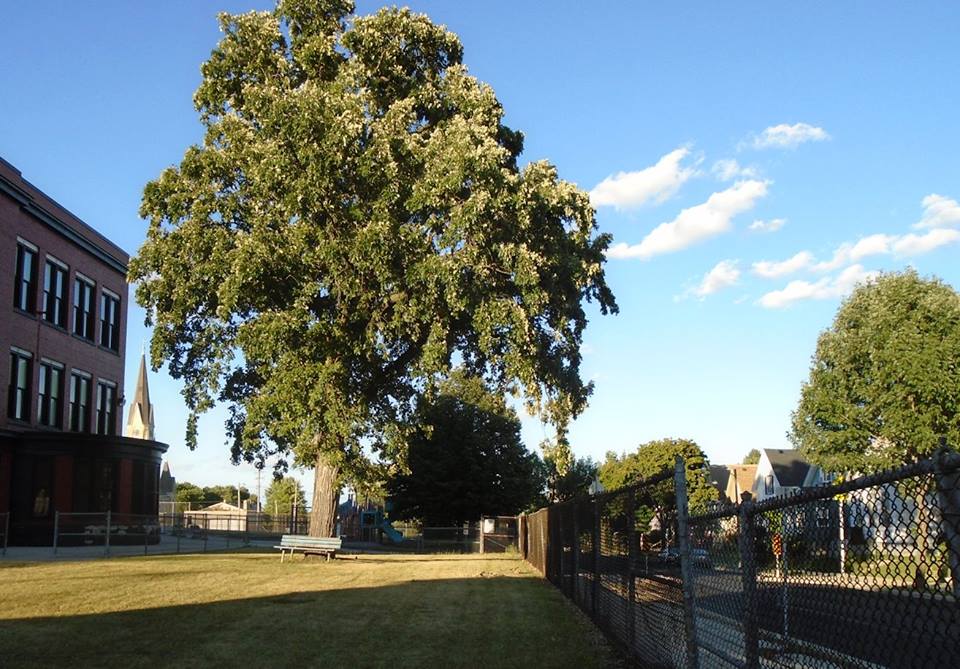
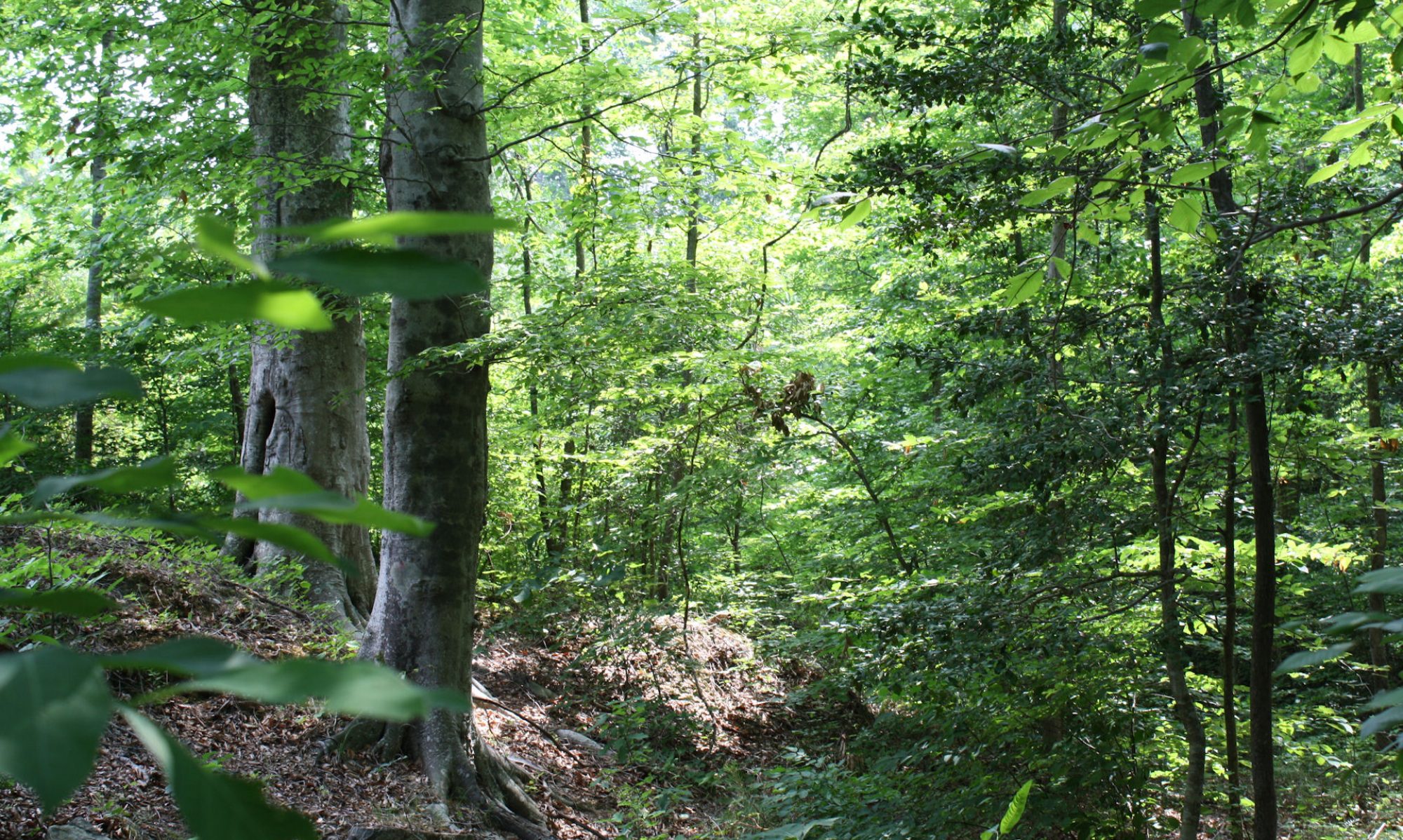
Pictures show “All About Dinosaurs,” the college of natural resources at UWSP and a big bur oak at Dover Street School.
Asian carp

They jump right out of the water
People are familiar with Asian carp because they leap spectacularly out of the water, sometimes causing injury to boaters and water skiers. Absent that, most people are unaware of the big changes in lakes and rivers. What you don’t see, you don’t notice.
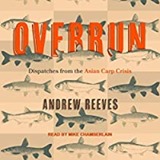
This book is good on the history of Asian carp. They were introduced often deliberately, often with government support and usually with good motives.

Grass carp providing ecological service
Species like grass carp were introduced to ponds and irrigation ditches to replace damaging herbicides. The carp do an excellent job of cleaning up ponds and ditches and would be ecologically beneficial but for their proclivity to breed and out-compete native species. They have become invasive.

What is invasive?
The author discusses the term “invasive” and why that term is imprecise and misused, but there is not currently a better term for newly introduced species that rapidly change and dominate ecosystems. This brief and tangential discussion is one of the better parts of this book.

He talks a lot about how we might stop the spread of the carp and even if we should always fight them.

The most effective counter so far has been fishing them out. We have over-fished all sorts of species we like, leading to collapse of some valuable fisheries. Maybe we can do the same with these carp. To that end, studies are being done on the fishes (there are different species) breeding habits.

If you can’t beat em, join em
Parallel to this are studies of profitable uses of the fish. Carp are bony fish, but they are part of Asians and European diets. Gefilte fish is made from carp. The carp meat is mostly tasteless, so it can pick up any flavors sauces and preparation. Ground carp recipes are being developed. On the cheaper level, the fish can be made into fertilizer.
The general principle is that when you have too much of anything, you have both a problem and an opportunity. The Asian carp perform some useful ecological services and they could prove economically viable in the right circumstances. This leads to the other old saying, “if you can’t beat em, join em.”

We cannot beat the Asian carp. We can manage, tolerate and maybe even benefit from their invasion. Like almost everything when talking about ecology, it depends.
Michael W. Fox might be interested in this book, because of his interest in the Great Lakes and the fact that Chicago is the epicenter of the fight against Asian carp. This is a good book to accompany “The Death & Life of the Great Lakes.”

audible.com   Overrun Check out this great listen on Audible.com. Politicians, ecologists, and government wildlife officials are fighting a desperate rearguard action to halt the onward reach of Asian carp, four troublesome fish now within a handful of miles from entering Lake Michigan. From aquaculture farms in Arkans…..     2

How America has changed in my lifetime

My story worth – How has the country changed in your lifetime?

The surprising success of a fundamentally lazy man

I thought of writing a book about my life’s experience. I didn’t get very far, but I came up with a title – “The surprising success of a fundamentally lazy man.” I am not saying that I was not active, but rather that I was always very lucky and did not have to exert myself doing lots of things I did not want to do. My luck, however, was not the windfall type. My sort of luck has been the changing environment in our country. On several key occasions, conditions developed in ways that suited my peculiar talents and predilections, so I have a personal view of how the country changed in my lifetime.

My chances would not have seemed that good when I was born in 1955. There were fewer opportunities for people like me. My father, like everybody else in my family and neighborhood, was a worker. He was intelligent and a hard worker, but those were the kinds of opportunities available to people like him. Nobody had a college education. My father never even graduated high school. Nobody traveled internationally except at the invitation of their Uncle Sam to fight in Europe, the Pacific, the Korean Peninsula or Vietnam. There is no reason to believe my life would have been any different had I been born a few decades earlier.
Right time and right place
But things were changing, and it was good to be born in America in the 1950s and this was my first bit of good luck. Call it “American privilege” along with “temporal privilege,” i.e. right place at the right time. America had become the richest and open large society in the history of the world and opportunities were everywhere. This lucky break was further enhanced by an emphasis on science education and physical fitness in school in response to perceived threats by the Soviet Union. When the Russians launched Sputnik, the USA responded urgently, and a generation of Americans benefited. It was like standing on an escalator. I am not saying that individual effort was not important, but we were all moving up. So, I grew up in the Space Age and was immensely proud to watch Americans bouncing around on the moon. In all candor, the images were bad, and our crappy TV made them worse, but it was enough to know that they were up there. The moon would never look the same.

Boomer babies and the generation gap
My generation was part of the baby boom, the largest generation of Americans. Each generation must reestablish civilization by converting barbarians (i.e. young people) to the ways of civilization. Our generation almost overwhelmed the system. There were more of us and more of us went to college than ever before. Our parents’ generation was much less educated. Many of us were the first in our families to go to college, and that made some of us think that made us better than those on whose shoulders we stood. It created a “generation gap” and the young often rejected the values of their elders.

“When I was a boy of fourteen, my father was so ignorant I could hardly stand to have the old man around. But when I got to be twenty-one, I was astonished at how much he had learned in seven years.” – this quote attributed to Mark Twain. The whole country went through something like this in the 1960s.

Not just for rich kids anymore
And opportunities were becoming more widely available. I have often quoted what my father told me when I told him about the Foreign Service. “Don’t bother. That’s only for rich kids,” he said. He was wrong for me and my generation but probably right for him and his. People like my father could not aspire to something like the FS, if they were even aware that it existed (usually not). That clearly changed in my generation.

The 1960s were a time of great change. Technically, the 1960s started in 1960 and ended in 1970, but if you look to how events played out, it is more accurate to say that the 1960s started with the Kennedy assassination in 1963 and ended with the resignation of Richard Nixon in 1974. The 1960s produced a lot of change, much of it good especially in the area of civil rights, and the music was good, but the times were generally unpleasant and divisive because we were fighting a divisive war. The Vietnam war was permanently changed the way Americans saw their country and created political fault lines you can still see today. President Johnson fought the war at the same time he was expanding social programs. In the parlance of the times, he wanted both guns and butter. It worked for a while. We paid of it in the 1970s. Overspending in the 1960s and the breakdown of the post-war economic system stored up inflation and economic challenge. When OPEC quadrupled oil prices in 1973, the good times we had enjoyed since the end of WWII were not what we were living anymore.

A cold, dark and generally depressing decade
I graduated HS in 1973 and the country was embarking on a decade long series of crises. We had an energy crisis, a population bomb, an ecological crisis, and various political challenges. Even winters were worse. The 1976-7 & 1977-8 winters were record cold and snow, at least in the Midwest. We worried about global cooling in those days. In those years it had never been colder before and it has never been as cold since. Anyway, the 1970s sucked, and the prognosis was for worse. If I went back and told my younger self how life turned out, the young guy would not have believed it. During those dark and cold 1970s, however, technology was being developed that would help me personally. They were calculators and computers that could check spelling.

Technology takes away rote tasks
I am reasonably competent at math, but I cannot do arithmetic well. Similarly, I can write well, but I spell poorly. Arithmetic ability and spelling well are/were “threshold skills.” I would have had a hard time jumping over that threshold. Technology cheapened those skills. It is helpful to be good at arithmetic, but you no longer need it for math. Spelling is now almost optional. If I type anything near the word I want, the machine fixes it.
This is part of a very important change in America, but one that is almost invisible. Technology like this changed our point of view about the very meaning of intelligence. In that past, intelligence was associated with skills like doing arithmetic or being able to recall facts. This has changed. What matters today is capacity to assemble and relate concepts. The ability to add, subtract, multiply or divide columns of numbers is more a curiosity than a valuable skill. Just as power tools replaced human muscles, computer power has replaced human clerical and arithmetic skills. People used to do what machines do. In Dickens’ famous book “A Christmas Carol”, Scrooge’s employee, Bob Cratchit, is a computer. That is what they called people like him in those days. His job mostly consisted of doing arithmetic and filling in forms. Today, as Excel program does in seconds what Cratchit had to stay late to do on Christmas eve.

And the Internet
I dreamed the impossible dream in grad school. I envisioned a world where knowledge would just be available. I thought how great it would be if I could just search through the accumulated wisdom of the ages. I thought that would never be possible. The very rich could hire researchers. The rest of us could haunt used bookshops. The dream came through faster and better than I imagined. How much is the Internet worth? It does not appear on our accounts because it is free. How impressive is that? Today, I have better access to the world’s knowledge, to maps, charts and research than even a president had when I was young. We take it for granted now. It is so big that it is hard to see.
Diversity
America became much more open and diverse in my lifetime. In many ways, this was back to the future. America in 1910 was more diverse than America in 2010 in that there existed a greater variety of cultural norms and disparate lifestyles. It is true that most of the immigrants came from Europe, but a Polish peasant or an Italian worker in 1900 would have had less contact with Americans than just about anybody has today. The world is just much more connected today. But America in 1960s was the least diverse in our history. The Immigration Act of 1965 changed this. The 1960 census found that almost 89% of the population was white. Immigrants made up the smallest percentage ever of the American population. Immigration was the experience of our grandparents. We thought of it as a historical heritage thing. The country had gone through the homogenizing effects of the Great Depression, World War and Cold War. Most people had access to no more than three TV stations. We all watched the same things. (72% of Americans tuned in to watch the last episode of “the Fugitive” in 1967) Much of this changed in my lifetime. It is great to have the variety but maybe a little sad to lose the unity.

Healthy, wealthy & wise?
How would I assess the changes in my almost 64 years? America was great when I was born; it is even better now. Most of the thing I worried about as a young man were either problems solved, or situations transcended. I was profoundly worried about the environment. It is so much better now. I worried about the energy crisis. That has been transcended. We have our share of problems, but we are certainly healthier & wealthier than we were when I started to pay attention around 1970. You know the phrase is “healthy, wealthy and wise.” I do not think we have acquired much wisdom as a country and in fact maybe lost a little. The long prosperity did not make us so much complacent as resentful. It is odd in people so well off. We have magnified our little problems and they seem burden us more than some of the big problems faced by other generations. My father’s generation faced existential threats. They experienced real hunger in the Great Depression. Their world was almost destroyed in the great world war and they lived with the real threat of nuclear annihilation. Yet they persevered and gave us a fantastic legacy. Maybe it would make us happier to be more grateful and less demanding.

We don’t know how good we got it.

My pictures are not related to the story. They are the usual beer photos, plus around Washington

Brodnax visit May 2019

As a gentleman landowner, I am unaccustomed to actual work. Today was a lot of actual work in the forest.

I had some success and some not success. I cleared a couple acres of sweet gum and poplar in order to give oaks a better chance. This took two tanks of gas on my machine, i.e. a little over three hours of cutting and another hours of pilings and pulling. I think it will work.

Next I went after the gum and popular in my 2016 pine plantation. Here I ran into Japanese honeysuckle. This is a beautiful plants with a wonderful fragrance. It is also a horrible invasive. It can overwhelm, cover and kill small trees.My machine did not work well against them – too many stems, too close the ground and the vines move when you cut at them. I worked hard but accomplished little of value.

The only viable option is chemical warfare. I am going to have to spray them or maybe get someone to do it for me with a helicopter. I have around 30 acres of this 2016 pine. Not all is inundated with honeysuckle, but a lot of it is. I am not sure I can take it all on with my backpack sprayer. Actually, I am sure that I cannot. I will need to call in air support.
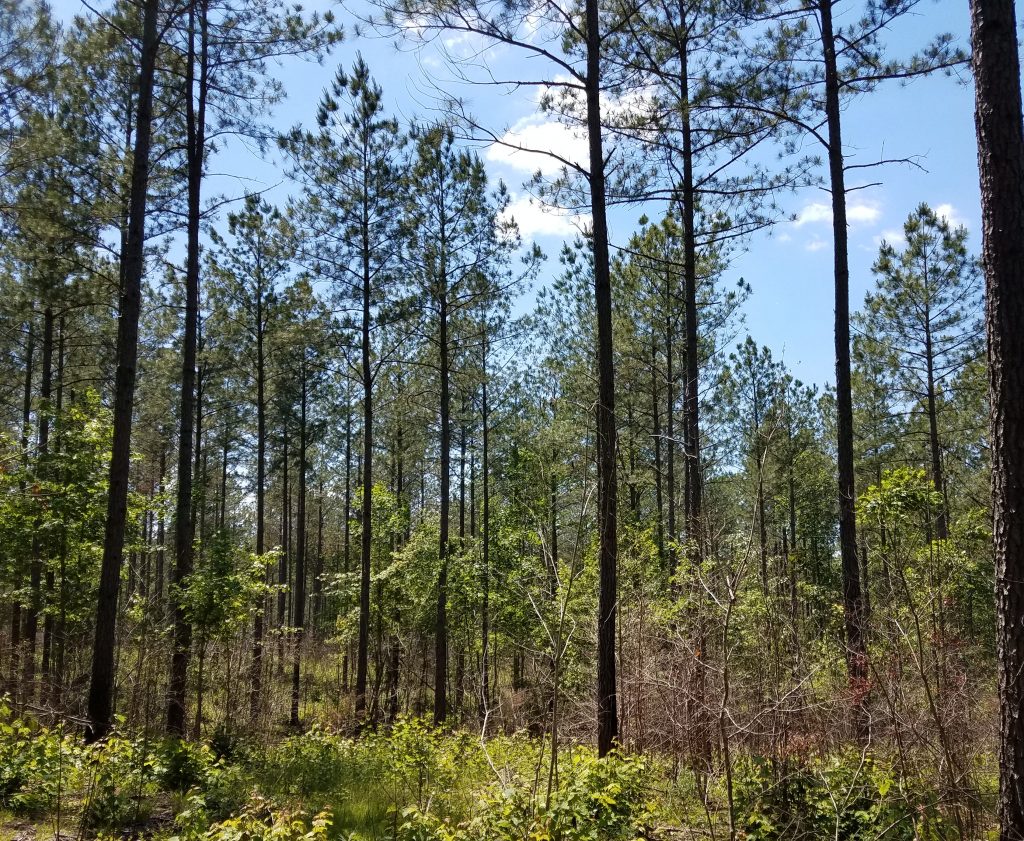
Also checked out the burning. The winter burn is looking good. I don’t think we lost any pines. We will need to burn a couple more times to establish a nice grass and forbs layer.
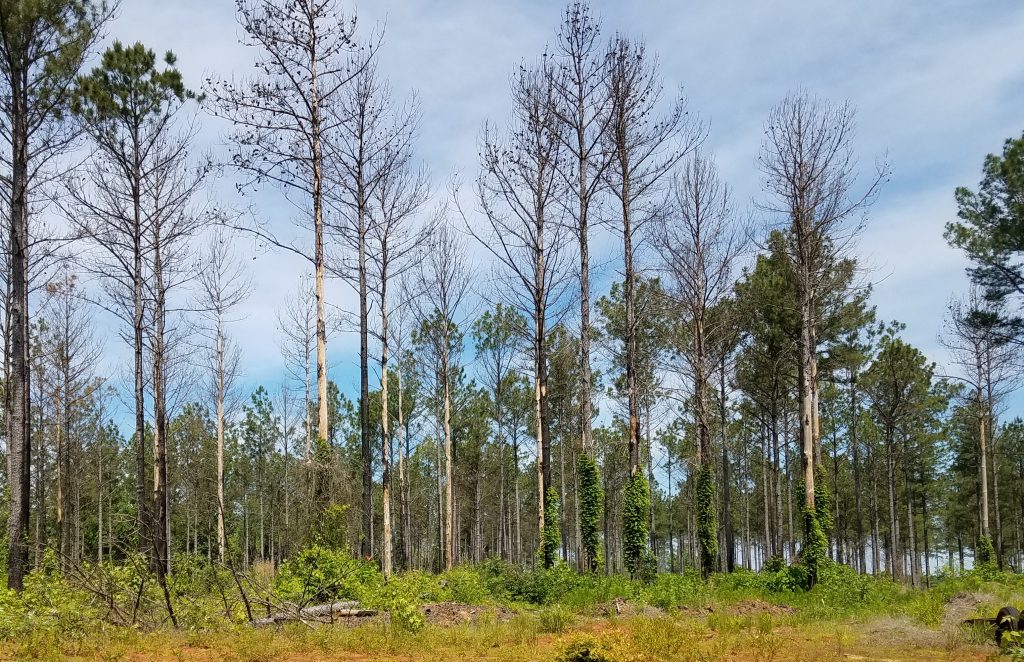
The burn from May of last year killed a couple dozen trees. It got too hot. I was very depressed when I saw it, but now with the passage of time it has become a kind of science project. I planted some longleaf under the dead trees and I am using this as one of my oak regeneration experiments.

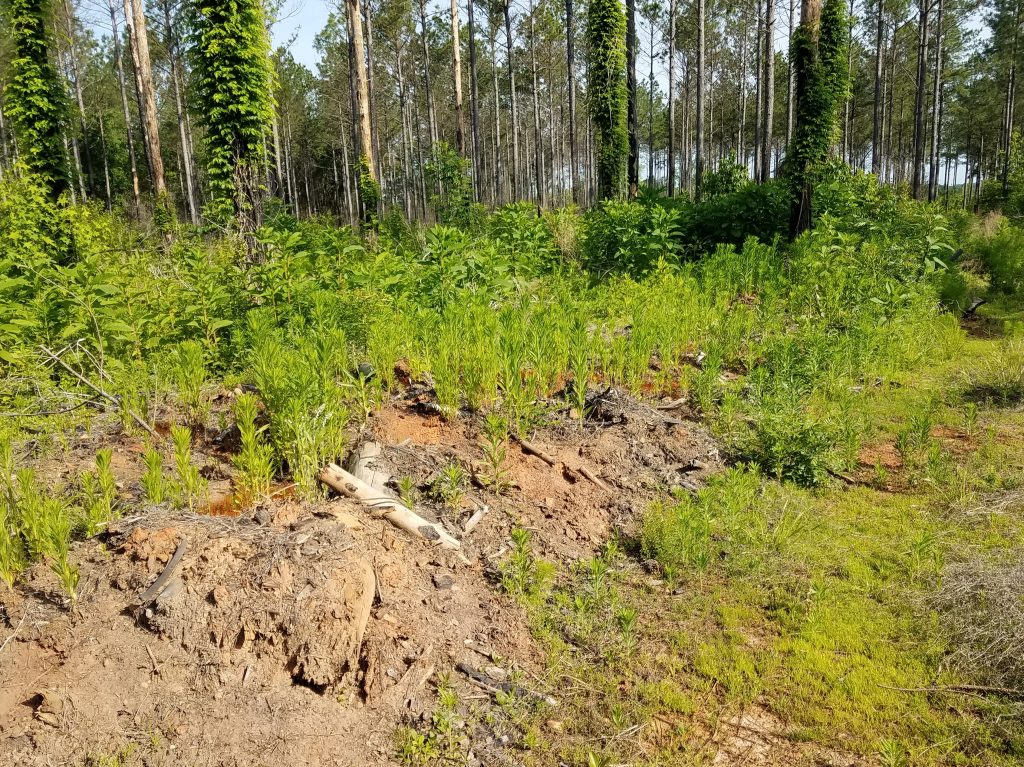
Biochar is one of the parts of the science experiment. I have long been interested in “terra preta” in the Amazon. This is anthropogenic soil created by the natives by mixing charcoal with soil. It holds water better and produces a lot more plant life. We created some terra preta by accident. When the fire looked like it might escape, DoF pushed a line and trapped lots of wood in with dirt. It burned slowly and turned to charcoal and dirt, i.e. biochar. I will watch how it does.

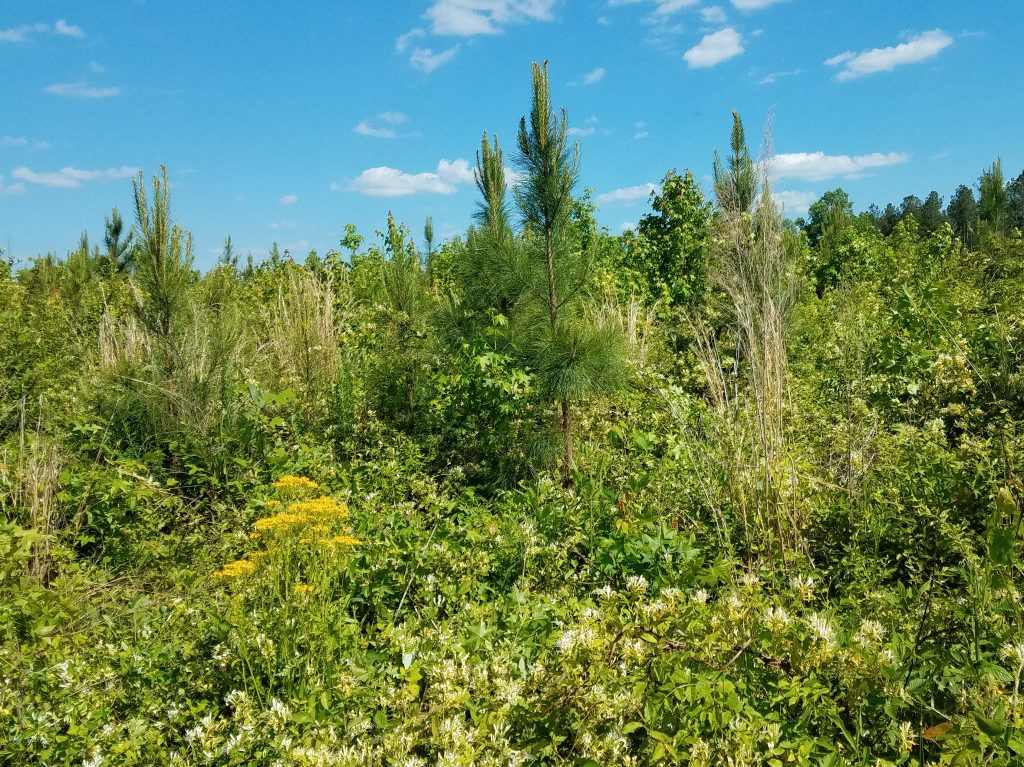
My first picture shows the honeysuckle. Next shows the dead trees from the May burning, follow by the biochar heap. Picture # 4 shows the winter fire result – live trees and quick recovery. Maybe too quick. It did not burn enough. Last is some of my oak preference. I knocked down the gum, red maple, popular and sycamore anywhere near an oak. All the time I was working out there today, I was thinking of the Aldo Leopold essay “Axe in Hand.” –
“When some remote ancestor of ours invented the shovel, he became a giver; he could plant a tree. And when the axe was invented, he became a taker; he could chop it down. Whoever owns land has thus assumed, whether he knows it or not, the divine functions of creating and destroying plants.”

Freeman May 2019

Feeling overwhelmed today. Visiting the farms. So much to do. I have an idea what I want, but there is so much land and so little me.

I know this happens to me every spring and I will get over it very soon. But just now I am down. I also picked off two ticks. Generally my Repel works to keep those little nasty things off, but it seems a season of numerous ticks. Maybe all the rain.

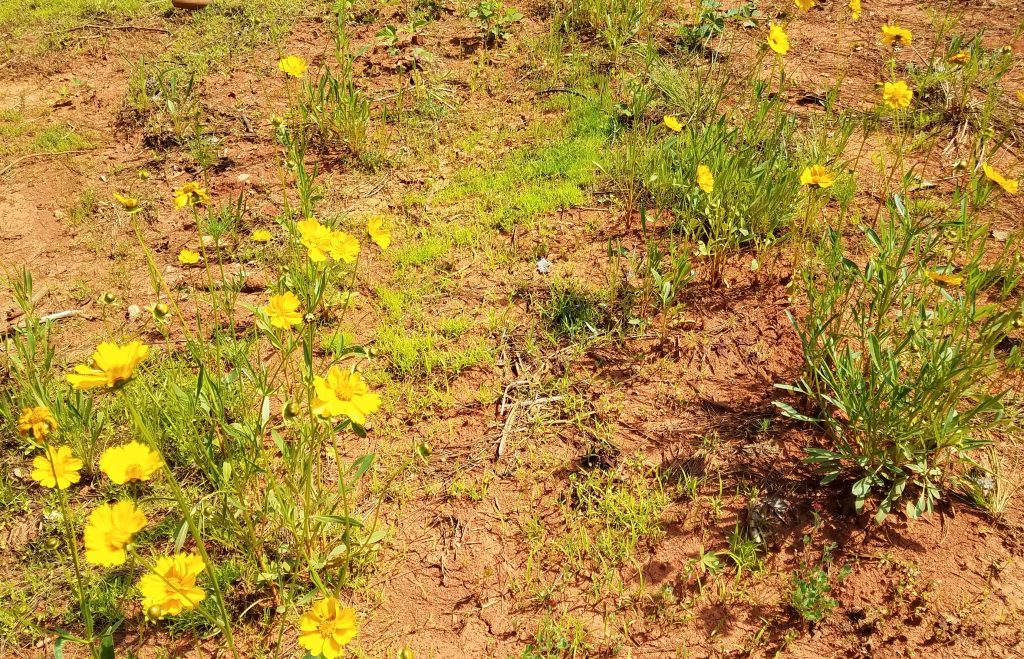
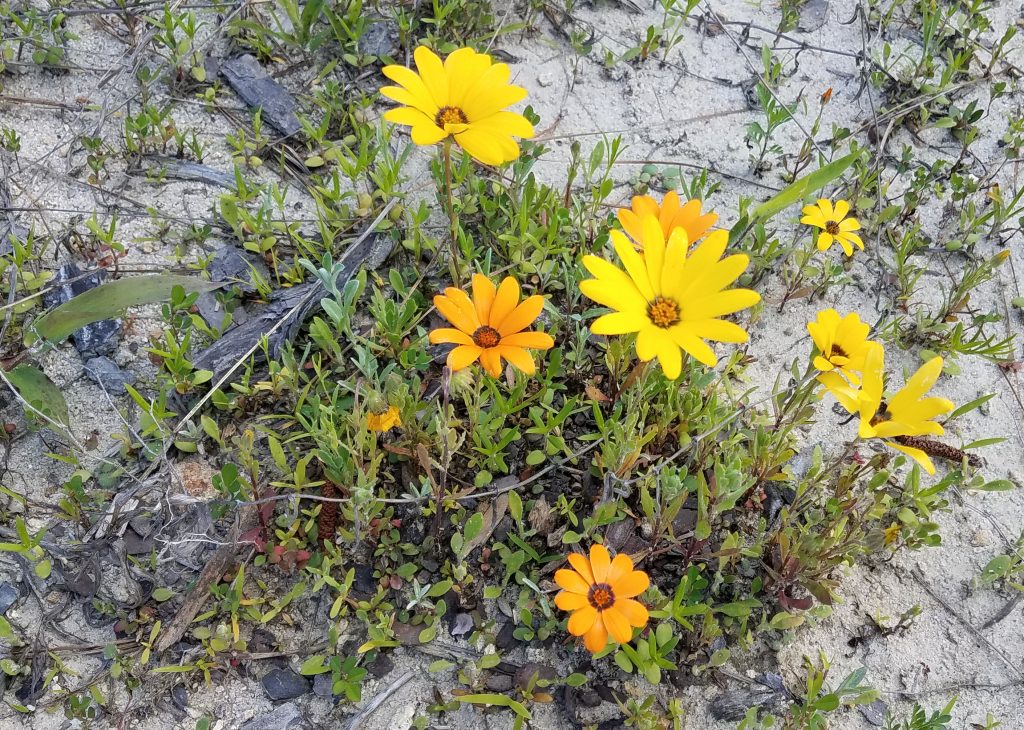
Some of my wildflower/pollinator flowers are coming up. My plan was/is to plant patches in hopes they will spread. The seeds are very expensive and I could not cover all the territory even if seeds were free. Give it a month.

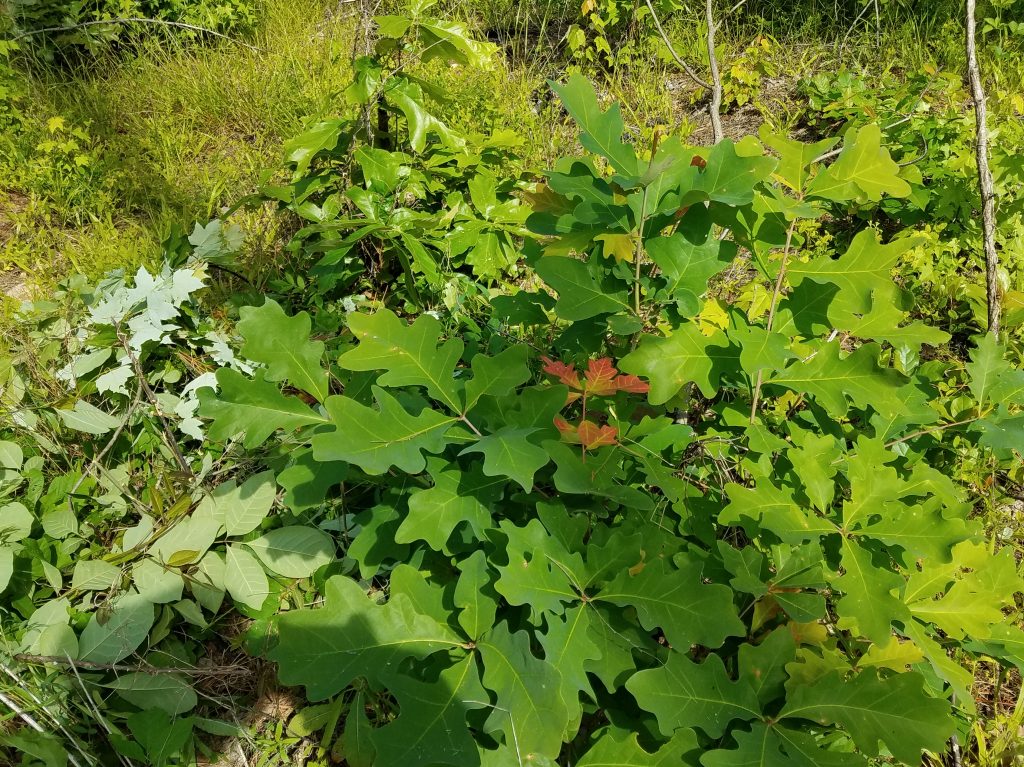
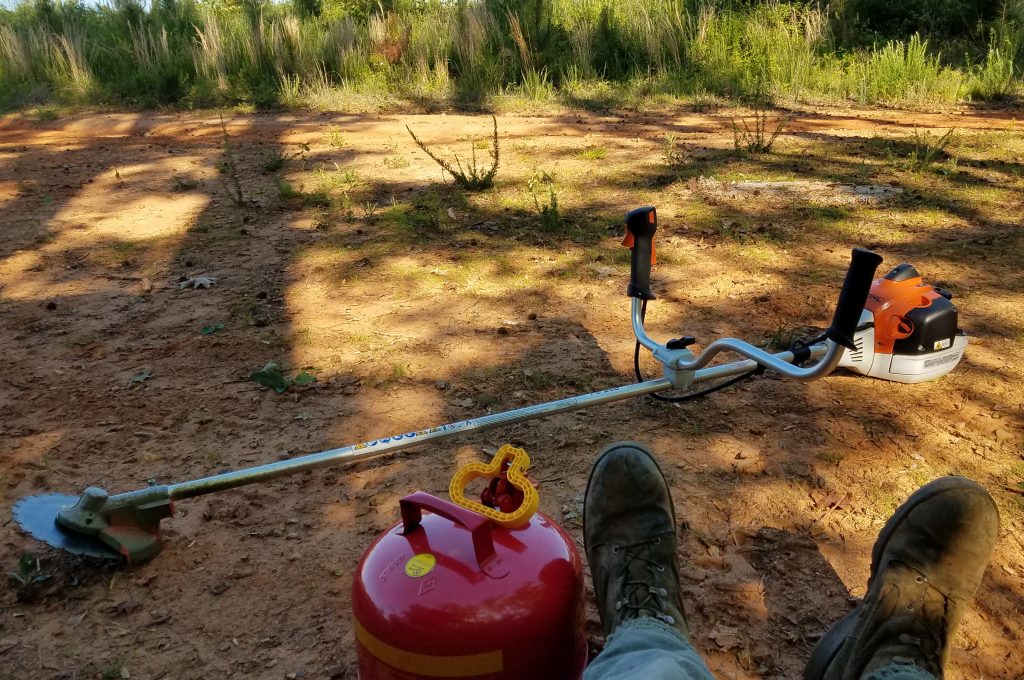
I am staying down south tonight. Tomorrow I will use my power tool to clear around some white oaks, so that I can help with oak regeneration on the Brodnax place. I identified the places last time and now I have to do the work. I dis like the power tool because it makes so much noise, but it sure is faster. I can clean off several acres with the tool. With my hand tools I can maybe do 10%.
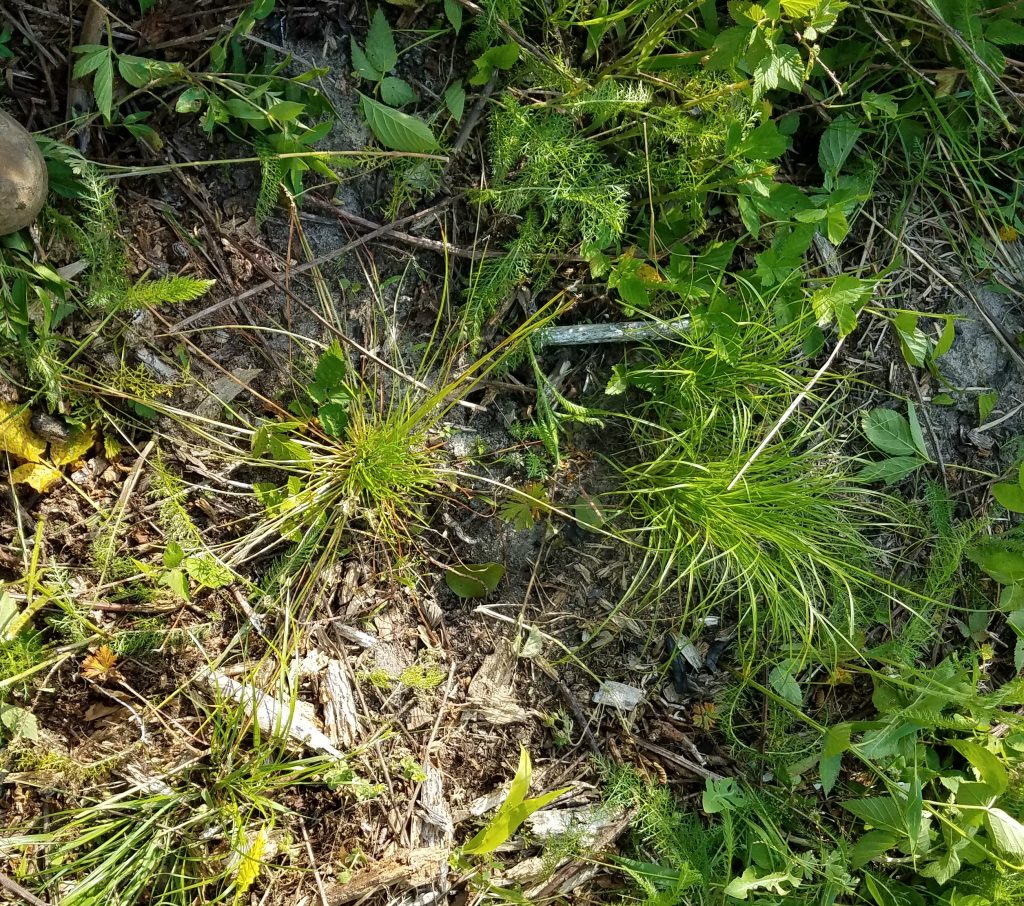
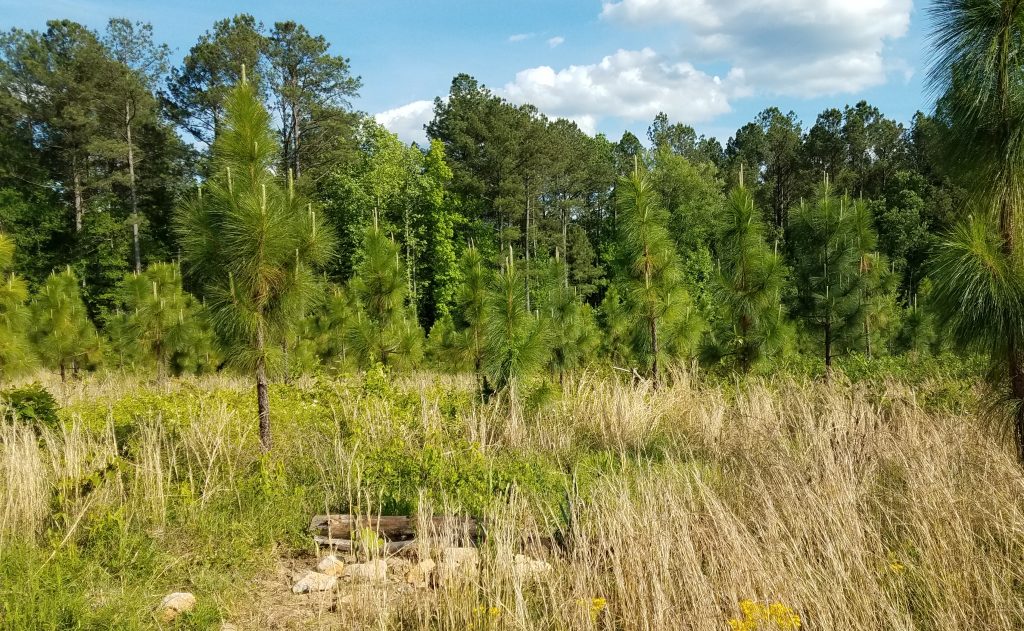
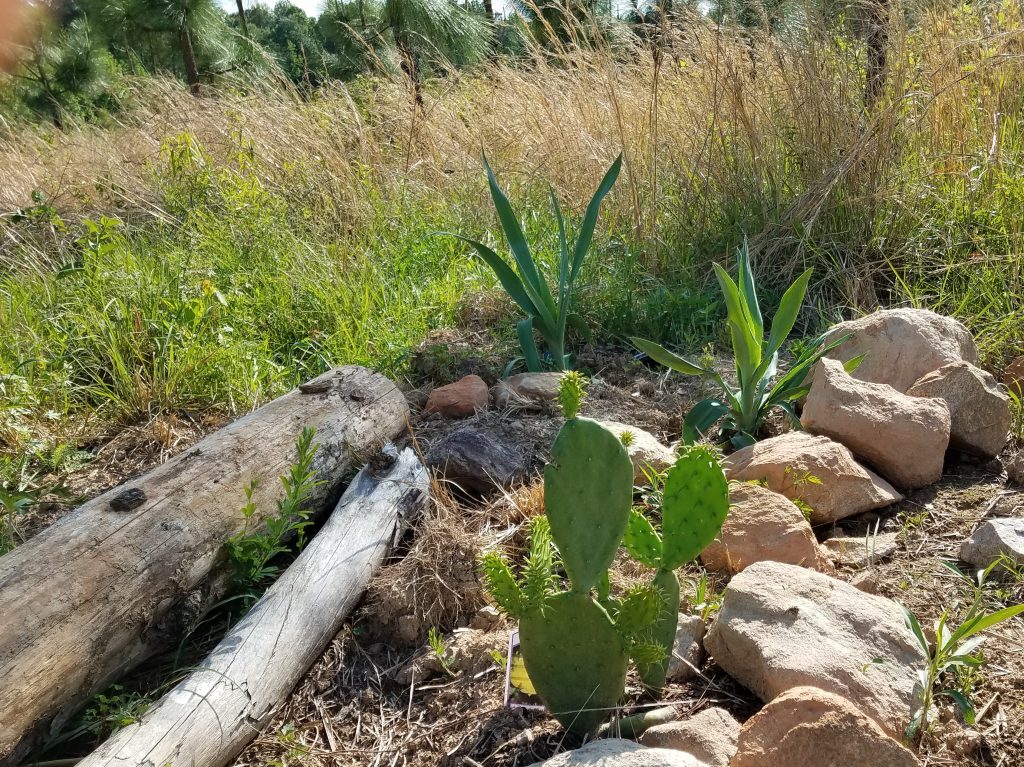
My first picture is one of my “wildflower nodes”. I don’t know what flowers those are, but the are nice. I planted the seeds in handfuls of dirt. It seems to have worked. I have lots of those pods around. Hope they proliferate. Next shows the problem with longleaf. One is a longleaf in the grass stage. The other is actually grass. It is hard to tell the difference visually. If you touch them, they feel very different, but it is hard to find your new longleaf. Picture #4 are the longleaf now in going into their 7th year. The new growth is nice. Last is my prickly pear and rattlesnake master. They are growing.

Eager beavers

I am not eager about beavers chewing down trees on my farms or flooding, but it depends. This book gave me some better appreciation of beavers as ecological engineers and creators of green infrastructure.

History was interesting. Beavers were exceedingly common in pre-settlement North America. You can still see that in place names. Many of the most fertile fields were former beaver ponds.

Beaver ponds are transient. They silt up, become wetlands, then forests or prairies. Beaver move on. The useful part of their green infrastructure is that the beavers never stop. The challenge of beavers is that they never stop and they can flood lot of other places. Besides that, the beavers never “build to code.” In places with human infrastructure, beavers are less welcome. Beaver ponds slow water, help with flood control and help recharge aquifers. They provide wetland habitat & fields. On the other hand, they can be a real problem for irrigation systems, culverts, roads and buildings. Are they good or bad? It depends.
We cannot “re-beaver” all, most or even much of America, but we probably can benefit from using their never ending passion of making dams.

audible.com   Eager: The Surprising, Secret Life of Beavers and Why They Matter Check out this great listen on Audible.com. In Eager, environmental journalist Ben Goldfarb reveals that our modern idea of what a healthy landscape…     2

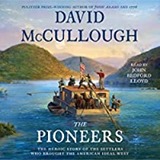
Pioneers

Not a bad book, but I would not rush out to buy it. His best, IMO, was “Truman”. This is not like that.

It is mostly about the settlement of the area of Ohio around Marietta, told through the stories of a few people. You get a good picture of some of the hardships. These people worked all the time and the work was very hard.

Interesting subjects include the struggle to set up public schools and the fight to keep slavery out of the Northwest Territories (hard to think of Ohio as Northwest). The slavery issue is featured prominently in many histories today, sometimes inserted awkwardly. In this case, it makes sense. The Ohio River was the border between slave and free. Imagine if slavery had been allowed to infiltrate into places like Ohio. It is likely that the Civil War would not have played out the way it did, or at all. Slavery might have persisted longer. Recall that Brazil did not ban slavery until 1888 and it persisted in much of world until well into the 20th Century. The African nation of Mauritania did not end it officially until 1981. How different world history would have been if the USA had not banned slavery when it did and given a few changes among a few people, because settlers were so few in Ohio in the early years, everything could have been different. History is contingent.

audible.com   The Pioneers Check out this great listen on Audible.com. Pulitzer Prize-winning historian David McCullough rediscovers an important and dramatic chapter in the American story – the settling of the Northwest Territory by dauntless pioneers who overcame incredible hardships to build a community based on ideals t…..  

What were you like when you were fifty – story worth

What were you like at 50? Story Worth question.

What was your life like when you were fifty?
The most significant thing that happened in my 50th year was that we bought our first tree farm. I have discussed the details of that purchase elsewhere, so let me talk here about the long thinking that went into that moment of spontaneity.

Forest people versus cabin people
I cannot remember a time when I did not love trees, but I never gave serious thought to owning a forest because it just seemed unrealistic. Who owns a forest? I was a city boy. I knew people who owned maybe a few acres. Chrissy’s parents were farmers and there was a lot of land on her side of the family, but they inherited those places. Just buying rural land was completely outside my experience.

At first, we were thinking “cabin.” Lots of people we knew had second homes in the woods. That seemed doable. We thought of West Virginia. The guy in the office next to me, Jeff, had a place in West Virginia. In fact, he had bought rural land several times. The more I talked to him, however, the more I came to know that that his experience would be more useful as a lesson on what to avoid rather than an example to follow. He had lots of experience buying rural land, but not much success keeping it.

Good neighbors
Jeff had trouble with his neighbors wherever he went. He warned me that rural people were “different.” Jeff was an FS classmate. I knew him well enough to suspect that the constant in all his bad neighborly relationships was him. Another classmate, Mark, had successfully bought – and kept – rural land near Appomattox. He loved his rural neighbors and they were helpful to him. We both knew Jeff and at lunch Mark told me that Jeff’s problem was that he did not meet his neighbors on their ground, figuratively as well at literally.

Jeff’s daughter fervently believed in animal rights. Evidently when Jeff bought land, he succumbed to his daughter’s entreaties and banned hunting on his land. This is not a smart idea in long established rural communities. Worse, he made his feelings clear to his neighbors, and his feelings were that they were not the friends of nature that he and his family were.

Funny, we diplomats know that we should treat foreigners with respect even when they disagree with us, but we often fail to understand we might want to show similar respect to our fellow Americans.

But Jeff’s advice was good in other ways. I don’t think I would have had the gumption to go through with my land purchase w/o Jeff. He did know how to buy land. It was Jeff who made me see that I was not a “cabin person.” I was a forest person. Cabin people like to fix things in the cabin. I do not. I don’t care at all about cabins, only the forest that surround them. I went looking for land where I could grow trees and do some real forestry. That was not West Virginia, BTW. It is too hilly. There are lots of trees in West Virginia, but not that much timber. Southside Virginia was the place to get timber.

Make haste slowly
I would like to claim that I was decisive, but I made haste slowly. The idea of buying land really came to me in earnest when we lived in New Hampshire, and I had been thinking about it years before that. I read about land going cheap after forest fires. So, the forest land purchase gestated for years w/o issue. It just got realistic around 2003.
There were other factors involved. I was a little worried about my career. (ALL foreign service officers worry about their careers all the time. Keeps us on our toes.) I thought that there was a good chance that the FS would kick me out, i.e. not promote me to senior FS. I wanted an alternative, and forest owner/manager seemed like something I could be proud of being.

Scared the shit out of me. Buying the forest was our biggest investment besides our house, and a foray into a lot less familiar territory. I figured the numbers. I did the due diligence. I went down and checked the land records. I looked at the soils and the trees, walked the boundaries. I checked the location of the mills. And after all that logic, I made an emotional decision and bought 178 acres of cut over land in Brunswick County because I really wanted to.

One of the things that made me more confident in the purchase was that the sellers didn’t seem to care about selling. When we looked at cabins in West Virginia, sellers wanted us to make a decision that same minute. Some even offered to take credit card for the down payment. Not so with this land purchase. When I called the guy in Brunswick to make an offer, he said that was good and that he would forward the paper work next week, since he was going fishing.

The dog that finally catches the car
I couldn’t believe I really had the land, and so much of it, too much to handle with my machete and shovel I took the kids down to see “their” new land. It was a very hot day and they were not as enthusiastic as I was to walk the length & breadth of the place, but they did it. I was lucky to have a hunt club using the land. Their “rent” pays the property taxes, but more importantly they provide a local connection. I got lots of good advice from hunt club members. They knew lots of things I wanted to know. Unlike Jeff’s experience, I found my neighbors exceedingly friendly and helpful.

Besides marrying Chrissy & having the kids, buying the forest land was absolutely, positively the best life decision I ever made.

Fulfilling the life’s dream
Becoming a forest landowner was the culmination of a life’s dream that I was not fully-aware I had. Forestry defines my values. I am never sure how much I am reading the past into the present. For example, did I “rediscover” my values in Aldo Leopold, or did I just think I did. I can look back at my life through the lens of conservation, but is this just hindsight bias? Since I know then end, am I recalling the events that “led up to it”?
I don’t know and never will know for sure. What I know for sure is that interacting with my land changed me. I feel responsible and connected nature in way I never did when before and it has given me a much deeper feeling for communities of all kinds, how they exist in both time and space. In the Aldo Leopold method, I can think, do, reflect and do something new based on what I learned. I have feeling of being of nature, not just a sojourner in it. Maybe I am fooling myself, but I feel it. I am reading all sorts of books and articles about land ethics, but I am also learning and connecting with the land itself and the biotic communities on it. It is a consuming passion in a good way.

Lots of things to do, even more to learn
We bought our first forest land in 2005. Got more in 2008, and more still in 2012. I have managed four harvests, planted more than 40,000 trees, got NRCS grants to plant pollinator habitat, contracted with hunt clubs, applied biosolids, thinned, burned, sprayed and protected stream management zones. People ask me if forest land is a good investment. It depends. All the things I did above, the actual work and the general contracting, I have wanted to do and enjoyed doing. Forest investment pays dividends in the joy of doing those things and being part of the land ethic. If you do not want to do that, it is not a good idea to own forests. It is like being a “cabin person” who doesn’t like to do fix-it. The payoff in joy is amazing but the payoff in money is paltry. I figure that I will “break even” about ten years after I am dead, but all that forestry has meant to me sure it worth a lot more. It connects me to the past and the future in a way I can more easily feel than explain. Best investment ever.

Had I never “invested” in forest land I sure would have more disposable income. Instead of tossing rocks, chopping vines and planting trees, I could be laying on a beach at some expensive resort, drinking margaritas and eating the best steaks. What a wasteful and boring life that would be.

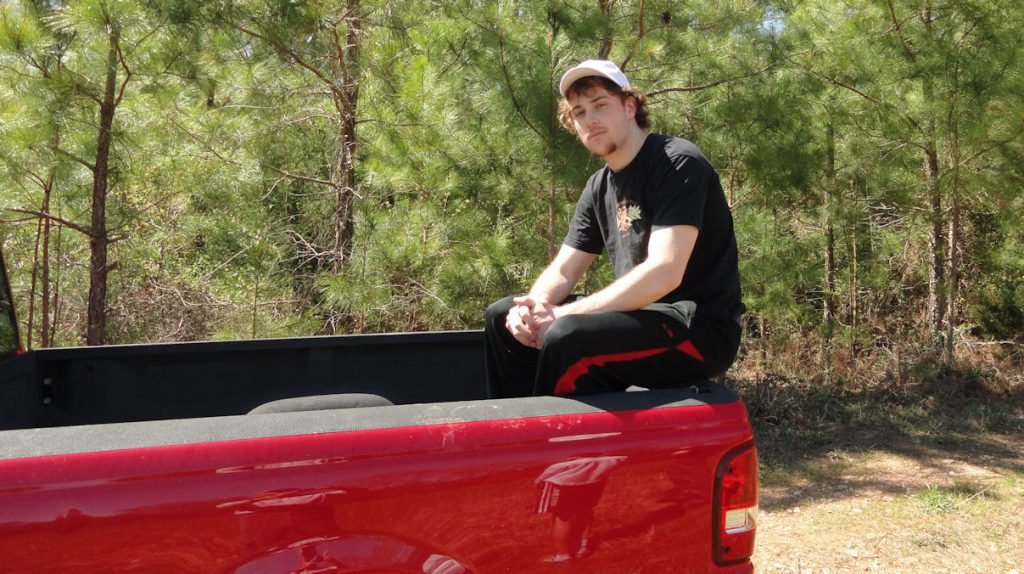
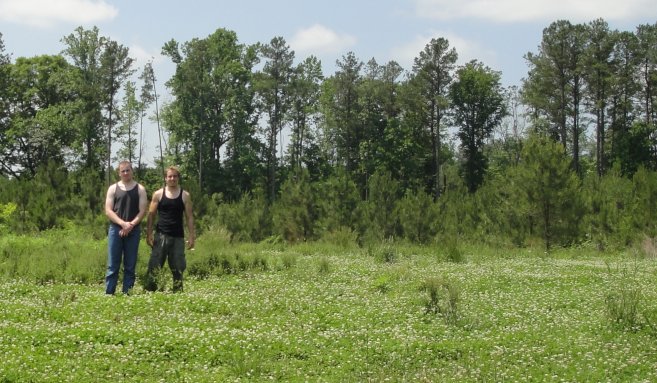
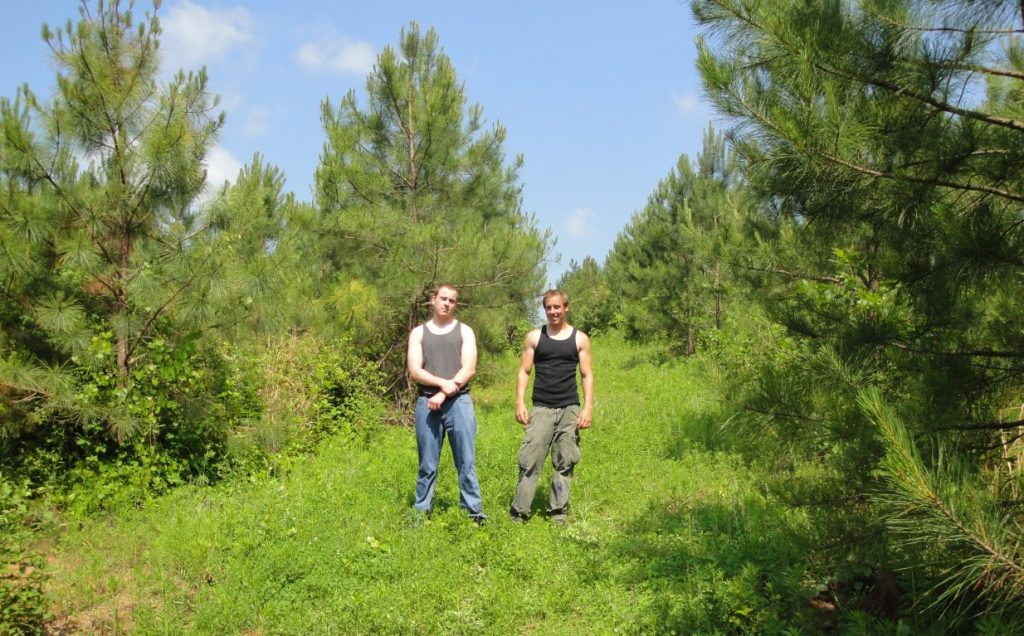
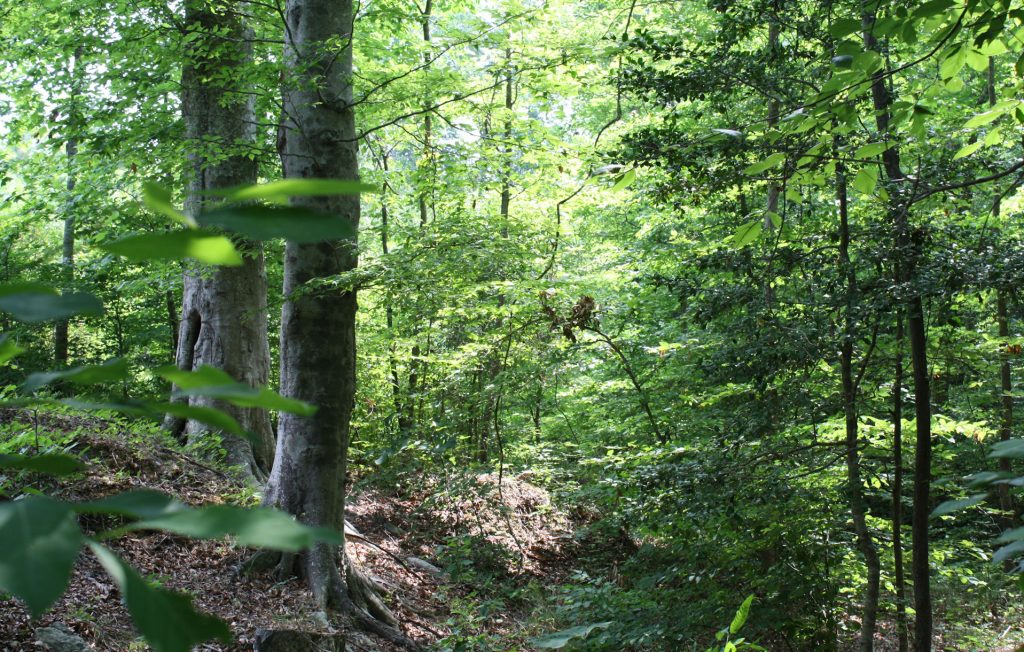
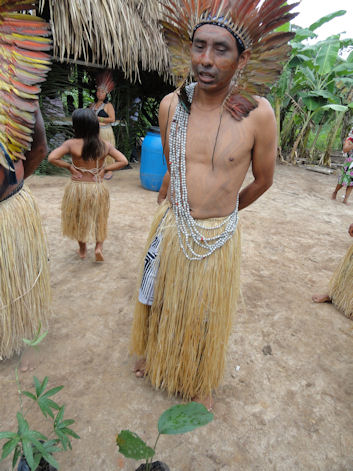
Pictures are from the early years of our forest adventure. First is Espen on the back of the truck on the way to throw rip-rap. Next is our first forest when we got it. Cut over. Picture #3 shows Espen and Alex after spraying vines. Next is our beech woods. I think they are very beautiful. Last is completely different. He is an indigenous forester from the Amazon. We talked to him about planting trees. We were so separated in space and culture, but our feelings about trees and forests were remarkably similar.

Stoicism and Seneca

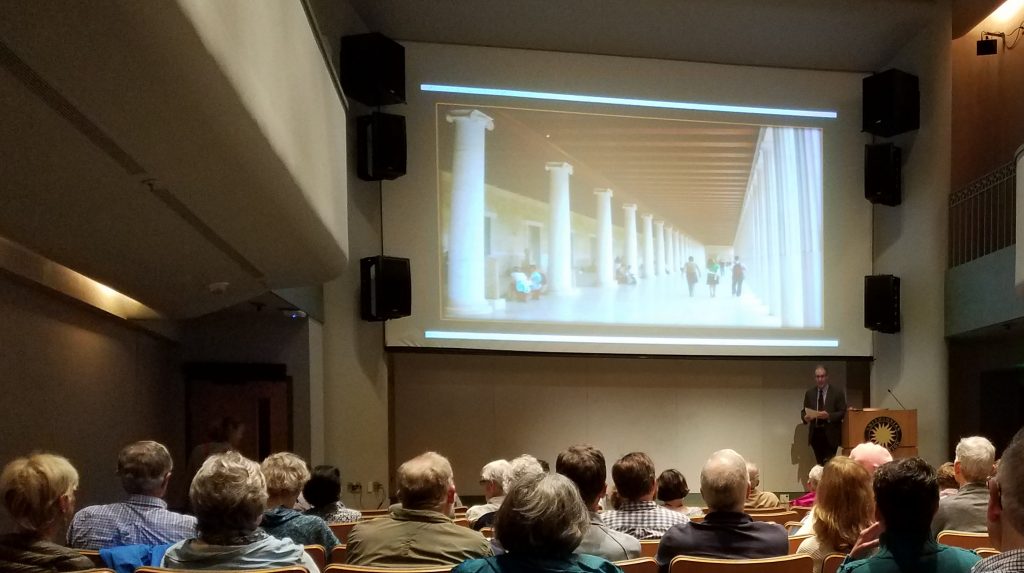
Rode down to a presentation at Smithsonian about stoicism and got a practical  lesson in stoicism on the way down. I used the hourly weather prediction to get plan to ride my bike when it was not raining. About 15 minutes into my ride, it started to rain, really hard.
Stoics do not seek suffering, contrary to popular perception, but neither do they avoid it if it stands in they way of what they want. Once you get really soaked, you cannot get any wetter, so it does not matter.

The lecture at Smithsonian was about Seneca. He was an interesting case. He wrote beautifully about Stoicism, but he was one of the richest men in Rome and he worked for the very immoral Emperor Nero. It is not necessary for the person to be personally virtuous in order to preach virtue.

But I think it might go deeper than that. None of the ancient philosophers can really play in the big leagues today. They simply did not have the intellectual resources we enjoy, since they were the ones building the intellectual resources we enjoy. Ancient Stoicism did not have the moral structure that we need to go with the methods they used. It is great to practice self-control and reason, but modern readers are also looking for a moral structure. Reason is not sufficient. It must be right reason. At least that is the way I feel about it.
The lecture was good. I learned a little about the life and times of Seneca. I like him less than I did before the lecture.

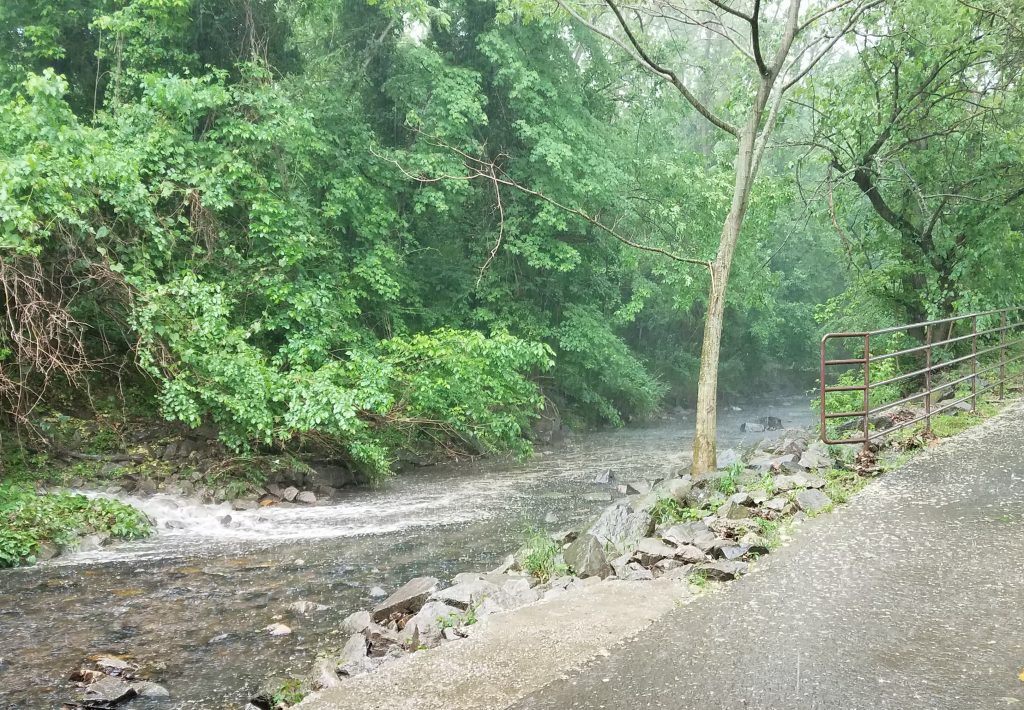
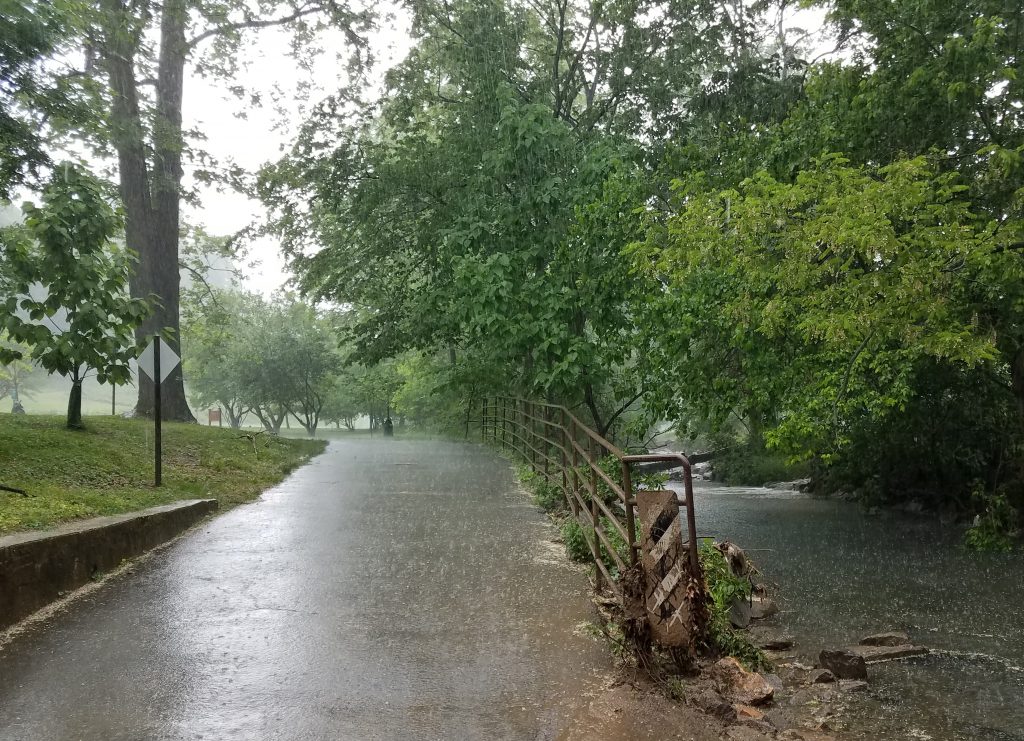
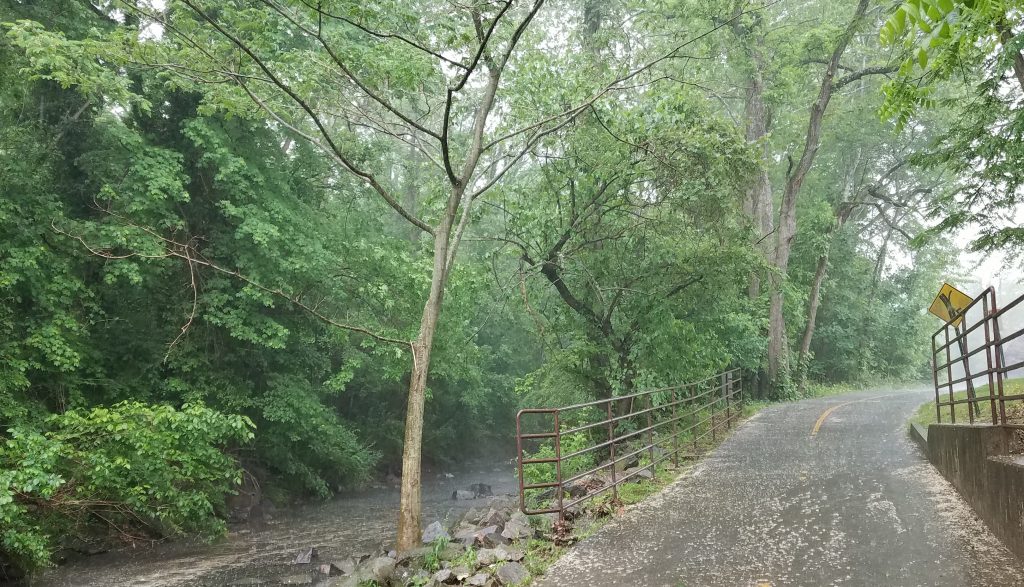
My pictures show the rain on the way. It stopped when I was about a 30 minutes out, but I did not dry out. Next to the bike trail if Four Mile Creek. I took the picture at the underpass at Wilson Blvd. The creek floods there. It was filling up as I watched. I enjoyed the lecture a little less being soaked and itchy. Last picture is the lecture.