A perfect day

The perfect day was a day much like many others, but unexpected and stolen from the drudgery of work.

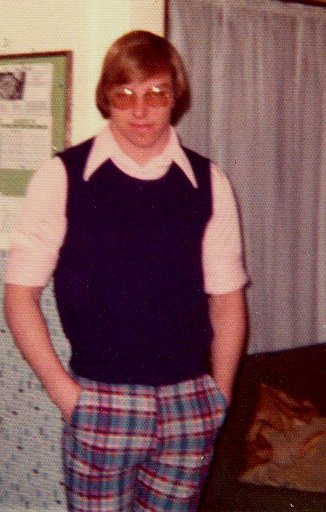
My story started (as I am noticing about many of my stories) with beer drinking. Drinking too much beer. My friends and I were at my friend Jerry Roark’s sister’s house. She was a “cool” older sister. She made her home and her yard available to us to drink. It was not illegal, BTW since we were all older the then drinking age (18) in Wisconsin, although not much. We needed a place to be.

It was Sunday. We were all supposed to go to jobs we disliked on Monday morning. It was one of those great times among friends, a warm long evening in June, talking about nothing, laughing and just enjoying the company. We planned just to have the proverbial couple of beers together, but there were more than a couple beers available, and we kept on going. We were having too much fun to leave. I am not sure how many beers we ended up drinking, but it was more than we should have done.

At about 4 am the next morning, my father woke me up to go to work at the Cement Factory. We both worked there. My father liked to drink beer even more than I did, but he was better at it. He never missed a day’s work because of beer. He never missed a day’s work for any other reason that I can recall, as a matter of fact. He was unsympathetic when I told him that I was too sick to go to work and castigated me both for the bad judgement of having consumed too much before a workday and for being so weak that I could not handle it. After we sat across the kitchen table looking at each other for a little while, however, he told me that I looked too bad to go to work. I should go back to bed. He would tell the boss that I was too sick to work, adding that he would let everyone around the plant know the real reason so that they could ridicule me the next day.

I went back to bed and I think I fell asleep even before it got there. I was used to waking up at 4 am, so I was sleeping really late when I finally crawled out of bed at around 10am. To my surprise, I felt remarkably good. I slept off the effects of the alcohol but still had the energy provided by all those carbohydrates from the liquid bread.
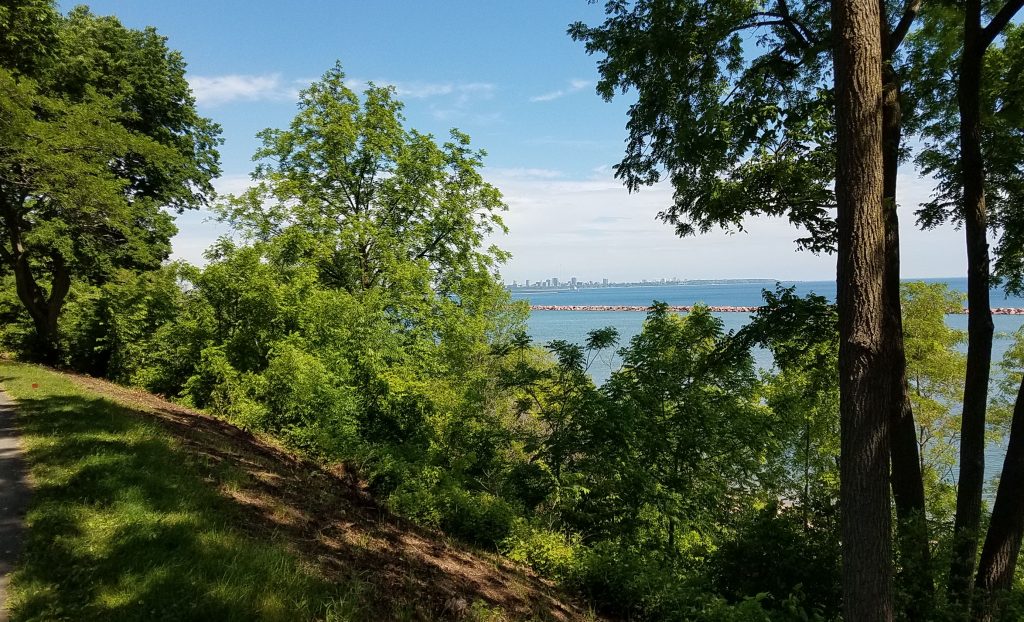
The weather was perfect. Milwaukee weather can be perfect when you get a hot summer day with a breeze from the east. The cold water of Lake Michigan freshens and cools the air as it blows in, while the warm summer sun gives you the feel of liquid sunshine on your shoulders. So, I thought I would go down to the Lake to enjoy it close up. I went to South Shore Park. To my surprise, I ran into my friends. We had independently arrived at the same decisions. We all had been too “sick” to go to work. We all had recovered by midmorning, and we all had been drawn to Lake Michigan. We continued our enjoyable talking and laughing at a picknic table overlooking Lake Michigan. Only Jerry Roark was tough enough to go to work that Monday. He got to brag about his power, but he missed the day’s pleasure.

This is not the kind of day you can plan. You could plan to go to the Lake. You could wait for great weather. You could plan a great day. I had been to that spot many times before and would go back other times later. What made this day special was spontaneity, surprise and serendipity. We traded this delightful day at Lake Michigan for a dreary day of work. None of us had jobs anybody could love. I hated mine with no small passion. We had stolen back some of our time, taken it back w/o needing to form the intention to do it, so it was both gift and plunder. A gift that has kept giving for more than 40 years.

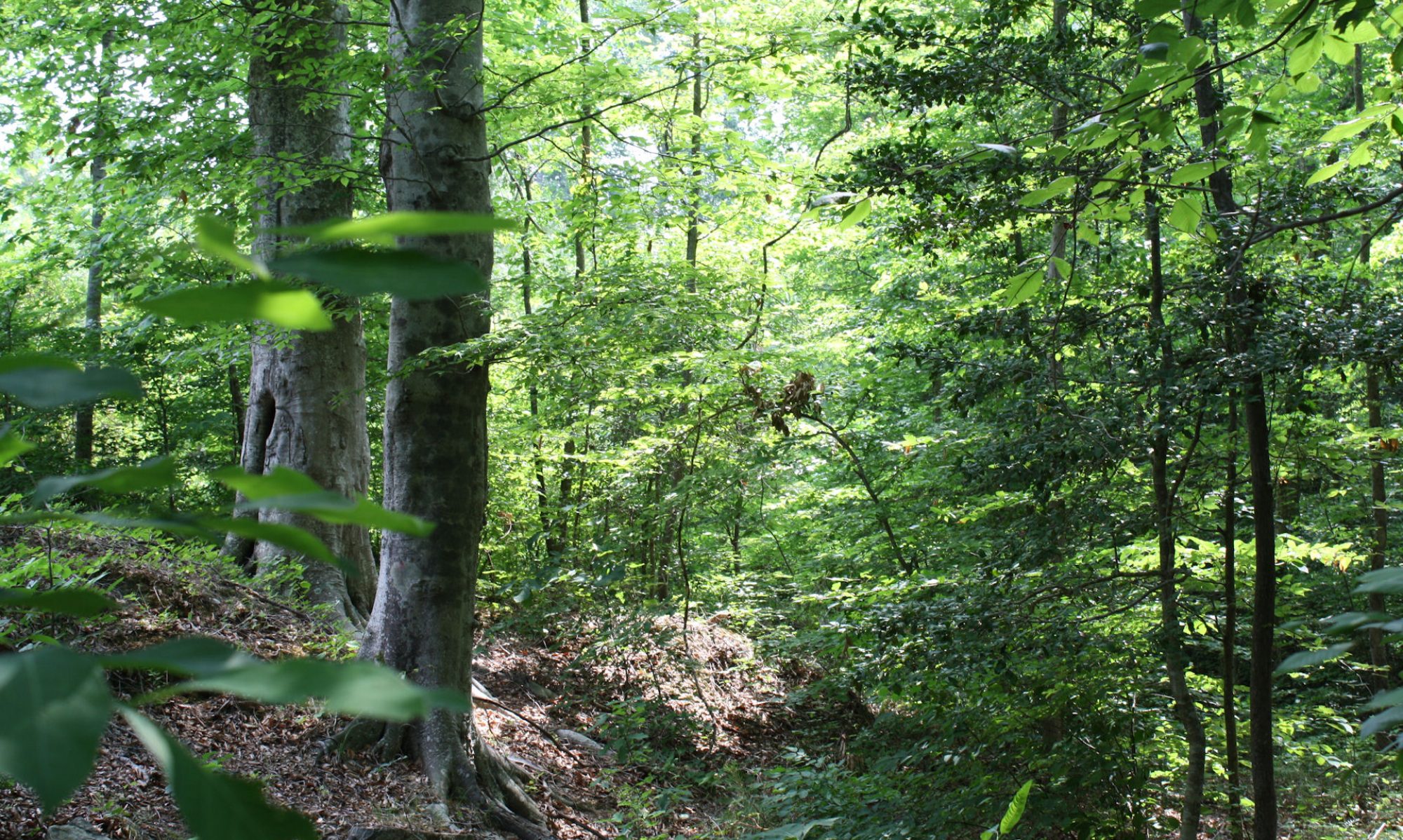
Our longleaf savanna experiment at Freeman, Virginia

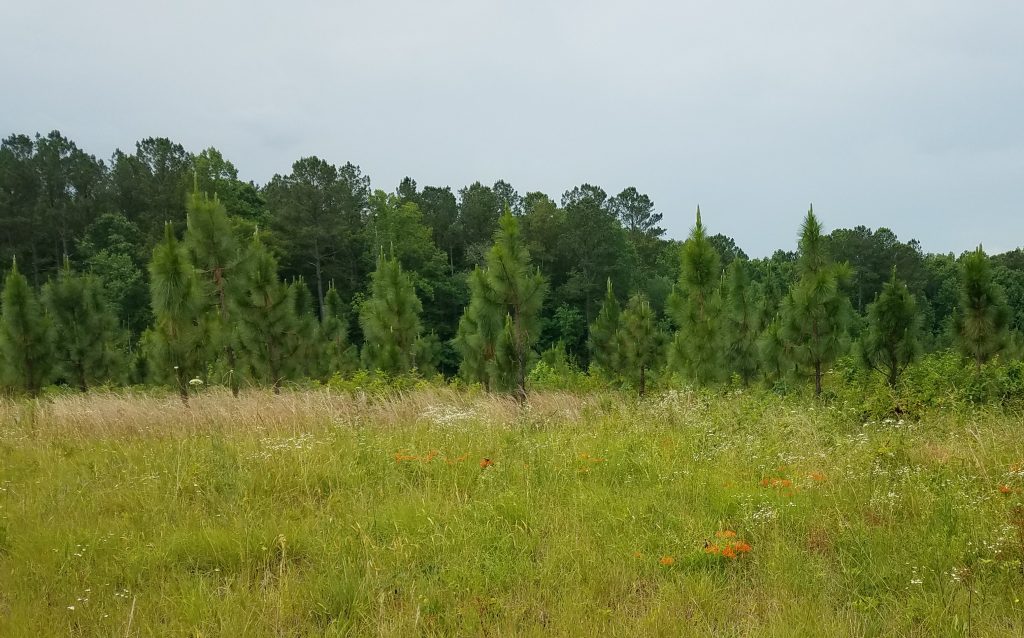
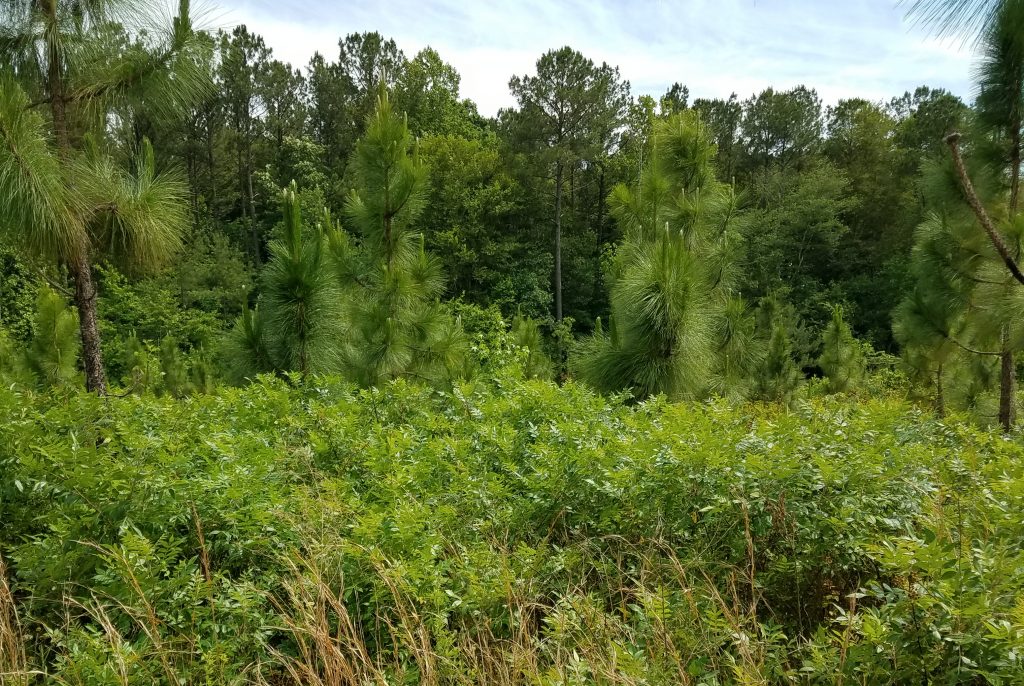
My friend Adam Smith just sent some pictures of our Freeman place. We are experimenting with longleaf pine restoration. To do this, we thinned all the trees to 50 basal area and then made 1/4 acre clearings in each acre. We are planting in  longleaf, creating an uneven aged stand.

It would be too much to say that it is based on the Stoddard-Neel approach – we cannot do that in Virginia at this time – but that was my inspiration. We will try to create the pine grassland ecosystem, once common in Virginia.

Philosophy of  Stoddard-Neel
Rather than a formal silvicultural system, the SNA is as much a philosophy of how a forest ecosystem — in its entirety — should be managed and nurtured while still deriving economic benefit. Inherent in a landowner or manager’s decision to practice ecological forestry is a strong land ethic and an appreciation of the multiple values of the forest ecosystem.

Logger Kathryn-Kirk McAden did a good job, as you see in the photo. I understand that the request was unusual.

Mike Raney and the hunt club might be interested to see what they are walking across.

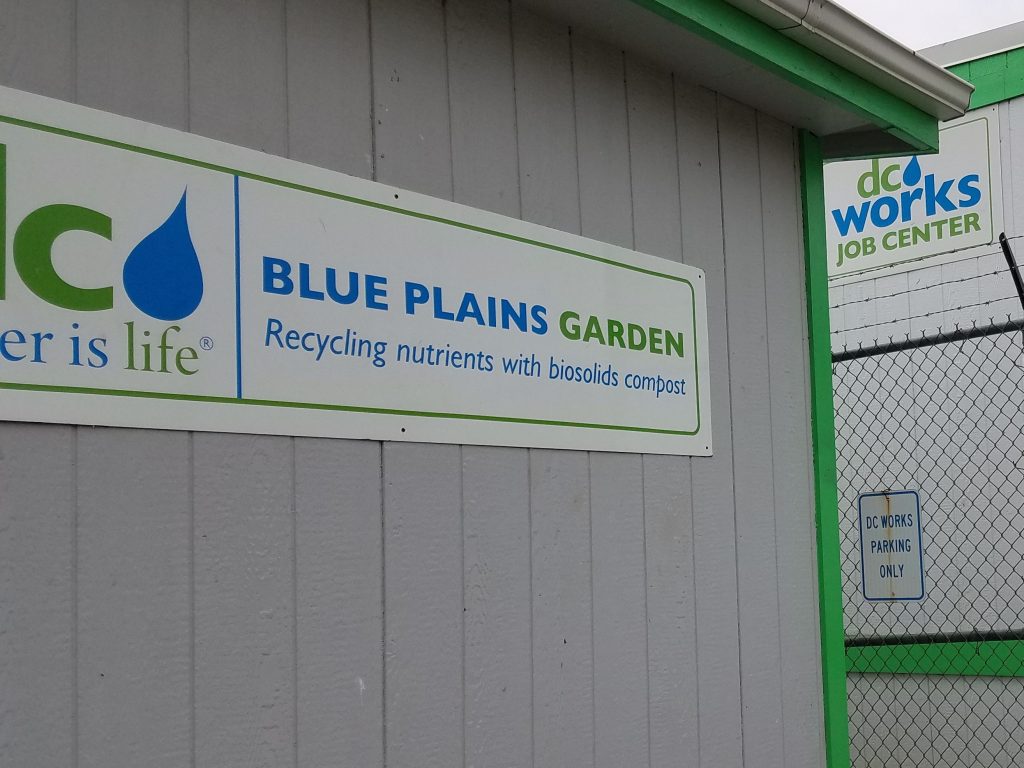
Blue Plains Water Treatment Plant

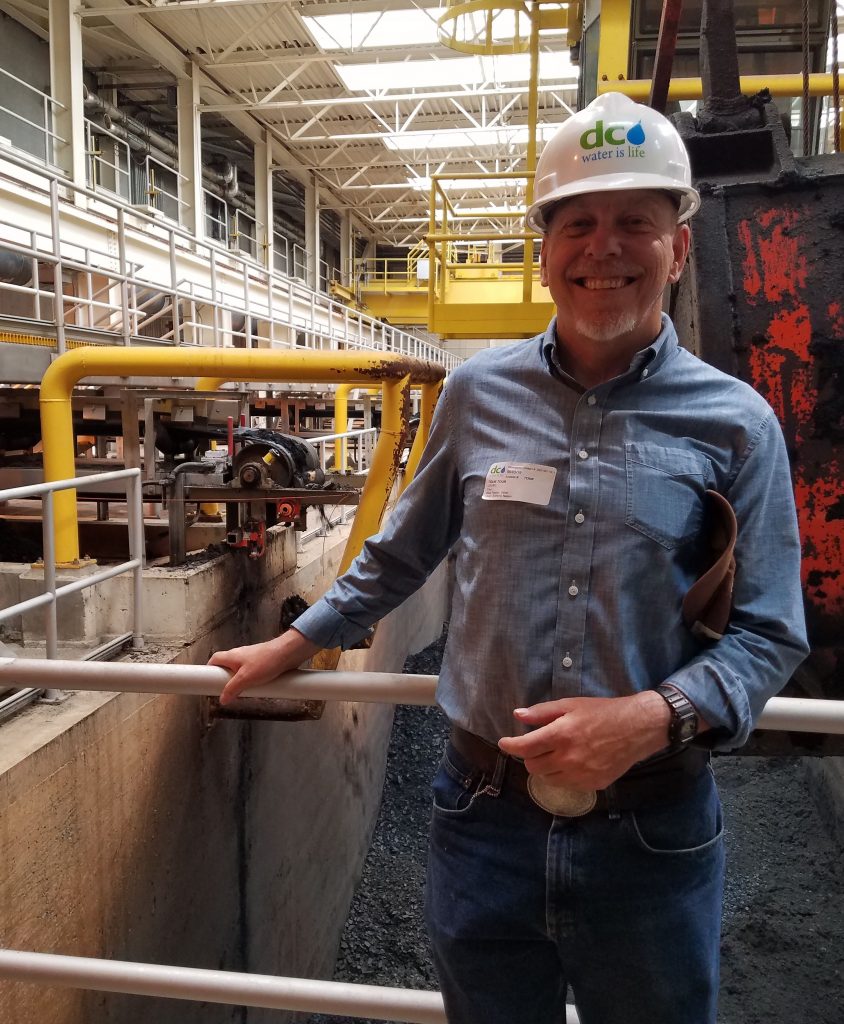
The Blue Plains Water Treatment Plant is one of the most advanced in the world. I am interested in biosolids and in water quality, so I went on a tour when I had the chance. In many ways it was reminiscent of the Milwaukee sewage plant that we (my cousins and I) visited last year. When I mentioned the Milwaukee facility to some of the professionals at Blue Plains, they evinced the proper respect. Milwaukee did not invent biosolids, but Milorganite was among the first and still remains one of the most successful use


I was lucky enough (well I kinda made it happen) to sit next to the woman from Blue Drop, the non-profit firm in charge of marketing biosolids form the plant. We talked about how good and useful biosolid are for building soil. Building soil. Biosolids add heft. We can sequester prodigious amounts of carbon in soil if we build soil. I told her that the only problem with biosolids in forestry is that we (at least I) am unable to get them as much as I want. I doubt she will be able to help me with my specific problem, since Brunswick County is too far away, but it is always good to talk with anybody interested.

The plant is underfunded, typical of much public infrastructure, so always looking for ways to cut costs of make money. They use methane from the biodigesters, take advantage of waste heat and they are planning to put solar panels over some of the roofs and tanks.

Selling biosolids
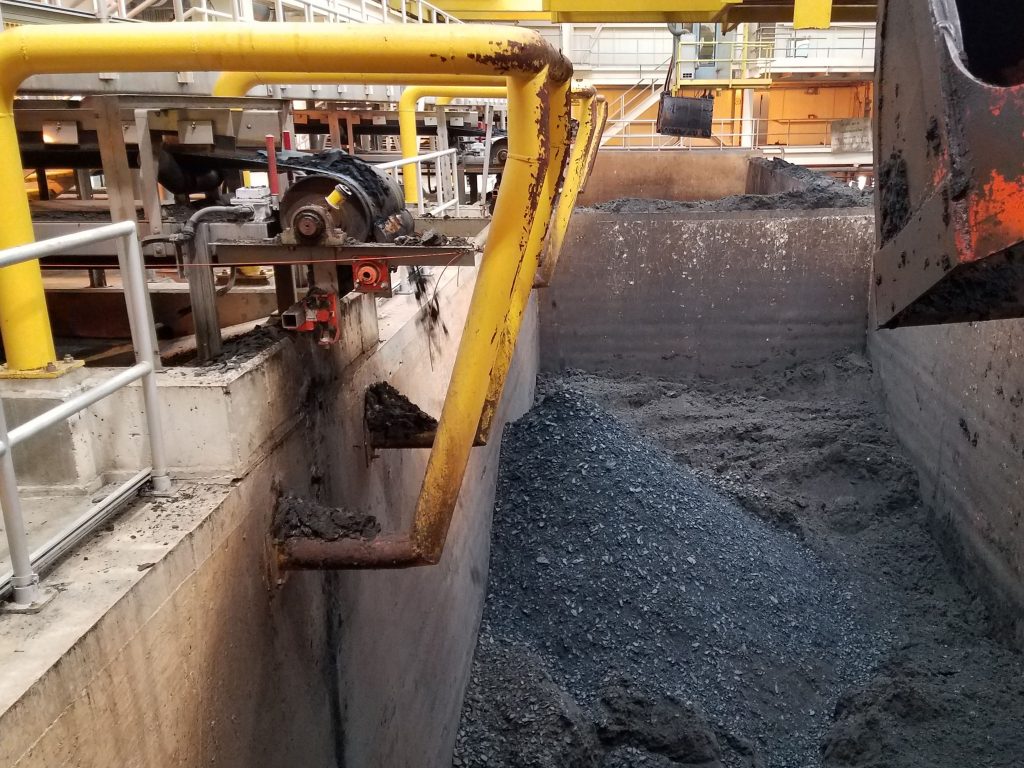
They also think that they can make some money selling biosolids. There are cultural impediments to the sale. People are just grossed out by the thought of recycled poop. But attitudes are changing. They upgraded their ability to process biosolids and now produce class A biosolids. You can see them in my pictures. They don’t look like crap and don’t smell very much, so they are more accepted.

They also gave up using lime stabilized biosolids and instead run them through thermal hydrolysis, a two-stage process combining high-pressure boiling of sludge followed by a rapid decompression. This combined action sterilizes the sludge and makes it more biodegradable and destroys pathogens in the resulting in it exceeding the stringent requirements for land application, i.e. great biosolid.

Thermal hydrolysis
You can see the thermal hydrolysis machine in my picture. It is the first of its kind in the USA. In the USA. This points to an American blind spot. This technology is well established in Europe and it is much better than previous treatments. But we Americans refuse to learn from their experience. It is a similar dynamic for CLT. Procurements often specify that successful projects must be in America. We miss a lot of good idea with our parochial outlook. Americans are leaders in many things, but not all things and good ideas do not stop at the border.

Learn from others
In the early days of our republic, one of the most important duties of American diplomats was to bring back good ideas from other places. We still do this, but we have too much of a “not made here” idea. The Europeans are ahead of us in many aspects of waste treatment and ecological products. We need not reinvent. We can take the best and leave the rest and then move on. Makes sense to me.

Innovation is most often lateral thinking – the adjacent possible. We get that from using the work of others & sharing our own.

Dignity

The author delivered what he promised; I was hoping for more. He promised to share experiences and voices of those left behind, the ones he calls the “last row”. This he does
I would question his choice of subjects to interview in depth. He acknowledges people who are poor but reasonably well ordered and content but tends to give much more space to the real losers. In his defense, the author never tried to get truly representative samples. He started his “research” as a way to get to know things for himself and shares them. It is worth reading.

The author honestly airs his own prejudices. He is (or was) a well-educated, rich and privileged progressive atheist. He admits that he thought he did his duty to the less fortunate by voting in progressive ways, supporting higher taxes and occasionally tossing money in the general direction of the very poor.

There are a few surprising insights, although they make sense when you think about them. One is that the centers of society among the poor are churches and McDonald’s. Poor people do not much like to go to community centers or those various helping NGOs. They feel too much judged at these places.

The author was surprised the strong positive role religion played in the lives of the poor. He came to see it as instrumental in helping the poor and even came to question his own atheism.

In the end, the author provides no solutions, but he points to some of the prejudice progressives have. For one thing, they do not appreciate McDonalds or religion, but those are small things. The big thing is the belief in credentials and the overvaluing of things that can be easily measured in money or credentials. Educated and prosperous people have trouble understanding that some people just do not want to move to better jobs or do the things necessary to be successful in economic terms. They want to stay were they are for various community reasons.

The book is useful for the many stories he has learned from talking to real people. He was more than a tourist in these places. He spent literally years getting to know the tough neighborhoods and the people who just are not making it in today’s society. It is a world few people who read the book will really experience.

There are many books being written about the need for community. This is one of them, but it is different from others like “Alienated America” or “Third Pillar” in that it talks more about the very poor and disordered parts of society. “Dignity” is more personal, but also more hopeless. For many of the people profiled, I just could not think of any way out and neither could the author. He says in the first part that the only way most people get out of these predicaments is to get arrested or die. He provides no more hope at the end, except to say that if we talked to the more unfortunate and treated them with dignity, it might be better. And maybe this book will help us notice people we so easily overlook.

audible.com   Dignity Check out this great listen on Audible.com. “Candid, empathetic portraits of silenced men, women, and children.” (Kirkus) Widely acclaimed writer and photographer Chris Arnade shines new light on America’s poor, drug-addicted, and forgotten – both urban and rural, blue state and red sta…     1

Cervisiam tene, hoc specta

Any story that begins, “I was having a few beers …” may not seem promising, but I am going with a version of “in vino veritas” here.

So, I was having a beer while waiting for Chrissy. I don’t mind at all waiting. It is a great time to think. I was thinking about land ethics and by the second beer, my thinking became clearer.

Ethics is simple, if not easy. It means that we practice self restraint. We do not take all we can, or demand all we “deserve.” We leave room for other people, and in the case of land ethics, other things.

I cannot tell you what a land ethic means, since it is not a final code but a process. We develop land ethics in interaction with the land over time. I can share my experience – eager to share – but I cannot share the feelings and the tacit knowledge. The best of what I think I know, I cannot say: the joy of finding a grove of cypress trees I thought had not survived, the resigned sorrow of finding one of my favorite beech trees blown down in a storm, redeemed by the little ones ready to fill the gap, the feel of the ground under my feet, the honest fatigue of a good day’s work … I could go on.

The meaning is not in the things themselves but in the mixing of ourselves with them and feeling the complexity of relationships. It is what is between them and us that make meaning. All of our lives have meaning. It is the fortunate among us who find meaning in life.

I know my love of the land and the biotic communities growing, crawling and developing on it will remain forever unrequited. That in no way subtracts from my experience. When we read and learn from the thoughts of some long dead thinker, we sure do not commune with him. We get to appropriate those things for our own use, our own benefit. I am not saying we make them better, but we sure make them more appropriate to our circumstances.
But I think it goes further. I believe in transcendence. I will not try to convince those who don’t. Suffice to say that I know that each of us adds threads to the great tapestry.
One more thing about ethics & self restraint. It is good for us as well as ethical. I am wondering about that next beer. I can afford this and nobody will know or care if I schluck down another. In fact, the waitress will be happier. But I am an intelligent man. I can bend the arguments to my desires.

You might say that ethics is a way to balance the legitimate needs of the individual with those of the community. My decision is easy. The waitress, the restaurant and the brewers are better off if I have another beer. I will suffer the consequences and risk a headache for the good of others.

I will have another beer.

Can people change?

My Story Worth question for this week.

Do you believe people can change?

Yes. Absolutely yes. This is one of the few things or which I am certain.

We cannot help but change. Much of the way we think we are is related more to the correlations between our past, present and future, but they are not the same. It is like the movie that shows separate images so close together that we perceive them being the same movement. I find this distressing and empowering.

The future need not be like the past. We are not be slaves of what we were. We are not prisoners of what happened in the past or even what we did in that past. We can decide to take a different course. That is why I believe so strongly in redemption. Redemption = change in the right direction.

I am less interested in what people were, or even what they are now than in what they will or can become.

The only thing consistent in all your failures is you
Our limits are often self-imposed and there is no self-limiting factor so strong as the belief, usually implicit, that people cannot change or that we specifically cannot change. This belief persists because it is comfortable. We explain our failures and flaws by blaming our circumstances, history, upbringing, lack of “privilege,” bad parents, bad friends, bad relationships bad location, bad genes or just bad luck.

These excuses evaporate if we acknowledge that we can change. Generally, life improves, but it gets harder. Knowing we can change implies responsibility. That is empowering but it is not comfortable. If we can choose to be better, it implies that our choice is to be worse if that is what we are. We can always imagine something better than we can achieve, but is it not better to be free and have our reach exceed our grasp than never to try at all?

Life is not fair. So what do you do?
Things happen to us that we did not plan, we did not foresee, that we do not deserve. Choices of what happens is not available to the mortal man. Our choice is our reaction.

Change happens; we choose what to make of it.

Others have said it better than I can, so I will quote here “Invictus.” Invictus is Latin for unconquered, with a connotation of unconquerable. It is a lovely word.
Out of the night that covers me,
Black as the Pit from pole to pole,
I thank whatever gods may be
For my unconquerable soul.
In the fell clutch of circumstance
I have not winced nor cried aloud.
Under the bludgeonings of chance
My head is bloody, but unbowed.
Beyond this place of wrath and tears
Looms but the Horror of the shade,
And yet the menace of the years
Finds, and shall find, me unafraid.
It matters not how strait the gate,
How charged with punishments the scroll,
I am the master of my fate:
I am the captain of my soul.

Freeman tree farm visit

You can never win the battle against brush & brambles, but you can hold them at bay and try to establish competing system that you think are more appropriate

Open pinelands
In my pinelands, I have two options of appropriate, and lots of other choices. The two appropriate ones are closed canopy, where they trees are so close together than nothing much grows on the ground and open woodland with grass forbs and some bushes. My preference is for the latter because I think it more ecologically balanced. Getting there is a fight.

Landscape painted by fire

In “nature” open pinelands are maintained by fire and this is ultimately how I want to manage mine. But fire is a dangerous tool. I am not competent to use it as much as I think I should. In the meantime, I depend on chemical and mechanical tools.
I spent all of yesterday and a very long day last week cutting with my brush tool and accomplished not very much. It is physically difficult work and there is more to be done than I can do. I think I will hire someone to spray the Japanese honeysuckle. They use helicopters and can get at all those parts I cannot.

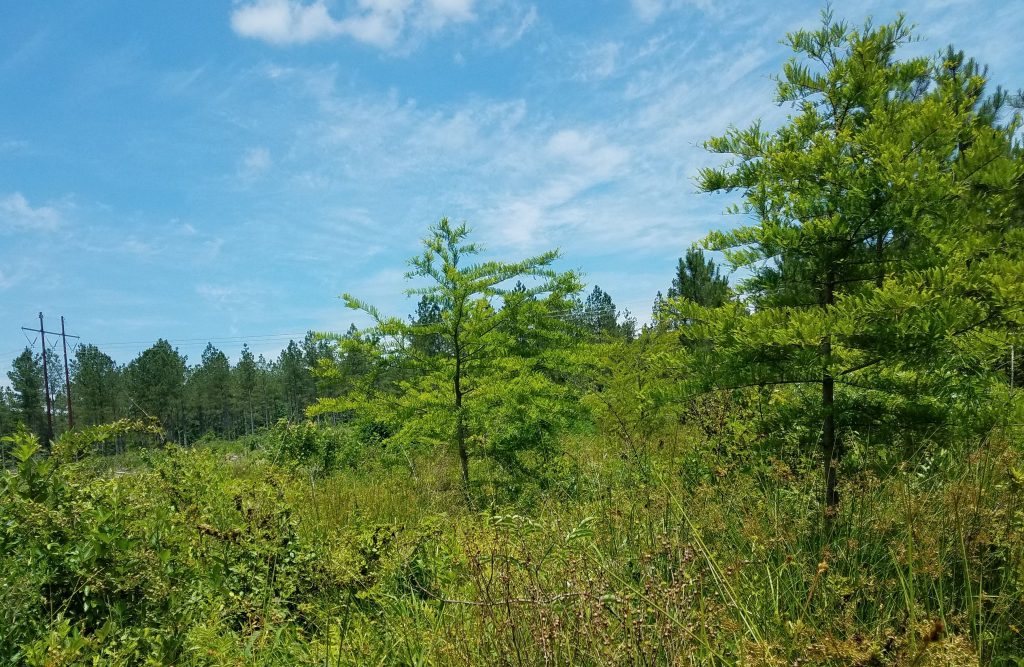
My goal is to get at an open forest, as I mentioned. My longleaf experimental patch is doing well in that respect. An interesting development is sumac.

Sumac
Wrote elsewhere that sumac is nearly fireproof. It burns to the ground and comes back stronger. You can see in the first picture, we have a thicket developing. We have both shinny (winged) and staghorn sumac. The shinny are the ones making the thickets. The pines are up on top, so I don’t think they will be harmed. The sumac shades out brambles, which is good. Having patches of sumac could be good for wildlife I want to encourage, like bobwhite quail. And sumac are attractive in the fall (beautiful red) is good for bees and provides food for wildlife.What’s not to love.

Prickly pear and the rattlesnake masters
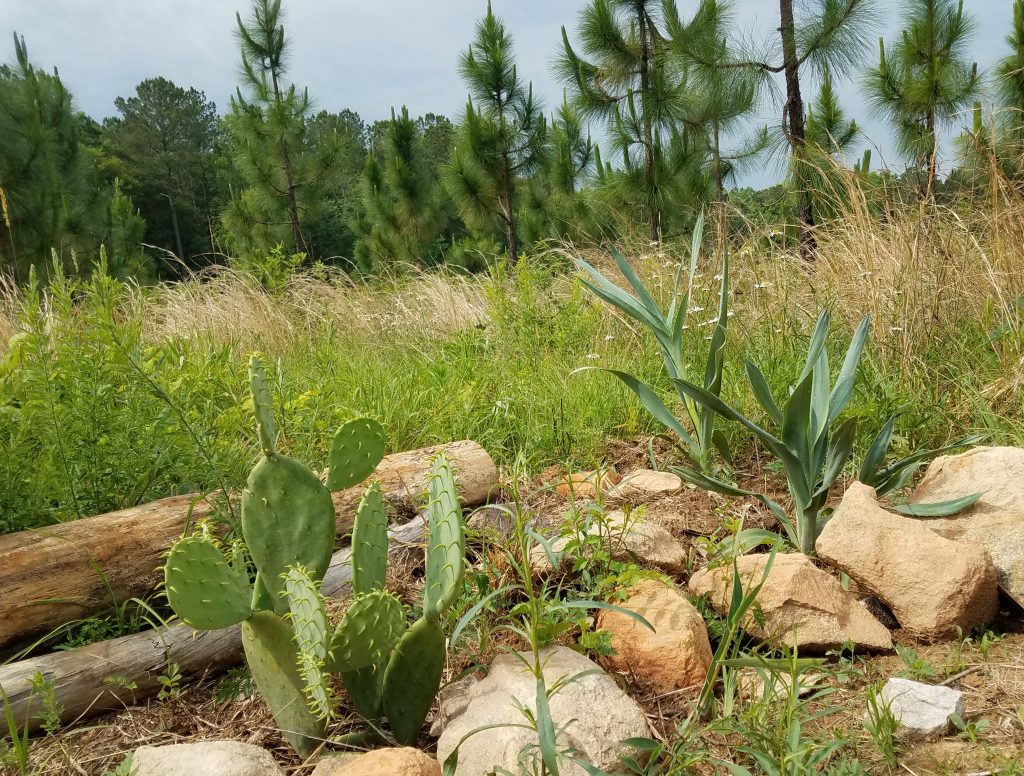
My prickly pear and rattlesnake master are thriving, as you see it the next picture. Both these are native to Virginia pinelands, but I have never seen any. Chrissy got them for me and I am trying them out.

Bald cypress
 I also did some work cutting around the bald cypress in the marshy area long side the longleaf. My friend Eric Goodman planted them at the same time (2012) as the longleaf. The biggest are around 10 feet high, but some are only about four feet. They were sandwiched under some unthinned loblolly. When we harvested the loblolly last year, they started to get a lot more sun and are doing well, but so is the competition. I helped them out but cutting back the gum and poplar. There are maybe 30 of them. Some/most are okay. They can survive with their feet wet and most others cannot.

A prairie ecosystem with trees
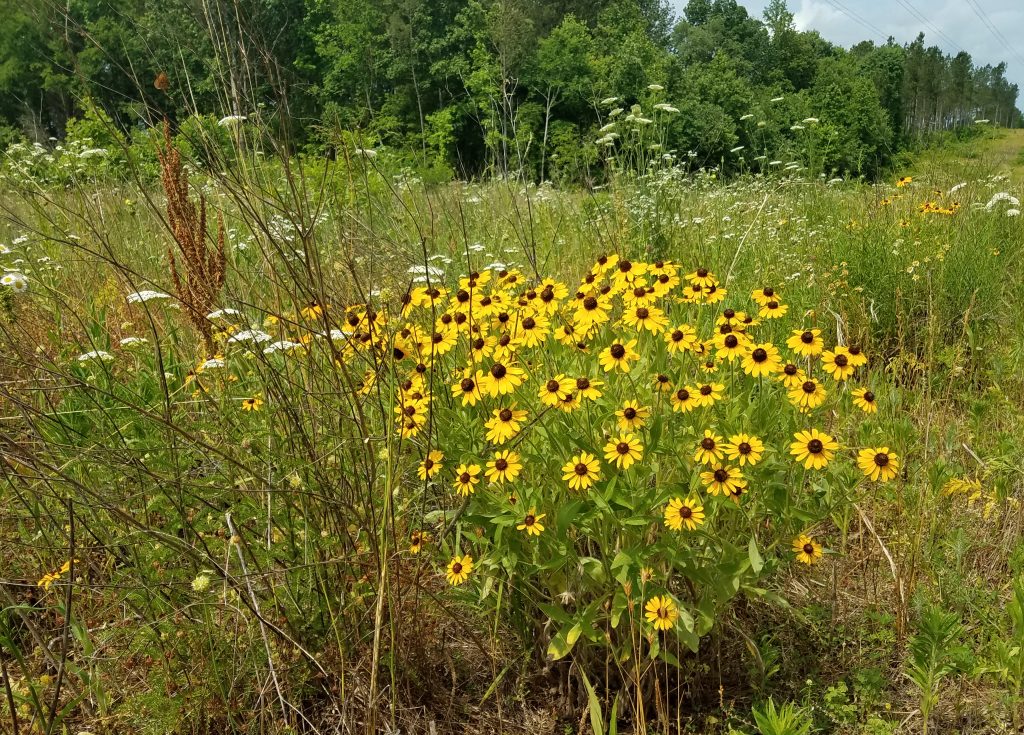
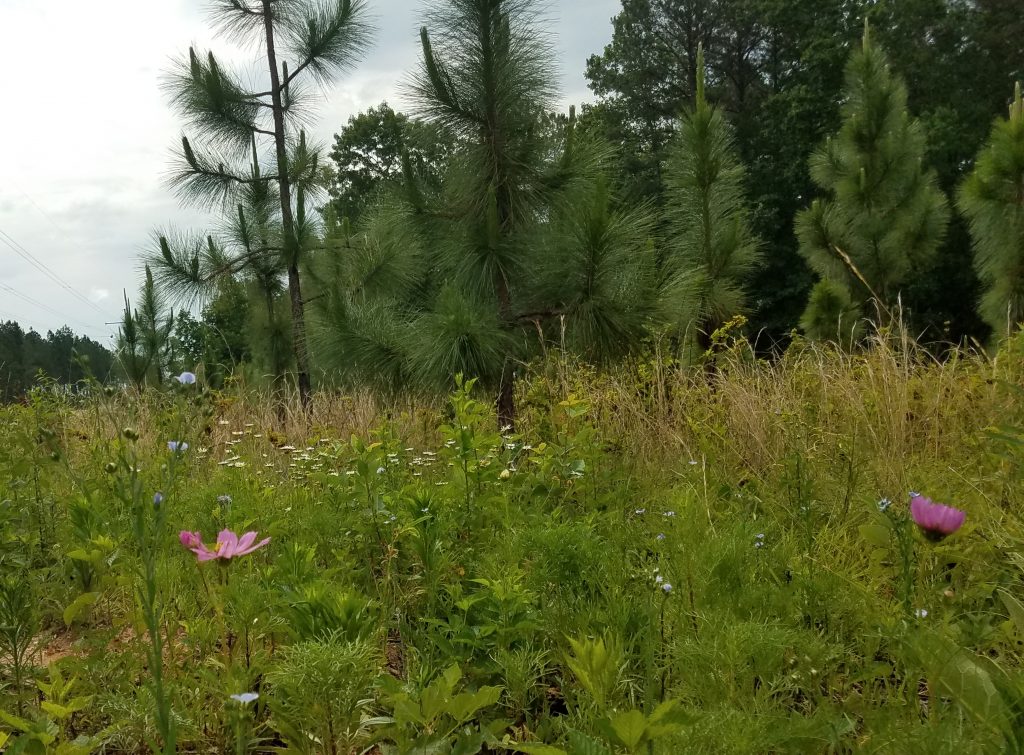
Next picture shows the milkweed/butterfly bush. I am trying to encourage plants like this under the pines. Next is how that goal is coming along. Last are just pretty flowers. I think they are black eyed Susan.

Wide ranging

“Range” is a good title for this wide-ranging book. The subtitle is also descriptive – why generalists triumph in a specialized world. I want this to be true, not sure that it is. Everybody purports to value the generalists as leaders, innovators and visionaries, but nobody wants to hire generalists. The generalist challenge is sequencing. You need some sort of specialty to get most jobs. After you have cleared that threshold, you can spread out. Being a generalist is essential at the higher levels of leadership, but you have to get there first by a specialized route.

Diverse sources
Returning to “Range,” the author is very wide-ranging. He refers to dozens of books that I have read over the past couple years. In fact, you could read “Range” as a kid of frame for others. I wonder, however, if I would have gotten the same benefit from “Range” had I been less familiar with books like “Peak,” “Grit,” “Late Bloomers,” “Where Good Ideas Come From” or “Super Forecasters,” among others.

The advantage of borrowing
The author freely borrows ideas from all those, which is part of the main theme of the book. Lot of ideas are out there. Generalists find them, compile them and put them into new context. Discovering is important; assembling is too. Generally, assemblers are responsible for more effective innovation.

Innovation cannot be created directly; else it would not be innovation. Epstein encourages lateral thinking and that is best accomplished by broad knowledge and broad contacts. Recall that innovation is not the same as invention. Innovation involves using new inventions but more often by applying existing – sometimes very prosaic – factors in new ways.

Foxes & hedgehogs
Epstein uses the old Izaiah Berlin metaphor of hedgehogs and foxes. Hedgehogs know one thing very deeply; foxes know lots of things but not in detail. Both sorts are necessary. Hedgehogs develop inventions and ideas. Foxes assemble. In settled or limited situations, hedgehogs do better, since they can apply bodies of knowledge and experience. This is where grit pays off. MOST of life is like this. If this was not true, there would be little use in any sort of professional expertise or practice. When board a commercial airline, we hope the pilot and crew do NOT need to innovate, that they will follow well-known and established procedures. The division of labor works and innovation can be overrated.
In new or uncertain situations, however, it is the foxes that excel. Foxes beat hedgehogs consistently when trying to predict uncertain events. Epstein mentions the work of Phillip Tetlock, who did a multi-decade study of experts in political pundits. He found that the experts were no better than random chance in predicting big political events out more than a short time or innovations. In fact, the specialists were often WORST in their own specialties, and the most famous were often worst of all. (I recall this from when the Soviet Union fell. Nobody predicted this, although some have now implied that they did.) Tetlock (and Epstein) speculate that the reason is that famous pundits get famous by making radical predictions and then not backing down when they are wrong. They can also tell better stories. Those experts are hedgehogs.

The foxes do much better because they are willing to listen to broad and new information and to change their minds. Theirs is a more iterative procedure, incorporating new information as available and a willingness to “flip-flop” when it makes sense.

Is grit overrated?
One of the things I liked a lot about the book was that it was wide ranging, but that means that the story line is something a little tangential. Epstein spends a lot of time talking about grit and persistence. He is not against it but says it may be overrated. This is especially true for young people. They have to make commitments to studies or career before they know themselves, before their personalities are formed. It might be a bad fit. Sometimes the best thing you can do is quit and move to something more appropriate.
We tend to double down because of the sunk cost fallacy. The more time or money we spend on something, the less likely we are to abandon it. It is called a fallacy because that is exactly what it is. Even if you spend $1 million on something, if the payoff from additional investment does not pay off, the sunk cost does not matter.

It reads more logically than it was lived
His closing advice is that you have to experiment and try lots of things. Epstein points out that the stories we tell of success and innovation tend to be more orderly than the reality. It is the narrative fallacy. It is hard to tell as story w/o a narrative, which explains it. Stories are more logical and plausible than reality.

I recommend the book. It is well written and the themes appropriately diverse. My only complaint is one I have for almost all such books. They include too many personal stories. They are kind of larded into books. I cynically think they are there to make the book long and heavy enough to be taken seriously, but I suppose readers like the human stories. My problem is that lots of the authors use the same stories or at least the same people. As I wrote, I read a lot of these sorts of books and I have heard many of them before.

audible.com   Range Check out this great listen on Audible.com. “Urgent and important…an essential read for bosses, parents, coaches, and anyone who cares about improving performance.” (Daniel H. Pink) “So much crucial and revelatory information about performance, success, and education.” (…     1

Prosperity paradox

Prosperity is a process, not a place. Having money is important to prosperity, but not enough to ensure it. There are people and countries with lots of money that are not prosperous. The key not to have wealth but to have the capacity to create it, and that capacity comes from innovation that create sustainable markets.

He starts the discussion with South Korea. When the author lived in South Korea as a young man, it was abysmally poor. It was poorer than most of the poor countries today. Now it is one of the richest, and most prosperous, countries in the world. It got that way by innovation and market creation. You have to concentrate on the non-consumers and on what they want AND are willing to pay to get. It is easy to underestimate this.

There is the example of mobile phones in Africa. Today they are ubiquitous. Not many years ago, it seemed ludicrous that poor people in Africa would have mobile phones. After all, they needed so many other things. But selling mobile phones in Africa met a need.
The author points out that the USA was abysmally poor only a few generations ago. In 1860, for example, the USA had per capita incomes less than places like Angola, and there is no place on earth today so poor in the measure of overall human development as the USA was then. We came out of it through innovation. The book profiles innovators like Henry Ford, Charles Goodyear and Isaac Merritt Singer. None of these guys invented so much as made things more generally available. Singer’s case illustrates. He figured out how to make sewing machines accessible. Investors told him that the market for these machines would be too small to make money. But they filled an important need and they created markets. Sewing machines made clothing more efficiently and cheaply, and then spawned related industries, creating jobs and further growth.

So what is the prosperity paradox?

You cannot create sustainable prosperity directly. You cannot eliminate poverty by trying to fight poverty. The authors make a distinction between pushing and pulling. Development agencies often push. They give the example of building wells in developing counties. Who does not want that? If only people had easier access to water. Problem is that the recipients cannot or will not maintain the wells. It is not that they are lazy or stupid, but rather that this piece of development is plopped down without an the human ecosystem to support it.

There is also a strong limit to generosity. For something to be sustainable, it needs to make a profit, at least be self-supporting. It is not to say that everything must be bottom up, but that prosperity cannot be granted. Thinking of it in relationship terms, it must be something that the people themselves want and can sustain. It is much better to have a job than to be granted money. Having a job, doing something that you know is useful, is what gives people dignity. W/o dignity, wealth is not much use and prosperity impossible.
Good book. I recommend it.

audible.com   The Prosperity Paradox Check out this great listen on Audible.com. Clayton M. Christensen, the author of such business classics as The Innovator’s Dilemma and the New York Times best-seller How Will You Measure Your Life, and coauthors Efosa Ojomo and Karen Dillon reveal why so many investments in economic de…

The Marshall Plan

I would have been a socialist back in 1946. Who could have believed that we could have done so remarkably well with the free market, with “capitalism?” The world was really in sorry shape right after the world’s greatest and most destructive war. And if you looked to the fascist/communist dreadful economics of the decades immediately past, you would not have had reason to expect better.

Never before or since in the history of the world has a country or a group of men acted with such wisdom and generosity as Americans did after World War II. I understand that this is a bold statement, but I think it is easily defensible with the simple challenge to name a more enlightened ending of a great war. Of course, there is a lot more to it. We could make a long list of leaders in Europe who were necessary for the success and a longer list of various contingencies of history that could have gone the other way.

Like any pivotal time in history, the closer you look, the less magisterial it looks. As the saying goes, it is not pleasant to watch laws or sausages being made.

We talk today about the Marshall Plan, but this is much easier to see something that looks like a logical plan with the perspective of history than it was at the time. At the time, there were a lot of false starts, improvisations and muddling through. It was much more an evolutionary process than it was an intelligent design. We are often beguiled by “plans”, when what is really happening is process.

“The Marshall Plan” by Benn Steil is a great book because it goes into detail about the process, personalities, conflicts and uncertainty w/o getting lost. It is a superb book.
It is hard for us to look back at those times w/o reference to subsequent history. We know how it came out. We know that Western Europe recovered, that the world recovered from the worst war in history. We know that NATO succeeded in its fundamental – if not officially stated – goal of keeping the USA in Europe, the Communists out and the German under control. People at that time knew none of this.

The war destroyed a lot more than the buildings, bridges and factories. They system in general was broken. Society was torn. Habits and spirits were broken. The author points out that people in occupied Europe faced a moral problem. During occupation it had been moral and patriotic to resist the occupation. Not working hard, stealing, lying to the authorities and actual sabotage had been positive virtues. Trust & habits required for a functioning market democracy were damaged or lacking. Rebuilding physical structures may be easier than building culture and human capital – the habits of the heart that make society work.

Europe was on the edge. Communists thought – and the Soviets actively tried to make it happen – communism would take over in Europe. The Soviets actively tried to sabotage recovery. Their goal was to keep the ruin and rule those ruins. Communist propaganda portrayed the Marshall Plan as a way for the USA to enslave Europeans. It is amazing that it turned out as well as it did.

Of course, this period was also the start of the Cold War. Could the Cold War have been avoided? I don’t think so. Communism is antithetical to free market democracy and Stalin’s regime was truly evil. He really did want to establish communist control. We were not wrong to think that about them. On the other side, the USA DID want to get communists out of governments in Western Europe. We DID want to reestablish market democracies. Stalin was not wrong to think this about us. There was no middle ground. The Marshall Plan helped the good guys win.

I enjoyed the ending – the coda – talking about the fall of the Soviet Empire and the birth of our world. I recall those events. They were momentous. This was also a time of great risk. Things could have turned out a lot worse, and many feared they would.
The world is never as good as we could imagine, but it is better than we could logically have expected in 1988 and worlds better than we feared in 1946. Lots of people made good choices and we were lucky.

audible.com   The Marshall Plan Check out this great listen on Audible.com. In the wake of World War II, with Britain’s empire collapsing and Stalin’s on the rise, US officials under new secretary of state George C. Marshall set out to reconstruct western Europe as a bulwark against communist authoritarianism. Their massive, cos…..     1